Elia Palazzesi

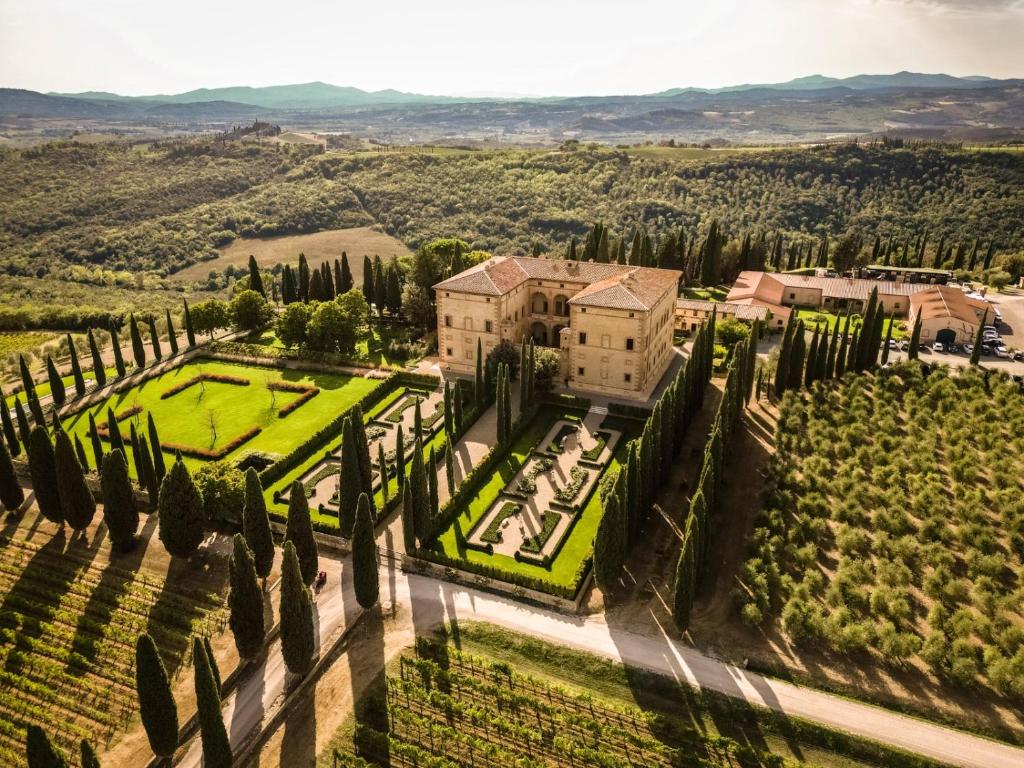
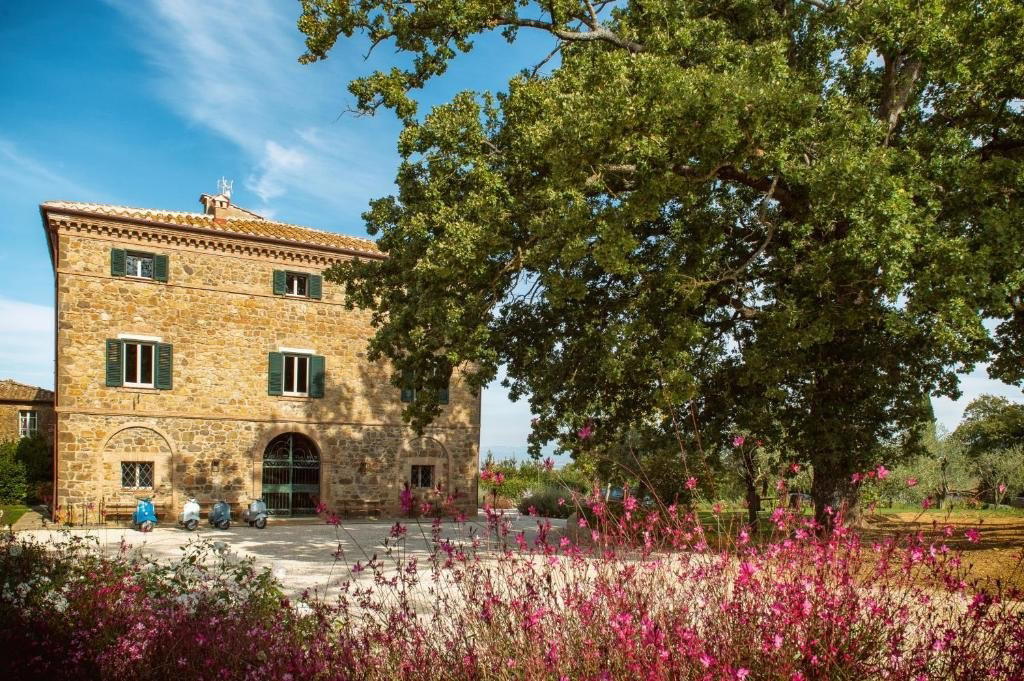
Elia Palazzesi is a small organic Brunello estate in Montalcino, set around 7 hectares of Sangiovese in the forested southwest of the appellation. The draw is not polished wine tourism but a working-farm reading of Brunello: hand-managed vineyards, ICEA organic certification since 2011, and longer aging than DOCG minimums.

Pearl is the En Primeur Club membership app — saves, bookings, and concierge access live there. Same editors, same standards.

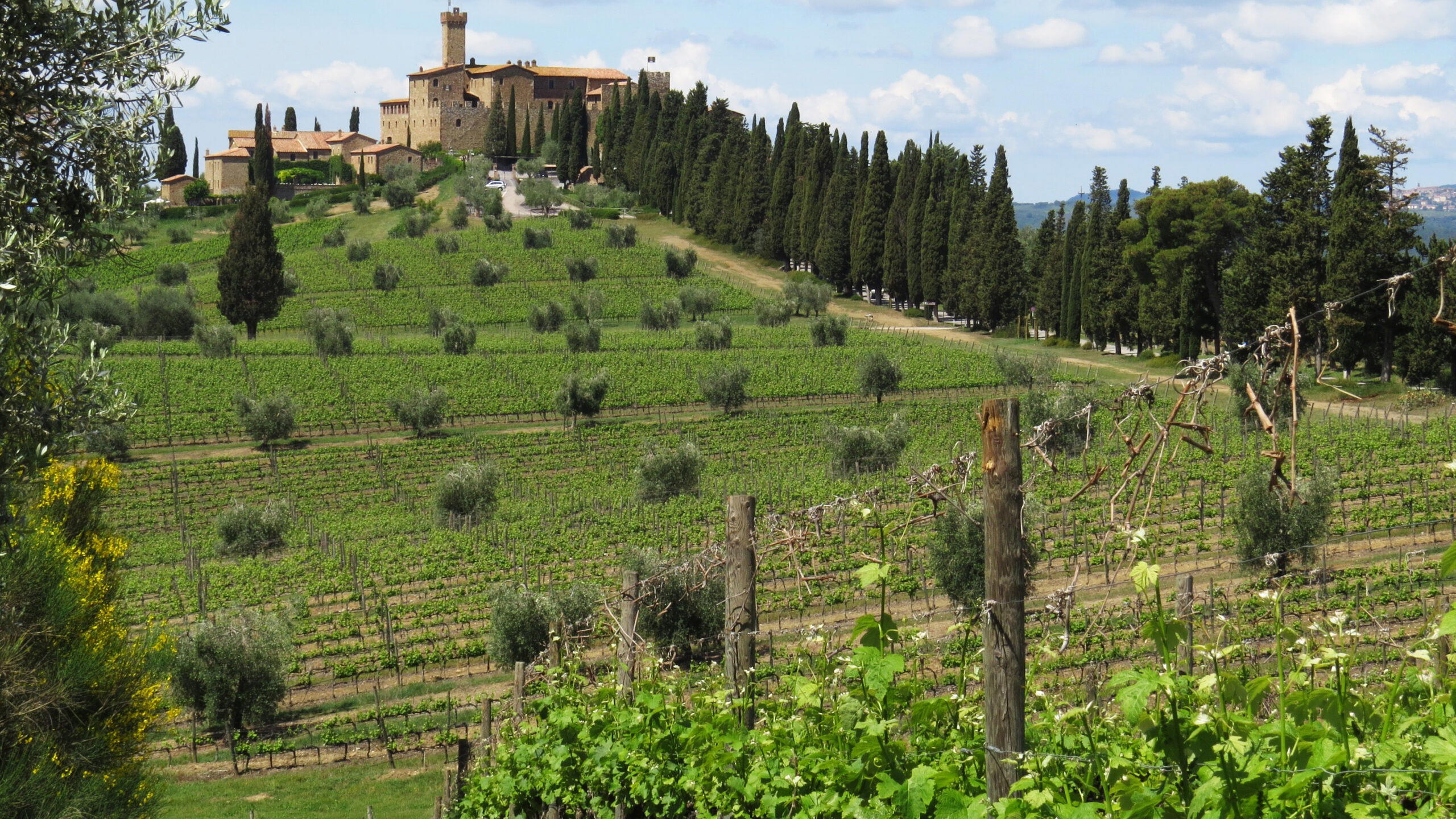
The approach to Elia Palazzesi begins with a different version of Montalcino from the postcard hill-town shorthand. The estate sits in a forested, southwesterly pocket of the appellation, where Sangiovese is shaped by wooded shelter, maritime air from the Maremma side, and alluvial clay soils with sand and stone for drainage. This is Brunello country without the showroom gloss: a small family agricultural property that moved from livestock and cereals into commercial wine production, then built its identity around organic farming and long cellar time.
Montalcino’s modern wine culture often splits between visitor-ready prestige estates and producers that read more like farms first. Elia Palazzesi belongs to the latter camp. The family is counted among the original producer families of Montalcino, a meaningful credential in a region where global demand has made land, labels, and cellar architecture part of the luxury conversation. Here the signal is narrower and more agrarian: 7 hectares, Sangiovese only, and a production style built around patient extraction of place rather than scale.
Southwestern Montalcino, read through Sangiovese and forest shade
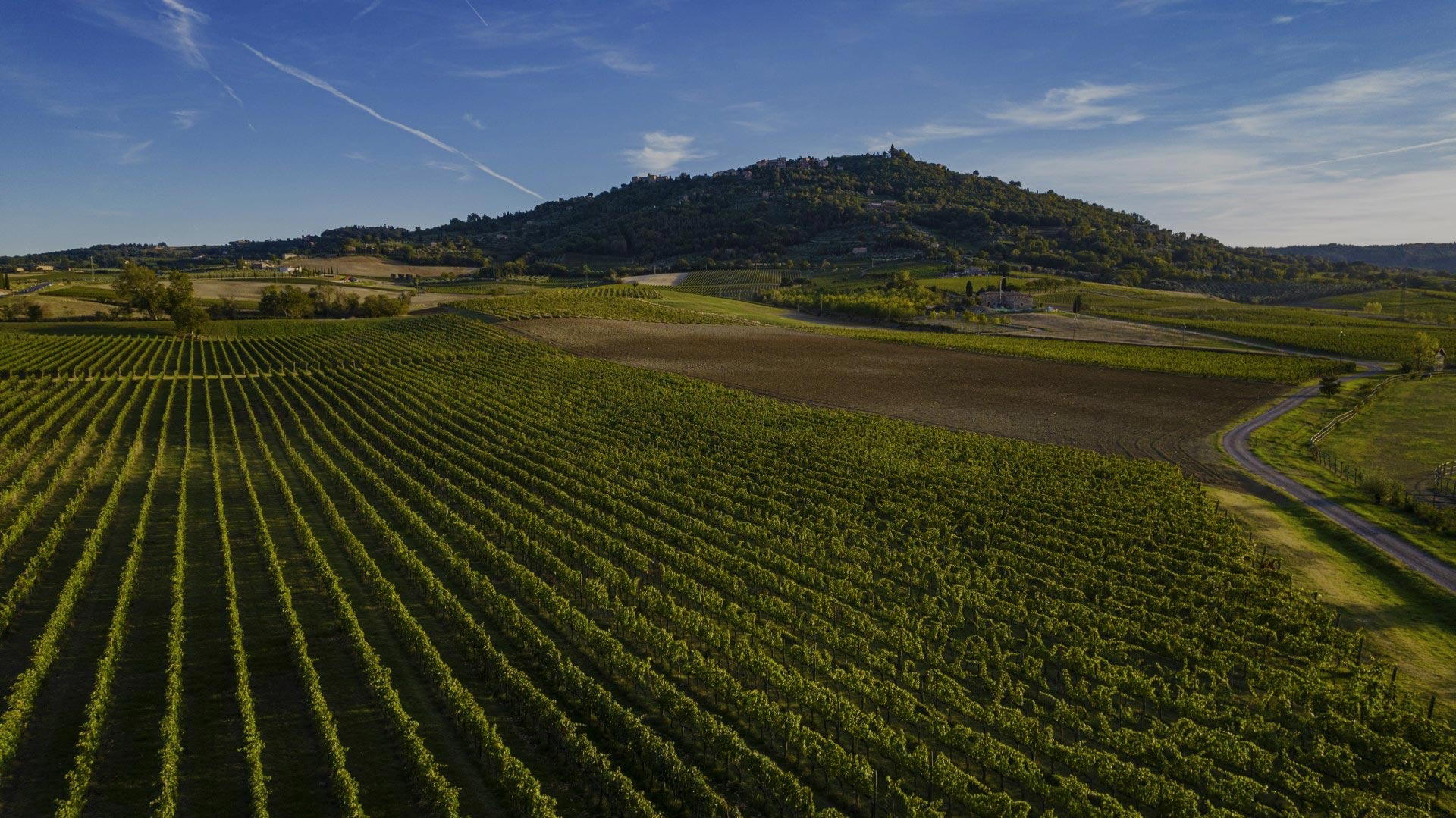
Brunello di Montalcino is often discussed as a single appellation, but the differences inside it matter. The southwestern sector brings a warmer, more open exposure than the higher northern slopes, yet the forested setting and Maremma influence complicate the easy warm-site narrative. At Elia Palazzesi, vineyards sit at 150–180 meters, with wooded hills to the north and a southwest exposure that catches heat while allowing air movement from the coast. That combination explains why canopy work matters here: sunlight, wind, and ripening pressure have to be managed in the vineyard before the cellar can do anything useful.
The estate’s soils add another layer. Clay gives Sangiovese the water-holding capacity it needs in a warm season, while sand and stone help prevent heaviness. In practical drinking terms, that setup points toward structure and concentration rather than a pale, delicate reading of the grape. The wines are all 100% Sangiovese, covering Brunello di Montalcino DOCG, Brunello di Montalcino Riserva, Rosso di Montalcino DOC, and Toscana Rosso “Lo Spepo.” The portfolio is narrow in the right way: it asks how one grape behaves under different rules, aging windows, and selection decisions.
Organic farming and longer aging are the real house argument
The winemaking story here is less about a charismatic cellar manifesto than a sequence of choices that make the wines legible. The estate has been ICEA-certified organic since 2011, and vineyard work is handled by hand, including bunch thinning and canopy management. In a region where Sangiovese can turn stern, dry, or overripe depending on site and season, that labor is not decorative; it is the difference between merely meeting Brunello rules and building material that can hold extended aging.
Cellar follows that same conservative logic. Vineyard parcels are fermented separately in stainless steel, with native yeasts and natural yeast added only when needed. Aging runs beyond the appellation minimums: Rosso di Montalcino spends 10–12 months in oak, Brunello di Montalcino spends 30 months, and Riserva spends 40 months. Slavonian oak is the reference point, with large barrels central to the style and 25hl barrels used for the Riserva. Lorenzo Landi works as oenologist with owner the winery, giving the estate a professional cellar counterweight to its family-farm scale.
That longer-aging choice is the clearest editorial marker. Brunello’s regulations already demand time, but producers decide how much patience to add and what kind of oak footprint to allow. Large Slavonian oak generally speaks in structure rather than overt sweetness, and the use of older, larger botti for Rosso suggests a producer trying to keep Sangiovese in a traditional register. The result is a house position that favors cellar-worthy reds over immediate polish.
How to place it within a Montalcino wine itinerary
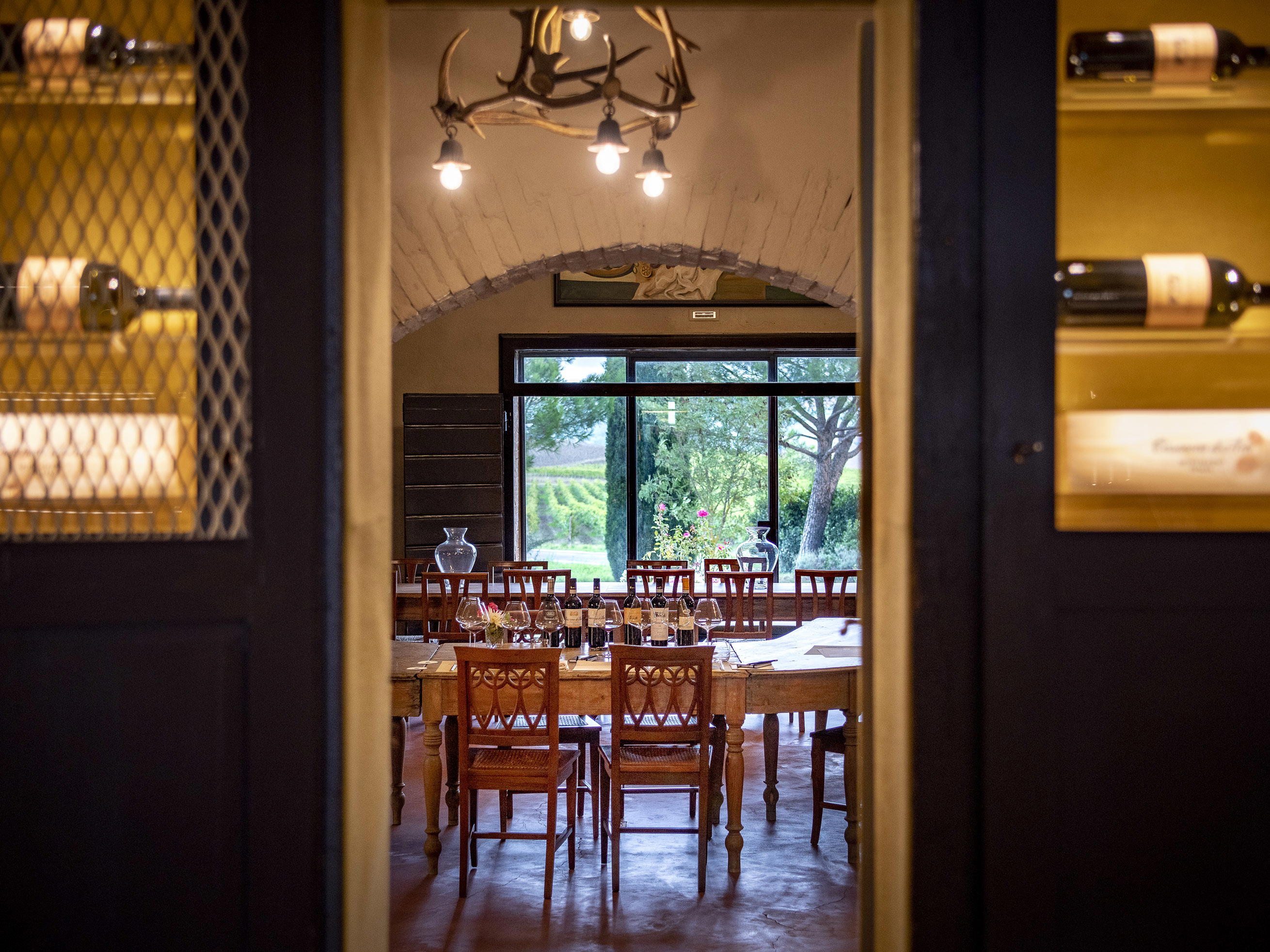
The winery suits travelers who care about the agricultural mechanics behind Brunello: exposure, clone selection, organic certification, barrel size, and the legal distinction between Rosso, Brunello, Riserva, and Toscana Rosso. It is less suited to anyone seeking a heavily staged hospitality format with broad language programming or food pairing built into the visit. The estate’s appeal is the working-farm scale and the ability to connect the glass to a specific corner of Montalcino rather than to a generalized luxury Tuscan experience.
For wider planning around the town, EP Club’s Montalcino coverage is split by category: Our full Montalcino wineries guide, Our full Montalcino restaurants guide, Our full Montalcino hotels guide, Our full Montalcino bars guide, and Our full Montalcino experiences guide. Nearby winery reading includes Aglieta Roberto, Agostina Pieri, Agricola Poggio Rubino, Aisna, and Altesino. For a broader European wine map, see 3GP SRL in Treviso, 47 Anno Domini in Trebaseleghe, A Mano Wine in Noci, »der Steiner« Hans Steiner in Podersdorf am See, and & Handwein in Mannheim.
Recognition history
Dated appearances from independent guides and award organizations, with the underlying list record or original source where available.
Falstaff Winery - Listed
Falstaff
Continue exploring
More in Montalcino
Wineries in Montalcino
Browse all →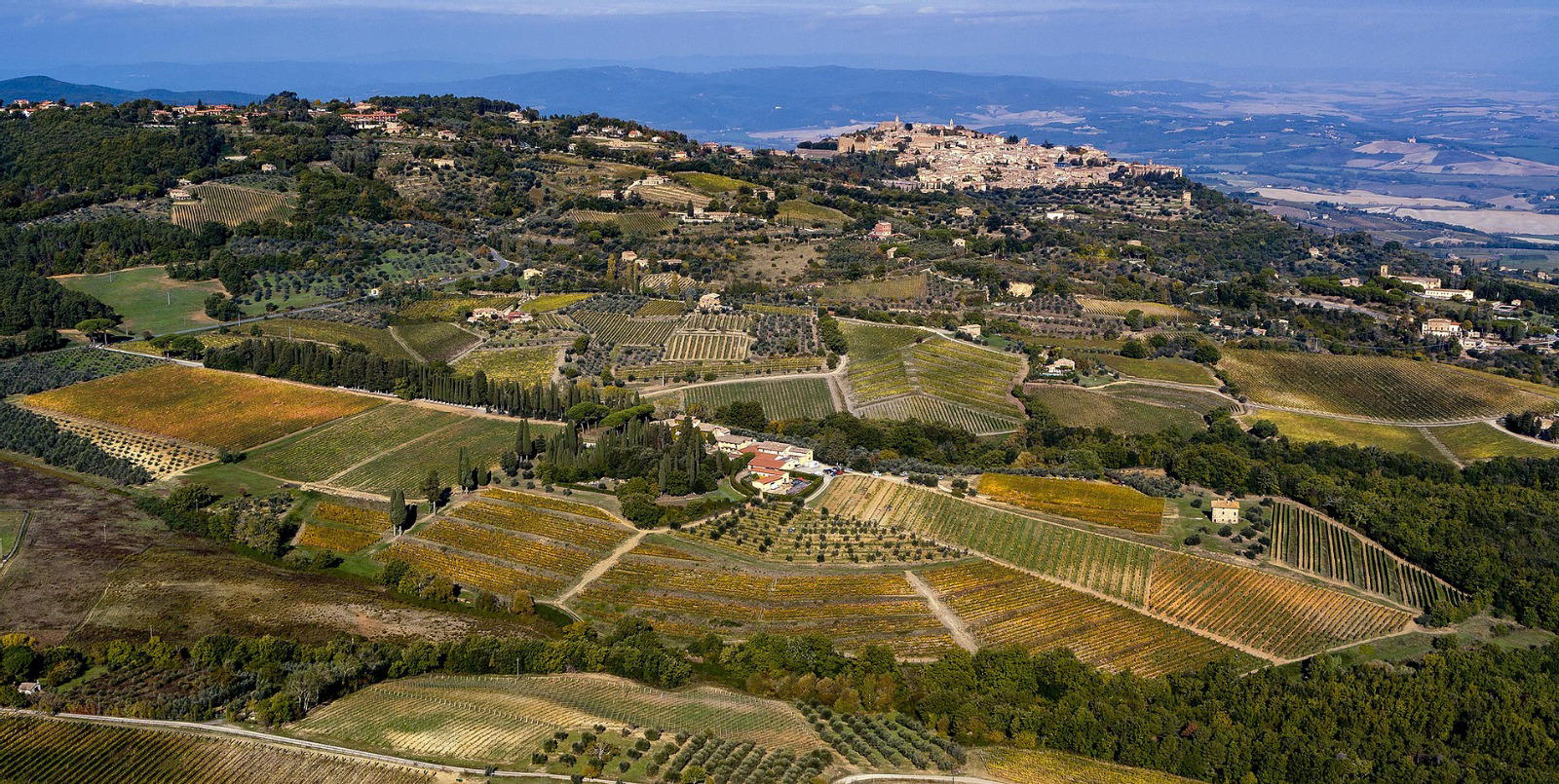
Bars in Montalcino
Browse all →
Restaurants in Montalcino
Browse all →
At a Glance
- Rustic
- Scenic
- Romantic
- Intimate
- Romantic Getaway
- Wine Education
- Special Occasion
- Solo Exploration
- Group Outing
- Estate Grounds
- Vineyard Tour
- Private Tasting
- Organic
- Vineyard
- Garden
- Brunello Di Montalcino DOCG
- Sangiovese
- Still Red
- Private
- Estate
- Educational
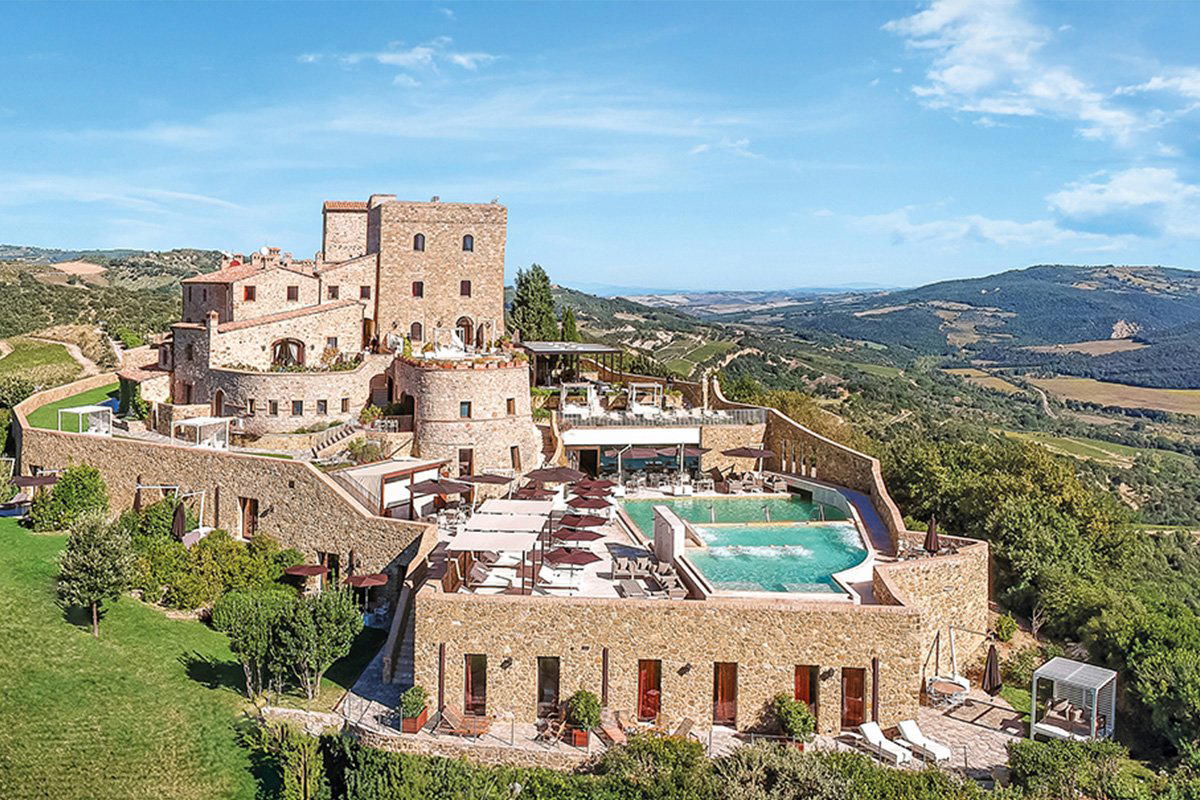
Small, family-run organic Brunello estate set in a wild, forested corner of southwestern Montalcino, with a rustic working-farm feel and a focus on hands-on, traditional winemaking rather than polished visitor facilities.