
Domaine Pierre Matrot sits at 12 Rue de Martray in the village of Meursault. The domaine works within one of Burgundy's most closely watched white wine appellations, where village and premier cru distinctions carry real commercial and critical weight. For collectors and visitors tracing Meursault's producer hierarchy, Matrot represents a multi-generational address worth knowing.
Pearl is the En Primeur Club membership app — saves, bookings, and concierge access live there. Same editors, same standards.
- Address
- 12 Rue de Martray, 21190 Meursault
- Phone
- +33 3 80 21 20 13
- Website
- matrot.com
- Directions
- Get directions
 Saves & bookings on Pearl
A Village Address in Burgundy's Most Contested White Wine Appellation
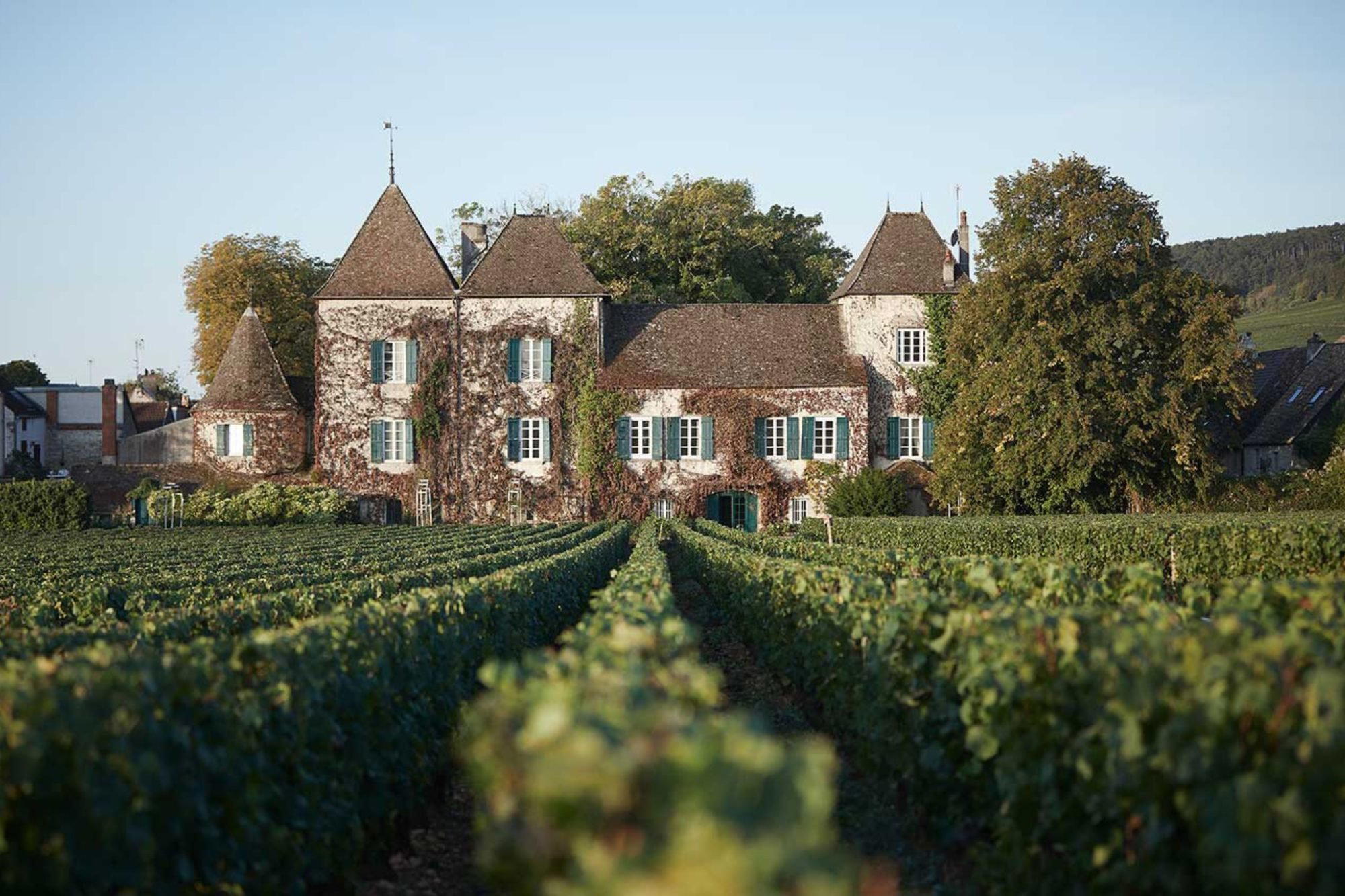
Meursault does not announce itself with the grandeur of Gevrey-Chambertin or the sculptural drama of the Côte de Nuits ridgeline to the north. The village sits low and compact against its vineyards, its limestone church tower the only vertical accent in a scene that is otherwise all horizontal vine rows and pale stone walls. On the Rue de Martray, one of the quieter streets threading through the village core, Domaine Pierre Matrot occupies a position that reflects the broader character of Meursault's producer community: embedded, understated, and defined almost entirely by what ends up in the bottle.
That restraint is not incidental. Meursault built its reputation as the Côte de Beaune's premier white wine commune through a dense concentration of serious family estates rather than through any single marquee name. Where Puligny-Montrachet and Chassagne-Montrachet carry Grand Cru weight, Meursault operates on the strength of its premier crus, Perrières, Charmes, Genevrières, and the reputations of the producers who farm them across generations. Domaine Pierre Matrot, now operating under Thierry and Pascale Matrot, is part of that longer institutional story.
In a commune where the gap between a well-regarded domaine and a sought-after one is often measured in allocation size and secondary market activity, a Prestige-tier rating carries weight as a navigational tool for collectors deciding where to focus attention.
Meursault's top tier is occupied by estates whose wines regularly appear on restaurant lists well above their appellation retail pricing, and whose allocations are managed through relationships rather than open sales. Domaine Coche-Dury operates at the apex of that hierarchy. Domaine Roulot and Domaine des Comtes Lafon command serious secondary interest. Domaine Arnaud Ente works a smaller parcel footprint with allocation scarcity as a structural feature. Domaine Pierre Matrot operates in the tier immediately below that summit cohort, which is precisely the tier that serious collectors pay attention to when access to the leading names closes off. For context on the range of producers working across this appellation, the full Meursault guide maps the key estates by style and accessibility.
How Meursault's Appellation Structure Shapes What Producers Make
Understanding what Domaine Pierre Matrot produces requires understanding how Meursault's appellation architecture actually works. Unlike the tightly classified hierarchies of Pomerol or Saint-Émilion, Meursault operates with a village appellation, a substantial premier cru tier, and no Grand Cru, a structural quirk that has long been a source of debate among Burgundy scholars, given that Perrières in particular is often treated as Grand Cru-equivalent in its leading vintages.
For a domaine like Matrot, this means the portfolio is built around differentiating between village-level Meursault and premier cru holdings, and often extending into neighbouring appellations. Blagny, which sits at higher elevation between Meursault and Puligny-Montrachet and produces red wine alongside its whites, and Puligny-Montrachet parcels are typical components of a larger Côte de Beaune domaine's range. The menu architecture that results, to use an editorial frame borrowed from restaurant criticism, is one where the same fundamental terroir grammar is spoken across multiple registers, with the premier cru and single-vineyard entries representing the proof points for the domaine's ambitions.
This structure matters for visitors and buyers alike. A domaine working across several appellations and classifications gives collectors a way to calibrate: compare how the same winemaking hand interprets village versus premier cru fruit, and the gap either justifies the price differential or narrows it in ways that inform how you buy. Peer estates including Domaine Antoine Jobard and Domaine Chavy-Chouet work similar multi-appellation formats, making comparative tasting across domaines at the same classification level a useful exercise when spending time in the village.
Meursault's Producer Ecosystem and Where Matrot Sits Within It
The village of Meursault supports an unusually dense concentration of producer-direct commerce for a Burgundy commune of its size. Several estates maintain tasting facilities open to visitors, and the village's own calendar of events, including the famous Paulée de Meursault, the post-harvest celebration that draws collectors and winemakers from across the region, makes it a working destination rather than a drive-through stop on the Beaune to Chagny run.
Château de Meursault operates visitor-accessible tasting infrastructure in the village, with its grand cellar beneath the château drawing significant tourist volume. Domaine Henri Boillot and Domaine Jacques Prieur represent different models of scale and reach within the same appellation. Matrot sits within this ecosystem as a family-run operation whose reputation has been built through export relationships and critical recognition rather than high-volume visitor traffic, a pattern common among the mid-tier prestige estates of the Côte de Beaune.
The comparison set for Matrot extends beyond Meursault's borders when you consider the broader Burgundy context. Domaines at a similar prestige tier in other appellations, whether working Chardonnay in Puligny, or Pinot Noir in Gevrey or Chambolle, tend to share a set of structural characteristics: multi-generational ownership, holdings spread across village and premier cru level, modest production volumes by negociant standards, and reputations that travel through specialist importers rather than mass retail. That profile applies here.
Planning a Visit to the Domaine
Domaine Pierre Matrot is located at 12 Rue de Martray, 21190 Meursault. Meursault itself sits roughly 8 kilometres south of Beaune on the D974, the main Route des Grands Crus that threads through the Côte de Beaune villages. The village is accessible by car from Beaune in under fifteen minutes, and the TGV connection to Beaune from Paris Gare de Lyon makes day visits from the capital feasible, though collectors serious about the region tend to base themselves in Beaune for at least two nights to cover the density of producers worth visiting.
Visitors planning direct engagement with the domaine should approach through the winery's standard contact channels. No website or phone number is listed in public sources, which itself reflects the allocation-first orientation of many prestige Burgundy estates: the relationship typically precedes the visit rather than the reverse. Buyers already working with specialist Burgundy importers in their home markets are best positioned to arrange access through existing trade relationships.
This is not a Château de Meursault open-cellar situation. Visitors expecting walk-in tasting should plan their itinerary around the estates with formal visitor infrastructure and treat Matrot as a destination requiring advance coordination. For those building a broader Burgundy itinerary, producers at comparable prestige levels across France's other wine regions, from Albert Boxler in Niedermorschwihr in Alsace to estates in Bordeaux such as Château Batailley in Pauillac, Château Bélair-Monange in Saint-Émilion, Château Boyd-Cantenac in Cantenac, Château Branaire Ducru in St-Julien, and Château Bastor-Lamontagne in Preignac, operate under similar appointment-first models where trade relationships govern access. For those exploring beyond France entirely, prestige-tier producers in California such as Accendo Cellars in St. Helena or distinctive producers like Chartreuse in Voiron and Aberlour in Aberlour reflect how prestige-tier provenance operates across different categories and geographies.
Comparable Spots, Quickly
Comparable venues nearby, for context on price, style, and recognition.
| Venue | Cuisine | Price | Notes |
|---|---|---|---|
| Domaine Pierre Matrot - Thierry et Pascale MatrotThis venue — the venue you are viewing | Chardonnay, Pinot Noir | $$$ | Not listed |
| Domaine Génot-Boulanger | Chardonnay, Pinot Noir | $$$ | Meursault |
| Domaine Chavy-Chouet | Chardonnay, Pinot Noir | $$$ | Meursault |
| Domaine Marthe Henry | Chardonnay, Pinot Noir | $$$ | Meursault |
| Domaine des Comtes Lafon | Chardonnay, Pinot Noir | $$$$ | Meursault |
| Domaine Antoine Jobard | Chardonnay, Pinot Noir | $$$ | Meursault |
Recognition history
Dated appearances from independent guides and award organizations, with the underlying list record or original source where available.
Falstaff Winery - Listed
Falstaff
Continue exploring
More in Meursault
Wineries in Meursault
Browse all →
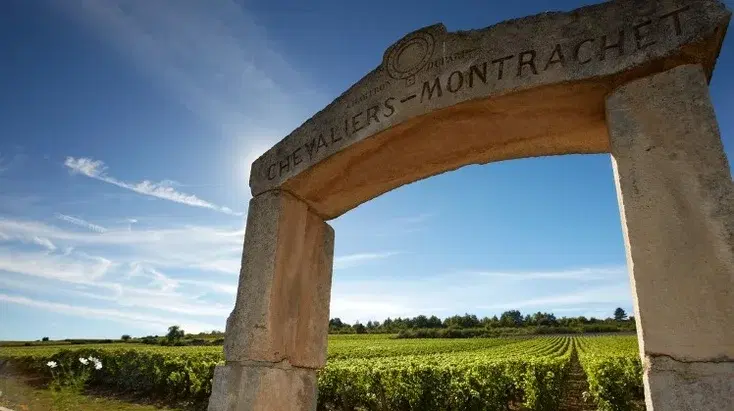
Bars in Meursault
Browse all →
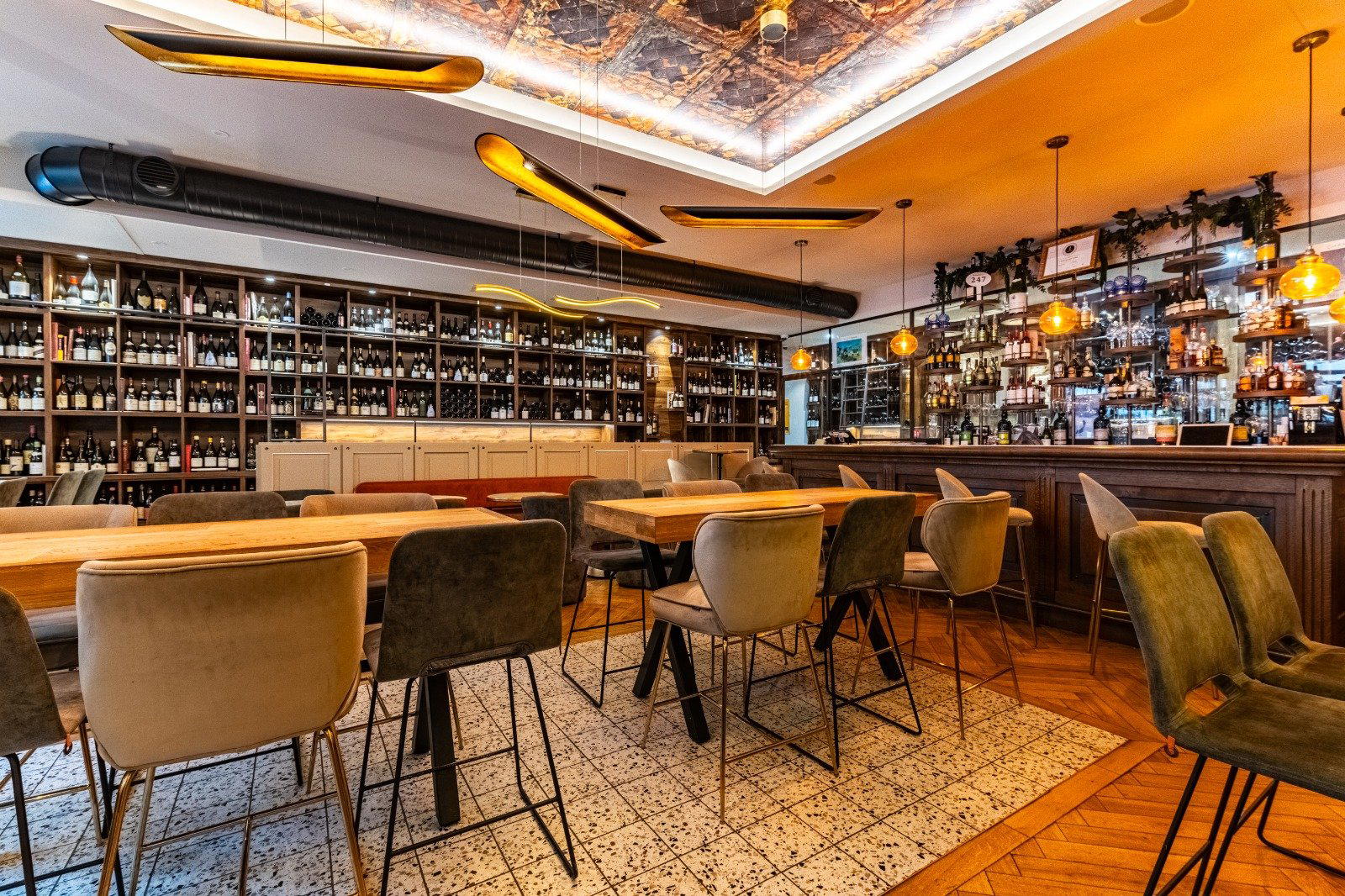
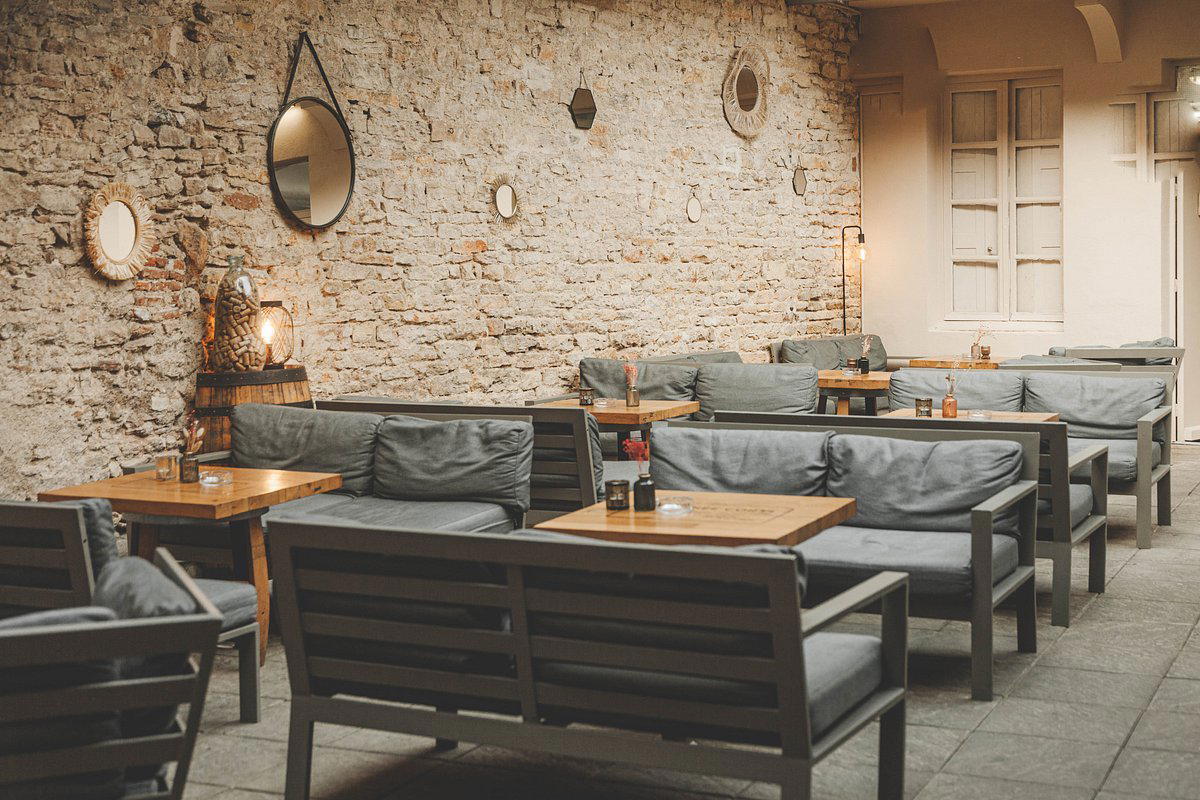
Restaurants in Meursault
Browse all →
At a Glance
- Classic
- Elegant
- Rustic
- Wine Education
- Solo Exploration
- Special Occasion
- Cave Tasting
- Vineyard Tour
- Estate Grounds
- Sustainable
- Organic
- Vineyard
- Meursault AOC
- Chardonnay
- Pinot Noir
- Aligoté
- Still White
- Still Red
- Cave Tasting
Classic and elegant with a rustic touch, reflecting careful vineyard work and traditional Burgundian winemaking.