
Vecchia Romagna, the Cognac-method brandy house operating from Zola Predosa on Bologna's western edge, earned a Pearl 2 Star Prestige rating in 2025, placing it among Italy's most formally recognised spirits producers. The distillery's address on Via Enrico Fermi anchors a tradition of aged Italian brandy that predates the modern craft spirits wave by decades. Visitors seeking a serious encounter with Italian distillation history will find the context here hard to match elsewhere in Emilia-Romagna.
 Discover on Pearl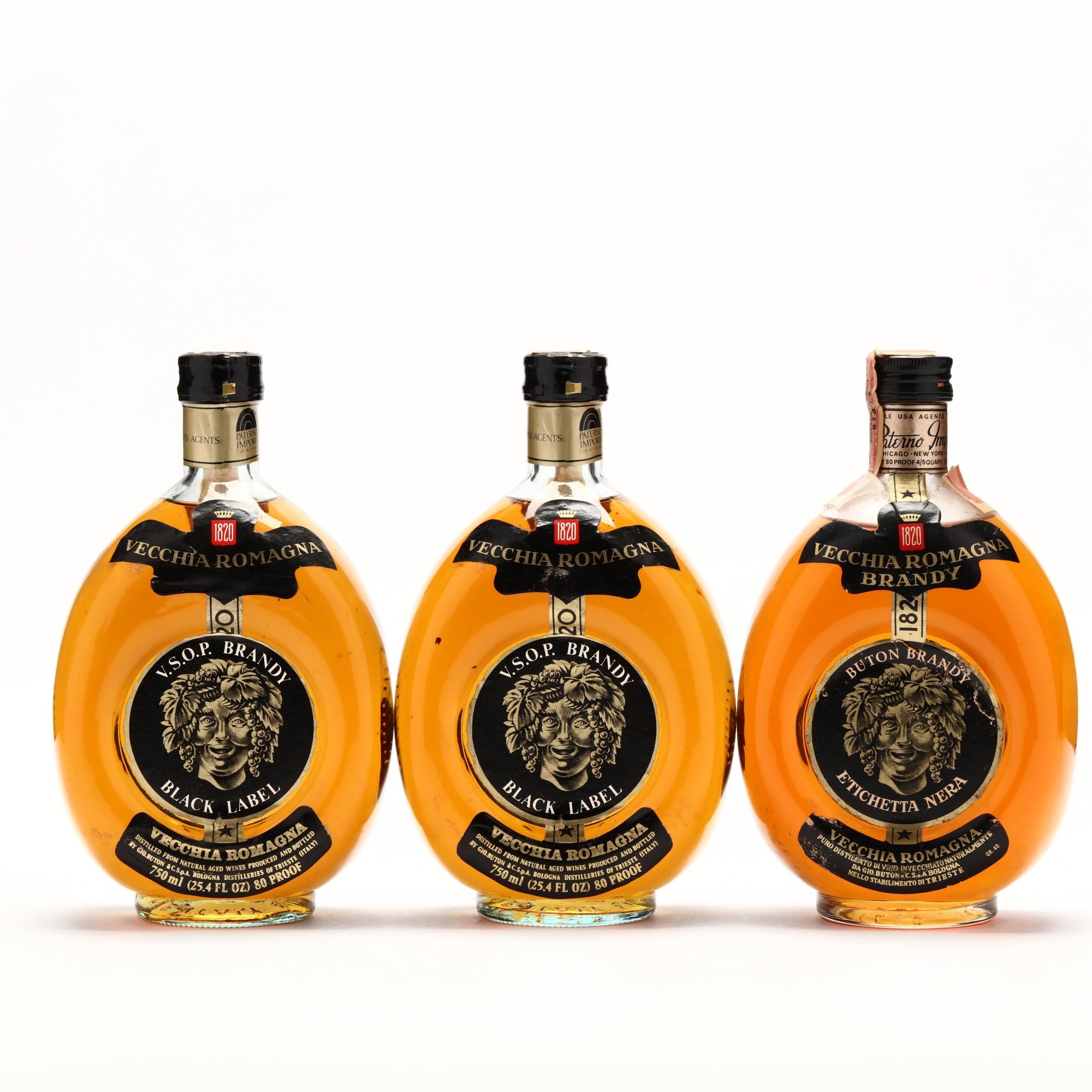
Where Emilia-Romagna's Distilling Tradition Meets the Plain
The western approach to Bologna, through the flat agricultural corridor that connects the city to the Apennine foothills, is not a landscape that announces itself with drama. The towns that punctuate the Via Emilia's tributaries have long served industrial and agricultural functions, and Zola Predosa, sitting roughly twelve kilometres from Bologna's historic centre, belongs to that tradition. It is precisely this context, a working territory rather than a postcard one, that makes Vecchia Romagna's home at Via Enrico Fermi, 4 worth understanding on its own terms. Italian spirits production of genuine age and scale tends not to occupy hilltop estates with cypress-lined drives. It occupies factory districts and agricultural plains, where the infrastructure of long-run distillation, warehousing, and blending can actually function.
That mundane setting carries editorial weight when you consider how Italy's broader spirits identity has been told. The country's wine story has been narrated through terroir, through the mineral chalk of Barolo or the volcanic soils of Etna, in ways that have given individual estates their competitive identity. Italian brandy has not enjoyed the same storytelling machinery, even when the production history and the underlying craft are comparably serious. Vecchia Romagna's 2025 Pearl 2 Star Prestige award, issued through EP Club's evaluation framework, marks one of the more formal recognitions the producer has received in a contemporary context, placing it in a tier that demands verified quality signals rather than heritage alone.
Italian Brandy in the Age of Category Reassessment
Across Europe, aged spirits categories that spent decades in commercial middle-ground are being reassessed. Cognac's dominance of the premium brandy conversation masked substantial Italian production that used French-trained methods, Charentais stills, and extended barrel ageing to produce spirits structurally similar to what the Charente exported at ten times the price. Vecchia Romagna, operating as Distillerie Buton in its full registered identity, belongs to the cohort of Italian producers that absorbed those French methods and applied them to domestic grape varieties and Emilian ageing conditions. The result is a category that rewards the same analytical attention as Armagnac or aged Calvados, without yet commanding equivalent critical prestige in most markets outside Italy.
The reassessment happening in brandy mirrors what occurred in Italian wine over the past thirty years. Producers like Aldo Conterno in Monforte d'Alba, Biondi-Santi Tenuta Greppo in Montalcino, and Bruno Giacosa in Neive spent years producing at the highest level before international critics fully registered the tier they occupied. Italian spirits are at a comparable inflection point, and formally recognised producers in the distillate space are beginning to attract the kind of structured critical attention that wine has long received.
The Role of Place in Italian Distillation
When the editorial angle applied to wine production is terroir, the question for a distillery is whether place expresses itself in the final spirit with the same legibility it does in a vineyard-specific Barolo or a single-vineyard Chianti Classico. The answer, for serious Italian brandy, is that it does, though through different mechanisms. The grape base, typically Trebbiano in Emilia-Romagna's production tradition, carries the character of a low-intervention, high-volume agricultural region. The climate of the Po Plain, with its pronounced continental extremes of summer heat and winter cold, accelerates certain ageing dynamics relative to the more temperate conditions of France's premier brandy zones. The wood policy, the blend philosophy, and the regional humidity all shape what ends up in the bottle, even if the causal chain is less legible to consumers than the Burgundy-derived terroir shorthand applied to wine.
Comparing this to what happens at estates like Antinori nel Chianti Classico in Tuscany or Ca' del Bosco in Erbusco, where the relationship between a specific site and the product in the bottle is central to both marketing and critical assessment, Italian distilleries have a different challenge. The spirit's provenance story runs through grape sourcing, still design, and wood selection rather than through a named appellation, and building that narrative requires a different vocabulary than the one wine criticism developed over a century.
Position Within Italy's Wider Spirits Picture
Italy's spirits sector spans a wider stylistic range than its wine sector, given the country's history of producing liqueurs, amaro, grappa, and brandy in parallel. Gruppo Montenegro, which has deep roots in Bologna's spirits tradition, represents one axis of that production, oriented toward bittersweet liqueurs and the amaro category. Vecchia Romagna occupies a different axis, one oriented toward aged grape distillate and the premium brandy positioning that has historically competed with imported Cognac on the Italian domestic market. Understanding that competitive geography matters when assessing the 2025 Pearl 2 Star Prestige recognition: it is not a wine award translated into spirits language, but an evaluation that sits within a peer set of serious Italian distillates and measures against the standards that category demands.
For reference, the kind of recognition that serious Italian spirits producers are beginning to attract internationally is structurally similar to what happened when European critics began systematically evaluating producers like Campari in Milan or Aberlour in Aberlour with the same rigour previously reserved for wine. Critical frameworks are now being applied to Italian spirits with increasing consistency, and producers carrying formal ratings carry a different signal in that context than unrecognised heritage houses.
Planning a Visit to Zola Predosa
Access to the Via Enrico Fermi site from Bologna is direct by car, with the A14/A1 motorway junction at Borgo Panigale providing a direct corridor west. Public transit connections exist but are less direct than the road approach. Visitors oriented toward the broader Emilia-Romagna spirits and wine circuit might pair a stop at the Zola Predosa production site with exploration of Bologna's wider winery network, which extends south into the Colli Bolognesi DOC appellation and north toward Pignoletto production zones. For those building an itinerary around the city's full hospitality range, EP Club maintains guides covering Bologna's restaurants, Bologna's hotels, Bologna's bars, and Bologna's experiences.
Given the production-facility nature of the address, direct visit arrangements, opening hours, and booking procedures are not confirmed in public records and should be verified through the producer's official channels before travel. The site's industrial district character means it functions differently from estate wineries with established visitor infrastructure, and assumptions drawn from wine tourism models do not transfer automatically. For broader context on comparable Italian producers building visitor programs, Abadía Retuerta in Sardón de Duero offers one reference point for how serious spirits and wine producers have formalised their hospitality function without compromising production identity.
Frequently Asked Questions
- What wines or spirits should I try at Distillerie Buton (Vecchia Romagna)?
- Vecchia Romagna's core reputation in Italy rests on its aged brandy range, produced using Charentais-method distillation and extended barrel ageing, placing it in the same technical category as French brandy houses rather than grappa or amaro producers. The 2025 Pearl 2 Star Prestige award from EP Club validates the quality tier of the production without specifying individual expressions, so the current range is leading confirmed directly through the producer. For regional context on how aged Italian distillates compare to wine-focused producers, EP Club's Bologna wineries guide maps the wider production scene.
- What is the defining thing about Distillerie Buton (Vecchia Romagna)?
- The defining fact is that Vecchia Romagna is one of the few Italian brandy producers to carry a current, formally issued prestige-tier rating from a structured evaluation framework, specifically the 2025 Pearl 2 Star Prestige from EP Club. In Bologna's production landscape, where most spirits heritage is narrated through amaro and liqueur categories, a formally recognised aged-brandy house occupies a distinct and relatively narrow niche. That positioning, rather than any single product or individual decision, is what separates the producer from peers in the regional market.
- Do they take walk-ins at Distillerie Buton (Vecchia Romagna)?
- Walk-in access to the Via Enrico Fermi, 4 production facility in Zola Predosa is not confirmed in available records, and the industrial address suggests a working distillery rather than a visitor-oriented estate. If a formal visit is the goal, contacting the producer directly before travelling is the prudent approach. The 2025 Pearl 2 Star Prestige recognition indicates a producer operating at a credentialed level, but that does not automatically translate to an established hospitality infrastructure open to ad hoc arrivals.
- How does Vecchia Romagna's brandy heritage compare to other long-established Italian producers in the same category?
- Vecchia Romagna, operating under the Distillerie Buton name, carries one of the longer documented histories in Italian Cognac-method brandy production, giving it a generational depth that newer craft distilleries in Italy cannot replicate. The 2025 Pearl 2 Star Prestige award places it within a formally evaluated tier that few Italian brandy producers currently occupy, making it a reference point for the category rather than simply one entry among many. For comparison with other long-run Italian producers working at a comparable prestige level across wine and spirits, see EP Club's profiles of Gruppo Montenegro and Campari in Milan.
Peer Set Snapshot
These are the closest comparables we have in our database for quick context.
| Venue | Awards | Notes |
|---|---|---|
| Distillerie Buton (Vecchia Romagna) | Pearl 2 Star Prestige | This venue |
| Vecchia Romagna | Pearl 2 Star Prestige | |
| Gruppo Montenegro | Pearl 1 Star Prestige | |
| Ceretto | 50 Best Vineyards #19 (2025); Pearl 3 Star Prestige | |
| Castello Banfi | 50 Best Vineyards #61 (2025); Pearl 4 Star Prestige | |
| Tenuta Cavalier Pepe | 50 Best Vineyards #81 (2025); Pearl 2 Star Prestige |
Access the Cellar?
Our members enjoy exclusive access to private tastings and priority allocations from the world's most sought-after producers.
Get Exclusive Access