Cortonesi

Cortonesi is a family-run Brunello di Montalcino estate on the La Mannella property, with Sangiovese as the center of gravity and a style built around structure, minerality, and cellar potential. The estate’s 138 acres include 19 acres dedicated to Brunello, making it a focused stop for travelers who want Montalcino through vineyard expression rather than hospitality theater.

Pearl is the En Primeur Club membership app — saves, bookings, and concierge access live there. Same editors, same standards.

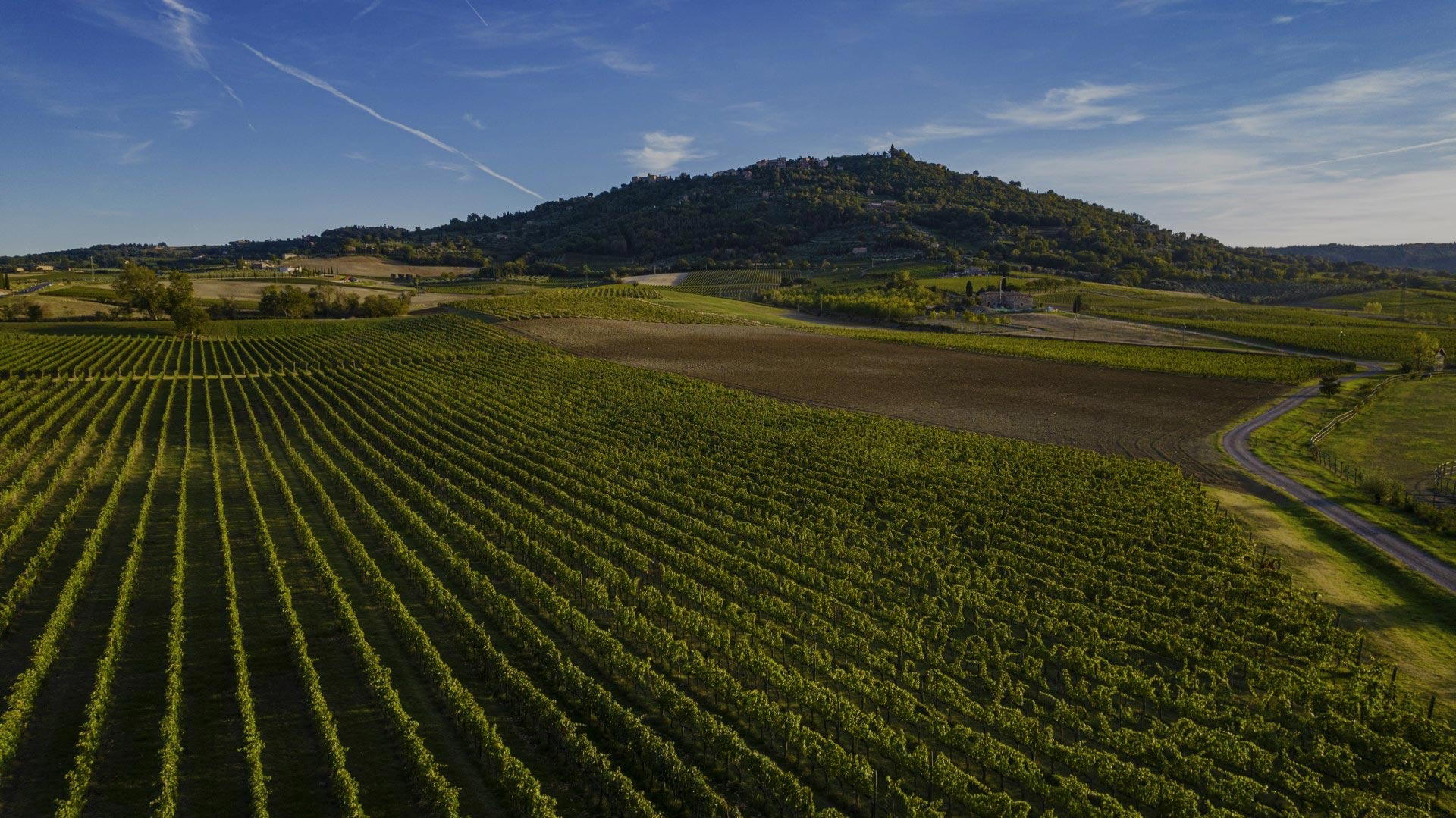
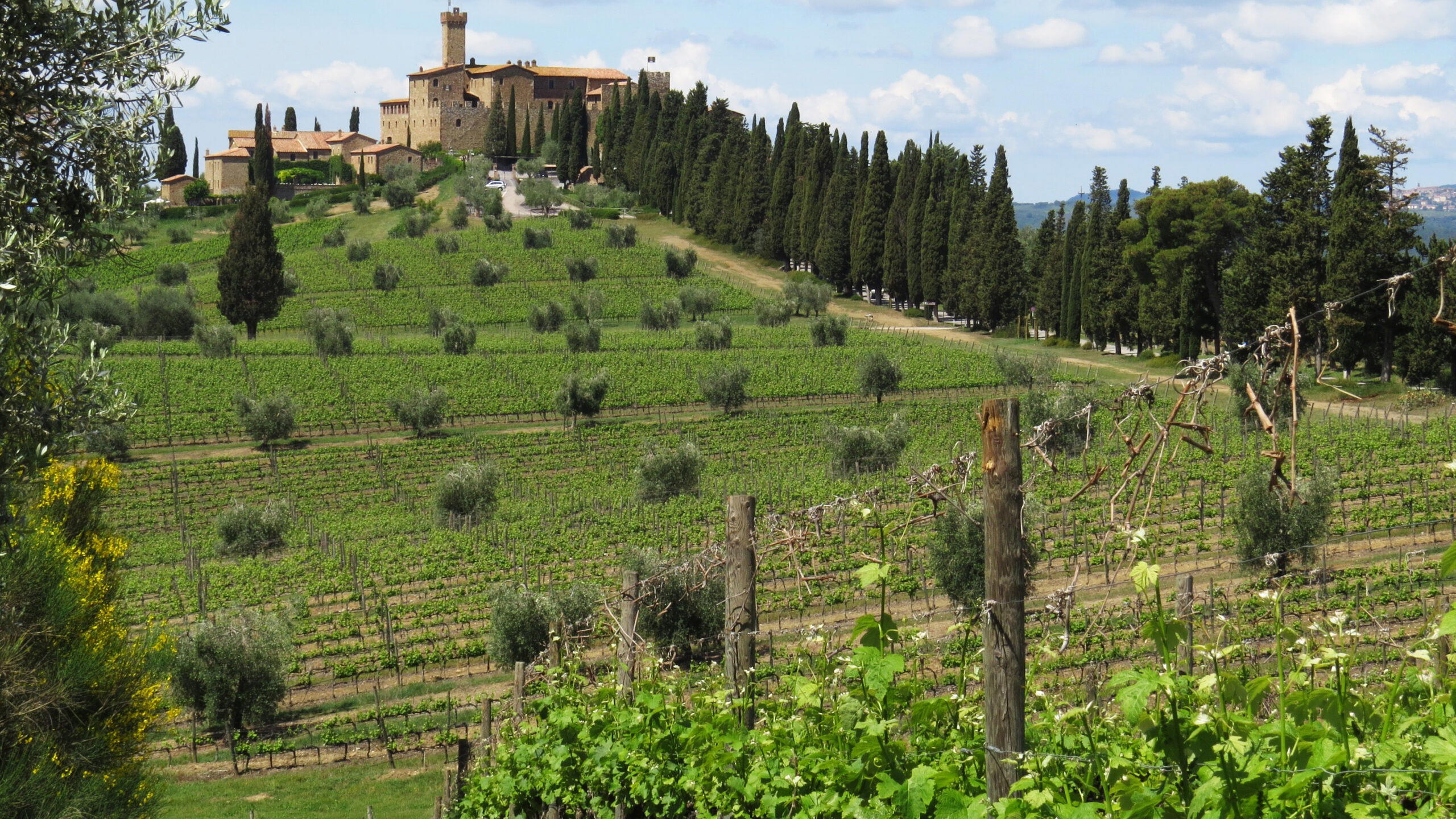
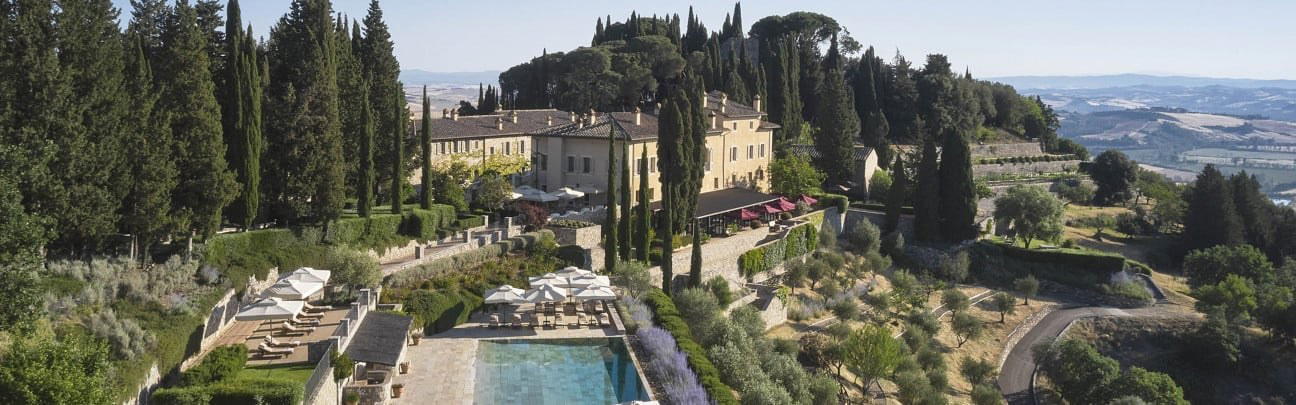
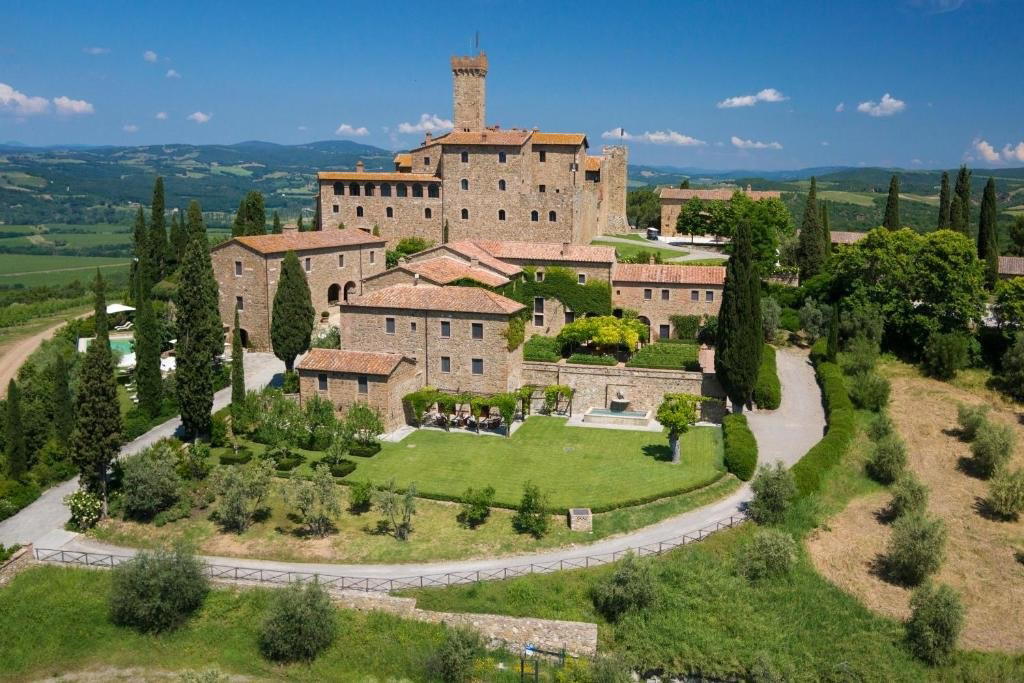
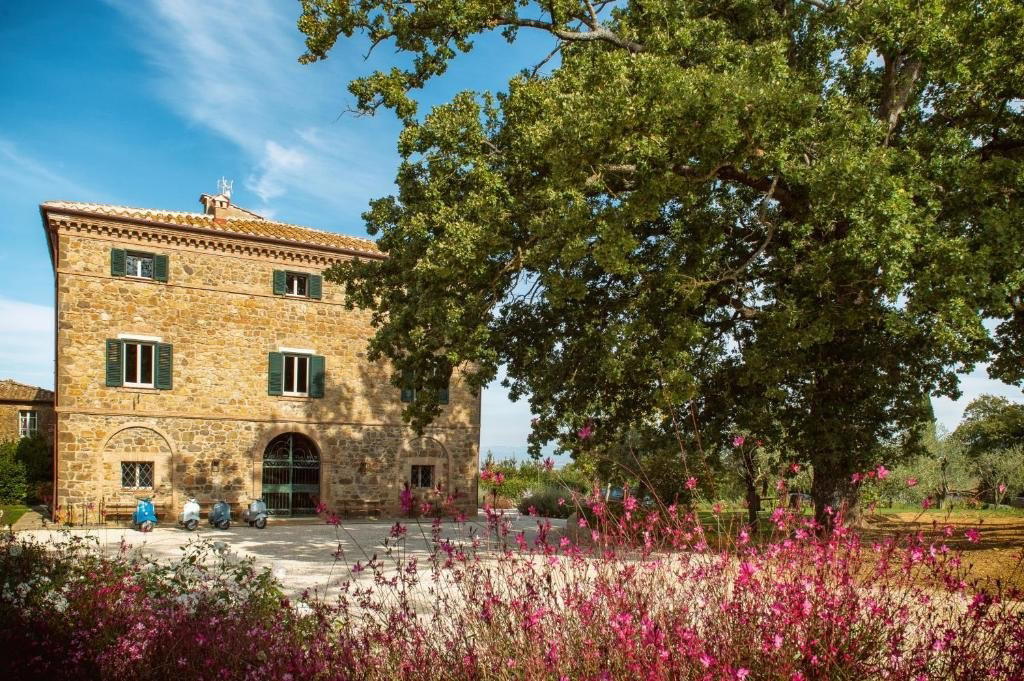
Cortonesi is a family-run Tuscan estate winery in Montalcino, focused on Brunello di Montalcino. The appeal is grounded in a classic rural vineyard setting rather than spectacle: a place to think about Brunello through landscape, tradition, and a quality-driven approach. In practical terms, that means the draw is not an elaborate lifestyle narrative, but the more focused pleasure of encountering a Montalcino estate whose purpose is easy to read. The surrounding idea is vineyard, family continuity, and wine with seriousness of form. For travelers interested in Brunello, that kind of restraint is part of the point.
Cortonesi and the Montalcino question of structure
Montalcino’s serious conversation often turns on Brunello’s balance of depth, structure, and age-worthiness. Cortonesi belongs to that conversation as an understated estate with a technical yet tradition-rooted approach. The picture is deliberately focused on a winery whose identity is centered on Brunello di Montalcino. Rather than treating Brunello as one label among many attractions, the estate is best understood through the discipline of that single, demanding frame. It is a setting where the language around the wine naturally leans toward shape, persistence, and the capacity to develop, rather than quick charm alone.
What can be said with confidence is deliberately focused: Cortonesi is family-run, Tuscan, rural in setting, and quality-driven. Its style is described around structure, minerality, and age-worthiness, which places the emphasis on the wine’s form and longevity rather than on decorative luxury. Those terms matter because they suggest a Brunello experience concerned with architecture as much as immediate pleasure: tannic frame, mineral impression, and the kind of seriousness that asks to be considered over time. The rural context reinforces that reading. It keeps attention on the place and on the work behind the wine, without needing to dress the visit in additional ceremony.
That is why Cortonesi sits comfortably in the more thoughtful side of a Montalcino itinerary. It is not presented as a venue built around display. It is presented as a quality-minded estate whose value lies in the clarity of its Brunello identity. For visitors, that distinction is useful. The estate’s appeal is less about checking off a famous Tuscan experience in broad terms and more about engaging with a particular idea of Brunello: structured, mineral, age-worthy, and rooted in a classic vineyard environment.
Brunello focus over broad lifestyle framing
The useful way to approach Cortonesi is as a Brunello-focused estate rather than as a generic Tuscan stop. Its identity is tied to Montalcino and to a technical, tradition-rooted reading of Brunello: structured, mineral, and built with age-worthiness in mind. That focus narrows the lens in a helpful way. Instead of promising every possible version of Tuscan hospitality, Cortonesi is most legible as a place where the wine itself sets the tone. The estate’s family-run character and rural setting support that impression, giving the experience a grounded, local texture.
That makes the venue most relevant for travelers who want a quieter wine-country context and a clearer sense of place. The setting is rural and classic, and the tone is understated rather than theatrical. In a region where visitors can be pulled toward grand views, polished rooms, and broad lifestyle cues, Cortonesi reads more simply: vineyard, Montalcino, Brunello, and the seriousness of a quality-driven approach. That simplicity should not be mistaken for lack of interest. It is precisely the quieter framing that can make the estate appealing to those who want to understand how Brunello is being positioned here, with attention to structure and age-worthiness rather than surface drama.
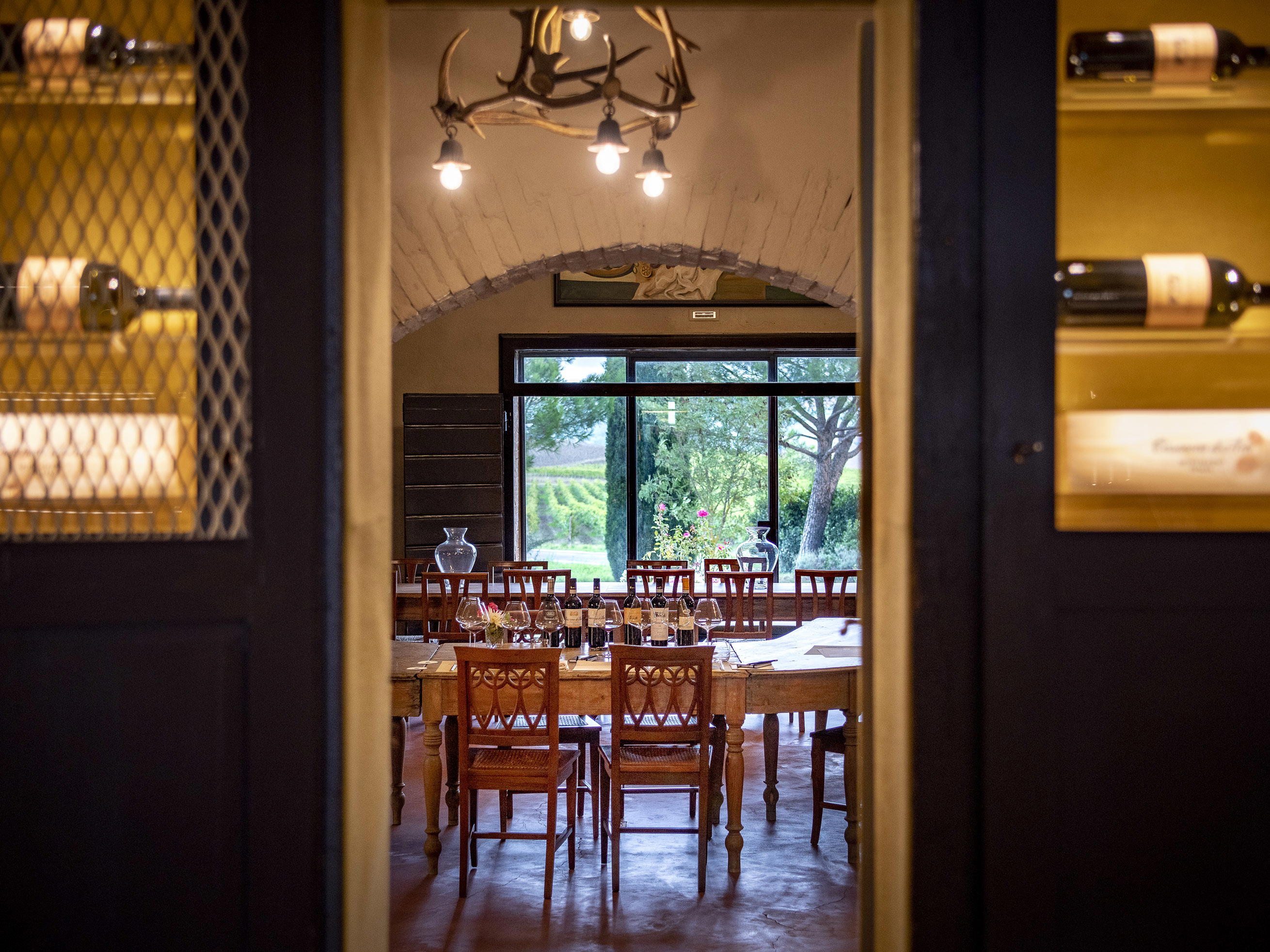
The listed price level is $$$. Beyond that, specific claims about tasting formats, tours, seating, appointment policies, food service, or other visitor logistics should be confirmed directly before planning around them. That caution is important because the reliable description here is intentionally limited to the estate’s core identity and wine focus. Travelers should treat Cortonesi as a Brunello-centered rural winery first, then verify the practical details that might shape the timing or format of a visit. Strong expectation is therefore conceptual rather than logistical: a family-run Tuscan estate in Montalcino where the central subject is Brunello di Montalcino and its structured, mineral, age-worthy expression.
How to place it in a Montalcino itinerary
Cortonesi suits travelers who want Montalcino’s Brunello identity in the foreground. It is best understood as a family-run estate winery with a rural vineyard setting and a focus on structure, minerality, and age-worthy Brunello di Montalcino. That makes it a useful counterweight to broader Tuscan planning, especially for visitors who want at least one stop that feels clearly anchored in the local wine conversation. The estate’s appeal is not dependent on added spectacle; it comes from the directness of its purpose and the classic quality of its setting.
Details beyond the essentials should be checked directly with the venue before a visit. Within an itinerary, its role is easy to define: a quieter, rural, quality-driven point of reference for Brunello di Montalcino. Travelers who care about structure, minerality, and age-worthiness will understand why that matters, while those seeking a more decorative Tuscan experience should recognize that Cortonesi is framed here in more restrained terms. Its value lies in that restraint, and in the way it keeps the attention where this part of Montalcino most often wants it to be: on Brunello, place, and the patient idea of wine built to last.
Recognition history
Dated appearances from independent guides and award organizations, with the underlying list record or original source where available.
Falstaff Winery - Listed
Falstaff
Continue exploring
More in Montalcino
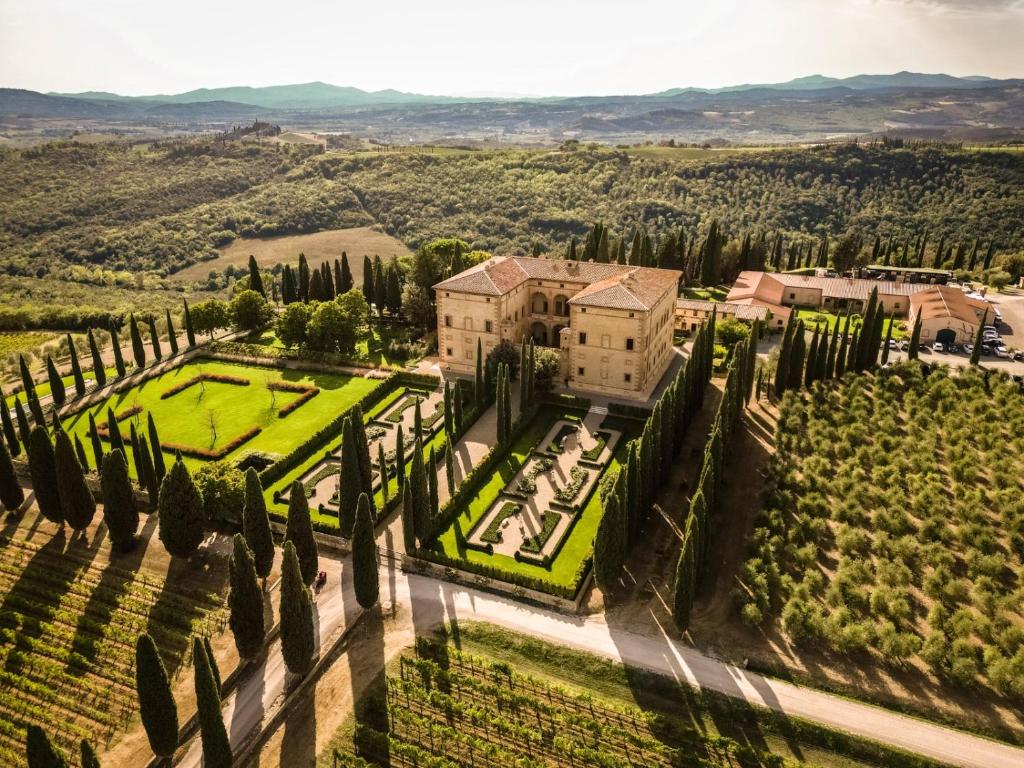
Wineries in Montalcino
Browse all →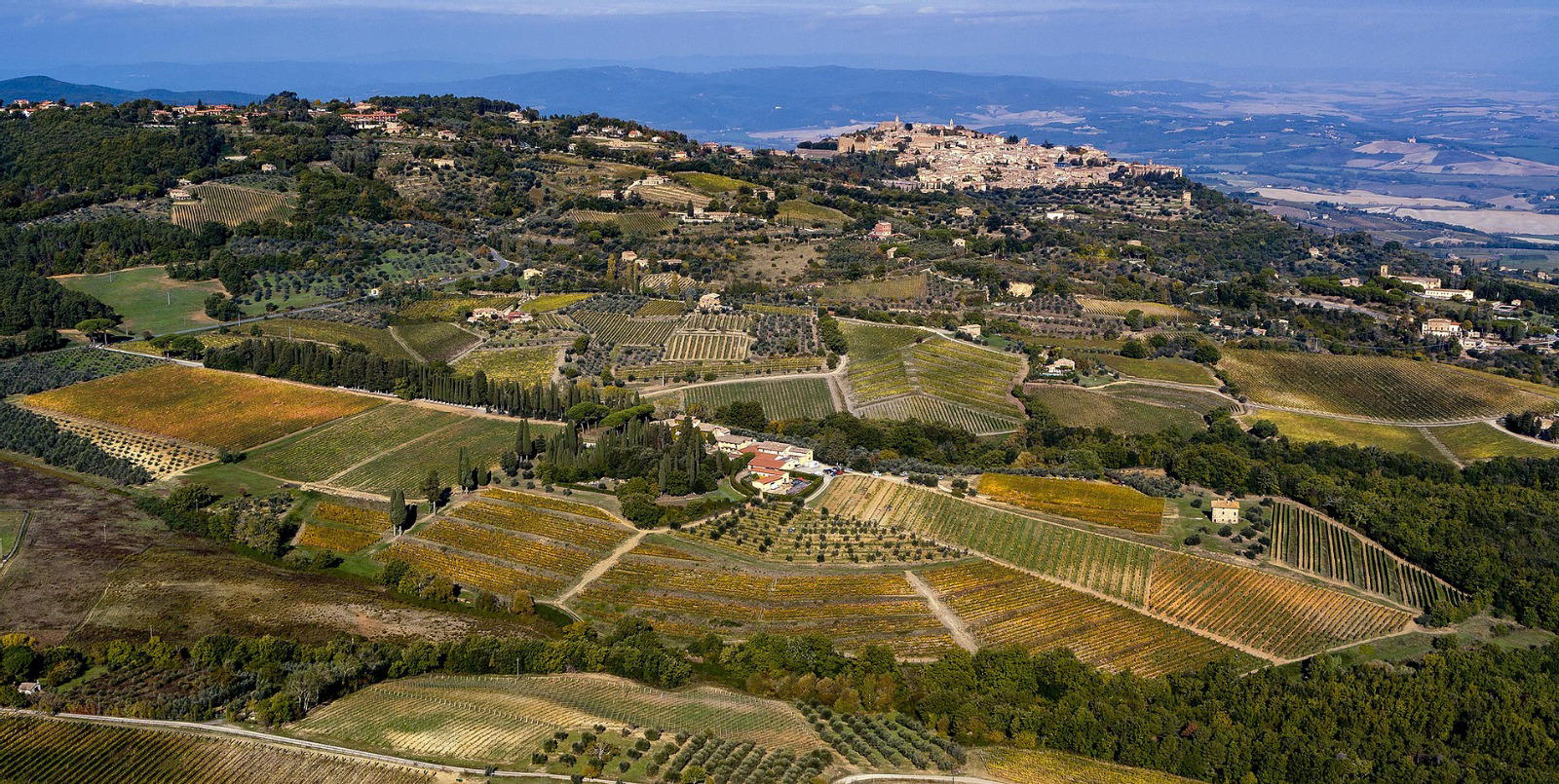
Bars in Montalcino
Browse all →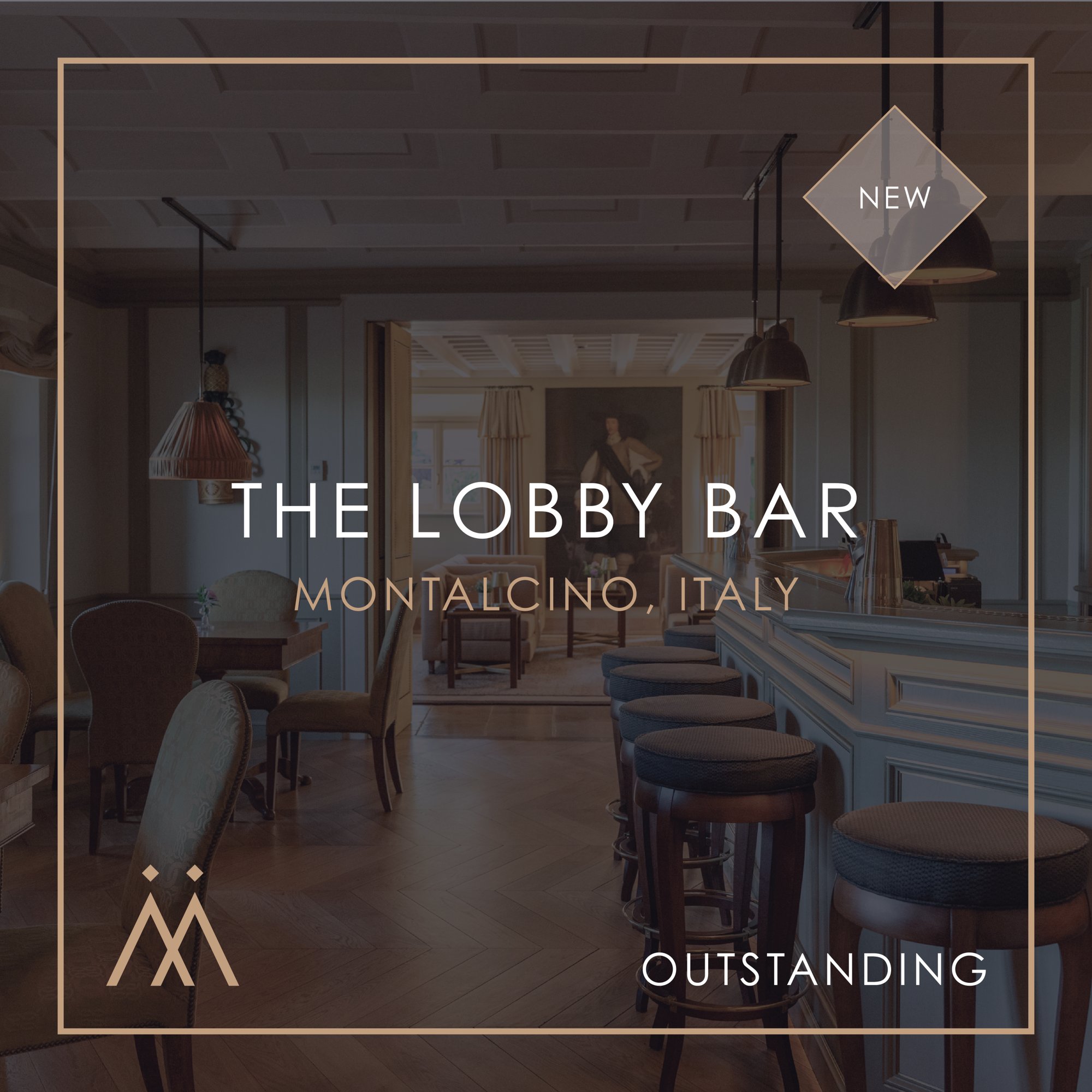
Restaurants in Montalcino
Browse all →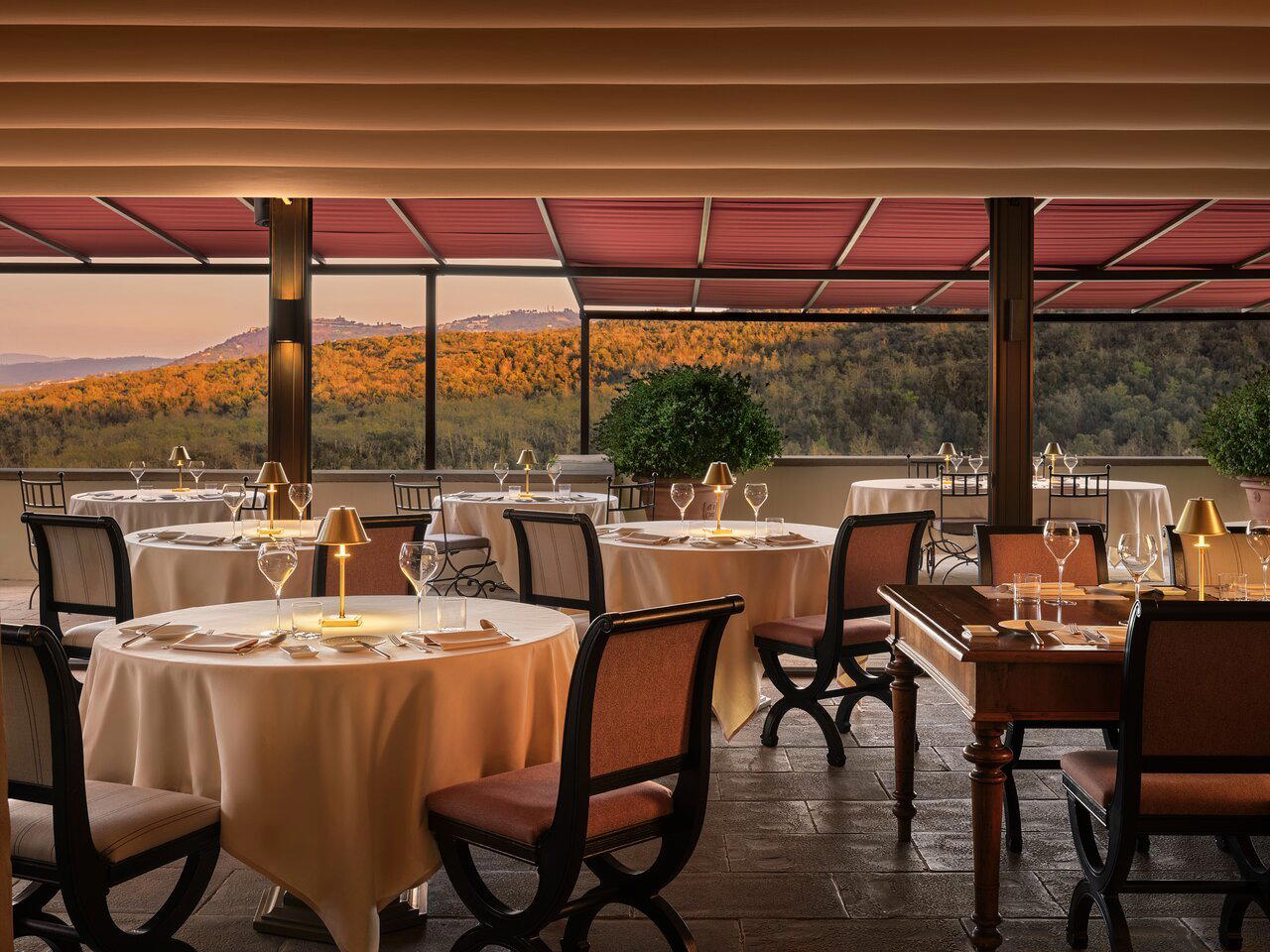
At a Glance
- Classic
- Rustic
- Scenic
- Well Known
- Elegant
- Wine Education
- Romantic Getaway
- Group Outing
- Special Occasion
- Solo Exploration
- Estate Grounds
- Vineyard Tour
- Private Tasting
- Sustainable
- Vineyard
- Mountain
- Brunello Di Montalcino DOCG
- Sangiovese
- Still Red
- Seated Tasting
- Private Tasting
- Vineyard Tour
Family-run Tuscan estate winery focused on Brunello di Montalcino, with a classic, rural vineyard setting and a technical yet tradition-rooted approach that emphasizes structure, minerality, and age-worthiness in an understated, quality-driven environment.