Bodega Weinert

Falstaff Winery - Listed
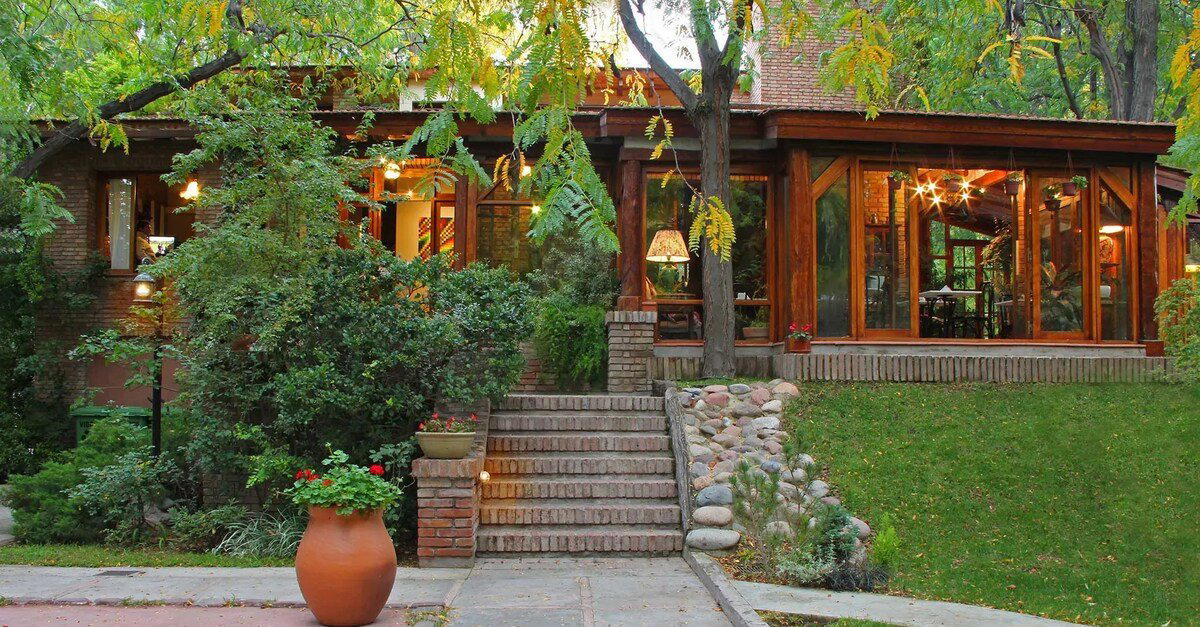
The bodega operates from San Martín 5923, where Malbec and traditional Bordeaux varietals are its primary language. Visitors drawn to classic Argentine wine structure and age-worthy reds will find a reference point here.

Pearl is the En Primeur Club membership app — saves, bookings, and concierge access live there. Same editors, same standards.
- Address
- San Martín 5923, M5505 Luján de Cuyo, Mendoza
- Phone
- +54 261 244-6669
- Website
- bodegaweinert.com
- Directions
- Get directions
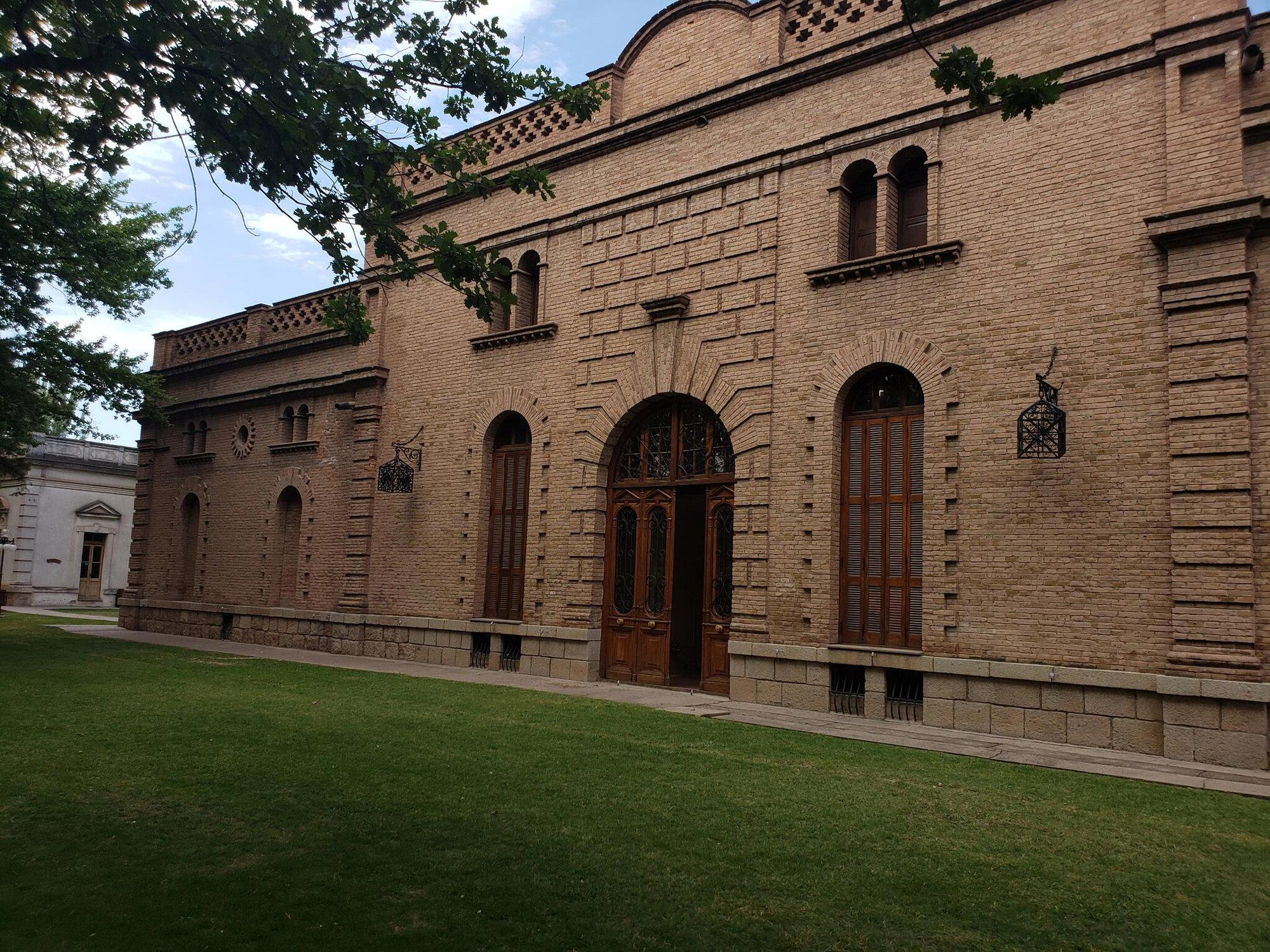
That positioning matters in 2025. Luján de Cuyo has become one of the most competitive wine appellations in the Southern Hemisphere, with producers ranging from the large-scale international operations of Bodega Norton to the Bordeaux-affiliated prestige project at Cheval des Andes and the organically focused single-vineyard work at Chakana Winery.
The Source of the Wine: Terroir as a Founding Argument
Luján de Cuyo's claim to premium viticulture rests on a combination of altitude, alluvial soils derived from Andean snowmelt, and a diurnal temperature range that slows ripening and preserves acidity in the fruit. These conditions are not theoretical advantages; they are why the region was demarcated as Argentina's first Denominación de Origen Controlada for Malbec in 1993. The appellation framework itself was an acknowledgment that the conditions underfoot in Luján de Cuyo produce wines structurally different from those grown further east on the plains.
Weinert draws on this foundation in the way producers of its generation learned to: through fruit sourced from older vineyard plots, where vine age concentrates flavour and reduces yield without requiring technical intervention in the winery.
The broader regional context is worth understanding here. Argentine Malbec's international reputation was built largely on the Luján de Cuyo and Maipú appellations, and the classical style associated with houses like Weinert represents one pole of an ongoing stylistic debate within Argentine wine. The other pole, represented by precision-farmed, low-intervention producers like Escorihuela Gascón in Godoy Cruz operates with a similarly established institutional identity. Bodega El Esteco in Cafayate and Bodega Colomé in Molinos represent the northern Salta expression of Argentina's wine diversity, where higher altitude and different soil composition push the wines in a different direction entirely.
Weinert in the Context of the Region's Wider Offering
Luján de Cuyo's bodega circuit rewards visitors who approach it as a study in stylistic contrast rather than as a search for a single definitive wine style. The range on offer is considerable. Bodega Lagarde occupies a different quadrant of the quality tier, with an emphasis on single-vineyard bottlings that reflect plot-level differences across the appellation. Rutini Wines (La Rural) in Tupungato and our full Luján de Cuyo restaurants guide maps the broader landscape in useful detail. The cooler months of May through August offer a quieter experience of the cellar environment, when the year's harvest work has concluded and the wines are resting in barrel. Visitors with an interest in other premium Argentine wine experiences further afield should note Bodega DiamAndes in Tunuyán to the south, where the Valle de Uco appellation offers a higher-altitude counterpoint to Luján de Cuyo's profile.
Category Peers
Comparable venues nearby, for context on price, style, and recognition.
| Venue | Cuisine | Price | Awards | Notes |
|---|---|---|---|---|
| Bodega WeinertThis venue — the venue you are viewing | Malbec, Cabernet Sauvignon | Not listed | Falstaff Winery - Listed | Not listed |
| Achaval Ferrer | Malbec, Cabernet Sauvignon | $50–100 | Falstaff Winery - Listed | Luján de Cuyo |
| Cheval des Andes | Malbec, Cabernet Sauvignon | Not listed | Falstaff Winery - Listed | Luján de Cuyo |
| Bodega Vistalba | Malbec, Cabernet Sauvignon | Not listed | Not listed | Vistalba |
| Bodega Alta Vista | Malbec, Cabernet Sauvignon | $20–30 | Falstaff Winery - Listed | Chacras de Coria |
Recognition history
Dated appearances from independent guides and award organizations, with the underlying list record or original source where available.
Falstaff Winery - Listed
Falstaff
Continue exploring
More in Luján de Cuyo
Wineries in Luján de Cuyo
Browse all →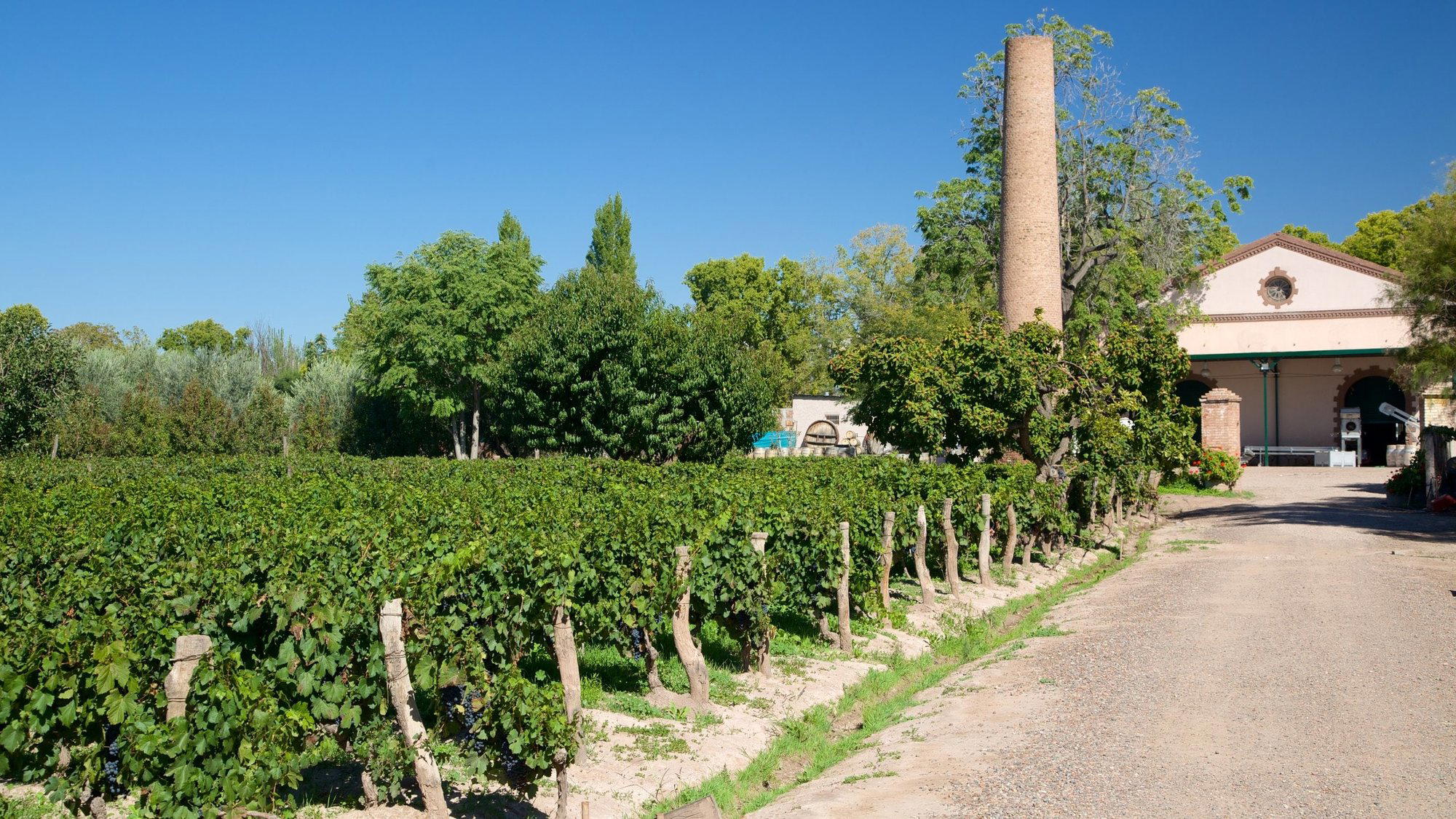
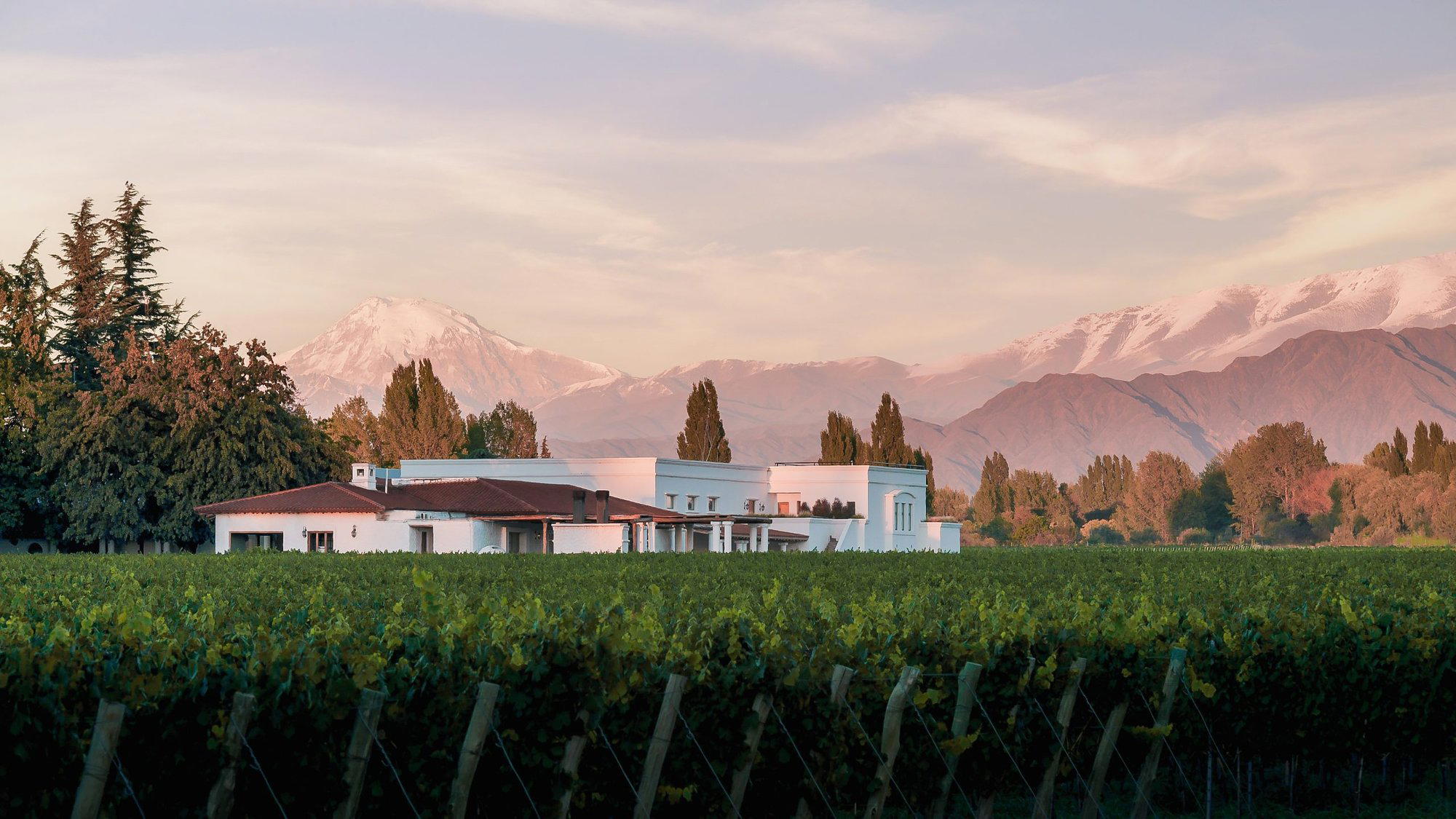
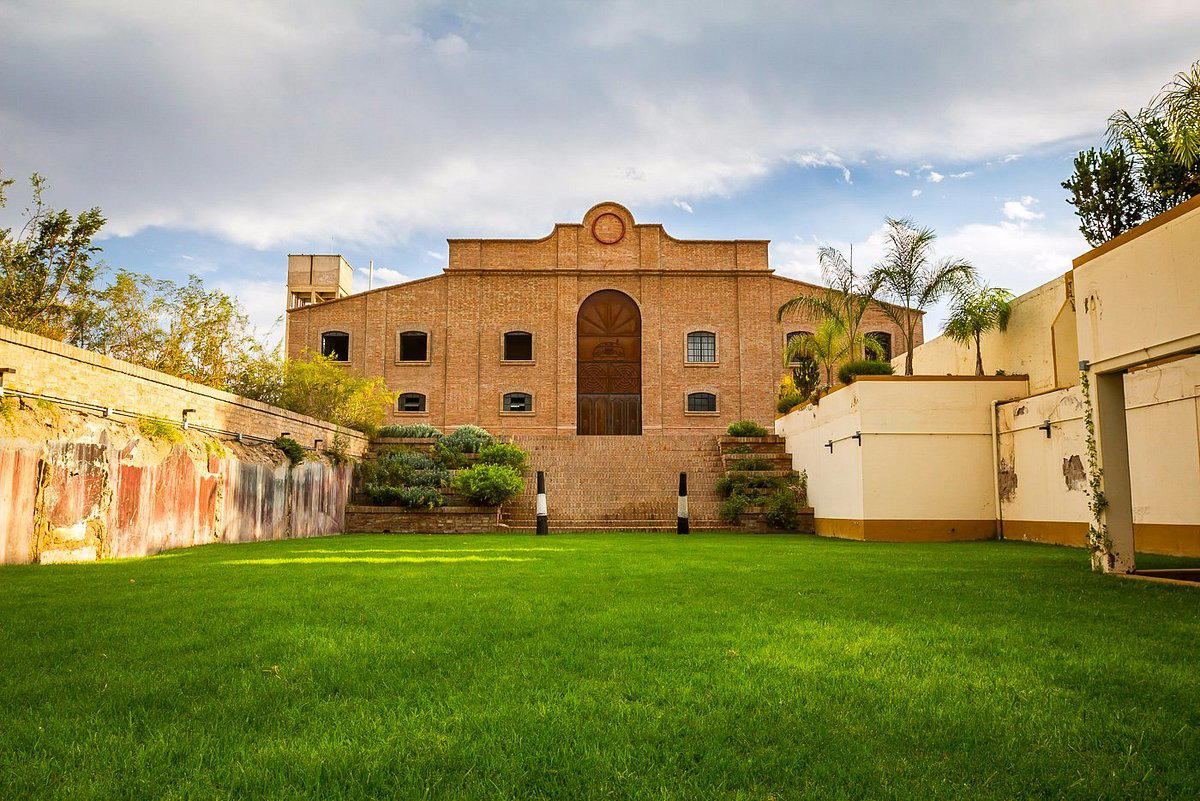
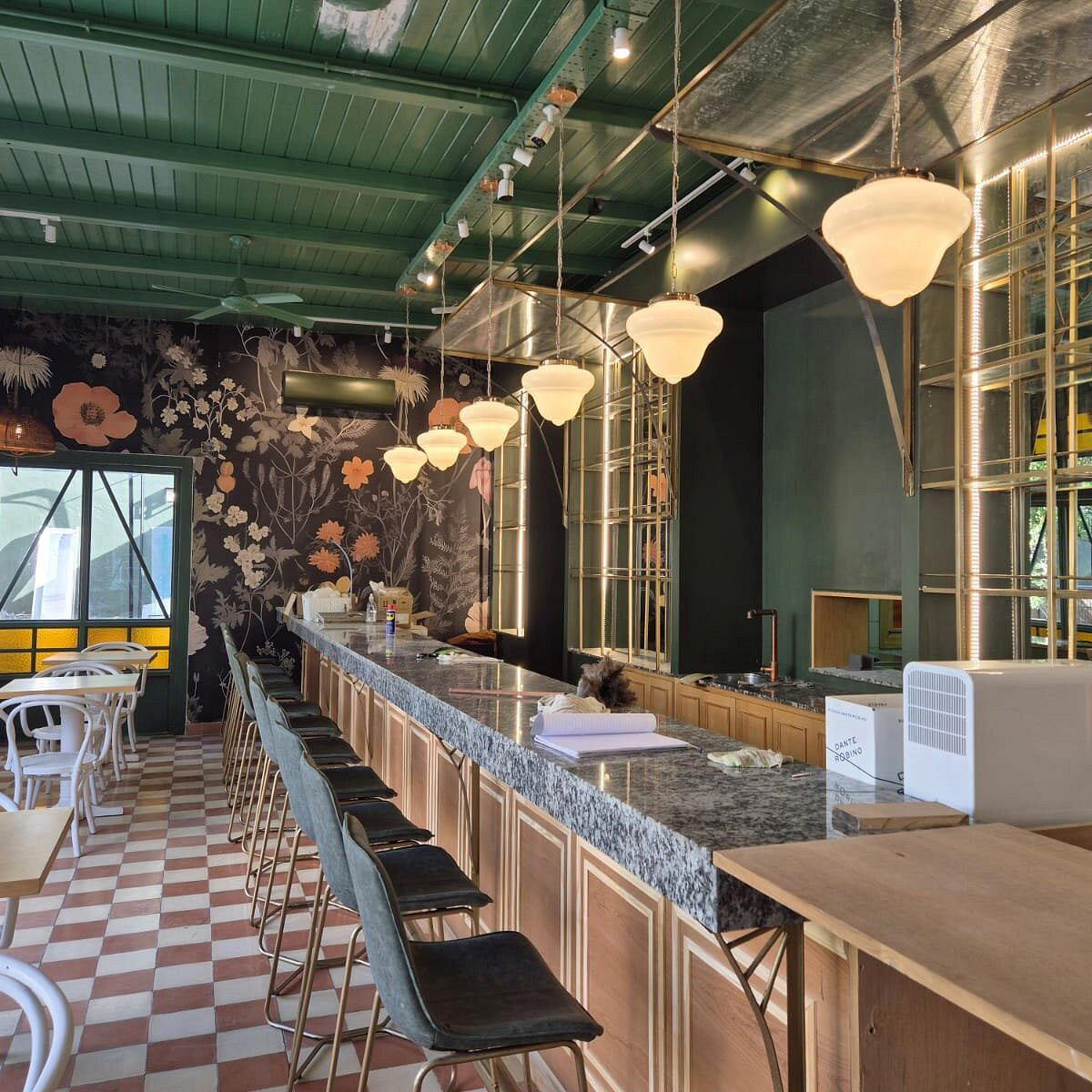
Bars in Luján de Cuyo
Browse all →
Restaurants in Luján de Cuyo
Browse all →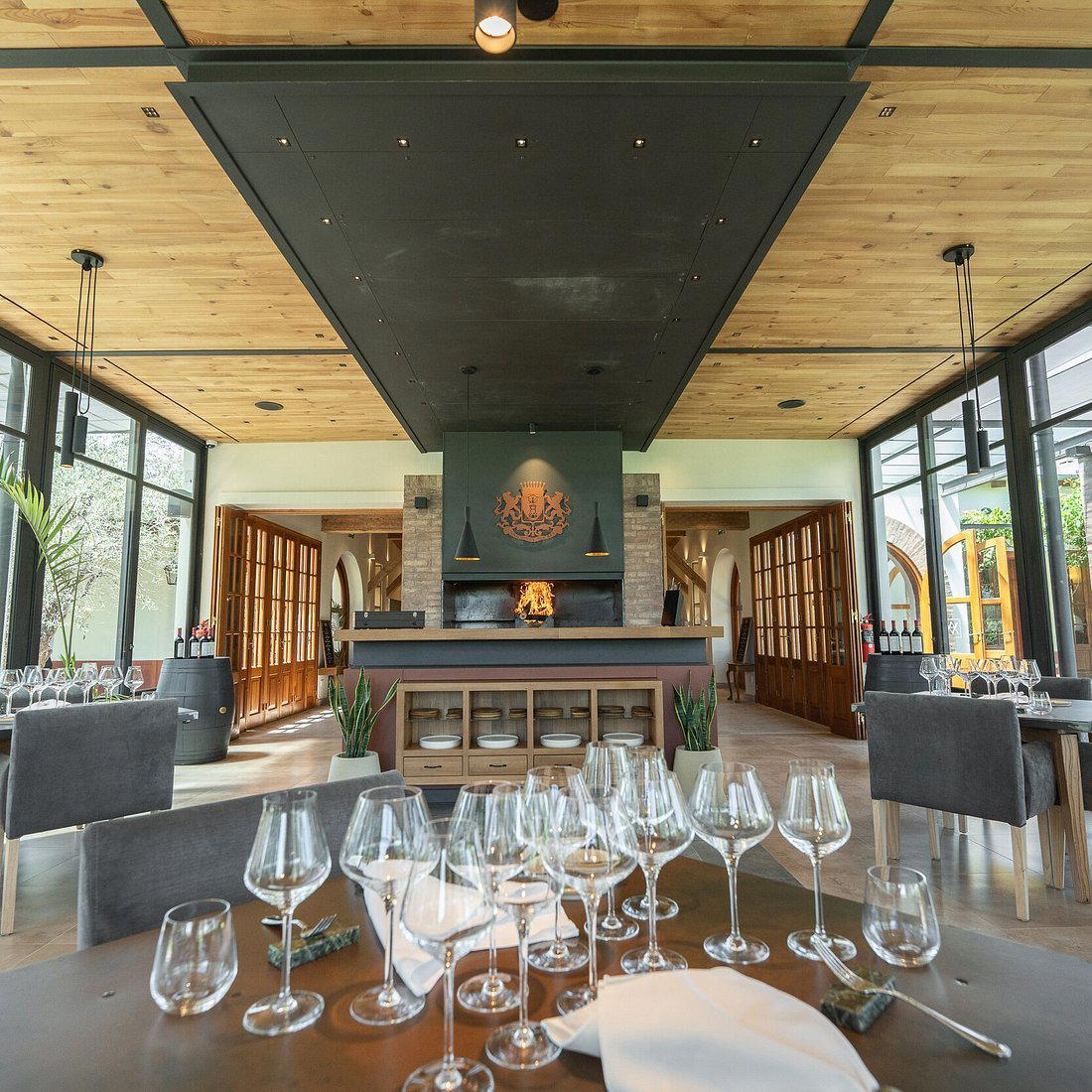
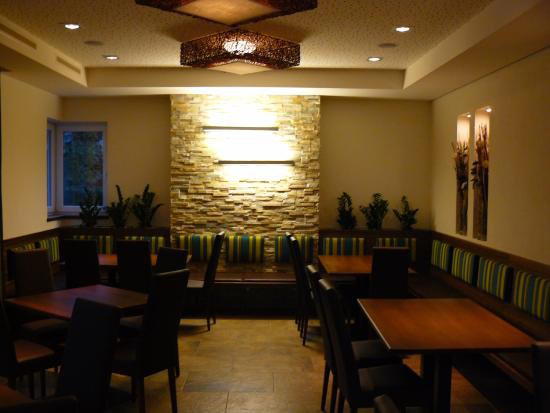
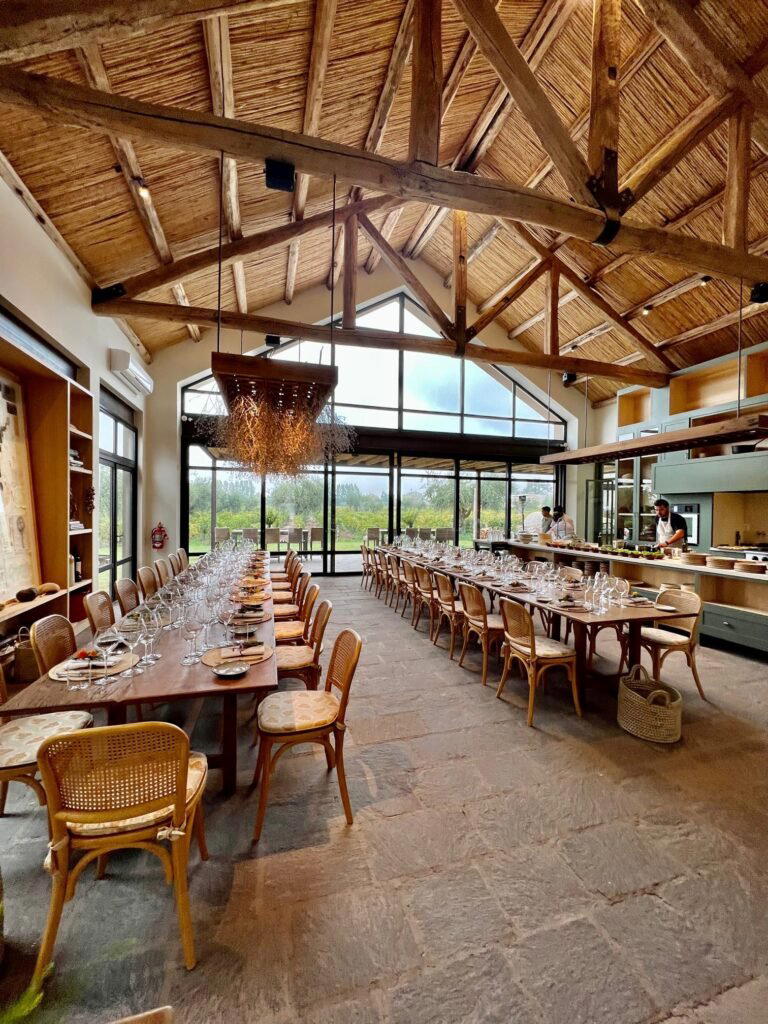
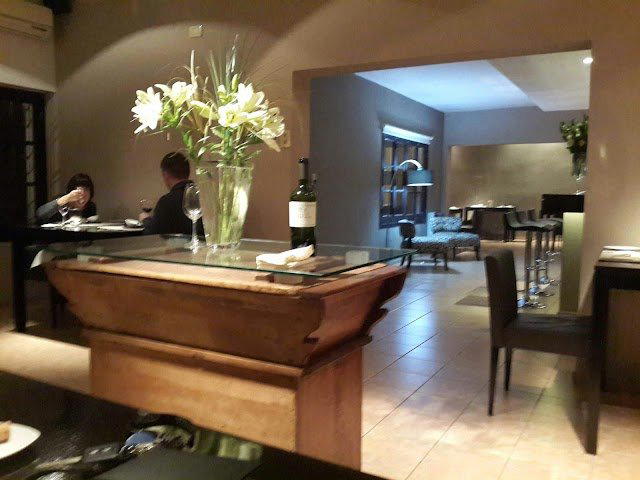
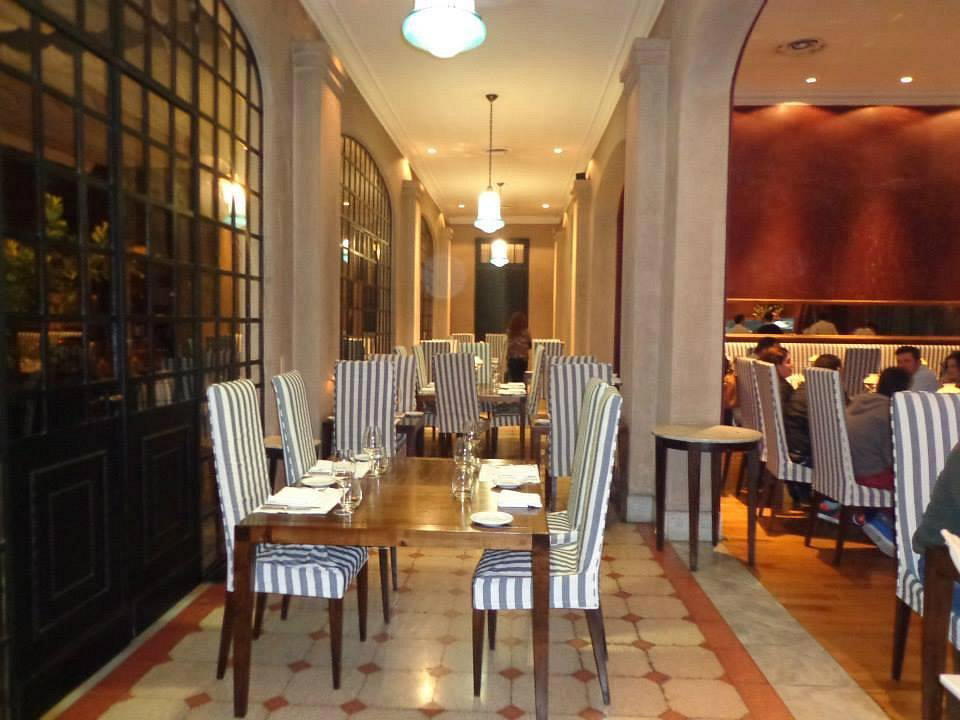
Details
- Classic
- Rustic
- Historic
- Elegant
- Wine Education
- Special Occasion
- Cave Tasting
- Barrel Room
- Historic Building
- Vineyard
- Malbec
- Cabernet Sauvignon
- Merlot
- Chardonnay
- Pinot Noir
- Still Red
- Cave Tasting
- Spanish
- English
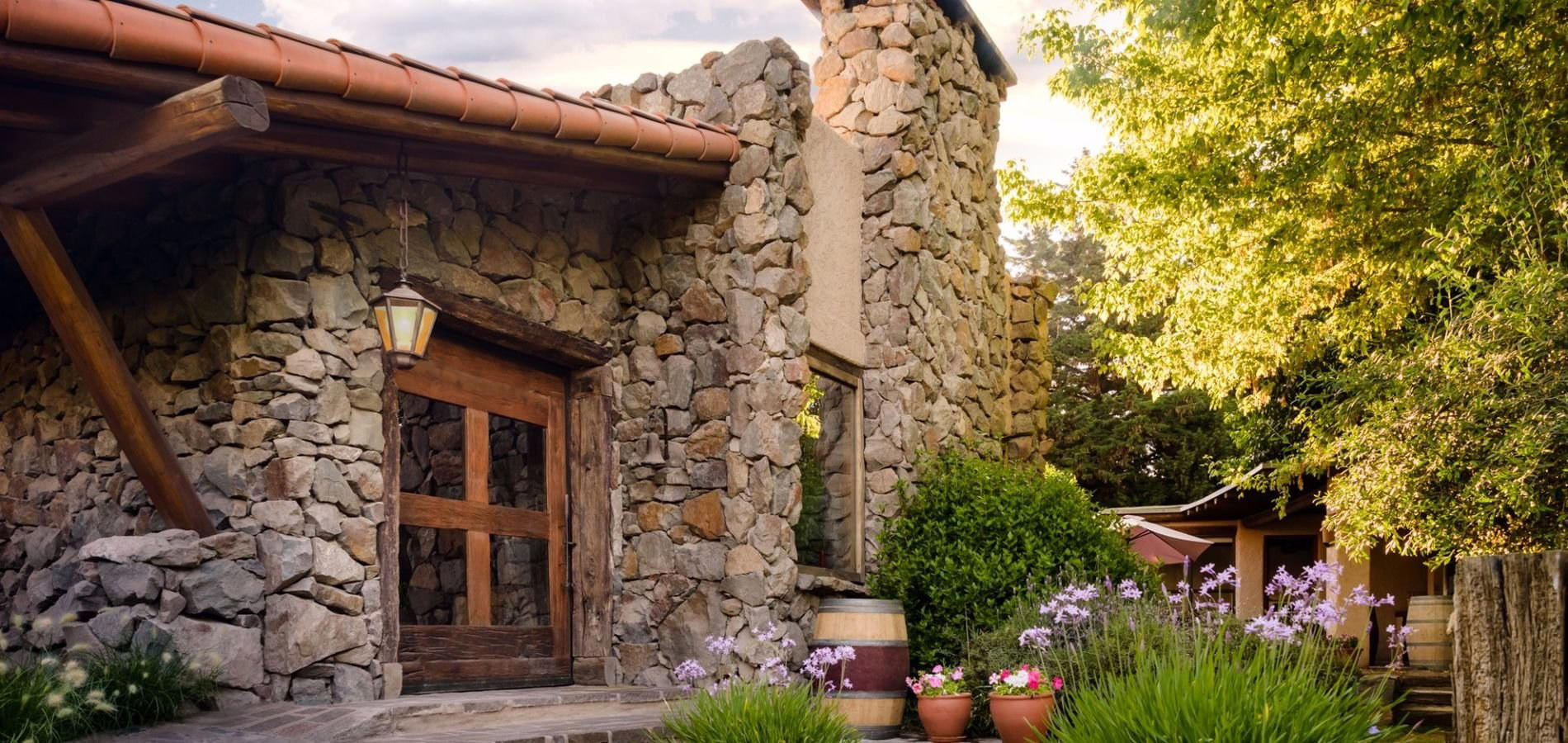
Mystical underground cellars with thick stone walls maintaining well-suited temperature and humidity, evoking a bygone era of traditional winemaking.