Chateau Lafayette Reneau

Sitting along the Seneca Lake wine trail on NY-414, Chateau Lafayette Reneau is one of the Finger Lakes' most recognized producers, earning a Pearl 2 Star Prestige rating in 2025. The estate draws serious wine drinkers to Hector for its expression of cool-climate viticulture on the lake's eastern slope. Plan around the tasting room and give yourself time to explore the wider region.
 Discover on Pearl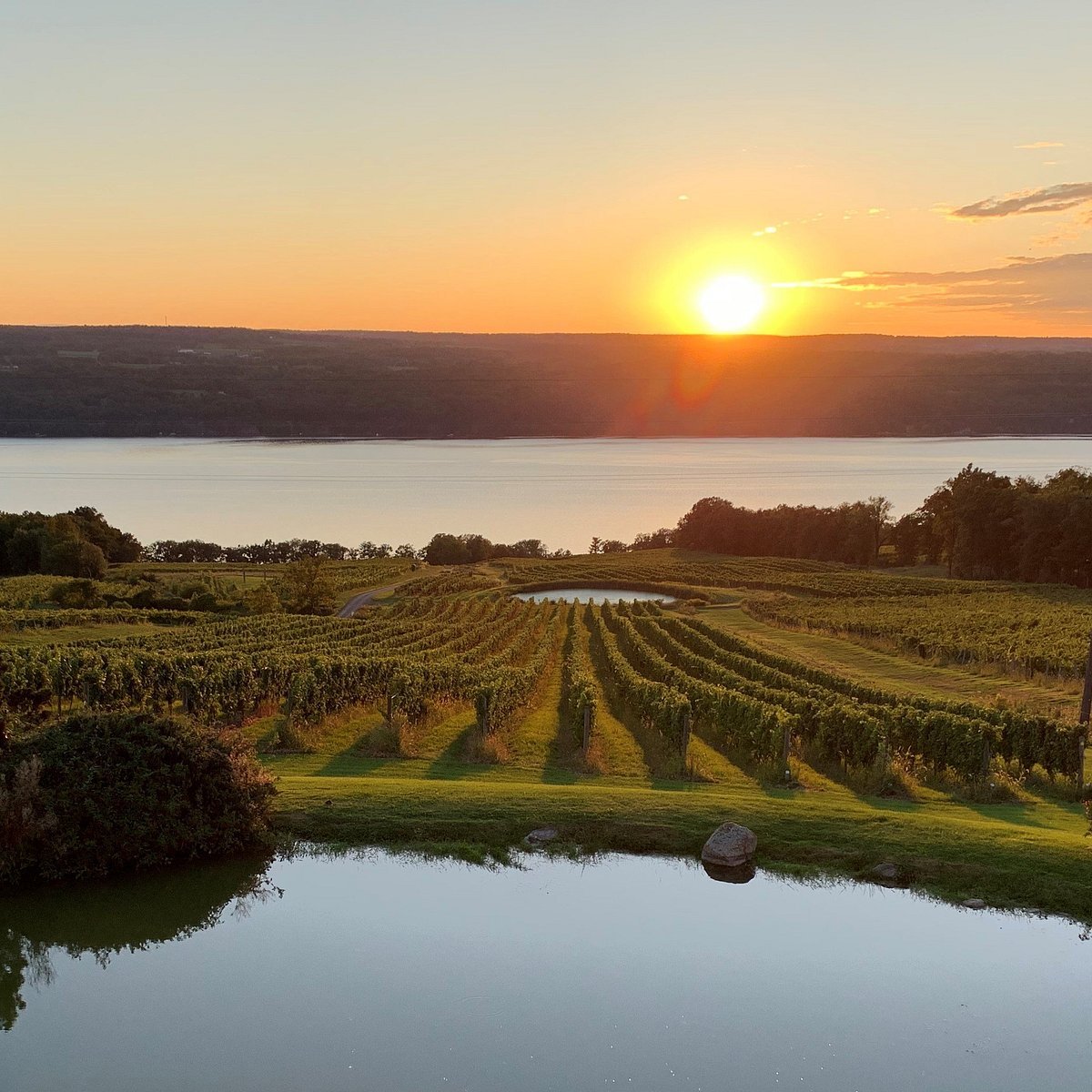
Where the Eastern Slope Makes the Argument
Drive south along the eastern shore of Seneca Lake and the topography makes its case before you reach a single winery. The hillsides drop steeply toward the water, the lake holds enough thermal mass to moderate frosts at both ends of the growing season, and the shale-heavy soils drain fast enough to stress vines into concentration rather than dilution. This is the geographic logic behind the Finger Lakes' reputation as a serious cool-climate wine region, and Chateau Lafayette Reneau, at 5081 NY-414 in Hector, sits squarely within that argument.
The eastern shore of Seneca has long attracted producers serious about site expression rather than volume. The same combination of altitude, lake effect, and mineral-rich glacial soils that defines this corridor also defines the peer set: Red Newt Cellars operates nearby, and the cluster of Hector-area producers has developed a collective identity around restrained, place-driven winemaking rather than the approachable sweetness that historically dominated Finger Lakes production. Chateau Lafayette Reneau belongs to that more serious cohort, a positioning confirmed by its Pearl 2 Star Prestige recognition in 2025.
Terroir on the Eastern Shore: What the Land Is Actually Doing
The Finger Lakes AVA is not a monolith. Seneca, the deepest of the major lakes at over 600 feet, creates a more pronounced moderating effect than its shallower neighbors, and the eastern versus western shore distinction matters for viticulture. East-facing slopes catch morning sun and warm earlier in the day, which matters significantly in a region where the growing season has historically been marginal for European vinifera varieties. The combination of early warming, afternoon shade, and the thermal buffer of the lake produces a particular ripening rhythm, slower and more incremental than warmer American regions, that tends to preserve acidity while developing phenolic complexity.
Those conditions favor varieties that perform leading with extended hang time and high natural acidity. Riesling has become the benchmark variety for the region precisely because it thrives under this pressure, developing the petrol, citrus, and slate-inflected character that serious collectors associate with German and Alsatian producers. The glacially deposited soils along this corridor, a mix of shale, silt, and clay over bedrock, add a mineral signature that registers differently from the volcanic or alluvial profiles you encounter at western American producers like Alban Vineyards in Arroyo Grande or Adelaida Vineyards in Paso Robles. The Finger Lakes minerality is more austere, more angular, a product of glacial geology rather than volcanic uplift or maritime clay.
Chateau Lafayette Reneau's position along this corridor puts it in the middle of that conversation. The 2025 Pearl 2 Star Prestige rating signals that the property is operating at a level that places it within the upper tier of regional producers, a designation that carries weight in a region increasingly drawing comparison to European cool-climate benchmarks rather than American warm-climate alternatives.
The Tasting Room and How to Use It
The physical experience at Seneca Lake wineries tends to follow the topography: tasting rooms positioned to face the lake, with the vineyard visible behind or beside the building. This is partly practical, partly the kind of setting that reinforces the connection between what is in the glass and where it came from. At Chateau Lafayette Reneau, that setting does the work of orienting visitors to the scale of the estate and its relationship to the lake corridor.
For planning purposes, the tasting room on NY-414 is the primary point of access. The address is direct to reach whether you are coming south from Geneva or north from Watkins Glen. The NY-414 corridor is the spine of the Hector wine trail, and most visitors structure a day around driving it in one direction, stopping at three or four producers. Given the Pearl 2 Star Prestige standing, Chateau Lafayette Reneau warrants more than a quick stop: allow time to work through the range rather than defaulting to a single flight and moving on. Producers at this level tend to show meaningfully across the lineup, and the vertical or comparative dimension of tasting is where the terroir argument becomes most legible.
For those building a longer itinerary, our full Hector wineries guide maps the eastern shore producers in context. Complement the wine focus with our Hector restaurants guide for dining, our Hector hotels guide for overnight options, and our Hector bars guide and experiences guide for programming beyond the tasting trail.
Where This Fits in the Wider American Wine Picture
American wine criticism has spent decades organized around California as its reference point, with Oregon and Washington as secondary axes. The Finger Lakes occupy a different position: a cool-climate outlier in the northeastern United States that invites comparison to German and Austrian producers far more readily than to Napa or Sonoma. That comparison has become more credible over the past fifteen years as a generation of producers shifted away from semi-sweet commercial styles toward dry, mineral-focused expressions of Riesling, Gewurztraminer, and Cabernet Franc.
Producers at other serious American estates, whether at Accendo Cellars in St. Helena, Alpha Omega in Rutherford, or Adelsheim Vineyard in Newberg, are operating in contexts defined by their own regional identity and climate logic. What distinguishes the Finger Lakes tier from those established regions is that it is still in the process of consolidating international recognition, which means that properties with verifiable prestige ratings like Chateau Lafayette Reneau's Pearl 2 Star represent an early-adopter case for collectors paying attention to the region's trajectory. For broader international comparison, the cool-climate model also finds expression in Abadía Retuerta in Sardón de Duero, where continental climate and altitude drive a different but structurally analogous argument about place and restraint.
Within the domestic roster, Alexander Valley Vineyards in Geyserville, Andrew Murray Vineyards in Los Olivos, and Aberlour each demonstrate how strong regional identity translates into collector trust over time. The Finger Lakes is building that same case, and Chateau Lafayette Reneau is among the producers making the argument most visibly.
Planning the Visit
NY-414 is accessible year-round, though the shoulder seasons of May through June and September through October offer the leading combination of mild weather, active tasting room programming, and harvest-adjacent timing. Summer weekends draw significant tourist traffic to the Seneca Lake corridor, which affects wait times at tasting rooms along the trail. Visiting on a weekday or arriving early in the morning weekend hours tends to produce a more considered tasting experience. Given that specific hours and booking policies are leading confirmed directly before travel, checking the estate's current schedule before arrival is advisable, particularly for groups or for visits timed around specific releases.
Frequently Asked Questions
Peer Set Snapshot
These are the closest comparables we have in our database for quick context.
| Venue | Awards | Notes |
|---|---|---|
| Chateau Lafayette Reneau | Pearl 2 Star Prestige | This venue |
| Red Newt Cellars | Pearl 2 Star Prestige | |
| Robert Mondavi Winery | 50 Best Vineyards #39 (2025); Pearl 3 Star Prestige | Geneviève Janssens, Est. 1966 |
| Jordan Vineyard & Winery | 50 Best Vineyards #13 (2025); Pearl 3 Star Prestige | |
| Brooks Winery | 50 Best Vineyards #35 (2025); Pearl 2 Star Prestige | |
| Aperture Cellars | 50 Best Vineyards #14 (2025); Pearl 2 Star Prestige |
Access the Cellar?
Our members enjoy exclusive access to private tastings and priority allocations from the world's most sought-after producers.
Get Exclusive Access