Charly Rol

Charly Rol is a small Langenlois wine cellar shaped by a Burgundy-born winemaker working within Austria’s Kremstal context. The interest here is not scale or spectacle, but the tension between local Grüner Veltliner and Riesling country and a cellar vocabulary that also makes room for Pinot Noir and Syrah.
Pearl is the En Primeur Club membership app — saves, bookings, and concierge access live there. Same editors, same standards.
- Address
- Langenlois, Kamptal, Lower Austria, Österreich
- Directions
- Get directions
 Saves & bookings on Pearl
Approach the Langenlois wine scene and the first impression is restraint: cellar doors, working town rhythms, and a culture built around vineyard parcels rather than theatrical hospitality. Charly Rol fits that register. It is a small wine cellar in Lower Austria, quiet in format and serious in implication, where the point is less a polished visitor circuit than a close reading of what Kremstal fruit can do under a Burgundian hand.
Langenlois sits in one of Austria’s defining white-wine zones, a place strongly associated with Grüner Veltliner and Riesling. That regional identity matters because it sets the baseline. In this part of Lower Austria, acidity, soil transmission, and harvest timing carry more weight than cellar ornament. Charly Rol enters that conversation from an unusual angle: the winemaker is Burgundy-born, and the cellar has been active since 2016. The result is a producer that reads Langenlois through a different technical lens without abandoning the local frame.
Burgundian technique inside Kremstal wine country
The useful way to understand Charly Rol is through terroir translation. Kremstal’s reputation rests on white varieties, especially Grüner Veltliner and Riesling, but this cellar also works with Pinot Noir and Syrah. That mix is the signal. Rather than treating the region as a fixed category, the wines test how Lower Austrian fruit behaves when handled by someone trained in a Burgundy-shaped tradition of structure, texture, and parcel sensitivity.
That matters because Austrian wine often gets flattened into shorthand: Grüner for pepper and snap, Riesling for mineral line, Wachau and Kremstal for cool precision. Langenlois has more range than that, and a small producer can make the argument more clearly than a high-volume estate. In a cellar of this scale, still red and still white wines sit side by side as a practical statement about climate and site, not as a branding exercise. Pinot Noir and Syrah are not the regional default, which is exactly why their presence sharpens the read on place.
The cellar’s founding year, 2016, also places it in a newer generation of Austrian producers that came of age after the country’s quality revolution had already been absorbed into export markets and serious wine lists. For these producers, the question is no longer whether Austria can make precise, age-worthy wine; it is how far regional identity can stretch without losing coherence. The winery belongs in that discussion because its identity is anchored in Langenlois while its technical reference points reach beyond Austria.
The tasting format favors focus over theatre
The experience is small-scale and private in orientation, with a cellar/winery setting rather than a restaurant-like hospitality model. That distinction is important. In wine regions increasingly split between architecture-led tasting rooms and producer-led appointments, this is the quieter end of the spectrum: a format built for people who want to understand the wines through the producer’s choices, not through a scripted sequence of amenities.
There is no useful reason to overstate the atmosphere. The confirmed cues are modest but telling: quiet, rustic, intimate, and cellar-based. Those words point to a tasting culture where attention stays on variety, place, and method. For travelers, that makes the winery a more specialized stop than a casual drop-in. The occasion is wine education, solo exploration, or a focused tasting built around the cellar’s Burgundian-Austrian tension.
The absence of a food-pairing program also keeps the emphasis clean. In a region where wine tourism can easily drift toward lunch, terraces, and scenic pacing, a cellar like this is better read as a producer visit. The reward is interpretive rather than recreational: Grüner Veltliner and Riesling on one side, Pinot Noir and Syrah on the other, with Kremstal acting as the constant.
How to place it within a Langenlois itinerary
Langenlois rewards travelers who treat wineries as chapters rather than isolated stops. The town’s strength is cumulative: several producers, different cellar cultures, and a broader hospitality ecosystem that gives context to the glass. Readers planning around wine can start with Our full Langenlois wineries guide, then widen the day through Our full Langenlois restaurants guide, Our full Langenlois hotels guide, Our full Langenlois bars guide, and Our full Langenlois experiences guide.
Within Langenlois, the surrounding wine map helps clarify why a small cellar with a Burgundy-born winemaker is interesting. Producers such as Bio Weingut Manfred Gruber, Christina Hugl, Die Weinstadt, Fuchs und Hase, and Leutmezer show how many different registers the town can support, from traditional cellar culture to more contemporary expressions. The winery’s lane is narrower: a small-production, appointment-led cellar where Kremstal meets a Burgundian sensibility.
For broader wine-travel context, it can also be useful to look beyond Langenlois. Austria and nearby wine routes include producers and drinks addresses as varied as »der Steiner« Hans Steiner in Podersdorf am See, ®walzer in Gneixendorf Bei Krems, and 1516 Brewing Company Distillery in Vienna. Farther afield, & Handwein in Mannheim and 00 Wines in Carlton underline the same editorial point: small producers and specialist cellars often explain a region more sharply than the larger names that dominate first-time itineraries.
The critical read is simple. The winery is for travelers who care about how a place expresses itself through technique: Kremstal soils and Austrian varieties on one side, Burgundy-born instincts and red-wine curiosity on the other. It is not the broadest introduction to Langenlois, but it is a precise one.
Recognition history
Dated appearances from independent guides and award organizations, with the underlying list record or original source where available.
Falstaff Winery - Listed
Falstaff
Continue exploring
More in Langenlois
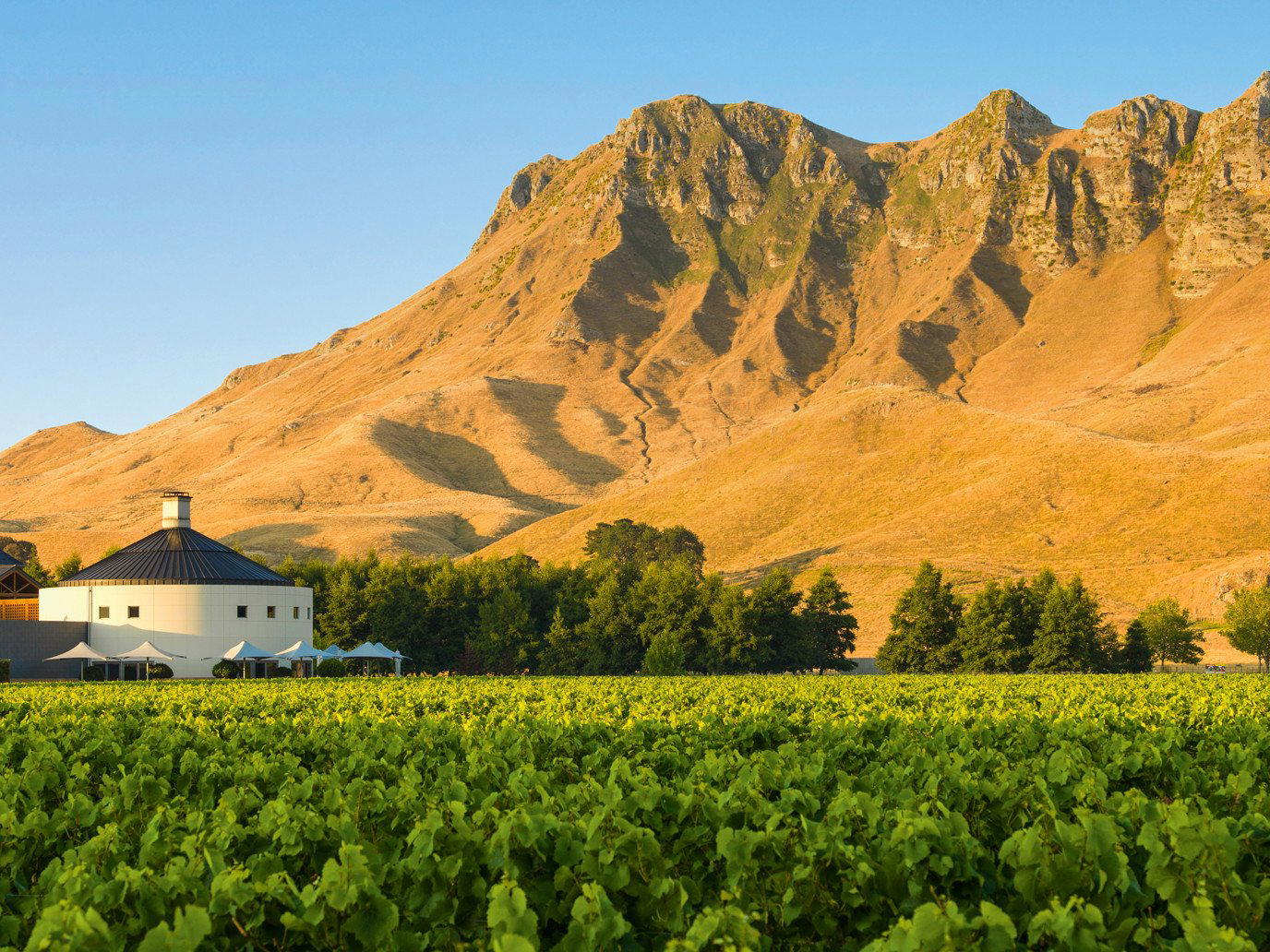
Wineries in Langenlois
Browse all →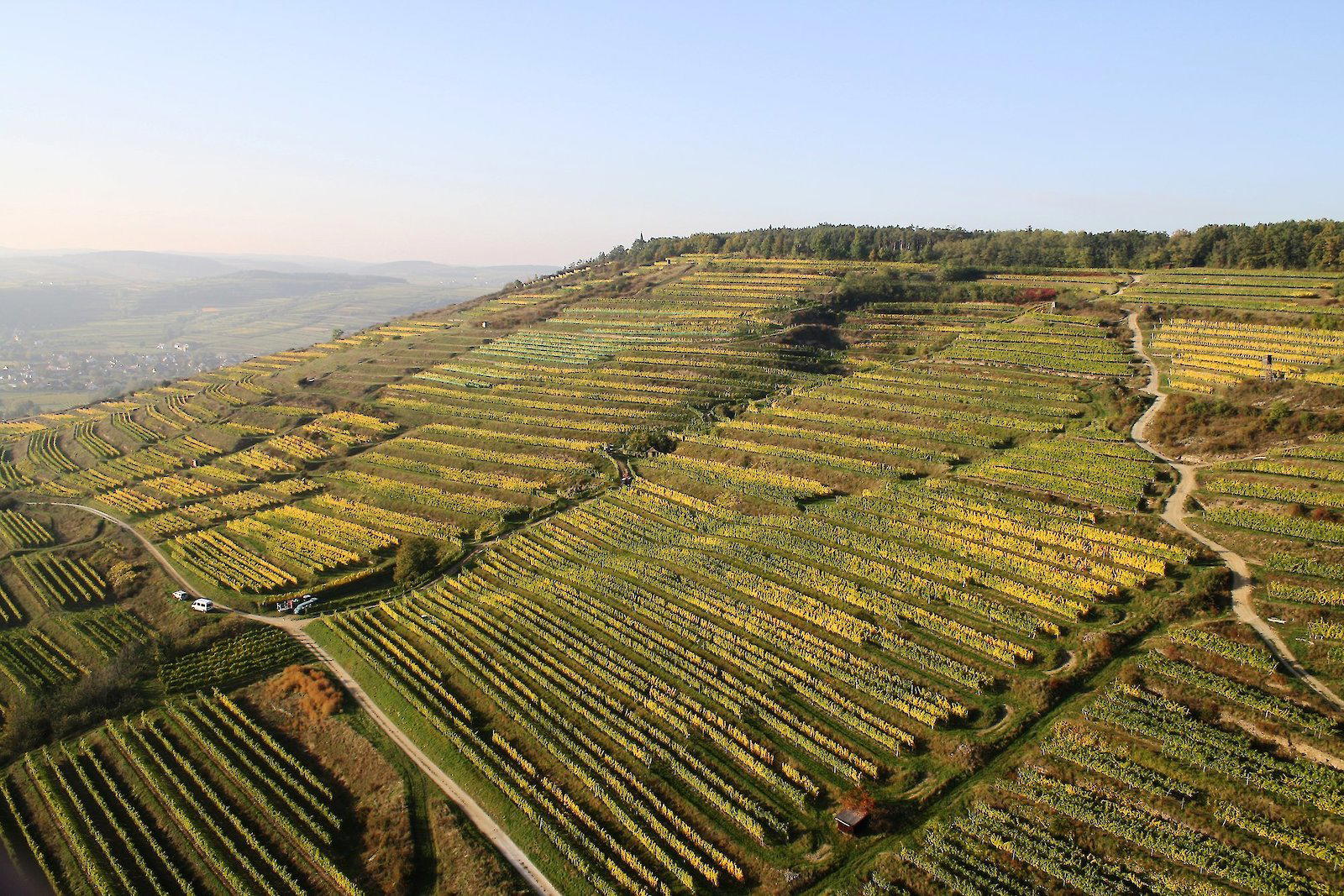
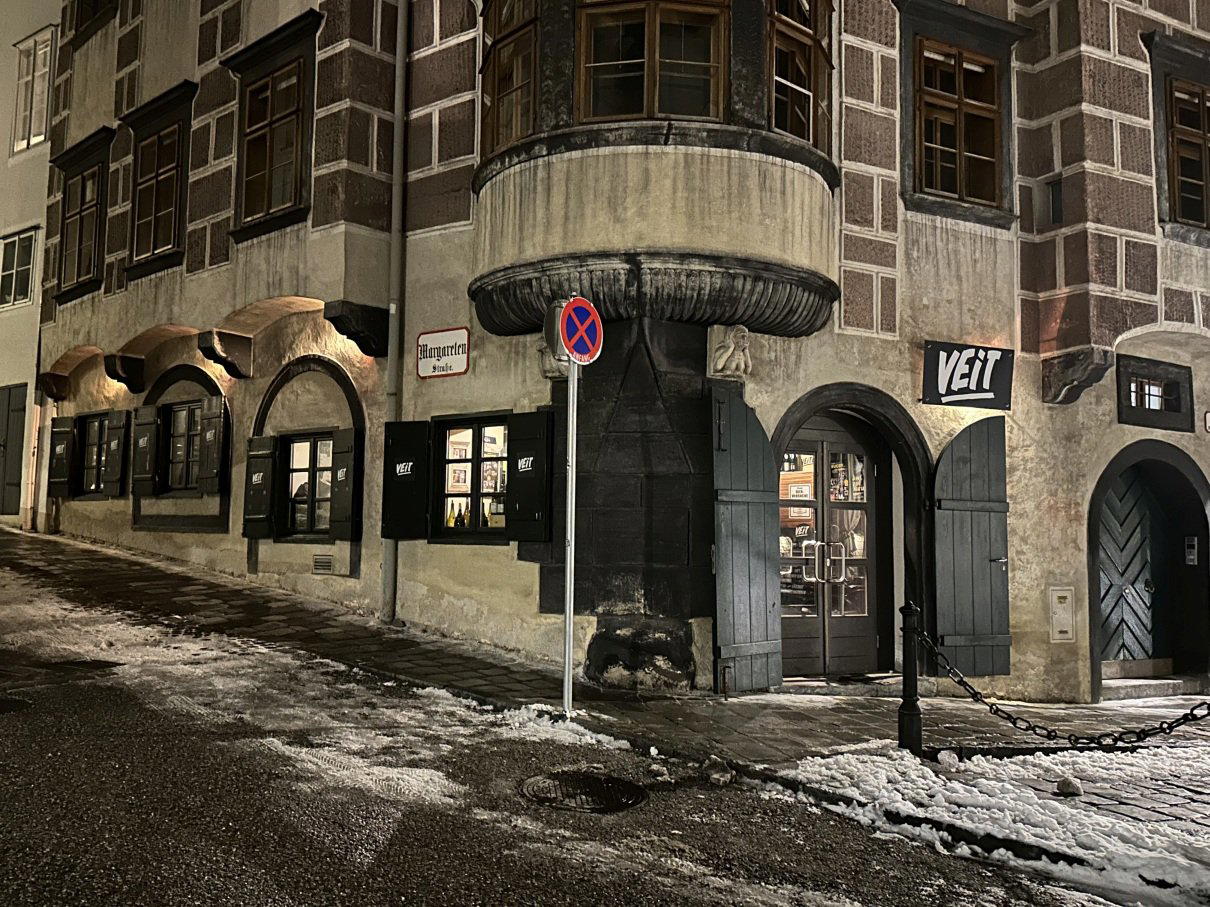
Bars in Langenlois
Browse all →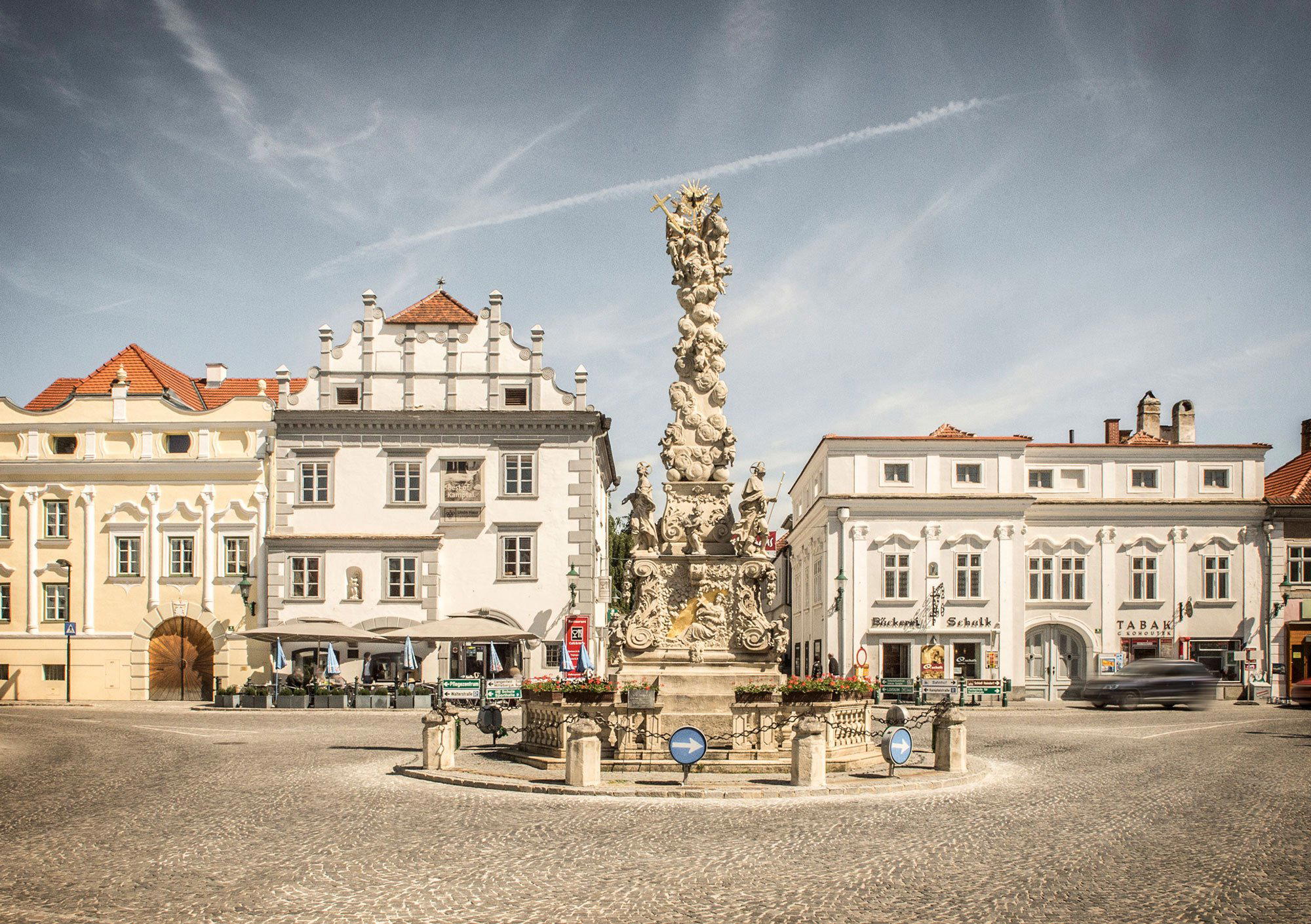
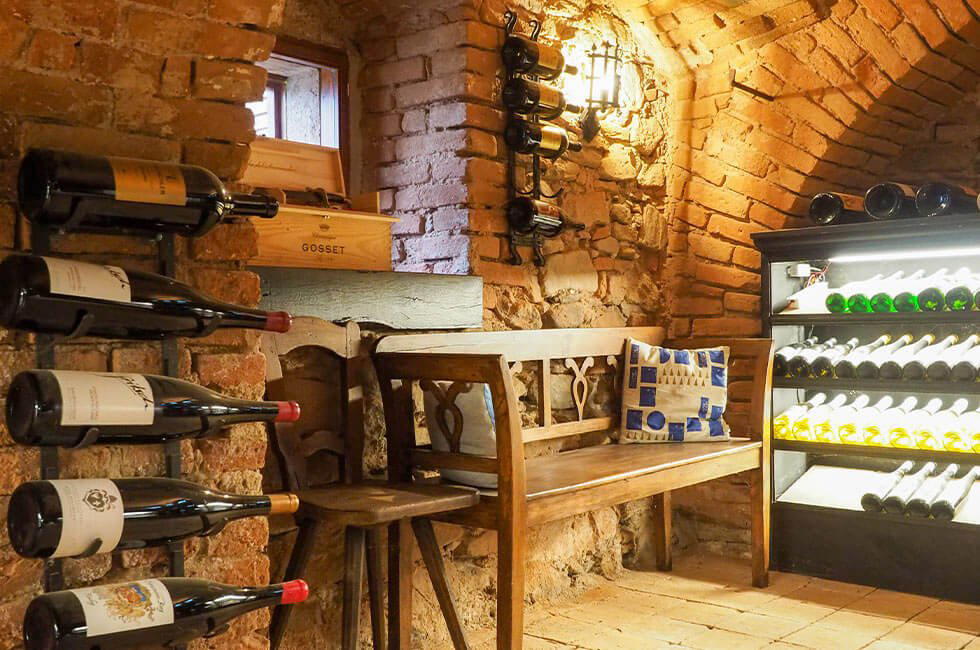
Restaurants in Langenlois
Browse all →
At a Glance
- Quiet
- Rustic
- Intimate
- Solo Exploration
- Wine Education
- Special Occasion
- Historic Building
- Design Destination
- Private Tasting
- Kremstal
- Still Red
- Still White
- Private Tasting
Not enough evidence to describe the atmosphere beyond being a winery/wine cellar in Langenlois.