
Falstaff Winery - 2 Stars
A small grower Champagne address in Ambonnay, Champagne H. Billiot Fils is strongest when read through place: Grand Cru Pinot Noir country, family-owned vineyard work, and a cellar-tasting format rather than a polished maison spectacle. Expect a quiet, traditional visit built around guided tastings and the village’s south-facing Champagne identity.
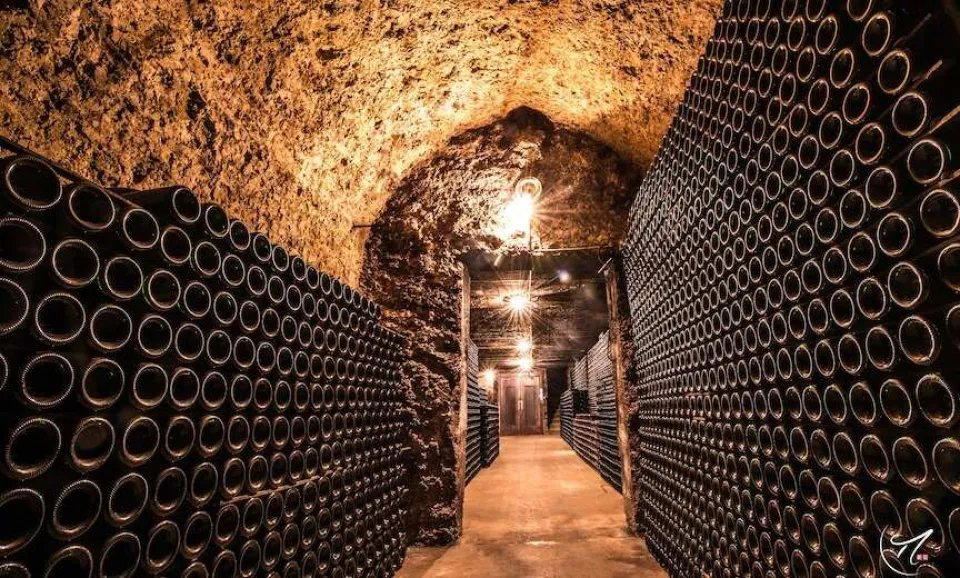
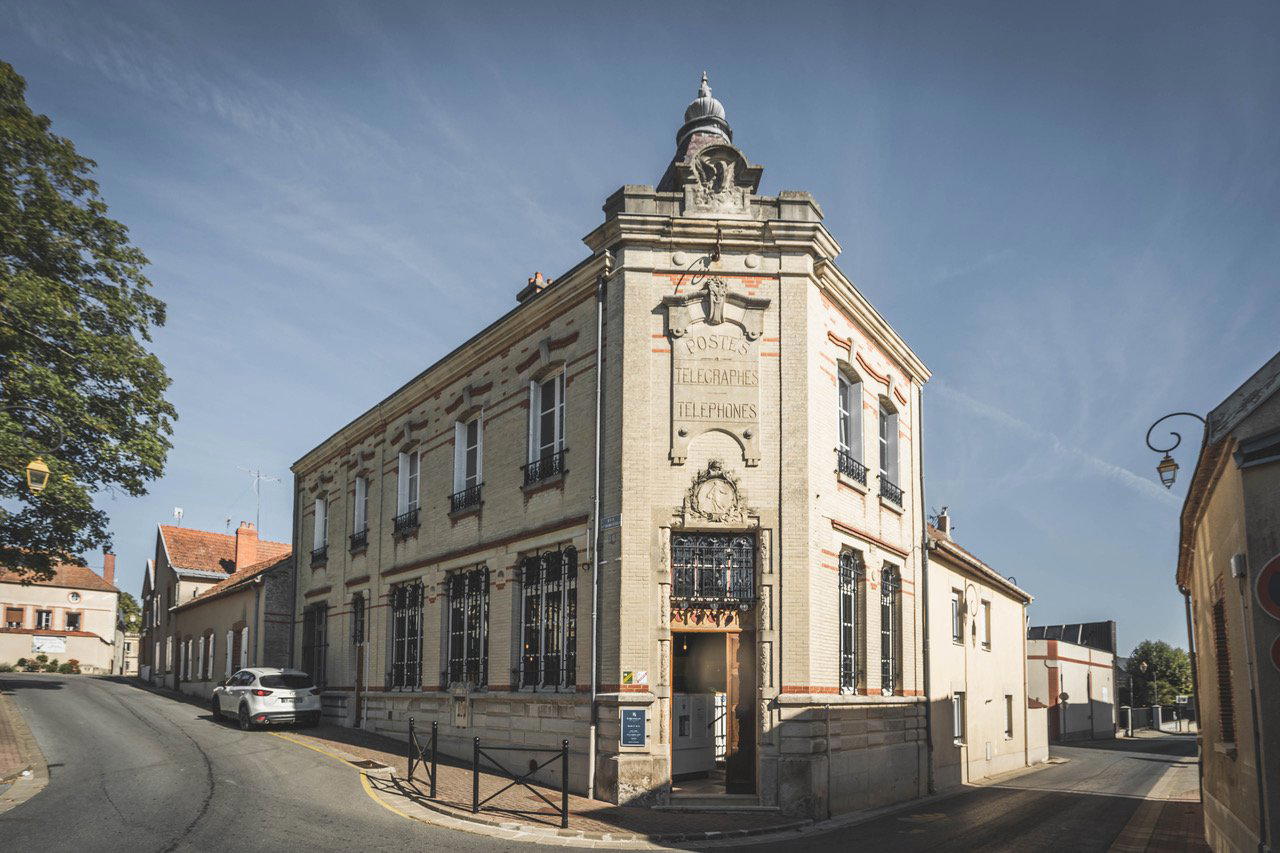
Ambonnay does not announce itself with the theatre of a grand maison. The village works on a smaller register: stone, cellars, vineyard roads, and the particular seriousness of a Grand Cru commune where Pinot Noir carries the conversation. Champagne H. Billiot Fils belongs to that scale. Its appeal is not spectacle but proximity: a family-run estate, cellar visits, guided tastings, and wines tied to one village rather than a blended house style stretched across Champagne.
The useful way to understand the estate is through the grower-producer tradition. In Champagne, that distinction matters. A grower-producer farms the grapes and makes the wine, which gives the tasting room a different centre of gravity from the large-house model. The conversation tends to move quickly from branding to slope, parcel, pressing, lees ageing, and dosage. Here, the focus is Ambonnay Grand Cru fruit, with Pinot Noir and Chardonnay as the stated varietals and sparkling wine as the house’s clear lane.
Ambonnay Grand Cru seen through a small grower lens
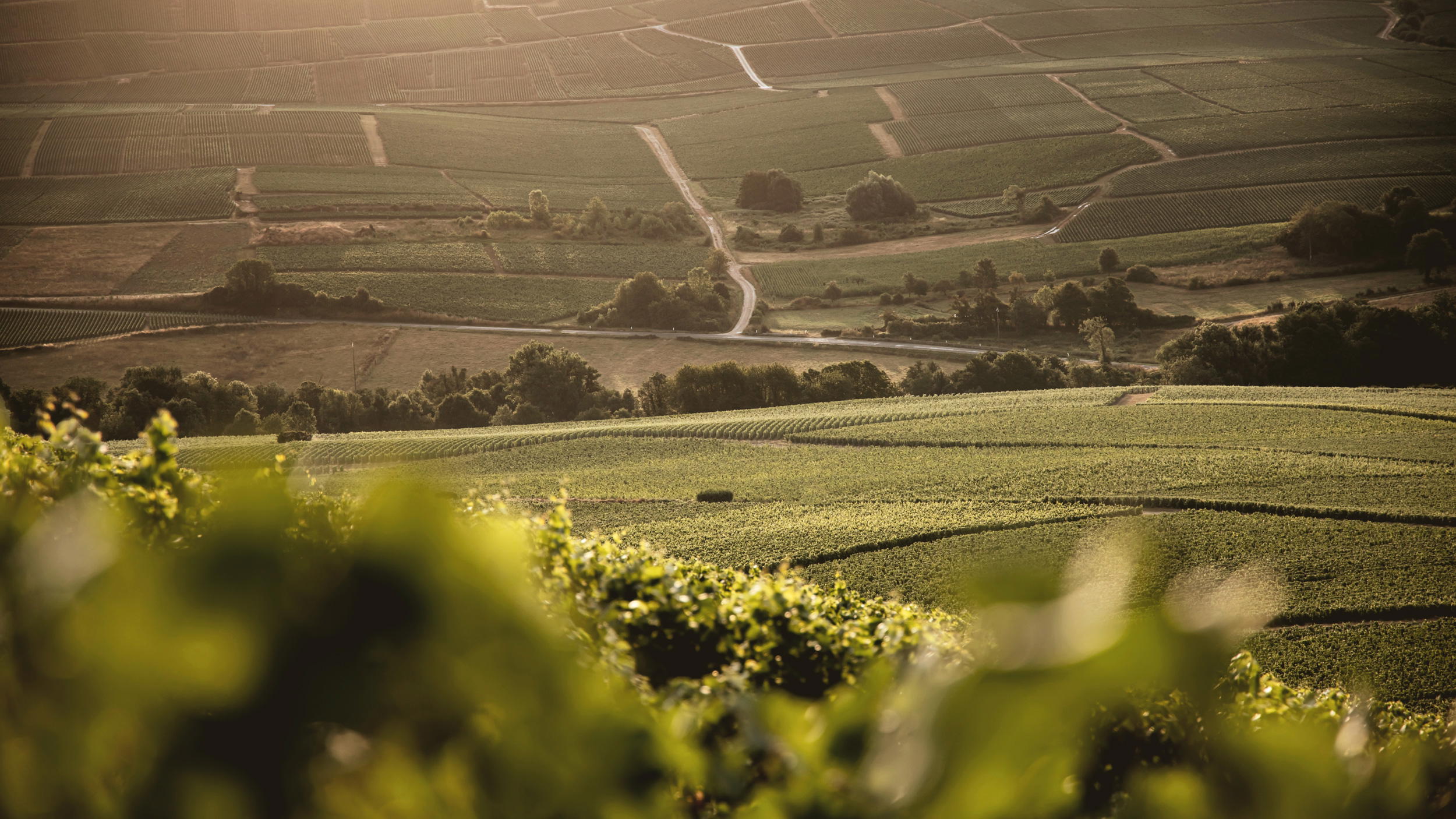
Ambonnay sits within Champagne’s Pinot Noir conversation, and the village’s south-facing slopes are central to the style. The estate works five hectares divided across 18 parcels, a scale that keeps the subject tight. That matters because single-village Champagne can make place easier to read: the fruit source is not a regional composite, and the tasting becomes a lesson in how one commune expresses structure, freshness, and breadth.
The production details reinforce that point. The estate is rooted in Grand Cru Ambonnay holdings, with a vineyard mix often framed around Pinot Noir supported by Chardonnay. Traditional pressing, stainless-steel vinification for the main wines, and a house choice to avoid malolactic fermentation point toward Champagnes that keep freshness in view rather than leaning entirely into softness. Lees ageing is part of the equation, and the absence of filtration or stabilization before bottling places the wines within a more artisanal register. These are technical choices, but they are also editorial clues: this is Champagne built around site expression rather than a luxury-house performance of consistency.
The family history gives the estate additional weight without needing to become the whole story. The modern house dates to 1960, while the broader family connection to vineyards reaches back to the 19th century. Laetitia Billiot represents the fifth generation, and that continuity matters in a village where inheritance, parcels, and cellar practice shape the glass as much as external acclaim. Champagneguide.net has noted the wines for depth and harmony, a useful trust signal because the praise lands on style rather than ceremony.
The tasting format favours cellar literacy over Champagne theatre
Experience is small, quiet, and educational in the old Champagne sense: cellar first, glass second, conversation throughout. A guided tasting or tour-and-tasting format suits travellers who want to understand why Ambonnay carries such weight for Pinot Noir-led Champagne. This is not the address for those chasing polished hospitality choreography. It is better for visitors who prefer to connect vineyard practice to what appears in the glass.
Portfolio gives that structure enough range. Réserve Brut functions as the core non-vintage expression, while rosé, vintage bottlings, Extra Brut, and barrel-fermented Cuvée Julie create a broader reading of the estate’s Ambonnay material. The barrel-fermented wine is the useful counterpoint within the lineup because it shows how oak treatment can sit beside a house style otherwise associated with stainless steel and freshness. The wider lesson is that grower Champagne is not automatically rustic or narrow; at its strongest, it can be precise, varied, and closely argued.
Practical expectations should stay aligned with the format. The visit type is by reservation, the setting is casual, and the atmosphere is quiet rather than social. Small-capacity Champagne estates can feel generous when the pacing is right and strained when visitors expect a drop-in bar. The better use case is a focused wine-education stop, a small group outing, or a special-occasion tasting for travellers already spending time in Ambonnay.
How to place it within an Ambonnay wine itinerary
Ambonnay rewards a slower itinerary because the village’s strength is cumulative. One tasting can explain a producer; several can explain the commune. For a broader village reading, EP Club’s Ambonnay winery coverage includes Champagne Egly-Ouriet, Champagne Marguet Père & Fils, Champagne Soutiran, Champagne Éric Rodez, and Egly-Ouriet. Use those references not as a race through names, but as a way to see how different growers frame the same village material.
For trip planning around the village, the broader Ambonnay pages are useful context: Our full Ambonnay wineries guide, Our full Ambonnay restaurants guide, Our full Ambonnay hotels guide, Our full Ambonnay bars guide, and Our full Ambonnay experiences guide. Travellers building a wider wine route beyond Champagne can also compare how place-led visits change across regions through A. Margaine in Villers-Marmery, Abbaye de Fontfroide in Narbonne, Abbotts & Delaunay in Marseillette, »der Steiner« Hans Steiner in Podersdorf am See, and & Handwein in Mannheim.
The editorial case for Champagne H. Billiot Fils is clear: it is a compact Ambonnay tasting with enough production detail to teach the village. The cellar format, Grand Cru fruit source, fifth-generation continuity, and small-production frame give the visit substance. In a region where Champagne tourism can drift toward gloss, this is the quieter counterargument: land, family, and method, kept close enough for the visitor to follow.
Frequently asked questions
What's the vibe at Champagne H. Billiot Fils?
It is quiet, intimate, and built around guided tastings in a family-run estate in Ambonnay. The setting leans classic rather than theatrical, with cellar visits and a village-scale hospitality style.
How pricey is Champagne H. Billiot Fils?
Pricing at Champagne H. Billiot Fils is listed as $22 per person.
What's the address for Champagne H. Billiot Fils?
Champagne H. Billiot Fils is located at Ambonnay, Grand Est, Frankreich, Ambonnay.
What's the main draw of Champagne H. Billiot Fils?
The draw is the Grand Cru address in Ambonnay, paired with a small, family-run domaine focused on Pinot Noir and Chardonnay. That combination gives the tasting a producer-led, terroir-first feel that sits well above a standard retail stop.
How hard is it to get in to Champagne H. Billiot Fils?
Visits are by reservation, and the estate recommends booking ahead. The experience is sized for a small audience, with guided tastings and tours that typically run 60 to 120 minutes.
What's the best use case for Champagne H. Billiot Fils?
It suits wine education, a special occasion, or a group outing in Ambonnay. At about $22 per person, it is also a practical stop for travelers building a village-by-village Champagne itinerary.
What should I know before visiting Champagne H. Billiot Fils?
The estate is in Ambonnay, Grand Est, at Place de la Fontaine, with street parking and a casual dress code. Payment options include cash, debit card, and credit card, and the format centers on cellar visits rather than food pairing.
Recognition history
Dated appearances from independent guides and award organizations, with the underlying list record or original source where available.
Falstaff Winery - 2 Stars
Falstaff
Request a visit to Champagne H. Billiot Fils
Tell us when you would like to go and how many people, and we put the request to the estate and reply to you by email.
Continue exploring
More in Ambonnay
Wineries in Ambonnay
All wineries in Ambonnay →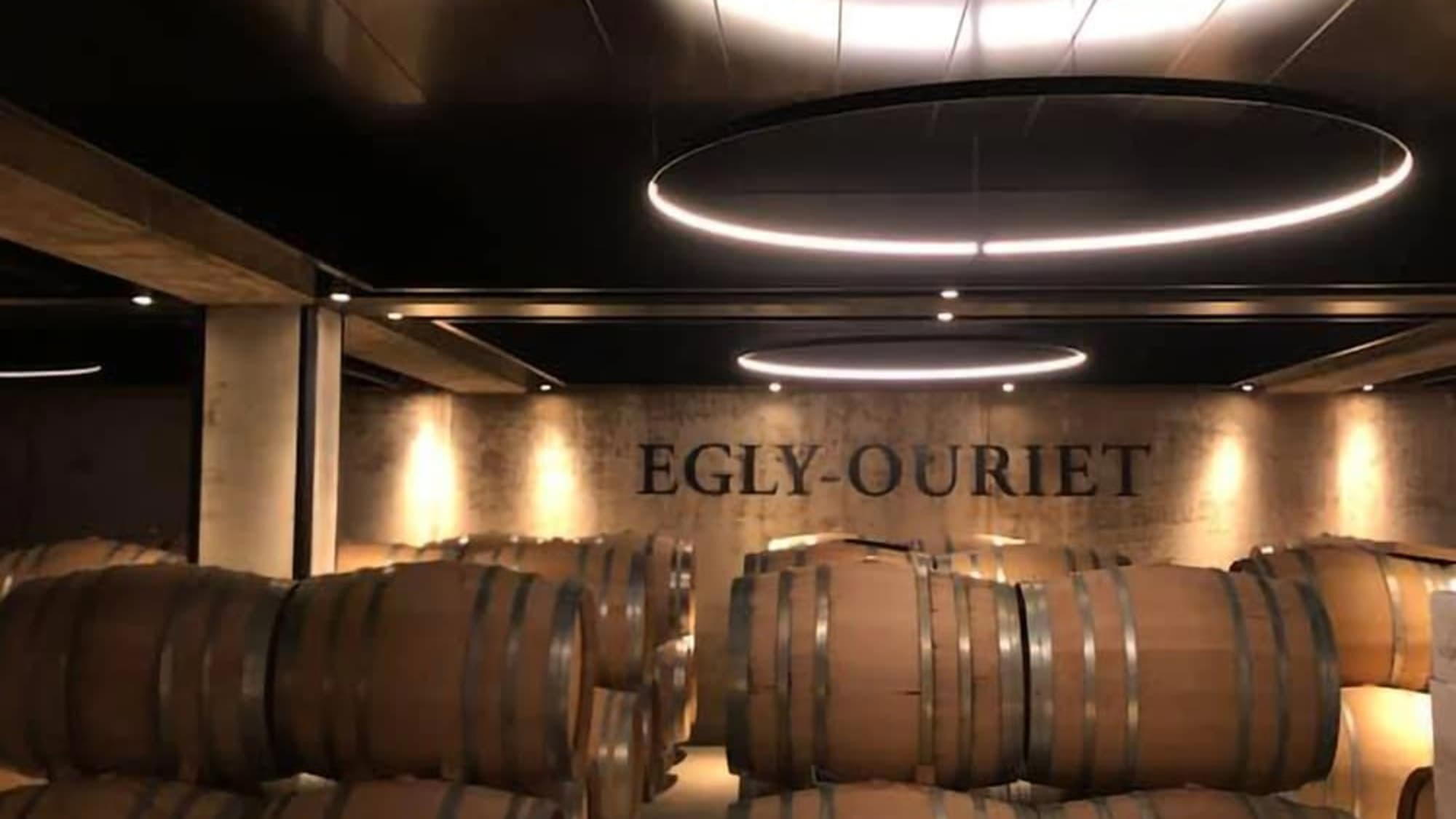
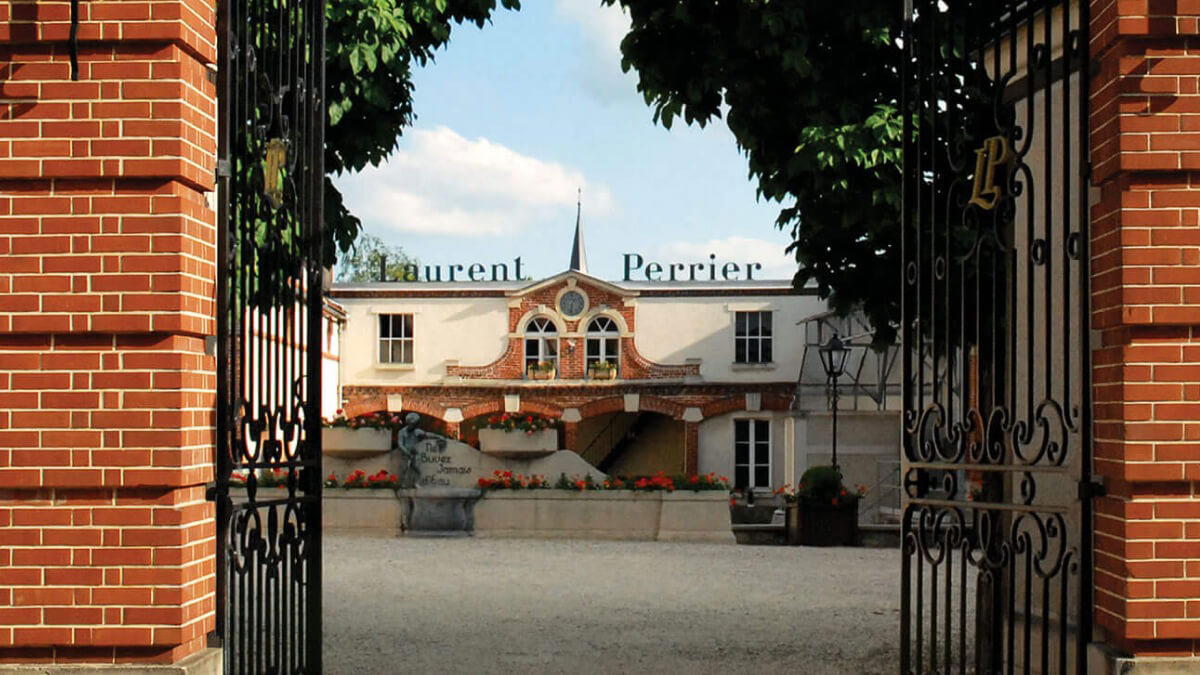
Bars in Ambonnay
Browse all →
Details
- Classic
- Quiet
- Intimate
- Wine Education
- Special Occasion
- Group Outing
- Cave Tasting
- Historic Building
- Private Tasting
- Sustainable
- Pinot Noir
- Chardonnay
- Sparkling
- Guided Tasting
- Tour & Tasting
Current opening hours
- Monday
- 9:30 AM–12 PM, 2–4:30 PM
- Tuesday
- 9:30 AM–12 PM, 2–4:30 PM
- Wednesday
- 9:30 AM–12 PM
- Thursday
- 9:30 AM–12 PM, 2–4:30 PM
- Friday
- 9:30 AM–12 PM, 2–4:30 PM
- Saturday
- 9:30 AM–12 PM
- Sunday
- Closed
Hours can change for holidays and private events. Hours as of .
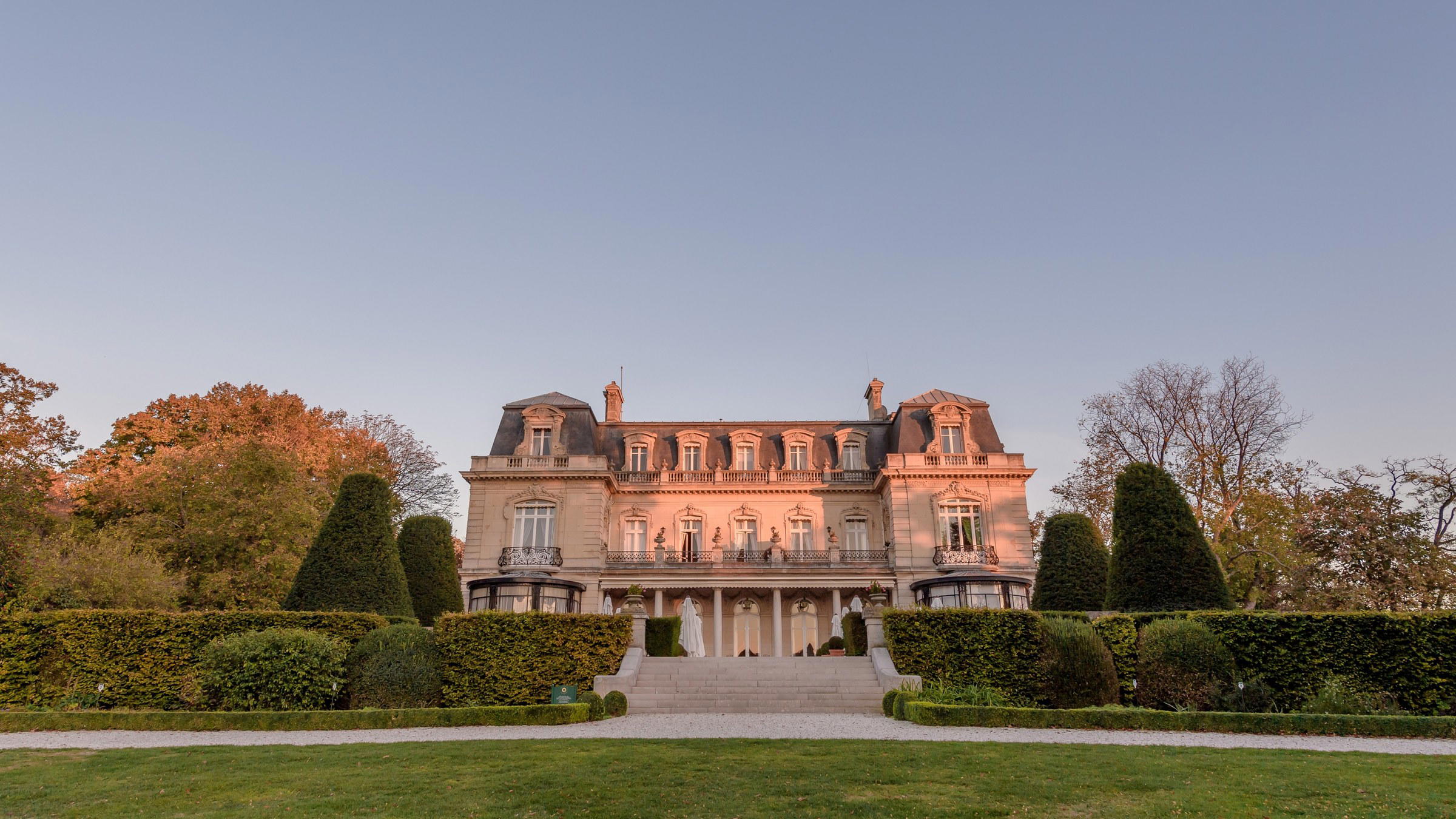
Traditional Champagne house atmosphere centered on cellar visits and guided tastings, with a hospitality-forward, craft-focused experience in the village of Ambonnay.