Champagne Florent Bergeronneau Marion

A small family Champagne estate in Ville Dommange, Champagne Florent Bergeronneau Marion gives the grower side of Montagne de Reims a tangible setting: Premier Cru slopes, Meunier-led vineyards, traditional cellars and a rare walled clos in the village. The draw is not spectacle; it is a quiet, terroir-led visit built around estate-grown fruit, cellar context and generous family hospitality.
Pearl is the En Primeur Club membership app — saves, bookings, and concierge access live there. Same editors, same standards.
- Address
- Ville-Dommange, Grand Est, Frankreich
- Directions
- Get directions
 Saves & bookings on Pearl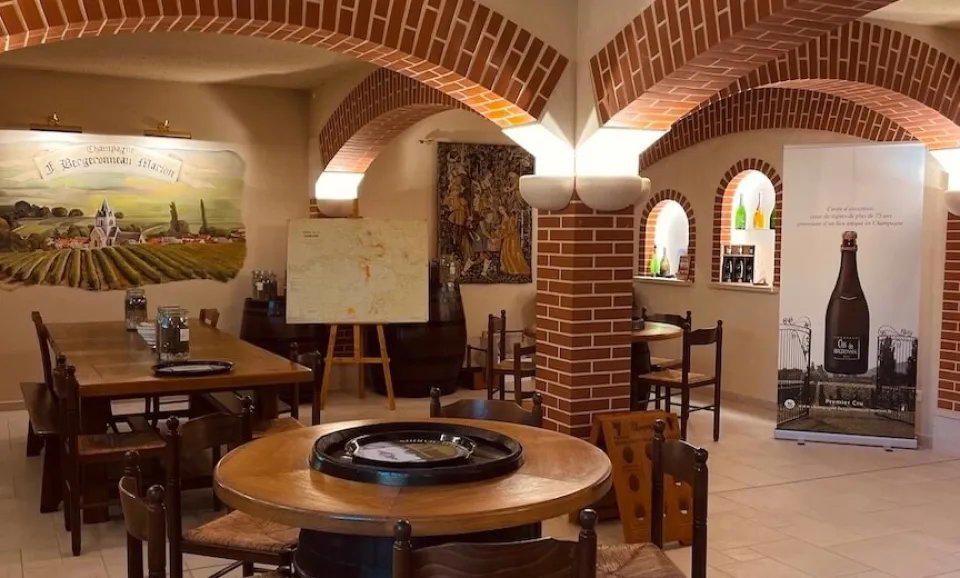
Champagne Florent Bergeronneau Marion is a family-run Premier Cru Champagne estate in Ville Dommange, presented around a historic village clos, traditional cellars and a relaxed, authentic sense of hospitality. The appeal is not built on spectacle or a long list of publicized extras; it rests on place, estate storytelling and the texture of a Champagne estate shaped by restored 19th-century walls, hedges and cellar spaces. In that sense, the venue reads less like a highly staged visitor attraction and more like an estate whose character is carried by its physical surroundings and by the family-run framework behind it.
The confirmed profile points to a generous, family-run setting in Ville Dommange, with the clos and cellars forming the core of the experience. That core matters because it gives the visit a clear centre: the village, the enclosed vineyard setting, the traditional cellar environment and the hospitality that links them together. The result is a Champagne stop whose interest comes from atmosphere and context as much as from any formal structure.
A walled clos puts the vineyard before the label
The estate’s defining feature is its historic village clos. Restored 19th-century walls and hedges give the setting a clear sense of enclosure and place, making the estate feel rooted in the fabric of Ville Dommange rather than detached from it. The walls and greenery are not just decorative details; they shape how the estate is perceived, creating a more intimate frame around the vineyard and emphasizing the connection between Champagne, village and family property.
That physical setting is central to the editorial case for Champagne Florent Bergeronneau Marion. Rather than relying on claims about individual grapes, parcel sizes, tasting formats or cellar programs, the confirmed draw is simpler: a Premier Cru Champagne estate where the landscape, cellars and family hospitality help explain the estate’s identity. The clos gives visitors a tangible way to understand the estate before any more technical discussion is considered, because the sense of place is immediate and legible.
For travellers comparing larger, more polished Champagne experiences with smaller estate visits, this venue’s strengths sit on the intimate side of the spectrum: historic walls, hedges, traditional cellars and a relaxed atmosphere focused on storytelling. It is the kind of address that makes sense for visitors who want the estate itself to provide the interest, rather than expecting a visit defined by production theatre, elaborate add-ons or a tightly packaged list of features.
Traditional cellars favour context over ceremony
The information supports a picture of Champagne Florent Bergeronneau Marion as relaxed, authentic and generous in its hospitality. Its traditional cellars are part of the setting, but specific claims about tour duration, languages, tasting flights, food pairings, booking rules, parking, shipping or payment methods are not confirmed here. That limitation is important: the estate can be described confidently as atmospheric and rooted in tradition, but not as offering any particular service detail unless confirmed directly.
That makes the planning advice direct: treat the estate as a Champagne stop to arrange directly, and confirm any practical details before going. What can be said with confidence is that the atmosphere is scenic and rustic, with the historic clos and cellar setting doing much of the work. The traditional cellars reinforce the estate’s grounded character, adding depth to the visit without requiring the guide to overstate what is available or promise a specific format.
Visitors should verify current availability, visit format and timing with the estate. That approach keeps expectations properly aligned: go for a family-run Premier Cru Champagne estate in a historic village setting, then let the estate confirm the practicalities that can change or depend on how visits are organized.
How to place it in a Ville Dommange itinerary
Within Ville Dommange, the winery works as a Champagne-focused stop for travellers who value family-run hospitality, estate storytelling and a historic village setting. Dining, hotels, bars and other activities in Ville Dommange should be planned separately and confirmed on their own terms. The estate’s role in an itinerary is therefore specific rather than all-purpose: it anchors the Champagne part of a visit through its clos, cellars and relaxed hospitality, while the rest of the day should be built with separate confirmations.
For comparison, one relevant reference point here is the winery itself: a Premier Cru Champagne estate in Ville Dommange with a historic clos, traditional cellars, restored 19th-century walls and hedges, and a relaxed, authentic atmosphere. That self-contained identity is the main reason to consider it. It does not need to be framed against unrelated attractions or inflated with unsupported extras; its confirmed strengths are already coherent.
The editorial case is clear but intentionally narrow: this is Champagne as family estate, village clos and cellar setting, not a venue defined here by awards, menus, formats or service claims. Travellers who respond to that kind of grounded, place-led Champagne experience will understand the appeal quickly, while those needing highly specified logistics should make direct contact before committing it to an itinerary.
Recognition history
Dated appearances from independent guides and award organizations, with the underlying list record or original source where available.
Falstaff Winery - Listed
Falstaff
Continue exploring
More in Ville Dommange
Wineries in Ville Dommange
Browse all →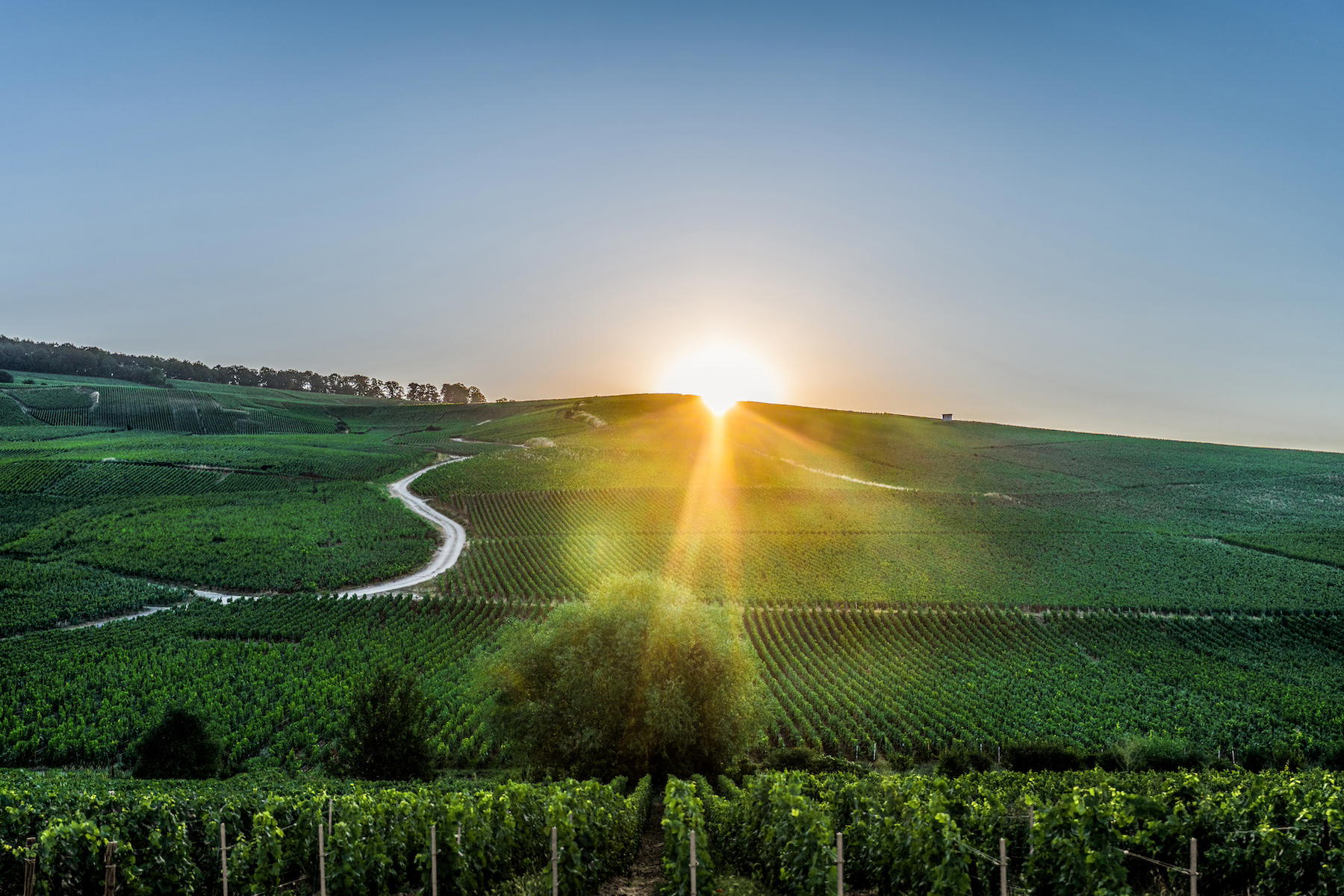
Bars in Ville Dommange
Browse all →
Restaurants in Ville Dommange
Browse all →
At a Glance
- Scenic
- Rustic
- Classic
- Intimate
- Romantic
- Romantic Getaway
- Group Outing
- Celebration
- Solo Exploration
- Wine Education
- Special Occasion
- Vineyard Tour
- Estate Grounds
- Picnic Area
- Historic Building
- Private Tasting
- Cave Tasting
- Vineyard
- Garden
- Champagne Premier Cru (montagne De Reims)
- Meunier
- Pinot Noir
- Chardonnay
- Sparkling
- Guided Estate Tour With Cellar Tasting
- Vineyard/clos Tour With Tasting
- Standard Tasting Flight
Family-run Premier Cru Champagne estate in a historic village clos, with traditional cellars, restored 19th‑century walls and hedges, and a relaxed, authentic atmosphere focused on generous hospitality and estate storytelling.