Chalk Hill Estate Vineyards & Winery

Chalk Hill Estate Vineyards & Winery sits along Chalk Hill Road in Healdsburg, within one of Sonoma County's most distinct sub-appellations. Visitors looking for a serious estate experience in the Russian River Valley corridor will find a property with genuine appellation identity.
Pearl is the En Primeur Club membership app — saves, bookings, and concierge access live there. Same editors, same standards.
- Address
- 10300 Chalk Hill Rd, Healdsburg, CA 95448
- Phone
- +1 707-657-1809
- Website
- chalkhill.com
- Directions
- Get directions
 Saves & bookings on Pearl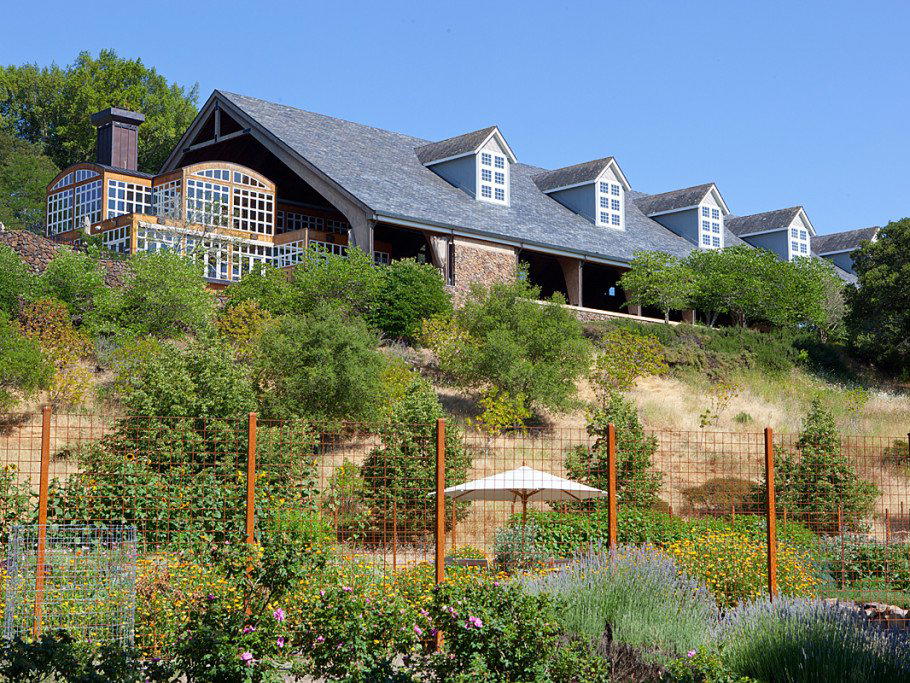
A Sub-Appellation With Its Own Logic
Chalk Hill Estate Vineyards & Winery is a winery in Healdsburg, California. It has a price tier of 3, with tastings and experiences around $50 per person. Not all of Sonoma County's wine geography works the same way. Where Balletto Vineyards and DeLoach Vineyards trade on the cooling maritime influence that defines core Russian River Valley Pinot, Chalk Hill operates in its own micro-climatic pocket. The Chalk Hill AVA sits at the northeastern edge of the Russian River Valley appellation, where volcanic ash deposits give the soils a pale, powdery quality that differs sharply from the Goldridge sandy loams further west. That soil profile influences drainage, vine stress, and ultimately what the wines taste like, a set of variables that no amount of cellar technique fully overrides.
This matters because Chalk Hill Estate, addressed at 10300 Chalk Hill Rd in Healdsburg, is one of the producers most directly identified with that sub-appellation identity. The property sits inside the AVA boundary rather than simply near it, which means the wines carry both a geographic argument and an obligation to that argument. In a region where many producers source from multiple AVAs to manage risk and volume, an estate-focused model tied to a single, named sub-appellation is a distinct positioning choice.
Chalk Hill's Place in the Sonoma Prestige Tier
Chalk Hill Estate is a recognized Sonoma County producer with a distinct estate identity. That rating category signals a property that performs at a level above dependable regional quality but operates with the specificity and consistency that prestige-tier recognition requires. It is a useful coordinate for anyone mapping out Sonoma's quality spectrum.
Within the local peer group, the estate sits in a different competitive set than producers like Hook & Ladder Winery or Paradise Ridge Winery, both of which operate with different stylistic and commercial orientations. Chalk Hill's prestige positioning puts it closer to estate-driven producers statewide who prioritize appellation expression over accessibility or volume. For context within California's broader prestige tier, properties like Accendo Cellars in St. Helena and Alpha Omega Winery in Rutherford operate in a similar award-recognized bracket, though their varietal and appellation focus differs considerably.
Matanzas Creek Winery, another Santa Rosa-area producer with a long-established identity, draws the useful comparison: both estates have operated long enough in distinct Sonoma sub-zones to develop recognizable house styles rather than simply chasing regional fashion. That kind of accumulated identity tends to be what separates prestige-tier estates from strong-but-generic regional players.
Winemaking Orientation at an Estate Scale
The philosophy that defines sub-appellation estates like Chalk Hill is grounded in a single premise: the vineyard shapes the wine. That framework, which California has borrowed and adapted from Burgundian tradition, requires a willingness to let site-specific character come through even when it produces wines that are less immediately accessible than those shaped primarily by winemaker intervention.
At the estate scale, this means decisions around harvest timing, fermentation vessel, and aging regime are all oriented toward the same question: does this amplify what Chalk Hill soils and climate produce, or does it obscure it? The volcanic ash soils at Chalk Hill tend to produce wines with a particular textural quality and a pH profile that differs from coastal Sonoma, characteristics that reward rather than resist a restrained winemaking approach.
This orientation places Chalk Hill in a longer California tradition of estate producers who built reputations on geographic specificity rather than celebrity winemaking. Compare this to producers like Adelaida Vineyards in Paso Robles or Adelsheim Vineyard in Newberg, where the founding logic was similarly rooted in a conviction that a particular piece of ground could produce wines worth taking seriously on their own terms. The specifics differ, varietal, climate, soil, but the structural argument is the same.
What the Chalk Hill AVA Produces
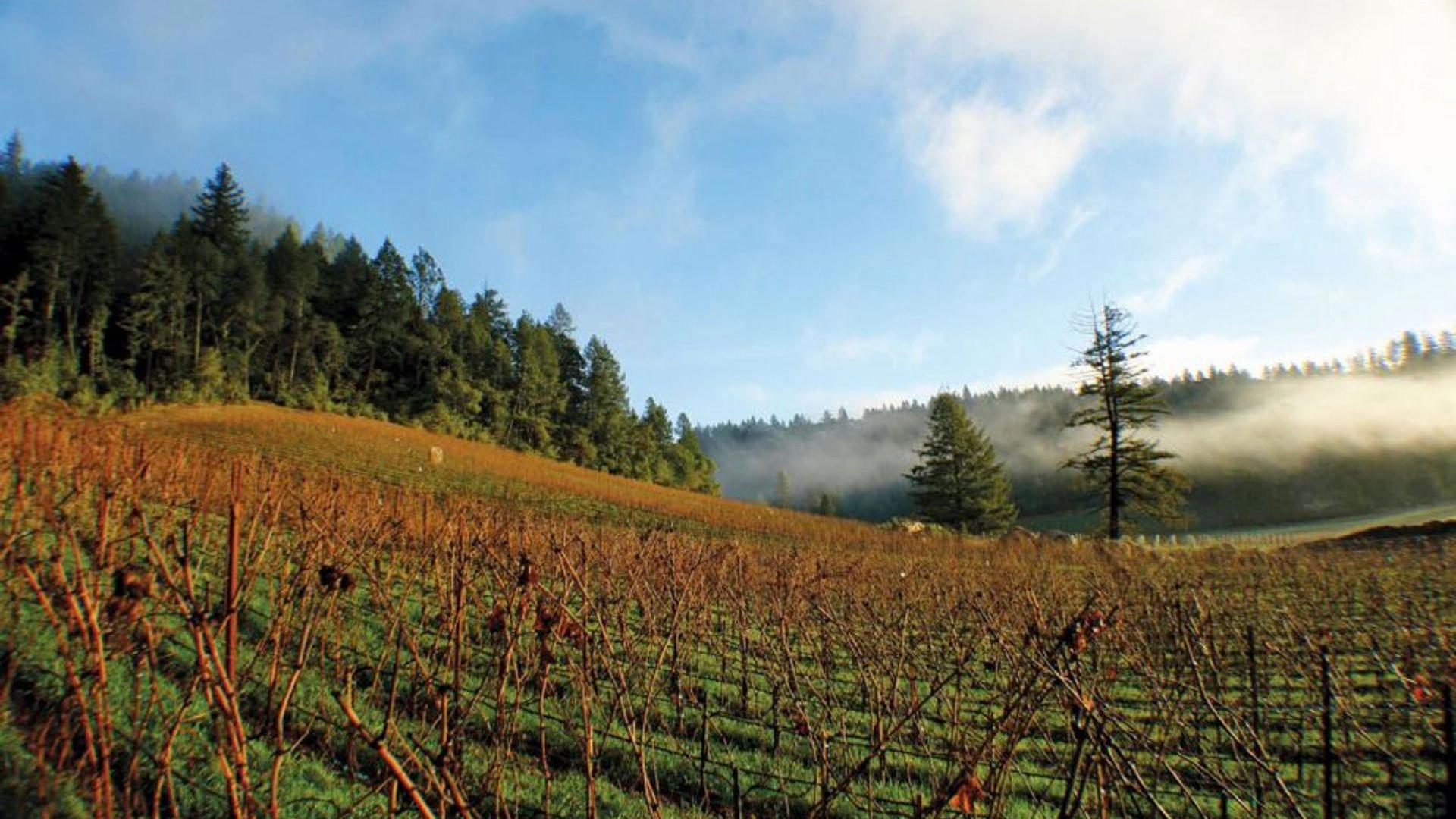
The Chalk Hill AVA is best known historically for Chardonnay, a variety that responds well to the combination of warm days, cool nights, and well-drained volcanic soils the sub-appellation provides. That climatic profile, warmer than the fog-cooled western Russian River but still subject to evening cooling from the Pacific, gives Chardonnay here a different weight and acid structure than the leaner styles produced closer to the coast.
Cabernet Sauvignon also appears at Chalk Hill, which positions the estate at an interesting intersection: a Sonoma address with a variety more commonly associated with Napa. This is less unusual than it sounds. The sub-appellation's warmth is sufficient to ripen Cabernet adequately, and producers here have long made the case that Chalk Hill Cabernet carries a Sonoma character, more soil-driven, less extracted, that distinguishes it from Napa peers. For broader California context on Cabernet-focused estates, Alexander Valley Vineyards in Geyserville offers a useful regional comparison, operating in another Sonoma AVA where Cabernet is taken as seriously as anywhere in the state.
Producers focused on varieties suited to warmer, drier conditions, like Alban Vineyards in Arroyo Grande or Andrew Murray Vineyards in Los Olivos, illustrate how California's diverse appellations each demand a different varietal logic.
Visiting and Planning
Chalk Hill Estate sits on Chalk Hill Road in Healdsburg, technically within Sonoma County's wine country rather than the city of Santa Rosa itself, though the broader Santa Rosa area encompasses this stretch of the Russian River Valley corridor. Visitors planning a multi-stop Sonoma itinerary should factor in that estate properties at this prestige level typically require advance reservations rather than drop-in visits. Reservations are recommended. The surrounding area rewards a full day: producers like Balletto and DeLoach anchor the Russian River Valley's core, while Chalk Hill itself offers a distinct appellation counterpoint worth building into the same trip.
For those extending a California wine trip beyond Sonoma, the peer-tier context is worth holding: producers like Aberlour and Achaia Clauss in Patras sit in entirely different traditions, but the logic of a single estate with deep appellation identity translates across wine regions internationally. Chalk Hill's argument, that a particular piece of volcanic California ground produces wines worth serious attention, is one that earns its place in that wider conversation.
Pricing, Compared
Comparable venues nearby, for context on price, style, and recognition.
| Venue | Cuisine | Price | Notes |
|---|---|---|---|
| Chalk Hill Estate Vineyards & WineryThis venue — the venue you are viewing | Chalk Hill, Chardonnay, Sauvignon Blanc | $$$ | Not listed |
| Elk Fence Distillery | Santa Rosa Avenue, Sonoma County | $$ | Not listed |
| Paradise Ridge Winery | Not listed | $$ | Russian River Valley, Russian River Valley |
| Balletto Vineyards | Not listed | $$ | Russian River Valley, Pinot Noir, Chardonnay |
| Matanzas Creek Winery | Bennett Valley, Sauvignon Blanc, Merlot | $$$ | Not listed |
| St. Francis Winery & Vineyards | Winery | Not listed | Not listed |
Recognition history
Dated appearances from independent guides and award organizations, with the underlying list record or original source where available.
Falstaff Winery - Listed
Falstaff
Continue exploring
More in Santa Rosa
Wineries in Santa Rosa
Browse all →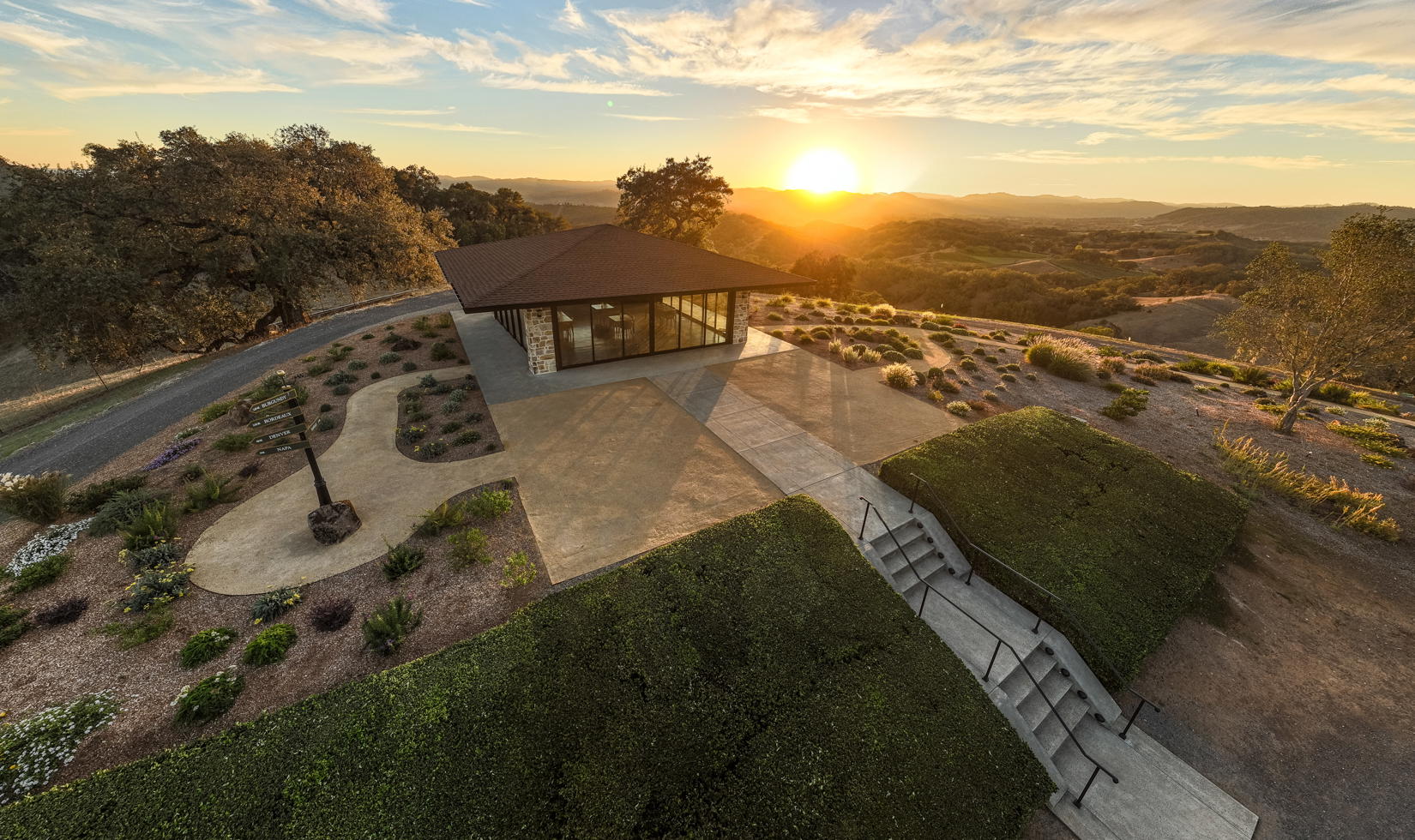
Bars in Santa Rosa
Browse all →
Restaurants in Santa Rosa
Browse all →
At a Glance
- Scenic
- Elegant
- Sophisticated
- Rustic
- Romantic Getaway
- Special Occasion
- Group Outing
- Wine Education
- Vineyard Tour
- Estate Grounds
- Terrace
- Panoramic View
- Sustainable
- Vineyard
- Mountain
- Chalk Hill AVA
- Chardonnay
- Sauvignon Blanc
- Cabernet Sauvignon
- Malbec
- Merlot
- Petit Verdot
- Still Red
- Still White
- Flight
- Private Tasting
- Founder: official source · checked
- Founded: official source · checked
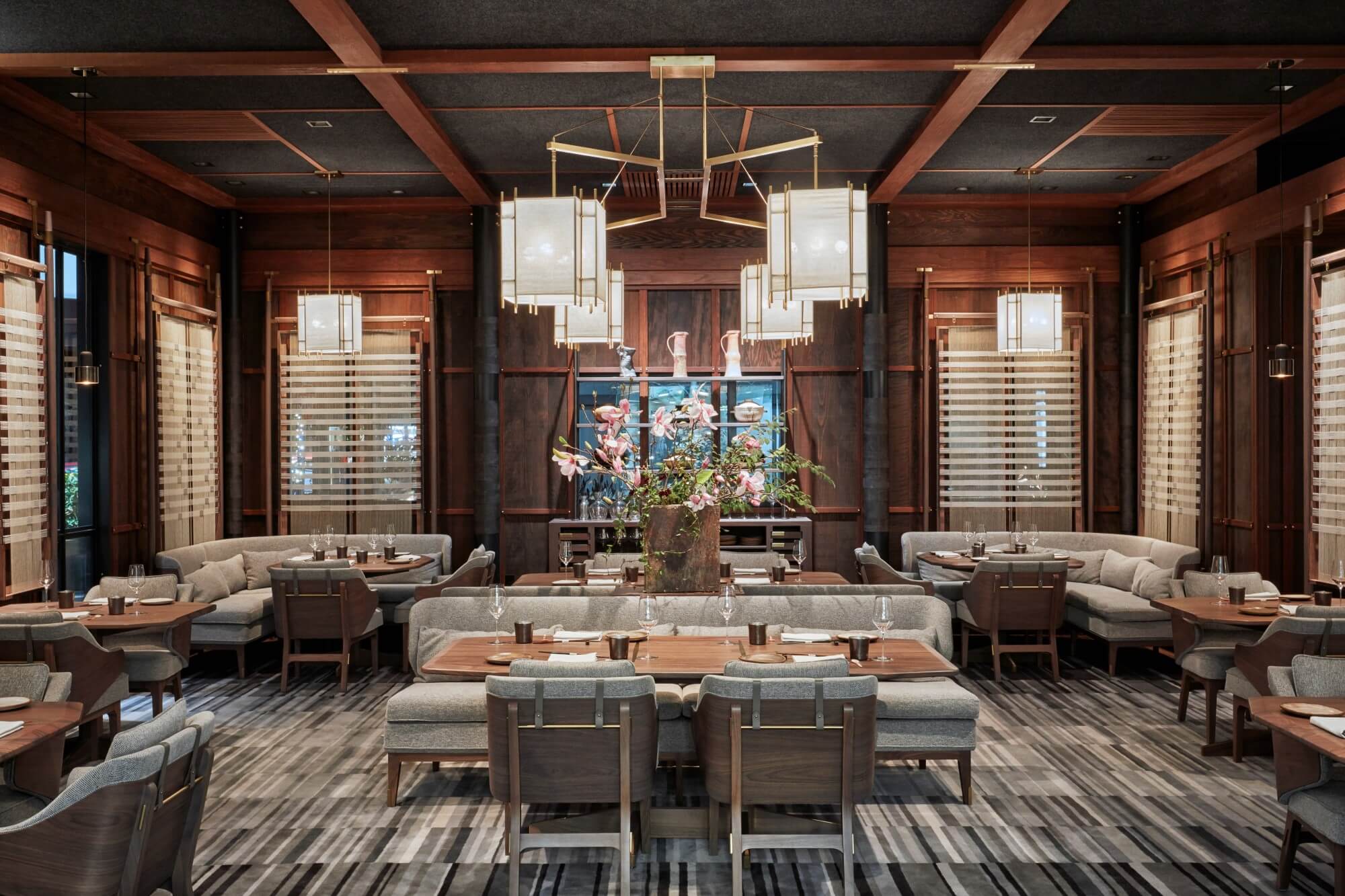
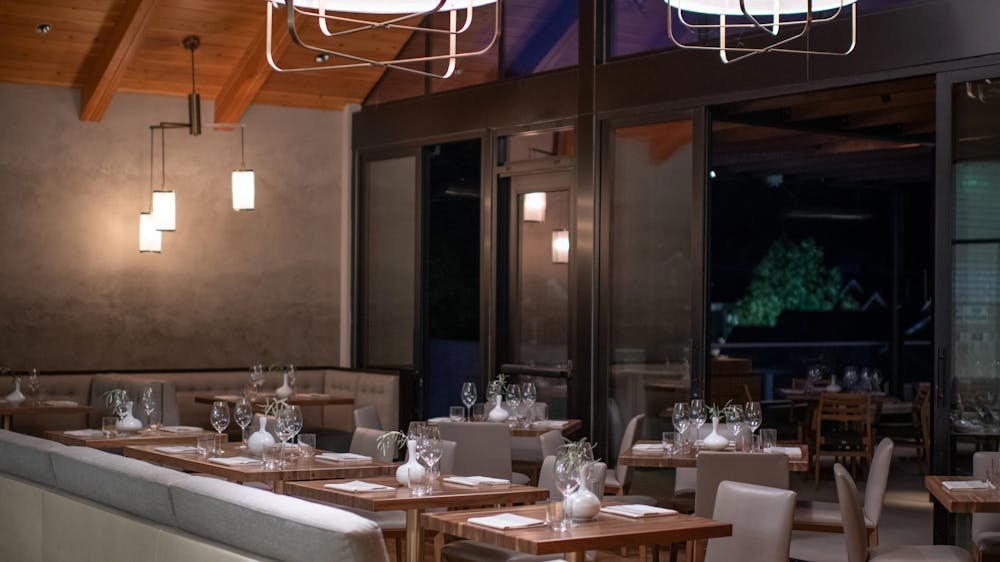
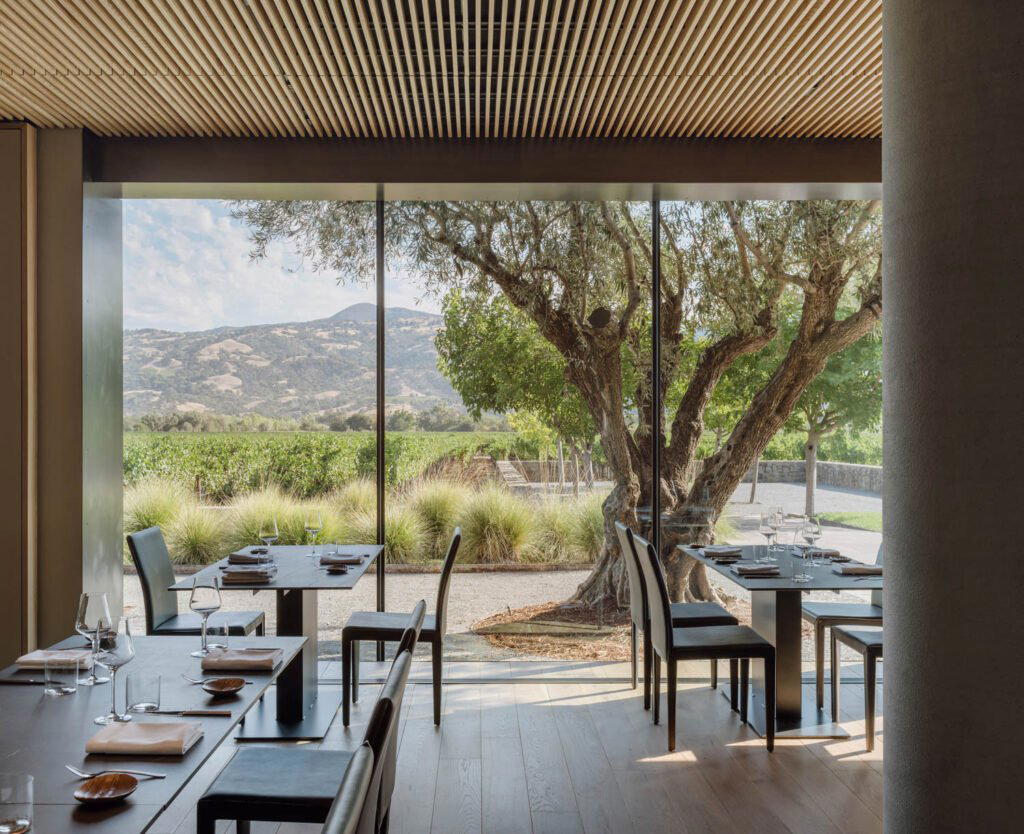
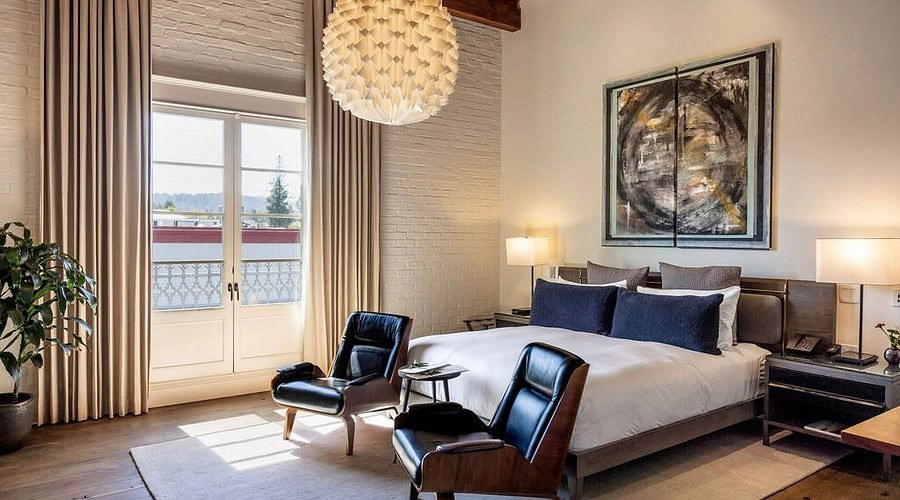
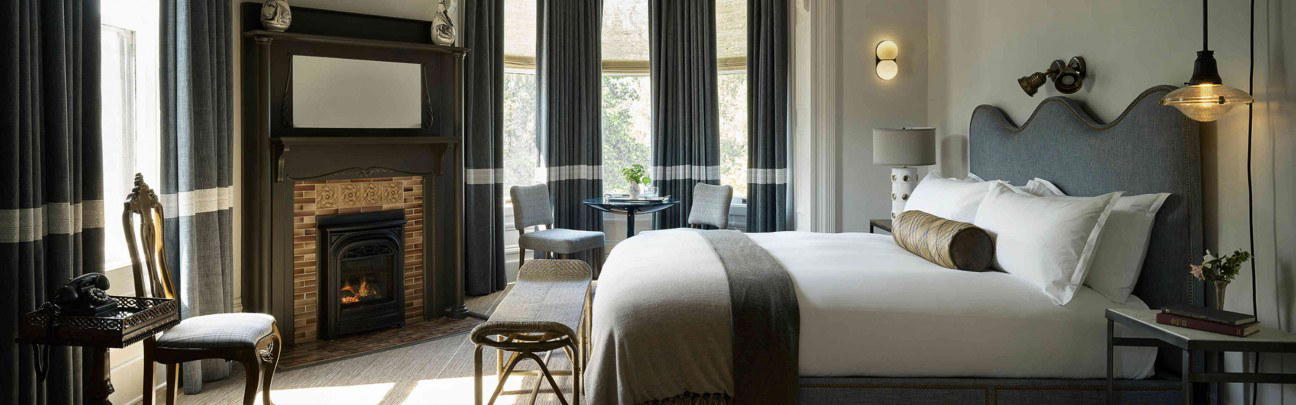
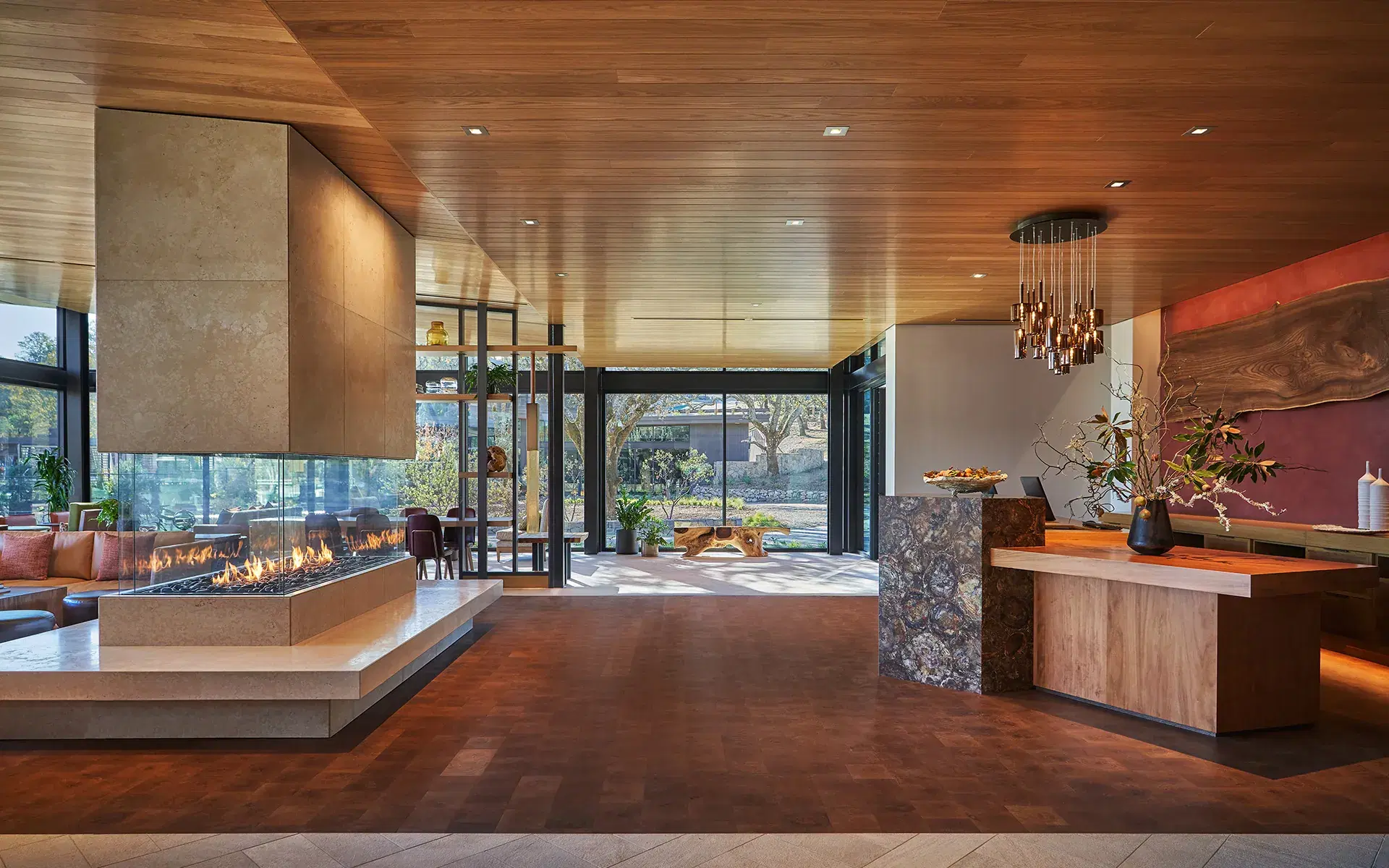
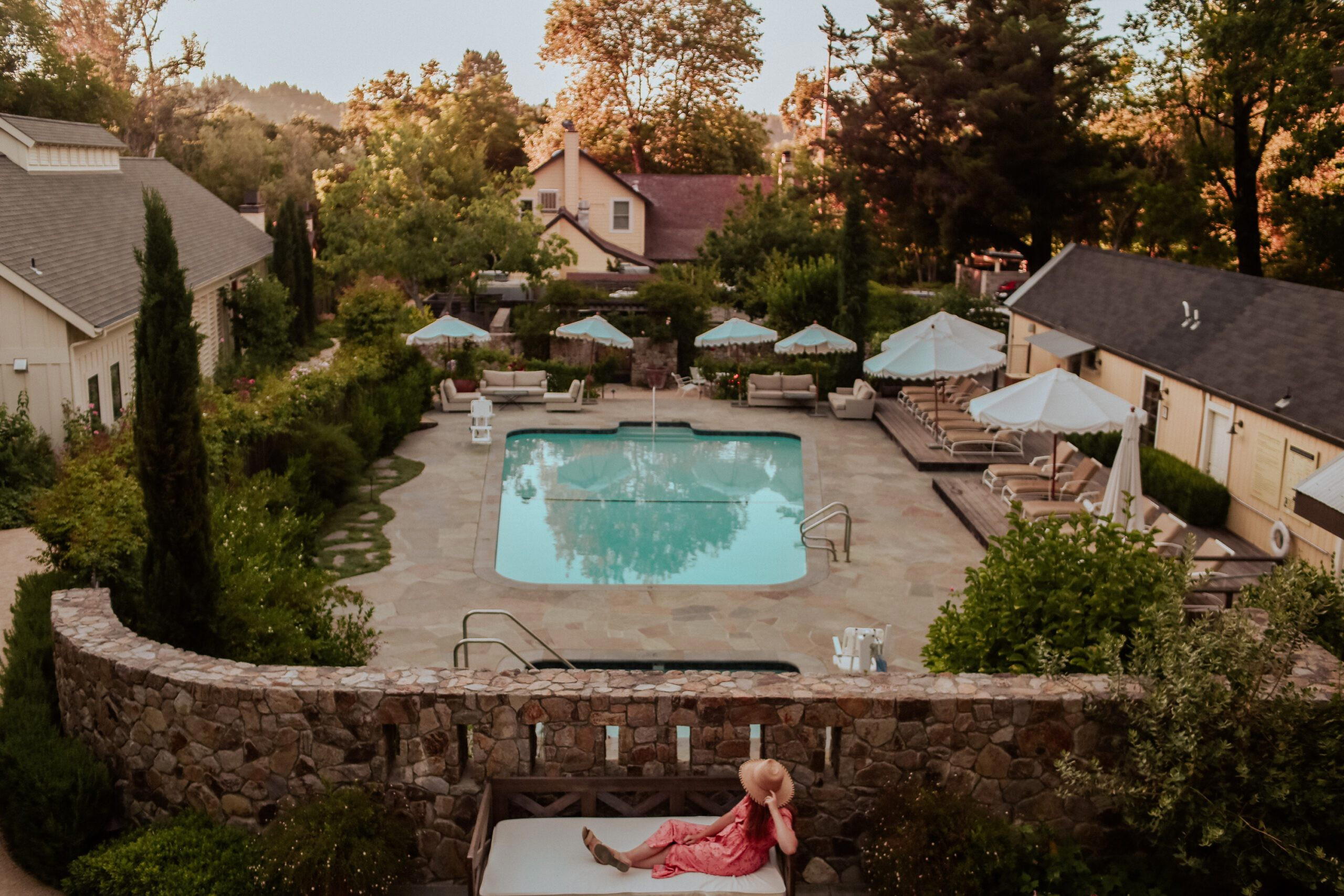
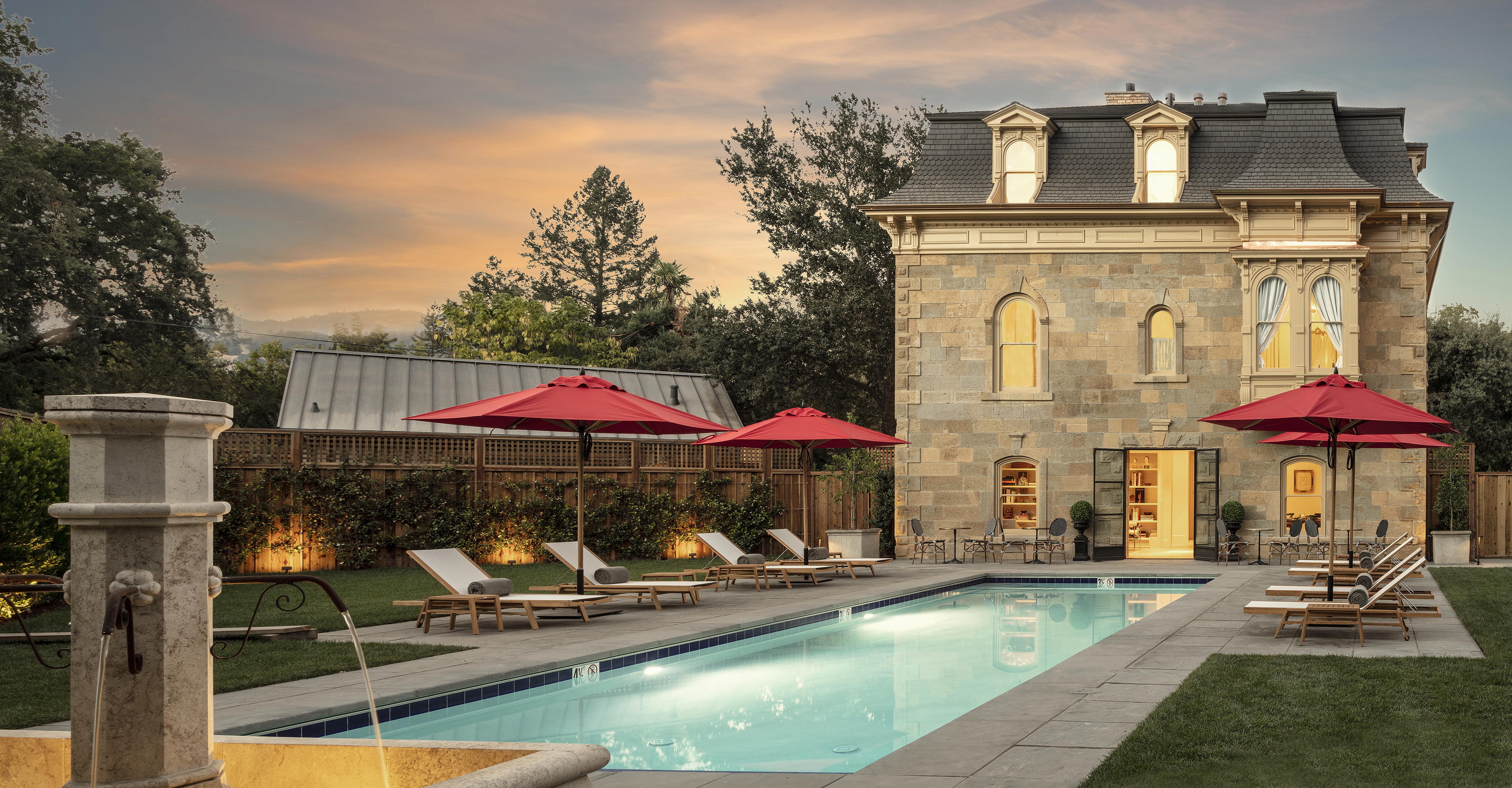
Serene and elegant with sweeping vineyard views from the polished stone patio and hospitality center, offering a sense of seclusion amid rolling hills.