Farmhouse Inn & Restaurant



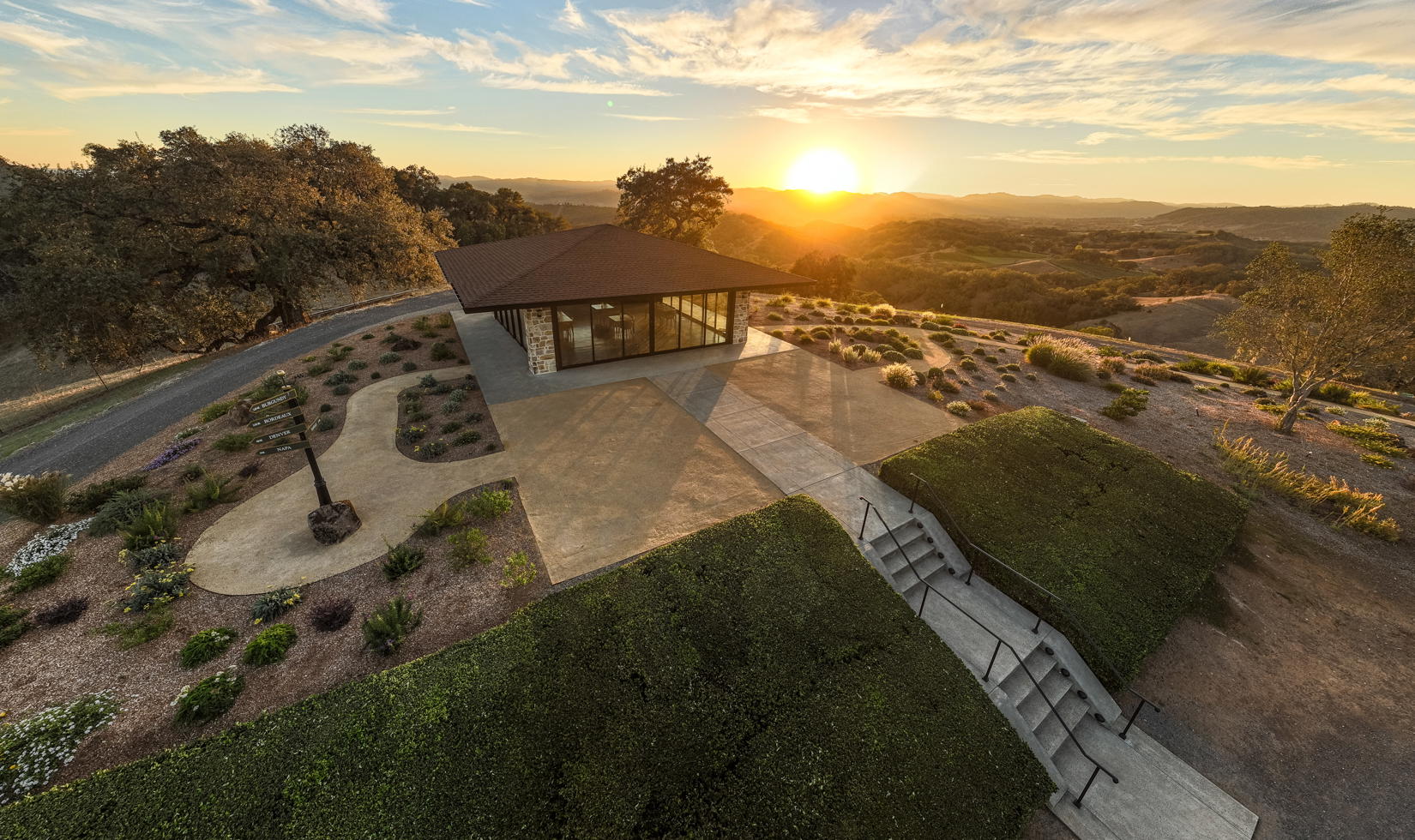
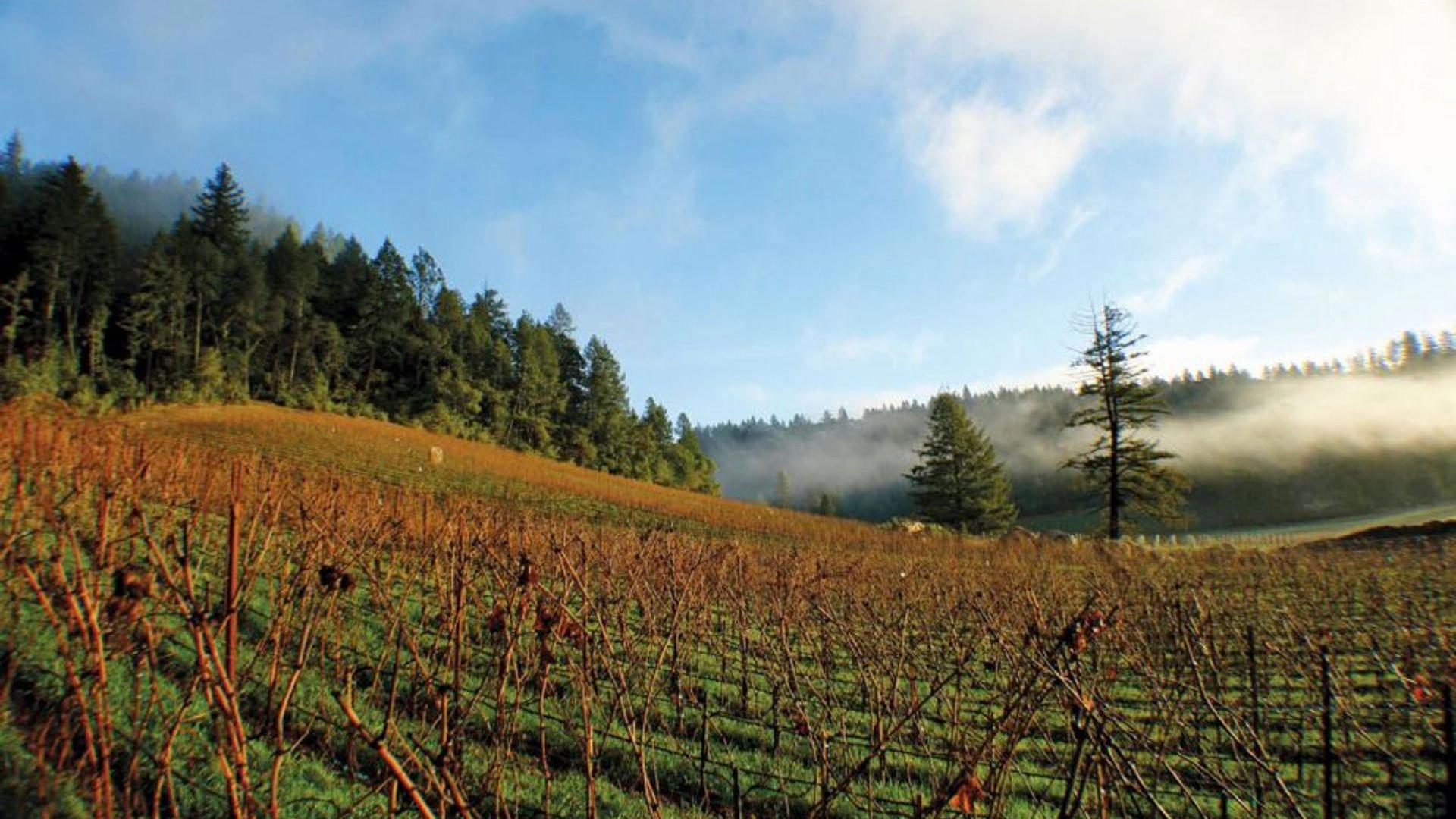
Set on six acres along Sonoma County's Russian River corridor, Farmhouse Inn & Restaurant has held its position as one of California's more serious farm-to-table dining rooms since well before that phrase became a marketing device. Holding a 2025 Michelin Plate and recognized in La Liste's 2026 rankings, the restaurant builds its ever-changing prix fixe around sourcing from the Bartolomei family ranches directly adjacent to the property.
Pearl is the En Primeur Club membership app — saves, bookings, and concierge access live there. Same editors, same standards.
- Address
- 7871 River Rd, Forestville, CA 95436
- Phone
- (707) 887-3300
- Website
- farmhouseinn.com
- Directions
- Get directions
 Saves & bookings on Pearl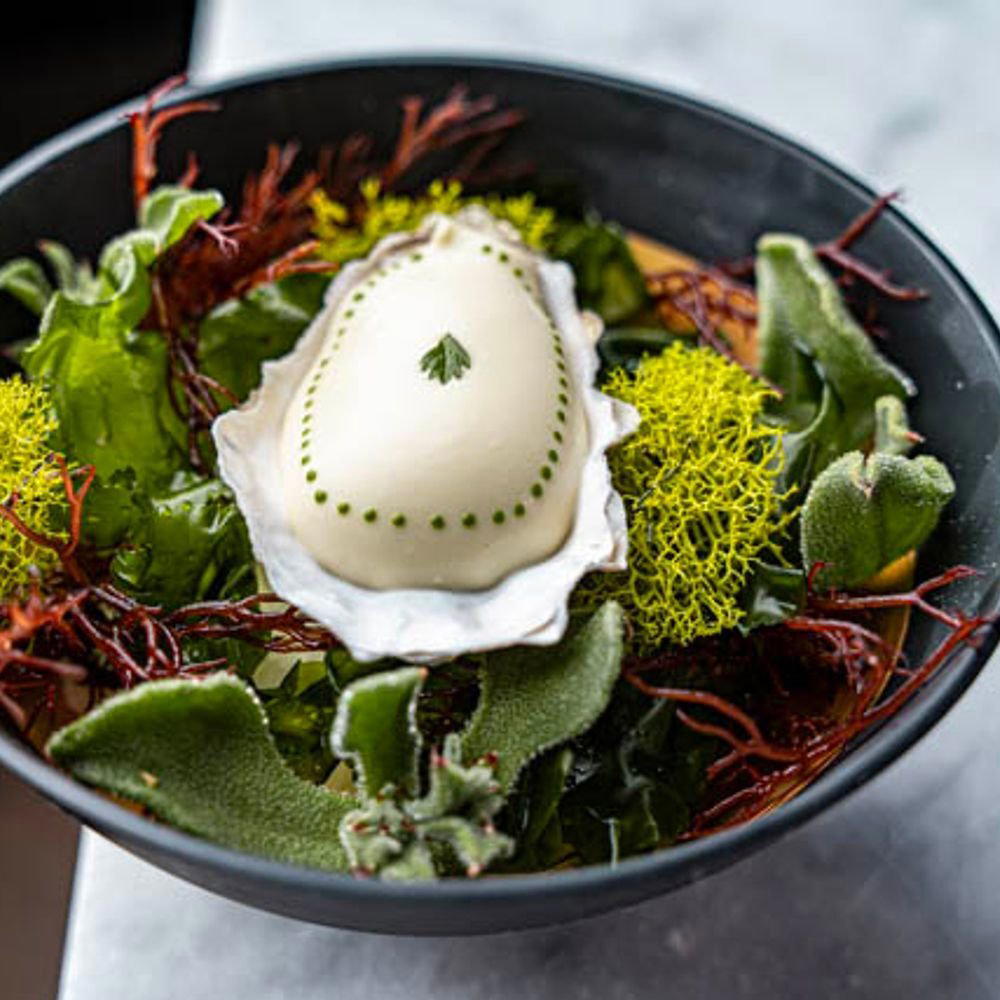
Where Sonoma Wine Country Meets Its Own Table
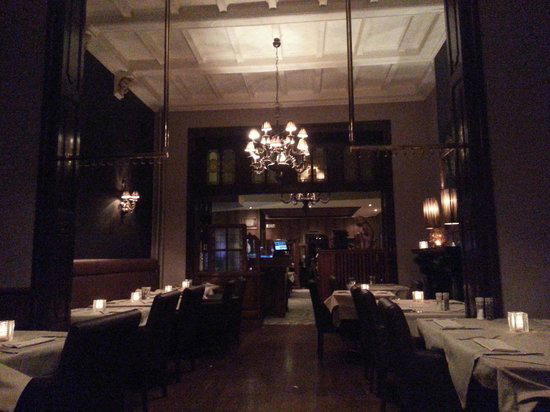
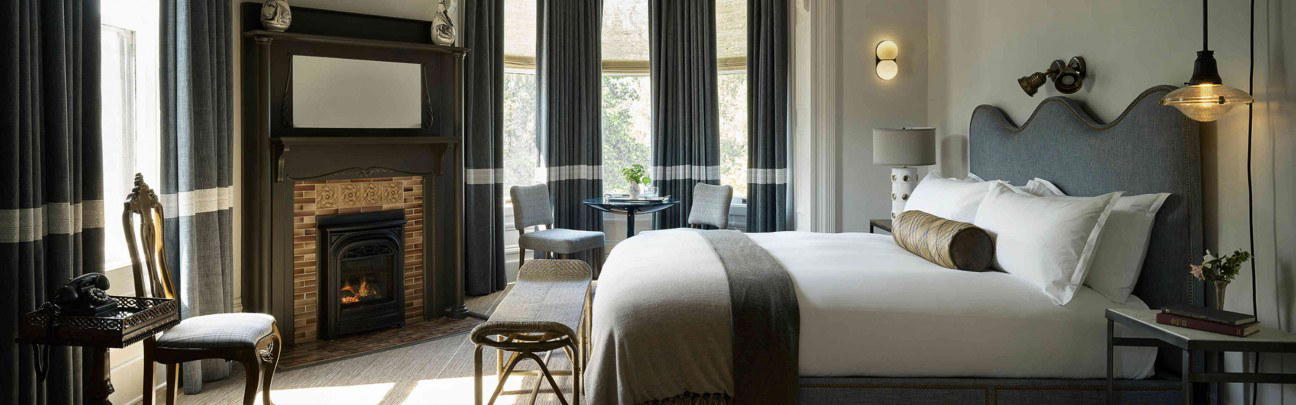
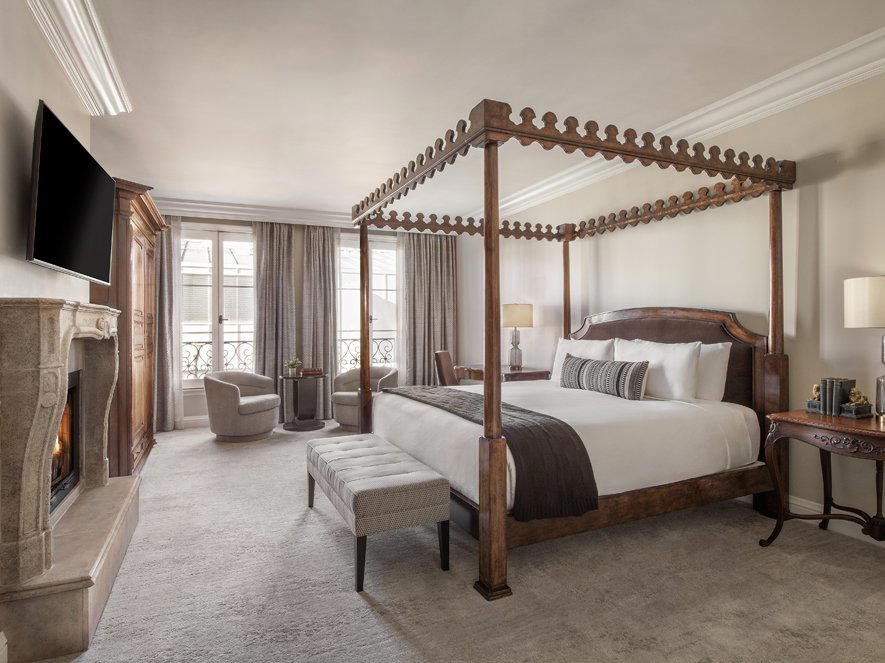
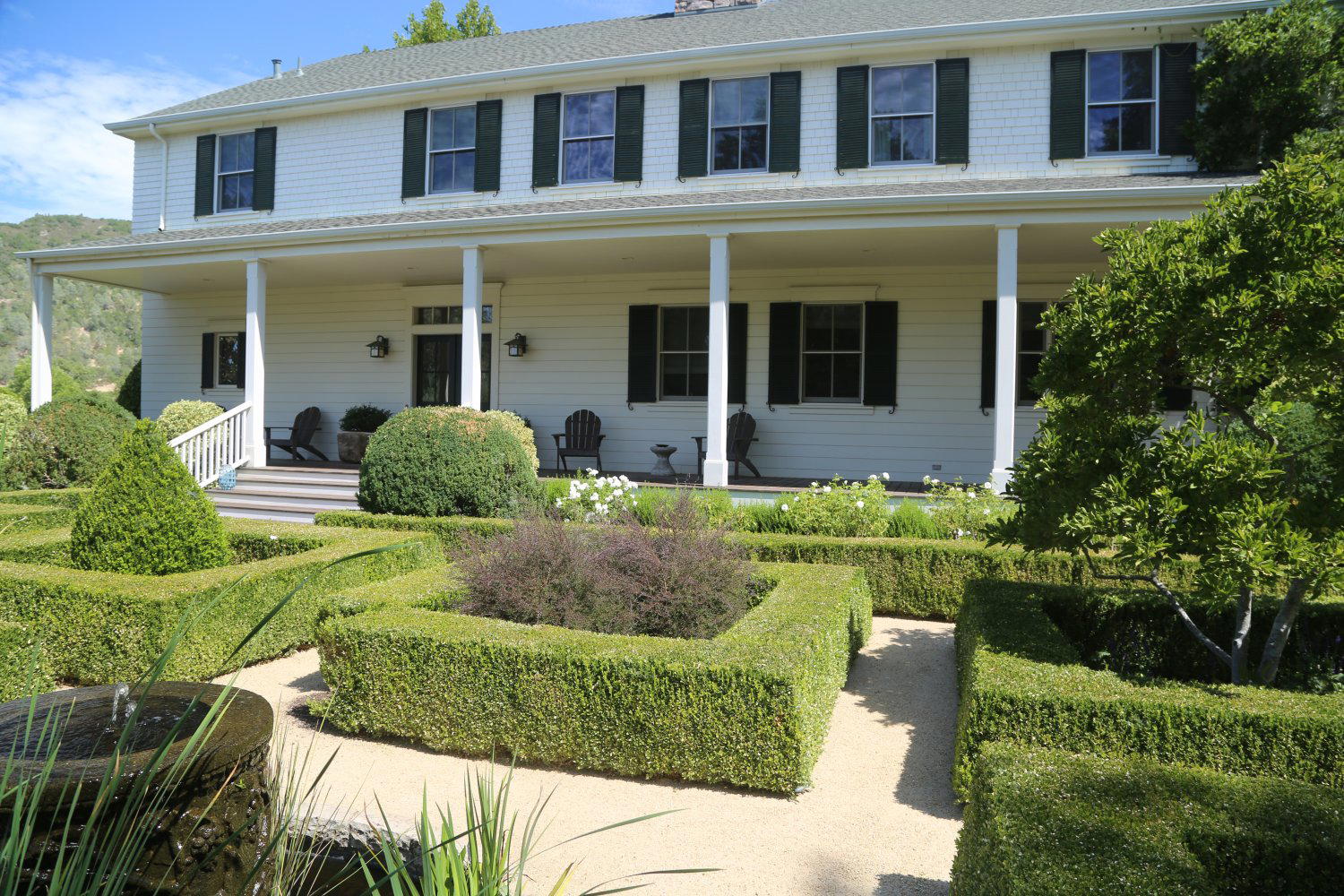
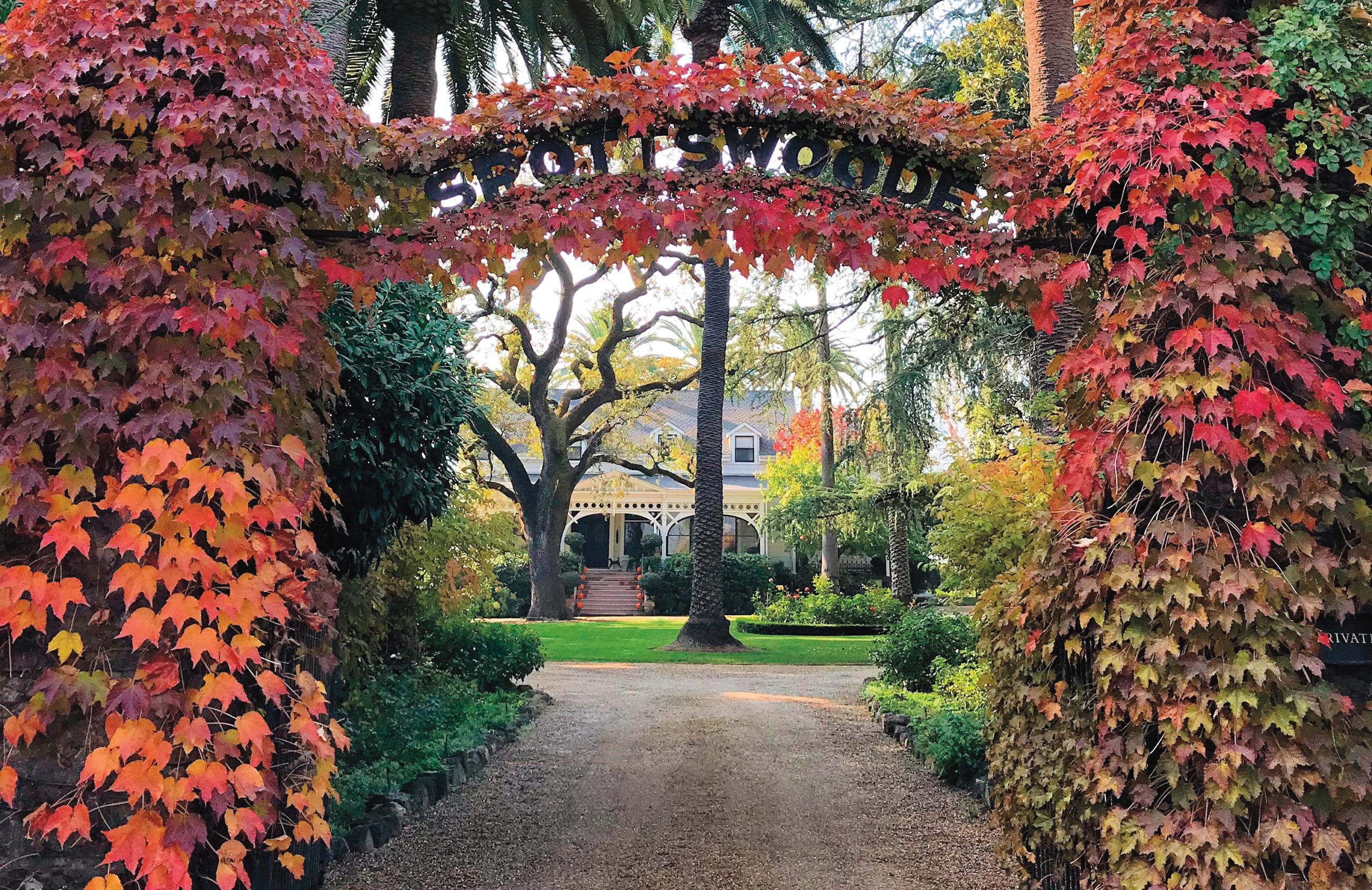
The approach to Farmhouse Inn along River Road in Forestville already signals what kind of meal is coming. Six acres of Sonoma County woodland frame a restored 1873 weatherboard farmhouse, and the dining room inside carries that architectural history forward: a vaulted ceiling, wood chandeliers, a corner fireplace, and frescoed murals depicting scenes from the Bartolomei family. Jazz standards play softly in the background. Tables are spaced far enough apart that a conversation remains a conversation. This is not a room designed for spectacle, it is designed for attention, and that design choice sets the terms for everything that follows.
The Sonoma Farm-to-Table Tradition, Followed Seriously
California's farm-to-table movement has been claimed so widely that the phrase has nearly lost its meaning. What separates the restaurants that still do this work from those that merely reference it is the specificity of the sourcing relationship, and here, that specificity is traceable. Many ingredients on the menu come directly from the nearby Bartolomei ranches, the same family whose scenes appear on the dining room walls, alongside local Sonoma County producers. The kitchen relies exclusively on what is fresh and seasonal, which means the menu shifts constantly and the link between what the land produces and what reaches the table is short by design. This is the version of farm-to-table that preceded the marketing iteration: a restaurant literally eating from its own extended agricultural neighbourhood.
At the $$$$ price point, Farmhouse sits in a tier of Northern California dining that includes properties like Single Thread Farm in Healdsburg and, further afield, The French Laundry in Napa. The difference in approach is instructive. Where those addresses apply intensive technique to sourced ingredients, the Farmhouse kitchen tends toward a more direct translation: ingredients are treated with care, but the menu's character comes from the product itself rather than from transformation. The 2025 Michelin Plate recognition and a 2026 La Liste ranking of 77 points place it in a credentialled tier, though the room's atmosphere reads closer to a well-run wine-country inn than a formal tasting-menu destination.
The Menu Format and What It Enables
The dinner format offers a choice of three, four, or five courses, with four items listed under each of the four categories: first, second, main, and dessert. The structure rewards experimentation, and the kitchen makes no objection. The range within each category is deliberately wide. A single menu might include antelope carpaccio alongside ricotta Swiss chard ravioli with goat bolognese, or a dashi-bathed scallop next to a dish built around Bartolomei farm eggs. The kitchen under chefs Craig Wilmer and Amanda Hoang draws on both Californian produce-first instincts and Vietnamese-influenced technique: herb-laminated pasta appears alongside black cod with aigre-doux sauce, and a semifreddo combining matcha, pistachio, and apricot is the kind of dessert that reflects a kitchen comfortable moving between culinary traditions without forcing them together. The menu is offered as a compact prix fixe or a longer tasting.
A menu staple worth noting is the Rabbit, Rabbit, Rabbit entree: a single protein served three ways, applewood-bacon-wrapped loin, roasted rack, and confit of leg, with fingerling potato and whole-grain mustard cream sauce. It is the kind of dish that demonstrates what a kitchen can do with a single locally sourced animal when the supply relationship is reliable enough to run a preparation that demands consistency across three separate techniques.
Drinking in Sonoma County
Wine pairing at this price tier in Sonoma wine country carries its own expectations, and the program here is built to address them. Food and beverage director Matthew Brown and his sommelier team have assembled pairings that draw heavily on local varietals but extend internationally where the food warrants it, a dashi-bathed scallop, for instance, might be paired with sake rather than a local Chardonnay. The wine list itself is extensive, and the restaurant acknowledges that guests in wine-tasting country often arrive with bottles of their own, charging a corkage fee of $50 per bottle for personal selections brought in.
For non-drinkers, the kitchen produces handcrafted, non-alcoholic juices using local ingredients: fresh herbs, honey, grape varietal vinegars, and sparkling water. The pairing option for these requires advance notice so the kitchen can source fresh ingredients accordingly. This is a practical detail worth knowing before arrival rather than at the table.
For a broader look at what Sonoma wine country's drinking culture offers beyond the restaurant, see our full Forestville wineries guide.
Beyond the Dining Room
Farmhouse Inn added a Farmstand component to address daytime and casual appetite in a format that extends the kitchen's sourcing logic without requiring a full dinner commitment. Operating poolside, in rooms, at the spa, and on the inn's sun-dappled terraces, Farmstand serves farm-driven dishes including an artisan cheese plate, a Caesar salad, fish tacos, a grass-fed Sonoma County beef burger on a housemade brioche bun, and pozole stew with braised pork, hominy, cabbage, avocado, and cilantro. Local wines, beers, juices, and fruit smoothies are available alongside.
Breakfast in the main restaurant is overseen by chef de cuisine Neil Corsten and pastry chef Vanessa Garrido, who bakes fresh each morning. The range runs from eggs and Hobbs bacon using Bartolomei farm eggs to a macro bowl that might contain kimchi fried rice and pickled mushrooms, a breakfast menu that reflects the same willingness to step outside regional convention that the dinner menu shows. The restaurant is open to the public for both breakfast and dinner, not just to inn guests.
How This Compares in the California Farm-to-Table Field
The farm-to-table positioning in California has matured into distinct sub-categories. There are high-production tasting-menu addresses that source locally as one element of a larger technical programme, venues like Lazy Bear in San Francisco or Addison in San Diego. There are estate-based models where the farm and restaurant are architecturally integrated. And there is a third category, wine-country inns with restaurants that predate the current farm-to-table vocabulary and built their sourcing relationships before it became a marketing category. Farmhouse Inn falls into the third group. The restaurant predates the inn's current form; it began as a direct country restaurant and expanded around the food rather than the other way around.
That history distinguishes it from purpose-built destination-dining properties. For comparison, Blue Hill at Stone Barns in Tarrytown operates from a purpose-designed farm campus in the Hudson Valley, with an explicitly educational mission around agricultural practice. Farmhouse Inn's relationship to its source farms is more embedded than architectural, the Bartolomei connection is familial and long-standing rather than programmatic. Both are credentialled ($$$$ tier, recognised by major guides), but the experiences are calibrated differently.
Elsewhere in Californian restaurant tradition, addresses like Citrin in Los Angeles and Heritage in Long Beach represent the urban expression of the same sourcing ethos, operating in city contexts where the supply chain is longer. The Forestville setting compresses that chain considerably.
Planning Your Visit
The dining room opens for dinner Thursday through Monday, year-round. The restaurant is open to the public, a reservation is not conditional on staying at the inn. The dress code is described as "wine country casual": no jackets or ties required, but shorts are not appropriate for the dining room. Children aged eight and older are welcome at dinner.
Comparable Venues
Comparable venues nearby, for context on price, style, and recognition.
| Venue | Cuisine | Price | Awards | Notes |
|---|---|---|---|---|
| Farmhouse Inn & RestaurantThis venue — the venue you are viewing | Seasonal American | $$$$ | Michelin Plate | Not listed |
| Canneti Roadhouse Italiana | Modern Tuscan-Californian Italian | $$$ | Not listed | Forestville |
| Barndiva | Contemporary American Farm-to-Table | $$$$ | Michelin Plate | Healdsburg |
| Kusakabe | Kyoto-Style Japanese Omakase | $$$$ | Michelin Plate | Chinatown |
| Valette | Contemporary American with French Influences | $$$$ | Michelin Plate | downtown Healdsburg |
| Navio | Contemporary Coastal Seafood | $$$$ | Michelin Plate | Half Moon Bay |
Recognition history
Dated appearances from independent guides and award organizations, with the underlying list record or original source where available.
Forbes Recommended
Forbes
La Liste Top Restaurants
La Liste
Forbes Recommended
Forbes
Michelin Plate
Michelin
Michelin Plate
Michelin
Continue exploring
More in Forestville
Restaurants in Forestville
Browse all →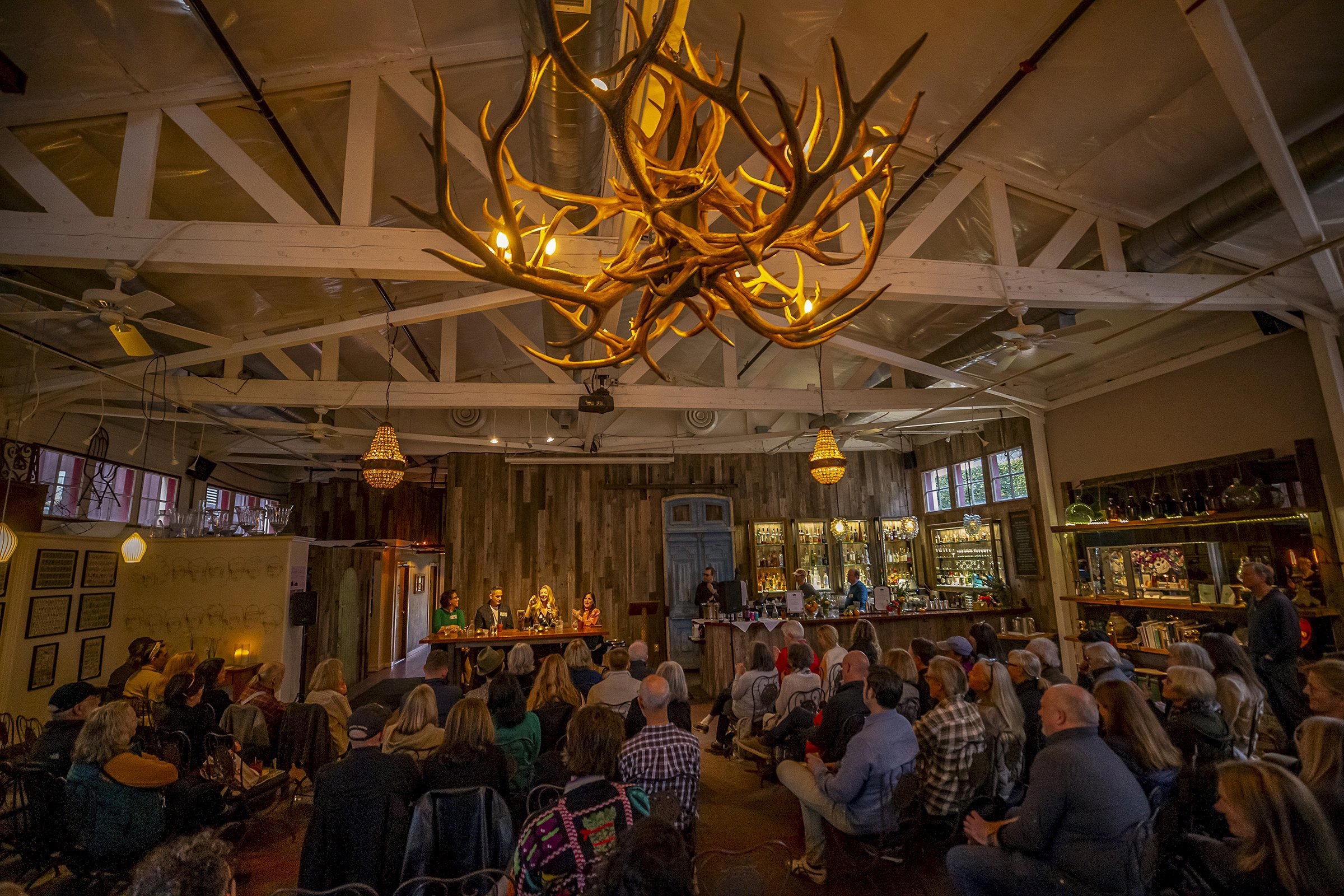
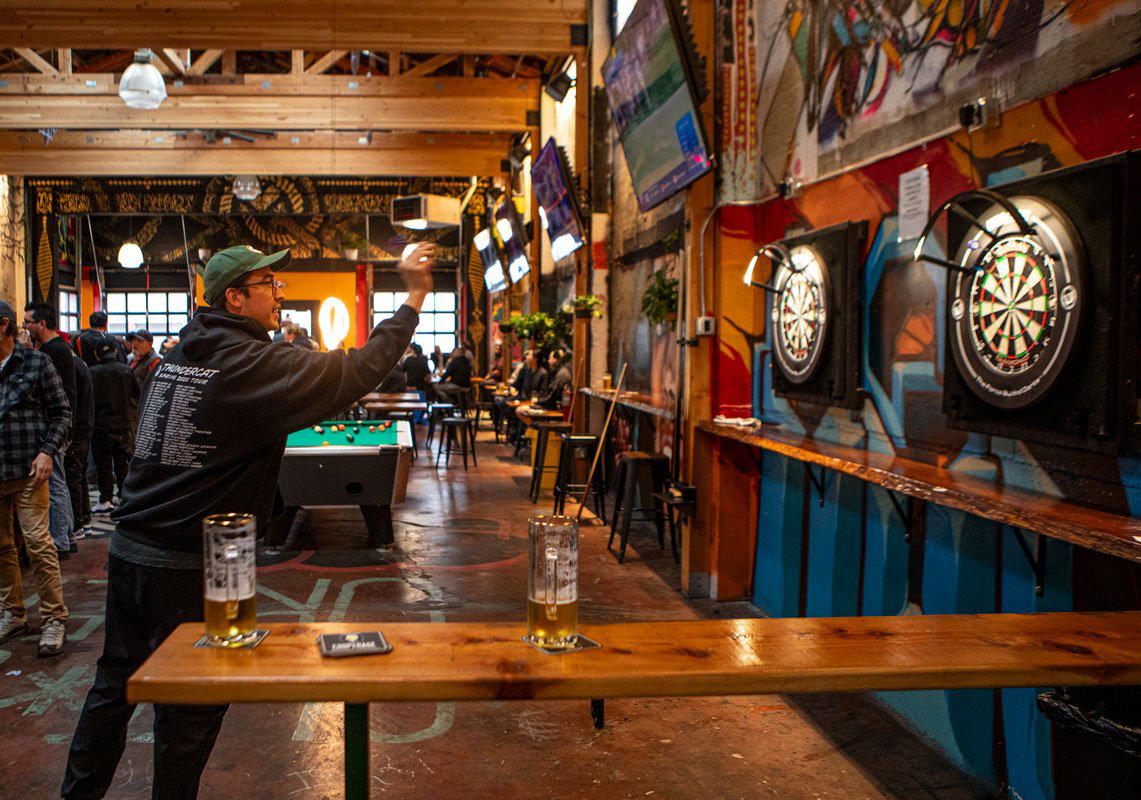
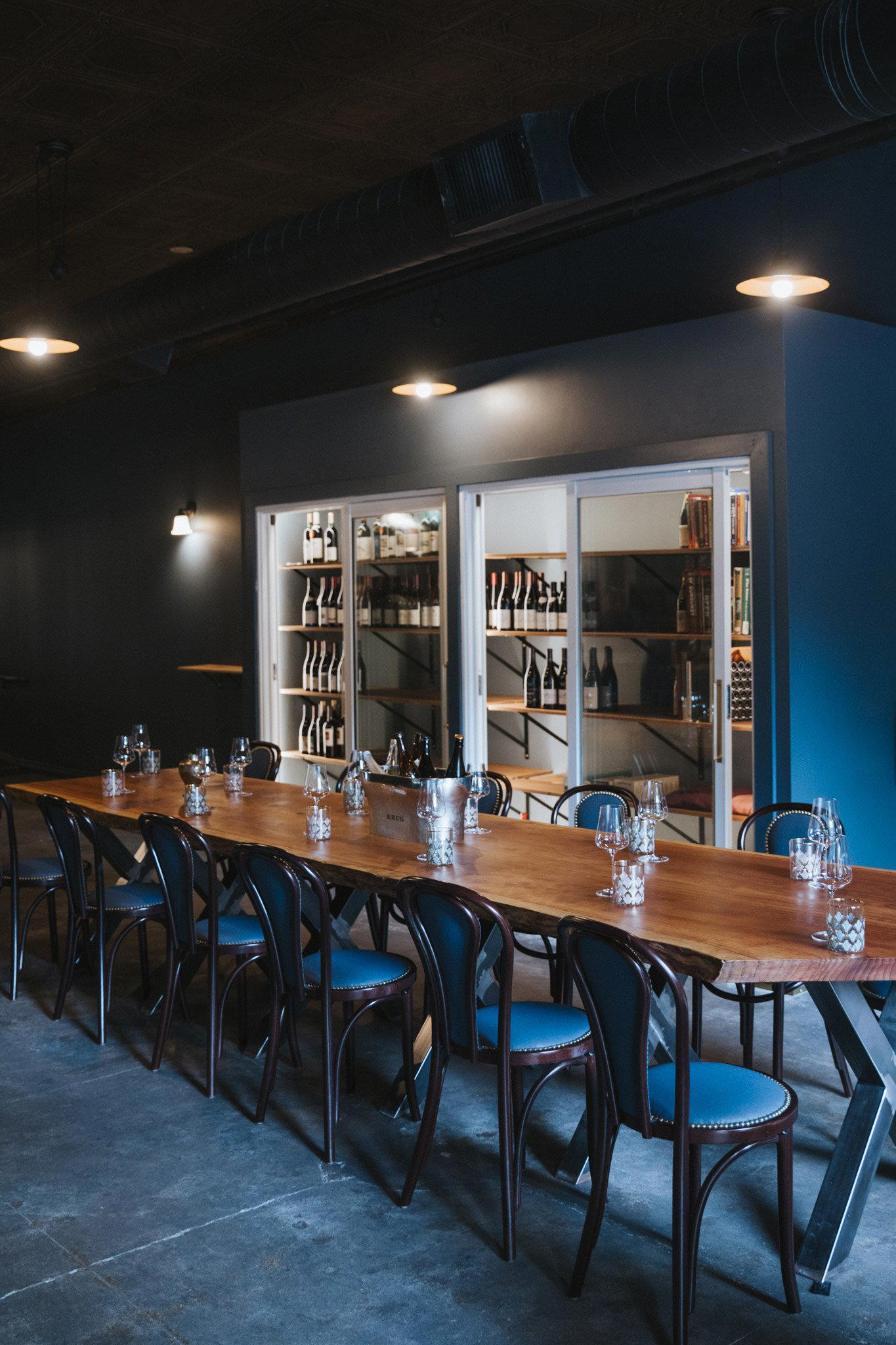
Bars in Forestville
Browse all →
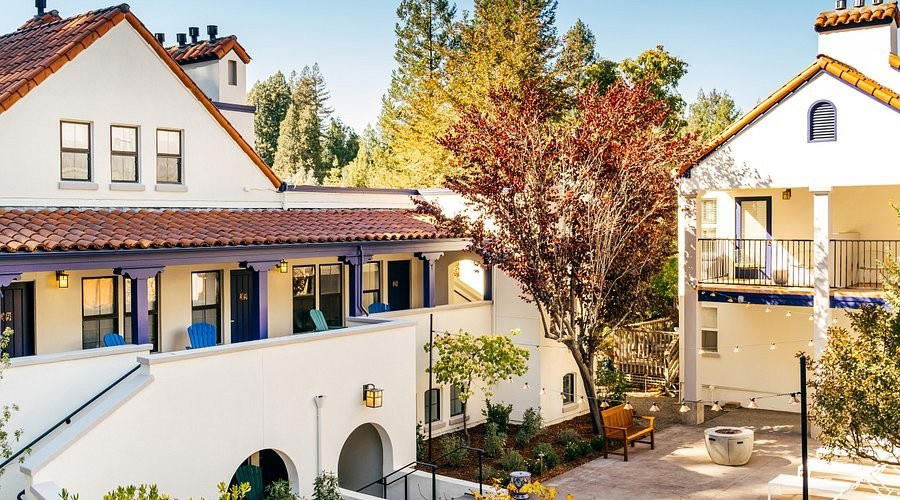
Hotels in Forestville
Browse all →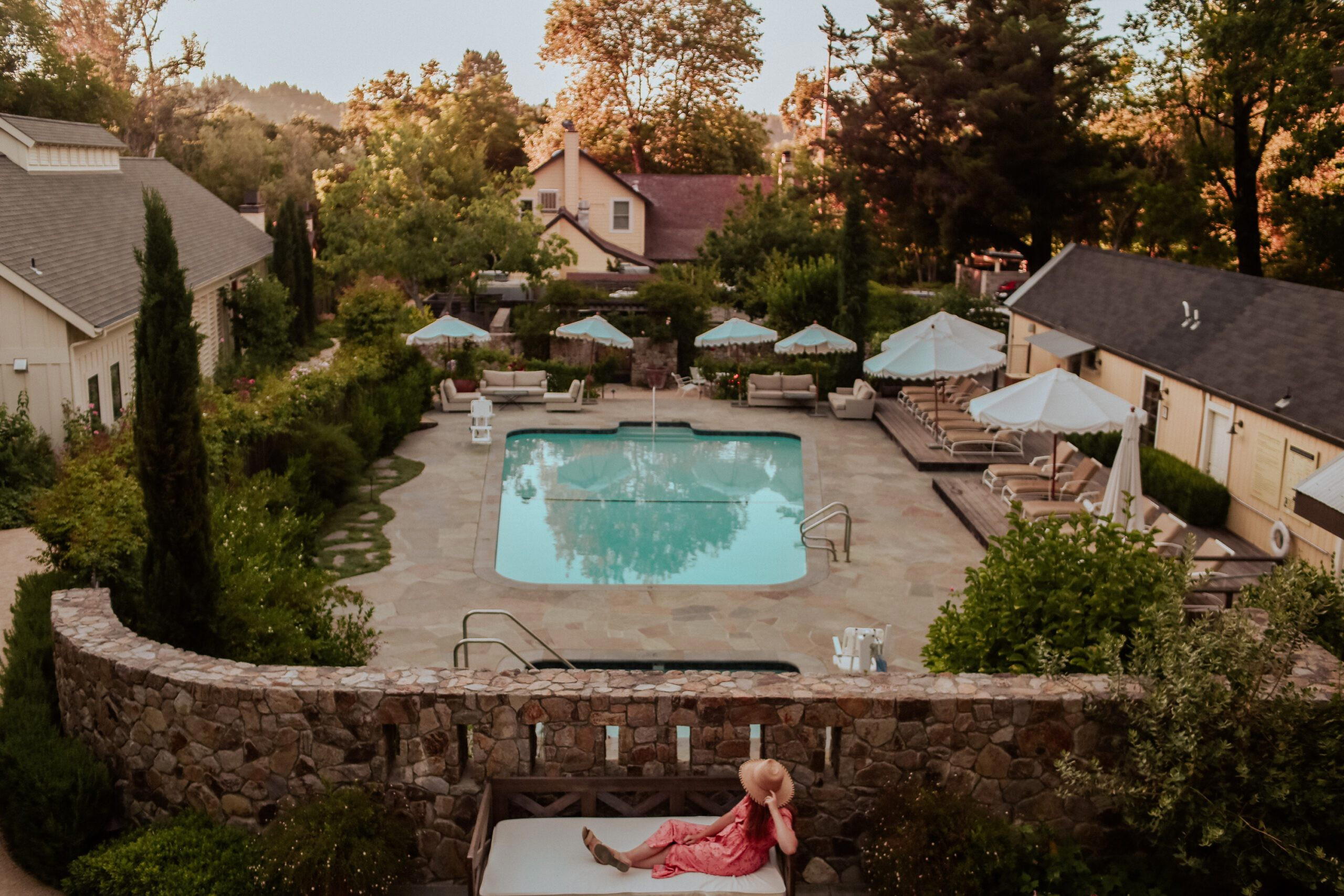
At a Glance
- Elegant
- Romantic
- Rustic
- Intimate
- Sophisticated
- Scenic
- Date Night
- Special Occasion
- Celebration
- Business Dinner
- Private Event
- Hotel Restaurant
- Garden
- Terrace
- Private Dining
- Extensive Wine List
- Farm To Table
- Local Sourcing
- Garden
Current opening hours
- Monday
- 7:30–10:30 AM, 5–9 PM
- Tuesday
- 7:30–10:30 AM
- Wednesday
- 7:30–10:30 AM
- Thursday
- 7:30–10:30 AM, 5–9 PM
- Friday
- 7:30–10:30 AM, 5–9 PM
- Saturday
- 7:30–10:30 AM, 5–9 PM
- Sunday
- 7:30–10:30 AM, 5–9 PM
Hours can change for holidays and private events. Last verified .
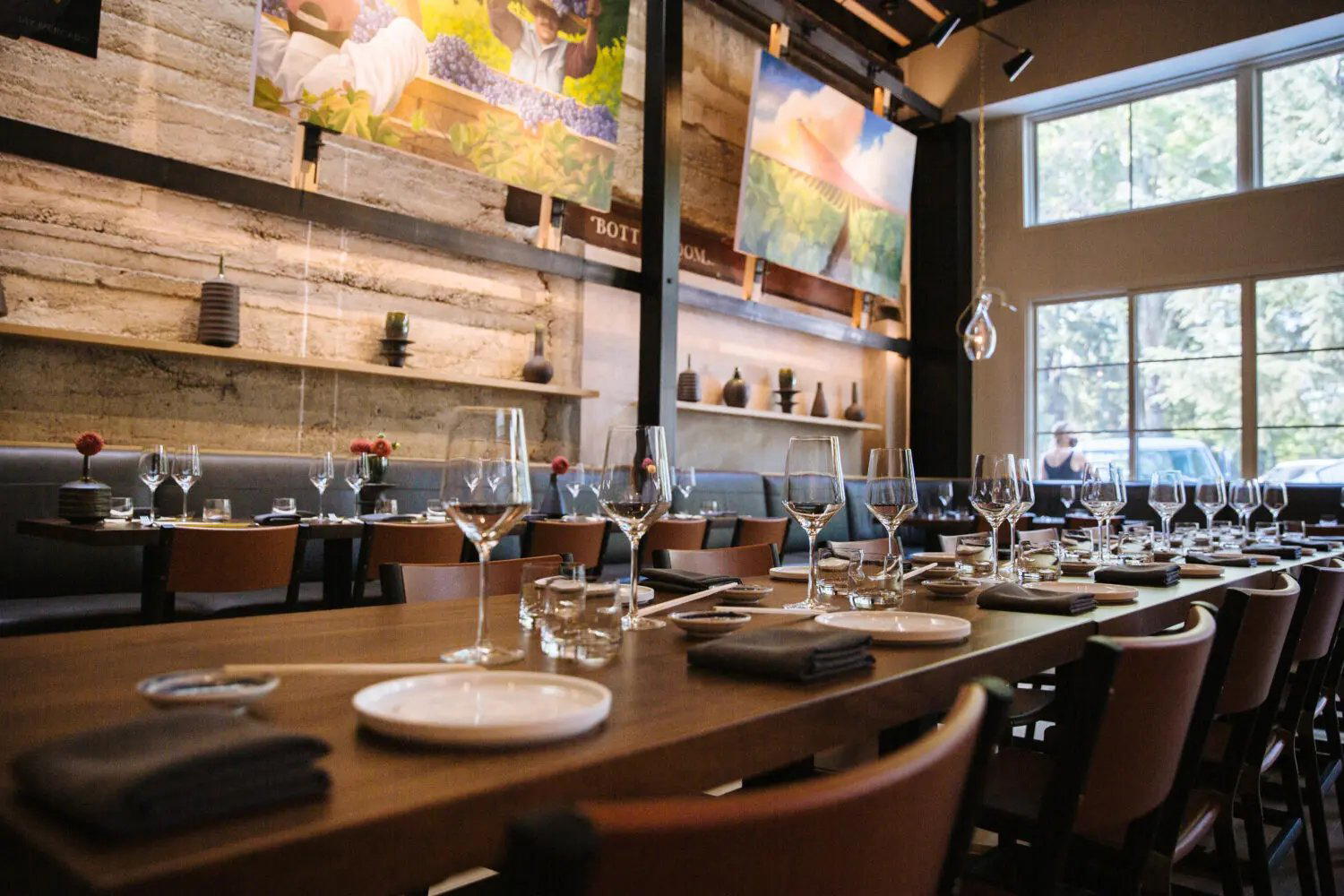
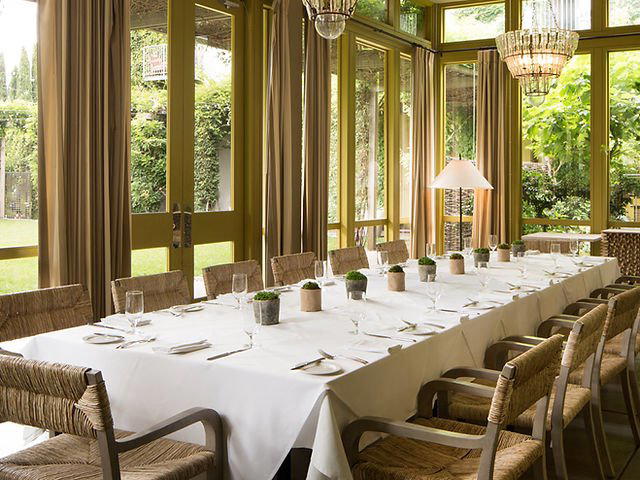
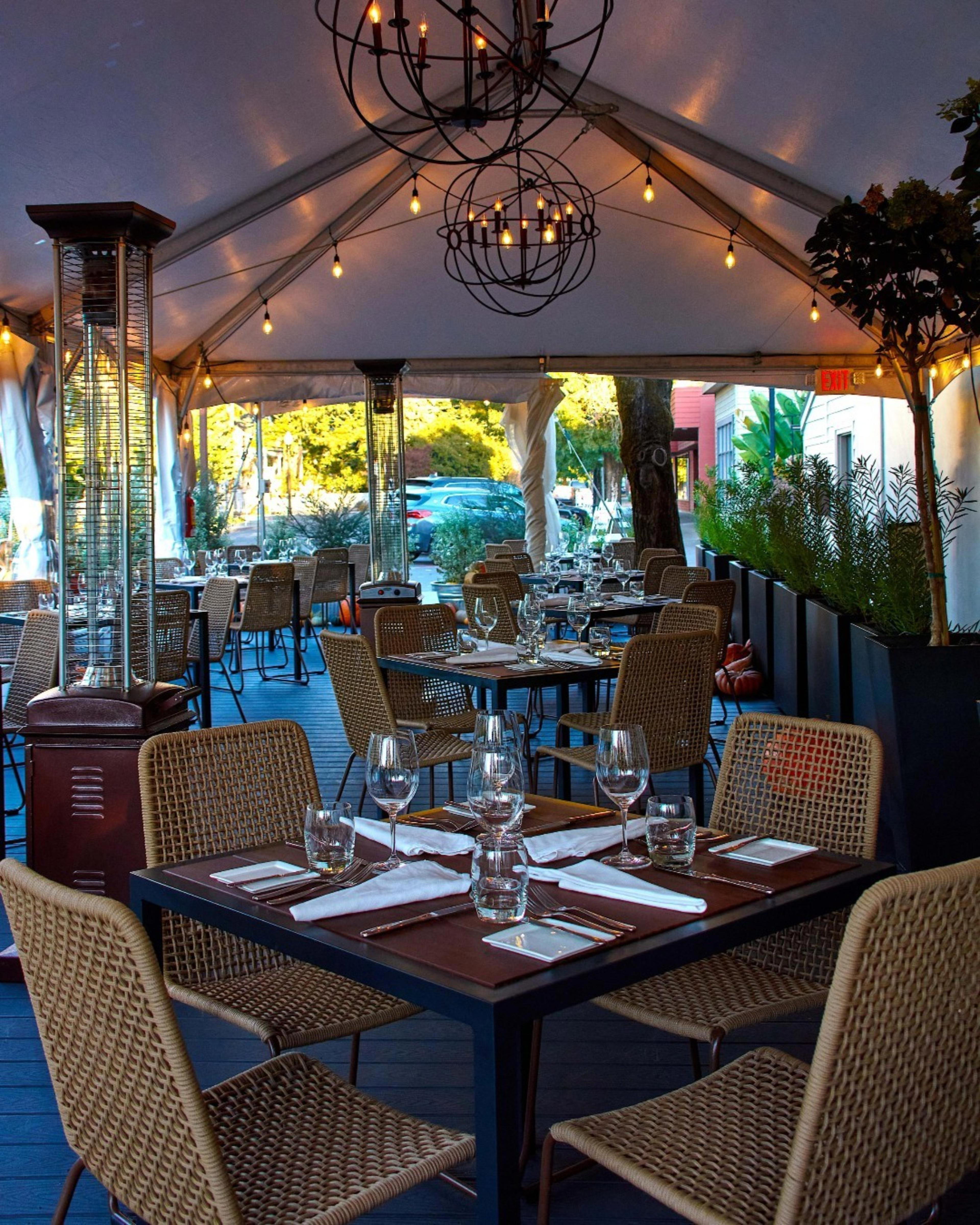
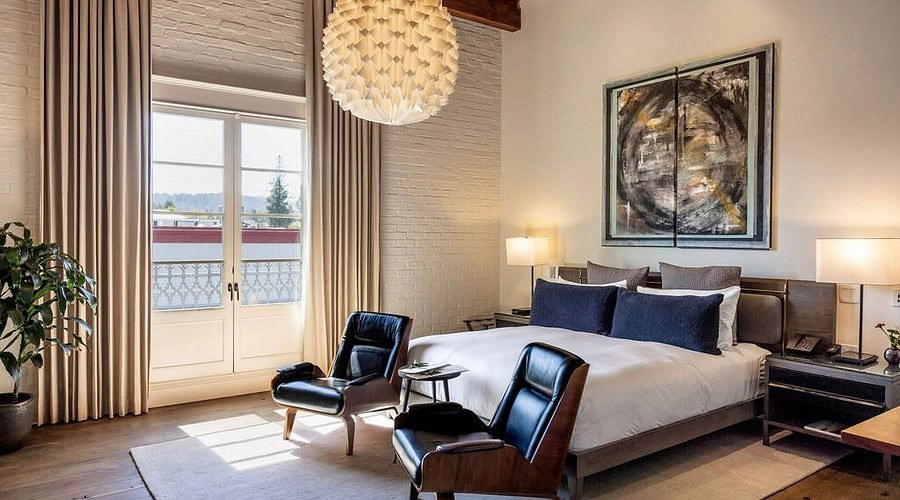
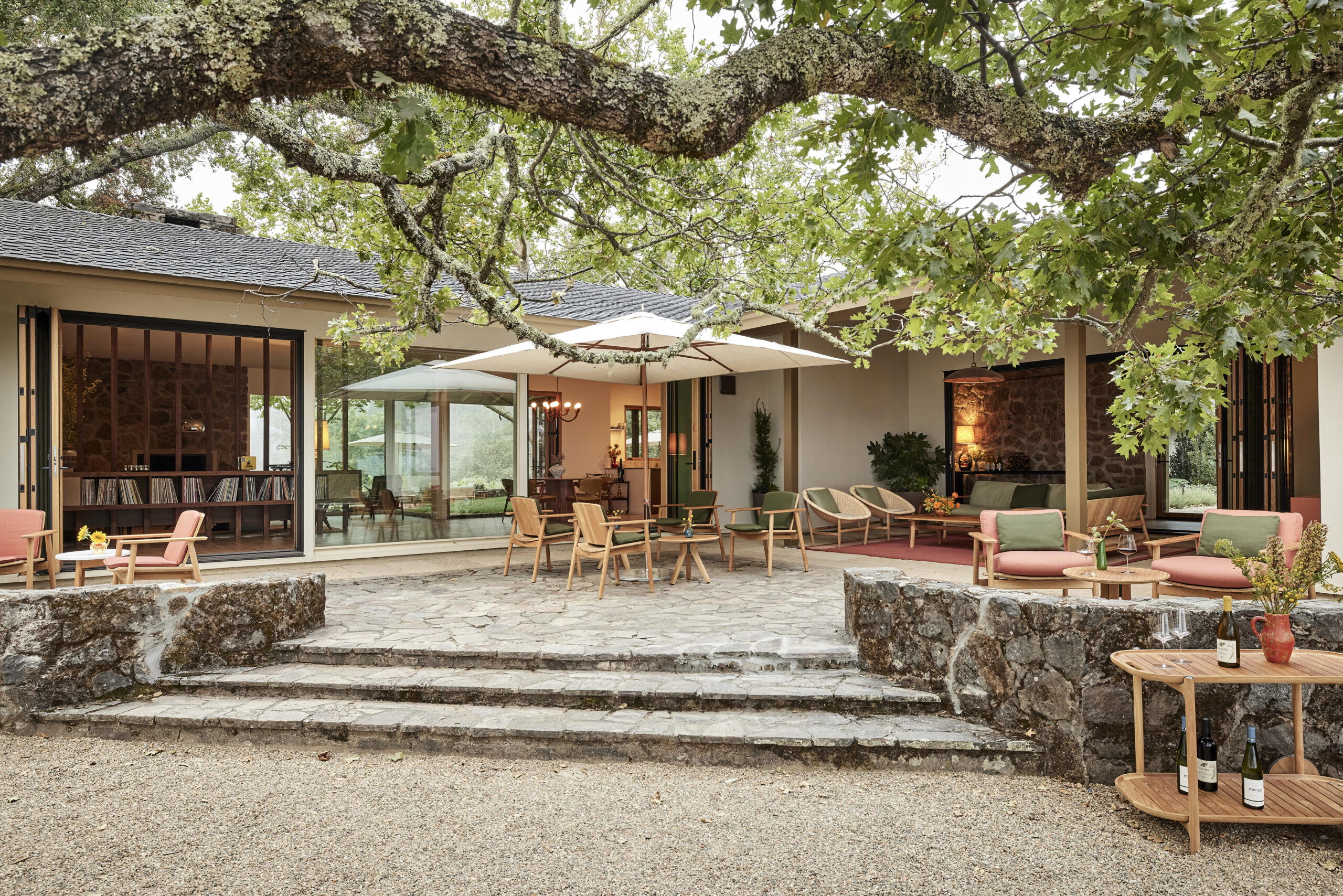
Warm and refined rather than stiff, with an elegant farmhouse feel, indoor dining rooms, a hearth-and-wood-beam aesthetic, and outdoor courtyard and terrace settings among trees and plantings.