Château Mangot


Michelin 1 Grape · Falstaff Winery - Listed
Château Mangot is a Saint-Émilion estate for visitors who want terroir explained rather than merely poured. Its appeal sits in the details: clay-limestone slopes, 21 vineyard plots, organic and biodynamic farming, and a guided format that connects viticulture to what ends up in the glass.
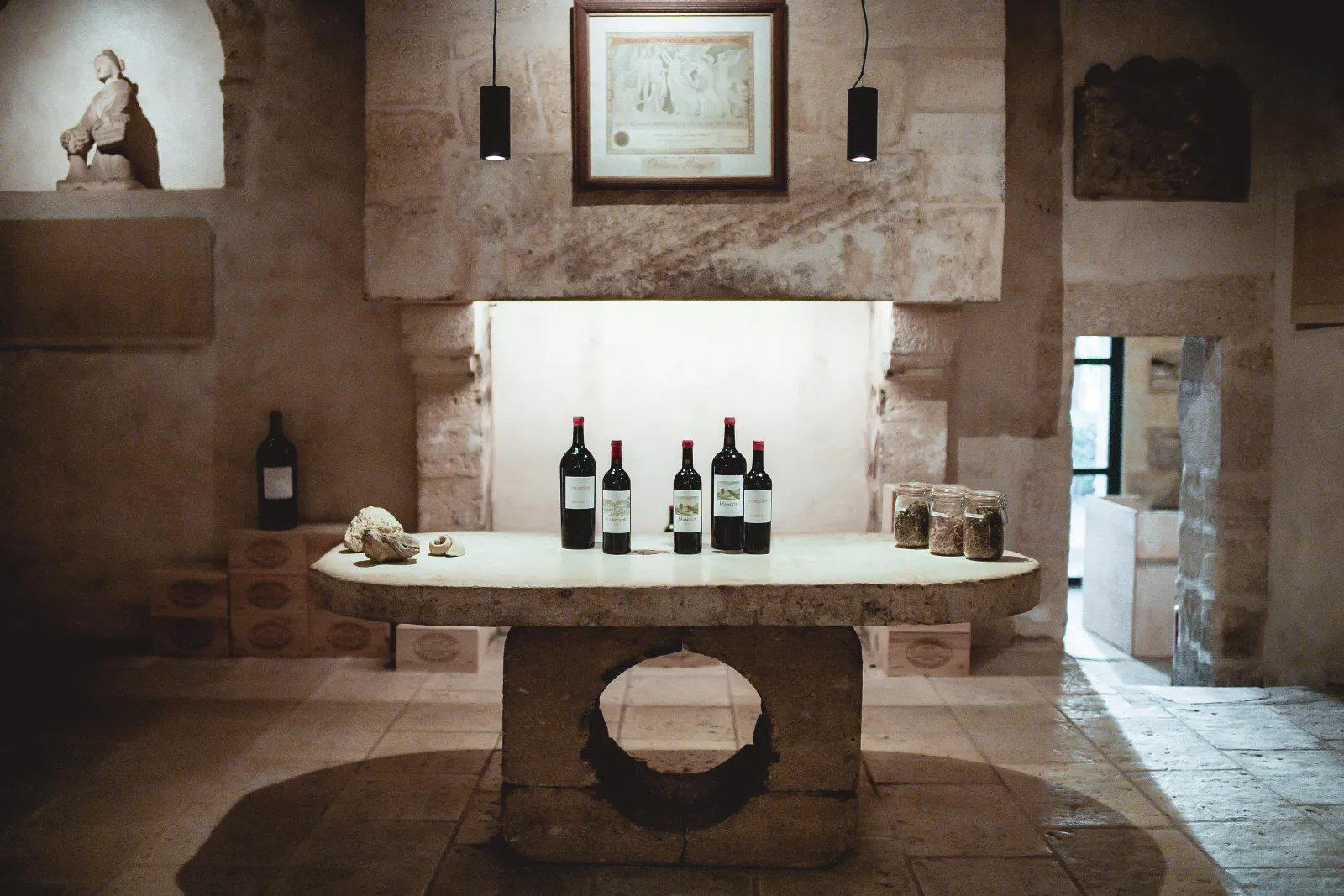
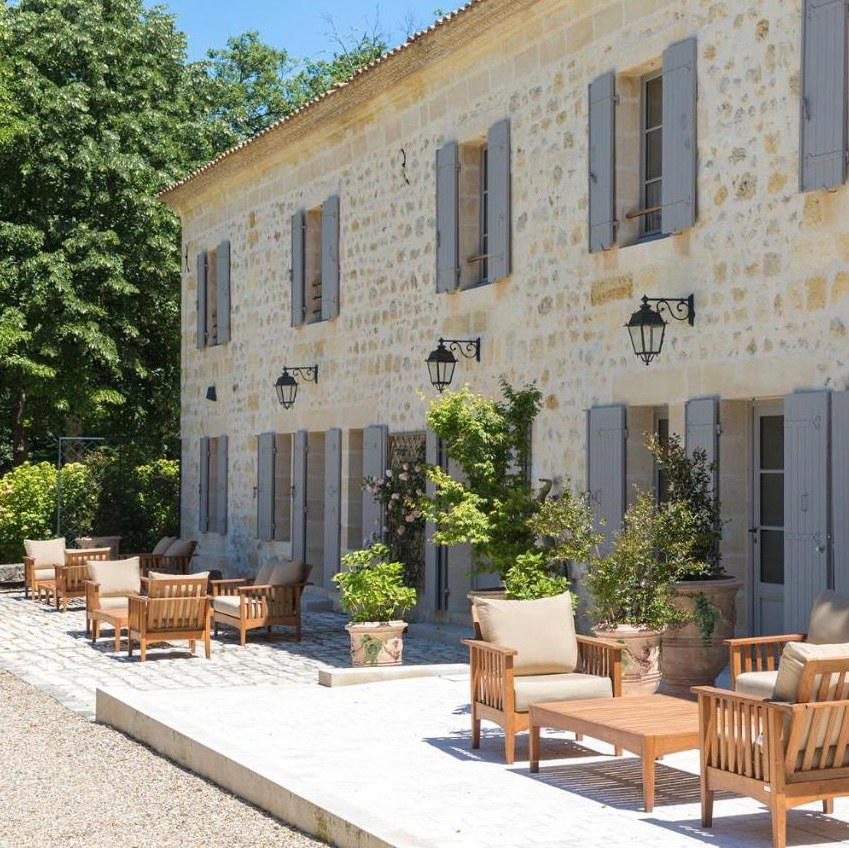
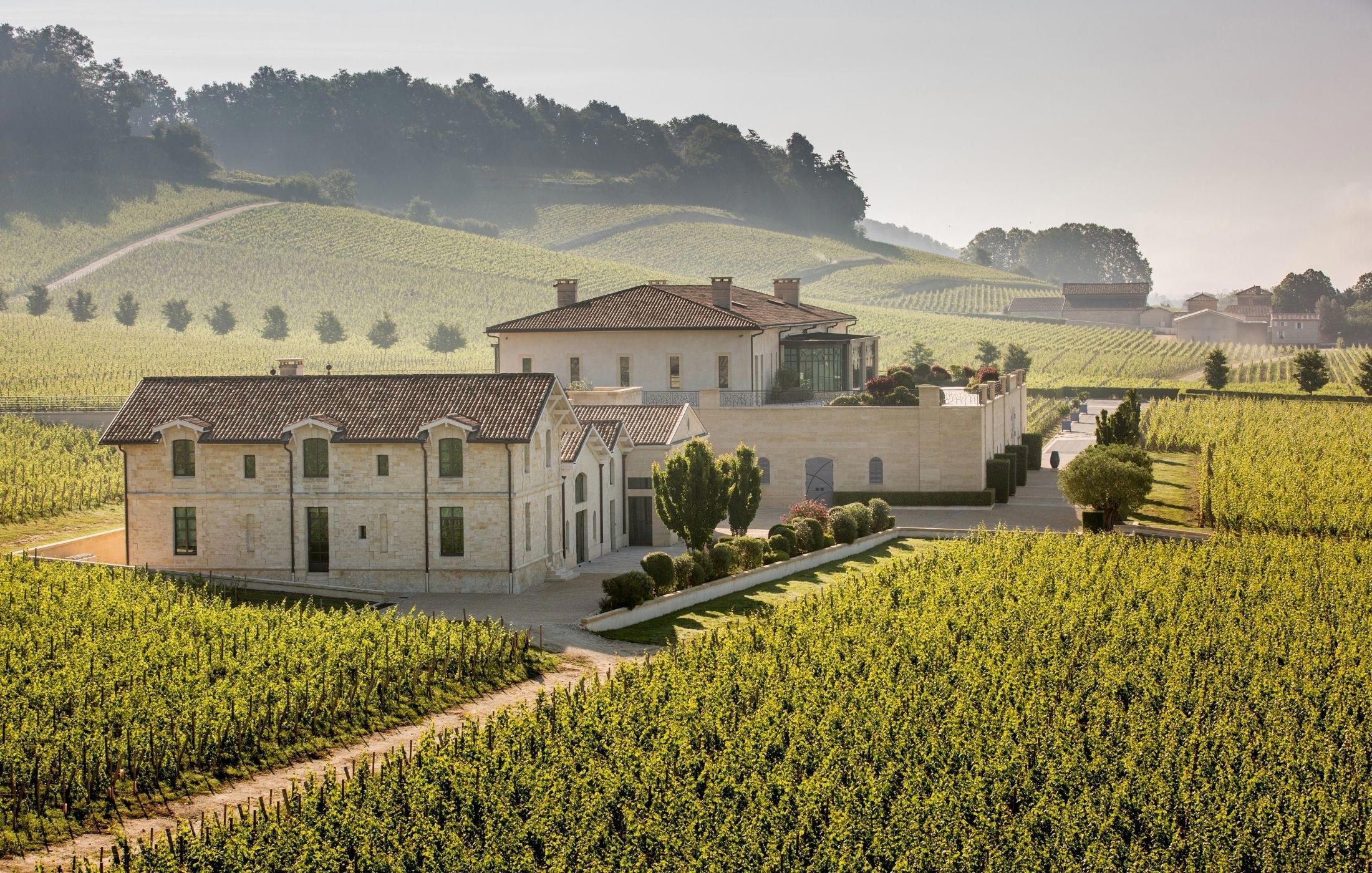
Château Mangot is a Saint-Émilion venue for visitors who want the Right Bank explained through vineyard work and cellar choices rather than through broad Bordeaux shorthand. The picture is focused and specific: a family-run estate with a technical yet warm, educational feel, set against classic clay-limestone hillsides and plateau vineyard country. The useful reason to visit is not an invented trophy narrative or a checklist of services; it is the chance to hear how organic and biodynamic viticulture, precise vinification and Saint-Émilion’s landscape connect in practice.
Because the available information is narrow, the safest way to read Château Mangot is as an educational wine-estate stop rather than as a page of unsupported claims about classification, production scale, grape varieties, named cuvées, appointment rules or historic dates. Those details may matter to some estates, but they are not part of the confirmed data here. What is confirmed is enough to define the experience: family-run Right Bank hospitality, a teaching-oriented visit, organic and biodynamic farming as a central subject, and a clay-limestone setting in Saint-Émilion.
Clay-limestone Saint-Émilion, read through farming and vinification
Saint-Émilion is often described in sweeping terms, but Château Mangot is better understood through the more practical language of soil, slope, plateau and cellar precision. The description places the estate in the classic clay-limestone terrain associated with this part of the Right Bank. That matters because the visit is presented as explanatory: it is not simply about tasting a wine and moving on, but about understanding how viticulture and vinification shape what ends up in the glass.
The confirmed focus on organic and biodynamic viticulture is central. Rather than treating sustainability as a decorative label, the estate’s visit is described around detailed explanations of how the vineyard is worked. For a traveller, that makes Château Mangot especially useful if the goal is to learn the logic behind Saint-Émilion wine rather than only to collect a scenic stop. The tone is technical, but the description also emphasizes warmth, which suggests an experience designed for interested visitors rather than only for specialists.
It is important not to overstate what is known. A careful guide should therefore avoid building the estate’s identity around those particulars. The grounded identity is more modest and more reliable: Château Mangot is a family-run Right Bank estate in Saint-Émilion where the land, the farming method and the vinification discussion are the point.
A guided visit with viticulture at the centre
The visit at Château Mangot is best framed as educational. The confirmed description points to detailed explanations of organic and biodynamic viticulture and precise vinification, so visitors should expect the conversation to revolve around how the vineyard is cultivated and how cellar decisions translate that work. This is a different promise from a generic tasting-room listing. It suggests a venue where the experience is anchored in explanation and context.
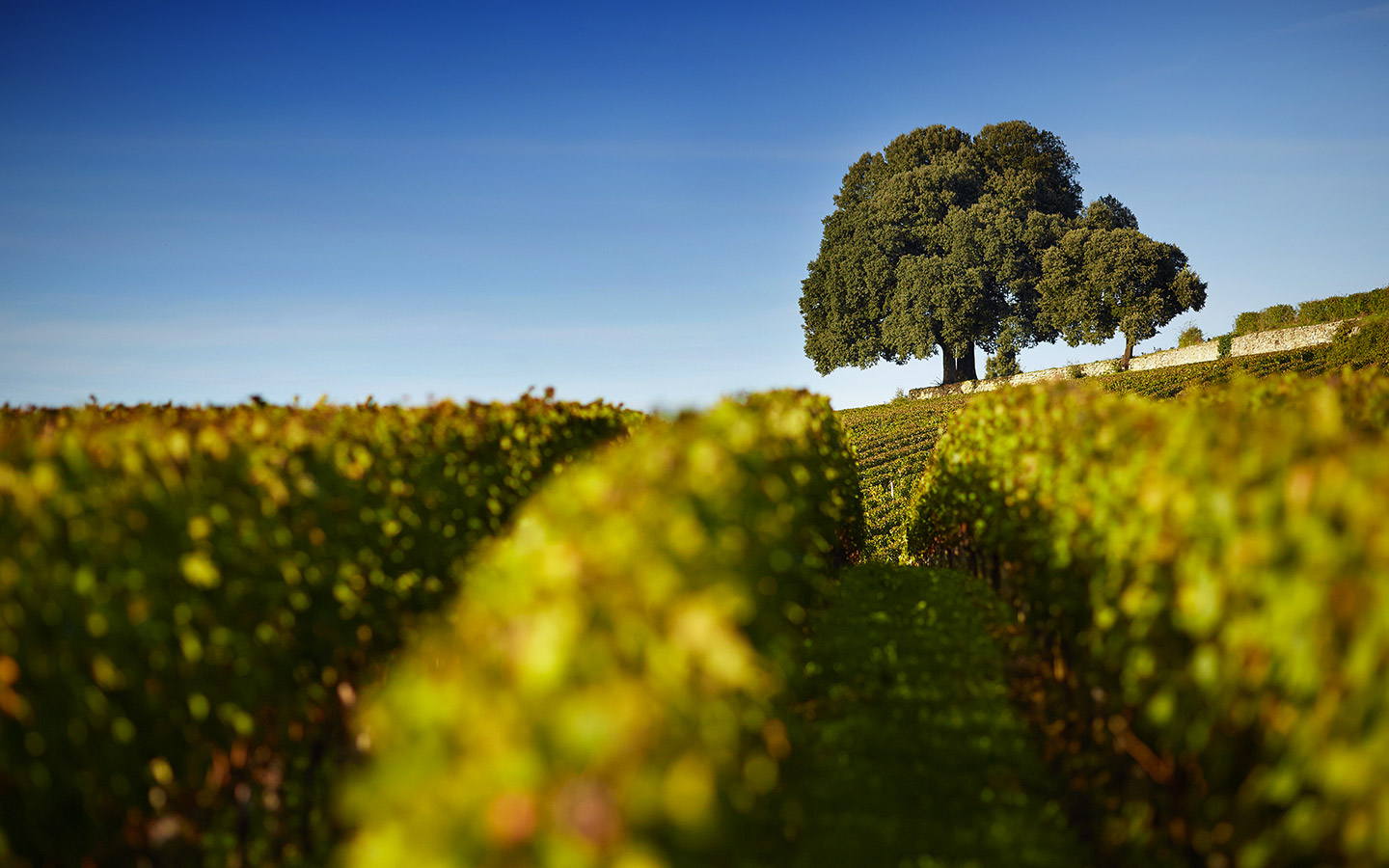
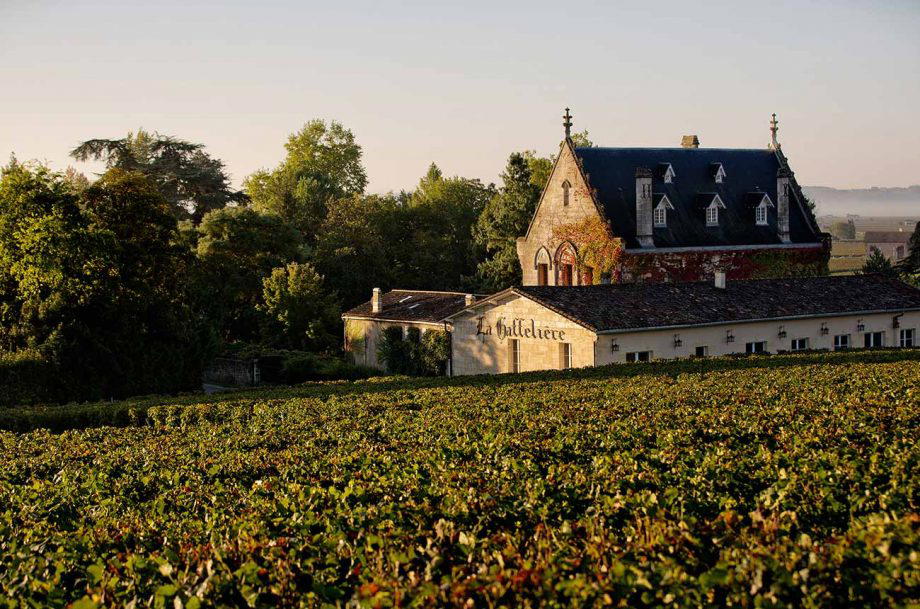
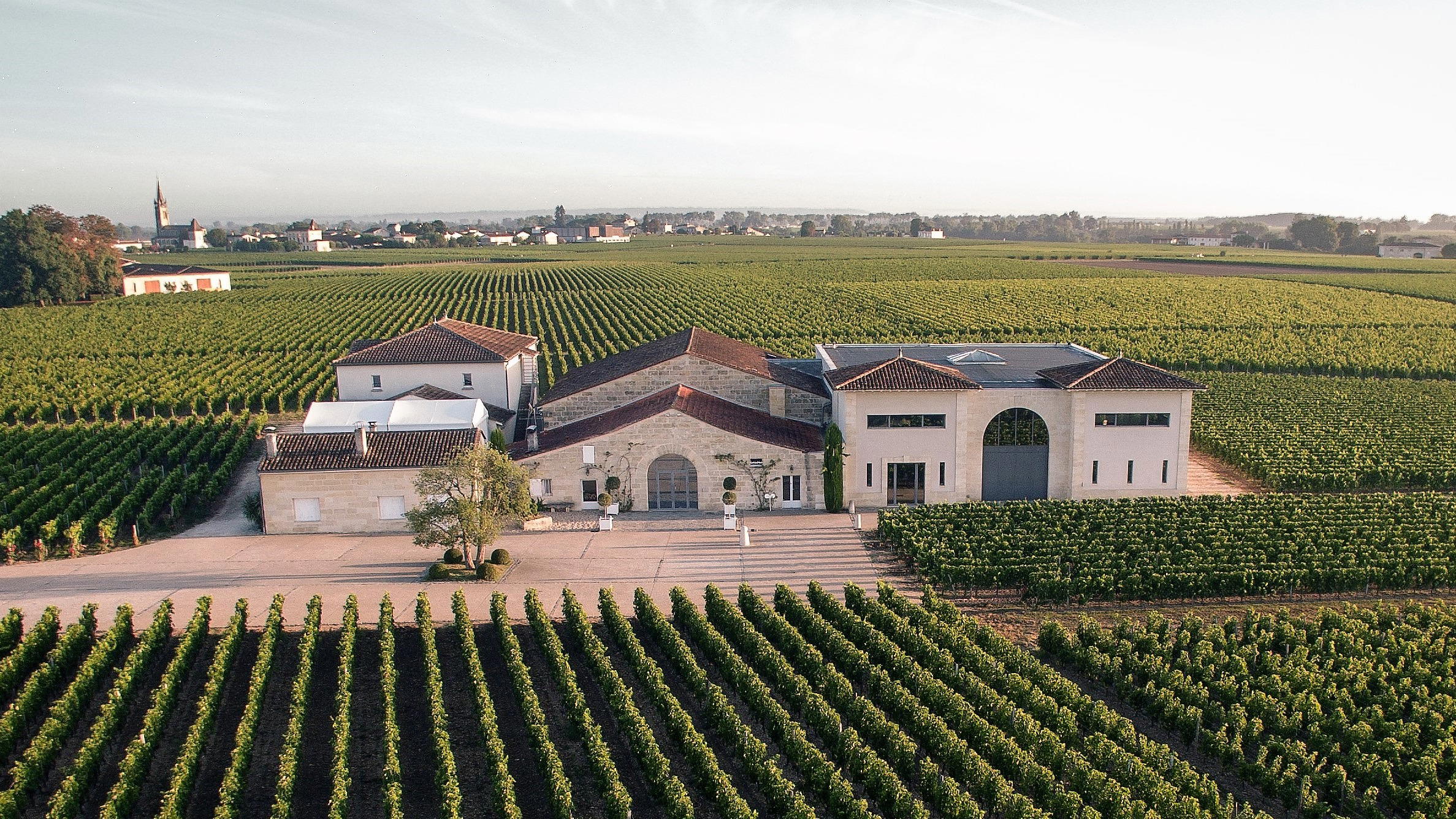
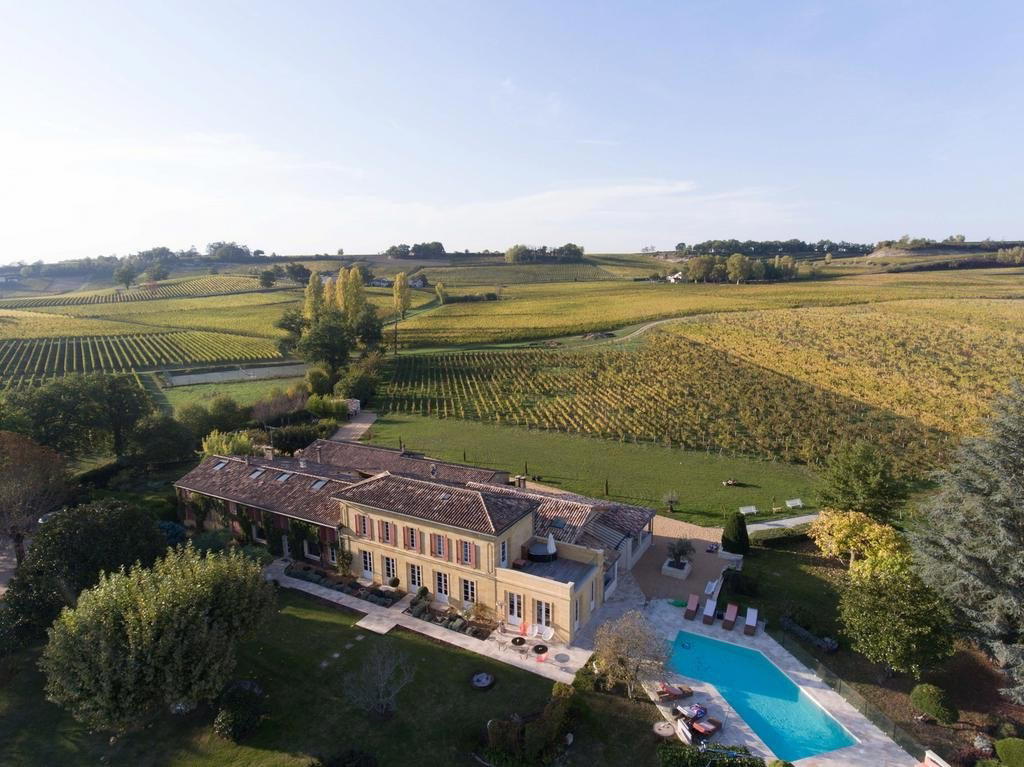
The setting also matters. Clay-limestone hillsides and plateau vineyards are part of the profile, giving the estate a recognisable Saint-Émilion frame. For travellers who are new to the Right Bank, that landscape can help make the region feel less abstract. The point is not simply that the estate is in Saint-Émilion, but that its educational style is tied to the terrain commonly associated with serious local winegrowing.
Price is listed at $16 per person. Those should not be assumed. Anyone planning around a specific schedule should confirm practical details directly before relying on them.
Within a broader Saint-Émilion stay, Château Mangot works as a wine-learning stop rather than as a restaurant, bar or hotel recommendation. Other dining and hospitality choices in Saint-Émilion can be considered separately, but they should not be confused with what is for this estate. The confirmed appeal here is the combination of family-run hospitality, Right Bank setting and a serious explanation of organic and biodynamic viticulture.
Why the estate matters in the modern Right Bank conversation
Château Mangot’s relevance comes from how clearly it can introduce visitors to the relationship between place and wine. The modern Right Bank conversation is often about more than prestige language: it includes farming choices, ecological thinking, and the way careful vinification can preserve or express vineyard character. The facts for Château Mangot sit directly in that space. They do not require unconfirmed awards, invented rankings or excessive technical detail to be meaningful.
For visitors, the strongest reason to go is intellectual as much as scenic. The estate offers a way to think about Saint-Émilion through clay-limestone land, organic and biodynamic viticulture and precise cellar work. That is a grounded and useful promise. It also keeps expectations honest: Château Mangot should be approached as a family-run educational estate visit in Saint-Émilion, with pricing listed at $16 per person, and with any more specific practical arrangements checked directly before visiting.
Read this way, Château Mangot is not just another name in a wine region crowded with names. It is a focused example of how a Right Bank estate can make vineyard practice and vinification understandable to visitors. The experience is well suited to those who want the mechanics and philosophy of Saint-Émilion wine explained with warmth, precision and a clear connection to the surrounding clay-limestone landscape.
Frequently asked questions
What kind of setting is Château Mangot?
Château Mangot is a family-run Right Bank estate in Saint-Émilion, set in classic clay-limestone hillside and plateau vineyard country. The description emphasizes a technical yet warm, educational feel.
What part of town is Château Mangot in?
Château Mangot is in Saint-Émilion.
Is Château Mangot expensive?
Pricing at Château Mangot is listed as $16 per person.
What makes Château Mangot worth visiting?
The confirmed appeal is its educational focus: visits center on detailed explanations of organic and biodynamic viticulture, precise vinification and the estate’s Saint-Émilion clay-limestone setting.
Is Château Mangot reservation-only?
The information provided here does not confirm reservation rules or appointment requirements. Check directly with Château Mangot before planning a visit.
Recognition history
Dated appearances from independent guides and award organizations, with the underlying list record or original source where available.
Michelin 1 Grape
Michelin
Falstaff Winery - Listed
Falstaff
Request a visit to Château Mangot
Tell us when you would like to go and how many people, and we put the request to the estate and reply to you by email.
Continue exploring
More in Saint-Émilion
Wineries in Saint-Émilion
All wineries in Saint-Émilion →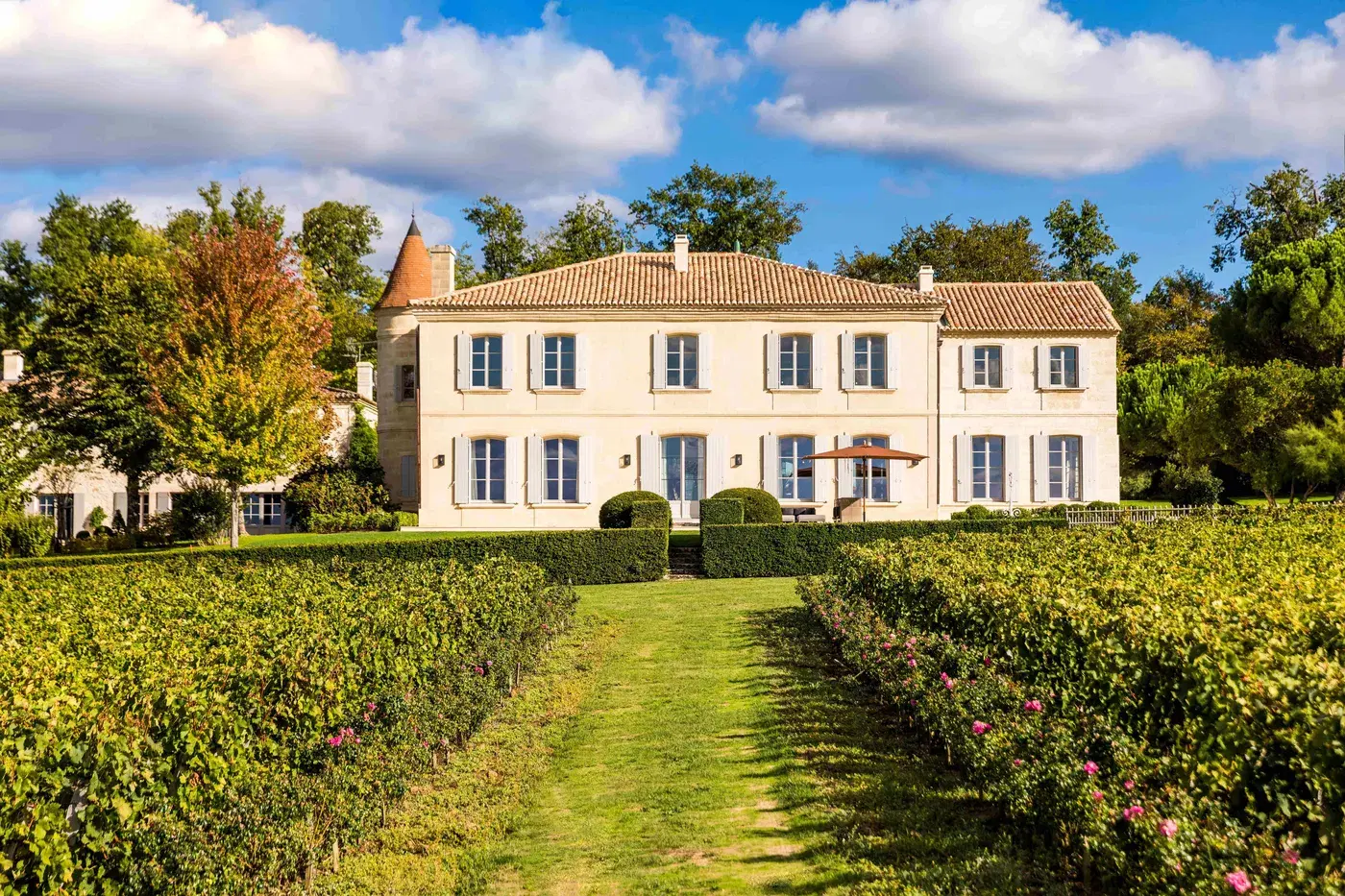
Bars in Saint-Émilion
Browse all →

Restaurants in Saint-Émilion
All restaurants in Saint-Émilion →
Details
- Classic
- Scenic
- Elegant
- Romantic
- Wine Education
- Group Outing
- Romantic Getaway
- Solo Exploration
- Special Occasion
- Estate Grounds
- Vineyard Tour
- Barrel Room
- Private Tasting
- Organic
- Biodynamic
- Sustainable
- Vineyard
- Merlot
- Cabernet Franc
- Cabernet Sauvignon
- Still Red
- Amphora
- Guided Tasting
- Vineyard Tour With Tasting
- Educational Workshop
- Private Appointment
- French
- English
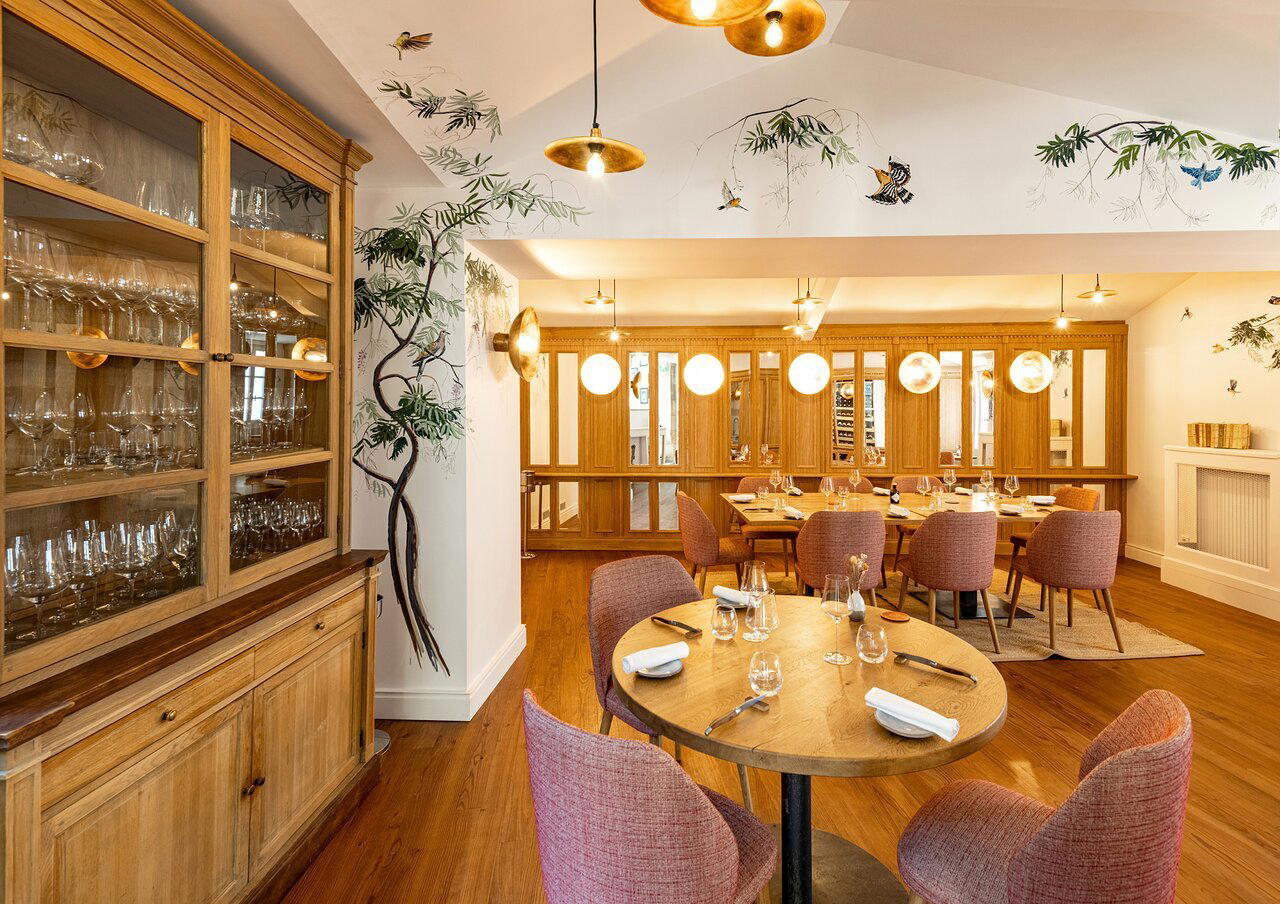
Family-run Right Bank estate with a technical yet warm, educational feel, where visits focus on detailed explanations of organic and biodynamic viticulture and precise vinification, set against classic clay-limestone hillsides and plateau vineyards.