Château Le Bernat

Château Le Bernat is a small family-run estate in Puisseguin, working in the Right Bank register of Merlot-led reds from clay-limestone soils. The draw is not polished wine-tourism theatre but a quiet, organic château context where the Puisseguin-Saint-Émilion AOC reads through structure, fruit, and age-worthy tannin.
Pearl is the En Primeur Club membership app — saves, bookings, and concierge access live there. Same editors, same standards.
- Address
- Puisseguin, Nouvelle-Aquitaine, Frankreich
- Directions
- Get directions
 Saves & bookings on Pearl
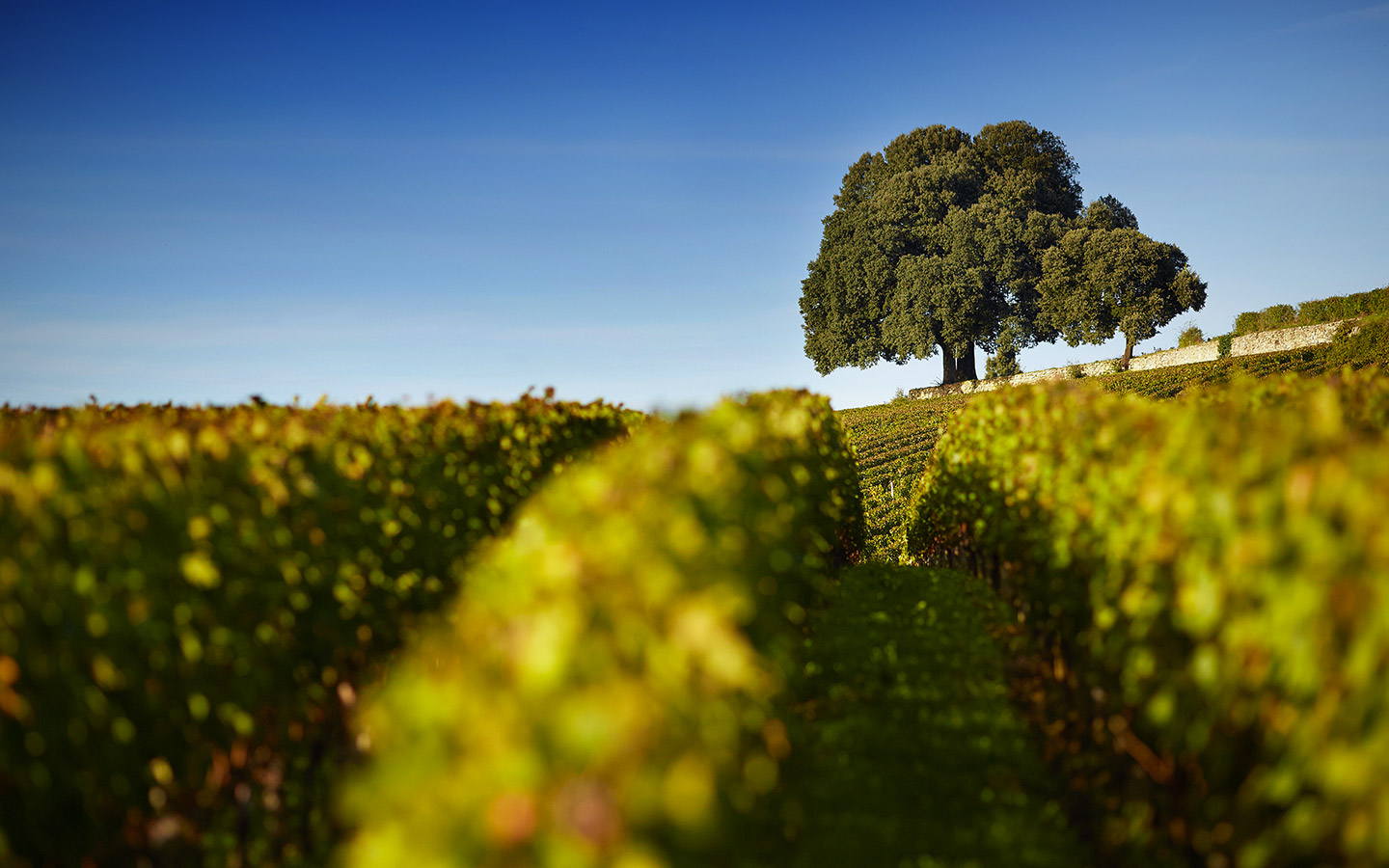
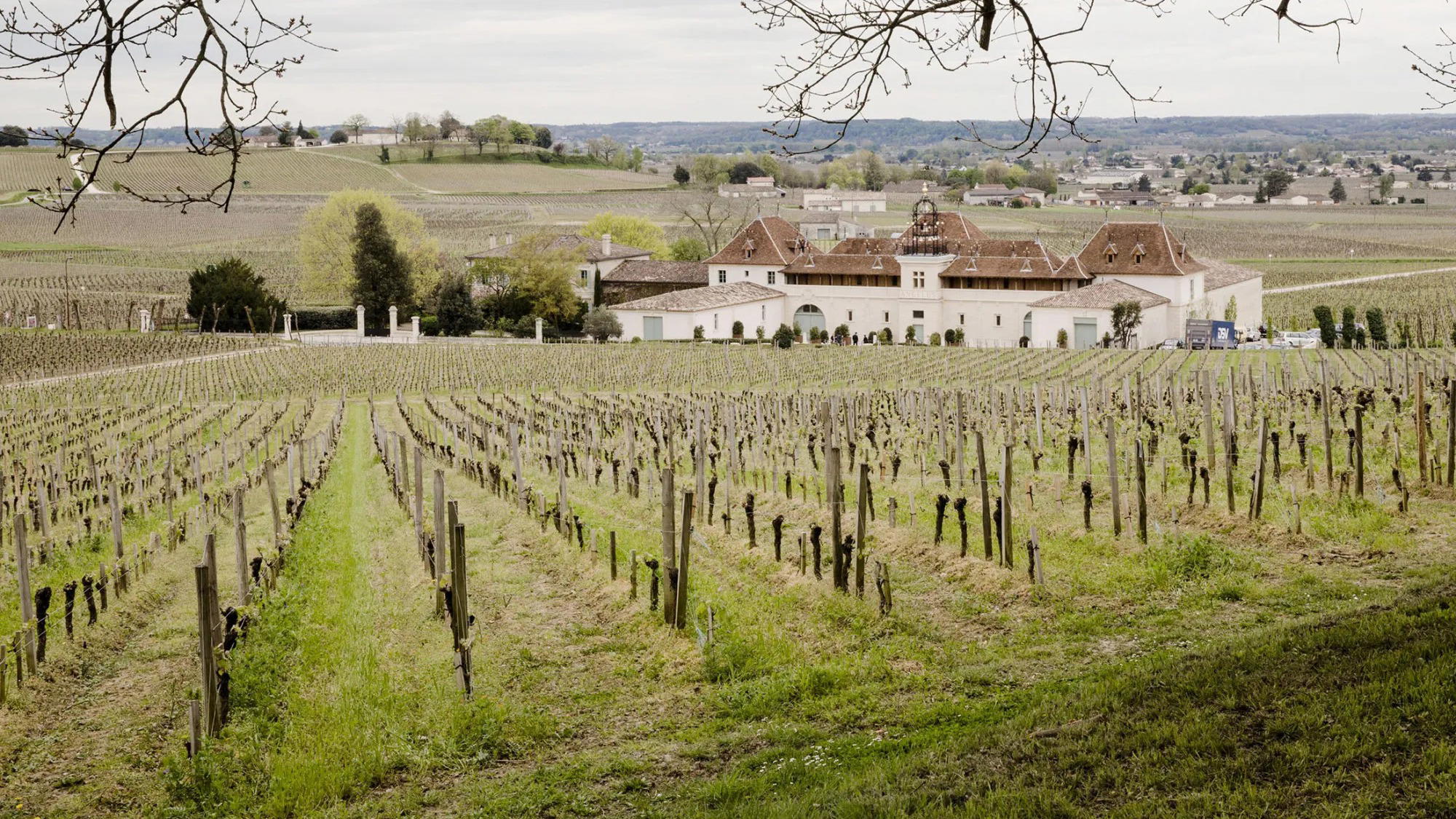
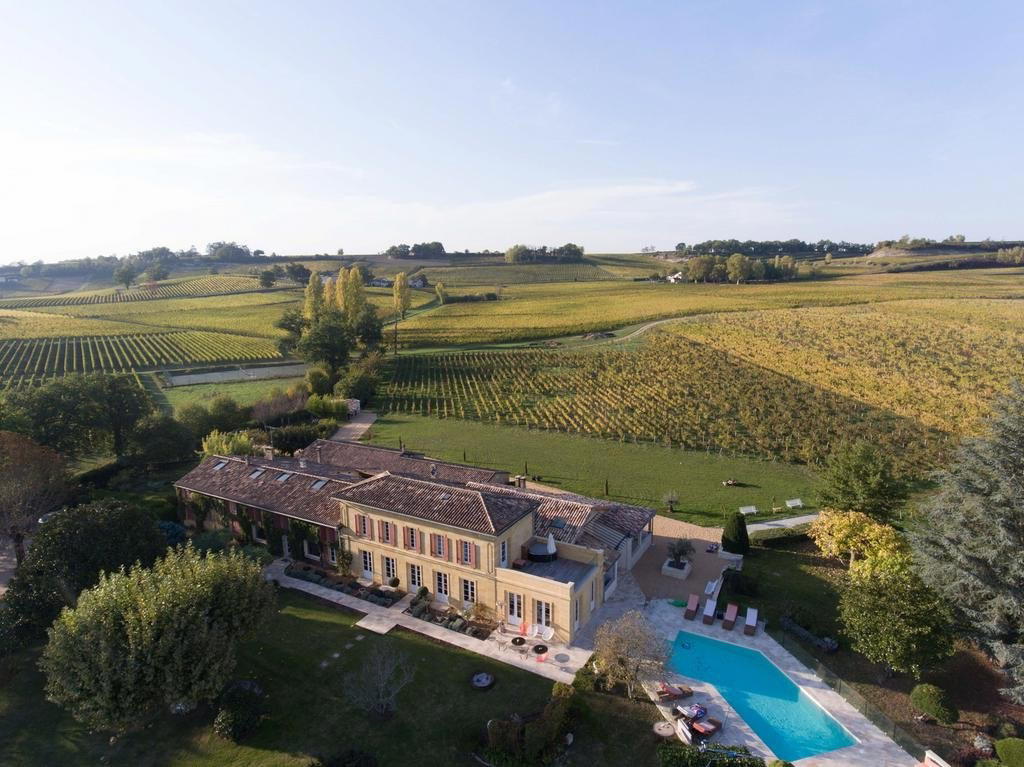
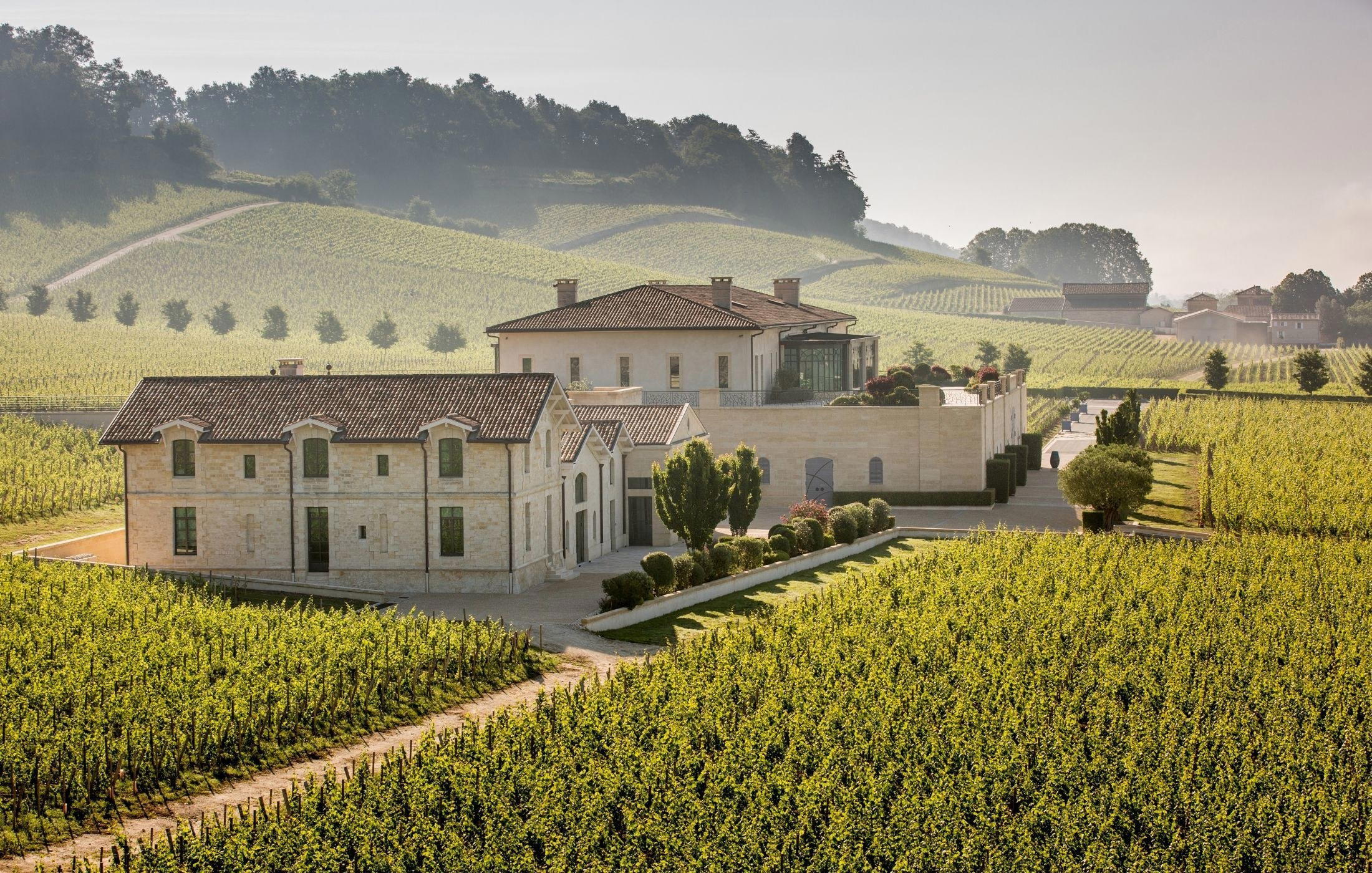
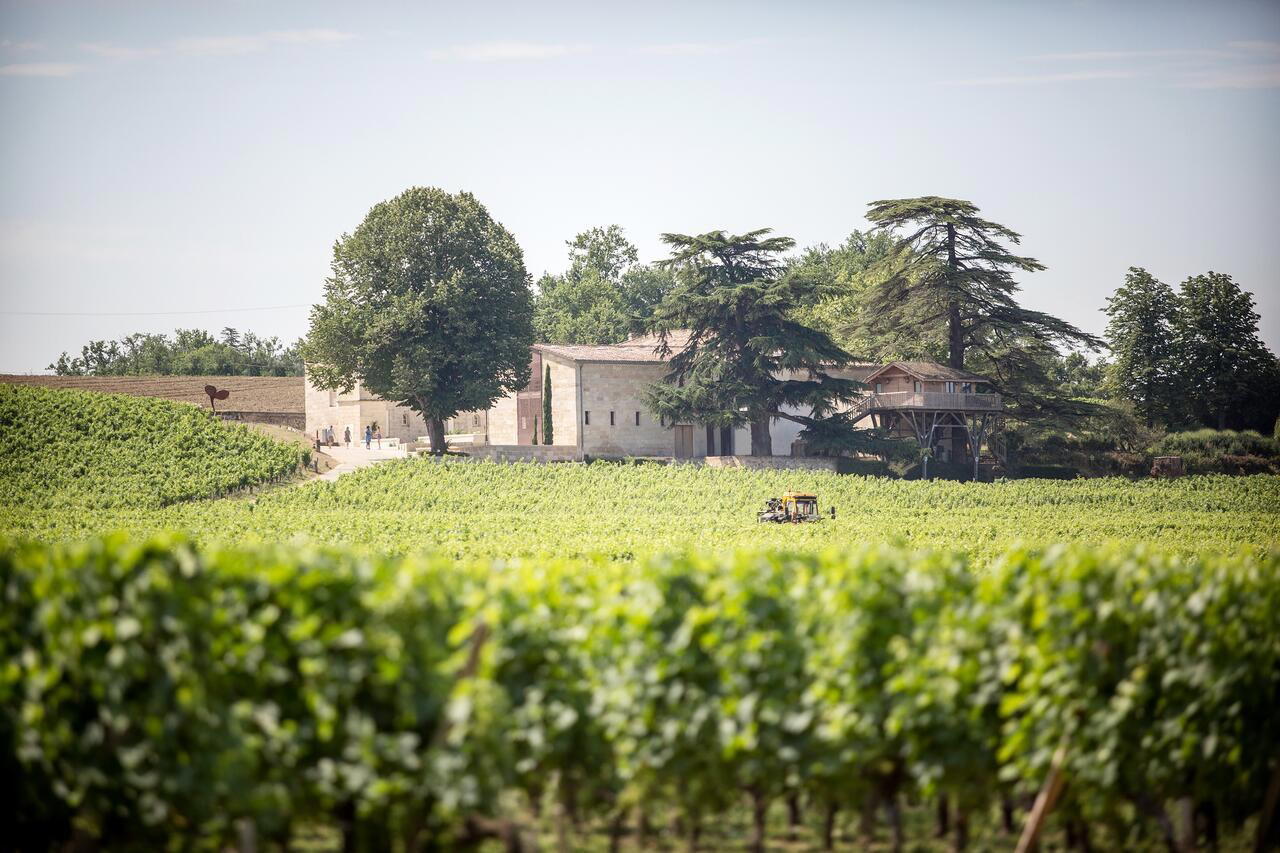
The approach to Puisseguin is rural Bordeaux rather than showroom Bordeaux: vineyard country, a classic Right Bank mood, and the quieter scale associated with the Saint-Émilion satellites. That distinction matters because it shapes expectations before any glass is poured. Château Le Bernat is best understood as a traditional Bordeaux family estate rather than a design-driven destination, with the interest lying in place, proportion, and the understated confidence of a working wine landscape.
The editorial frame is focused and restrained: Château Le Bernat is in Puisseguin, with a classic, rustic, elegant character and an emphasis on structured Merlot-based red wines from clay-limestone soils. Those are the reliable anchors for understanding the estate. Beyond that, specific production details, visit formats, ownership timelines, and hospitality features should not be assumed unless confirmed directly with the estate. In other words, the safest reading is deliberately narrow, but still useful: this is a Right Bank address to consider through terroir, grape variety, and traditional tone rather than through a long list of extra claims.
Clay-limestone Right Bank structure, read through Merlot
Château Le Bernat sits in the Right Bank conversation through the lens of Puisseguin: Merlot-based reds, clay-limestone soils, and a traditional rural character. The appeal is not built around spectacle, but around the familiar Bordeaux relationship between site, structure, and a restrained estate identity. In this context, Merlot is the main interpretive thread, giving the wines their place within the broader Right Bank vocabulary while the clay-limestone setting provides the structural frame through which that identity is read.
That makes the estate a fit for drinkers who want a quieter expression of the area rather than a highly staged château experience. The style cues point to classic and elegant rather than experimental, with rusticity understood in the positive wine-country sense: grounded, agricultural, and tied to place. It is the kind of profile that suits those who value Bordeaux as a range of farming, soils, and continuity, not only as a set of polished labels or formal visitor experiences.
No confirmed scores, rankings, award history, detailed blend percentages, cellar methods, or vintage-specific claims are available here. The safest way to read the winery is as a traditional Puisseguin family estate focused on structured Merlot-based reds, not as a page built around accolades or technical detail. That limitation is not a weakness in the editorial profile; it simply keeps the emphasis where the available facts support it, on appellation context, broad style, and the estate’s quiet Bordeaux character.
Traditional Right Bank character without a design-led premise
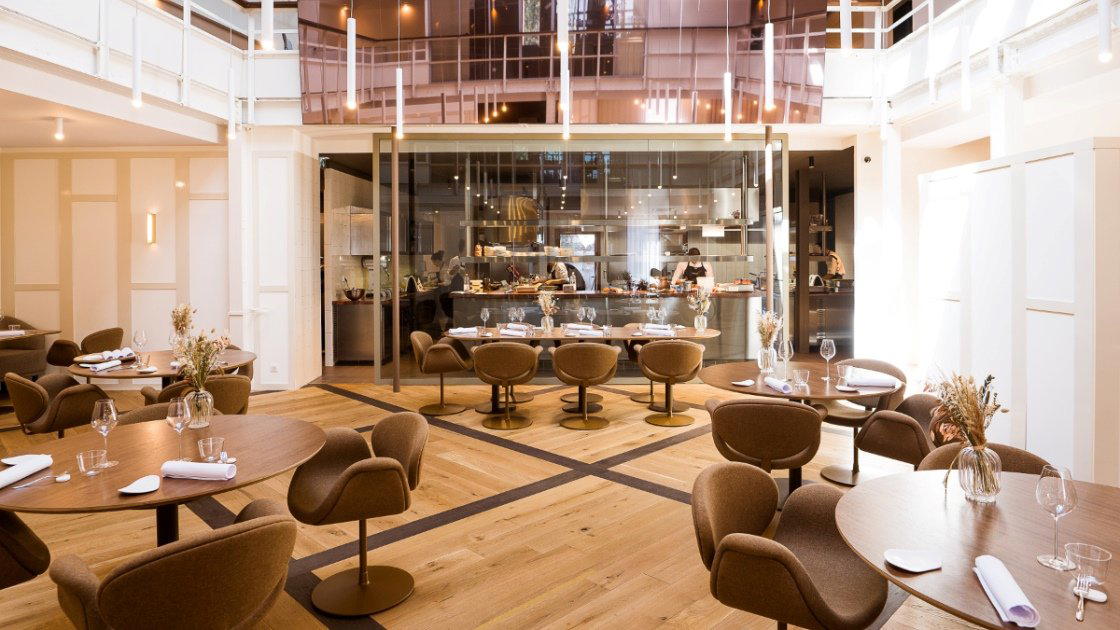
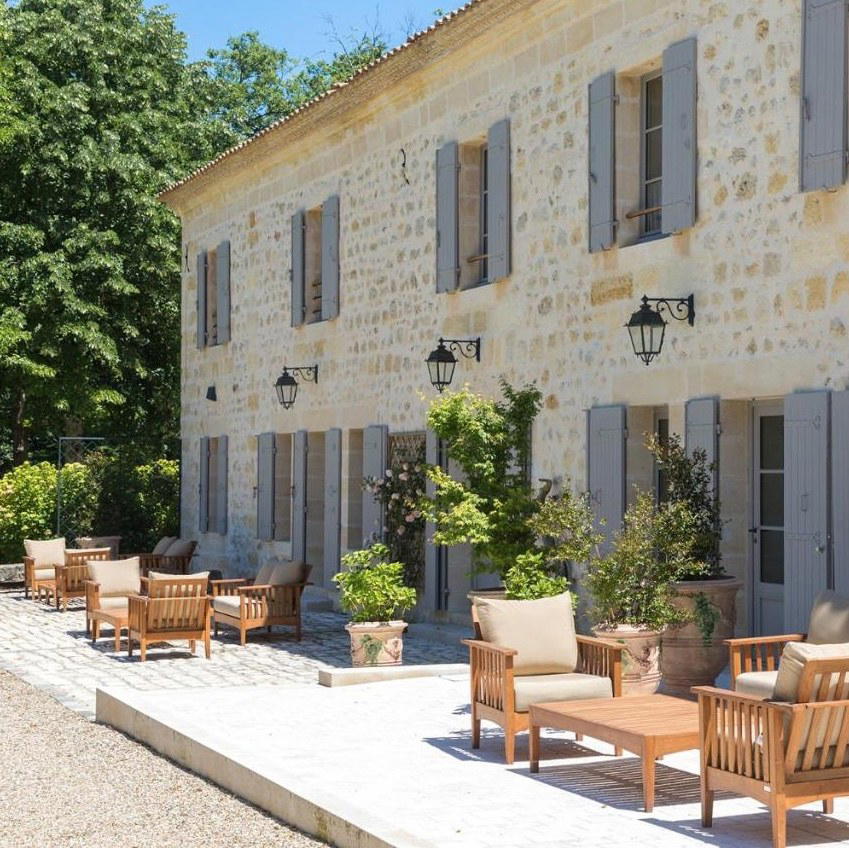
The winery’s confirmed profile is intentionally simple: a family estate in Puisseguin with a classic, rural Saint-Émilion satellite feel. That simplicity is part of the point. It places the château in a less theatrical category of Bordeaux estate, where the surrounding vineyard country and the Right Bank frame carry more weight than any claims about staging or destination hospitality.
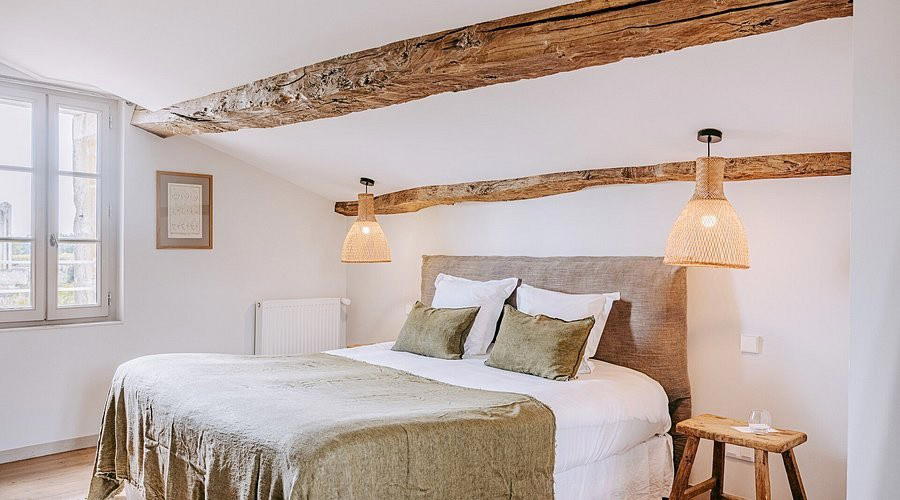
The atmosphere is best described through the cues: classic, rustic, and elegant. In practical terms, that means the editorial emphasis belongs on the estate’s Bordeaux identity, its Merlot-based red wines, and its clay-limestone setting rather than on unconfirmed food service, entertainment, seating, tour length, or hospitality programming. The language should remain careful and proportionate: the estate can be presented as grounded and traditional, but not embellished into something broader than the facts allow.
For readers mapping the area, the useful context is that Puisseguin can reward a slower wine-country itinerary. Other dining, lodging, bar, and experience options in Puisseguin should be considered generically unless independently confirmed. That approach keeps expectations practical. A visit or tasting plan in this part of Bordeaux is best built with direct checks, especially when details such as availability, format, or hospitality style matter to the day’s rhythm.
Where it sits in a serious Bordeaux itinerary
The case for the winery is strongest for travellers interested in the quieter side of Right Bank Bordeaux: family-estate character, structured Merlot-based reds, clay-limestone soils, and a rural satellite-appellation feel. The price indicator is $$. For an itinerary, that means the estate reads less like a headline attraction and more like a focused stop for people who want to understand the texture of Puisseguin on its own terms.
Within a Puisseguin-focused route, the winery should be treated as its own reference point rather than compared through named peers. Travellers can also look at other Puisseguin options generically, but specific comparisons should be checked carefully before being folded into an itinerary. This is especially important in a region where small differences in setting, format, and confirmed visitor access can change the practical experience even when the broader wine-country mood feels similar.
The editorial read is clear: the winery is a terroir-first Puisseguin estate for drinkers drawn to classic, rustic, elegant Bordeaux character. Come for the Merlot-based Right Bank story and the rural clay-limestone setting, not for unconfirmed claims about awards, technical cellar details, or design-led hospitality. Its value on the page is its restraint: a concise, traditional Bordeaux profile that belongs to the quieter side of the Saint-Émilion satellite landscape.
Recognition history
Dated appearances from independent guides and award organizations, with the underlying list record or original source where available.
Falstaff Winery - Listed
Falstaff
Continue exploring
More in Puisseguin
Wineries in Puisseguin
Browse all →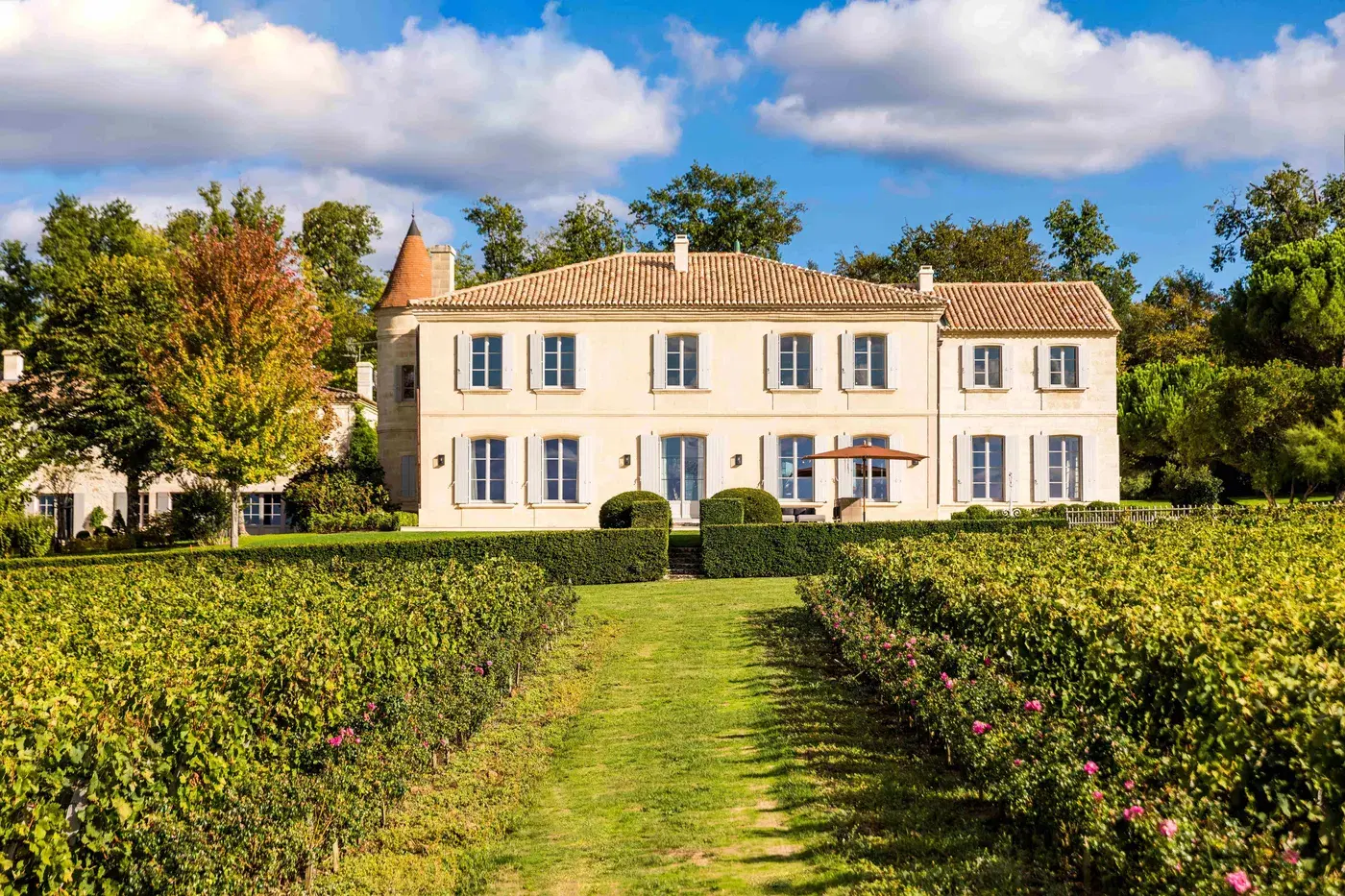
Bars in Puisseguin
Browse all →


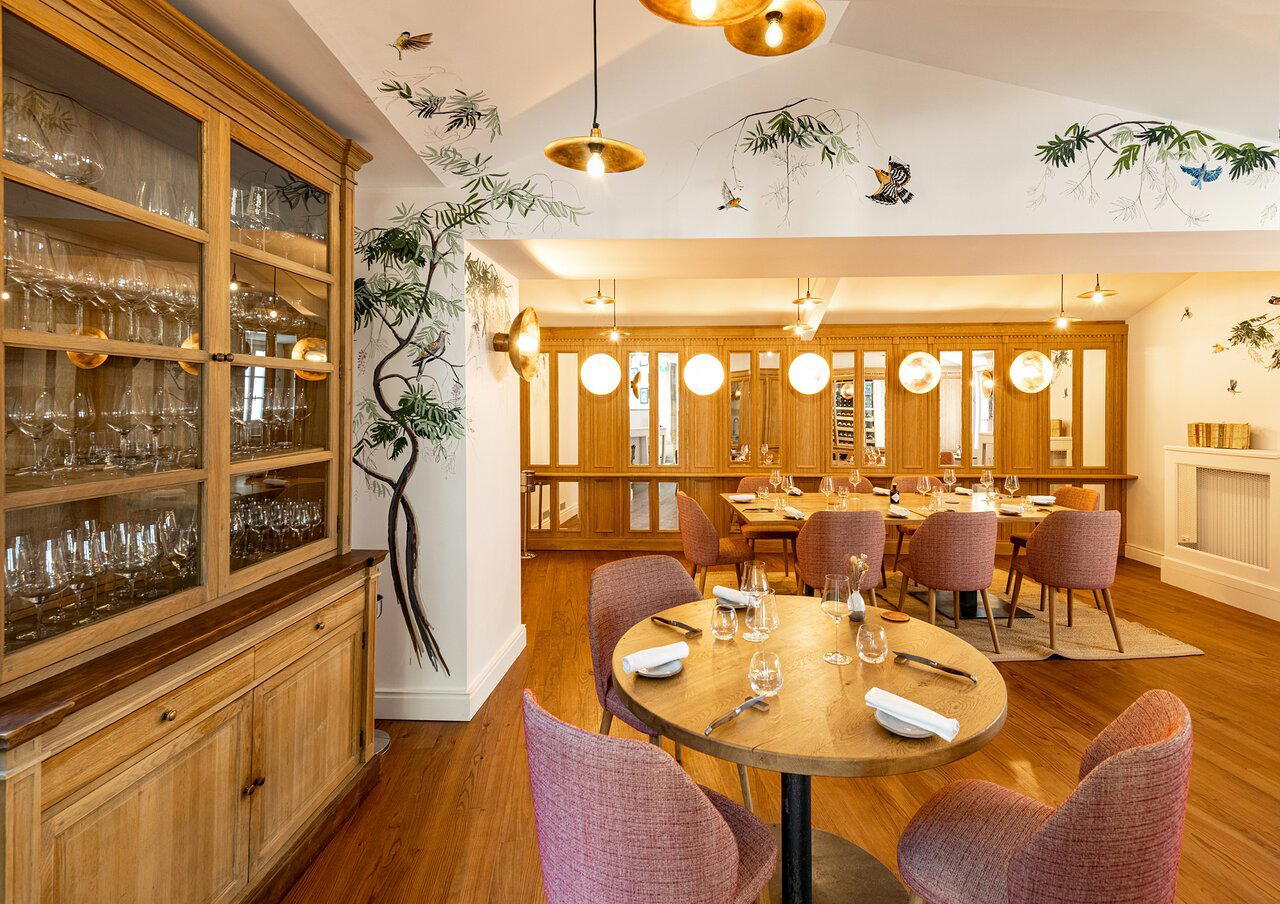
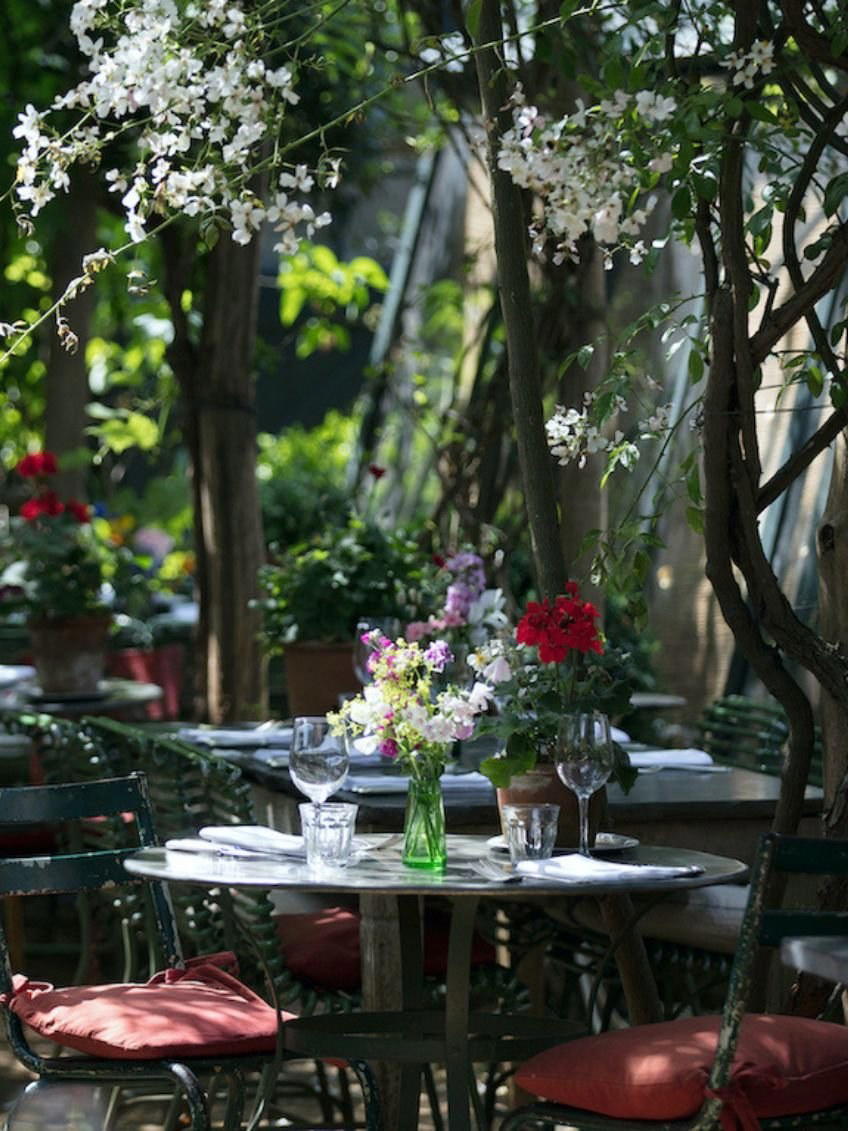
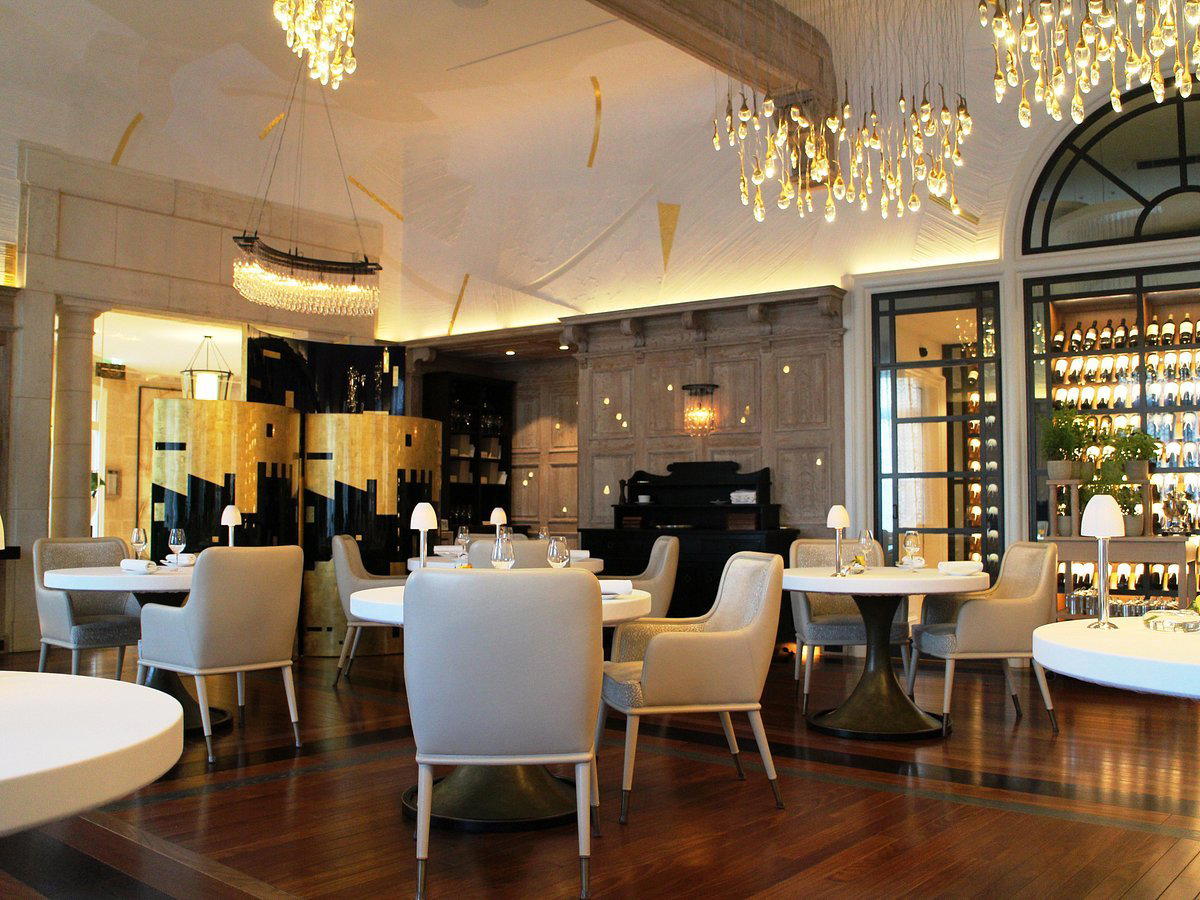
Restaurants in Puisseguin
Browse all →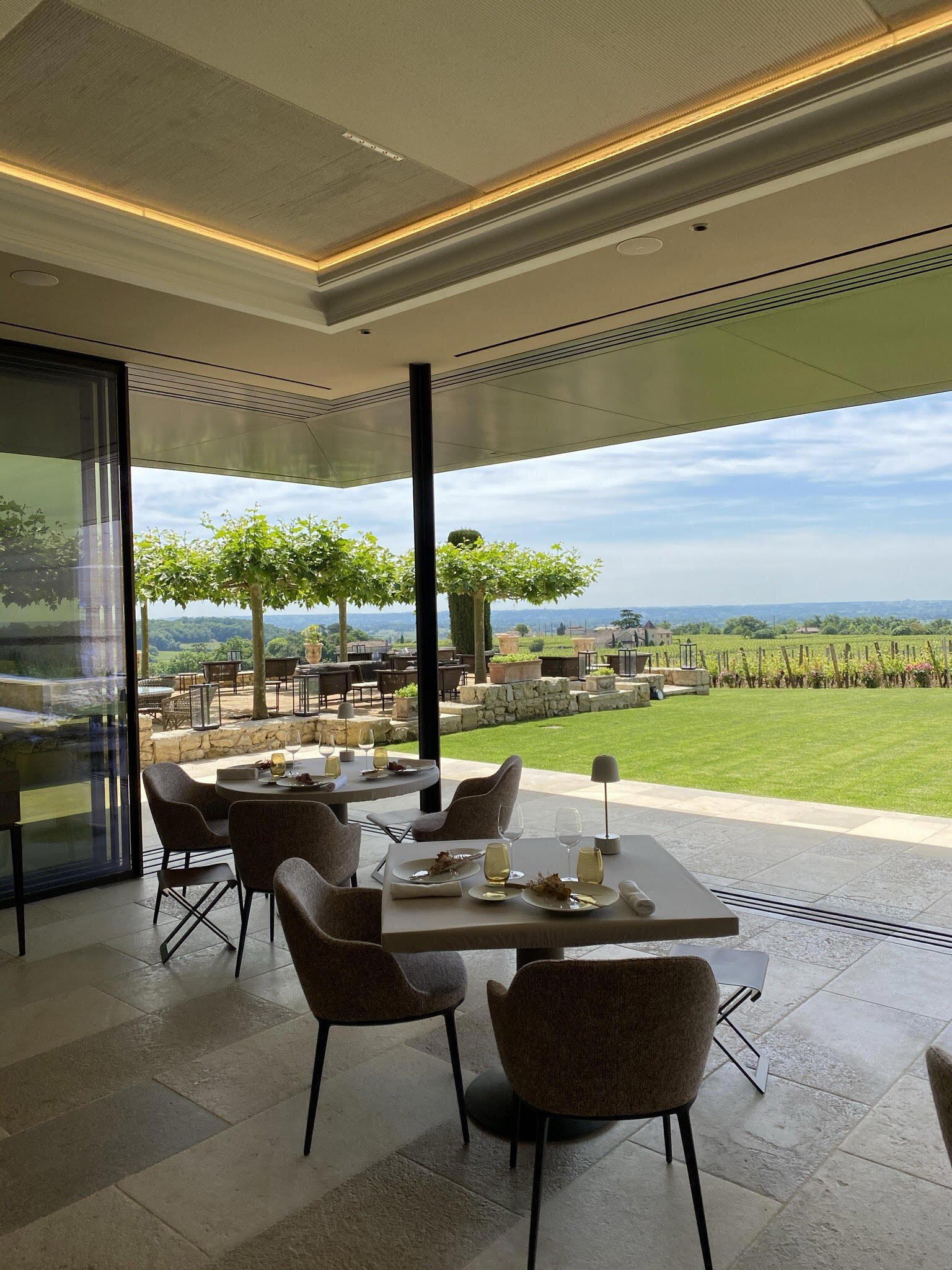
At a Glance
- Classic
- Rustic
- Elegant
- Romantic
- Romantic Getaway
- Solo Exploration
- Wine Education
- Estate Grounds
- Organic
- Vineyard
- Puisseguin Saint Émilion AOC
- Merlot
- Cabernet Sauvignon
- Still Red
Traditional Right Bank Bordeaux family estate focused on elegant, structured Merlot-based reds from clay-limestone soils, with a classic, rural Saint-Émilion satellite feel rather than a design-driven destination.