Château Jean Faux

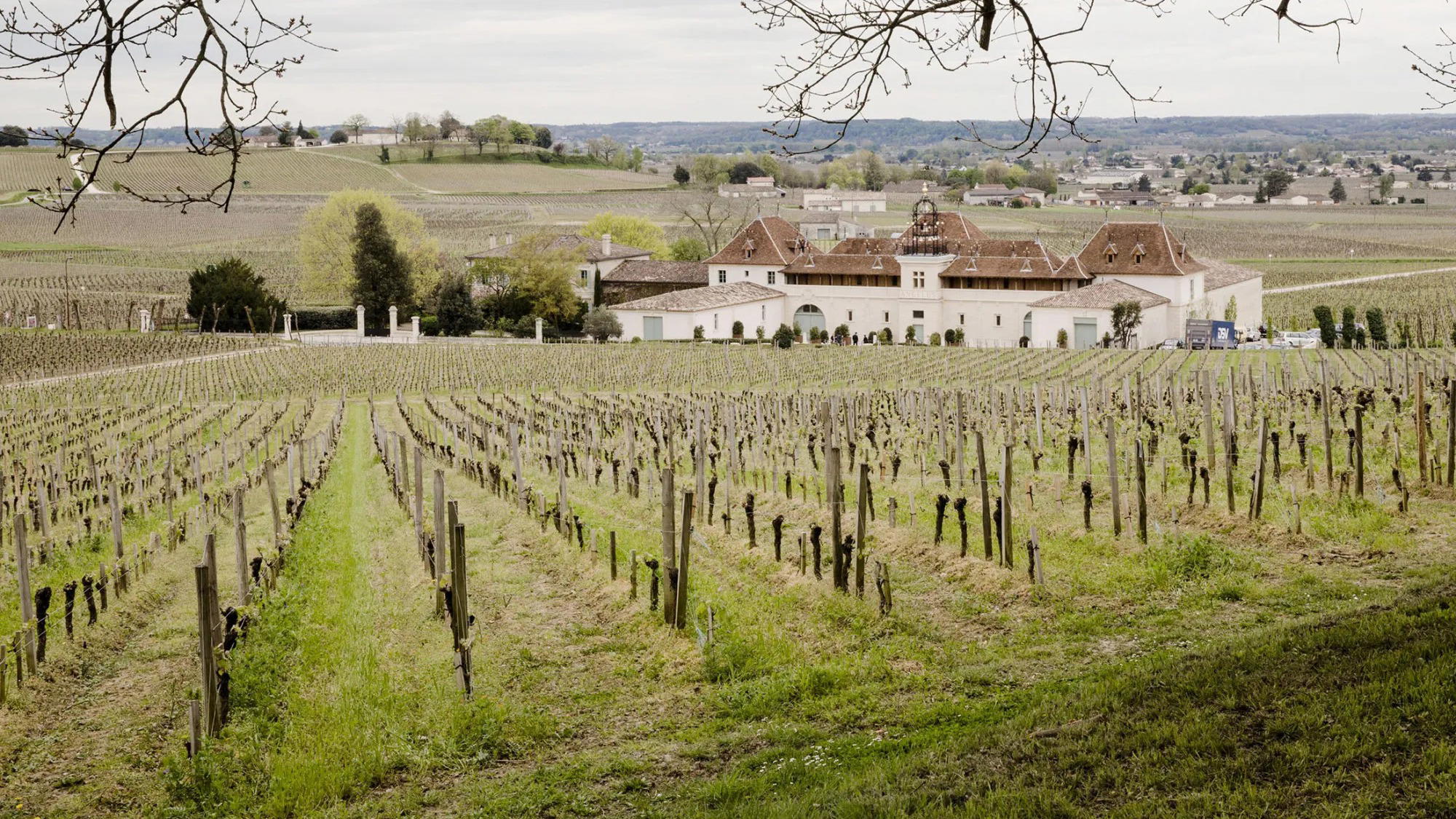
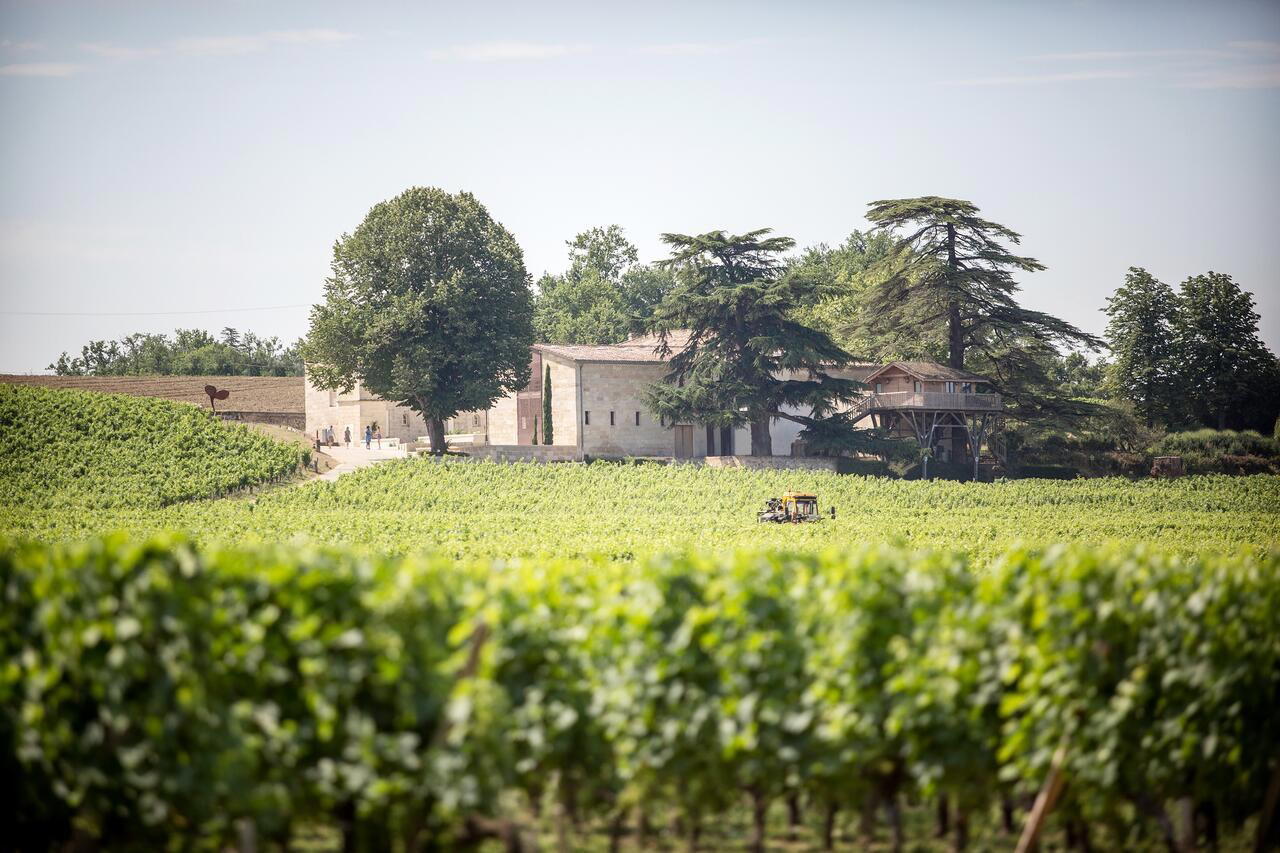
Château Jean Faux is a small Bordeaux Supérieur estate in Sainte Radegonde where clay-limestone hillsides, biodynamic farming and a mixed habitat of vines, woods, meadows and streams shape the argument in the glass. The estate works with Sauvignon Blanc, Sémillon, Merlot and Cabernet Franc, producing still whites and reds from 12.8 hectares of estate-owned vineyards.
Pearl is the En Primeur Club membership app — saves, bookings, and concierge access live there. Same editors, same standards.
- Address
- Sainte-Radegonde, Bordeaux Superieur, Nouvelle-Aquitaine, Frankreich
- Directions
- Get directions
 Saves & bookings on Pearl
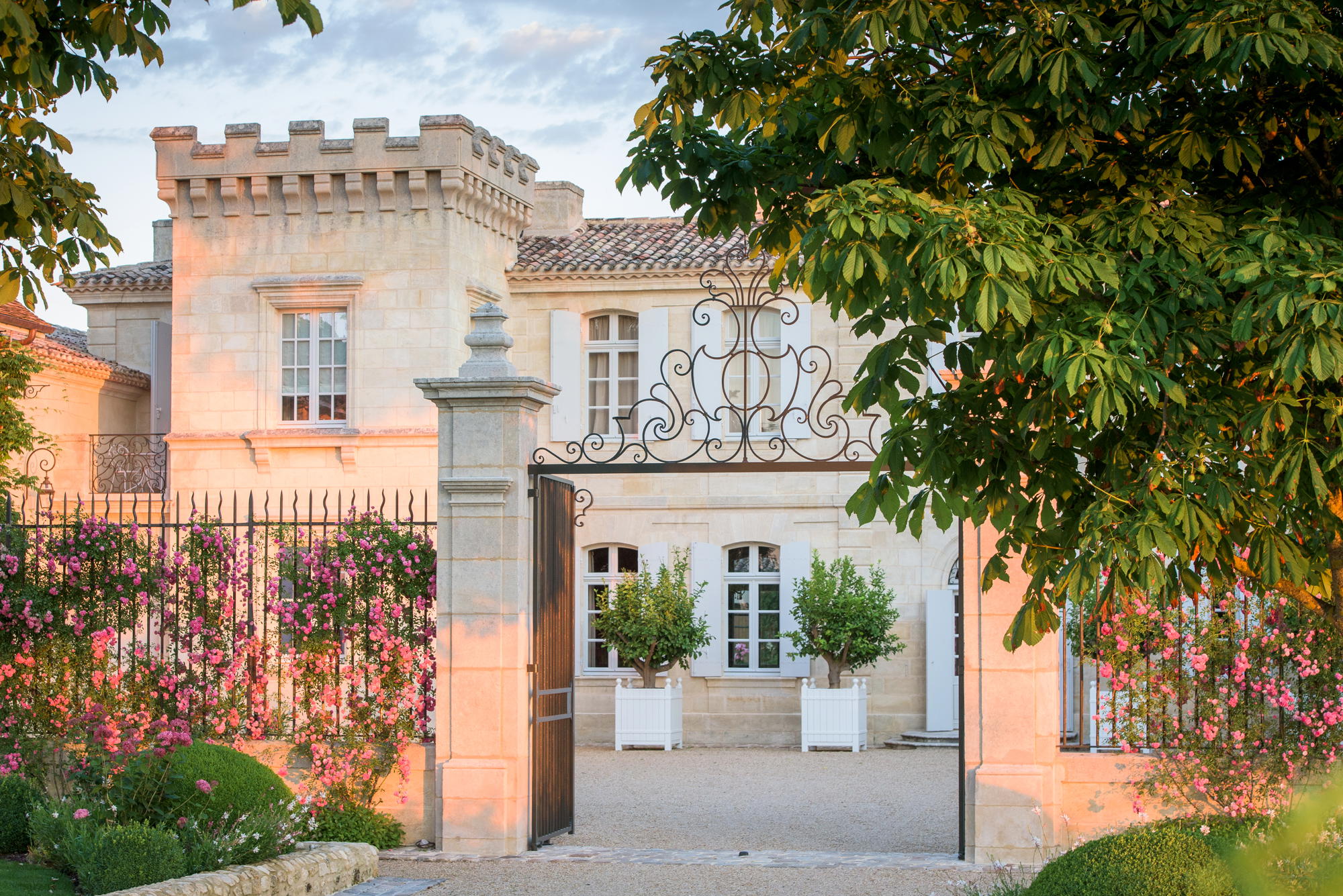
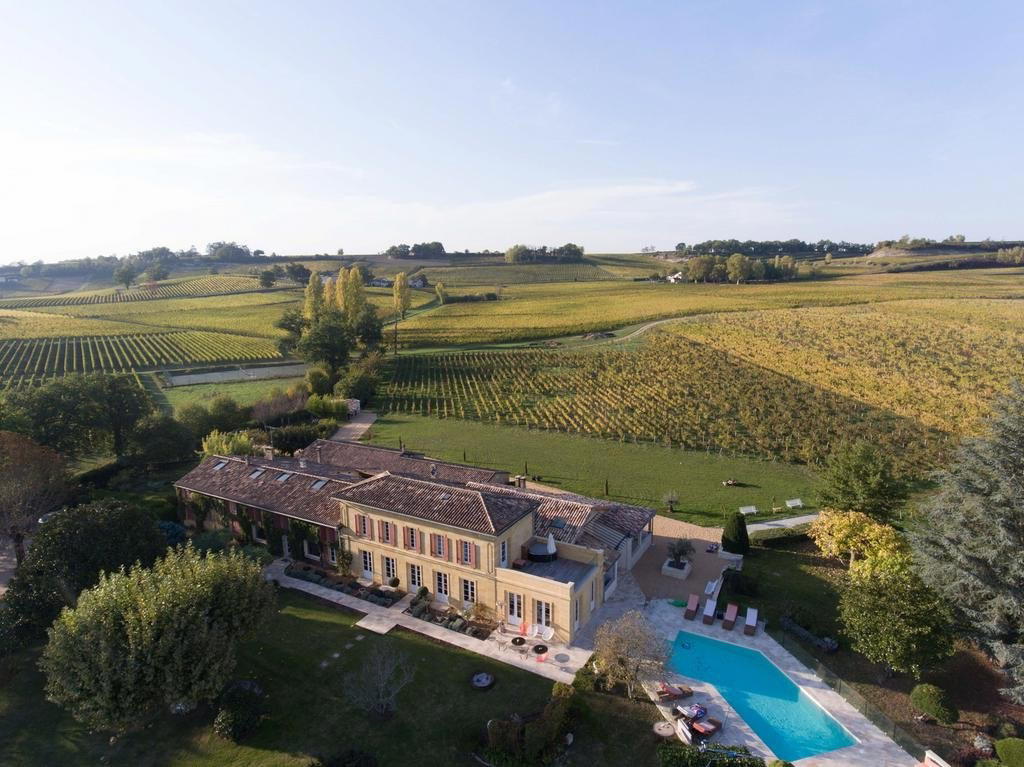
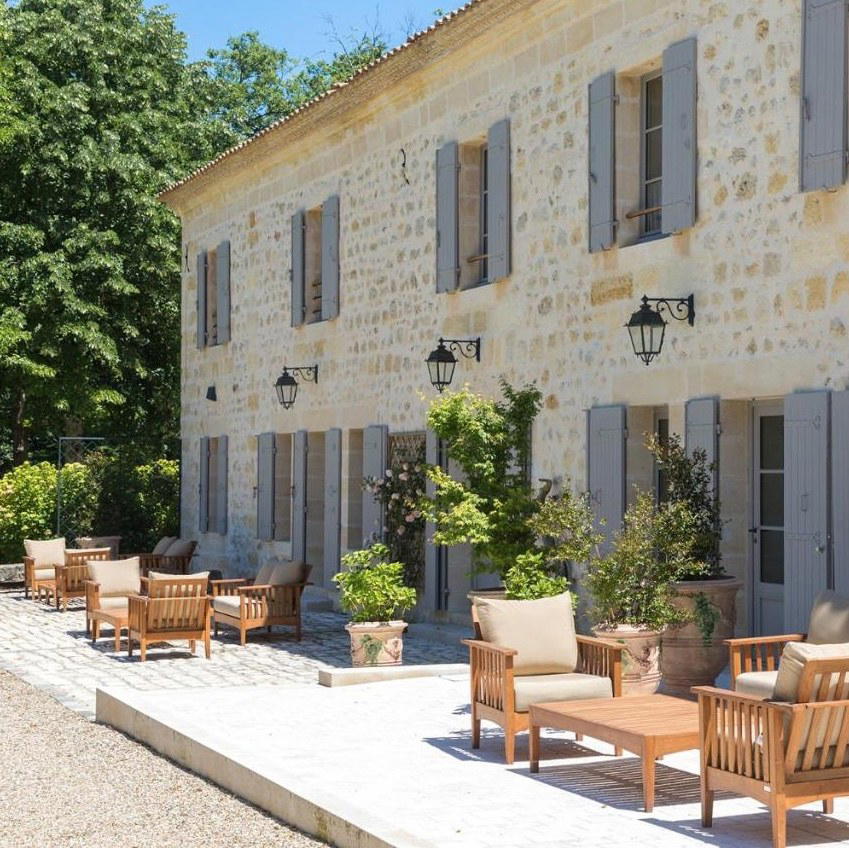
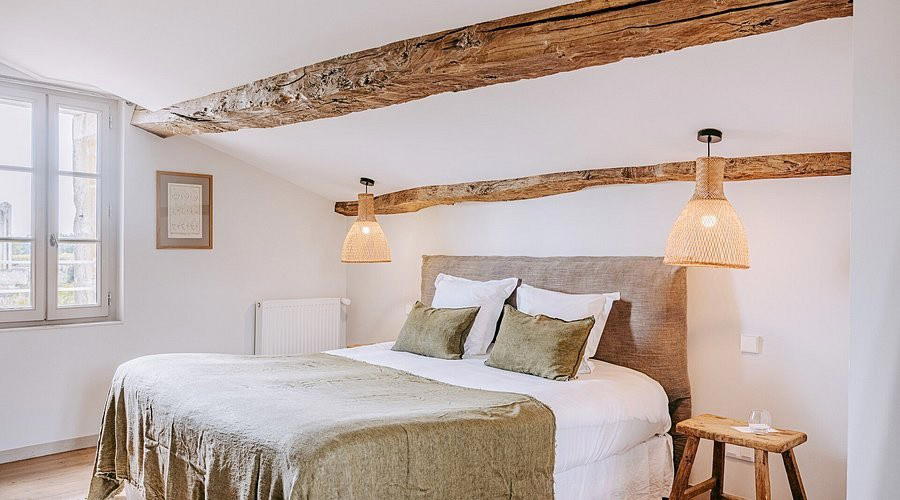
In Sainte Radegonde, Château Jean Faux is best understood as a tranquil Bordeaux estate rather than a showy destination. Its character rests on a historic countryside setting, biodynamic vineyards, woods and meadows, and a natural atmosphere that feels scenic, rustic, classic and intimate. The appeal, on the information available, is less about grand presentation than about the way these elements sit together: vineyard landscape, old-estate atmosphere and a quieter rural rhythm. For visitors looking at Sainte Radegonde as part of a broader Bordeaux itinerary, Château Jean Faux reads as the kind of place whose value lies in mood, setting and restraint rather than in spectacle.
Biodynamic vineyards in a quiet estate setting
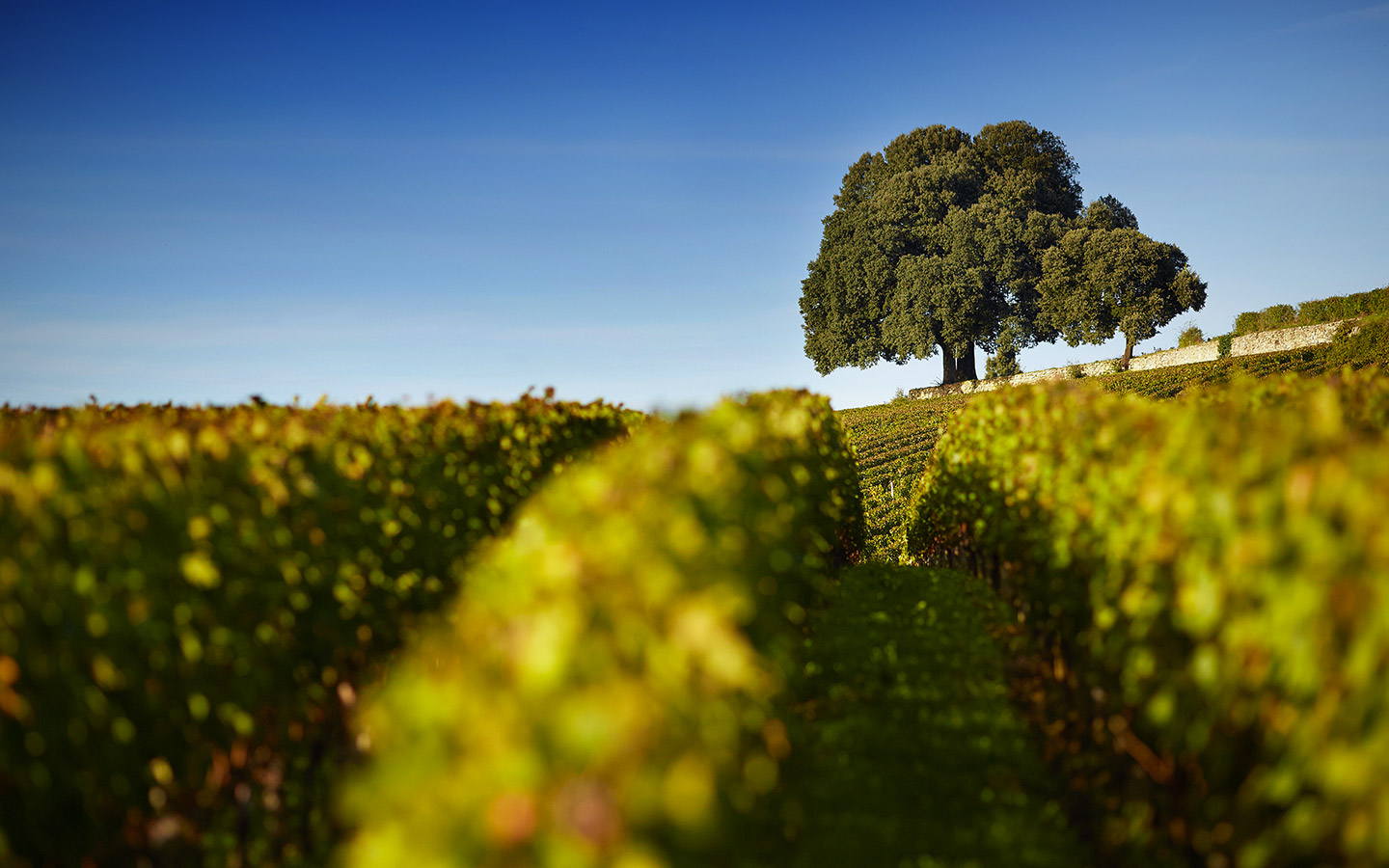
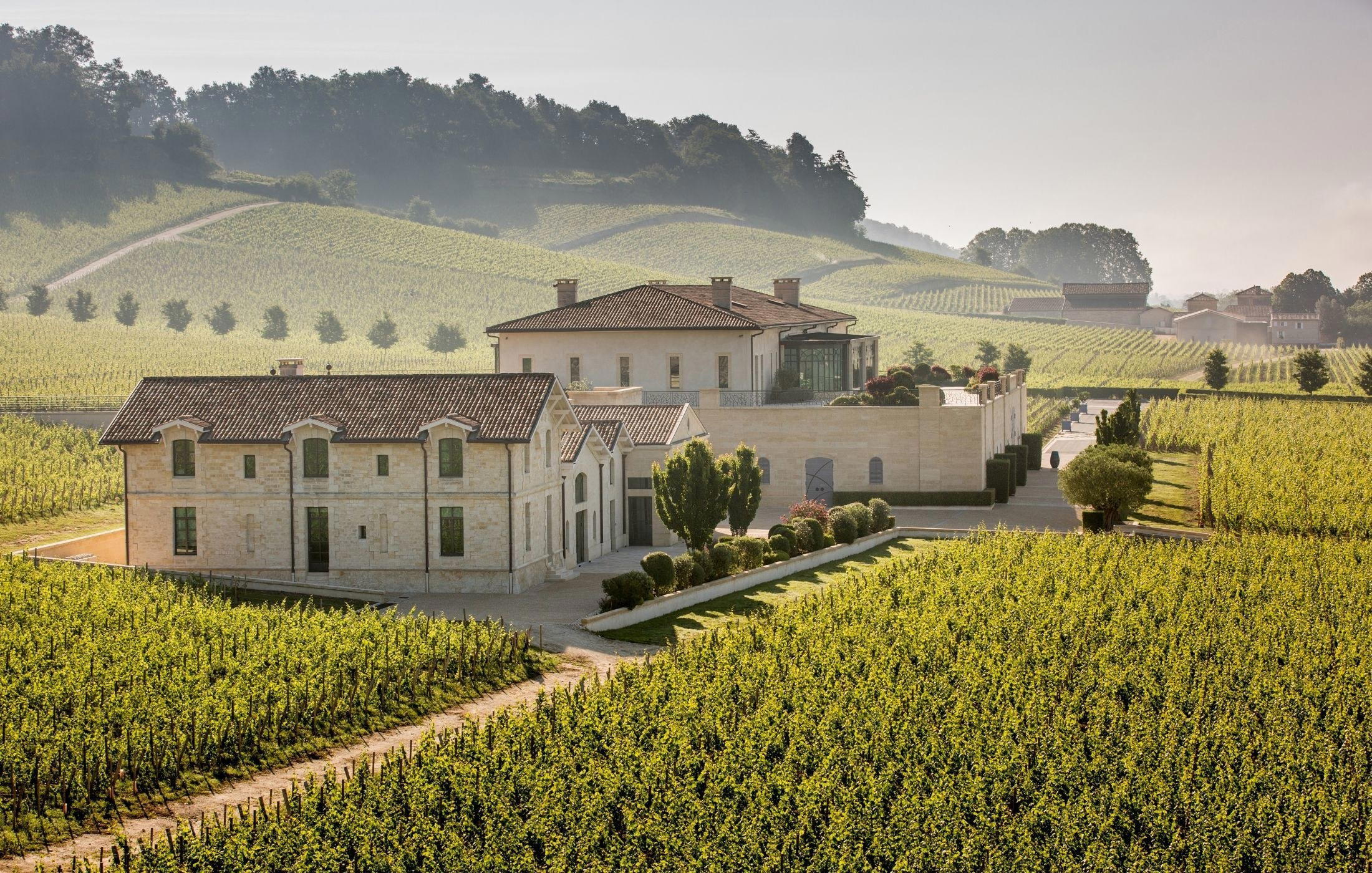
Château Jean Faux is associated with biodynamic vineyards and a landscape shaped by woods and meadows. Rather than presenting the estate through technical claims, the safest reading is atmospheric: this is a hidden-gem property where the natural setting is central to the experience. The biodynamic reference helps frame the estate as closely connected to its land, while the surrounding woods and meadows soften the picture beyond vines alone. It suggests a countryside environment where the vineyard is part of a wider landscape, not an isolated backdrop designed only for visitors.
The estate’s appeal is not based on spectacle or elaborate claims. Its description points to calm surroundings, a classic Bordeaux feel and a more restrained sense of place. That restraint matters, because it gives the winery a different kind of presence: not loud, not performative, and not dependent on a long list of amenities. The emphasis instead falls on quiet scenery, historic atmosphere and the natural textures of the estate environment. In EP Club terms, this is the sort of venue that should be approached for its sense of place as much as for any single tasting or visit component.
For visitors considering the winery, the key confirmed details are simple: it is in Sainte Radegonde, it sits in a historic estate environment, and its setting is quiet, scenic and natural. Those details are enough to position it clearly without overstating what is known. It belongs in the category of countryside Bordeaux addresses where the experience is likely to be defined by atmosphere, landscape and the character of the property itself. Anyone planning around it should keep that framing in mind: the winery is described less as a high-drama destination and more as a calm, intimate estate rooted in its surroundings.
Wines built around restraint rather than flash
The wines at the winery are described as classic, alive and elegant rather than flashy. That description is useful because it avoids overstatement while still giving a clear sense of style: measured, traditional and focused on balance. “Classic” places the wines within a familiar Bordeaux sensibility, while “alive” and “elegant” suggest energy and polish without implying heaviness or excess. The overall impression is of wines intended to express poise rather than power, and to fit naturally with the estate’s quieter identity.
Beyond that broad profile, specific grape varieties, cuvées, production figures, cellar methods and tasting formats should not be assumed from the information available here. Travelers should treat the estate as a wine-country stop and confirm any current visit details directly before planning around them. This is especially important because the available description supports a general reading of style and atmosphere, not a complete practical guide. The safest approach is to appreciate what is confirmed, the elegant, classic, restrained wine identity, while avoiding assumptions about what will be available on a given day.
For a wider Sainte Radegonde itinerary, the winery can be considered alongside other local dining and wine-country planning in the area. Its role in that kind of itinerary is best kept specific: a quiet, scenic estate with a restrained wine profile and a natural Bordeaux setting. It can add countryside texture to a day built around Sainte Radegonde without needing to become an overcomplicated anchor. The point is not to turn it into a full-service resort narrative, but to understand it as a composed, low-key estate stop whose personality is tied to calm, elegance and place.
Historic countryside without resort theatrics
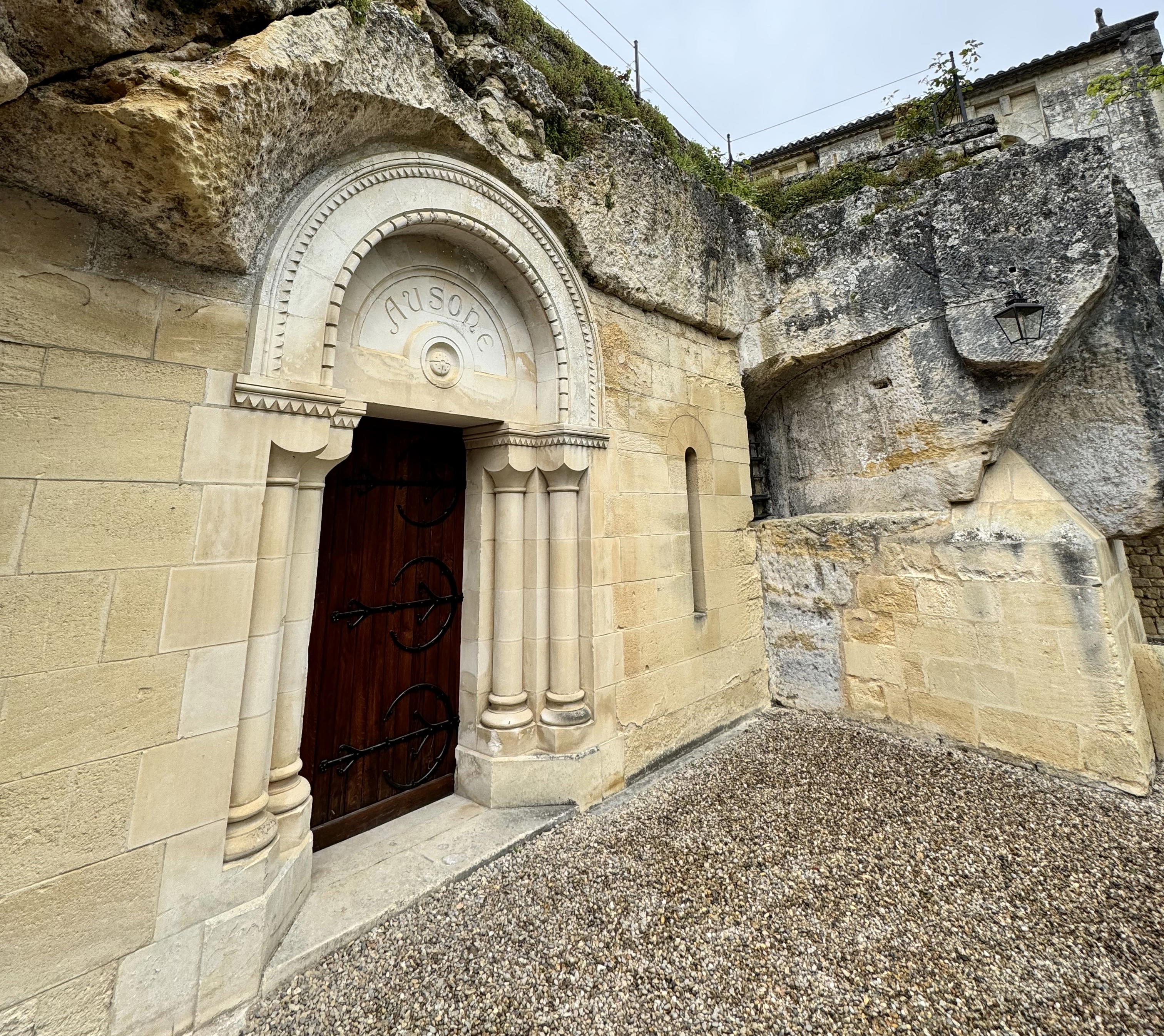
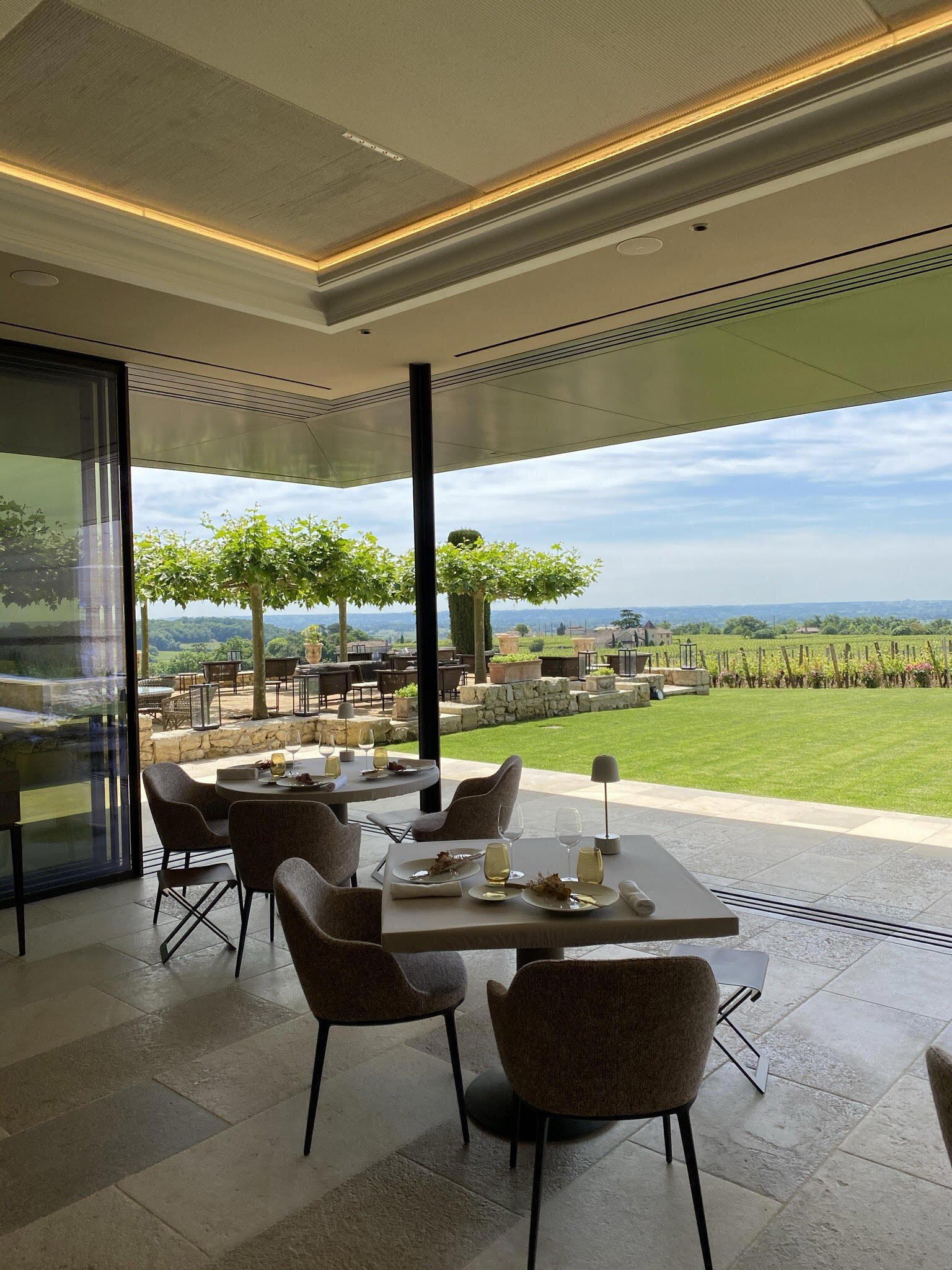
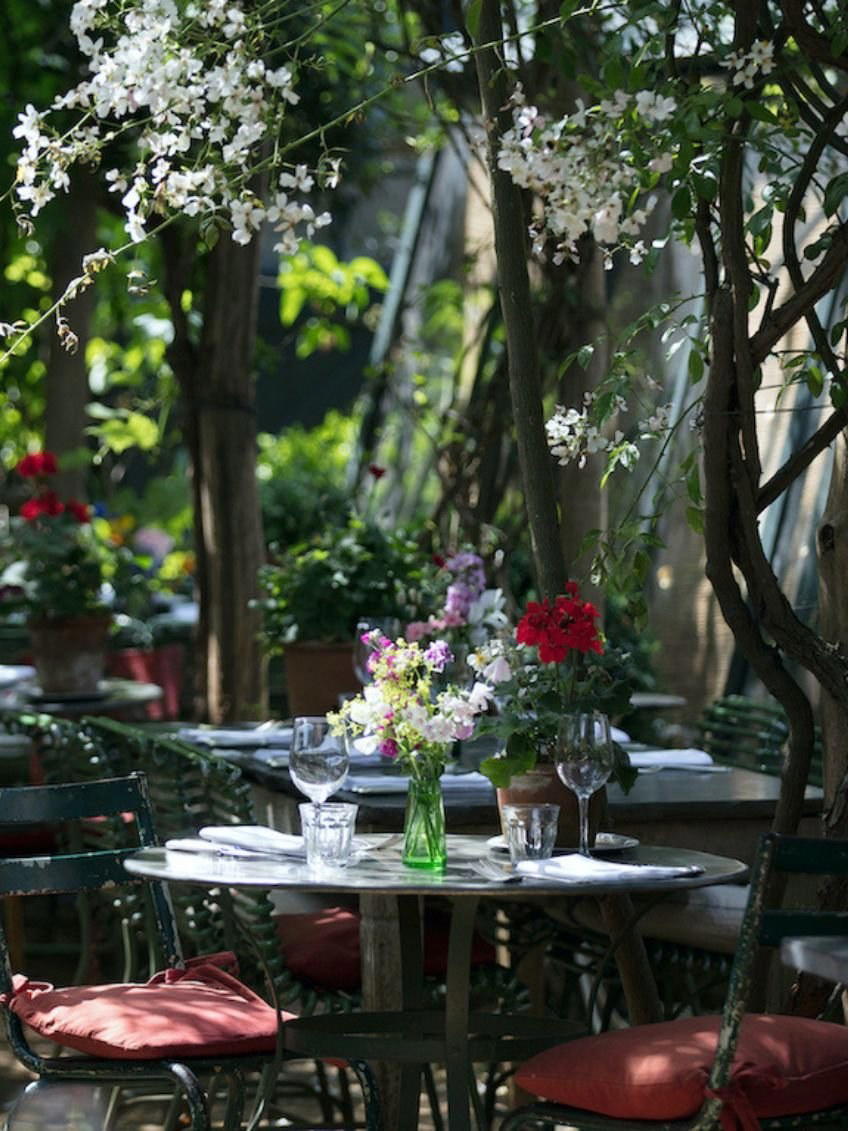
The setting is part of the appeal. The winery is described through a historic Bordeaux estate atmosphere, with biodynamic vineyards, woods and meadows creating a tranquil, natural backdrop. That combination gives the venue its editorial shape: historic but not stiff, scenic but not theatrical, rustic but still classic. The countryside context matters because it reinforces the sense that the estate’s identity comes from its environment as much as from its wines. The woods and meadows add softness and depth to the image, while the vineyards keep the estate firmly within wine country.
That makes the winery better suited to travelers who want a scenic, rustic and intimate wine-country experience in Sainte Radegonde. The picture is not one of flashy hospitality or resort-style production, but of a classic estate whose calm setting and elegant wine identity are the main draw. Visitors drawn to polished spectacle may find the description modest; visitors looking for quiet Bordeaux atmosphere are more likely to understand its appeal. Its strengths, as presented, are subtle: a natural estate landscape, a historic rural frame and wines described through elegance rather than excess.
For surrounding planning, EP Club’s Sainte Radegonde coverage can be used to explore other local options generically, while the winery remains the central venue here. One accurate way to hold it in mind is as a tranquil countryside estate with biodynamic vineyards, woods, meadows and a classic Bordeaux character. Nothing in the available information calls for embellishment beyond that. Its value is precisely in the unforced combination of scenic setting, rustic intimacy and restrained wine identity, which together make the winery a quiet but distinctive Sainte Radegonde address.
Recognition history
Dated appearances from independent guides and award organizations, with the underlying list record or original source where available.
Falstaff Winery - Listed
Falstaff
Continue exploring
More in Sainte Radegonde
Wineries in Sainte Radegonde
Browse all →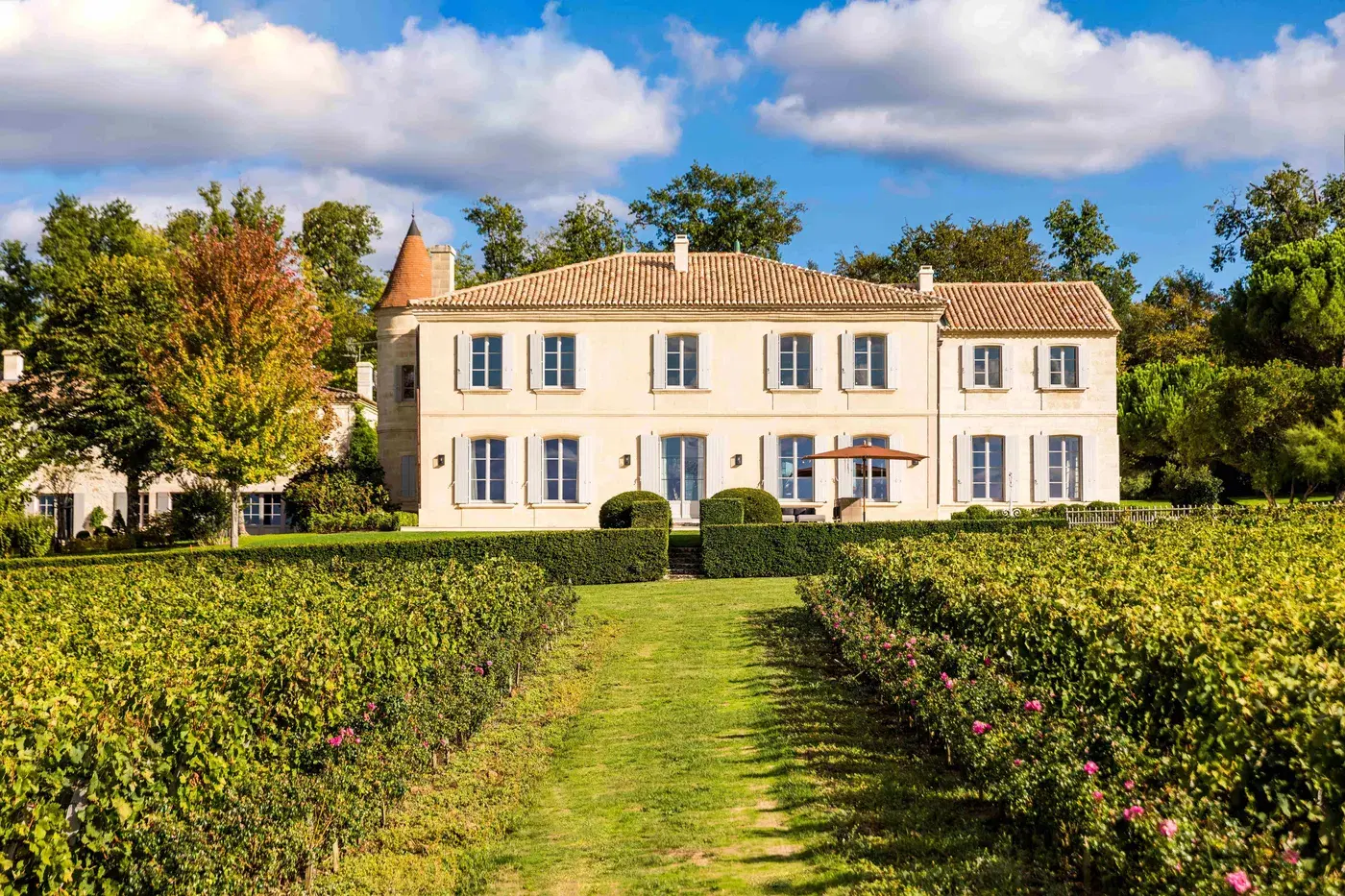
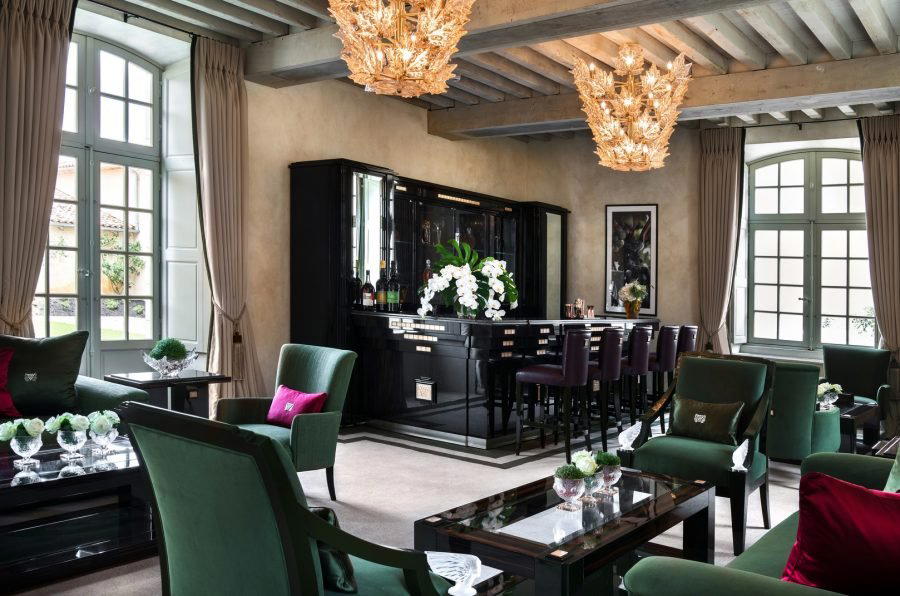
Bars in Sainte Radegonde
Browse all →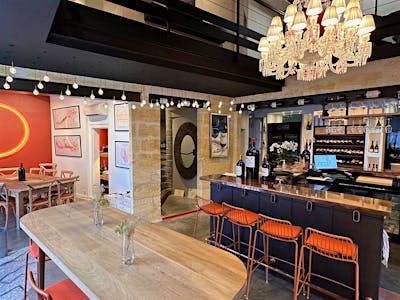
Restaurants in Sainte Radegonde
Browse all →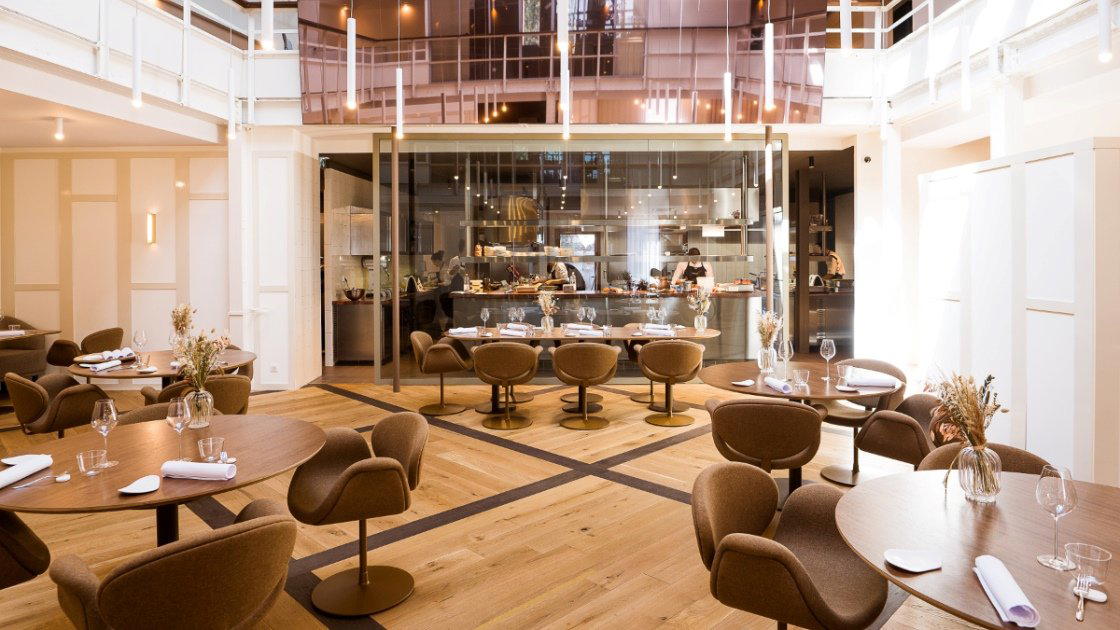
At a Glance
- Scenic
- Rustic
- Classic
- Intimate
- Romantic Getaway
- Wine Education
- Solo Exploration
- Estate Grounds
- Vineyard Tour
- Historic Building
- Organic
- Biodynamic
- Sustainable
- Vineyard
- Garden
- Bordeaux Supérieur AOC
- Sauvignon Blanc
- Sémillon
- Merlot
- Cabernet Franc
- Still Red
- Still White
Historic Bordeaux estate setting with biodynamic vineyards, woods and meadows creating a tranquil, natural atmosphere; the wines are described as classic, alive and elegant rather than flashy.