Castle Rock Estate
Castle Rock Estate sits at the southern foot of the Porongurup Range in Western Australia, where granite soils and cool Southern Ocean airflow define one of the country's most distinctive cool-climate wine environments.. Plan a visit to understand what the Porongurups do that no other Western Australian sub-region can replicate.

Pearl is the En Primeur Club membership app — saves, bookings, and concierge access live there. Same editors, same standards.
- Address
- 2660 Porongurup Rd, Porongurup WA 6324
- Phone
- +61 8 9853 1035
- Website
- castlerockestate.com.au
- Directions
- Get directions
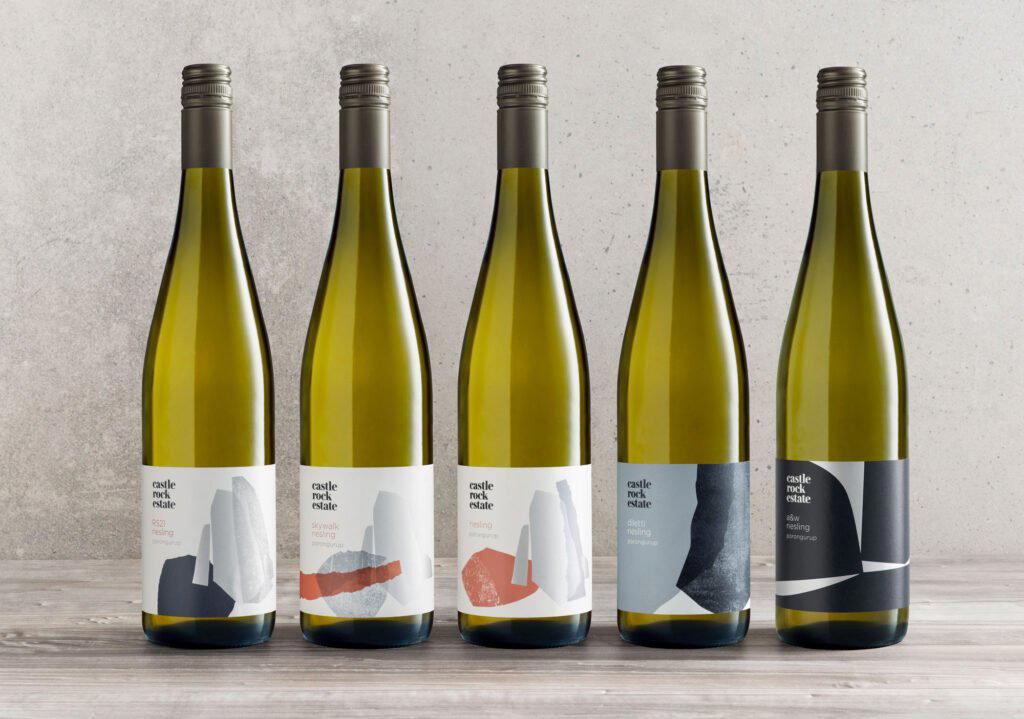
Where the Granite Speaks
The Porongurup Range rises from the southwest corner of Western Australia with an abruptness that feels almost geological theatre. These ancient granite domes, among the oldest exposed rock formations on the continent, push cold air down their flanks each evening, delivering a diurnal temperature shift that winemakers in warmer Australian regions would trade a great deal to access. At the foot of that range, on Porongurup Road, Castle Rock Estate occupies a position where the physical environment is not backdrop but instrument.
Most visitors arriving along the Porongurup Road will have driven from Albany or Mount Barker, the latter being the Great Southern's commercial hub. The Porongurups sit roughly 60 kilometres north of Albany and the drive through karri and marri forest gives way to open farmland before the granite outcrops announce themselves on the horizon. The setting is as much argument as scenery: this is a place where geography does serious work.
The Southern Limit of Western Australian Cool-Climate Wine
The Great Southern wine region is Australia's largest geographic wine zone by area, but within it the Porongurups function as a distinct micro-climate. The sub-region sits at approximately 34 degrees south latitude and elevation between 300 and 500 metres above sea level. Combined with proximity to the Southern Ocean, this produces growing season temperatures that track closer to southern Victoria or parts of the Adelaide Hills than to the Margaret River or Swan Valley. Ripening here is slow and late; the fruit accumulates flavour without surrendering acidity, which is the structural precondition for wines that age.
Riesling is the variety that has historically made the strongest case for the Porongurups. The combination of granite-derived soils (low fertility, excellent drainage) and cool nights preserves the natural acidity that gives Clare Valley and Eden Valley Rieslings their reputation, but the Porongurups' version carries a textural quality that differs perceptibly from those South Australian benchmarks. Pinot Noir is the other variety that the sub-region has championed, though with a smaller body of evidence given how recently serious producers began working with it here at scale.
Producers in comparable cool-climate niches across Australia, including Bass Phillip in Gippsland or Bird in Hand in the Adelaide Hills, have demonstrated that small, granite-inflected or elevation-driven sub-regions build reputations through consistency over a decade or more rather than through a single vintage. Castle Rock Estate operates on the same logic.
Terroir Expression at Castle Rock Estate
In a sub-region as compact as the Porongurups, where the number of producers is small and the total planted area modest, an estate-level rating of this tier signals that the land-to-wine translation is reliable across vintages. That matters in a cool-climate zone where variance between growing seasons is higher than in warmer, more stable regions.
Granite soils underpin the Porongurup story in ways that go beyond marketing shorthand. Granitic decomposition produces sandy, low-nutrient topsoils over a crystalline substrate that forces vine roots deeper and restricts vigour. The result is naturally low yields and fruit with concentrated character, not because of intervention, but because the vine has worked harder for less. This is the soil mechanism behind why the region's Rieslings carry the precision they do, and why its Pinot Noirs, where planted and managed carefully, achieve the kind of structural definition that fleshier growing regions rarely produce.
Visitors planning to understand the full spectrum of Australian cool-climate ambition will find that the Porongurups sit at a different coordinate than, say, Cape Mentelle in Margaret River or the warmer valleys represented by producers like Brown Brothers in King Valley. Each of those contexts produces excellent wine on its own terms, but the Porongurup case for terroir expression rests on geological age, elevation, and temperature rather than maritime moderation or volcanic fertility.
Planning a Visit
Castle Rock Estate is located at 2660 Porongurup Road, Porongurup WA 6324. The Porongurups are leading visited between October and April, when the roads are clear, the vines are in growth or post-harvest, and the national park walking trails on the Range above are accessible. Winter visits are possible and carry a certain austere quality that suits the landscape, but the cellar door trade and regional activity concentrates in the warmer months. The Great Southern is not a region for spontaneous weekend drive-bys from Perth; the city lies roughly 400 kilometres to the north, making this a committed destination rather than a casual stop.
For visitors building a broader Great Southern itinerary, Mount Barker functions as the practical base, with accommodation options that the Porongurups themselves, given their size, do not offer in volume. From there, the Porongurups are a short drive and can be paired logically with visits to other parts of the Great Southern. For those mapping a wider Australian wine route, estates across contrasting regions provide useful comparative context: Brokenwood in Hunter Valley, Leading's Wines in Great Western, and Blue Pyrenees Estate in Pyrenees each represent distinct Australian regional identities that sharpen the point the Porongurups are making about cool-climate specificity.
For specific cellar door hours, tasting formats, and booking requirements, contact information and current operating details should be confirmed directly with the estate before travelling. Given the size of the sub-region and the limited number of estates operating here, visiting without confirmed arrangements is not advisable, particularly in peak season.
For context on what the broader Porongurup and Great Southern scene offers, our full Porongurup restaurants and venues guide covers the region in detail. Those exploring Australian wine across regions will also find depth in profiles including All Saints Estate in Rutherglen, Angove Family Winemakers in Renmark, and Archie Rose Distilling Co in Sydney. For international reference points in premium cool-climate wine, Accendo Cellars in St. Helena and Aberlour in Aberlour represent the kind of terrain-driven seriousness that the Porongurups are working toward in their own idiom.
Quick Comparison
Comparable venues nearby, for context on price, style, and recognition.
| Venue | Cuisine | Price | Notes |
|---|---|---|---|
| Castle Rock EstateThis venue — the venue you are viewing | Riesling, Pinot Noir | Not listed | Not listed |
| Cupitt's Estate | Winery | $30–50 | Ulladulla |
| Joshua Cooper Wines | Winery | Not listed | Heathcote |
| Flowstone Wines | Chardonnay, Cabernet Sauvignon | Not listed | Forest Grove |
| Thistledown Wines | Grenache, Shiraz | $50–100 | McLaren Vale |
| The Story Wines | Syrah, Shiraz | Not listed | Moorabbin |
Continue exploring
More in Porongurup
Wineries in Porongurup
Browse all →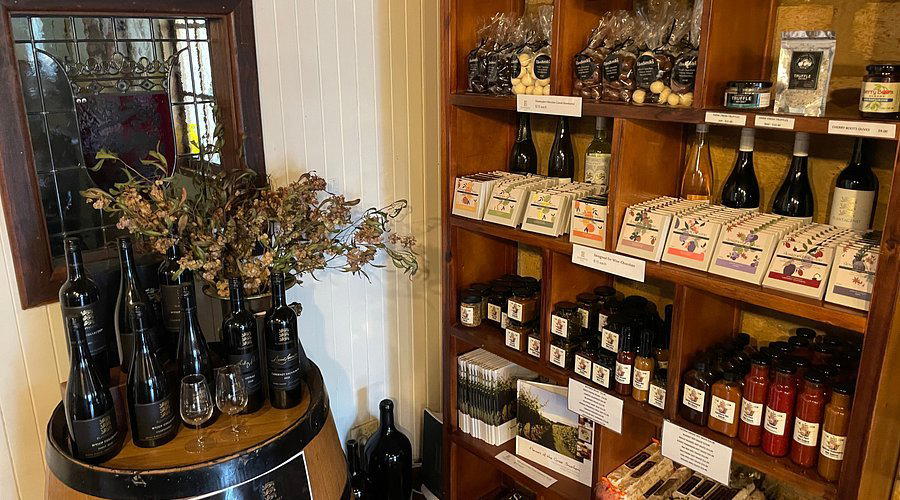
Restaurants in Porongurup
Browse all →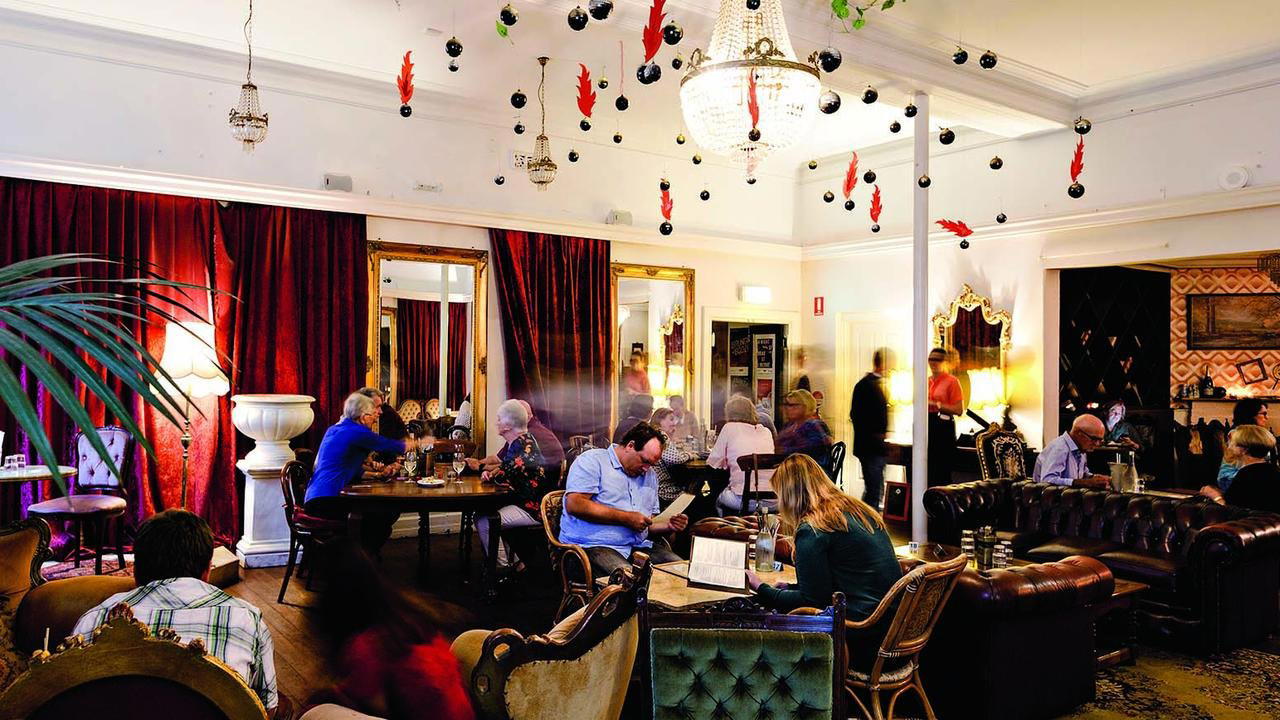
Details
- Scenic
- Intimate
- Elegant
- Rustic
- Romantic Getaway
- Wine Education
- Group Outing
- Vineyard Tour
- Estate Grounds
- Panoramic View
- Terrace
- Picnic Area
- Sustainable
- Vineyard
- Mountain
- Riesling
- Pinot Noir
- Chardonnay
- Cabernet Sauvignon
- Sauvignon Blanc
- Shiraz
- Grüner Veltliner
- Merlot
- Cabernet Franc
- Still White
- Still Red
- Sparkling
- Complimentary Tasting
- Wine Flights
- Vineyard And Winery Tours
- English
Warm, welcoming, and relaxed tasting room perched high on the slopes with natural light showcasing panoramic views; intimate cellar door setting that encourages conversation with winemakers.