
Castello di Gabiano is a historic wine estate in Gabiano, set within Monferrato’s Barbera country and shaped by the Po Valley’s hills, vineyards, parkland, and castle architecture. The draw is not only the cellar tasting format, but the way the estate links medieval landholding, DOC discipline, and contemporary hospitality in one compact Piedmont stop.
Pearl is the En Primeur Club membership app — saves, bookings, and concierge access live there. Same editors, same standards.
- Address
- Gabiano, Alessandria, Italien
- Directions
- Get directions
 Saves & bookings on Pearl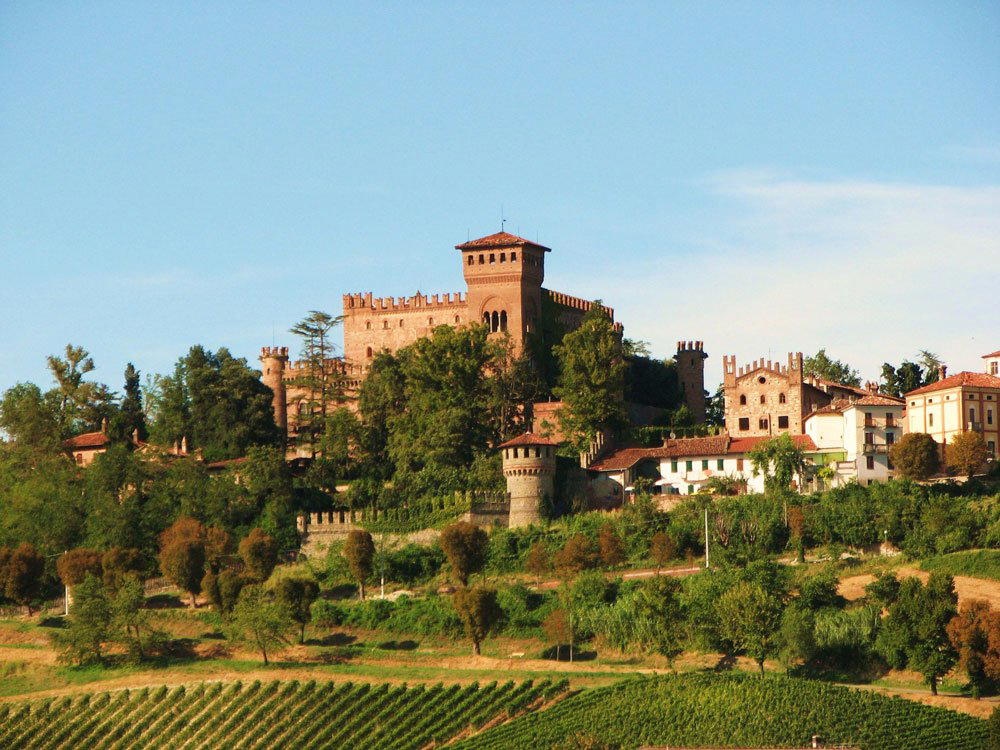
Approaching Castello di Gabiano means entering a Piedmont where wine is inseparable from land ownership, river traffic, defensive architecture, and agricultural continuity. The castle gives the visit drama, but Monferrato is the real reason to pay attention: a hilly wine zone where Barbera carries much of the regional argument, and where the Po Valley, mountain protection, and old estate boundaries still shape the glass.
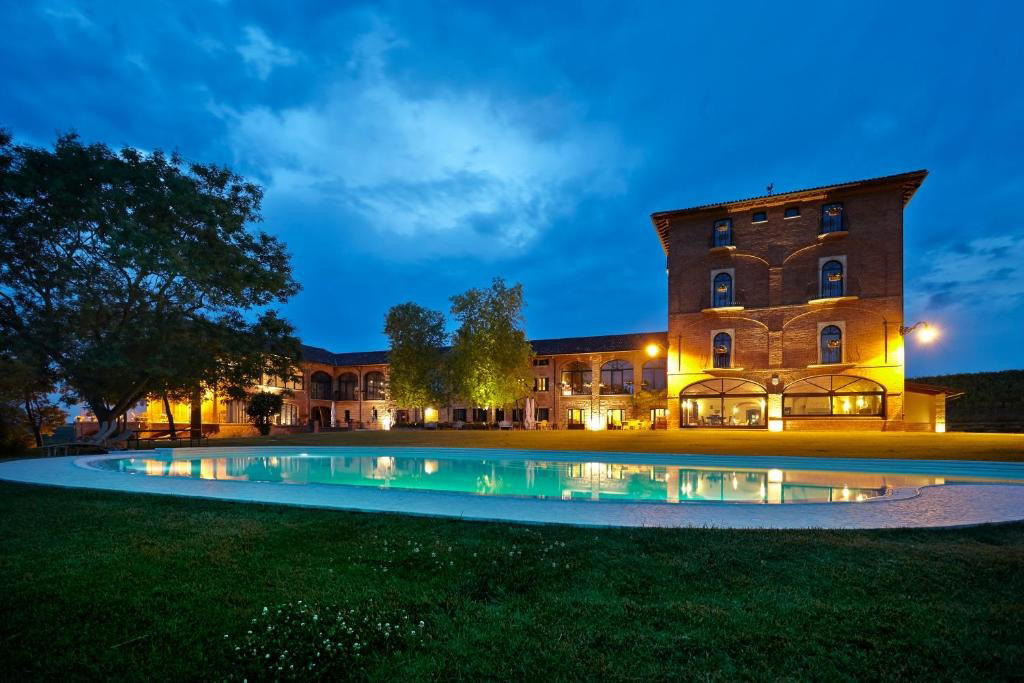
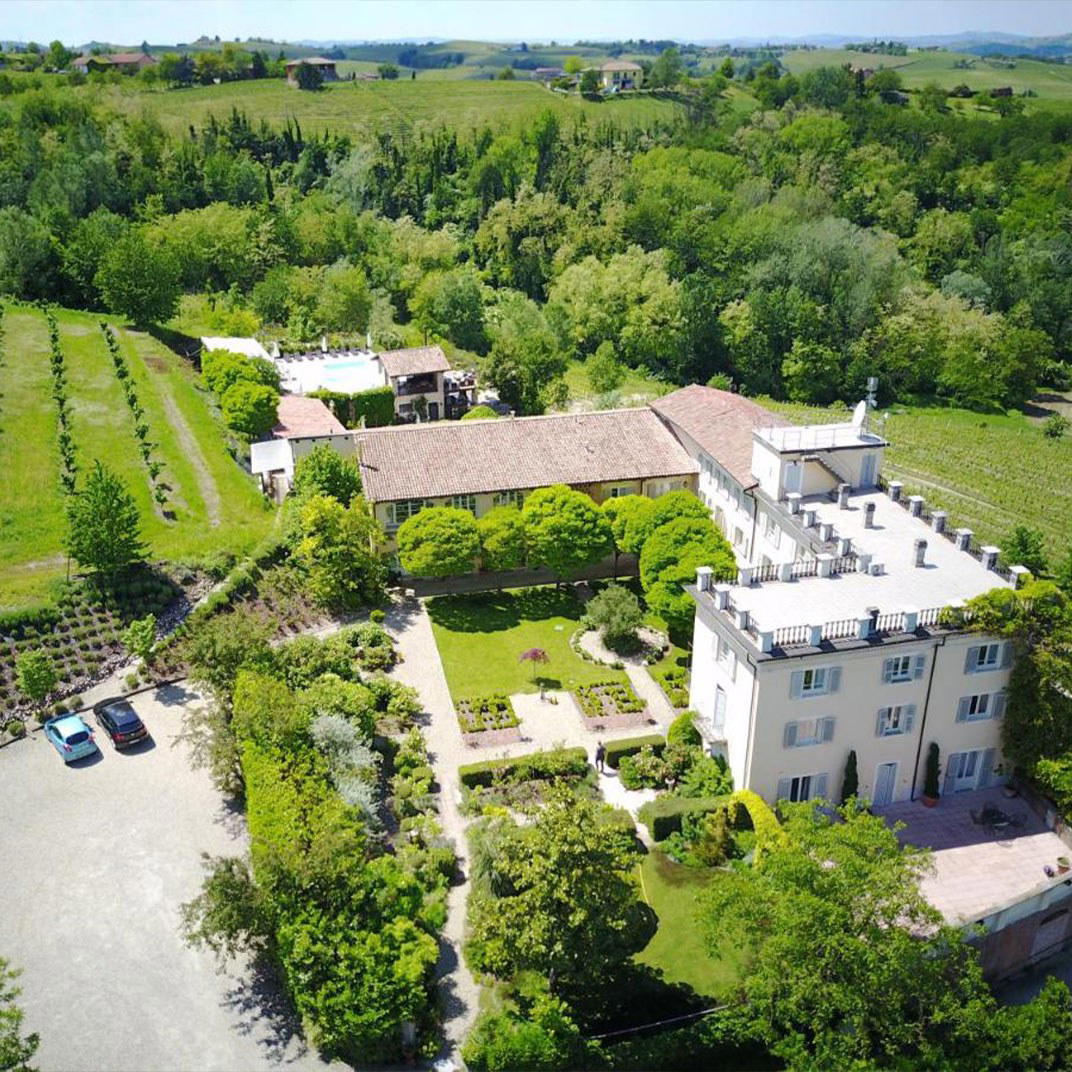
Gabiano is not a broad Piedmont address like Barolo or Barbaresco for first-time visitors. It is quieter and more specific, tied to Monferrato Casalese and to a DOC identity that asks drinkers to consider Barbera beyond freshness or rusticity. Castello di Gabiano sits inside that tradition as a working estate on a 260-hectare property, with vineyards, cellar spaces, parkland, a labyrinth garden, hospitality rooms, and restaurant pairing formats folded into the historic village fabric.
Monferrato Barbera framed by river, hills, and castle walls
The key context is terroir rather than grandeur. The estate’s vineyards belong to Monferrato Casalese, where slopes, clay-limestone-sandy soils, and a temperate position on the 45th parallel create a measured growing environment. The Alps help shield the area from northern and western weather systems, while the Po Valley supplies the broader geographical frame. That combination suits Barbera, a grape that can turn blunt when handled for volume but gains shape when yields, exposure, and aging discipline are treated seriously.
The estate’s focus includes Barbera, Nebbiolo, Grignolino, and Chardonnay, though Barbera and the Gabiano DOC lead the local argument. The DOC framework requires Barbera to dominate the blend, with local red varieties in supporting roles. The wines are not trying to mimic the Langhe prestige hierarchy; they belong to a smaller Monferrato conversation about acidity, structure, and ageability. For travelers comparing Italian wine regions, this usefully corrects the idea that Piedmont begins and ends with Nebbiolo.
Production signals point to quality control rather than spectacle. The estate works at medium scale, with a long-established winery on a large property and a stated sustainable philosophy. Vineyard practice centers on short pruning and grape selection; cellar work includes native yeasts, cement tanks, and oak vats. The result sits in a traditional but not frozen idiom: old Piedmont structure with enough technical control to keep the fruit precise.
The historical record gives the wine program unusual weight. The estate traces its origins to 805, later passed through ruling Monferrato families, and underwent major restoration in the early 20th century. This is not decoration. In parts of Piedmont, estates of this age explain why vineyards, cellars, gardens, and guest rooms share one orbit; wine belonged to a land system before it became a tourism category. Castello di Gabiano is that older model adapted for contemporary visits.
A tasting format built for estate context, not quick pours
The visit suits travelers who want vineyard, cellar, and historic setting to work as one experience. Options include guided estate tastings, vineyard tours with tasting, cellar tastings, private tastings, and restaurant pairing. The format favors context over speed: grounds, old buildings, and garden setting help read the wines, especially for drinkers interested in how a relatively small DOC identity sits inside wider Piedmont.
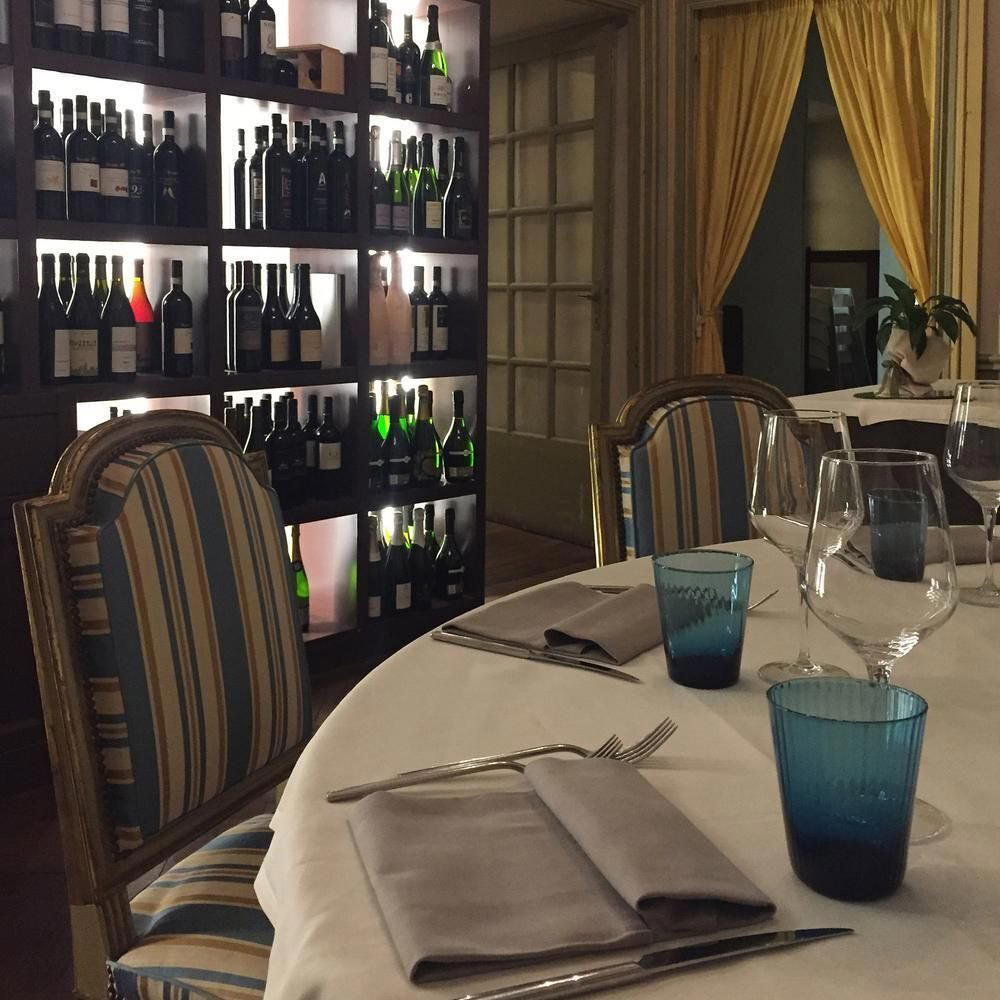
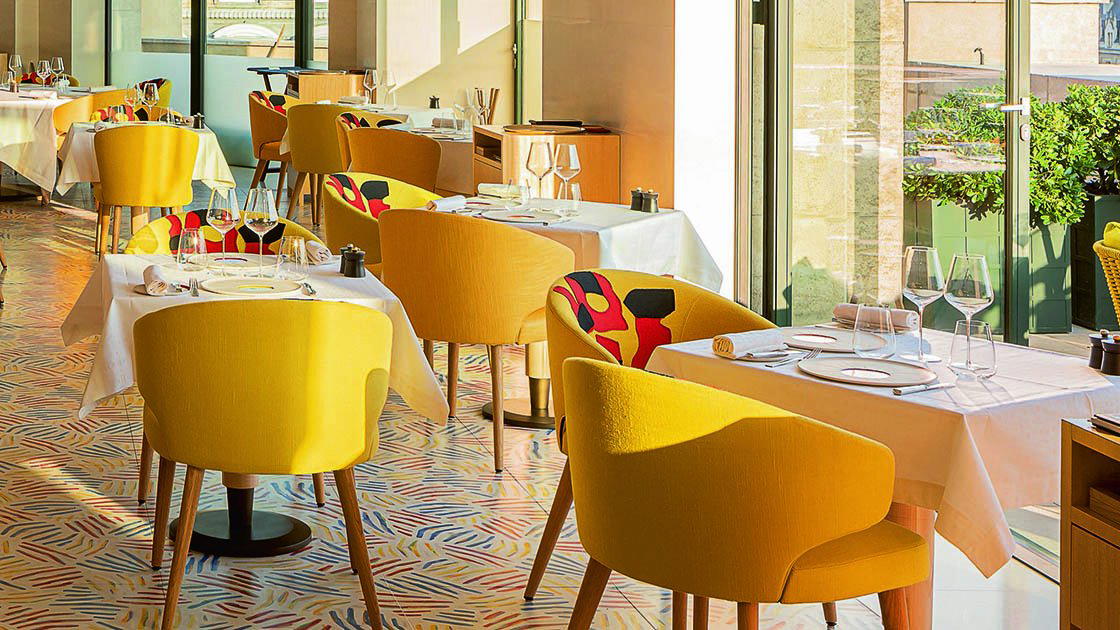
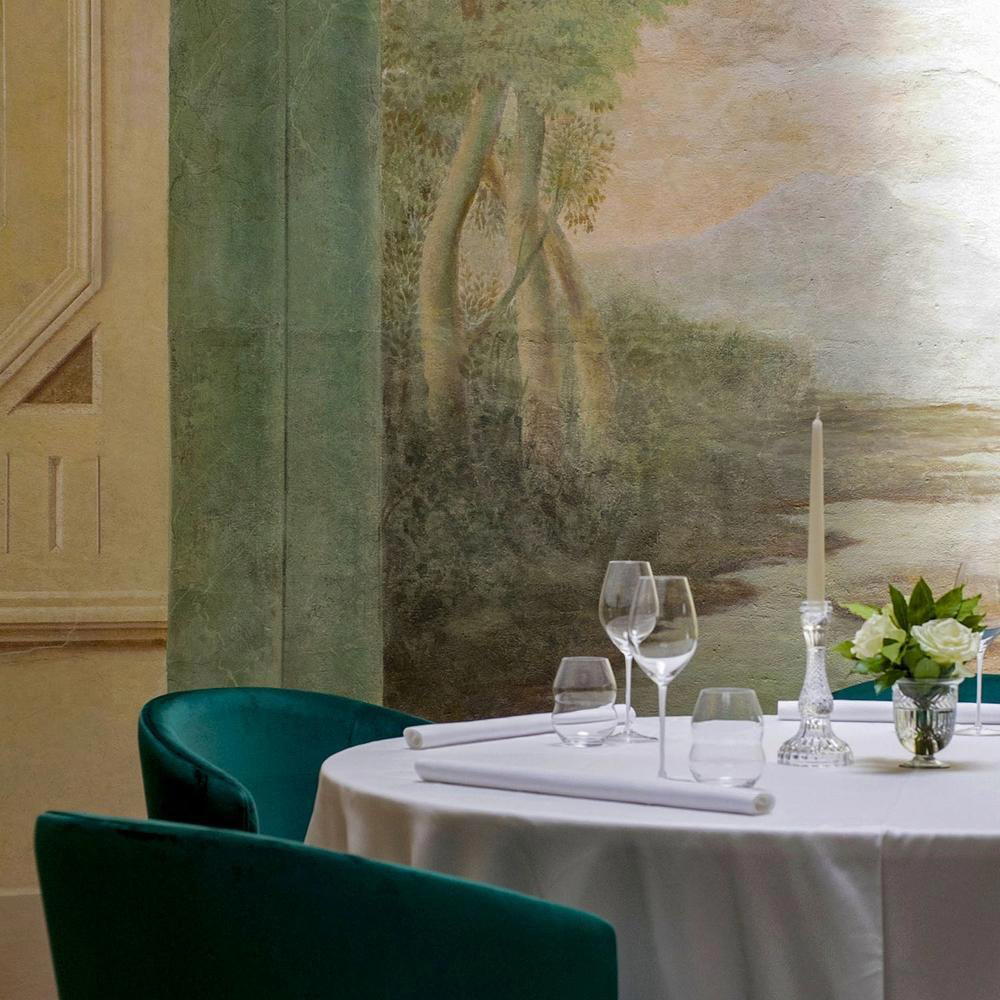
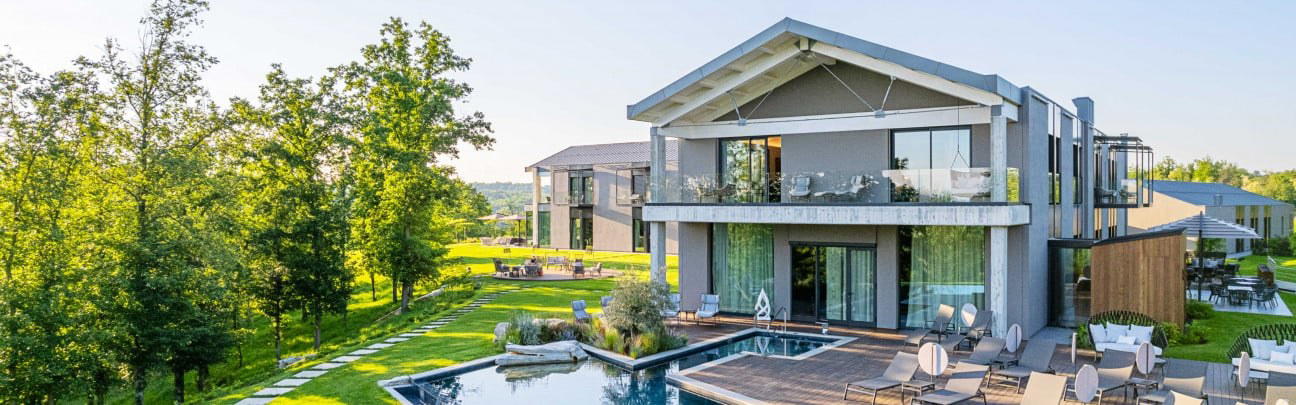
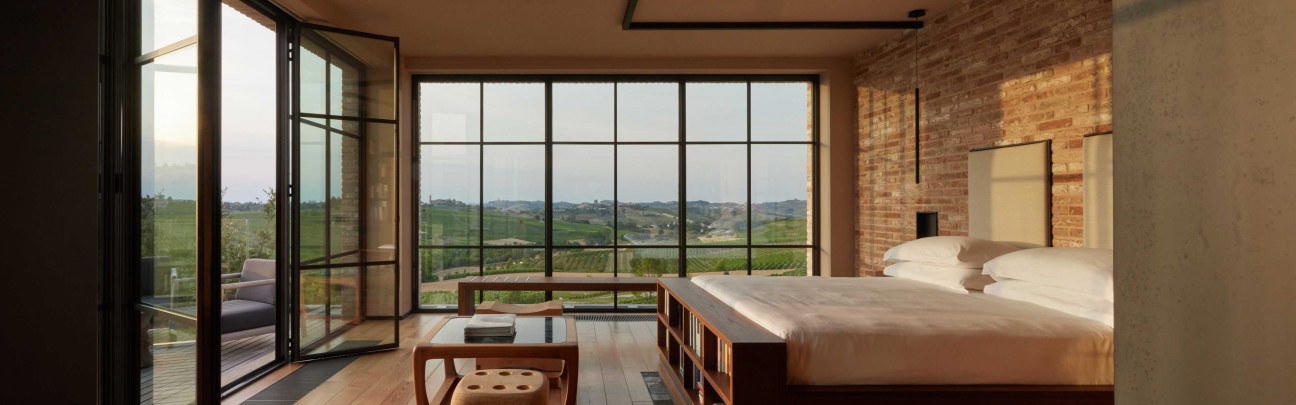
A hospitality layer changes the tone. Elegant suites, a quiet atmosphere, outdoor areas, and restaurant pairing make the estate feel like a slow Monferrato day rather than a tasting-room stop between appointments. Food pairing matters in a region where Barbera’s acidity and red-fruit structure have always made sense at the table. Local cuisine frames the wines more accurately than isolated samples.
The winery is strongest for visitors who value wine education, historic buildings, gardens, and a calm pace. It is less suited to travelers seeking a casual drop-in bar atmosphere or a children-focused estate day. Group visits can work because the property supports group outings and corporate events, but the capacity tier is small, so the experience reads as controlled rather than high-volume.
For broader town planning, EP Club’s city pages separate wine, dining, lodging, and experiences without flattening them into one itinerary. See Our full Gabiano wineries guide, Our full Gabiano restaurants guide, Our full Gabiano hotels guide, Our full Gabiano bars guide, and Our full Gabiano experiences guide for the wider local edit.
Why this estate belongs on a serious Piedmont wine route
The winery does not replace Piedmont’s more famous wine zones. Its value is different: it shows how Monferrato’s castle estates, Barbera-led DOC rules, and agricultural history create a wine experience with its own center of gravity. The vineyard setting clarifies the appellation, while the cellar program connects scenery to grape choice, aging expectations, and regional food.
For travelers building a wider Italian winery map, it also shows how varied the country’s estate formats can be. The contrast is clearer beside other winery references beyond Gabiano, from 3GP SRL in Treviso and 47 Anno Domini in Trebaseleghe to A Mano Wine in Noci, a6mani in Fragagnano, and Abbadia Ardenga in Torrenieri. Southern and central monastic or abbey-linked names such as Abbazia di Crapolla in Neapel, Abbazia Monte Oliveto in Asciano, and Abbazia Santa Anastasia in Castelbuono show another strand of heritage-led wine travel, while »der Steiner« Hans Steiner in Podersdorf am See and & Handwein in Mannheim broaden the comparison beyond Italy.
The editorial recommendation is direct: choose this estate when the priority is terroir with architecture attached, not architecture with wine added as an amenity. The thousand-year chronology, Barbera-led identity, small-capacity visit style, and Monferrato setting give the tasting substance for experienced wine travelers, while the gardens and restaurant pairing make it accessible to companions who care more about place than appellation law.
Recognition history
Dated appearances from independent guides and award organizations, with the underlying list record or original source where available.
Falstaff Winery - Listed
Falstaff
Continue exploring
More in Gabiano
Wineries in Gabiano
Browse all →
Bars in Gabiano
Browse all →
Restaurants in Gabiano
Browse all →
At a Glance
- Romantic
- Classic
- Scenic
- Elegant
- Well Known
- Intimate
- Romantic Getaway
- Special Occasion
- Wine Education
- Group Outing
- Corporate Event
- Estate Grounds
- Vineyard Tour
- Historic Building
- Panoramic View
- Private Tasting
- Garden
- Sustainable
- Vineyard
- Garden
- Waterfront
- Mountain
- Monferrato Casalese
- Barbera
- Nebbiolo
- Grignolino
- Chardonnay
- Still Red
- Still White
- Still Rosé
- Sparkling
- Dessert
- Guided Estate Tasting
- Vineyard Tour With Tasting
- Cellar Tasting
- Private Tasting
- Restaurant Pairing
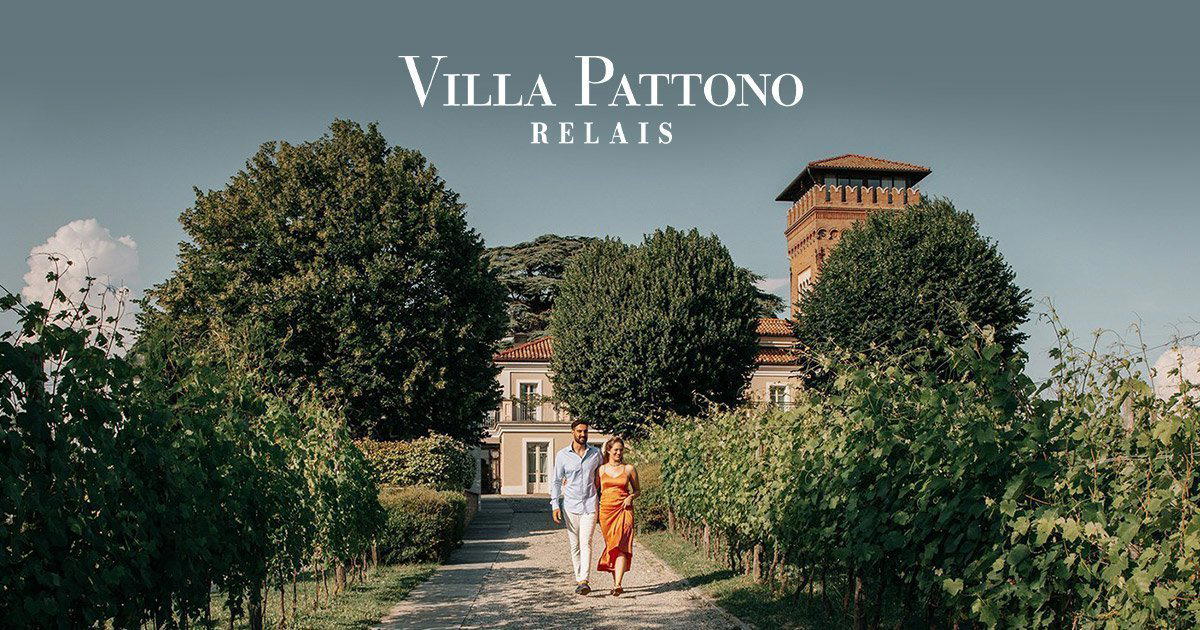
Historic castle estate with elegant suites and a serene, romantic atmosphere, surrounded by amphitheater-like vineyards, the Po River meanders, and a monumental boxwood labyrinth, offering a quiet, contemplative setting for tastings and stays.