
Falstaff Winery - 4 Stars
Ca' Viola brings the Langhe into focus through Dolcetto, Barbera, Nebbiolo, Riesling and Arneis shaped by sustainable farming and low-intervention cellar work. Founded in 1991 by Giuseppe “Beppe” Caviola, the Dogliani estate belongs to the rural Piedmont model where vineyard parcels, cellar discipline and small-scale hospitality matter more than spectacle.

Pearl is the En Primeur Club membership app — saves, bookings, and concierge access live there. Same editors, same standards.
- Address
- Borgata S. Luigi, 11, 12063 Dogliani CN, Italy
- Website
- caviola.com
- Directions
- Get directions
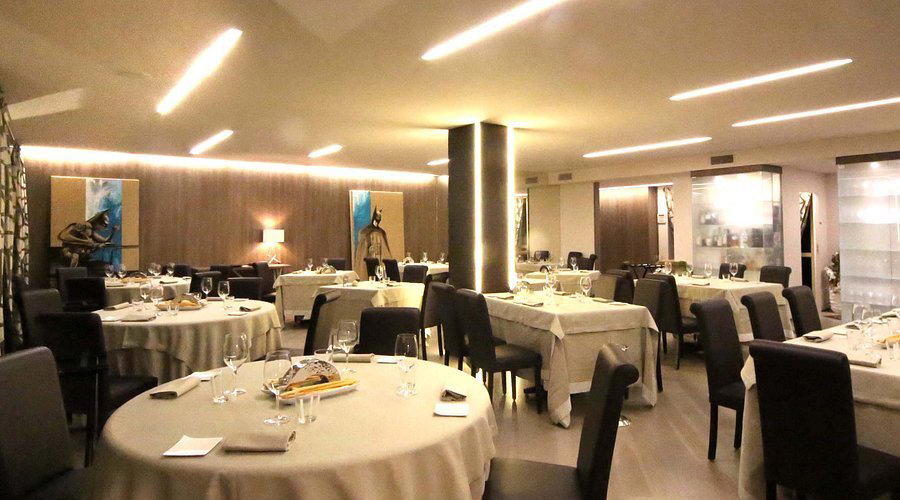
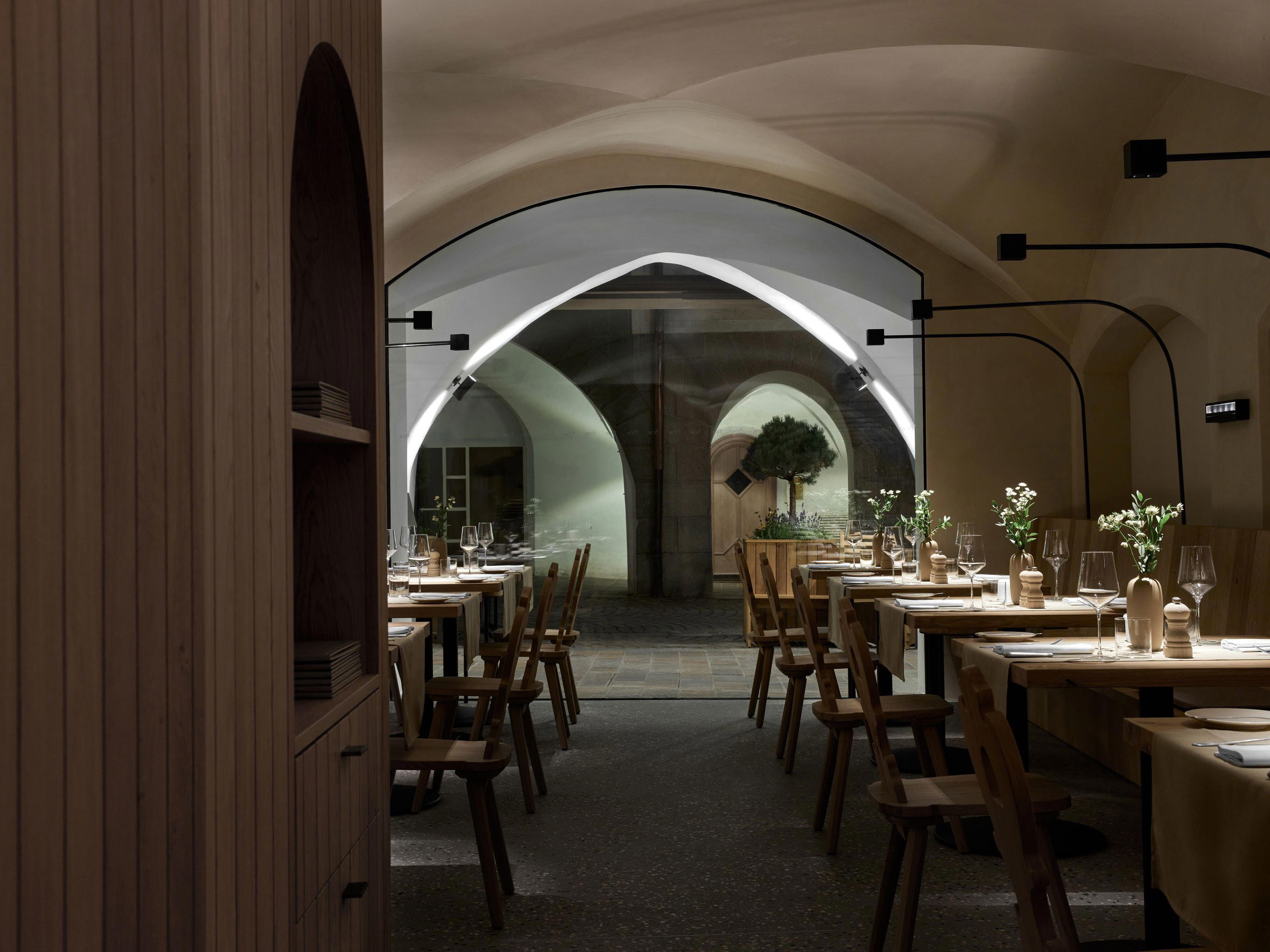
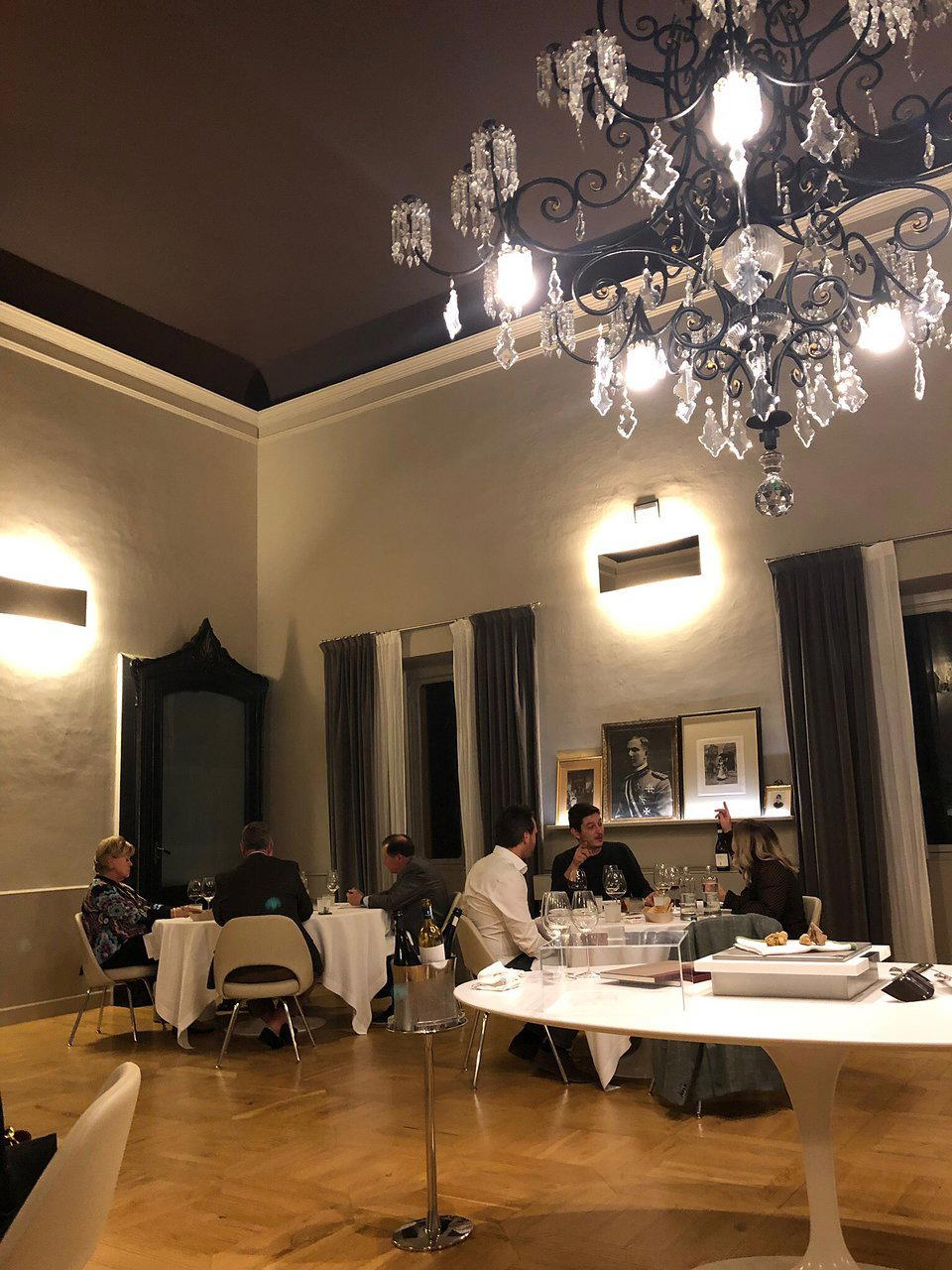
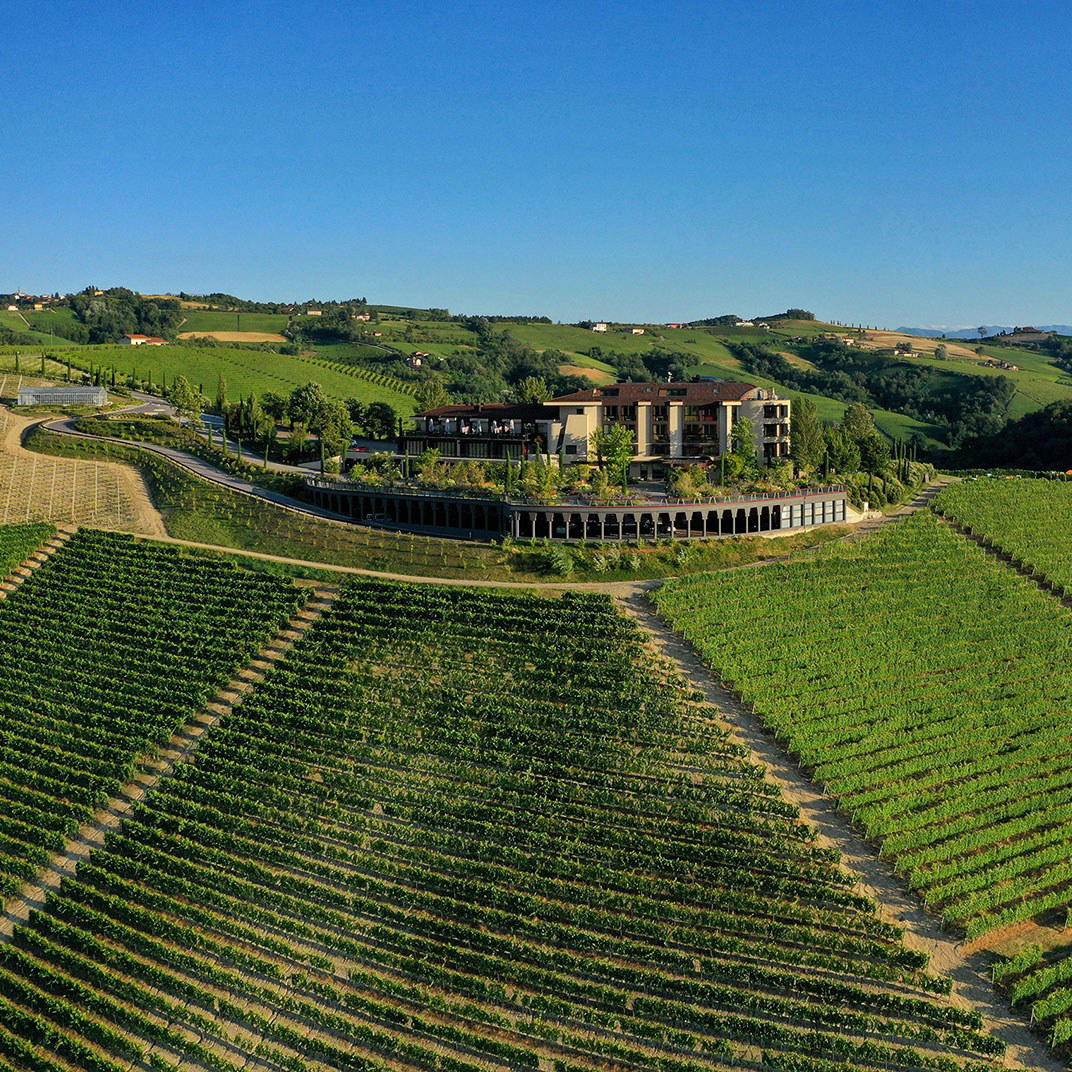
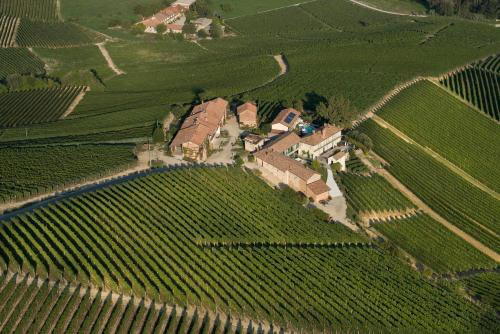
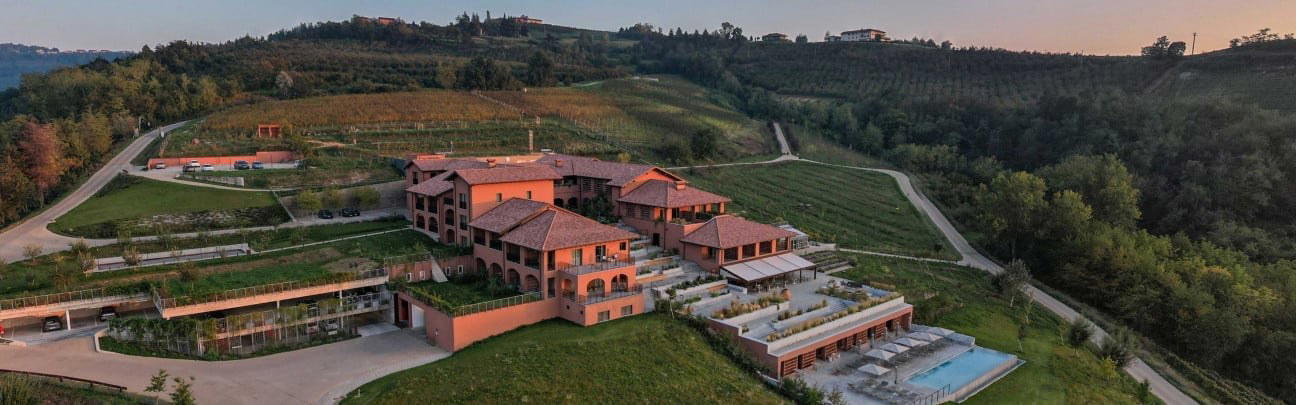
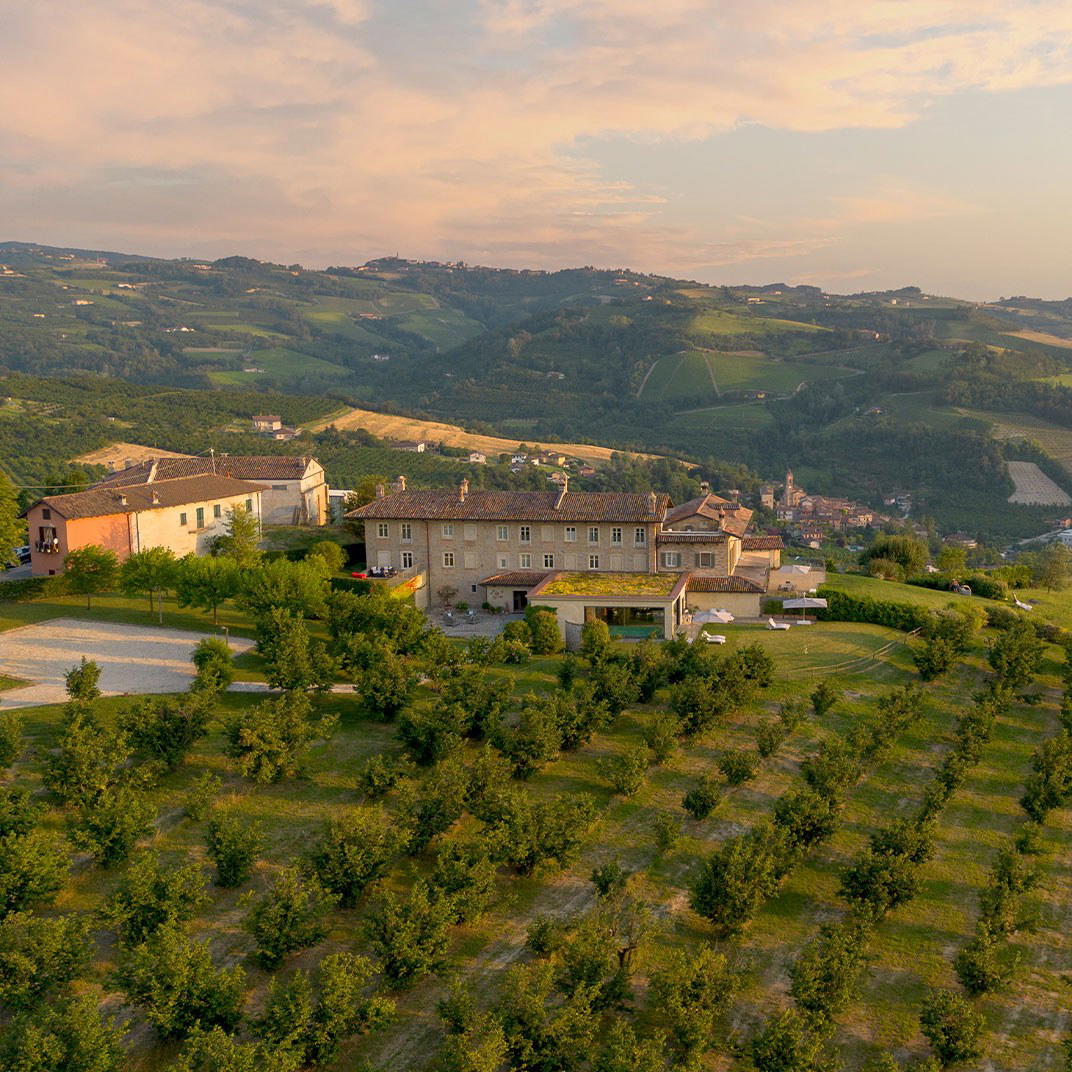
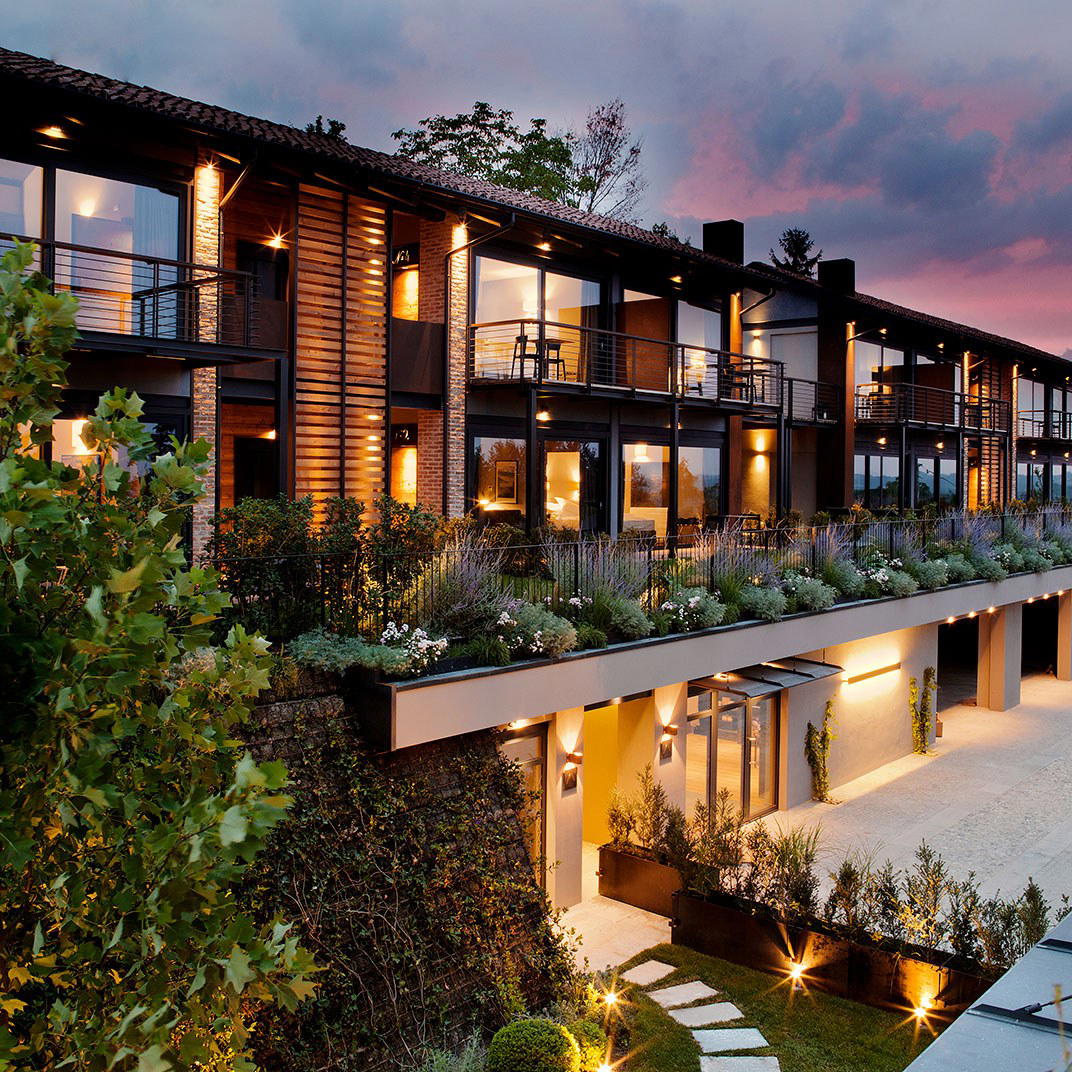
Ca' Viola in Dogliani is best understood as a family-run Langhe winery rather than as a conventional restaurant or bar listing. That distinction matters, because the character of the place is not built around a menu, a cocktail programme or a dining-room concept, but around wine, landscape and cellar work. The picture is deliberately simple: a working cellar, consulting activities and small-scale tourist accommodation brought together in a rural Piedmont setting. In that sense, Ca' Viola reads as an address where the experience is led by production and place before hospitality, even when hospitality is part of the wider picture. Its appeal rests on an atmosphere centered on terroir-driven wines, simplicity and excellence, with the emphasis falling on a grounded Langhe identity rather than on unnecessary embellishment.
Dogliani terroir and a rural Langhe setting
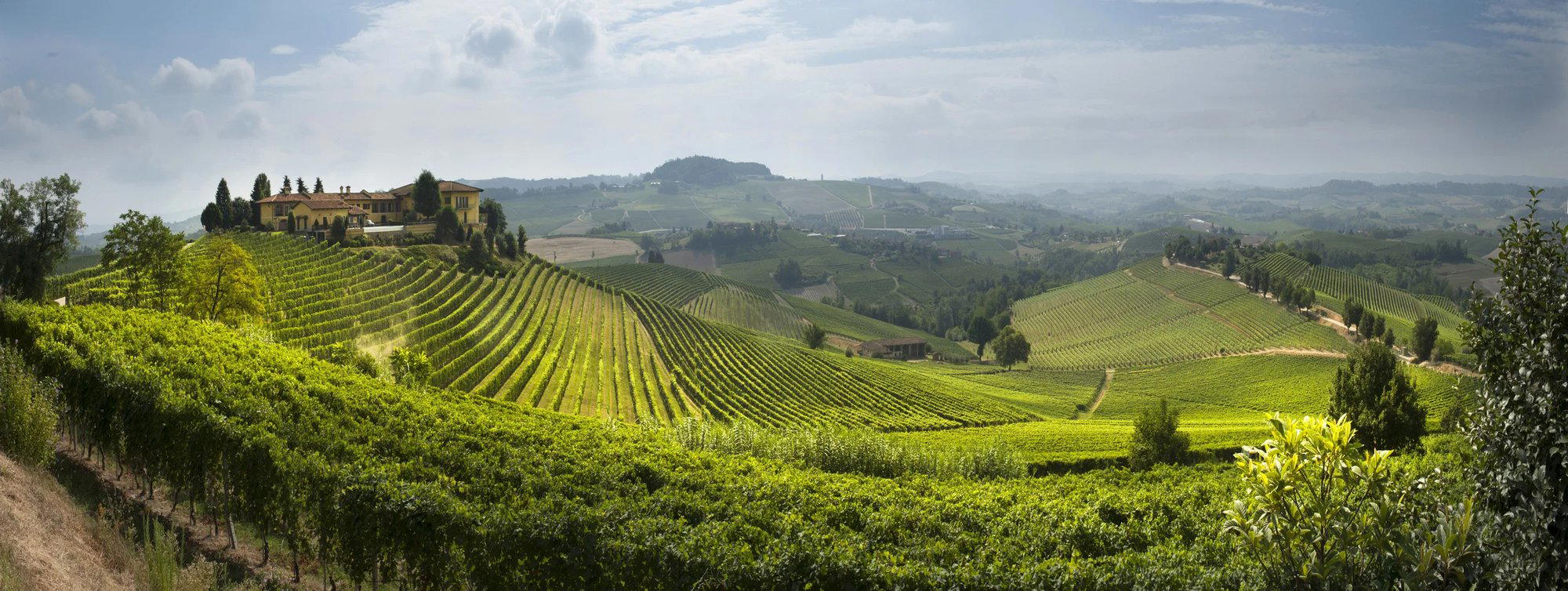
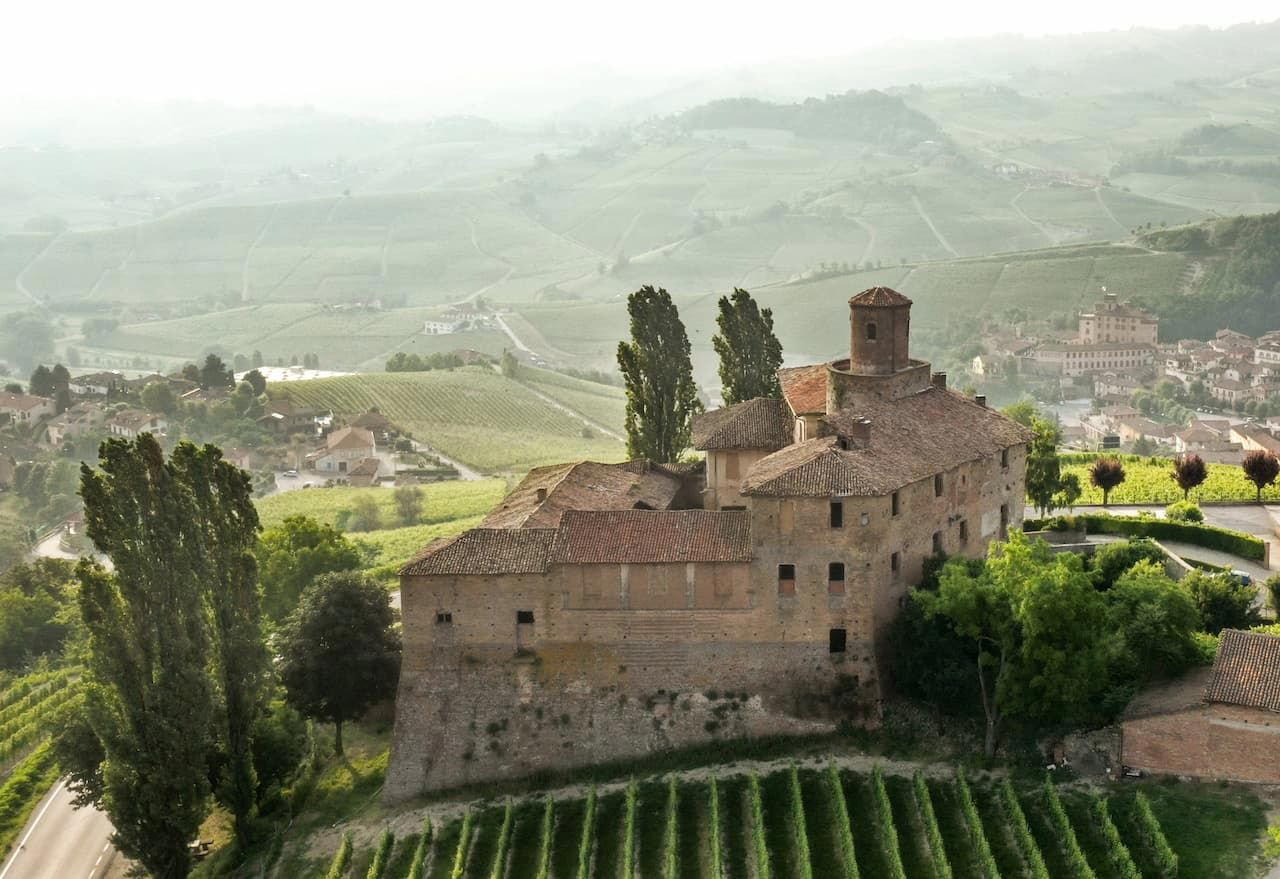
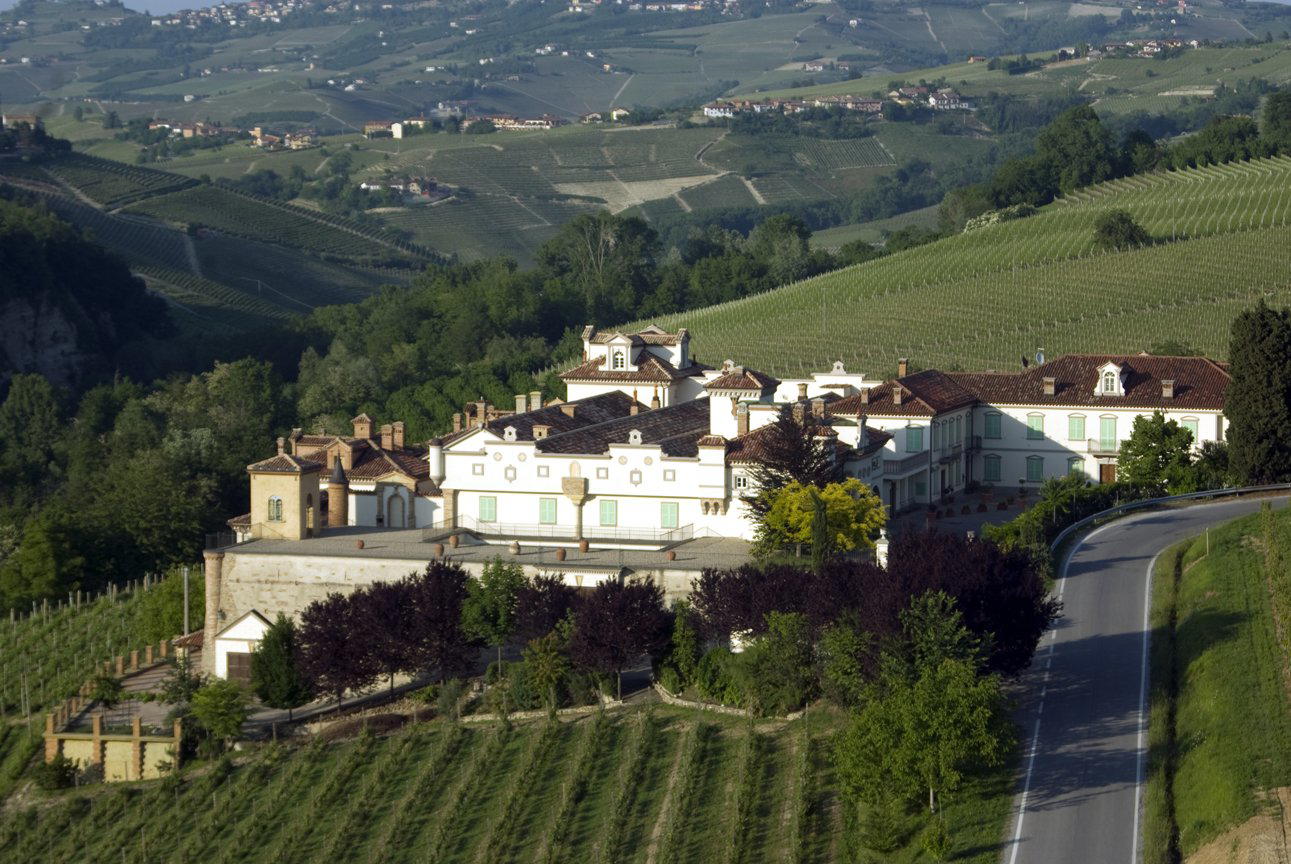
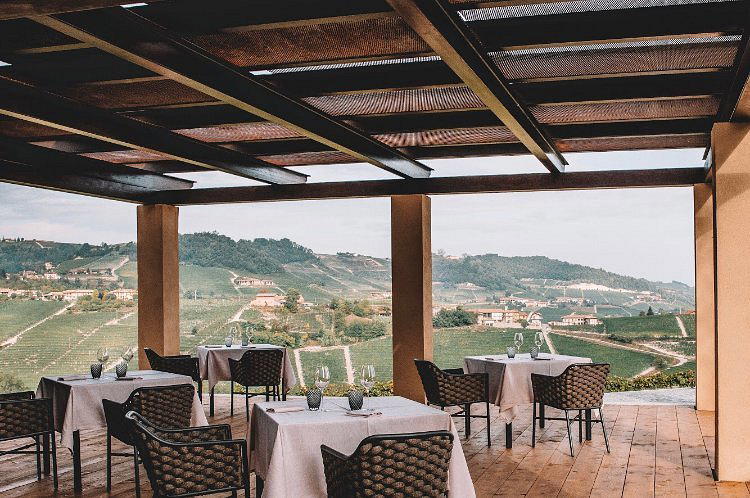
The reliable editorial hook for Ca' Viola is its connection to Dogliani and the wider Langhe. Rather than attaching the venue to grape lists, parcel names, production figures or cellar techniques, the safer reading is broader: this is a winery where the identity of the place and its wines is the focus. Dogliani gives the listing its geographical and cultural frame, while the Langhe context supplies the wider sense of Piedmont wine country. The setting is rural, practical and rooted in Piedmont wine culture, so the appeal is not about urban polish or a heavily staged visitor experience. It is about being close to the source of the wine and to the kind of landscape that gives a working winery its meaning.
For visitors comparing options in Dogliani, Ca' Viola stands out as a winery-centered address with a working-cellar character. That makes it especially relevant for those who are trying to understand the area through wine rather than treating wine as an incidental addition to a meal or overnight stop. The available description supports a calm, place-led reading: a rural setting, a family-run structure and an atmosphere that values clarity over display. Travellers should therefore approach it as part of a Langhe wine itinerary, not as a guaranteed substitute for a restaurant, wine bar or full-service hospitality venue unless those practical details have been checked directly.
A Piedmont cellar with consulting activity
Ca' Viola combines its own winery identity with consulting activities, which gives the venue a professional cellar-led profile. The important point is not an biography or award history, but the way the estate is presented: family-run, focused, and shaped around a direct relationship with terroir-driven wines. Consulting activity adds to the sense that this is not merely a picturesque rural address, but a place connected to the technical and practical side of wine. At the same time, the editorial emphasis should remain restrained: the listing does not need to be inflated with claims about specific methods, labels or achievements in order to communicate its character.
The atmosphere is described through simplicity and excellence rather than spectacle. That makes Ca' Viola a fit for travellers who want a grounded Langhe winery experience in Dogliani and who are comfortable checking practical visit details in advance. Simplicity here should not be read as lack of seriousness; it is part of the identity. The venue’s appeal lies in a quiet confidence, in the sense of a cellar and family-run operation that does not require a restaurant-style narrative to feel complete. Excellence, in this context, is best understood as the standard implied by the winery’s focus and presentation, not as a prompt to add unsupported accolades or rankings.
What the visit is for
Use Ca' Viola as a Dogliani wine stop for a rural Piedmont atmosphere, a working cellar context and a sense of family-run Langhe production. The visit is best framed around the place itself: the connection to Dogliani, the cellar-led identity and the broader mood of the Langhe. information also notes small-scale tourist accommodation, so it may be relevant for travellers looking to stay close to the winery setting. That accommodation detail should be treated as part of the overall rural winery picture rather than as a promise of any particular style of stay, service level or package.
For broader planning, consider Ca' Viola alongside other unnamed dining, wine and stay options in Dogliani. It can sit naturally within an itinerary that gives priority to wineries, countryside and the slower rhythm of Piedmont wine travel. That caution is part of the usefulness of the listing: Ca' Viola is clearly positioned as a family-run Langhe winery with a rural setting, consulting activity and small-scale accommodation, but the finer practical details should come from the source before any visit is planned around them.
Recognition history
Dated appearances from independent guides and award organizations, with the underlying list record or original source where available.
Falstaff Winery - 4 Stars
Falstaff
Continue exploring
More in Dogliani
Wineries in Dogliani
Browse all →
Bars in Dogliani
Browse all →
Restaurants in Dogliani
Browse all →
Details
- Rustic
- Scenic
- Classic
- Cozy
- Romantic
- Romantic Getaway
- Group Outing
- Wine Education
- Special Occasion
- Solo Exploration
- Estate Grounds
- Vineyard Tour
- Private Tasting
- Panoramic View
- Sustainable
- Organic
- Vineyard
- Mountain
- Dolcetto
- Barbera
- Nebbiolo
- Riesling
- Arneis
- Still Red
- Still White
- Guided Tasting
- Tasting With Food Pairing
- Cellar Tour
- Vineyard Walk
- Italian
- English
Family-run Langhe winery with a focus on simplicity and excellence, combining a working cellar, consulting activities, and small-scale tourist accommodation to create an authentic rural Piedmont atmosphere centered on terroir-driven wines.