Drinking at the Edge of the Piazza There are few settings in Europe where the act of ordering a drink carries as much ambient weight as the immediate surroundings of Piazza San Marco. The square itself is a stage set that has barely changed in centuries, and the bars positioned within or directly adjacent to it exist in a peculiar tension between tourist spectacle and genuine hospitality. B Bar, situated inside the lobby at Piazza San Marco 1459, sits closer to the latter category. Its address places it among Venice's most recognisable bar destinations by geography alone, but what keeps a particular kind of drinker returning is the depth of what sits behind the counter rather than the view beyond the windows. Venice's bar scene has historically been defined by the bacaro tradition: small, standing-room cicheti spots where an ombra of house wine or a Spritz is consumed quickly before the next stop. That culture remains alive in districts like Cannaregio and around the Rialto, where spots such as Al Mercà operate on volume and informality. What has changed over the past decade is the emergence of a parallel tier: bars that invest in spirits curation, technique, and the kind of back-bar architecture that signals a different set of priorities. B Bar belongs to that tier. The Back Bar as the Main Event In serious cocktail programs, the back bar functions as both inventory and argument. The bottles on display communicate a point of view about what matters: which producers are worth allocating shelf space to, how broad the spirits geography should be, whether rare and aged expressions earn their premium placement. At B Bar, the selection reflects a curation philosophy oriented toward depth over novelty. Guests who arrive knowing what they're looking for, whether that is aged Italian amari, uncommon whisky expressions, or specific rum provenance, will find more to work with here than at the average hotel lobby bar. This positions B Bar in a small but coherent peer group within Venice. The city does not have a large number of bars where spirits literacy is a primary value. Alchemia Bar and Al Covino occupy adjacent positions in that specialist tier, each with distinct orientations toward their respective programs. Al Covo extends the conversation into wine-forward territory. B Bar's lobby setting gives it a different kind of accessibility: the threshold for entry is lower, the hours of operation are calibrated to hotel rhythms, and the mix of guests tends to be more international. What it shares with those addresses is a seriousness about what goes into the glass. Cocktails in Context Italian cocktail culture occupies a specific position in the global conversation. It has never been defined by the maximalist, technique-heavy approach that characterises parts of the London or New York scene. The Italian tradition runs instead through aperitivo discipline, through the layered bitterness of the amaro canon, and through a preference for balance over spectacle. That orientation shapes what a well-run Italian bar program tends to express, even when the setting is international in character. At B Bar, cocktails draw on that lineage while incorporating the broader international vocabulary that a lobby bar in a hotel at this address naturally requires. The Negroni remains one of Italy's most globally translated drinks, and any bar operating at this level in Venice will be judged against how clearly it understands that template. Beyond the classics, the depth of the spirits selection gives bartenders the raw material to work with guests who want something more specific or less charted. That combination, classical Italian fluency plus back-bar depth, is what separates the better lobby bars from those that coast on their address. Comparable programs in other Italian cities give useful reference points. Moebius Milano in Milan operates within a more contemporary cocktail framework, while L'Antiquario in Naples has built its reputation specifically around rare spirits and a collector's sensibility. Salotto 42 in Rome takes a more social, aperitivo-anchored approach. B Bar in Venice shares certain qualities with each, but the Piazza San Marco address gives it a physical and symbolic context that none of those bars can replicate. The Setting, Honestly Considered Lobby bars carry a stigma in serious drinking circles that is not always deserved. The assumption, often correct, is that hotel lobby programs are designed for broad appeal at the expense of depth, and that pricing reflects captive audience dynamics rather than genuine value. B Bar operates in that same scrutiny zone. The Piazza San Marco address is one of the most premium in Italy for any hospitality business, and pricing will reflect that positioning. Guests who arrive expecting bacaro economics will be disappointed; those who treat it as they would any serious hotel bar in a comparable European capital will find the value proposition more coherent. The physical environment is part of what is on offer. Drinking in the lobby of a building at this location, with the square's particular quality of light and the specific acoustic character of Venetian stone, is an experience that has no direct equivalent elsewhere in Europe. Bars at comparably storied addresses, such as Gucci Giardino in Florence, operate within similarly layered settings where the surroundings are inseparable from the program itself. The same logic applies here: the spirits are the substance, but the room is never incidental. Planning a Visit B Bar sits within the lobby at Piazza San Marco 1459, which places it in the Sestiere San Marco district, reachable on foot from the main vaporetto stops at San Marco Vallaresso or San Zaccaria. No booking is required for a seat at the bar, though during peak Venetian tourist periods, specifically Carnival in February and the summer months of July and August, the lobby can run at capacity during early evening aperitivo hours. Arriving before 18:00 or after 21:00 during those periods tends to produce a more considered experience. Hotel guests have natural priority access, but the bar is not restricted to residents. Attire tends to skew toward smart-casual given the address, though no formal dress code has been published. For broader context on drinking and eating across the city, the EP Club Venice guide covers the full range of neighbourhoods and categories. Those who want to extend the evening into the bacaro tradition after a serious drink here can walk north toward Rialto within twenty minutes, where the standing-bar culture that defines Venetian drinking at its most local remains fully intact. The two registers of Venetian bar life, the grand lobby and the narrow calle cicheti stop, are not in competition. They address different hours, different moods, and different relationships with the city. B Bar is where you start when you want the spirits to be the conversation; the bacaro is where you finish when you want Venice to be. For further reference across the Mediterranean bar category, Lost & Found in Nicosia and Café La Trova in Miami represent different regional expressions of the serious spirits-led bar. Closer to home in terms of category, Cugini di Torino in Nizza Monferrato offers an instructive comparison in how northern Italian bar culture handles depth and curation at a different scale. Frequently Asked Questions What cocktail do people recommend at B Bar?The Negroni is the most commonly cited reference point at any serious Italian bar operating at this level, and B Bar's spirits depth gives the variation of that template more range than most. Guests with specific preferences for aged spirits or uncommon amaro expressions are better served here than at the average Venetian bar, as the back bar selection supports more precise requests.What's the main draw of B Bar?The combination of address and spirits curation is what brings people specifically to B Bar rather than other Venetian options. Piazza San Marco 1459 is one of the most recognisable locations in Italy, and the back bar depth places it in a different category from the neighbourhood's purely tourist-facing options. It occupies a position in Venice's bar scene where the setting and the program reinforce each other rather than working against each other.What's the ideal way to book B Bar?Walk-ins are standard practice for the bar itself, and no reservation system has been publicised for non-residents. Hotel guests at the property will have the most direct access route. During Carnival and peak summer, arriving outside the 18:00 to 21:00 aperitivo window reduces the likelihood of capacity issues at the bar counter.How does B Bar compare to Venice's bacaro tradition?B Bar operates in a different register from the city's cicheti and ombra culture. Where the traditional bacaro emphasises standing-room informality, house wine, and low price points, B Bar is structured around a serious spirits back bar in a grand lobby setting. The two formats serve different purposes within a Venetian evening and are more complementary than competitive for a visitor who wants to experience both sides of the city's drinking culture.
- Address
- P.za San Marco, 1459, 30124 Venezia VE (lobby)
- Directions
- Get directions
Drinking at the Edge of the Piazza
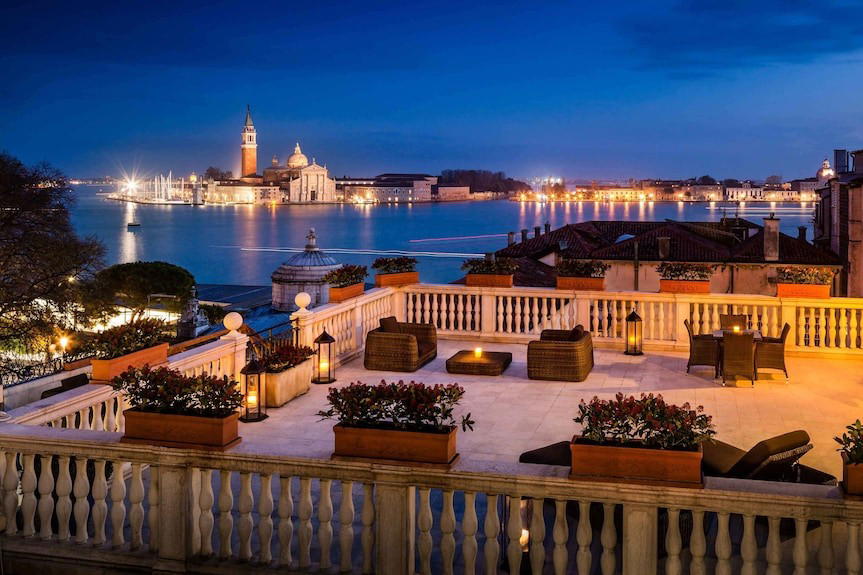
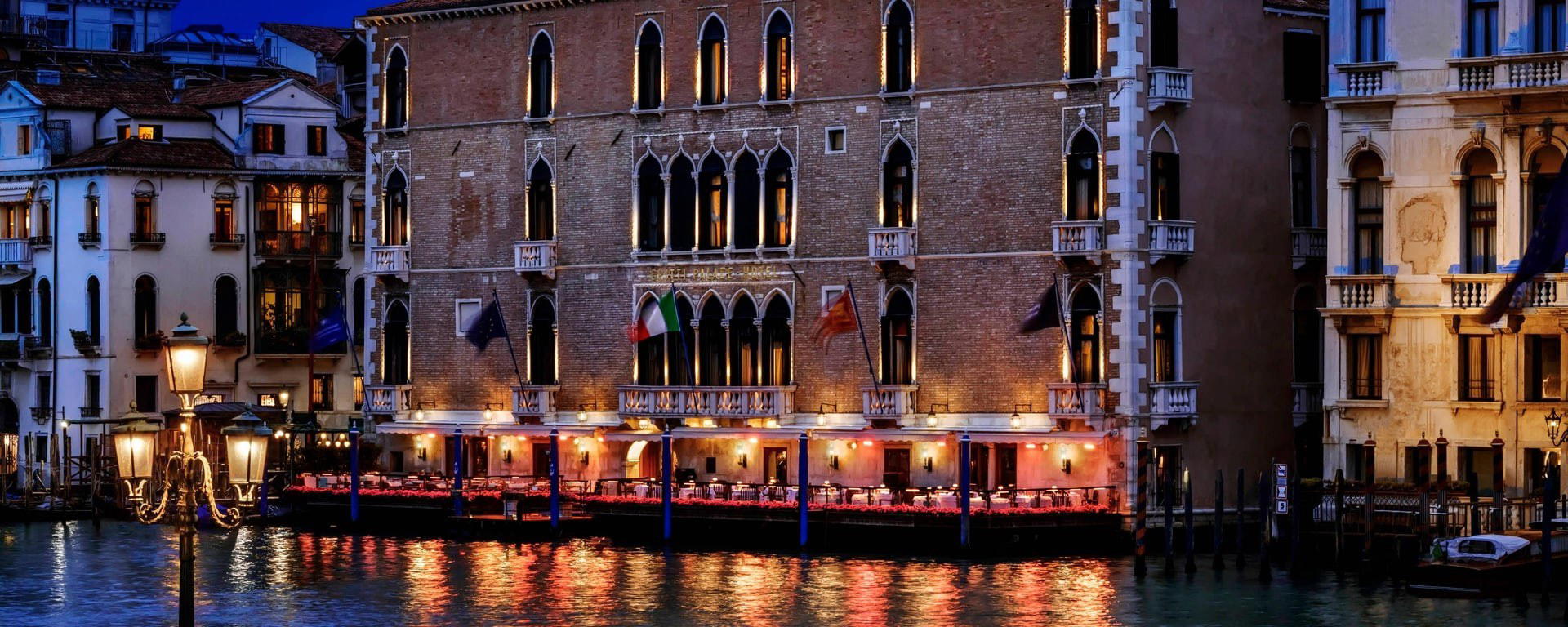
There are few settings in Europe where the act of ordering a drink carries as much ambient weight as the immediate surroundings of Piazza San Marco. The square itself is a stage set that has barely changed in centuries, and the bars positioned within or directly adjacent to it exist in a peculiar tension between tourist spectacle and genuine hospitality. B Bar, situated inside the lobby at Piazza San Marco 1459, sits closer to the latter category. Its address places it among Venice's most recognisable bar destinations by geography alone, but what keeps a particular kind of drinker returning is the depth of what sits behind the counter rather than the view beyond the windows.
Venice's bar scene has historically been defined by the bacaro tradition: small, standing-room cicheti spots where an ombra of house wine or a Spritz is consumed quickly before the next stop. That culture remains alive in districts like Cannaregio and around the Rialto, where spots such as Al Mercà operate on volume and informality. What has changed over the past decade is the emergence of a parallel tier: bars that invest in spirits curation, technique, and the kind of back-bar architecture that signals a different set of priorities. B Bar belongs to that tier.
The Back Bar as the Main Event
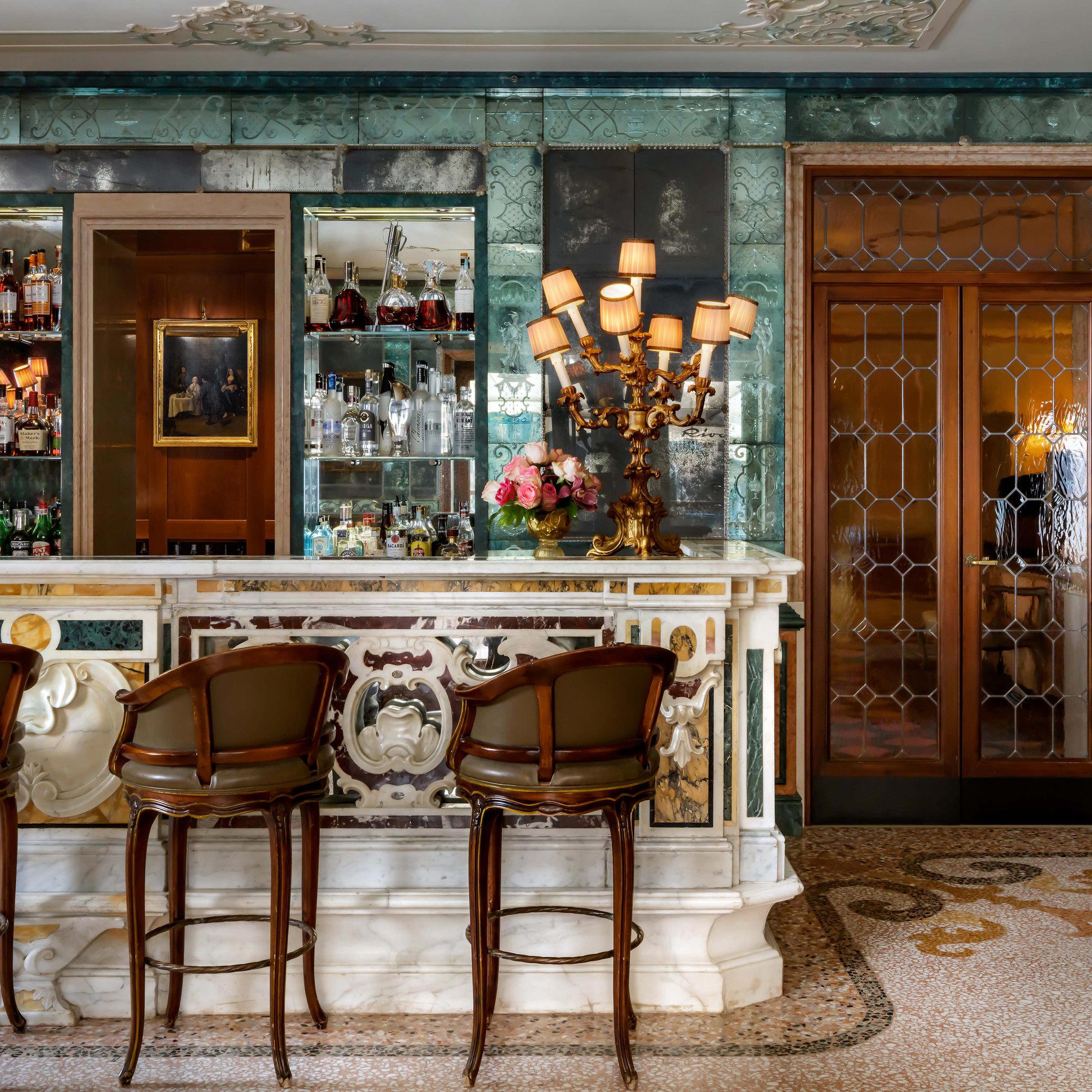
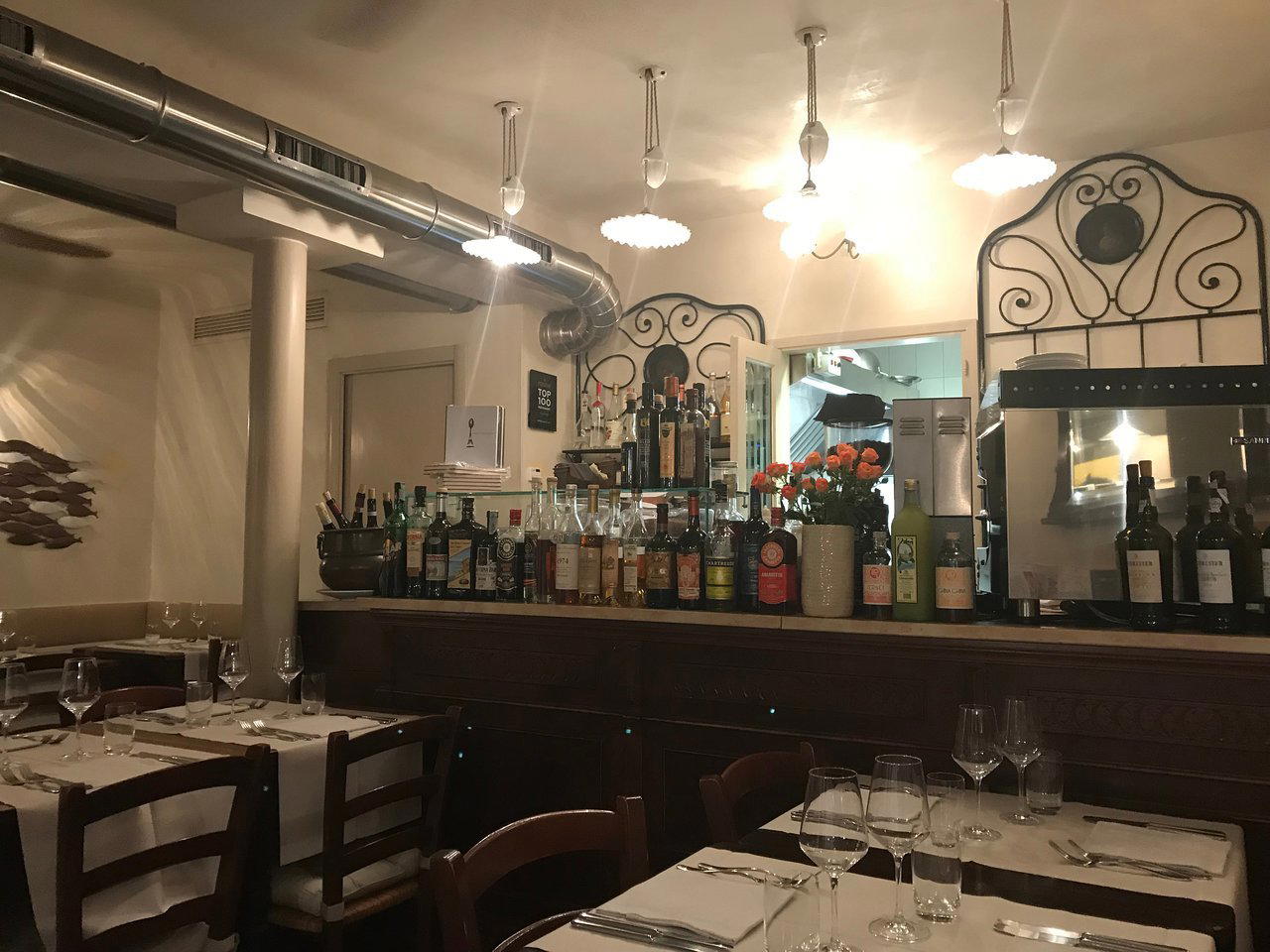
In serious cocktail programs, the back bar functions as both inventory and argument. The bottles on display communicate a point of view about what matters: which producers are worth allocating shelf space to, how broad the spirits geography should be, whether rare and aged expressions earn their premium placement. At B Bar, the selection reflects a curation philosophy oriented toward depth over novelty. Guests who arrive knowing what they're looking for, whether that is aged Italian amari, uncommon whisky expressions, or specific rum provenance, will find more to work with here than at the average hotel lobby bar.
This positions B Bar in a small but coherent peer group within Venice. The city does not have a large number of bars where spirits literacy is a primary value. Alchemia Bar and Al Covino occupy adjacent positions in that specialist tier, each with distinct orientations toward their respective programs. Al Covo extends the conversation into wine-forward territory. B Bar's lobby setting gives it a different kind of accessibility: the threshold for entry is lower, the hours of operation are calibrated to hotel rhythms, and the mix of guests tends to be more international. What it shares with those addresses is a seriousness about what goes into the glass.
Cocktails in Context
Italian cocktail culture occupies a specific position in the global conversation. It has never been defined by the maximalist, technique-heavy approach that characterises parts of the London or New York scene. The Italian tradition runs instead through aperitivo discipline, through the layered bitterness of the amaro canon, and through a preference for balance over spectacle. That orientation shapes what a well-run Italian bar program tends to express, even when the setting is international in character.
At B Bar, cocktails draw on that lineage while incorporating the broader international vocabulary that a lobby bar in a hotel at this address naturally requires. The Negroni remains one of Italy's most globally translated drinks, and any bar operating at this level in Venice will be judged against how clearly it understands that template. Beyond the classics, the depth of the spirits selection gives bartenders the raw material to work with guests who want something more specific or less charted. That combination, classical Italian fluency plus back-bar depth, is what separates the better lobby bars from those that coast on their address.
Comparable programs in other Italian cities give useful reference points. Moebius Milano in Milan operates within a more contemporary cocktail framework, while L'Antiquario in Naples has built its reputation specifically around rare spirits and a collector's sensibility. Salotto 42 in Rome takes a more social, aperitivo-anchored approach. B Bar in Venice shares certain qualities with each, but the Piazza San Marco address gives it a physical and symbolic context that none of those bars can replicate.
The Setting, Honestly Considered
Lobby bars carry a stigma in serious drinking circles that is not always deserved. The assumption, often correct, is that hotel lobby programs are designed for broad appeal at the expense of depth, and that pricing reflects captive audience dynamics rather than genuine value. B Bar operates in that same scrutiny zone. The Piazza San Marco address is one of the most premium in Italy for any hospitality business, and pricing will reflect that positioning. Guests who arrive expecting bacaro economics will be disappointed; those who treat it as they would any serious hotel bar in a comparable European capital will find the value proposition more coherent.
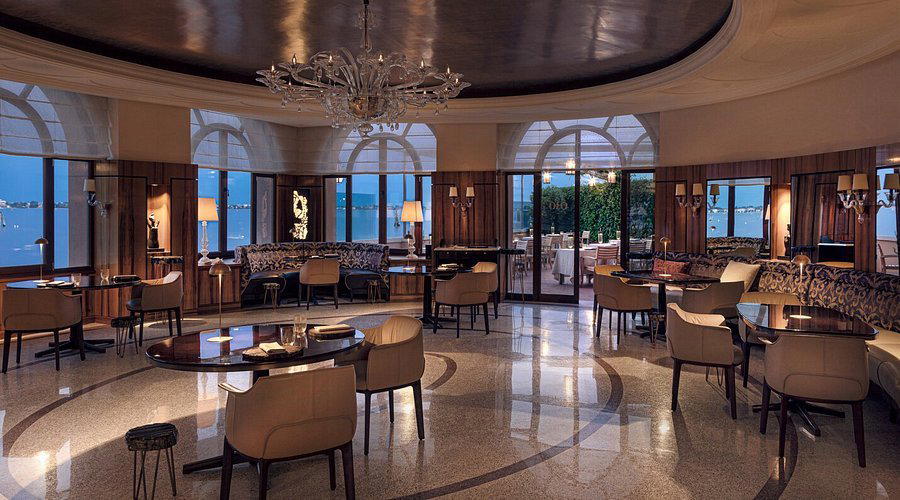
The physical environment is part of what is on offer. Drinking in the lobby of a building at this location, with the square's particular quality of light and the specific acoustic character of Venetian stone, is an experience that has no direct equivalent elsewhere in Europe. Bars at comparably storied addresses, such as Gucci Giardino in Florence, operate within similarly layered settings where the surroundings are inseparable from the program itself. The same logic applies here: the spirits are the substance, but the room is never incidental.
Planning a Visit
B Bar sits within the lobby at Piazza San Marco 1459, which places it in the Sestiere San Marco district, reachable on foot from the main vaporetto stops at San Marco Vallaresso or San Zaccaria. No booking is required for a seat at the bar, though during peak Venetian tourist periods, specifically Carnival in February and the summer months of July and August, the lobby can run at capacity during early evening aperitivo hours. Arriving before 18:00 or after 21:00 during those periods tends to produce a more considered experience. Hotel guests have natural priority access, but the bar is not restricted to residents. Attire tends to skew toward smart-casual given the address, though no formal dress code has been published. For broader context on drinking and eating across the city, the EP Club Venice guide covers the full range of neighbourhoods and categories.
Those who want to extend the evening into the bacaro tradition after a serious drink here can walk north toward Rialto within twenty minutes, where the standing-bar culture that defines Venetian drinking at its most local remains fully intact. The two registers of Venetian bar life, the grand lobby and the narrow calle cicheti stop, are not in competition. They address different hours, different moods, and different relationships with the city. B Bar is where you start when you want the spirits to be the conversation; the bacaro is where you finish when you want Venice to be.
For further reference across the Mediterranean bar category, Lost & Found in Nicosia and Café La Trova in Miami represent different regional expressions of the serious spirits-led bar. Closer to home in terms of category, Cugini di Torino in Nizza Monferrato offers an instructive comparison in how northern Italian bar culture handles depth and curation at a different scale.
Continue exploring
More in Venice
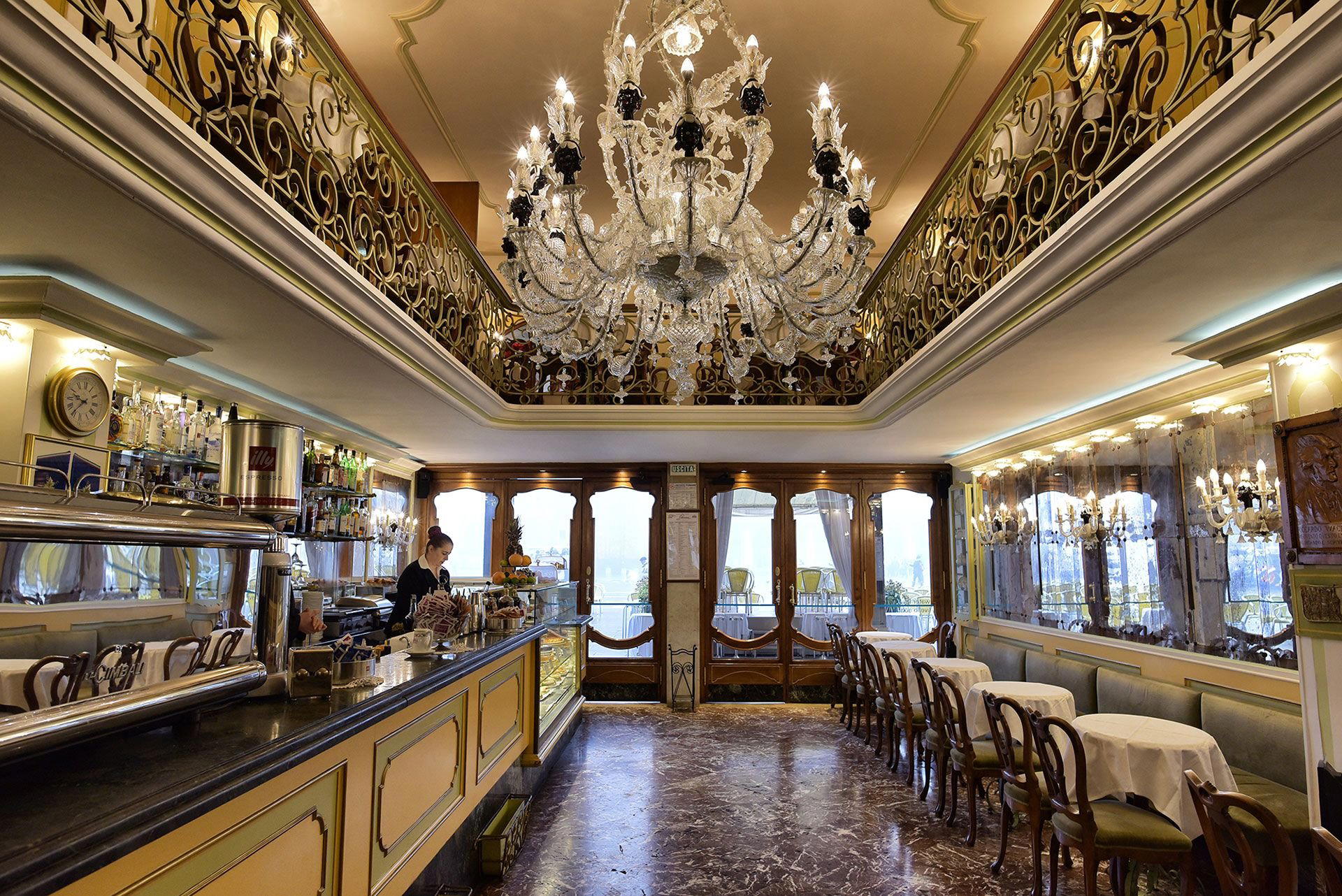
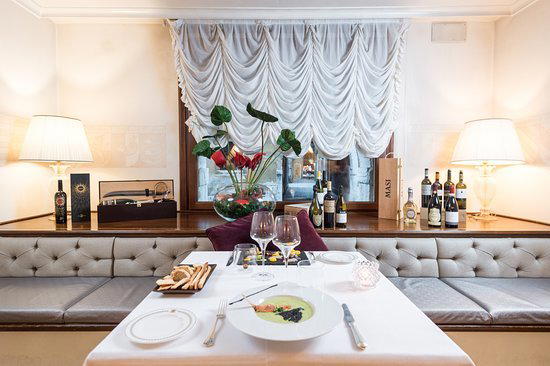
Bars in Venice
Browse all →
Restaurants in Venice
Browse all →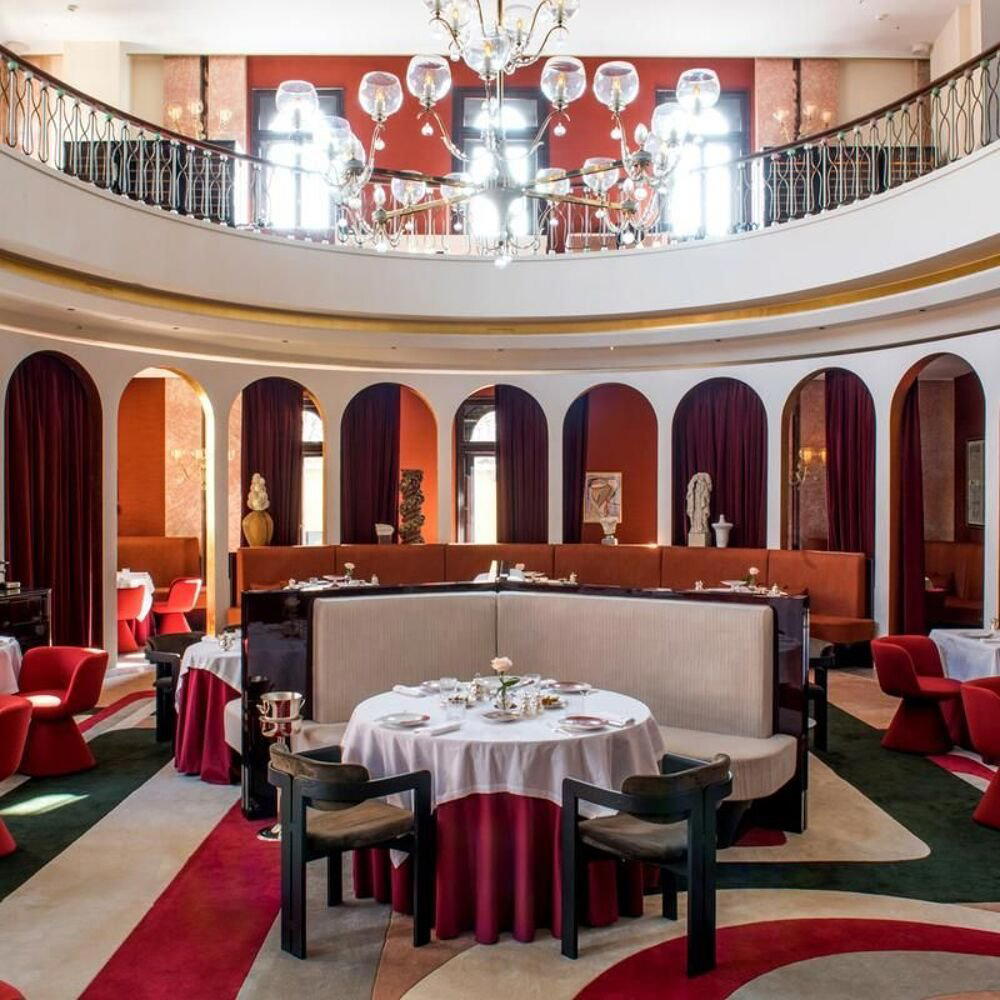
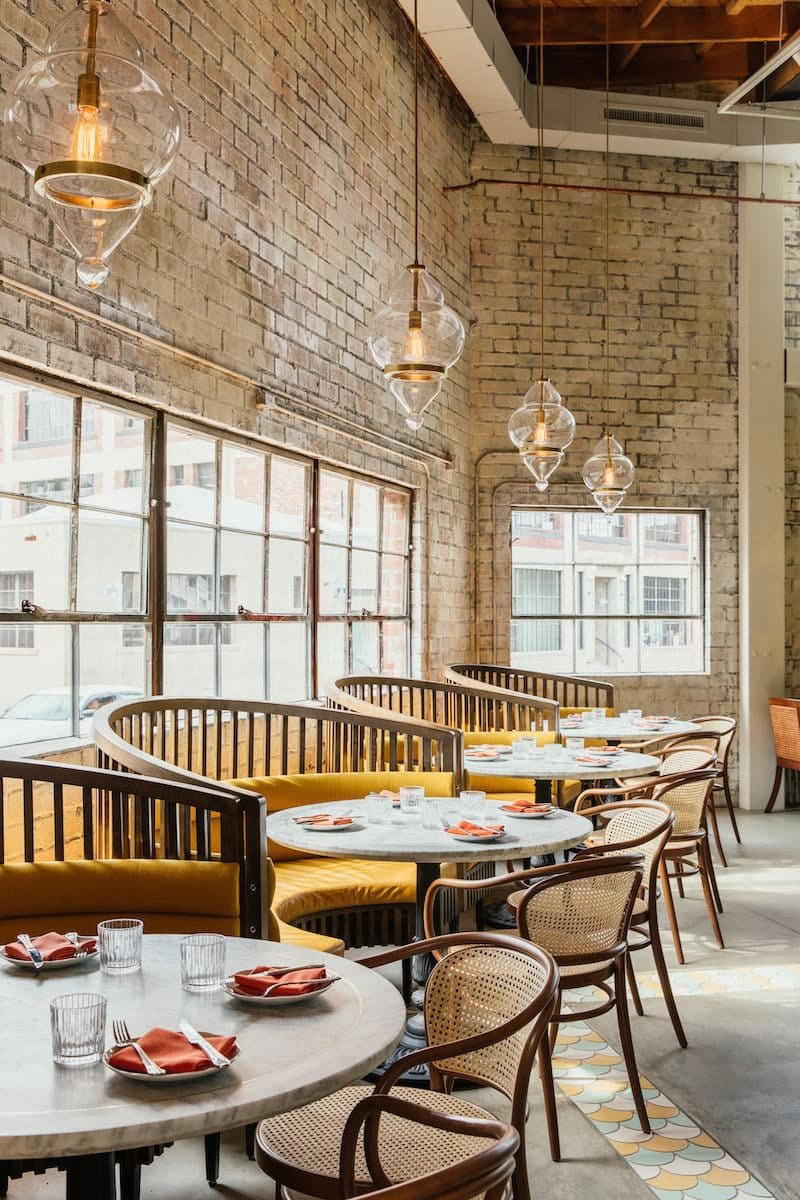

Hotels in Venice
Browse all →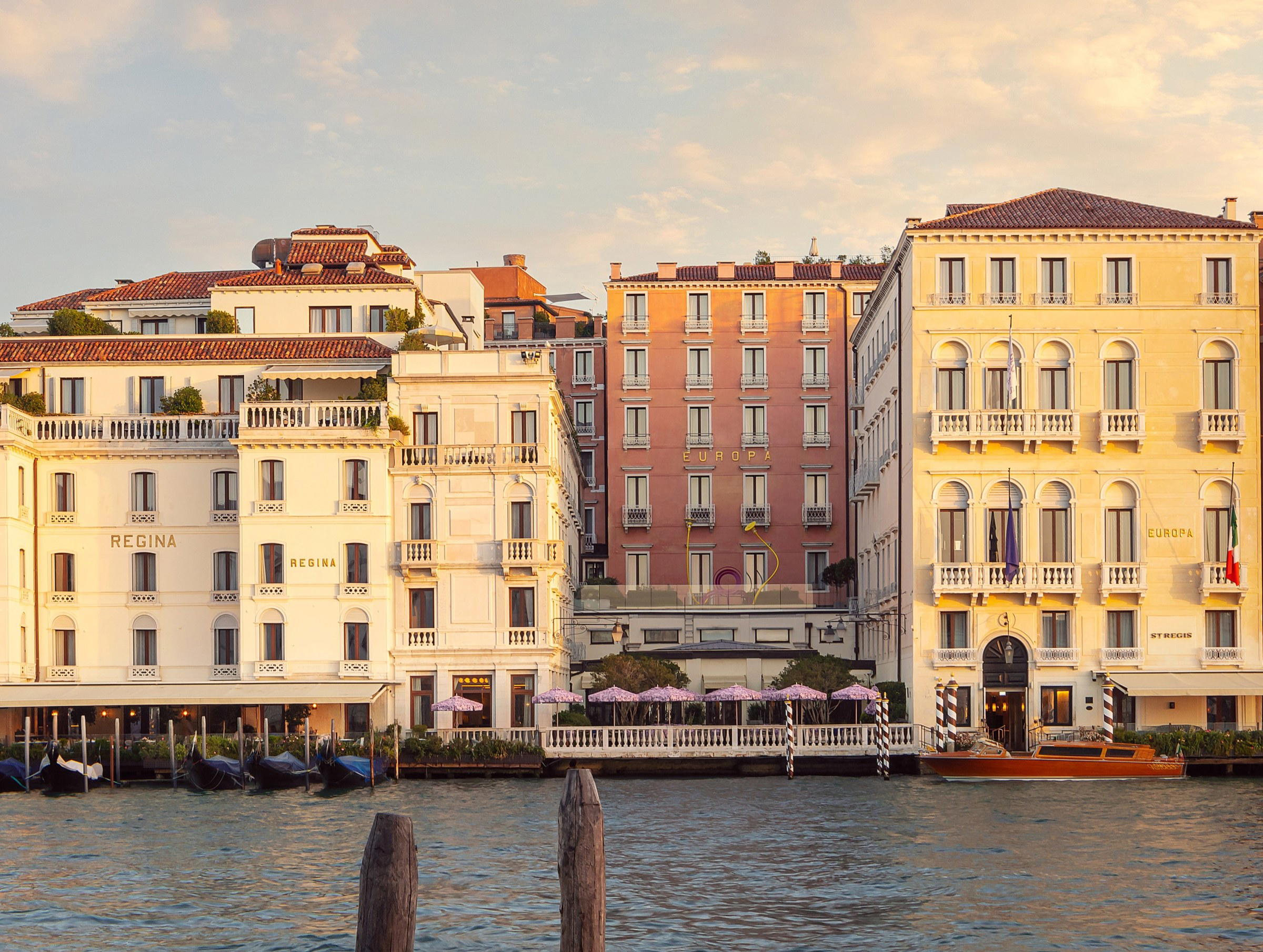
Details
- Lively
- Modern
- Sophisticated
- Minimalist
- Well Known
- After Work
- Date Night
- Group Outing
- Late Night
- Design Destination
- Hotel Bar
- Standalone
- Seated Bar
- Lounge Seating
- Classic Cocktails
- Craft Cocktails
- Low Abv
- Street Scene
A minimalist, architectural hotel lounge with a sleek bar, deco chairs, pendant lighting, and a lively cocktail scene that can feel crowded and noisy.