
Falstaff Winery - Listed
Bodegas Mitarte is a family-run Rioja Alavesa winery in Labastida, shaped by estate vineyards, old Tempranillo vines and the calcareous-clay discipline of the area. The appeal is not spectacle but a grounded reading of place: carbonic maceration, oak-aged reds and a rural tasting atmosphere that keeps the focus on vineyard character rather than cellar theatrics.

Pearl is the En Primeur Club membership app — saves, bookings, and concierge access live there. Same editors, same standards.
- Address
- Labastida, País Vasco, Spanien
- Directions
- Get directions
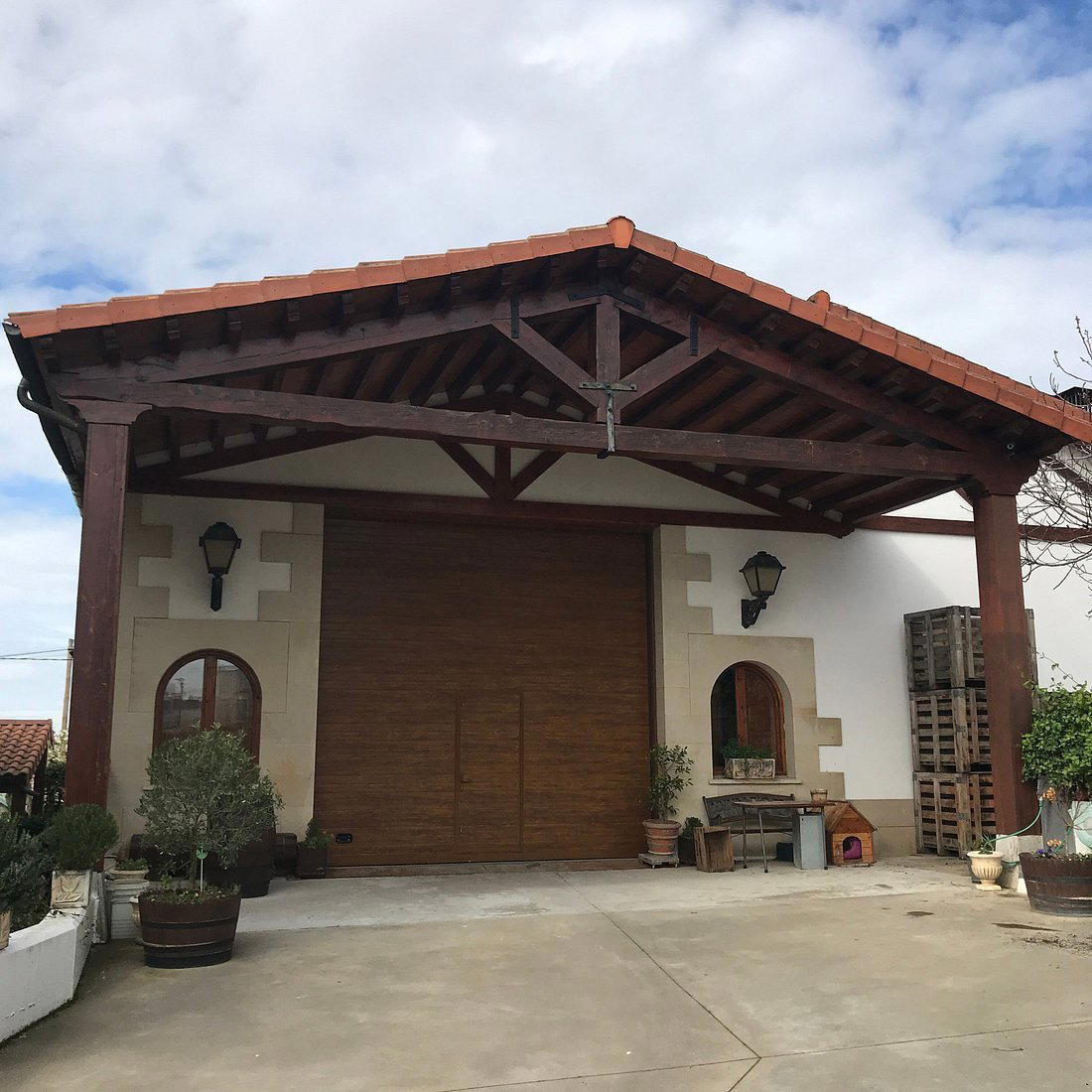
Approaching wine in Labastida means reading the hills before the glass. Rioja Alavesa is not the broad, cellar-branded Rioja of railway-age export history; it is a more granular conversation between small towns, limestone-influenced soils, Tempranillo, Garnacha and the Atlantic-Mediterranean tension that gives the wines their shape. Bodegas Mitarte belongs to that quieter register, where the rural setting and family-run scale frame the tasting before any technical discussion begins.
The winery was founded in 1992, but its claim rests less on a launch date than on continuity: estate vineyards, old-vine material and a production culture tied to Labastida rather than a multi-region sourcing model. In a region where prestige can drift toward architectural statements and heavily polished cellar experiences, this is the more grounded side of Rioja Alavesa: vineyard-first, traditional in temperament, and direct about the role of Tempranillo.
Old-vine Tempranillo and the Rioja Alavesa register
The important numbers here are vineyard numbers, not dining-room numbers. The estate works 48 hectares divided across 28 plots, a structure that suits Rioja Alavesa’s patchwork of exposures and soil shifts. Calcareous clay is central to the local conversation, giving Tempranillo and Garnacha a framework for fruit, tannin and freshness without pushing the wines into excess weight. Centenary Tempranillo vines, including material described as over 115 years old, place the estate inside a tradition where vine age is not ornament but a practical source of concentration and restraint.
That matters because Rioja is often misunderstood abroad as a style defined mainly by oak aging categories. In Labastida, the more interesting distinction is between cellar signature and site signature. Bodegas Mitarte’s work with estate-owned vineyards keeps the discussion close to land: hillside exposure, moderate rainfall, clay-limestone structure and the microclimatic shifts that separate one plot from another. The wines are therefore useful for travelers who want to understand Rioja Alavesa as a farming culture, not only as a label on a bottle.
Production sits between inherited methods and selective modern technique. Carbonic maceration appears in parts of the Tempranillo range, connecting the winery to a long Rioja tradition of young, fruit-led reds made for immediacy. Oak aging remains part of the broader portfolio, especially for more structured bottlings. The point is not a binary between old and new; Rioja Alavesa has always moved between village drinking culture and age-worthy red wine. This estate gives that contrast a clear, approachable form.
A portfolio built around vineyard identity rather than spectacle
The named wines make the regional argument legible. SyC de MITARTE Tinto is made entirely from Tempranillo sourced from centenary vines in Labastida, placing it in the category of Rioja reds where vine age and origin carry more weight than decorative branding. Excentrico 2021 brings Tempranillo and Garnacha together, a pairing that makes sense in this zone: Tempranillo supplies the structural spine, while Garnacha can broaden the fruit profile and soften the edges. The Maceración Carbónica Tempranillo and Rioja Tinto Carbonica point toward the fresher, early-drinking side of Rioja, where carbonic fermentation prioritizes lift and immediacy.
Mazuelo, also known as Carignan, adds another layer to the discussion. In Rioja blends it often works as a structural grape, contributing acidity and firmness rather than easy charm. A bottling such as Mazuelo 2008 signals an interest in varieties beyond the default Tempranillo narrative, and it gives the portfolio a more complete view of the region’s red-wine grammar.
The winery’s membership in ABRA, the Association of Wineries of Rioja Alavesa, is a useful trust signal because it places the estate within a regional network focused on the identity of this sub-zone. Editorial recognition has also come through specialist and trade-adjacent outlets including WineDos, Field & Fawcett and 11 Tesoros Ibéricos. Those references are not a substitute for tasting, but they do support the picture of a producer with visibility beyond local cellar-door traffic.
How to place it within a Labastida wine itinerary
Labastida rewards visitors who treat wineries as part of a town-and-vineyard circuit rather than isolated appointments. The surrounding area includes historic architecture, small-scale producers and larger regional names, which makes contrast the useful planning principle. For a wider local view, cross-reference Our full Labastida wineries guide, then compare different expressions of the town through Bodegas Tierra Agrícola Labastida, Bodegas y Viñedos Labastida, Creaciones Exeo, Granja Nuestra Señora de Remelluri and Miguel Torres - Rioja.
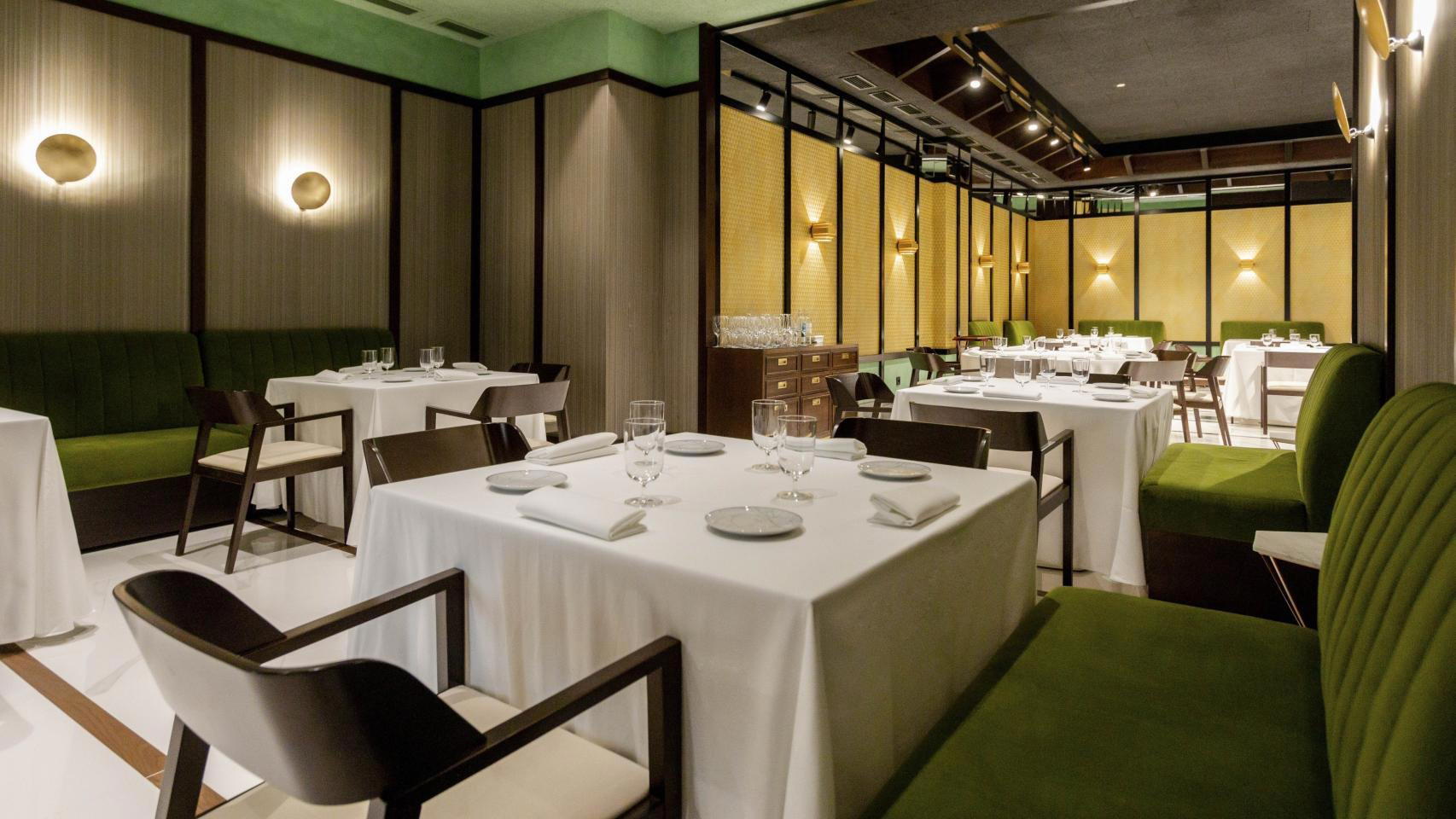
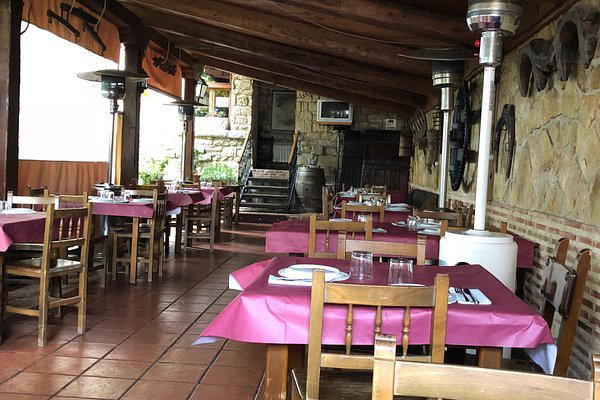
The setting is casual and rural, with a winery atmosphere oriented around tradition, vineyards and a slower pace. That makes it better suited to travelers who want the mechanics of Rioja Alavesa explained through land and grape variety than to those seeking a high-production hospitality format. Booking is recommended, particularly because winery visits in small towns are often shaped by staff availability, language coverage and production schedules rather than fixed urban service rhythms.
For a fuller Labastida trip, wine should not sit alone. Use Our full Labastida restaurants guide, Our full Labastida hotels guide, Our full Labastida bars guide and Our full Labastida experiences guide to build the day around meals, lodging and local pacing rather than rushing between tastings. For broader Iberian and European wine context, compare other producer pages such as 3 Ases Bodegas y Viñedos in Quintanilla De Arriba, 4Kilos Vinícola in Felanitx, Aalto Bodegas y Vinedos in Quintanilla De Onesimo Valladolid, »der Steiner« Hans Steiner in Podersdorf am See and & Handwein in Mannheim.
The editorial case for Bodegas Mitarte is simple: it gives Labastida’s terroir a practical voice. Estate plots, old Tempranillo vines, carbonic maceration, oak-aged reds and family continuity combine into a tasting that explains Rioja Alavesa without overcomplicating it. In a region where visitors can be distracted by architecture, export labels and cellar mythology, this is a useful reminder that the strongest argument often begins in the vineyard.
Recognition history
Dated appearances from independent guides and award organizations, with the underlying list record or original source where available.
Falstaff Winery - Listed
Falstaff
Continue exploring
More in Labastida
Wineries in Labastida
Browse all →
Bars in Labastida
Browse all →
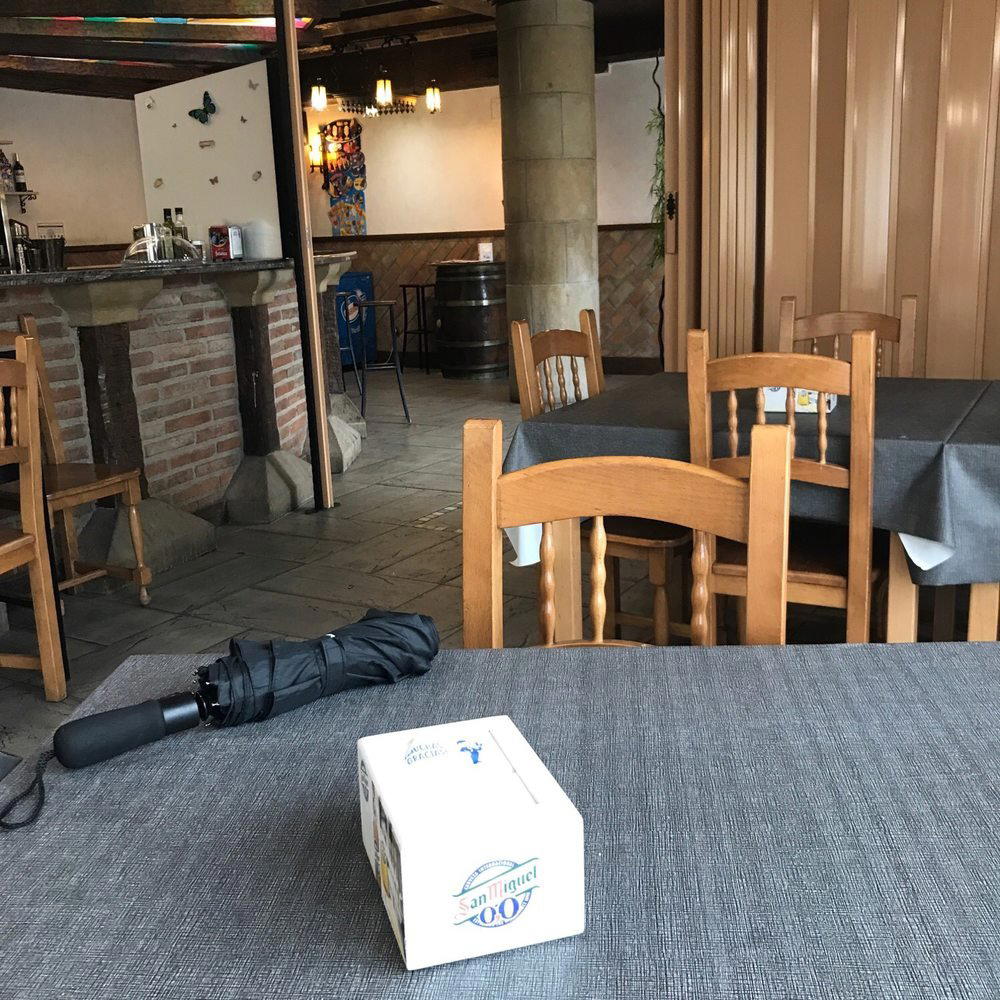
Restaurants in Labastida
Browse all →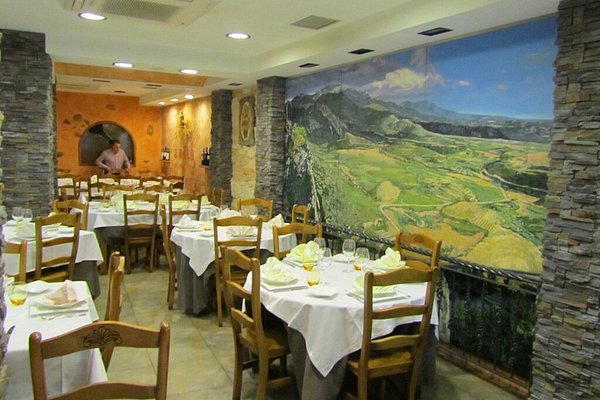
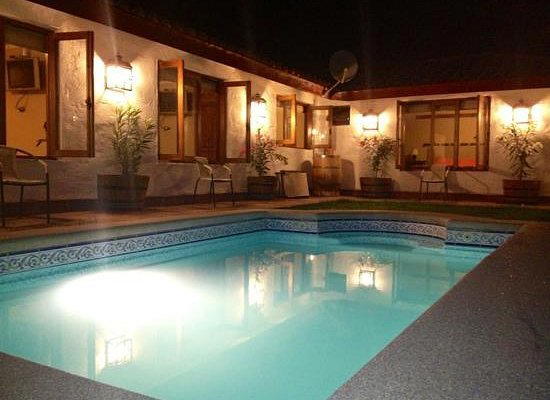
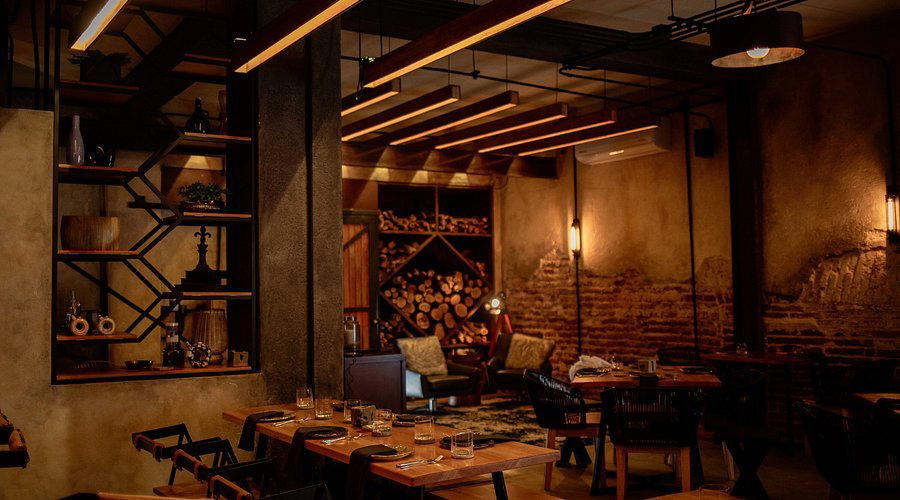
Details
- Rustic
- Scenic
- Classic
- Intimate
- Group Outing
- Wine Education
- Romantic Getaway
- Special Occasion
- Solo Exploration
- Vineyard Tour
- Estate Grounds
- Private Tasting
- Sustainable
- Vineyard
- Mountain
- Tempranillo
- Garnacha Tinta
- Mazuelo
- Still Red
- Still White
- Still Rosé
- Standard Tasting
- Guided Tour With Tasting
- Private Tasting
- English
- French
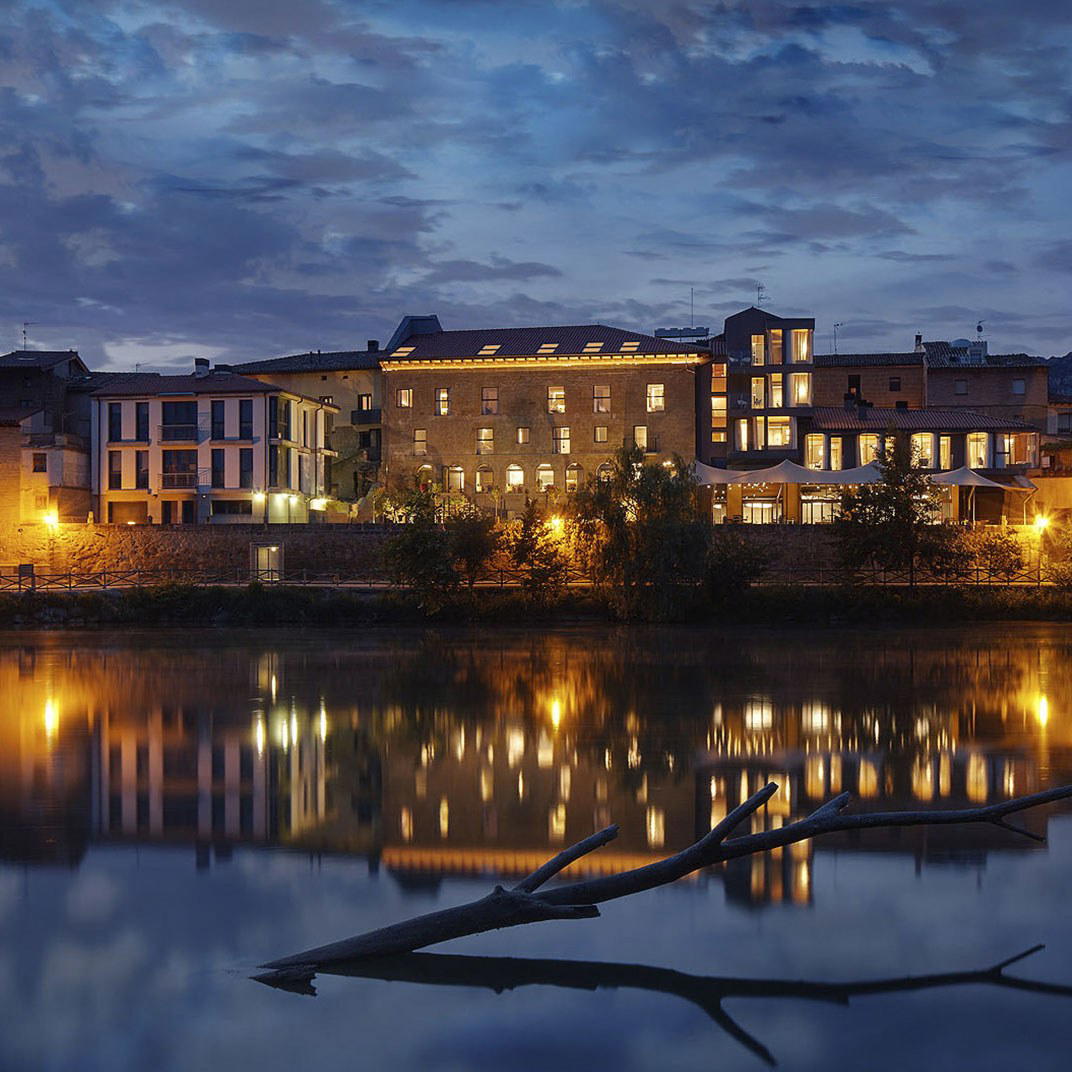
Family-run Rioja Alavesa winery atmosphere focused on quality and tradition, with a calm, rural setting surrounded by vineyards that invites visitors to disconnect and enjoy the landscape.