
Guía Repsol 1 Sol
Our verdict
La Casa De Los Abuelos puts Jumilla’s inland Murcia identity in focus: wine country, dryland agriculture, and a dining culture shaped by proximity to farms rather than coastal spectacle. Its 1 Sol recognition in Guía Repsol 2026 gives the restaurant a clear credential in a city where regional cooking and sourcing matter more than grand-format performance.

Pearl is the En Primeur Club membership app, where members save venues, book tables and use the concierge.
The menu
What to order
- Rural lunch menu with traditional Jumilla dishes paired with estate wines
- Raíces menu with regional produce and wine pairings
- Zarcillo tasting menu paired with five wines and house sweet wine
The approach to Jumilla changes the appetite before the table does. The city sets a different register from Spain’s larger dining centres: fewer theatrics, more attention to what a local restaurant can communicate about its surroundings. La Casa De Los Abuelos belongs to that reading of Jumilla, where place is not background scenery but the logic behind the meal.
Jumilla is a destination where a restaurant has to answer a practical question: does it translate its setting with enough clarity to justify a detour, rather than simply feeding visitors between other plans? A 1 Sol listing in Guía Repsol 2026 places La Casa De Los Abuelos in the serious regional bracket, not because it mimics the tasting-menu capitals, but because it gives the local table a formal point of reference.
Jumilla's larder is the real frame
Ingredient sourcing is not a decorative theme in a place-led restaurant. It is the foundation of the experience. Local produce, preserved goods and inherited cooking habits can form a pantry built around clarity rather than display. That gives Jumilla restaurants a different rhythm from cities where restaurant luxury is often measured by imported prestige products. Here, the better signal is restraint: letting a region’s table carry the meal without forcing it into a fashionable template.
Within that context, La Casa De Los Abuelos reads as part of a wider Spanish return to place-led dining outside the metropolitan circuit. The point is not rusticity for tourists. It is the professionalisation of regional cooking in towns where local identity can be strong but not always translated into contemporary restaurant language. That same shift explains why a diner planning Jumilla should think beyond a single stop and make room for a serious meal that treats the city as an edible map.
The comparison set around Jumilla helps sharpen the decision. Loreto keeps the focus inside the city, while references such as El Racó de Pere i Pepa, Elías and El Sordo point toward other regional approaches. Barahonda sits within the same Jumilla planning frame. La Casa De Los Abuelos occupies the territory where regional sourcing and recognised restaurant craft overlap, a useful position for travellers who want Jumilla to taste like Jumilla without treating dinner as an afterthought.
A regional restaurant with a national guide signal
Guía Repsol’s Soles have particular weight in Spain because they often catch restaurants rooted in local culture rather than only those engineered for international tasting-menu attention. A 1 Sol in 2026 is a trust signal: it tells the reader that the restaurant has moved beyond neighbourhood recommendation into a national Spanish guide conversation. For Jumilla, that recognition is especially meaningful, since the city’s hospitality identity is not defined by a dense big-city restaurant scene.
That does not make the experience formal by default. The stronger reading is that diners should expect a regional restaurant judged with professional standards: sourcing, consistency, and a sense of place carrying more weight than spectacle. In Jumilla, the meal also has a secondary role: it can put the city’s setting back into food rather than leaving the surrounding context as something separate from the table.
For broader planning, La Casa De Los Abuelos fits into a compact Jumilla itinerary rather than a standalone city-break dining circuit. Use our full Jumilla restaurants guide to build the food side, then pair it with our full Jumilla wineries guide for another part of the region’s appeal. Travellers staying over can cross-check our full Jumilla hotels guide, while shorter evenings may be better served by our full Jumilla bars guide. For non-dining time, our full Jumilla experiences guide helps keep the itinerary anchored in the city rather than turning the visit into a sequence of drives.
How it fits into Spain's regional dining map
Spain’s restaurant conversation is often pulled toward its largest and most famous dining destinations, but the more revealing movement can also happen in smaller cities where regional cooking gains guide recognition without losing its local grammar. A Jumilla address with a Repsol Sol belongs in that conversation as part of a broader national spread of place-specific restaurants, from major-city dining rooms to smaller-town addresses that make local context the reason to travel.
The useful distinction is scale. Restaurants in major cities often compete for attention through format, design and international comparison; regional addresses have to earn trust through clarity of product and local relevance. That is why a Jumilla meal can sit comfortably in the same planning universe as other Spanish regional restaurants, even though the reasons for going are different in each case.
The editorial call is simple: La Casa De Los Abuelos is most compelling for travellers who want the restaurant to explain the territory. It is less about chasing luxury signals and more about reading Jumilla through what the table communicates there. For readers building cross-border or long-haul dining lists, the contrast with urban restaurants built around imported specialisations is instructive: those meals speak through city-driven focus, while Jumilla’s case is local and regional. That difference is exactly the reason to pay attention.
Frequently asked questions
Does La Casa De Los Abuelos work for a family meal?
Yes, the Jumilla setting and restaurant format make it a sensible option for a family meal, especially if the group wants a sit-down place rather than a more formal tasting-room setup. Its Guía Repsol 2026 1 Sol points to a dining room with regional credibility, not a casual roadside stop.
What's the vibe at La Casa De Los Abuelos?
Expect a restaurant shaped by Jumilla rather than urban polish, with its setting keeping the focus on the city rather than a big-city dining circuit. The Guía Repsol 2026 1 Sol suggests a room judged on cooking and local character more than theatrical service.
What's La Casa De Los Abuelos's location?
Jumilla.
How hard is it to get a table at La Casa De Los Abuelos?
A Guía Repsol 1 Sol usually signals a restaurant that draws deliberate diners, so planning ahead is sensible. The practical point is to treat it as a destination stop in Jumilla rather than a walk-in assumption. Check the venue's official channels for the latest details.
What has La Casa De Los Abuelos built its reputation on?
Its clearest credential is the Guía Repsol Soles 2026 listing at 1 Sol, which places it within Spain’s national guide system. That matters in a place like Jumilla, where restaurants are often judged on how well they reflect the city rather than on metropolitan theatrics.
Can La Casa De Los Abuelos adjust for dietary needs?
There is no dietary policy listed in the public record, so any adjustment would need to be handled directly by the restaurant. The useful anchors here are the Jumilla setting and the Guía Repsol 2026 1 Sol, which confirm the venue but not its special-request handling. Check the venue's official channels for the latest details.
Side-by-Side Snapshot
Comparable venues by cuisine and price in the same metro.
| Venue | Cuisine | Price | Awards | Notes |
|---|---|---|---|---|
| La Casa De Los AbuelosThis venue (the venue you are viewing) | Modern Jumilla regional cuisine with wine pairings | $30–50 | Guía Repsol 1 Sol | Not listed |
| Loreto | Modern Mediterranean Tapas | Not listed | Michelin Bib Gourmand · Guía Repsol 1 Sol | Not listed |
| El Racó de Pere i Pepa | Traditional Mediterranean with Alicante rice specialties | $30–50 | Michelin Bib Gourmand | Traditional Cuisine |
| Elías | Traditional Valencian Rice and Grill | $50–100 | Michelin Bib Gourmand · Star Wine List | Regional Cuisine |
| Barahonda | Modern Spanish Fine Dining | $50–100 | 1 Michelin Star · Macarfi 8.5 Food Rating | Modern Cuisine |
Recognition history
Dated appearances from independent guides and award organizations, with the underlying list record or original source where available.
Guía Repsol 1 Sol
Guía Repsol
Continue exploring
More in Jumilla
Restaurants in Jumilla
All restaurants in Jumilla →
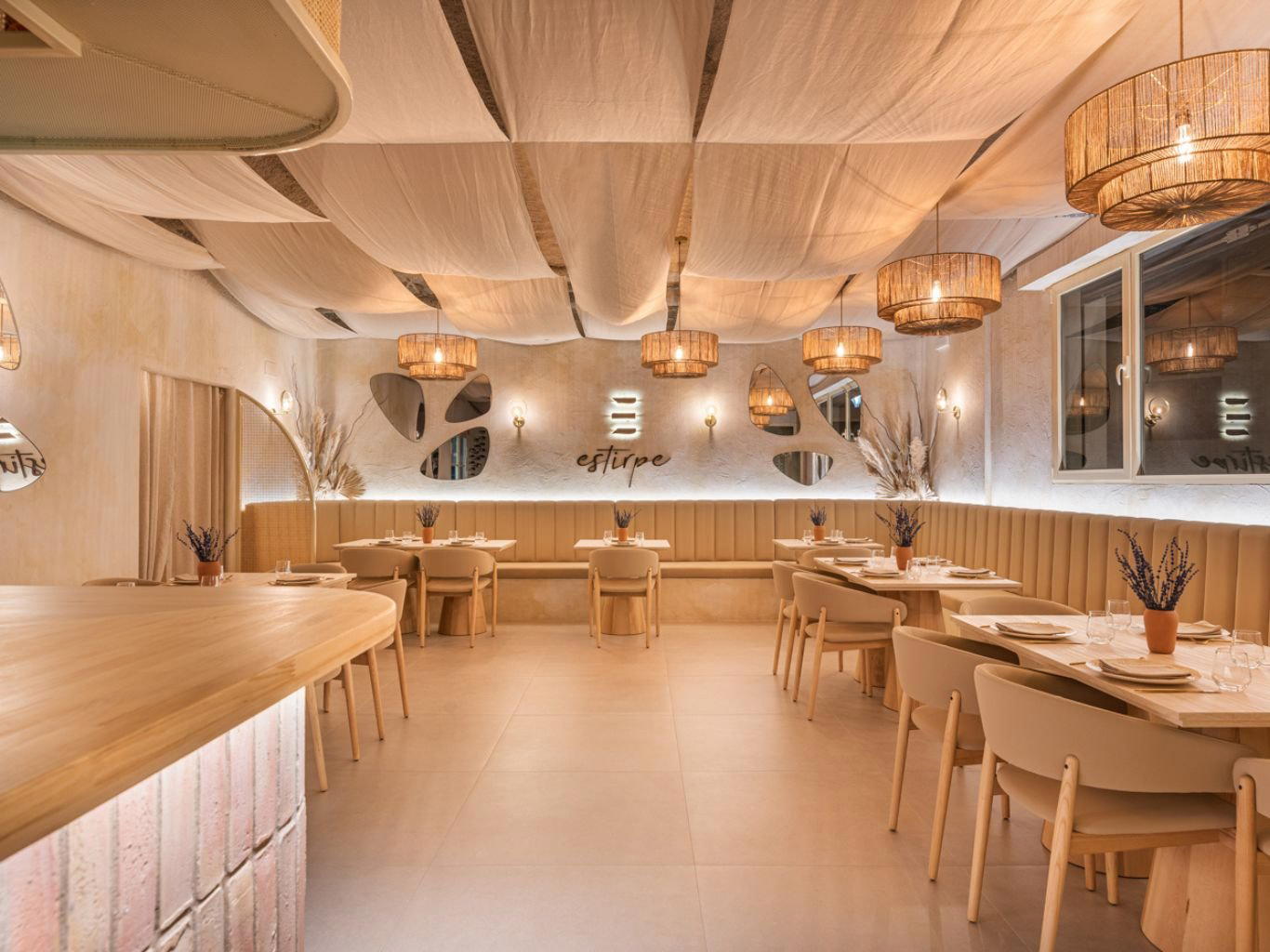
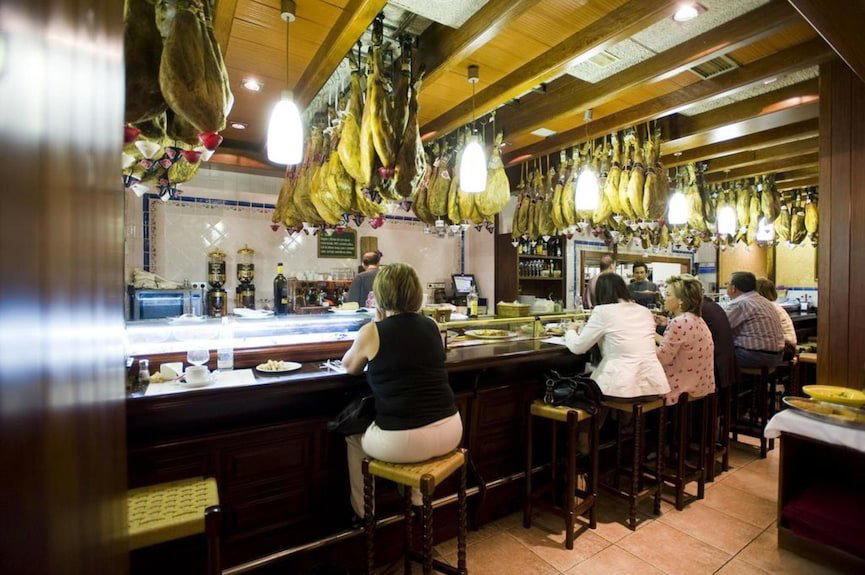
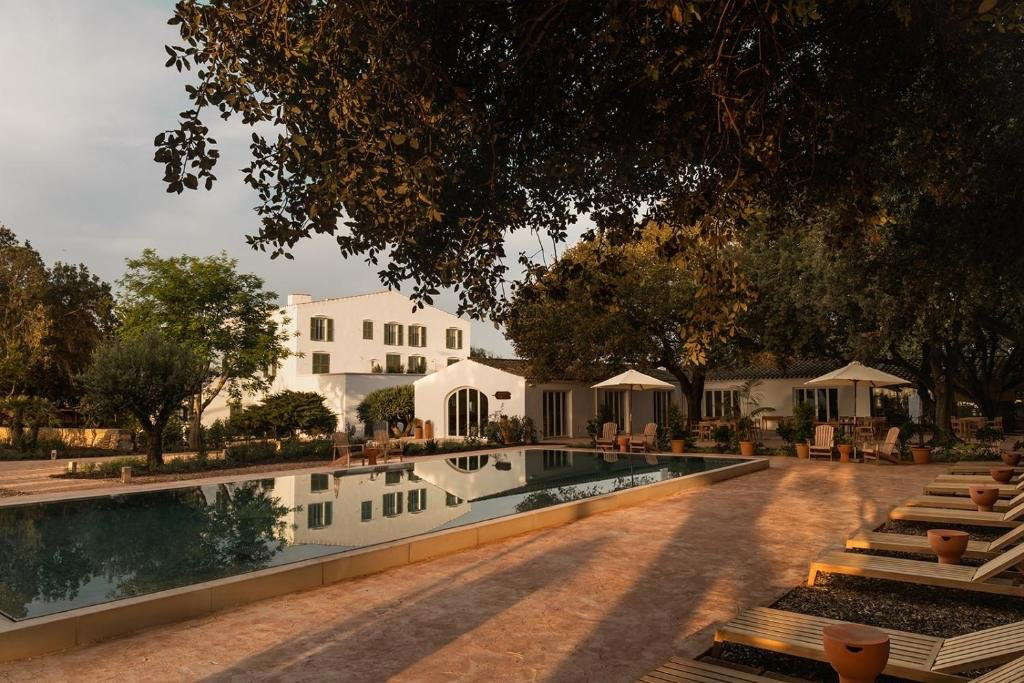

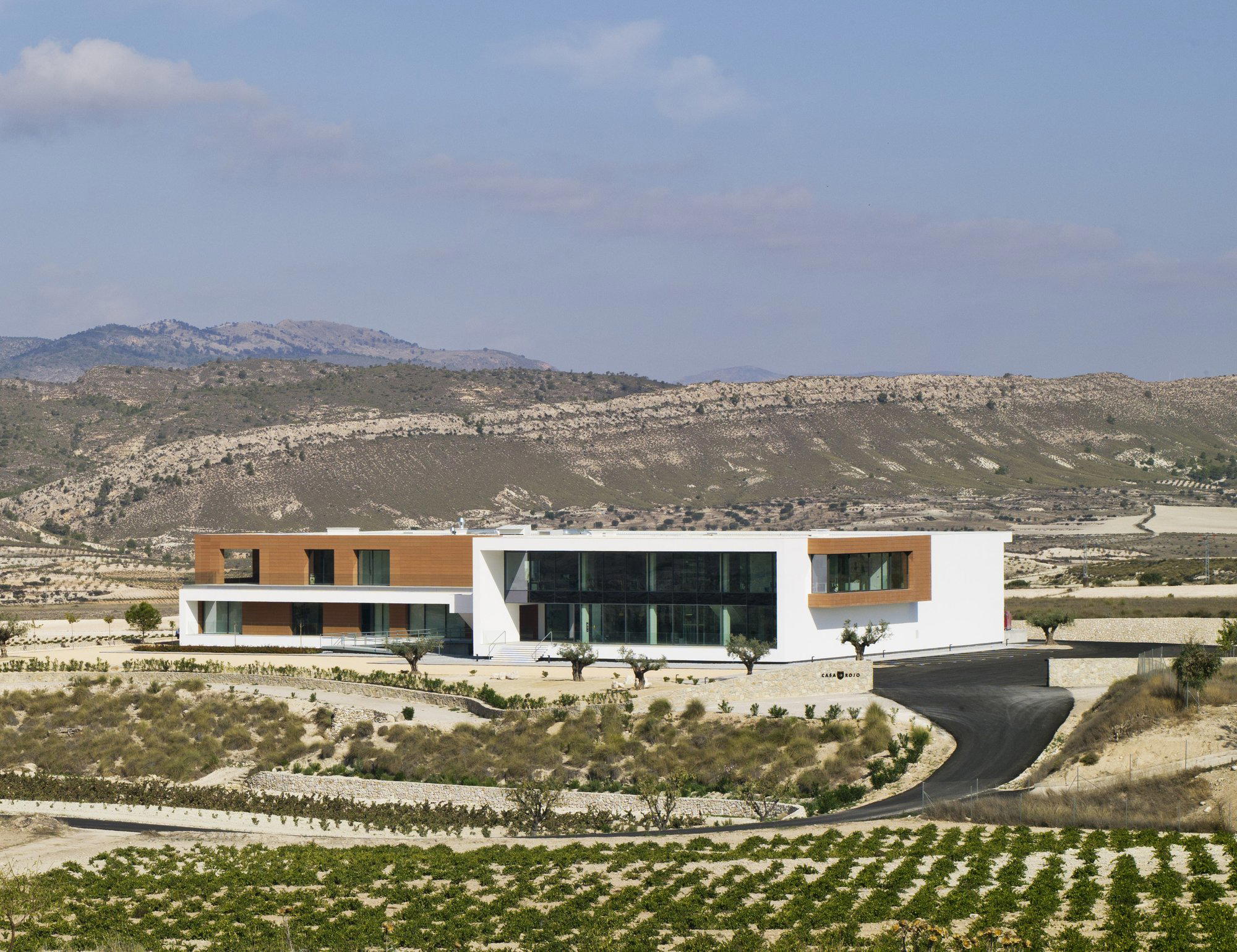

La Casa De Los Abuelos
The wine
- Wine program
- Deep wine list
- Extensive wine list
- Sommelier-led
- Natural wine
Details
- Rustic
- Elegant
- Cozy
- Intimate
- Scenic
- Special Occasion
- Celebration
- Group Dining
- Business Dinner
- Date Night
- Private Event
- Wine Cellar
- Private Dining
- Historic Building
- Design Destination
- Standalone
- Extensive Wine List
- Natural Wine
- Sommelier Led
- Local Sourcing
- Natural Wine
- Vineyard
- Tasting Menu
- Set Menu
- Wine
- Dessert Wine
- Vegetarian Friendly
- Vegan Options
- Allergy Accommodating
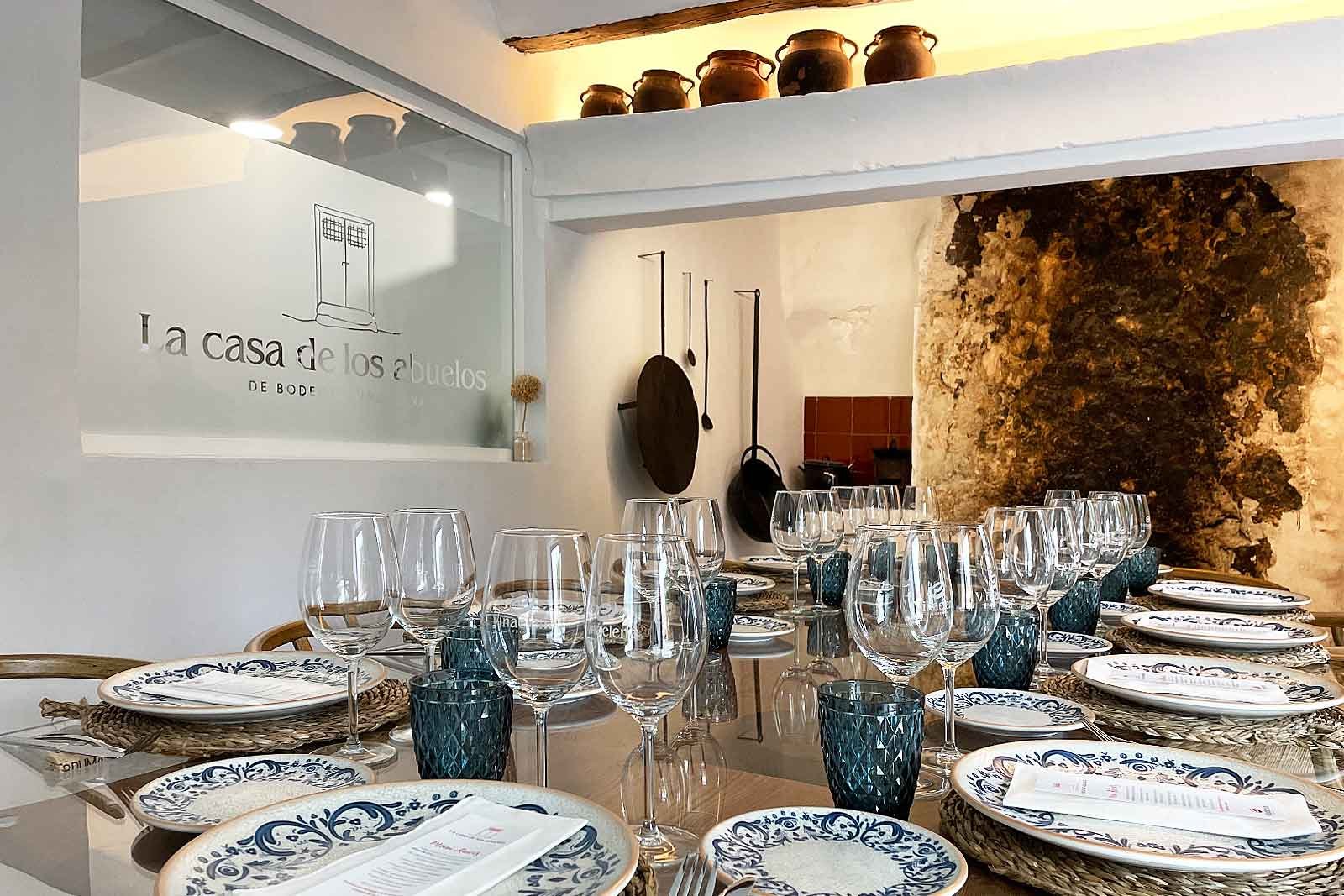
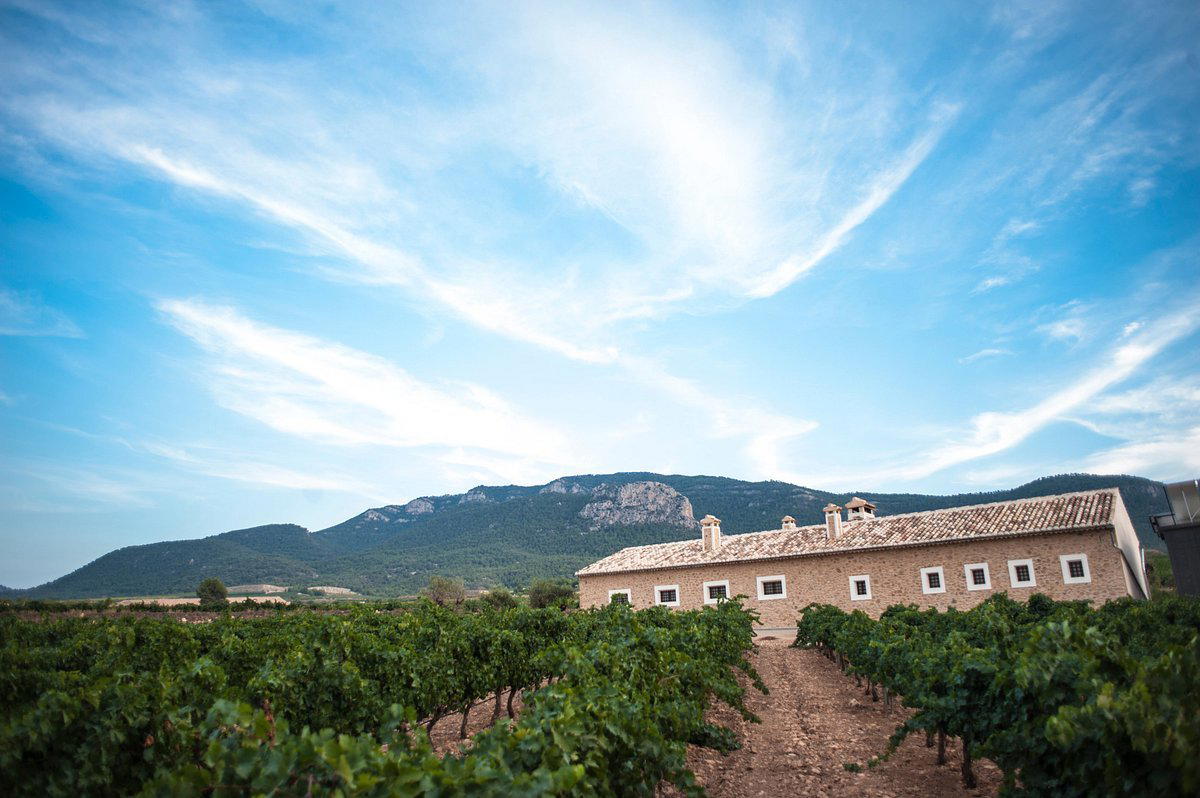
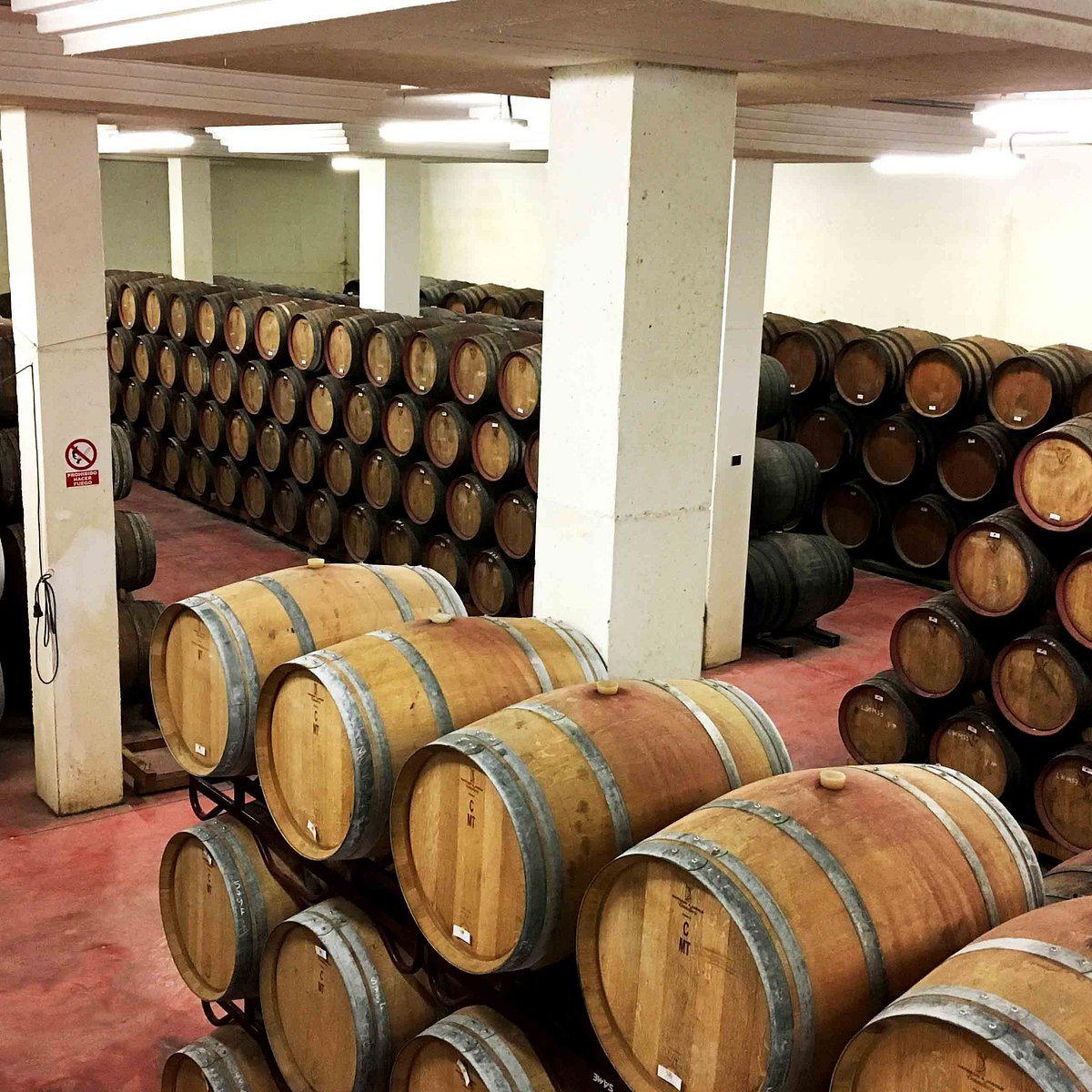
A carefully restored rural family home and former bodega with original rooms and structure preserved, blending rustic heritage architecture with a refined, intimate setting focused on wine-led gastronomic experiences.