

In a converted aristocratic townhouse on Calle Canalejas, Loreto is the restaurant through which Jumilla's wine-country identity finds its clearest culinary expression. Sisters Irene and Eva López run a kitchen that applies chemical engineering principles to hyper-local Murcian ingredients, backed by a wine list weighted heavily toward the surrounding DO. Two tasting menus and an à la carte make it one of the more considered dining stops in inland southeast Spain.
Pearl is the En Primeur Club membership app — saves, bookings, and concierge access live there. Same editors, same standards.
- Address
- C. Canalejas, 73, 30520 Jumilla, Murcia, Spain
- Phone
- +34 968 78 03 60
- Website
- restaurantedeloreto.com
- Directions
- Get directions
 Saves & bookings on Pearl
Loreto is a restaurant in Jumilla, Murcia, serving Modern Mediterranean Tapas in a historic townhouse.
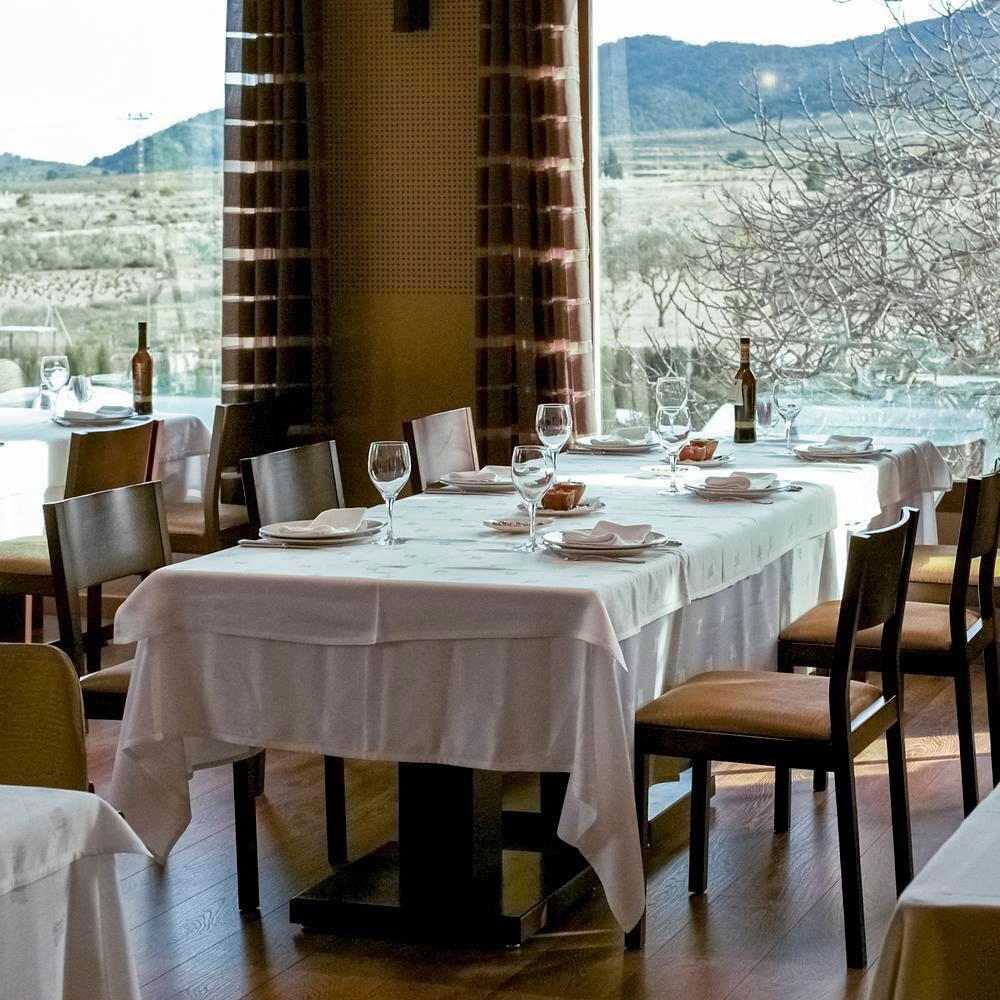
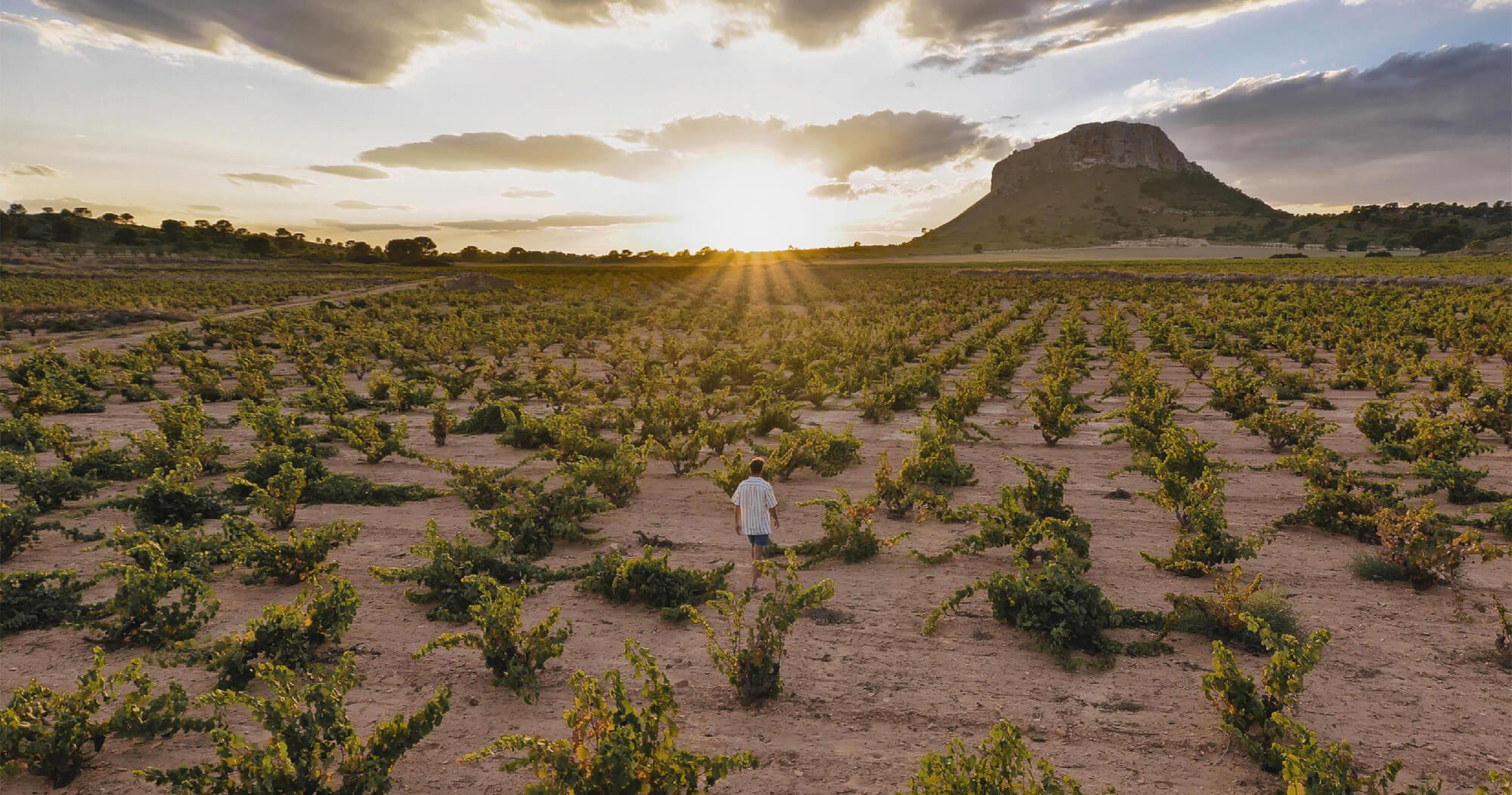
Jumilla sits in the high interior of Murcia, a municipality whose reputation rests almost entirely on its wine, dense, sun-driven Monastrell grown at altitude on largely ungrafted vines. The town itself is compact and unhurried, and its dining scene reflects that character: rooted, local, and largely indifferent to the kind of international visibility that drives reservations in Valencia or Murcia city. Within that context, a restaurant occupying the former family rooms of an aristocratic townhouse on Calle Canalejas represents something genuinely considered. The setting reads clearly: high ceilings, classic proportions, rooms that carry the weight of domestic history without leaning into heritage kitsch. The dining rooms at Loreto are comfortable rather than theatrical, which suits a kitchen that prefers precision to spectacle.
Where the Ingredients Come From, and Why That Framing Matters
Across the southeast Spanish interior, interesting cooking tends to be defined not by technique imported from elsewhere but by a frank engagement with what the land immediately produces. Jumilla's agricultural profile centres on Monastrell grapes, but the surrounding Murcia region also yields Iberian pork, pistachios, and the kind of alliums and fungi that form the backbone of regional Spanish cookery. Loreto's kitchen works squarely within that geography. The grilled Iberian pork shoulder documented on the à la carte menu draws directly from this tradition: the cut is marinated in soy and mirin for 24 hours before slow cooking, then served with pistachio pesto alongside a shitake and onion sauté. The sourcing logic here is worth reading carefully, Iberian pork from the peninsula's interior, pistachios that grow commercially in the Murcia region, and a marinade technique that deploys fermented flavours to deepen rather than override the meat's character. It is an approach that says something specific about where this kitchen stands: the ingredients set the boundary, and the technique works inside it.
Spain's broader fine dining conversation in the 2020s has largely been dominated by restaurants in the Basque Country, Catalonia, and the Levantine coast. Arzak in San Sebastián, Disfrutar in Barcelona, and El Celler de Can Roca in Girona anchor the top tier. Further along the Mediterranean, Quique Dacosta in Dénia and Ricard Camarena in València represent the Levantine strand of that conversation. What Loreto offers is something set at a noticeable remove from those circuits: cooking that does not position itself against national peers but draws its frame of reference from the immediate territory of Jumilla DO.
The Technical Premise
The kitchen's approach has an unusual conceptual origin. Chef Irene López trained in chemical engineering before moving into cooking, and that background informs how recipes are constructed: molecular reactions, particularly around marination, fermentation timing, and heat transfer, are treated as the underlying logic of the cooking rather than as theatrical overlays. This is not the same as the molecular gastronomy wave that passed through Spanish fine dining in the early 2000s, associated with kitchens like DiverXO in Madrid or the more experimental end of Mugaritz in Errenteria. At Loreto, the engineering background appears to produce restraint rather than spectacle: the 24-hour marinade on the pork shoulder is a process decision with a flavour rationale, not a presentation choice.
Front of house and the wine program are handled by Eva López, which gives the operation a coherent family structure with clearly divided domains. In a town whose entire regional identity is built on wine, having a dedicated wine director managing a list weighted toward Jumilla DO producers is less a choice than an obligation, but the execution matters. Jumilla's Monastrell ranges from everyday cooperative bottlings to serious age-worthy expressions from smaller estates, and a considered wine list in this setting ought to reflect that full range.
The Menu Structure
The restaurant runs two tasting menus, named Origen and Inspiración, alongside a full à la carte. This dual-menu structure is common among Spanish restaurants operating at the level where kitchen ambition needs a longer format to express itself properly, while the à la carte preserves access for guests who want a shorter or more flexible meal. The Origen menu signals a local-roots emphasis; the Inspiración title suggests more latitude. This is a format more common in destination restaurants than in everyday regional dining.
The Wider Jumilla Context
Jumilla is not a significant wine tourism destination in the way that Rioja or Priorat are. The DO produces around 30 million litres annually, the majority through cooperatives, and international recognition for the region's leading producers remains at an early stage. For a traveller already in Jumilla for wine reasons, the restaurant question matters: there is limited infrastructure at the serious end of the dining market, which makes Loreto's existence more notable in context. The combination of a technically ambitious kitchen, a wine list built around the local DO, and a physical setting in a converted townhouse addresses a gap that most small Spanish wine towns do not manage to fill.
For those building a wider Murcian or southeast Spanish itinerary, the restaurant sits alongside a thinner supporting infrastructure than you would find in Alicante province or the Valencian Community. The address is C. Canalejas, 73, 30520 Jumilla, Murcia, centrally located and walkable from the main square.
Planning a Visit
Loreto operates from a central location within the town, which makes logistics direct by Jumilla standards. Jumilla is most directly reached by road from Murcia (approximately 75 kilometres northwest) or from Alicante province. There is no high-speed rail connection; the town is a driving destination. Given the tasting menu format and the kitchen's evident ambition, contacting the restaurant ahead of arrival is advisable, smaller restaurants in Spanish market towns of this size frequently operate with limited covers and specific service schedules.
Fast Comparison
Comparable venues nearby, for context on price, style, and recognition.
| Venue | Cuisine | Price | Awards | Notes |
|---|---|---|---|---|
| LoretoThis venue — the venue you are viewing | Modern Mediterranean Tapas | $$ | Bib Gourmand | Not listed |
| La Casa De Los Abuelos | Modern Jumilla regional cuisine with wine pairings | $$$ | Not listed | / Paraje Estrecho de Marín (south of Jumilla) |
| Keki | Modern Mediterranean with Asian Influences | $$ | Michelin Plate | Cathedral district |
| Juan Mari | Traditional Mediterranean with Murcian influences | $$ | Bib Gourmand | San Pedro del Pinatar |
| Habitual | Modern Mediterranean | $$ | Michelin Plate | El Pla Del Remei |
| Komfort | Contemporary Mediterranean Grill | $$ | Bib Gourmand | Marisol Park |
Recognition history
Dated appearances from independent guides and award organizations, with the underlying list record or original source where available.
Guía Repsol 1 Sol
Guía Repsol
Michelin Bib Gourmand
Michelin
At a Glance
- Elegant
- Classic
- Intimate
- Rustic
- Special Occasion
- Date Night
- Historic Building
- Extensive Wine List
Current opening hours
- Monday
- 1–4 PM
- Tuesday
- 1–4 PM
- Wednesday
- 1–4 PM
- Thursday
- 1–4 PM
- Friday
- 1–4 PM
- Saturday
- 1–4 PM, 8 PM–12 AM
- Sunday
- 1–4 PM
Hours can change for holidays and private events. Last verified .
Elegant ambiance in a historic restored modernist house with a calm, unhurried mood without noise, well-suited for slow enjoyment.