Bodega Zorzal operates in the high-altitude Tunuyán subregion of the Valle de Uco, where cooling Andean air and volcanic soils define the character of the wines rather than winemaker intervention.

Pearl is the En Primeur Club membership app — saves, bookings, and concierge access live there. Same editors, same standards.
- Address
- Calle Estancia Silva S/N, M5561 Tupungato, Mendoza
- Phone
- +54 9 261 345-6775
- Website
- zorzalwines.com
- Directions
- Get directions
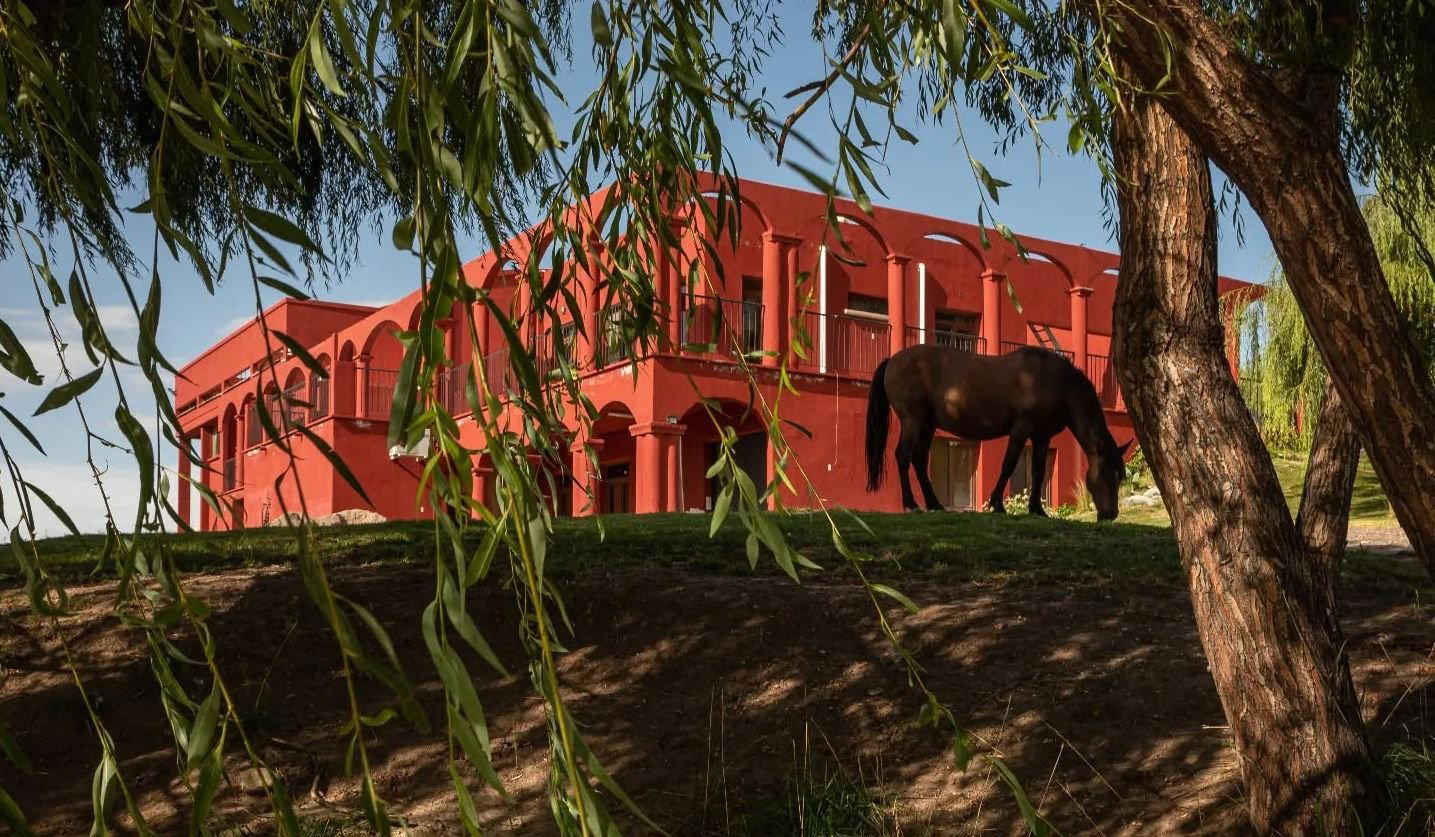
Valle de Uco and the Case for Restraint
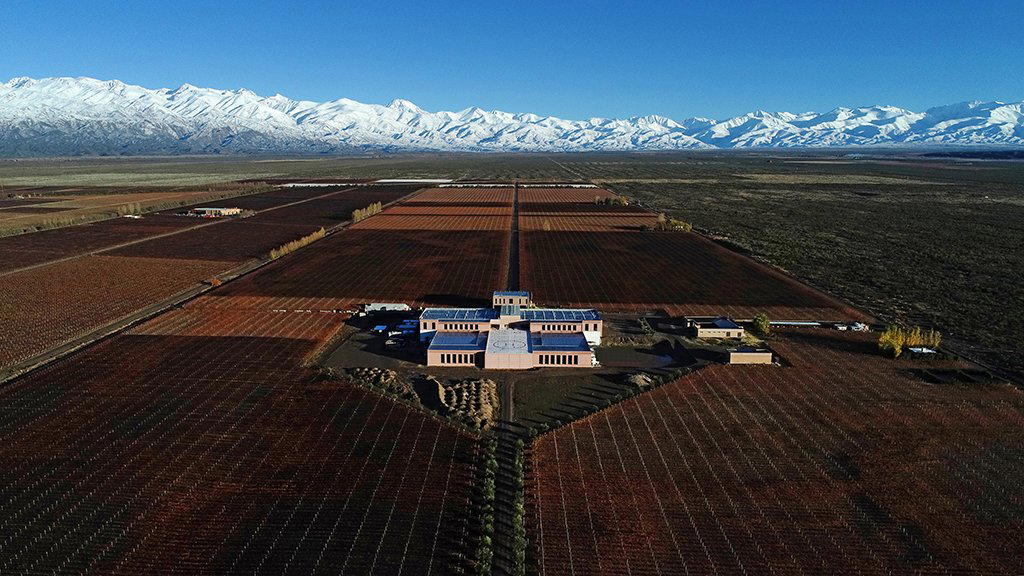
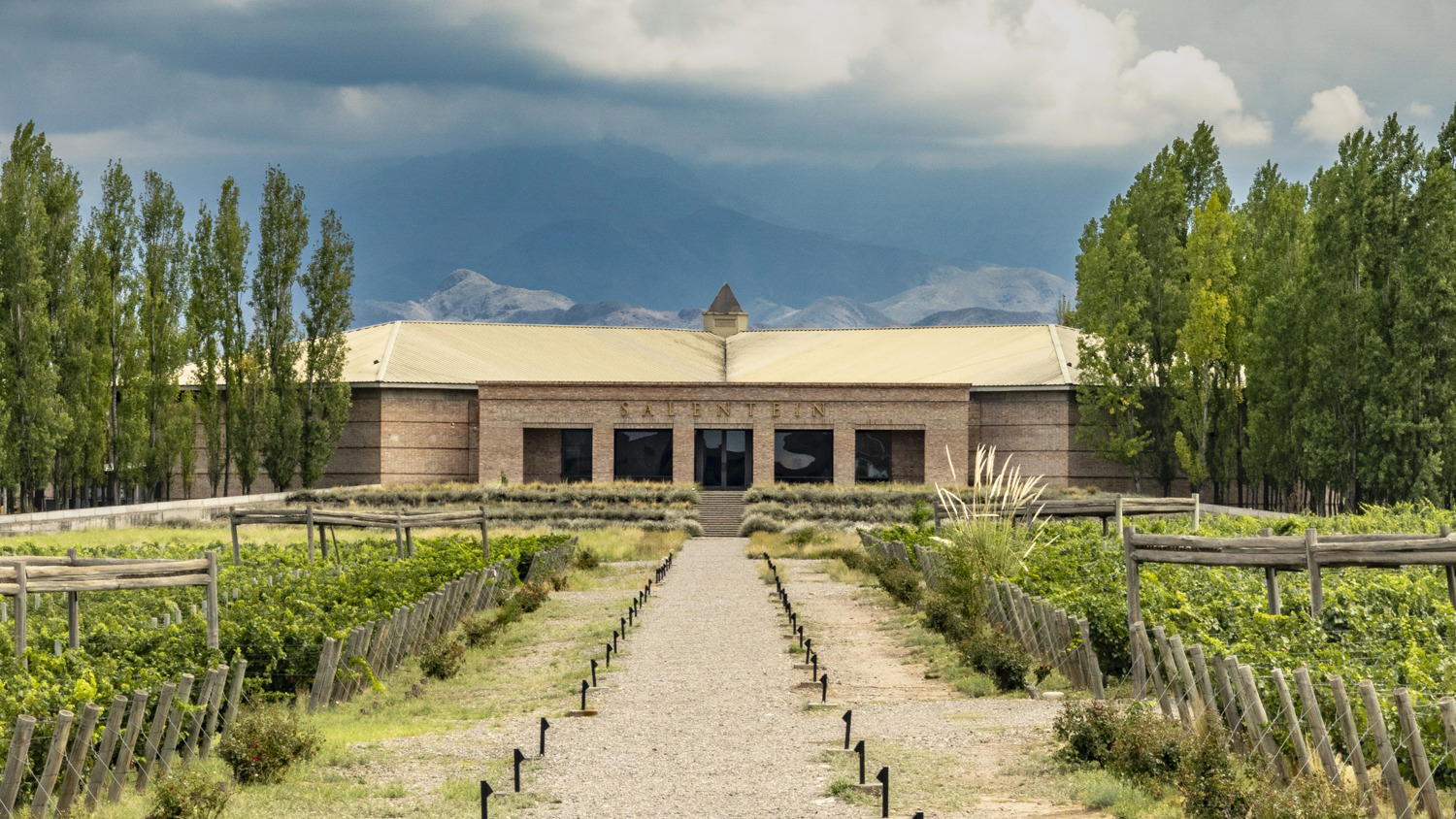
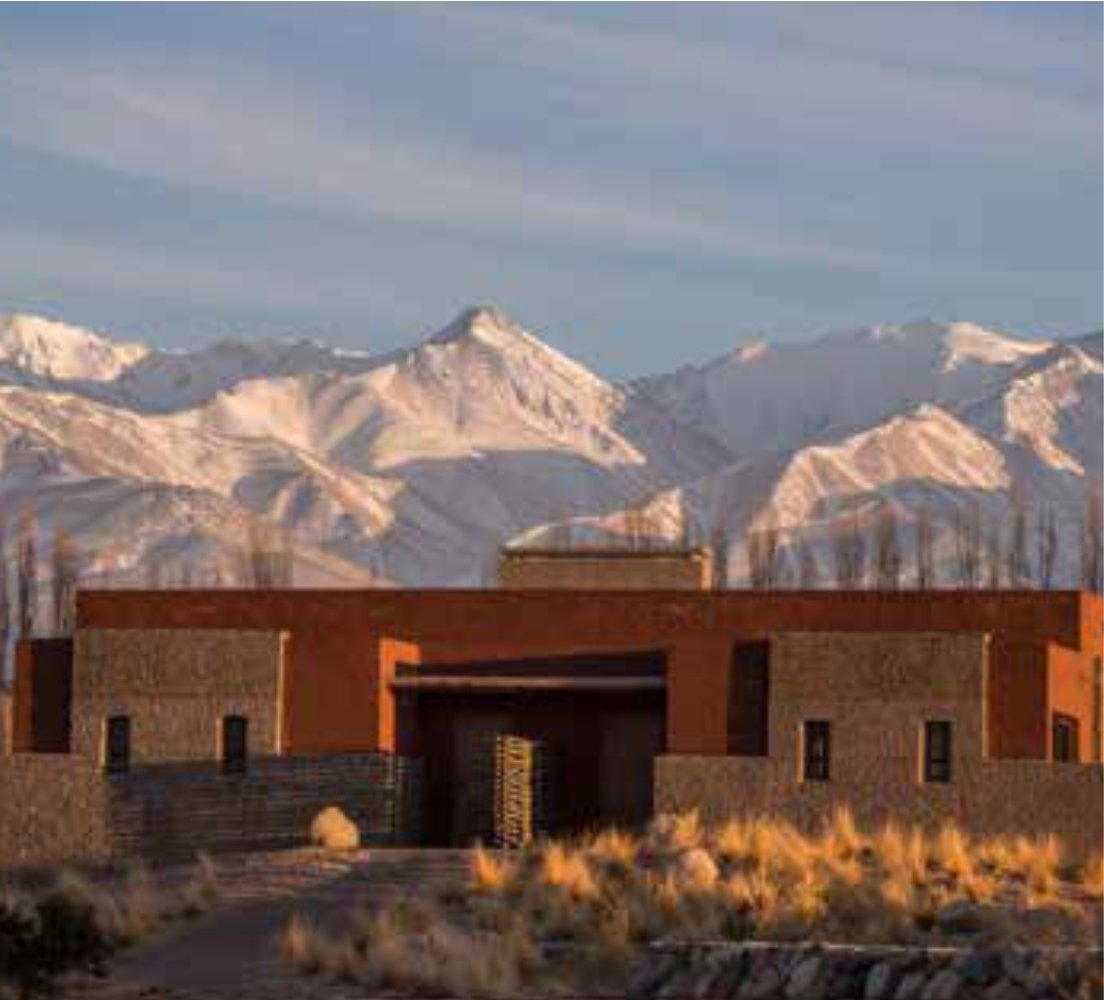
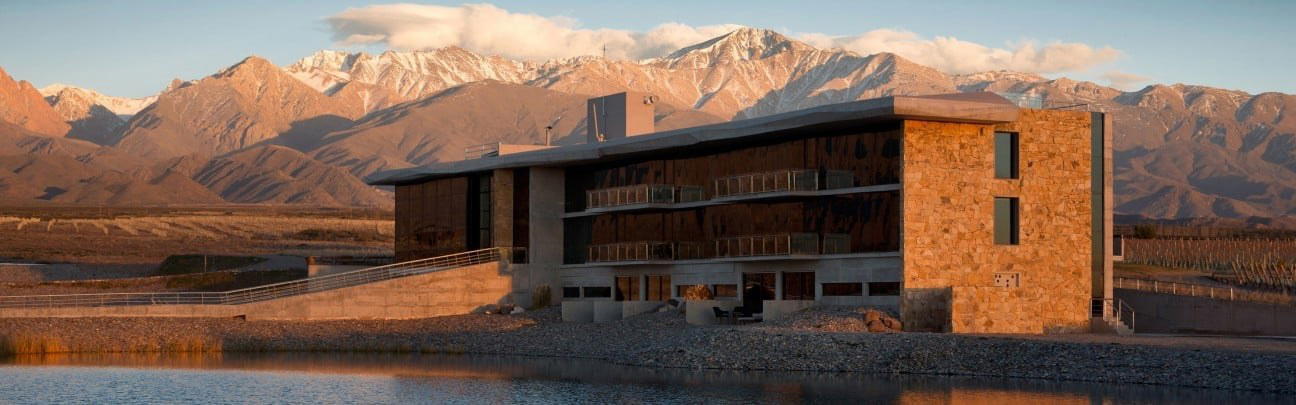
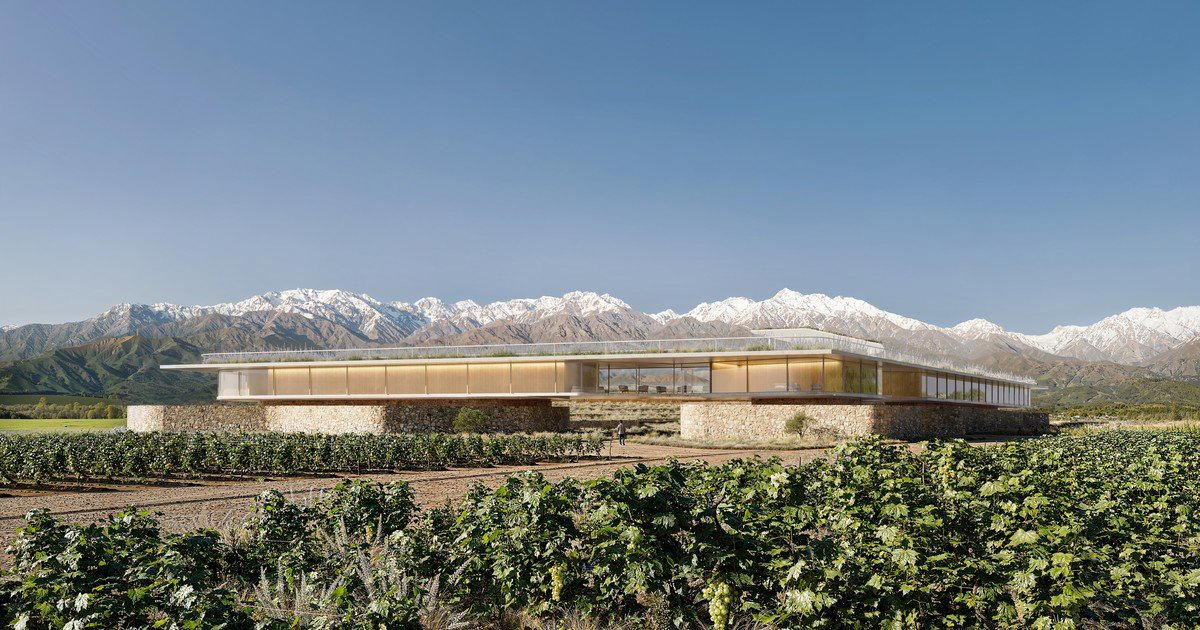
The drive into Tupungato from Mendoza city takes roughly an hour and a half, and the landscape shifts noticeably as altitude climbs past 1,000 metres. The air cools, the sky widens, and the Andes fill the western horizon with a specificity that photographs never quite capture. It is in this physical context that Bodega Zorzal operates, and the environment is not incidental to what the winery produces. In the Valle de Uco, and in Tunuyán's Tupungato subzone particularly, elevation and diurnal temperature range are the primary arguments for why the wines taste the way they do. The same logic that drew Bodega DiamAndes, Bodegas Salentein, and Antucura to this corridor applies here: cold nights preserve acidity, slow ripening extends phenolic development, and the resulting wines carry a freshness that warmer Mendoza zones historically struggled to deliver.
Viticulture as the Central Argument
Across the Valle de Uco, the most consequential shift in winemaking over the past decade has not been technical but agricultural. The debate has moved from barrel selection and extraction protocols to soil biology, cover cropping, water management, and the relationship between vine stress and wine concentration. Bodegas that once competed on oak influence now compete on vine age, canopy management, and the integrity of what arrives at the sorting table. Bodega Zorzal sits within that shift. The address at Calle Estancia Silva in Tupungato places the winery in a subzone where alluvial fans deposited by Andean glaciers produce well-drained soils with high stone content, and where the argument for minimal intervention in the cellar rests on the assumption that the vineyard has already done the work.
This orientation toward viticulture-first winemaking is more than a marketing position in the Valle de Uco context. It reflects a structural reality: the cost of acquiring and farming land at altitude in Tupungato is high enough that producers who operate here are making a deliberate bet on terroir expression rather than volume. That bet requires farming practices that respect rather than override what the site offers. The trajectory of comparable neighbours tells a similar story. Bodega Cuvelier Los Andes, with French ownership and a Bordeaux-trained sensibility, has leaned into precision viticulture at comparable altitudes. Bodega La Azul represents the more accessible entry point in the same valley.
The Sustainability Frame in Andean Viticulture
Argentina's wine industry arrived at sustainability conversations later than its Chilean and European counterparts, but the Valle de Uco has become the zone where those conversations are most consequential. Producers farming at 1,100 to 1,400 metres elevation face conditions that make synthetic inputs a more complicated proposition than in flatter, warmer zones. Frost risk extends the growing season's vulnerability window. Water sourced from Andean snowmelt carries its own ecological weight. And the soils in Tupungato, relatively young and minerally complex, respond noticeably to whether they are farmed with attention to microbial life or treated as an inert growing medium.
The broader shift in how Valle de Uco producers communicate their farming practices has accelerated since the early 2020s, driven partly by export market demand, particularly from buyers in Northern Europe and the United Kingdom who apply sustainability criteria to purchasing decisions. Within that context, a bodega positioned in Tupungato's higher-altitude zones carries an implicit argument: the elevation itself disciplines the viticulture. Less disease pressure at altitude means fewer interventions required. Smaller yields at high altitude concentrate character without forcing it. These are the structural conditions that make the restrained-farming argument credible in a way it might not be elsewhere.
Tunuyán and Tupungato together form the heart of the Valle de Uco's premium tier, and the competitive set is more concentrated and more internationally credentialed than it was a decade ago. Investment from French families, Chilean operators, and domestic Argentine groups has raised both the quality floor and the marketing sophistication of the valley's output. Bodega Zorzal operates in this environment and is assessed against it.
For context on how Valle de Uco producers compare to Argentine wine addresses in other regions, the gap between altitude-focused Mendoza and lower-elevation operations is instructive. Bodega Norton in Luján de Cuyo and Escorihuela Gascón in Godoy Cruz operate in warmer subzones where the house style and farming logic differ substantially. Further afield, Bodega El Esteco in Cafayate and Bodega Colomé in Molinos demonstrate how Argentina's other high-altitude wine zones operate under their own distinct terroir logic. Familia Schroeder in San Patricio del Chañar extends the comparison toward Patagonian viticulture. Each of these addresses occupies a different register; Zorzal's registration in the Tupungato subzone of the Valle de Uco places it squarely within the zone now considered Argentina's most compelling argument for cool-climate, terroir-driven wine. For international reference points, the farming philosophy that animates this style of Andean viticulture has more in common with serious Old World addresses like Aberlour or precision-oriented New World producers like Accendo Cellars in St. Helena than with high-volume Argentine commercial production.
Planning a Visit
Bodega Zorzal is located at Calle Estancia Silva S/N in Tupungato, Mendoza, within the Valle de Uco. The address falls within what our full Tunuyán guide covers as the valley's premium wine corridor. Visitors combining Zorzal with other nearby properties, including Rutini Wines (La Rural) in Tupungato, can construct a coherent day in the subzone without significant backtracking. Booking details, current hours, and tasting formats are best confirmed directly with the winery, as contact information and seasonal schedules are subject to change. The valley rewards visitors who arrive with a plan; spontaneous drop-ins are less reliable at premium producers in this corridor, particularly during harvest months from late February through April when estates prioritise production logistics over tourism.
Frequently Asked Questions
What is the signature bottle at Bodega Zorzal?
Confirming which specific labels represent the cellar's current focus is leading done by contacting the winery directly or checking with Argentine wine specialist importers.
What is Bodega Zorzal leading at?
Situated in Tupungato within the Tunuyán department of the Valle de Uco, Zorzal is positioned to express what high-altitude Mendoza viticulture does most convincingly: wines with genuine acidity, extended aromatic development, and a freshness that separates the subzone from warmer Mendoza addresses.
What is the ideal way to book Bodega Zorzal?
The most reliable route is through a Mendoza-based wine tour operator familiar with the Tunuyán corridor, or via the winery's own channels once located. Given the prestige-tier recognition the bodega carries into 2025, advance booking is advisable rather than assuming walk-in availability, particularly during peak season from December through April.
What is Bodega Zorzal a strong choice for?
Zorzal makes most sense for visitors whose primary interest is in understanding how altitude and Andean terroir translate into the glass, rather than those seeking a full hospitality experience with restaurants and accommodation.
How does Bodega Zorzal's Tupungato location affect wine style compared to other Mendoza subzones?
Tupungato sits at elevations typically between 1,050 and 1,200 metres, producing a diurnal temperature range that can exceed 15 degrees Celsius between day and night during the growing season. That thermal variation is the primary reason wines from this subzone carry higher natural acidity and more restrained alcohol than equivalents from Luján de Cuyo or Maipú. Bodega Zorzal's placement within this environment. For travellers building a comparative Mendoza itinerary, contrasting Zorzal against lower-altitude estates like Fratelli Branca Distillery in Buenos Aires or warmer-zone producers clarifies exactly what the Valle de Uco's elevation argument delivers in the glass.
Recognition, Side-by-Side
Comparable venues nearby, for context on price, style, and recognition.
| Venue | Cuisine | Price | Awards | Notes |
|---|---|---|---|---|
| Bodega ZorzalThis venue — the venue you are viewing | Malbec, Cabernet Sauvignon | $20–30 | Not listed | Not listed |
| Bodega La Azul | Malbec, Cabernet Sauvignon | $20–30 | Falstaff Winery - Listed | Tunuyán |
| Antucura | Malbec, Merlot | $10–20 | Not listed | Vista Flores |
| Bodega Cuvelier Los Andes | Malbec, Cabernet Sauvignon | $50–100 | Not listed | Vista Flores |
| Bodega Piedra Negra | Malbec, Cabernet Sauvignon | Not listed | Falstaff Winery - Listed | Vista Flores |
| Bodega Monteviejo | Malbec, Chardonnay | Not listed | Not listed | Vista Flores |
Continue exploring
More in Tunuyán
Wineries in Tunuyán
Browse all →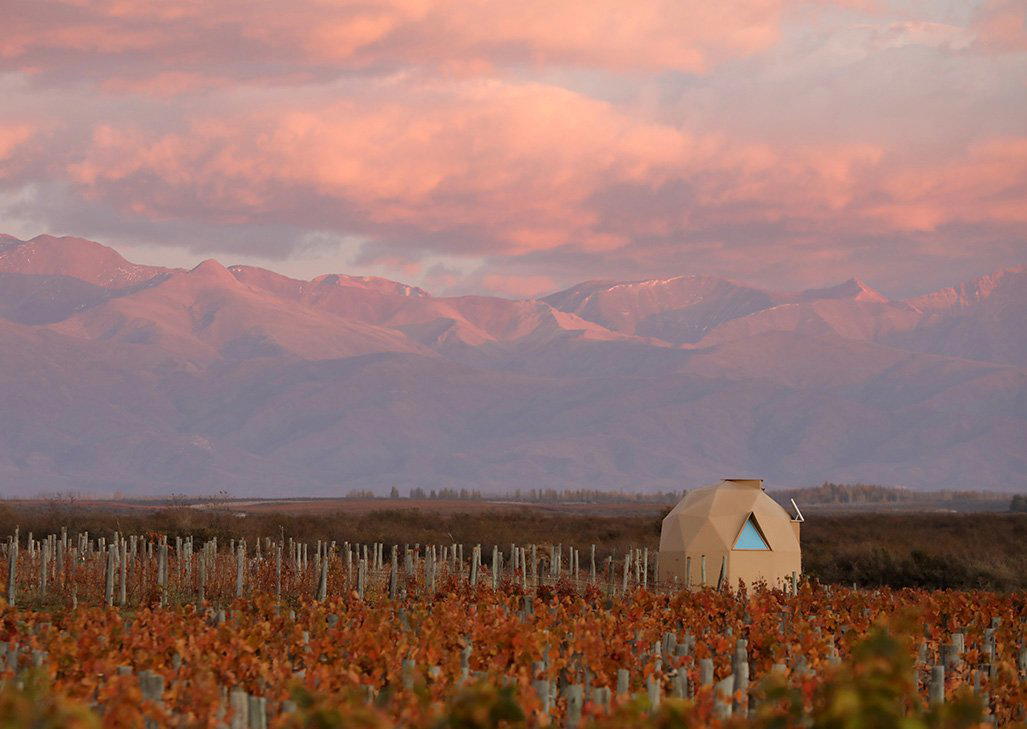
Bars in Tunuyán
Browse all →
Restaurants in Tunuyán
Browse all →
Details
- Rustic
- Scenic
- Modern
- Intimate
- Wine Education
- Solo Exploration
- Vineyard Tour
- Estate Grounds
- Sustainable
- Mountain
- Vineyard
- Malbec
- Cabernet Sauvignon
- Pinot Noir
- Still Red
- Wine Tasting
- Spanish
- English
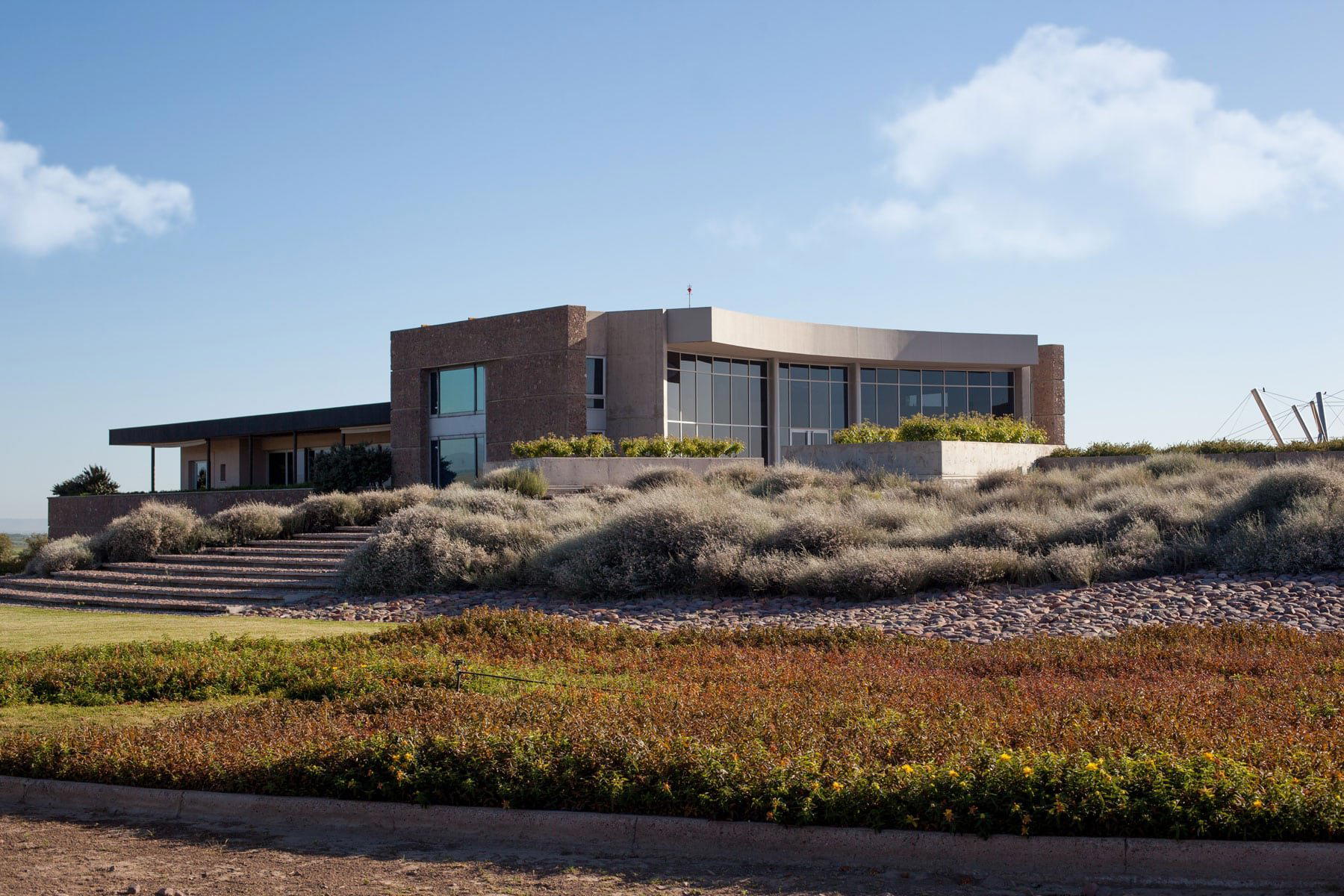
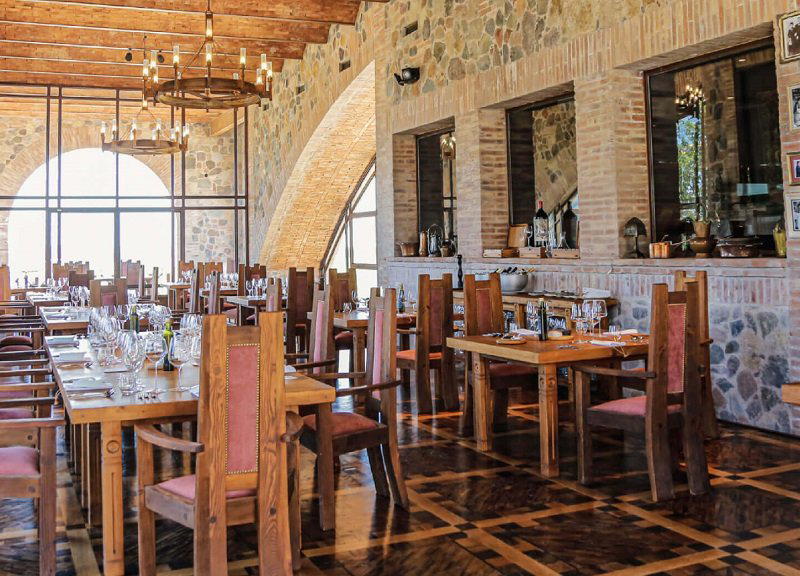
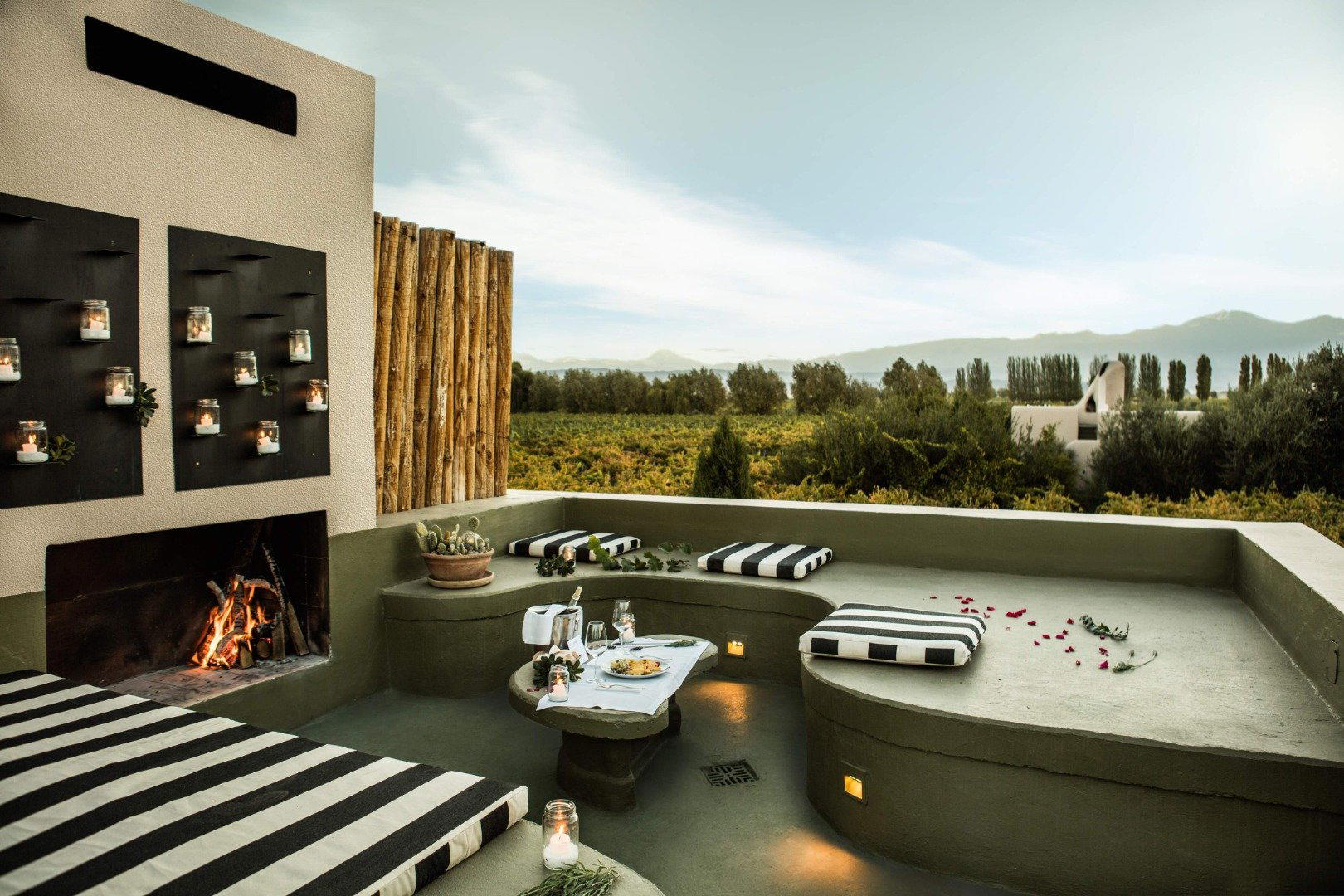
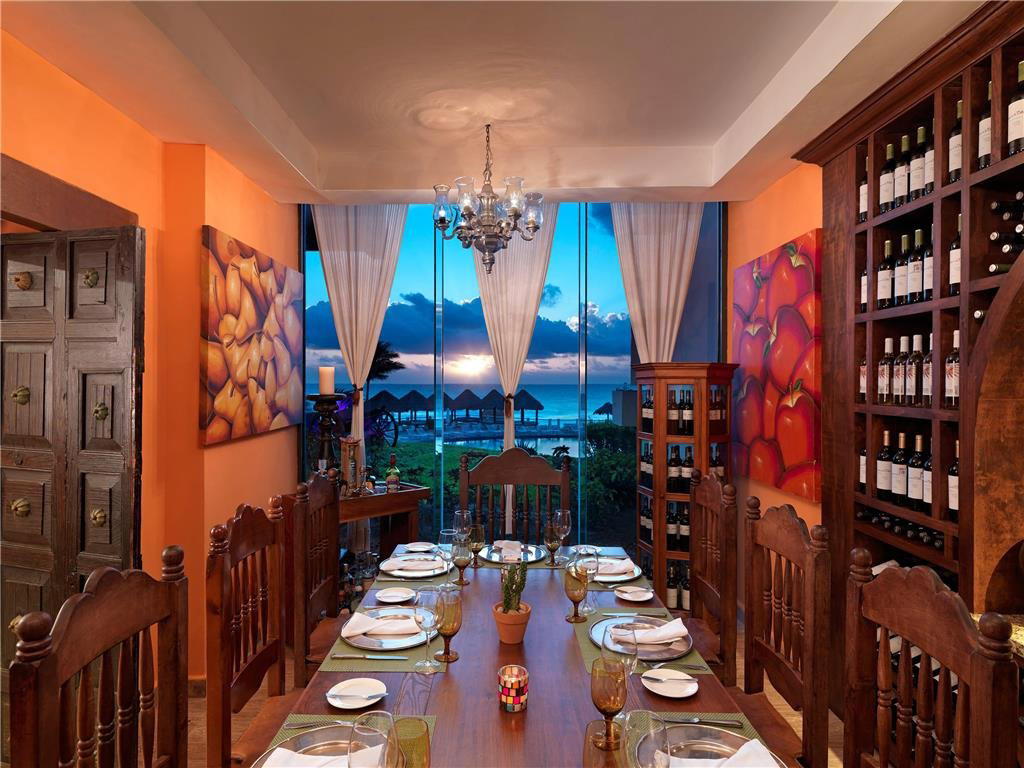
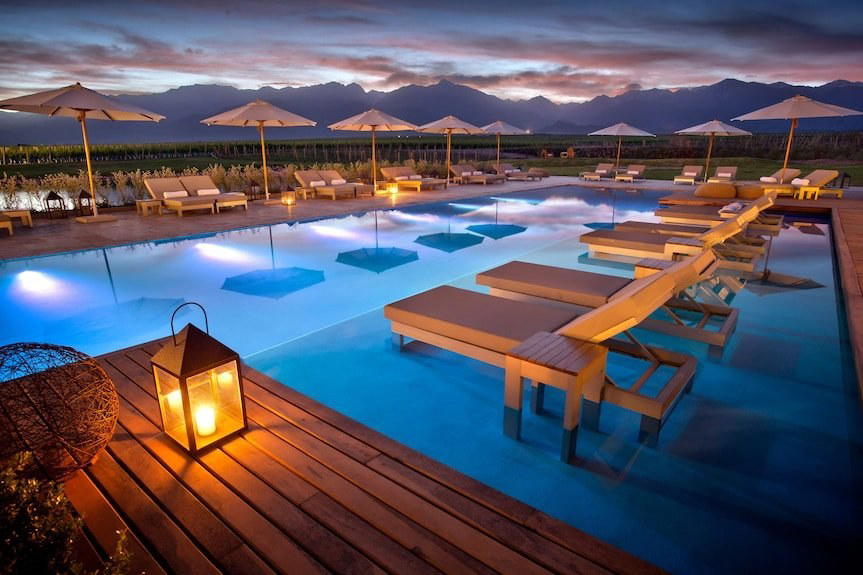
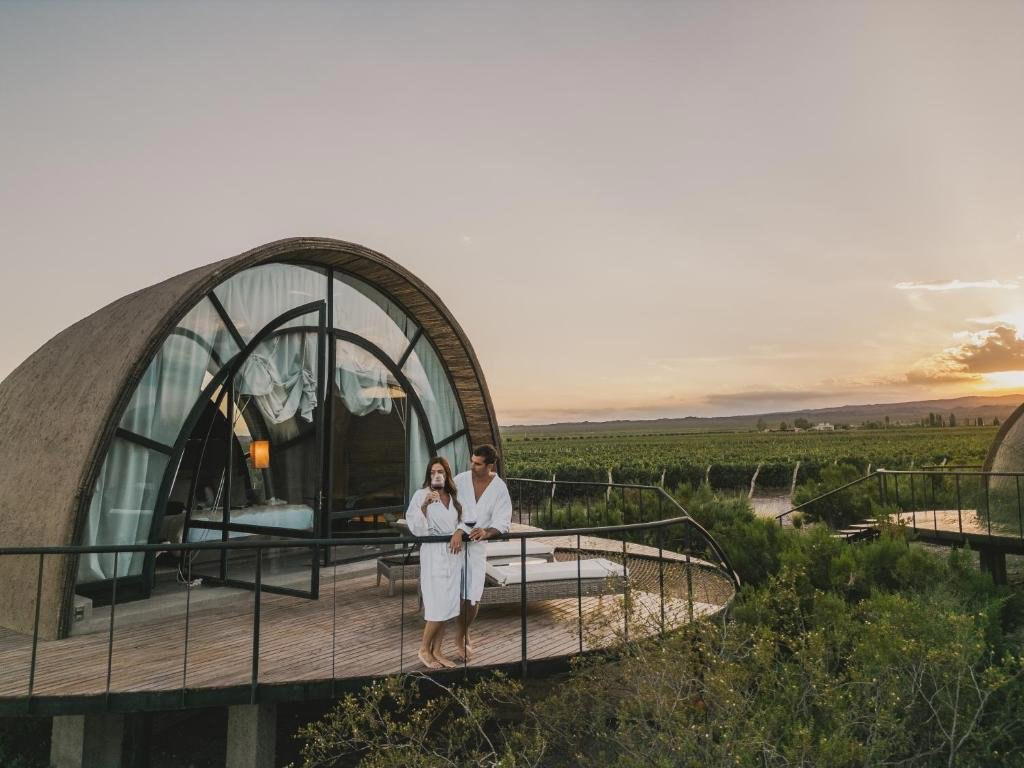
Minimalist modern architecture with rustic vineyard setting at 4400 feet elevation.