
Bodega Piedra Negra sits in the Vista Flores corridor of Tunuyán, one of the Uco Valley's most closely watched sub-appellations for high-altitude Malbec and white varieties.. The address on RP94 puts it within reach of the Valley's broader winery circuit, making it a natural anchor for a focused Uco itinerary.
Pearl is the En Primeur Club membership app — saves, bookings, and concierge access live there. Same editors, same standards.
- Address
- RP94 km 20, M5567 Vista Flores, Mendoza
- Phone
- +54 261 454-8556
- Website
- linktr.ee
- Directions
- Get directions
 Saves & bookings on Pearl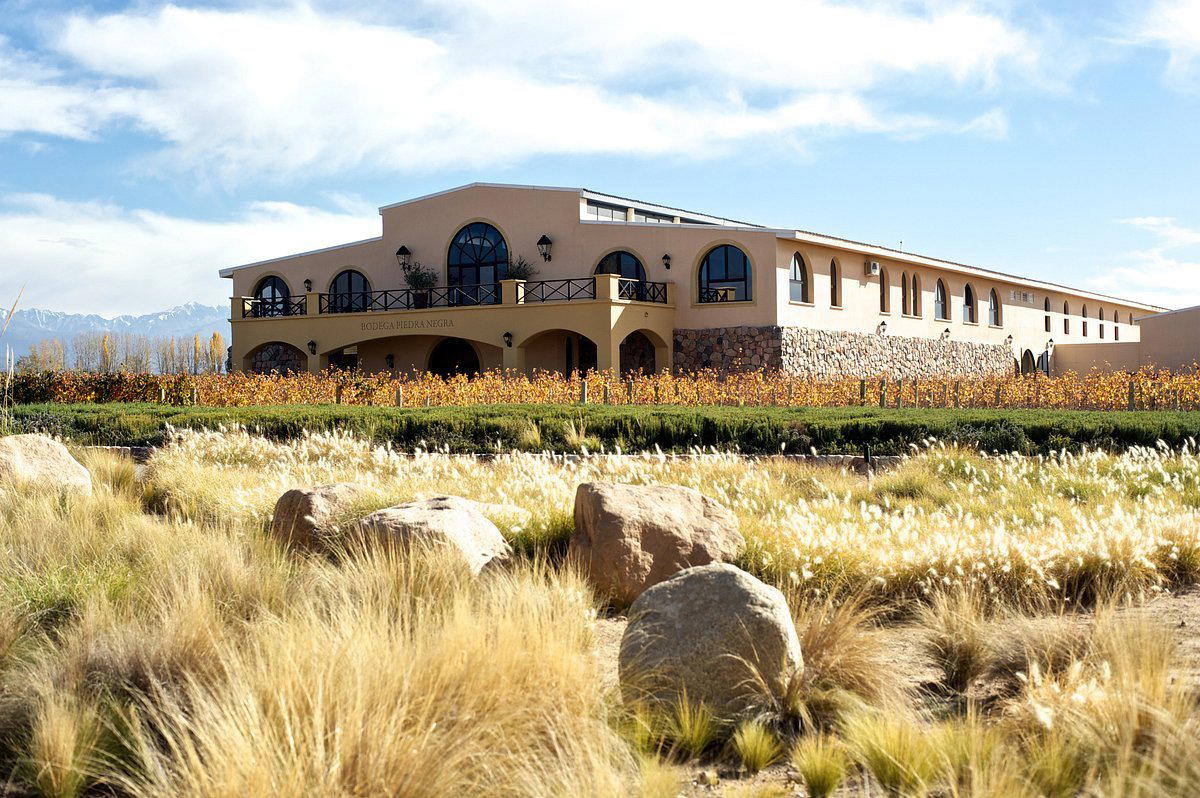
Altitude, Stone, and the Uco Valley's Western Edge
The road that runs through Vista Flores on RP94 tells you something about what Argentine wine has been doing for the past two decades. At around 1,000 metres above sea level, with the Andes wall rising to the west, the Tunuyán district of the Uco Valley has drawn serious winemakers away from Mendoza's lower, warmer floors in search of sharper acidity, longer ripening windows, and soils that carry enough complexity to justify the additional logistics. Bodega Piedra Negra sits at kilometre 20 on that road, in a corridor where the physical environment does much of the editorial work: volcanic stone underfoot, glacial meltwater feeding the vines, and afternoon cloud cover that slows sugar accumulation in ways the broader Mendoza plains rarely permit.
That physical reality is the starting point for understanding the winery's position. Piedra Negra translates literally as black stone, and the name signals something about the geological character that distinguishes this pocket of Vista Flores from the more celebrated Gualtallary sub-zone to the north or the older-established plantings around Eugenio Bustos to the south. The Uco Valley has diversified considerably as a wine region, and any serious visit to the area requires understanding that sub-appellations here are not marketing constructs but genuine climatic and pedological categories. Vista Flores sits at the valley's more accessible southern reach while still delivering the altitude-driven profile that defines Uco's premium identity.
Positioning Bodega Piedra Negra within its immediate competitive set requires a look at what the broader Tunuyán winery corridor has built over the past fifteen years. Bodegas Salentein established the template for large-scale, architecture-forward estates in this district, creating a benchmark that later arrivals either followed or consciously departed from. Bodega DiamAndes and Bodega Cuvelier Los Andes represent the European-investment tier, bringing Bordeaux-trained sensibilities and allocation-style release formats. Antucura and Bodega La Azul occupy different points on the quality-to-accessibility spectrum that defines how visitors experience the appellation.
What High Altitude Looks Like on the Palate
Without specific tasting notes from a verified source, the honest approach is to describe what Vista Flores altitude viticulture typically produces as a category, and let the regional character speak to expectations. Malbec from this elevation tends to show cooler-fruit registers than Luján de Cuyo expressions: more blue and dark rather than jammy-red, firmer tannin structure, and an acid line that allows longer ageing trajectories. White varieties, particularly Chardonnay and Torrontés-related plantings, benefit from the diurnal temperature swings that Vista Flores reliably delivers: warm days for phenolic development, cold nights for retention of aromatic compounds and natural acidity.
This profile is precisely what drew European investment into Tunuyán during the 2000s and continued to pull allocations from informed international buyers throughout the 2010s. The comparison to the broader Argentine wine output is significant: while the country's volume exports remain dominated by approachable, fruit-forward Malbec from warmer zones, the Uco Valley's premium tier operates on a different clock, making wines built for three to eight years of development rather than immediate consumption. Properties earning prestige-level recognition in this corridor are, by implication, working within that longer-arc production model. You can trace how that approach plays out across different Argentine wine regions by looking at work from Bodega Colomé in Molinos, which operates at even higher elevations in Salta's Calchaquí Valley, or at Bodega El Esteco in Cafayate, where altitude-driven aromatics define a different regional identity entirely.
The Physical Experience of Visiting Vista Flores
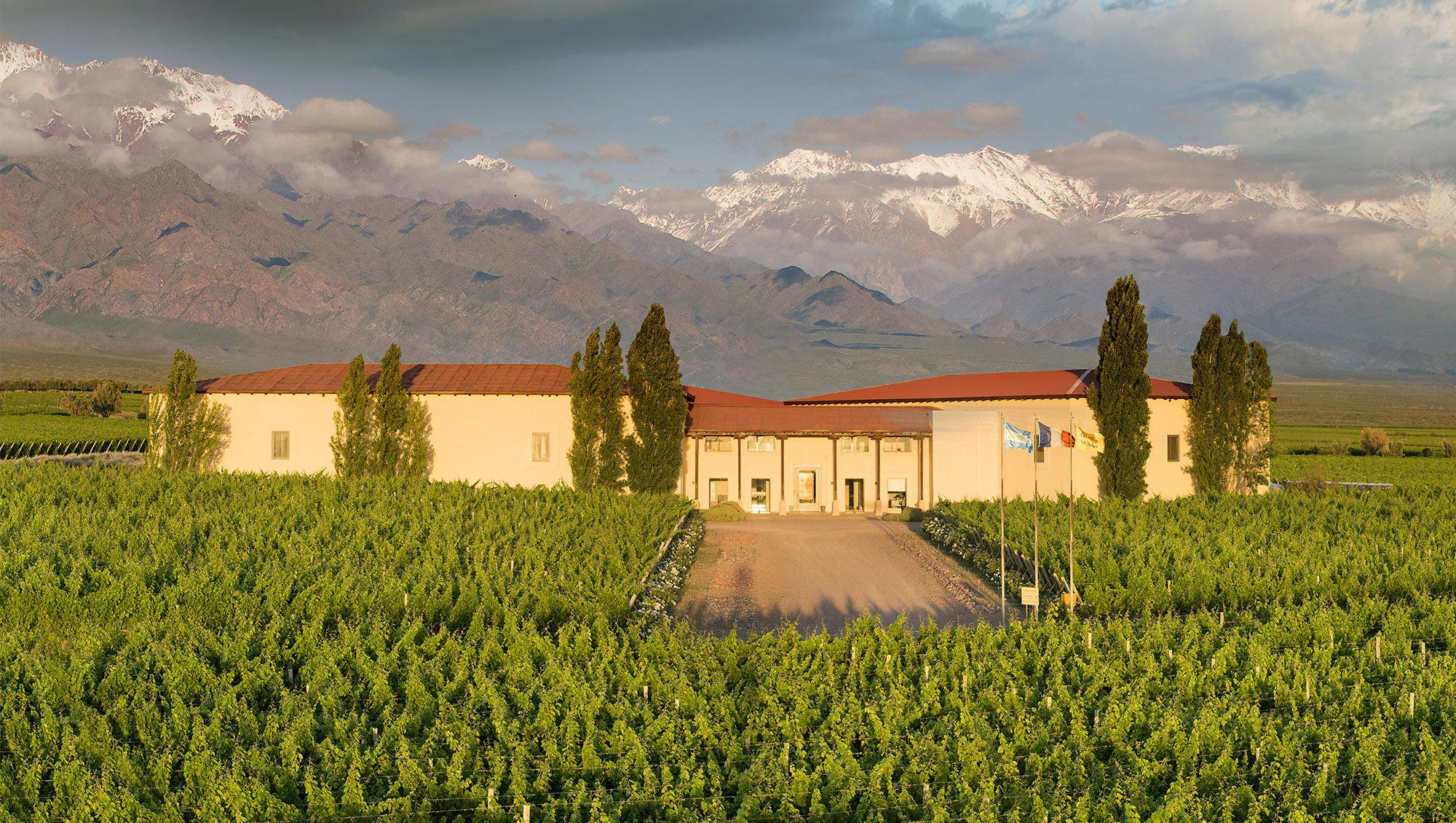
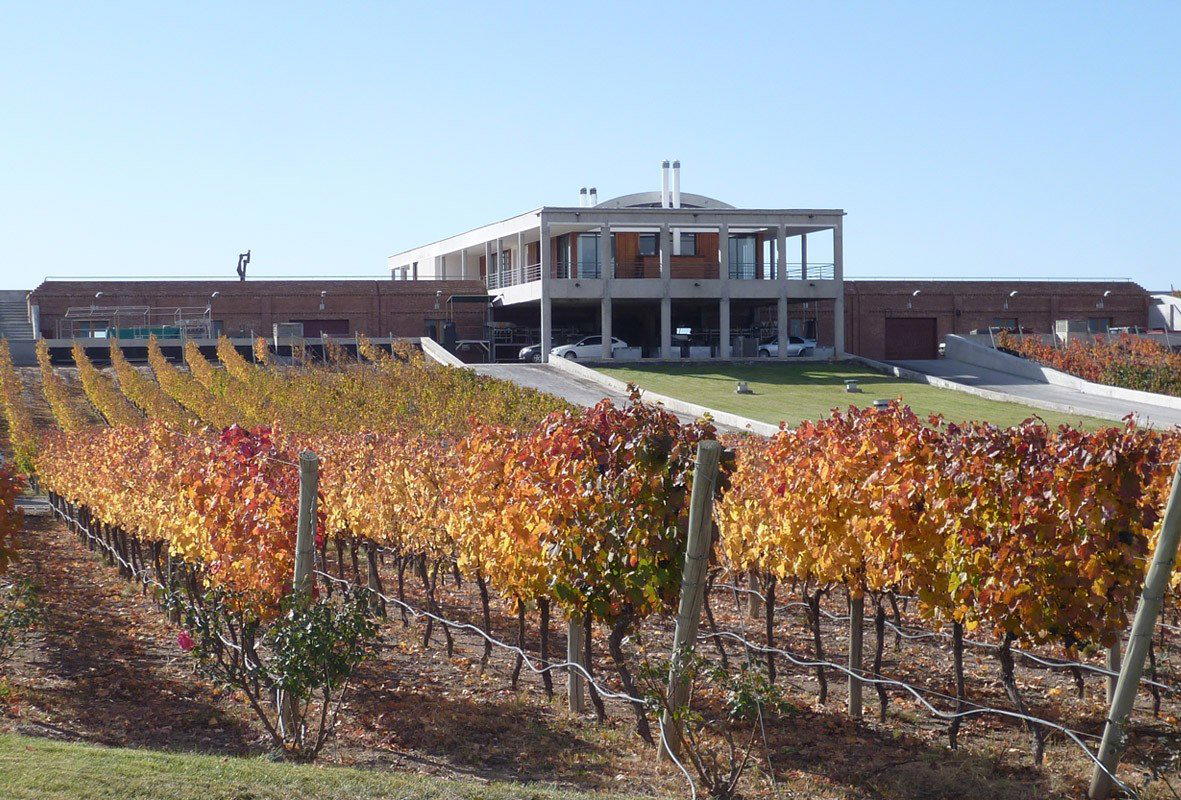
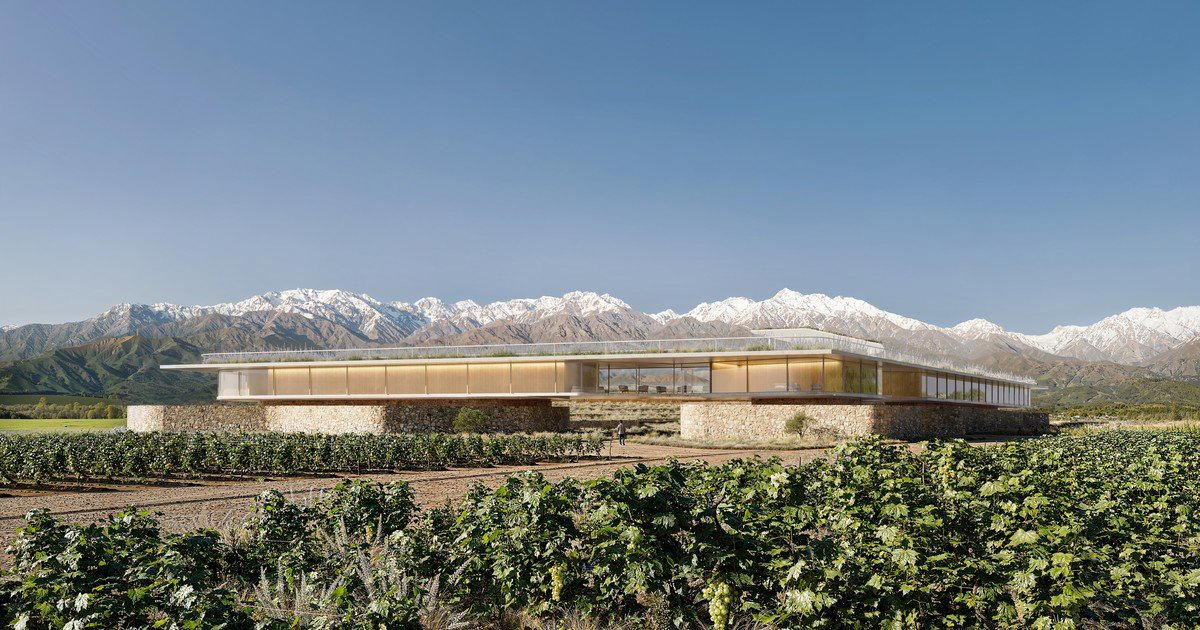
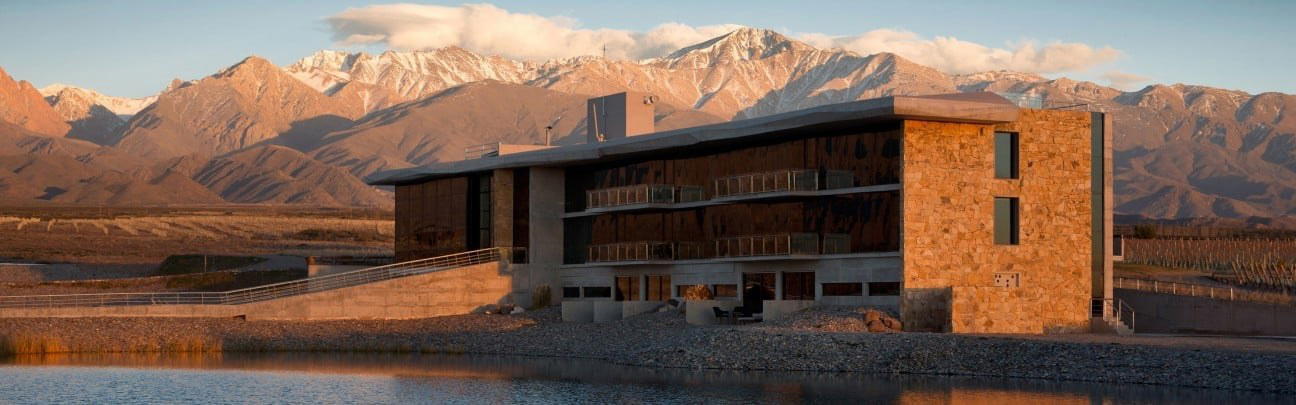
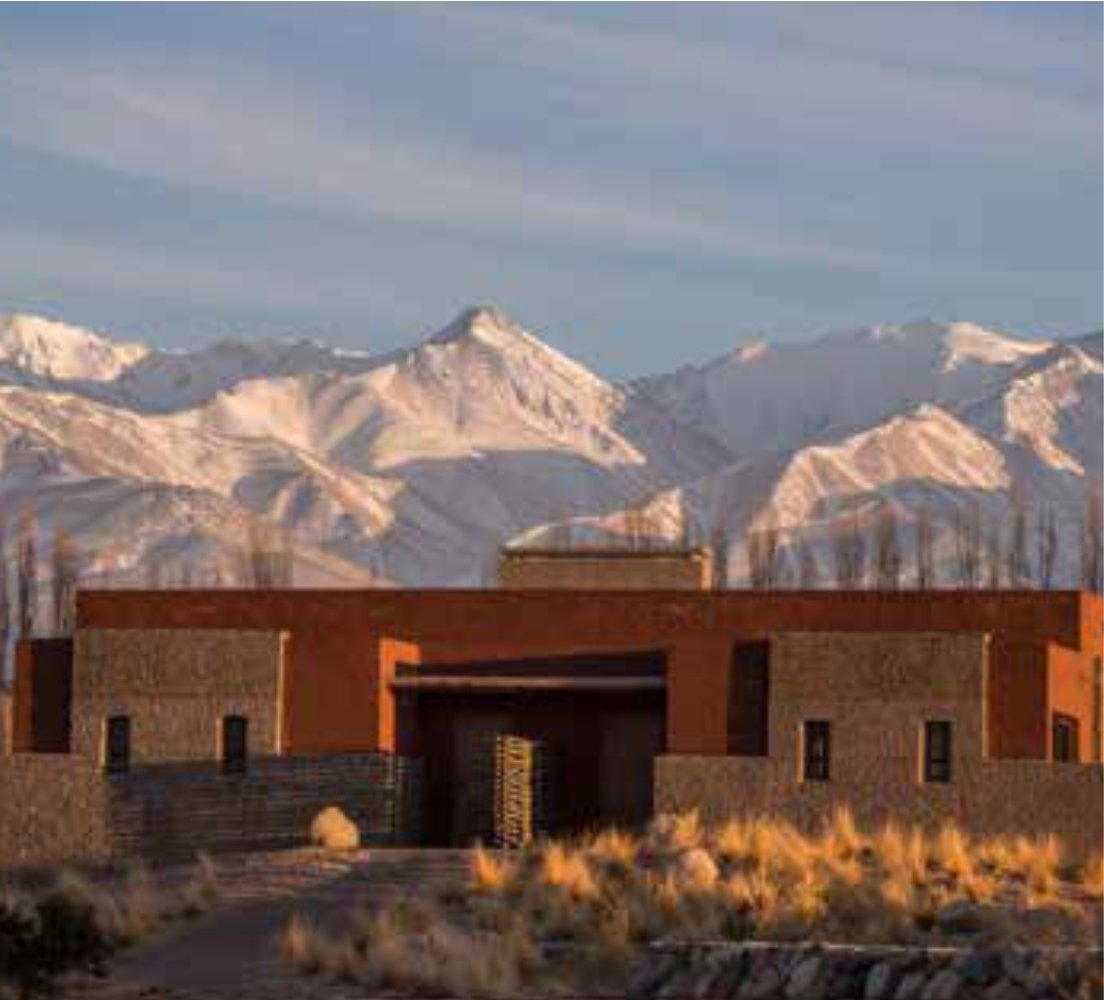
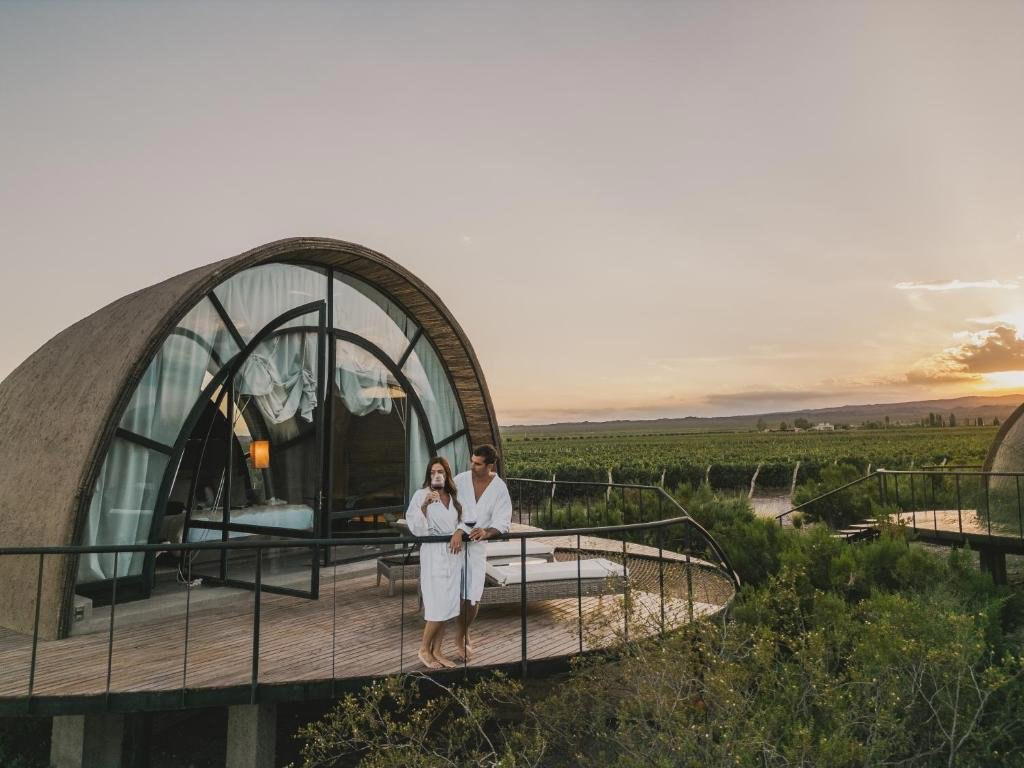
The EA-WN-04 angle of any Uco Valley winery visit is earned rather than assumed. Vista Flores does not have the dramatic vertical drama of Gualtallary at 1,400 metres, but the landscape along RP94 carries its own character: wide vineyard rows receding toward a clear Andean horizon, the distinctive reddish-grey volcanic soil visible between rows, and the particular quality of light at this altitude that photographers and winemakers alike track through the seasons. In spring, blossom on the vines coincides with snowcap on the high peaks behind, a juxtaposition that arrives in October and lasts perhaps six weeks. Harvest in February and March brings the working chaos of the bodega into the open, with equipment active and the smell of fermenting juice audible and present in the property's outdoor spaces.
Visitors making the drive from Mendoza city should plan for approximately 90 minutes each way on a combination of Ruta Nacional 40 and provincial roads. The RP94 stretch itself rewards the drive independently of the winery destination: the transition from irrigated flatland to the foothills corridor happens visibly across a short distance and provides geographic context that any tasting at altitude benefits from. For those building a multi-day Uco Valley programme, the Tunuyán area covered in our full Tunuyán guide maps the broader circuit across Vista Flores and neighbouring sub-zones.
Putting Piedra Negra in the Wider Argentine Context
Understanding where a 2 Star Prestige property sits in the full Argentine wine conversation requires some horizontal comparison. Bodega Norton in Luján de Cuyo operates at a different elevation with a longer commercial history, producing across a wide range that includes entry points unavailable at a specialist-tier estate. Escorihuela Gascón in Godoy Cruz anchors Mendoza's urban winery tradition rather than altitude agriculture. Rutini Wines in Tupungato shows how the adjacent Uco sub-zone handles similar altitude conditions with a different stylistic history. The contrast with production models entirely outside Argentine wine is equally instructive: Accendo Cellars in St. Helena applies Napa Valley's premium-allocation logic to a small-production model, while Familia Schroeder in San Patricio del Chañar demonstrates how Patagonia's cooler latitudes pursue a different Argentine premium identity.
For a visitor with genuine interest in how Uco Valley Malbec performs at the upper end of the quality spectrum, the Vista Flores address on RP94 is not incidental. It is the argument.
Planning a Visit
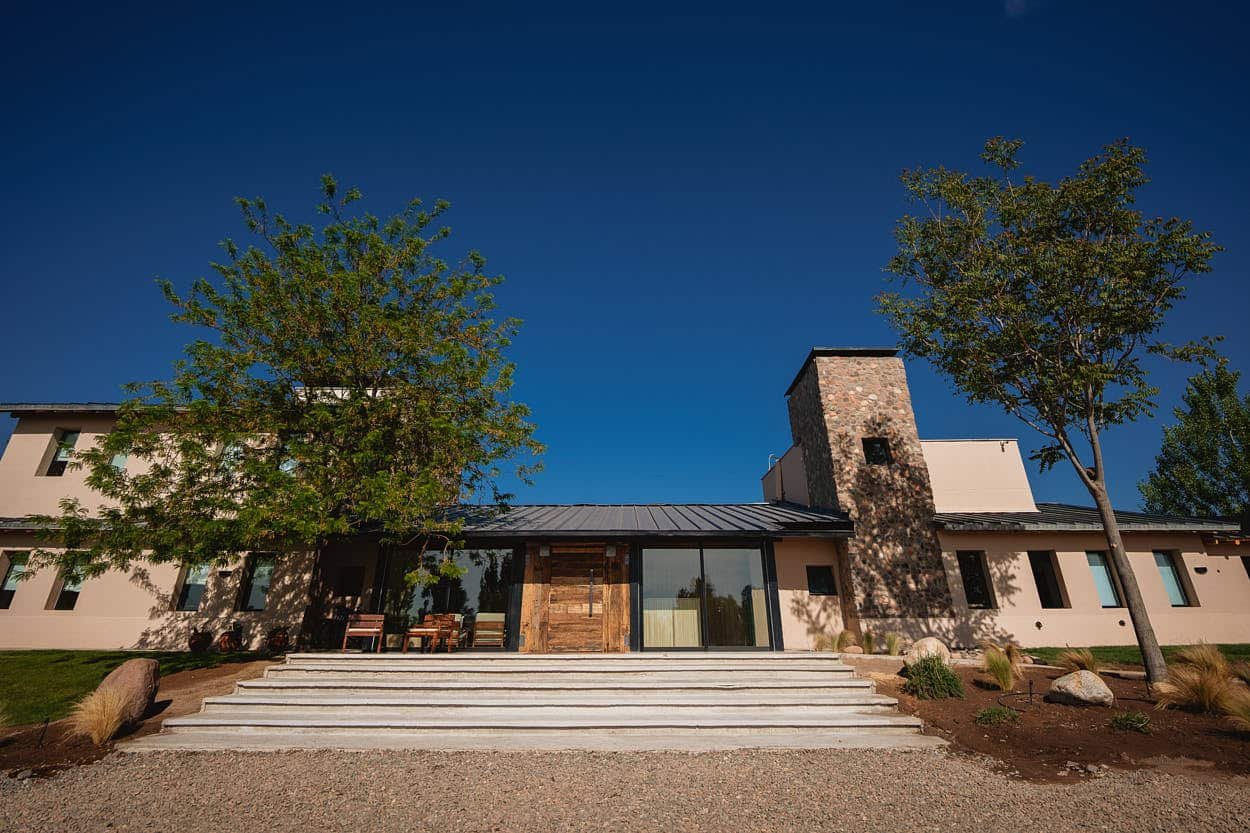
Bodega Piedra Negra's address at RP94 km 20, Vista Flores, M5567, places it in the southern Tunuyán corridor rather than the northern premium cluster around Chacayes. Visitors arriving from Mendoza city can self-drive or arrange a guided winery tour through operators based in the city, many of whom run half-day circuits through Vista Flores and neighbouring bodegas. The harvest season window of February to April typically generates the highest winery activity, while the southern-hemisphere spring months of October and November offer pleasant conditions with lower visitor volumes across the Tunuyán corridor generally.
Recognition history
Dated appearances from independent guides and award organizations, with the underlying list record or original source where available.
Falstaff Winery - Listed
Falstaff
Continue exploring
More in Tunuyán
Wineries in Tunuyán
Browse all →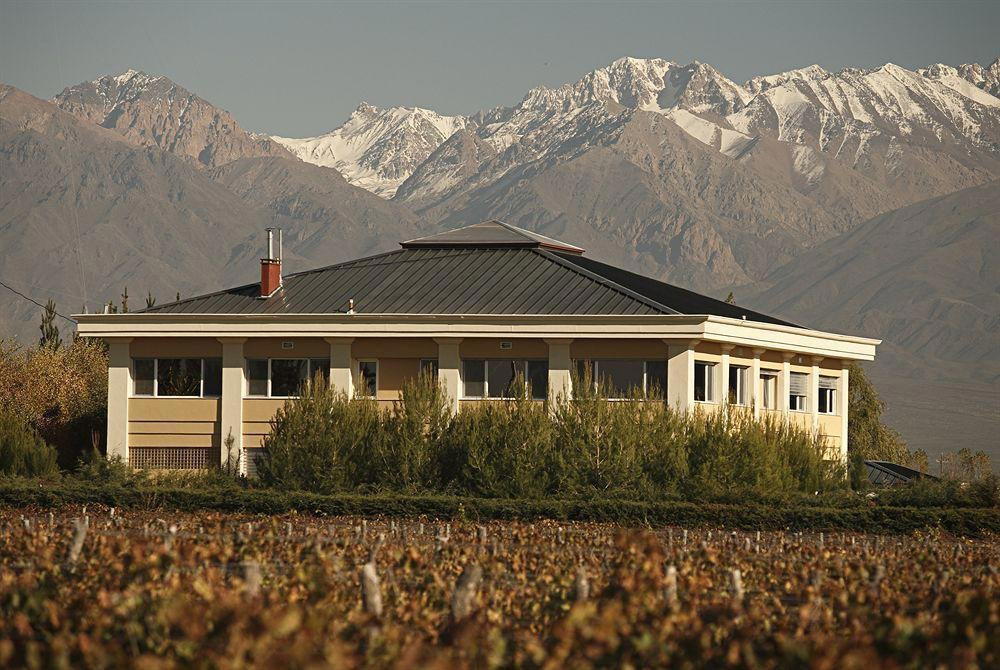
Bars in Tunuyán
Browse all →
Restaurants in Tunuyán
Browse all →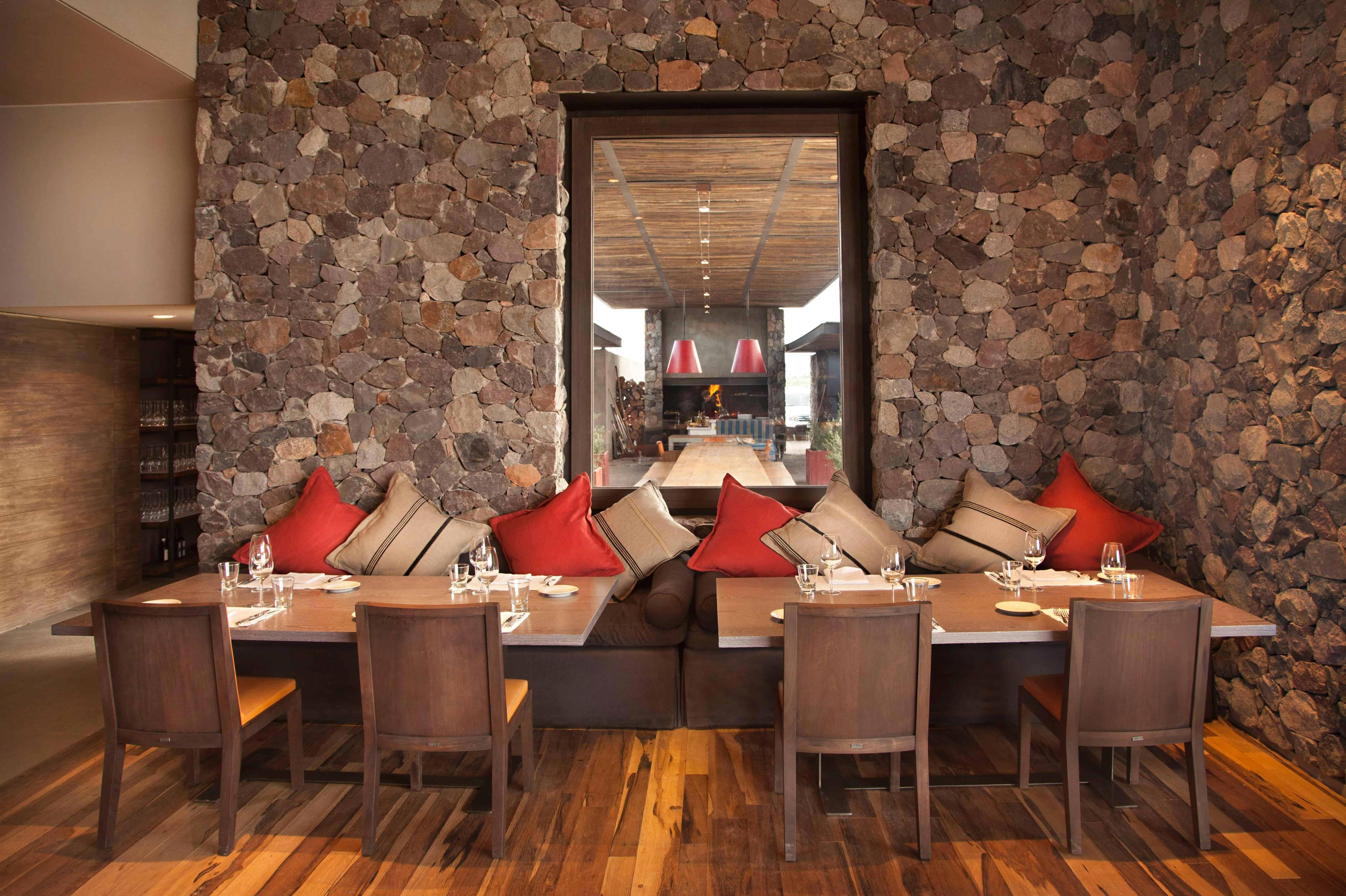

At a Glance
- Rustic
- Scenic
- Elegant
- Wine Education
- Solo Exploration
- Group Outing
- Vineyard Tour
- Estate Grounds
- Panoramic View
- Organic
- Vineyard
- Mountain
- Uco Valley
- Malbec
- Cabernet Sauvignon
- Pinot Gris
- Cabernet Franc
- Côt
- Still Red
- Still White
- Still Rosé
- Private Tasting
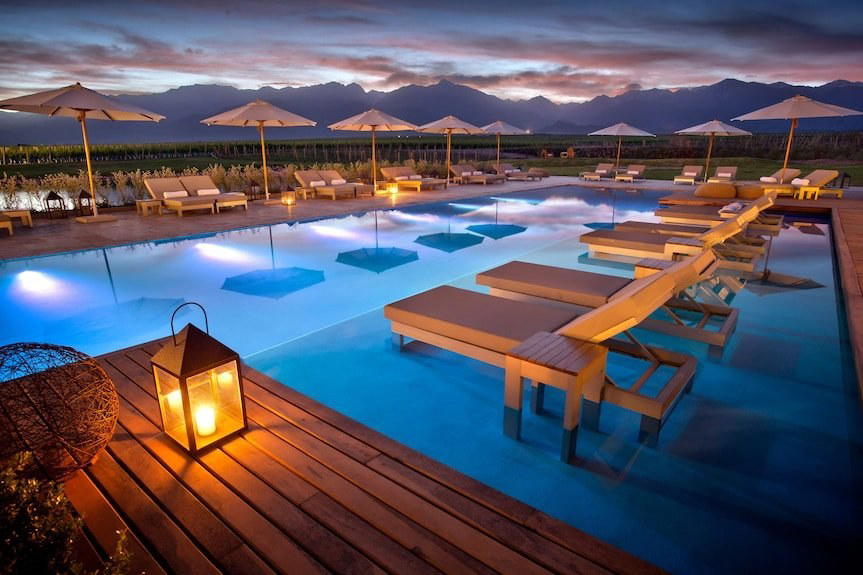
Relaxed and welcoming with panoramic vineyard views, informative guided tours, and a focus on organic winemaking philosophy amid semi-desert surroundings.
Know Before You Go
- Getting there
- RP94 km 20, M5567 Vista Flores, Mendoza