Bodega Lagarde


World's 50 Best #95 · Falstaff Winery - Listed
Bodega Lagarde belongs to the old Luján de Cuyo wine belt, where irrigation, altitude, and alluvial soils shaped Mendoza’s reputation for structured Malbec long before the Uco Valley became the region’s louder export story.

Pearl is the En Primeur Club membership app — saves, bookings, and concierge access live there. Same editors, same standards.
- Address
- San Martín 1745, M5507 Mayor Drummond, Mendoza
- Phone
- +54 261 681-5961
- Website
- lagarde.com.ar
- Directions
- Get directions
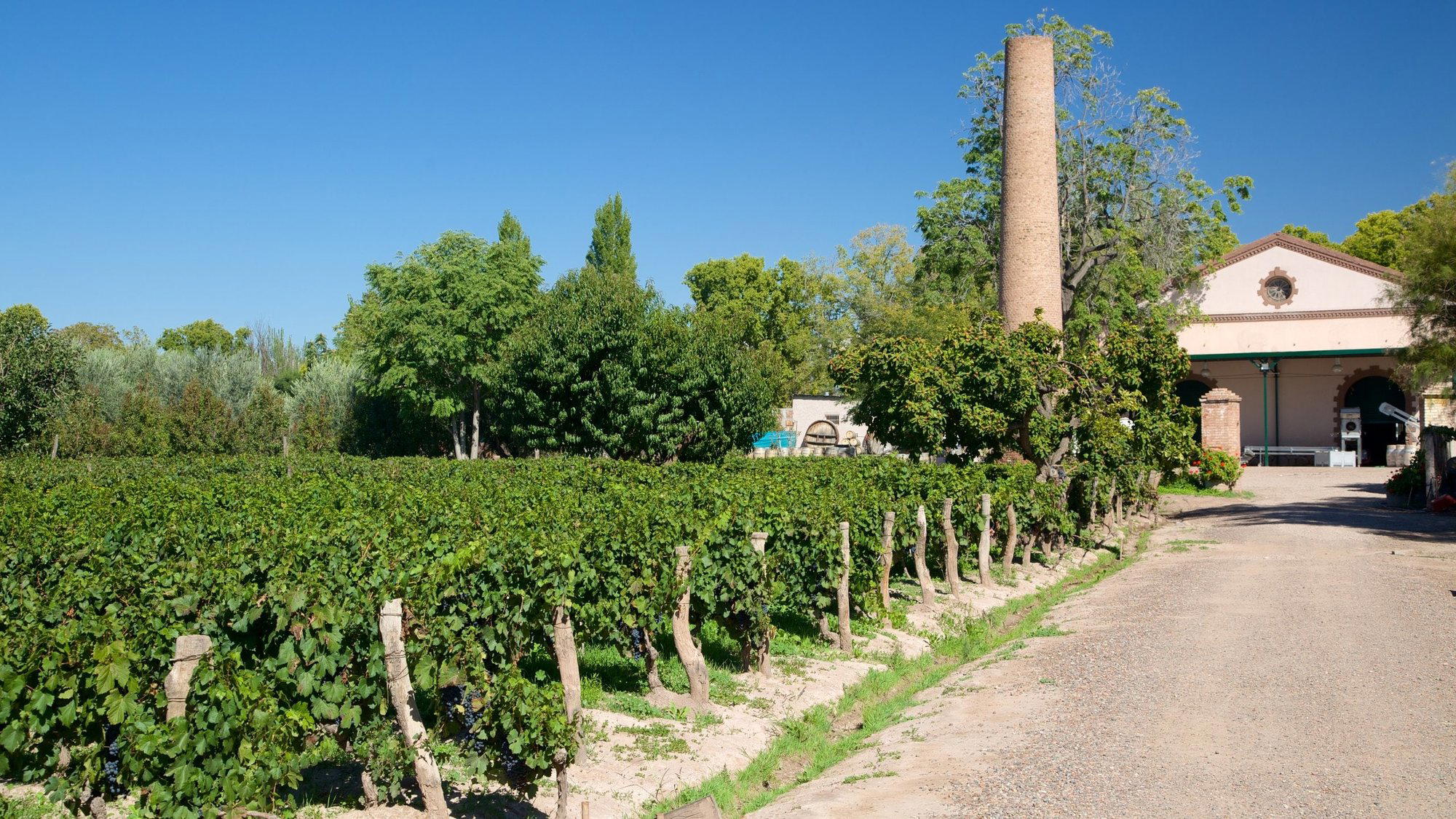
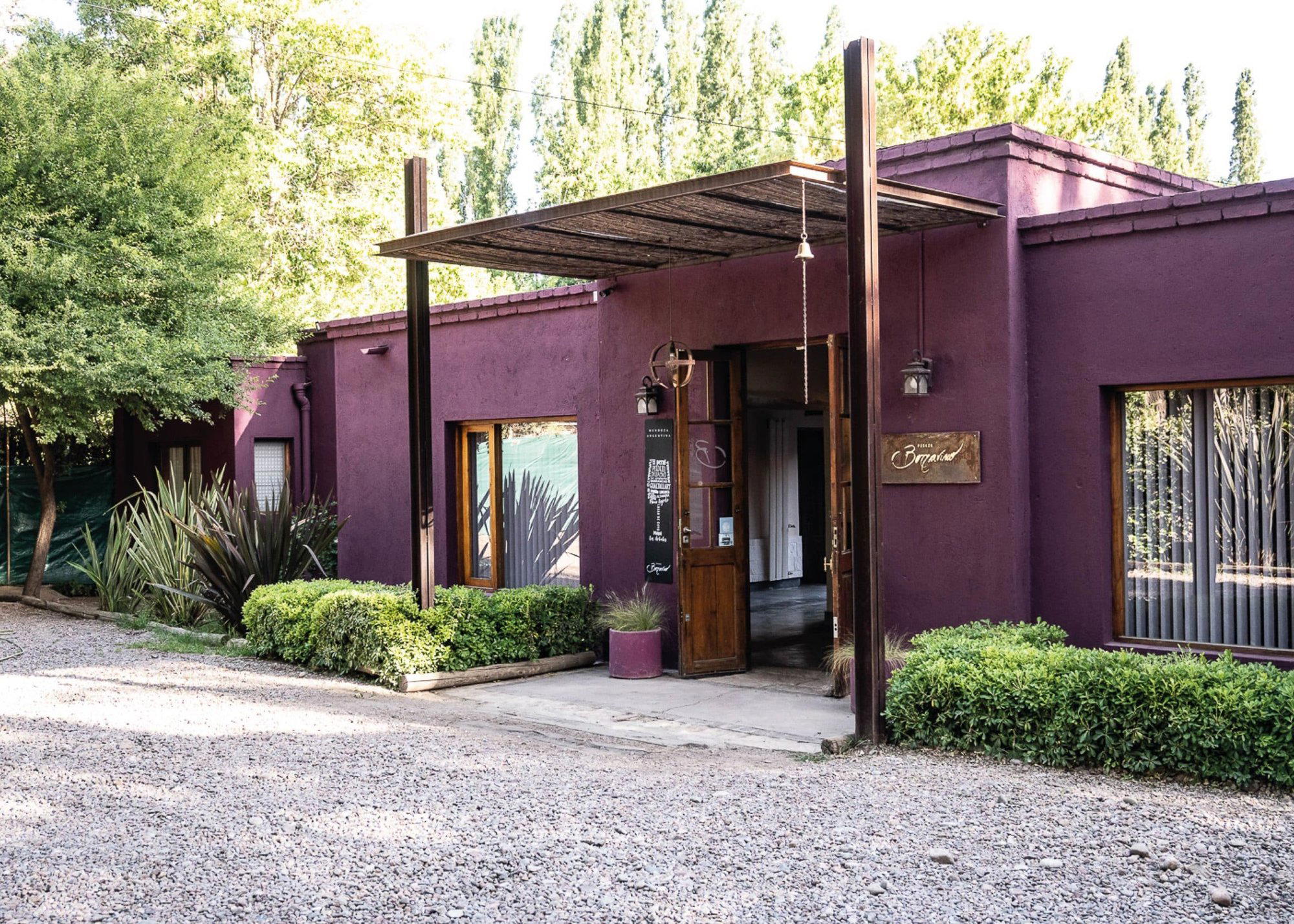
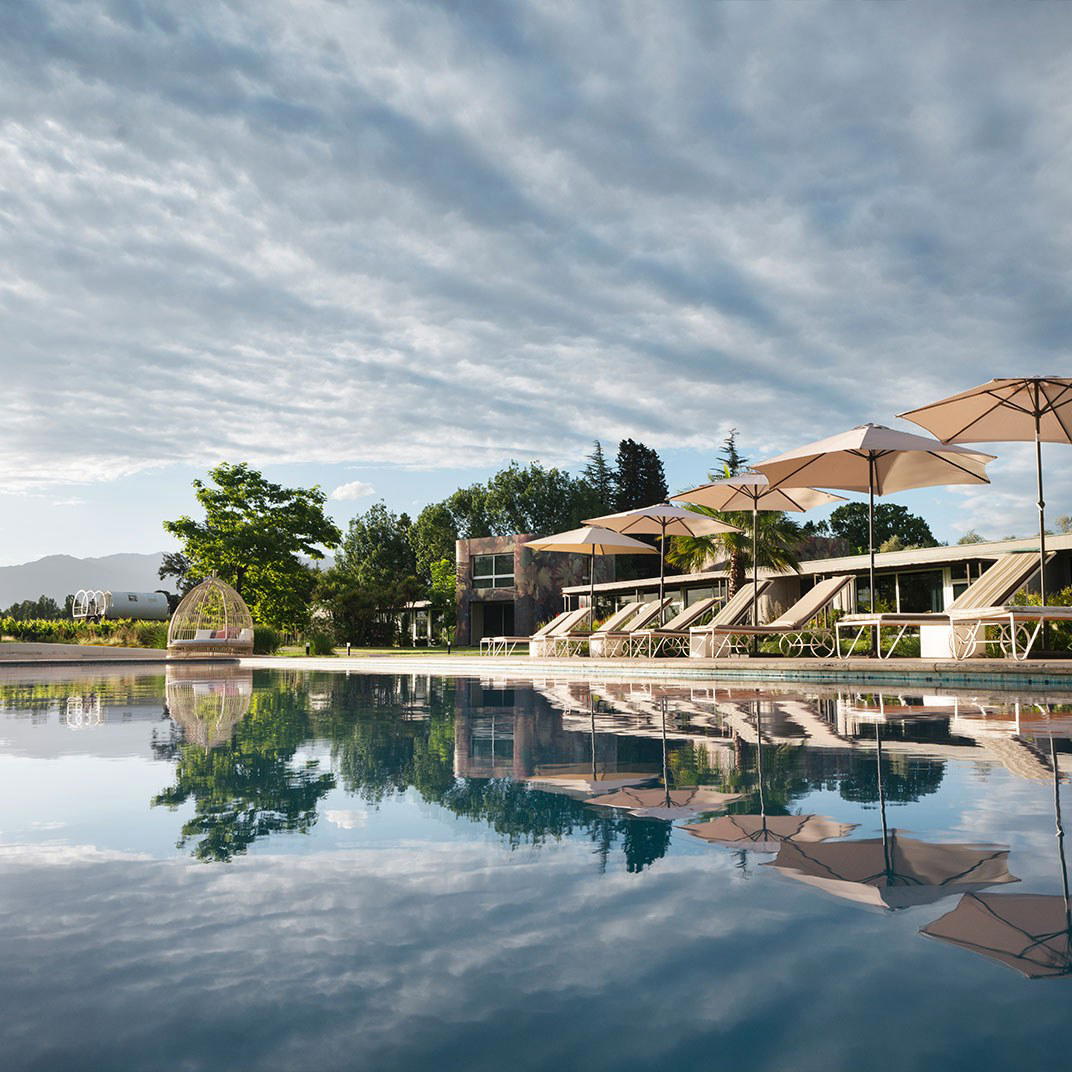
The approach through Luján de Cuyo changes the tempo of Mendoza wine country. The Andes remain west as a fixed reference, but the immediate language is agricultural: vineyard parcels, irrigation channels, low buildings, and the dry clarity that makes Luján de Cuyo feel less like a postcard than a working wine area. Here, Bodega Lagarde reads as part of the local Mendoza conversation, where the value of a visit is tied to context, pacing, and the surrounding vineyard landscape rather than spectacle alone.
Luján de Cuyo’s reputation rests on the relationship between climate, water, altitude, and wine culture. The area is often discussed through Malbec, but a serious visit is not only about one grape or one label. The better question is how each estate frames ripeness, freshness, texture, and cellar decisions without losing a sense of place. Bodega Lagarde belongs in that conversation as a Luján de Cuyo stop that helps visitors understand why this part of Mendoza remains central to the region’s identity.
Old Luján de Cuyo, read through soil and altitude
The major Mendoza contrast now often sits between established Luján de Cuyo and other, higher-altitude parts of the province. Newer wine routes may get much of the contemporary language, with discussions of parcels, elevation, and cooler sites, but Luján de Cuyo works differently. Its appeal comes from a long agricultural and winegrowing frame, supported by vineyards, irrigation, and an enduring association with Mendoza’s most recognizable styles. Bodega Lagarde fits that frame as a Luján de Cuyo reference point rather than a detached destination stop.
Within Luján de Cuyo, the comparison set is useful. Other Luján de Cuyo estates pull the conversation toward concentration, vineyard expression, local wine history, and cellar context. Bodega Alta Vista gives another angle on the local winery circuit, while other local producers sharpen the appellation discussion through their own vineyard and cellar perspectives. Against that group, Bodega Lagarde is valuable for context: it helps anchor a visit to Luján de Cuyo in the area’s broader wine identity rather than in hospitality polish alone.
The terroir argument in Luján de Cuyo is concrete without needing to become technical theater. Warm days, cooler nights, dry air, alluvial influence, and irrigation choices all shape how wines are understood here. In less careful hands, the climate can feel broad; in stronger examples, the leading tastings show definition as well as generosity. Mendoza power is not one style. It is a set of decisions made under intense light, mountain influence, and a long relationship between land and water.
A quieter counterpoint to Mendoza's destination-winery circuit
Mendoza hospitality has expanded into a polished circuit of tasting rooms, pairing lunches, vineyard lodges, and long-window reservations. That has made the region easier to access, but it can also blur winery visits into a similar format. The stronger experiences separate service choreography from wine education. In Luján de Cuyo, a tasting should clarify why the area continues to matter: the relationship between water and dry land, the weight of Mendoza’s export identity, and the differences between estates that sit close on a map but work from distinct materials and traditions.
Bodega Lagarde suits travelers who want Luján de Cuyo context before moving outward. It pairs naturally with winery days in Luján de Cuyo, then with a broader itinerary comparing the area’s established structure against other Mendoza zones. For a serious Mendoza plan, Our full Luján de Cuyo wineries guide is the logical anchor, while Our full Luján de Cuyo restaurants guide, Our full Luján de Cuyo hotels guide, Our full Luján de Cuyo bars guide, and Our full Luján de Cuyo experiences guide help separate a wine-focused day from a rushed tasting circuit.
Luján de Cuyo rewards pacing. A compressed itinerary turns Mendoza into a sequence of labels; a better one compares zones, soils, and cellar decisions. Bodega Luigi Bosca, Bodega Mendel, Viña Alicia, Hilbing Franke Distillery, and Bodega Alta Vista all occupy different positions in the local conversation, from established wine houses to spirits production and smaller-scale cellar culture. Bodega Lagarde’s value is its role in that conversation: a reference point for Luján de Cuyo rather than a novelty stop.
How to place it in a wider wine itinerary
For international travelers, Luján de Cuyo should not be treated as a single-day prelude. It is one of the baselines against which much of Mendoza makes sense. The area helps explain why Argentine wine became legible abroad, but also shows the limits of reading Mendoza through grape variety alone. Soil, irrigation, canopy decisions, and elevation can shift wines grown only short distances apart. A strong Luján de Cuyo tasting day includes estates with different scales and historical positions, not merely different labels.
Beyond Mendoza, that comparative instinct separates casual tasting from serious wine travel. Other Mendoza wineries extend the conversation into different elevations and site profiles, while additional producers elsewhere in the province shift the lens again. Broader wine and distillation stops can widen the category, but those contrasts matter because Luján de Cuyo is not just a place to taste Mendoza wine; it recalibrates how climate, water, and time build regional identity.
The editorial verdict is simple: Bodega Lagarde is for travelers who want Luján de Cuyo in its grounded register. The draw is not volume or spectacle, but the chance to read Mendoza through one of its central wine areas, where the vineyard environment remains the main text and hospitality works well when it points back to the land.
Quick Comparison
Comparable venues by cuisine and price in the same metro.
| Venue | Cuisine | Price | Awards | Notes |
|---|---|---|---|---|
| Bodega LagardeThis venue — the venue you are viewing | Malbec, Cabernet Sauvignon | Not listed | World's 50 Best #95 · Falstaff Winery - Listed | Not listed |
| Durigutti Winemakers | Malbec, Cabernet Franc | $50–100 | World's 50 Best #11 · Falstaff Winery - Listed | Las Compuertas |
| Viña Cobos | Malbec, Cabernet Sauvignon | Not listed | World's 50 Best #49 · Falstaff Winery - Listed | Luján de Cuyo |
| Benegas Lynch | Malbec, Cabernet Franc | Not listed | Falstaff Winery - Listed | Luján de Cuyo |
| Bodega Mendel | Malbec, Cabernet Sauvignon | Not listed | Not listed | Luján de Cuyo |
| Fabre Montmayou | Malbec, Merlot | Not listed | Not listed | Vistalba |
Recognition history
Dated appearances from independent guides and award organizations, with the underlying list record or original source where available.
World's 50 Best Vineyards #95
World's 50 Best
Falstaff Winery - Listed
Falstaff
Continue exploring
More in Luján de Cuyo
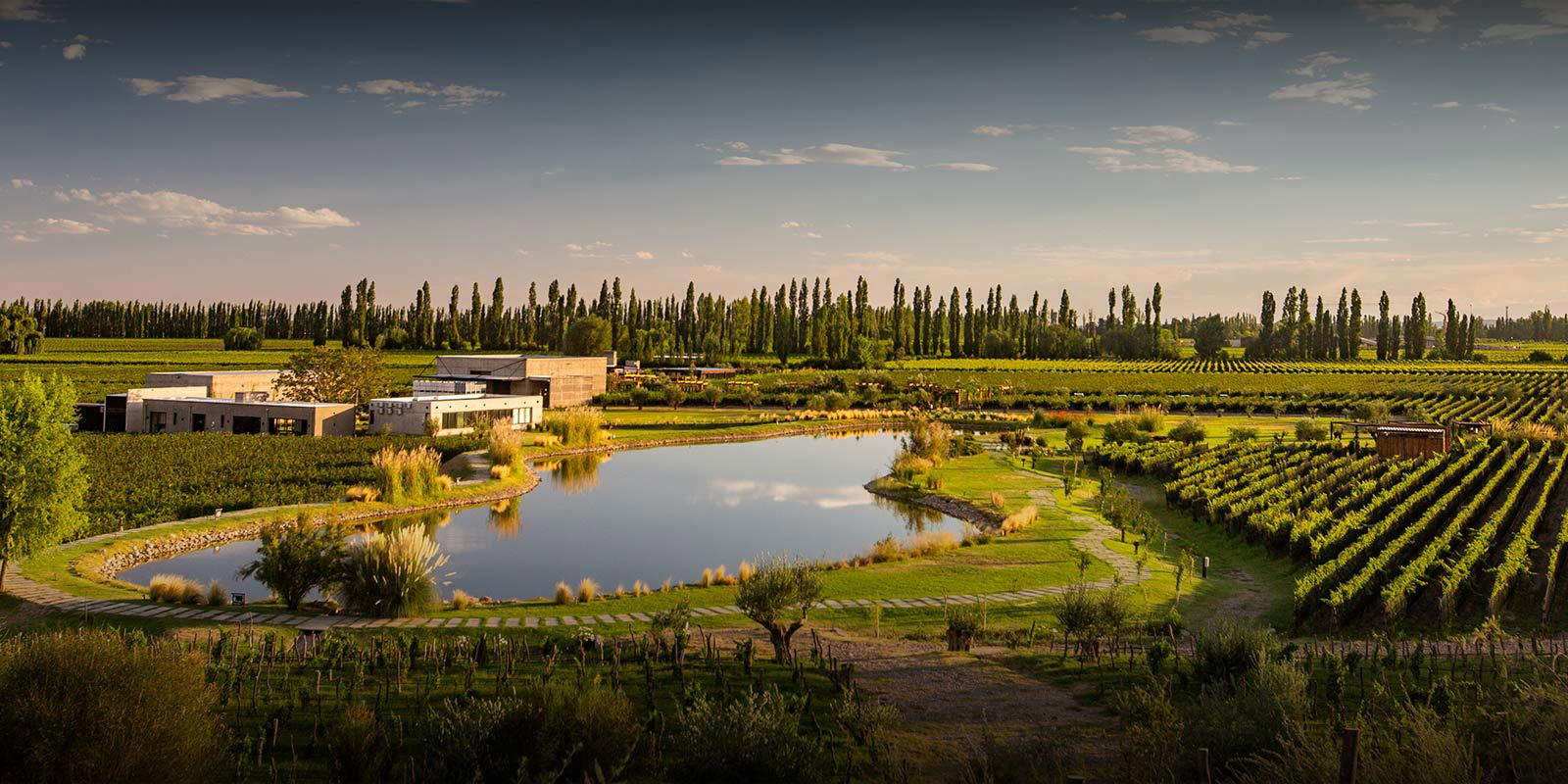
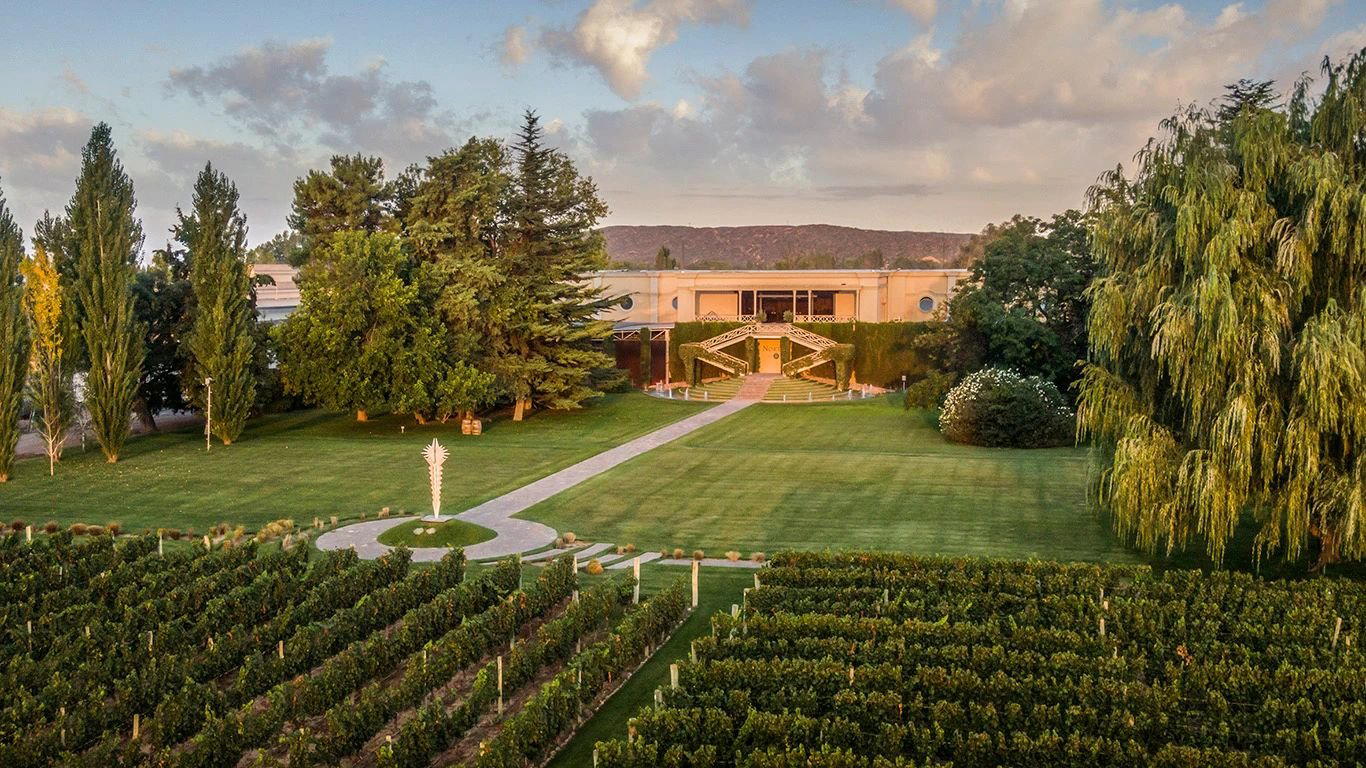
Wineries in Luján de Cuyo
Browse all →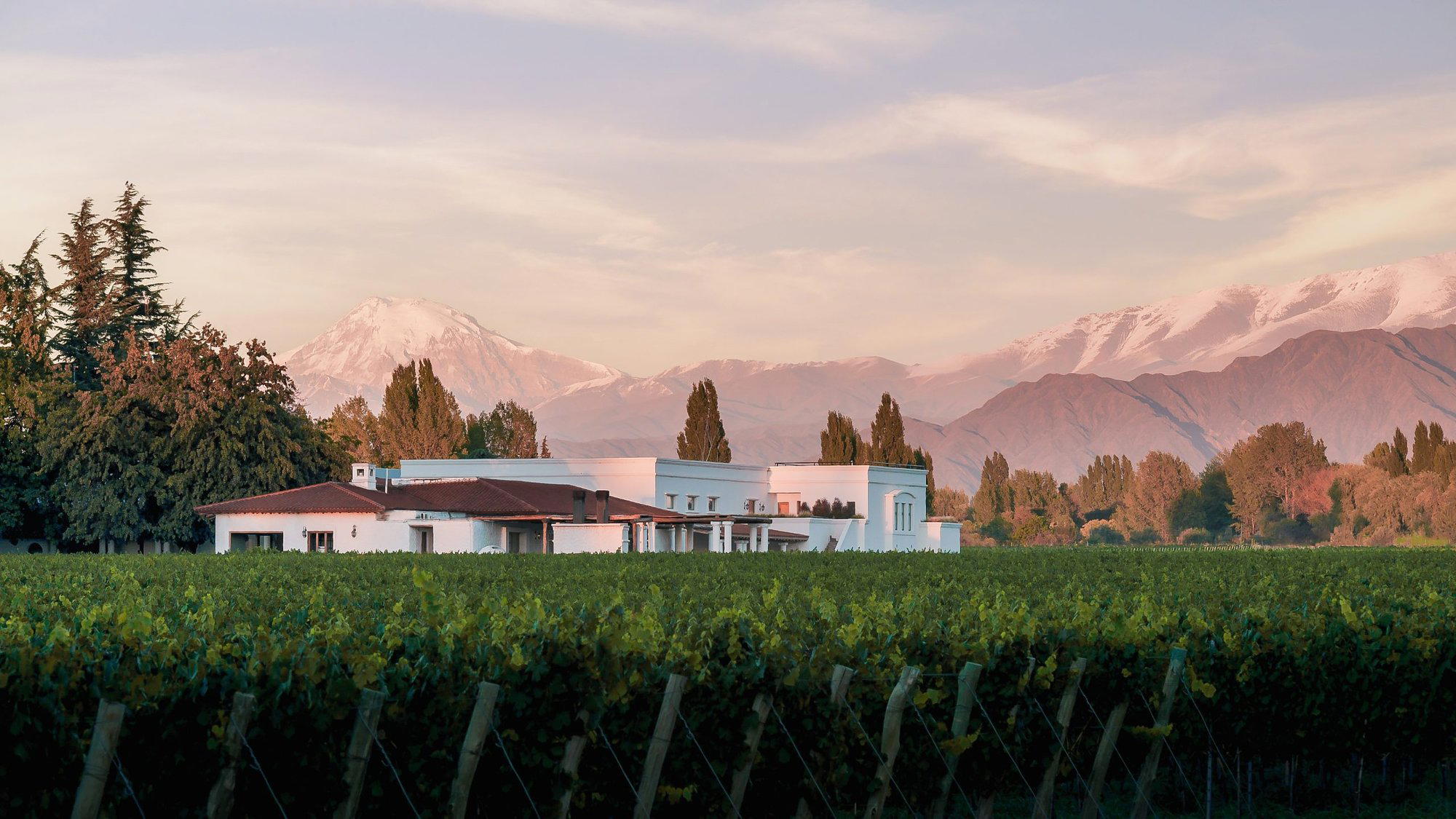
Bars in Luján de Cuyo
Browse all →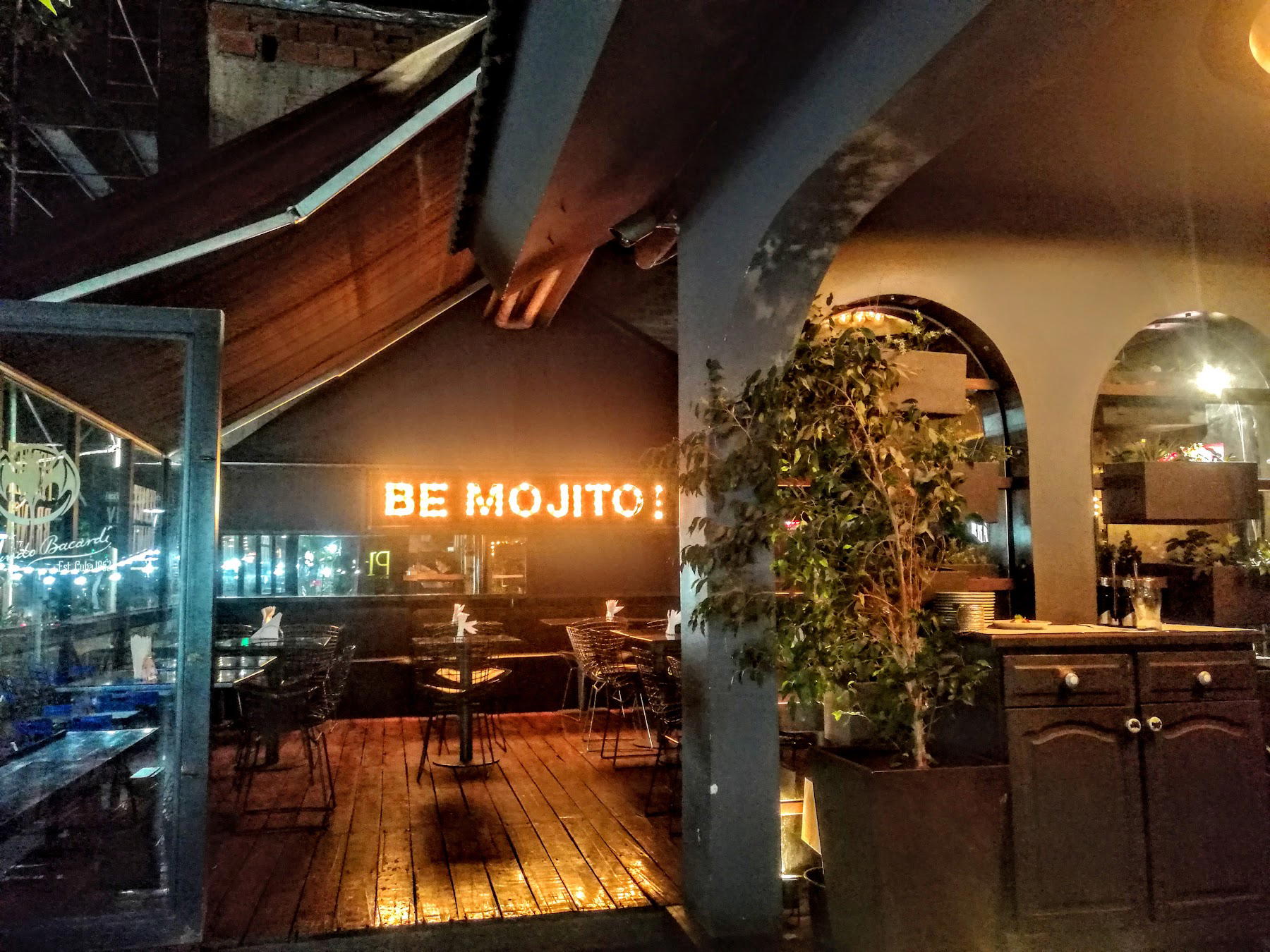
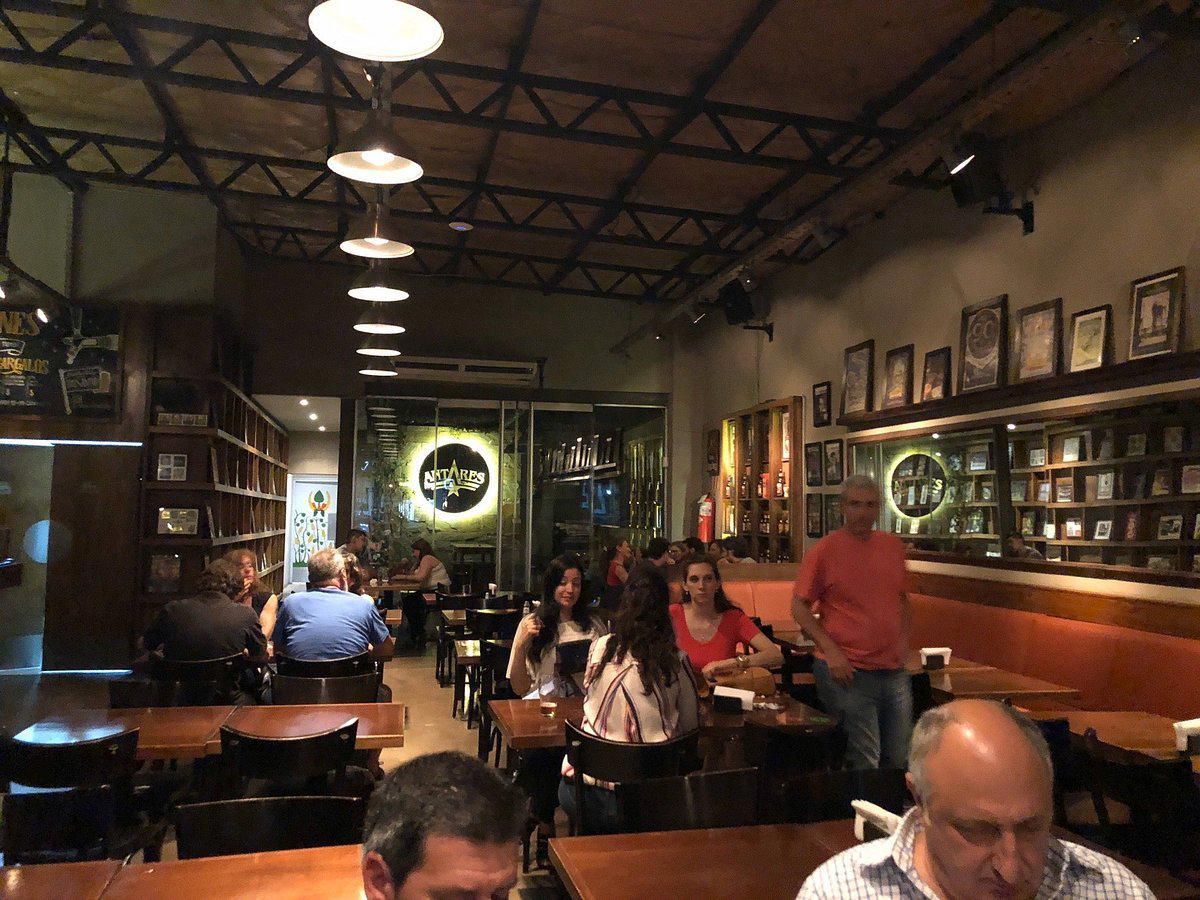
Restaurants in Luján de Cuyo
Browse all →
Details
- Classic
- Rustic
- Elegant
- Scenic
- Historic
- Wine Education
- Special Occasion
- Group Outing
- Vineyard Tour
- Barrel Room
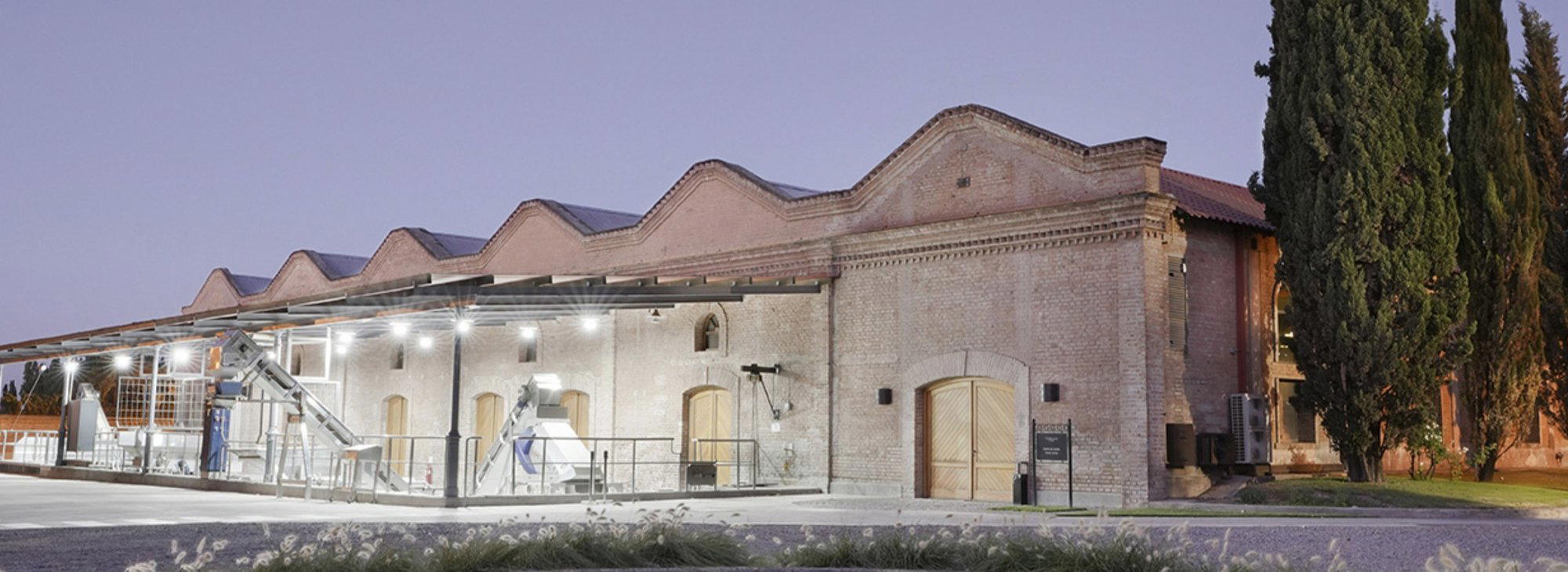
- Historic Building
- Panoramic View
- Estate Grounds
- Organic
- Sustainable
- Vineyard
- Mountain
- Garden
- Malbec
- Cabernet Sauvignon
- Viognier
- Torrontés
- Cabernet Franc
- Petit Verdot
- Syrah
- Merlot
- Chardonnay
- Pinot Noir
- Moscato Bianco
- Semillón
- Still Red
- Still White
- Still Rosé
- Sparkling
- Cave Tasting
- Historical Tasting
- Spanish
- English
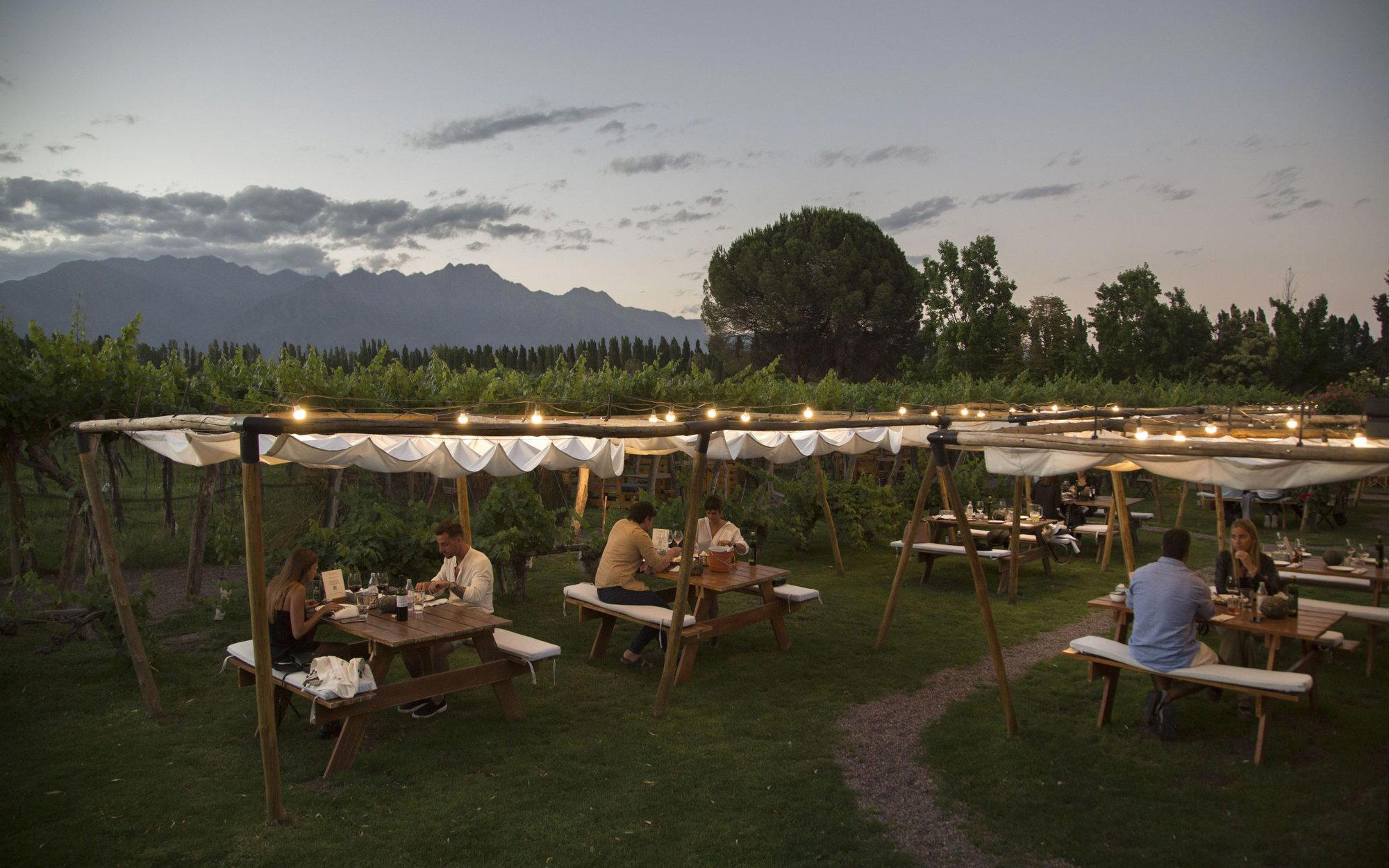
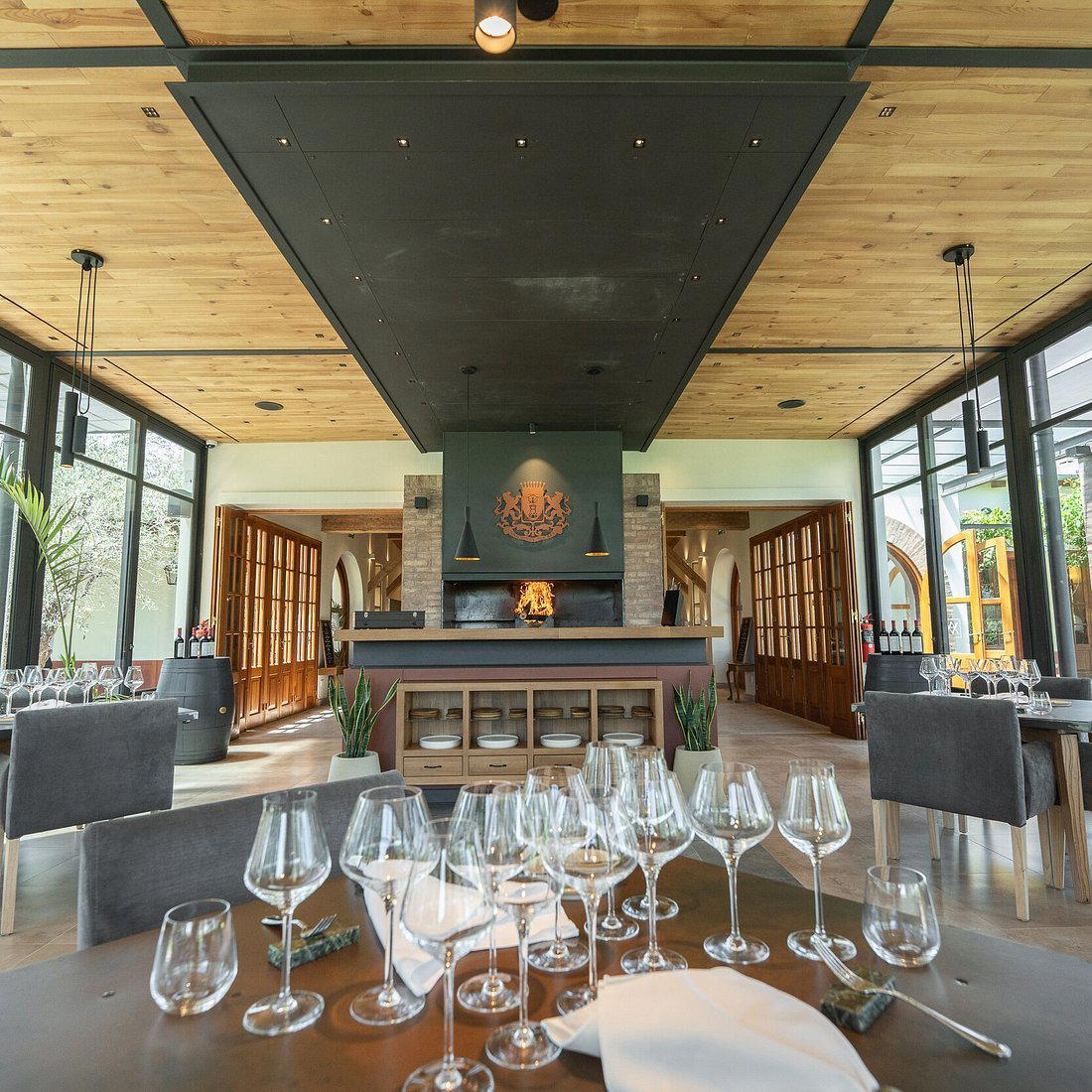
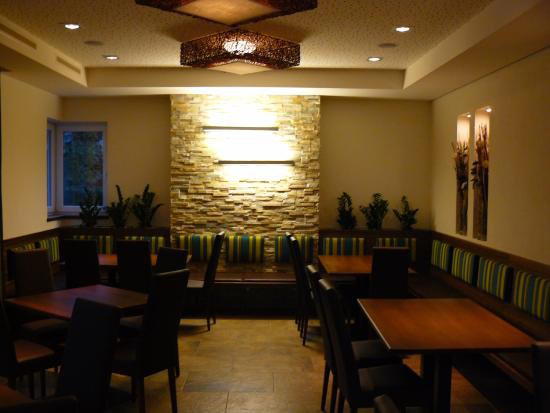
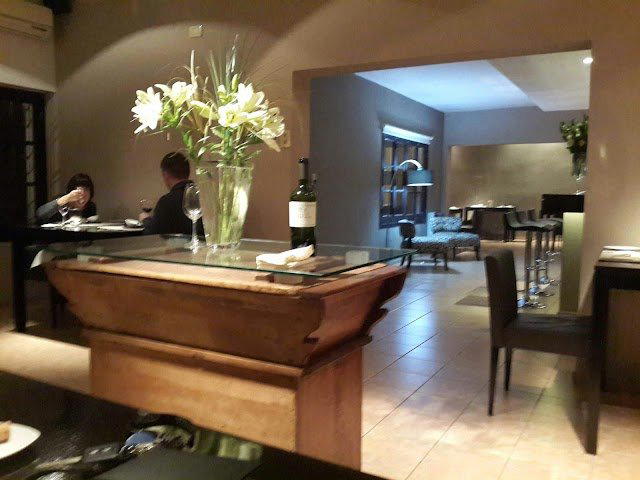
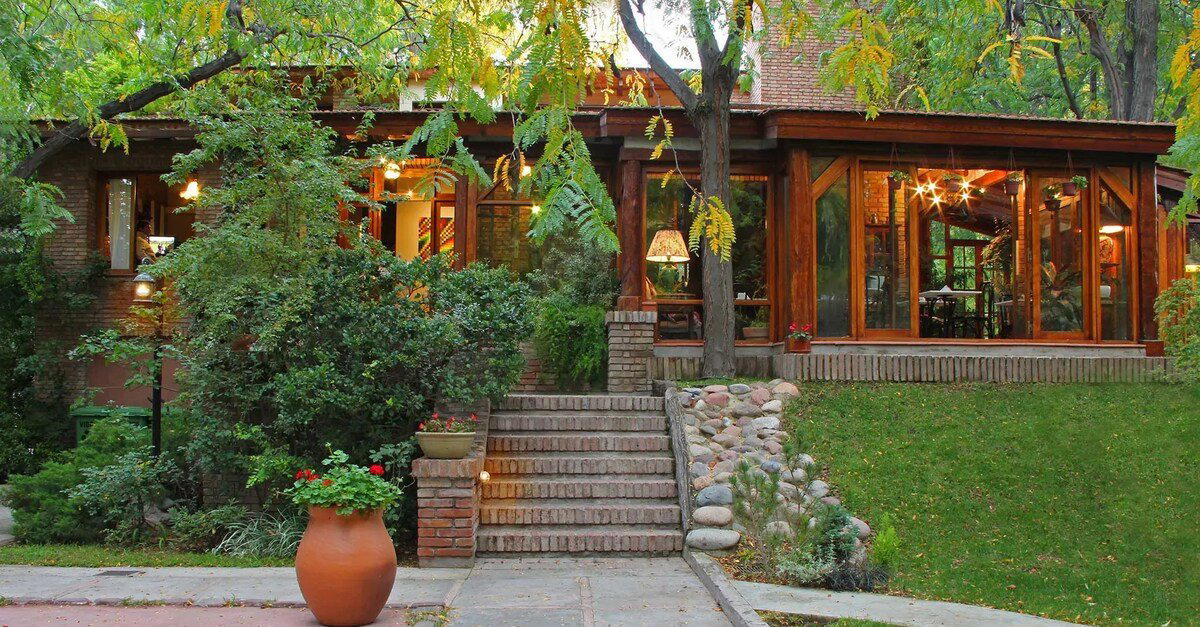
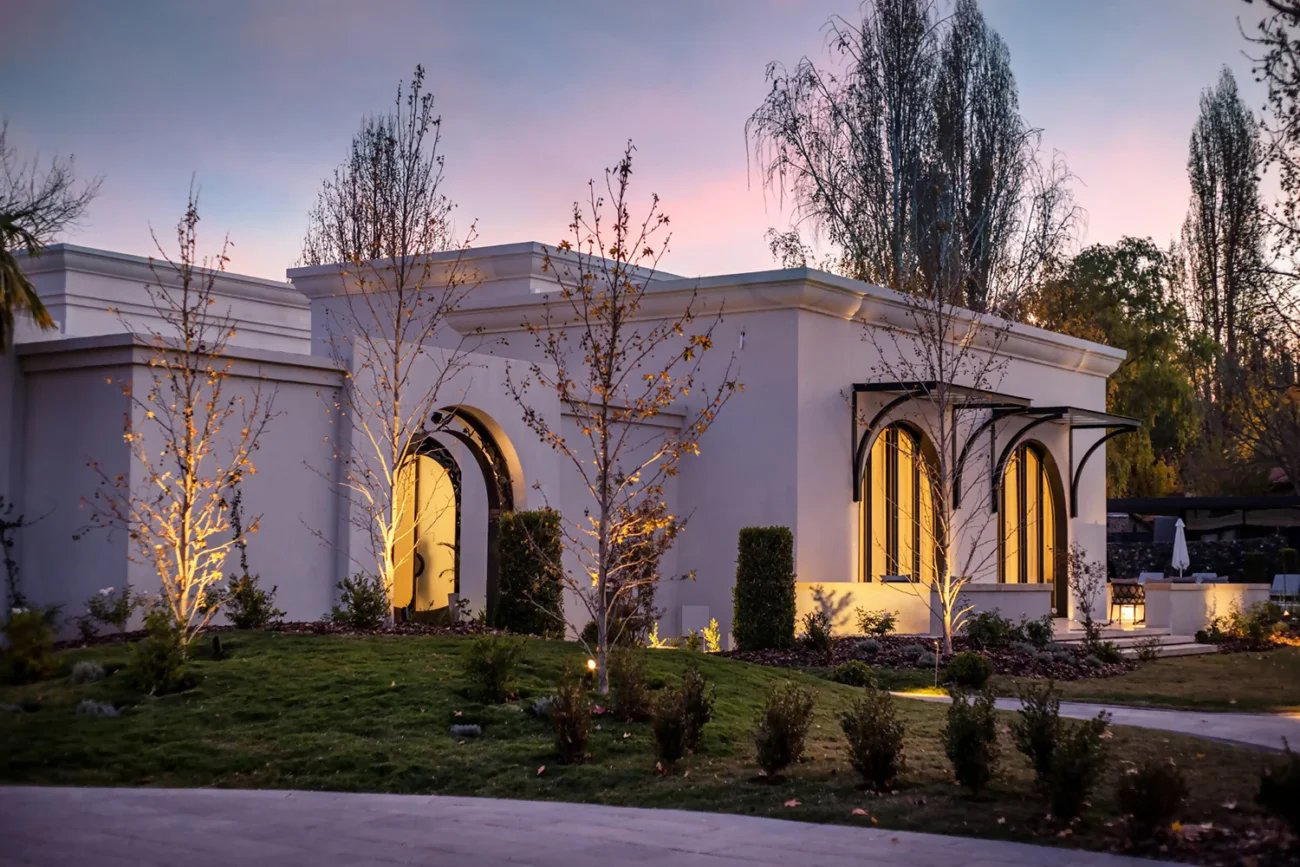
Enchanting atmosphere surrounded by centennial vineyards, with options for dining in a beautiful garden or inside a 19th-century manor house offering fabulous views.