
Bouchon Family Wines operates out of San Javier de Loncomilla in Maule, one of Chile's most climatically distinct wine-growing corridors..
Pearl is the En Primeur Club membership app — saves, bookings, and concierge access live there. Same editors, same standards.
- Address
- Mingre Km. 30, Camino a, Constitución, San Javier de Loncomilla, Maule
- Phone
- +56974774878
- Website
- bouchonfamilywines.com
- Directions
- Get directions
 Saves & bookings on Pearl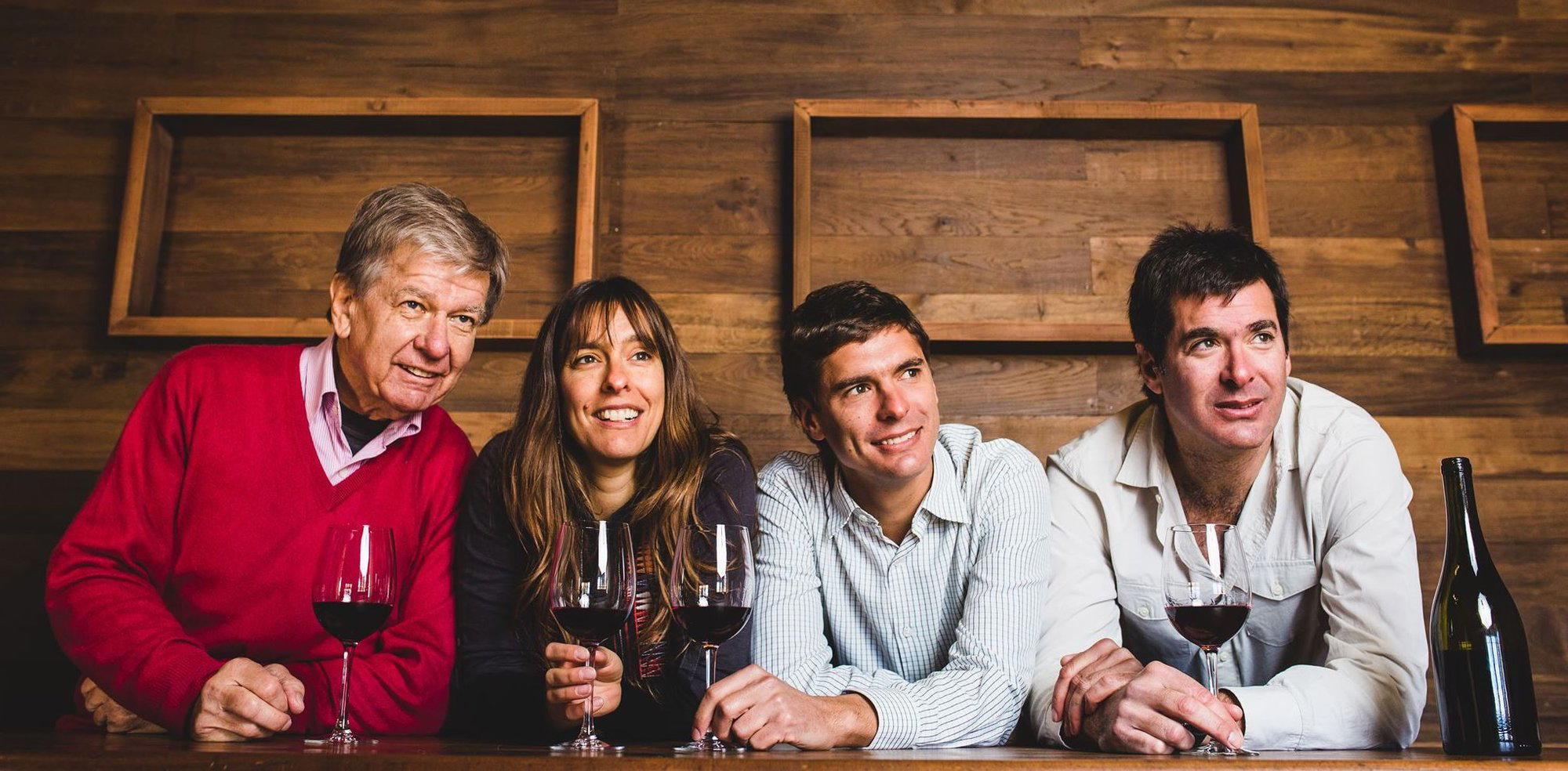
Maule's Dry Interior and What It Produces
The road to San Javier de Loncomilla runs through a countryside that bears little resemblance to the international image of Chilean wine. There are no manicured resort estates here, no shuttle buses from Santiago. The Mingre corridor, where Bouchon Family Wines is located at Km. 30 on the road toward Constitución, is agricultural in the oldest sense: dry, sun-bleached in summer, crossed by rivers that have shaped alluvial and granitic deposits over millennia. This is the kind of terroir that produces wines with structural tension rather than flatness, where the land's stress on the vine translates into concentration and acidity that warmer, irrigated zones in the Maule cannot replicate.
Maule is the largest wine-producing region in Chile by volume, which has historically worked against its reputation. When a region produces in bulk, critical attention tends to follow. But over the past decade, producers in the interior of Maule have been repositioning the area as a serious source of old-vine Carignan, País, and Malbec alongside the Cabernet Sauvignon that has long dominated its plantings. The award places it in a tier that requires consistent quality across multiple bottlings, not a single standout wine carrying the rest of the range.
Terroir at This Latitude
San Javier sits in the southern Maule, where the climate begins to shift from the semi-arid conditions of the northern valley toward something cooler and more oceanic as proximity to the coast increases. The Pacific influence does not arrive as dramatically here as it does in Leyda or San Antonio to the north, but it moderates afternoon temperatures enough to preserve acidity in the fruit. The granitic soils that underpin much of the estate land in this corridor are low in fertility, which constrains yield and pushes vines to develop deeper root systems. The effect on wine character is well-documented across comparable granitic regions globally: finer tannin texture, mineral salinity on the palate, and aromatic precision that clay-dominant soils rarely deliver at similar price points.
The old-vine question is central to understanding what serious producers in southern Maule are doing differently from the commodity end of the market. Vines planted prior to phylloxera pressure or simply left ungrafted on sandy, granitic ground tend to produce at low yields without irrigation, which in Chile's dry interior is the norm rather than the exception. Dry farming in Maule is not a marketing decision; it is an agronomic reality shaped by a water table and annual rainfall pattern that simply does not support constant supplemental irrigation at altitude. What results is a grape with a different physiological profile than one produced under managed irrigation. This distinction is one of the clearest in Chilean viticulture and is increasingly cited by importers placing Maule wines in European and North American markets.
Where Bouchon Family Wines Sits in the Regional Picture
Maule has developed a two-tier production structure. At one end sit large-volume operations supplying supermarket and branded export channels; at the other, a smaller group of estate producers working with single-vineyard sites, old plantings, and manual harvesting. Bouchon Family Wines occupies the latter category. Its address on the Mingre road positions it away from the main tourist circuits of Chilean wine country, which are concentrated further north in Colchagua and the Casablanca-Maipo axis. Visiting requires deliberate planning, not opportunistic drop-in.
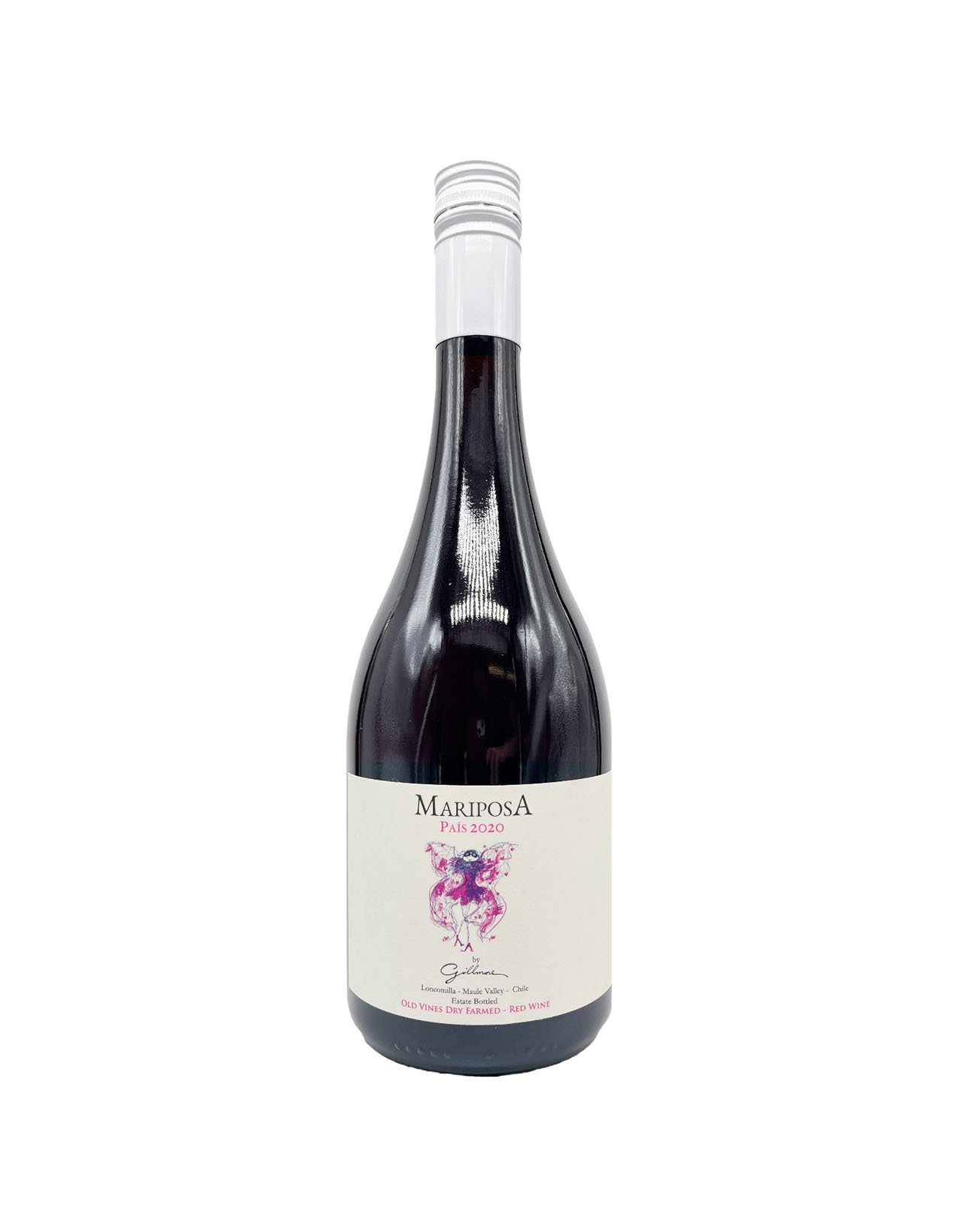
For regional comparison, Gillmore Winery is another Maule producer working at a serious estate level in a similar rural setting. Further north in Curicó, El Gobernador (Miguel Torres Chile) demonstrates how significant investment in the broader Maule corridor has brought international scrutiny to what was previously considered a bulk-wine region. These are not peer comparisons in style, but they represent the broader shift in how the valley presents itself to the outside world. The Viña Casa Silva operation in Colchagua and Viña De Martino in Isla de Maipo each took different routes toward recognition, but both signal what sustained family ownership and viticultural discipline produce over decades in Chilean conditions.
Beyond Maule, the contrast with producers elsewhere in Chile helps locate Bouchon in its national context. Viña Seña in Panquehue represents the Aconcagua model: flagship blends aimed at stronger examples from the Chilean export market, with pricing to match. Viña MontGras in Palmilla and Viña Undurraga in Talagante both operate at greater scale. Viña Ventisquero in Santiago and Viña Valdivieso in Lontué cover a different segment entirely. Bouchon's positioning is defined less by what it shares with these names and more by the specific terroir argument it makes from its corner of southern Maule. Further afield, Viña Santa Rita in Buin and Viña Falernia in Vicuña illustrate the geographic spread of serious Chilean wine production, from Elqui in the north to Maule in the south.
Planning a Visit
Reaching Bouchon Family Wines requires a car. The address at Mingre Km. 30 on the Camino a Constitución from San Javier de Loncomilla puts it well outside any urban centre. San Javier itself is accessible from Talca, the main city in the Maule region, which sits approximately 50km to the north and connects by road to the Panamericana. The approach from Talca takes visitors through agricultural flat land that transitions into more textured hill country as the road descends toward the coastal drainage basin. Timing a visit to coincide with the harvest window (roughly late February through April, depending on variety and vintage conditions) gives the direct view of how the estate operates in the field, though visits outside harvest are equally valid for understanding the wine's structure in bottle.
Advance contact through wine agents or local tourism networks is the practical route to confirming visit logistics.
For those using Bouchon as part of a wider Chilean wine itinerary, the geography works well in combination with other producers across the central-south zone. The distances within Maule are manageable by car in a single day, though the rural roads between estates are better suited to unhurried afternoon scheduling than tight back-to-back appointments. Basing accommodation in Talca or Constitución provides access to the estate without requiring same-day travel from Santiago, which is possible but leaves little time for the estate itself.
Comparison Snapshot
Comparable venues nearby, for context on price, style, and recognition.
| Venue | Cuisine | Price | Notes |
|---|---|---|---|
| Bouchon Family WinesThis venue — the venue you are viewing | País, Carmenère | $$ | Not listed |
| Gillmore Winery | País, Carignan | $$ | Loncomilla Valley |
| Viña Requingua | Cabernet Sauvignon, Cabernet Franc | $$ | Sagrada Familia |
| Viña Caliterra | Cabernet Sauvignon, Carmenere | $$ | Colchagua Valley |
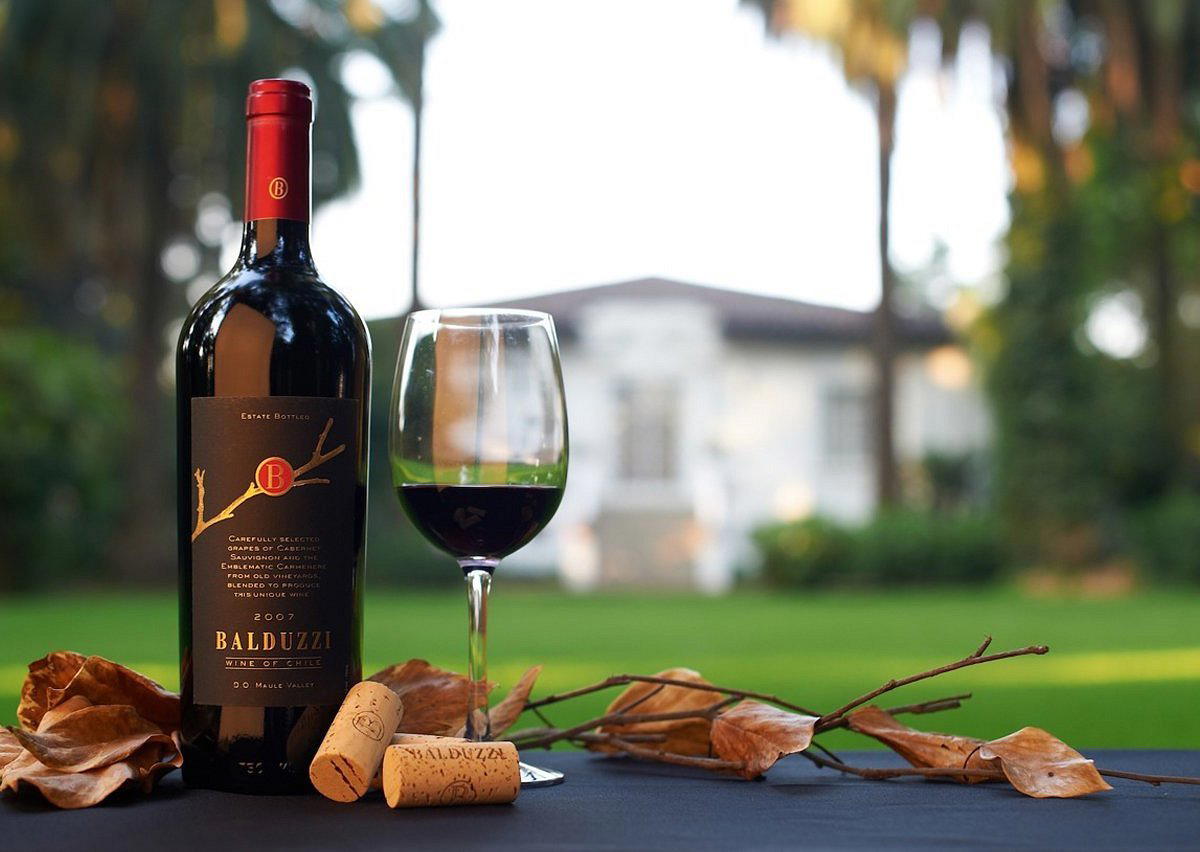
| Balduzzi Winery | Carmenere, Chardonnay | $$ | San Javier |
| Viña Chocalán | Cabernet Sauvignon, Carmenère | $$ | Santa Eugenia |
Recognition history
Dated appearances from independent guides and award organizations, with the underlying list record or original source where available.
Falstaff Winery - Listed
Falstaff
Continue exploring
More in Maule

At a Glance
- Rustic
- Scenic
- Classic
- Intimate
- Wine Education
- Solo Exploration
- Group Outing
- Vineyard Tour
- Estate Grounds
- Dry Farmed
- Organic
- Vineyard
- Maule Valley
- País
- Carmenère
- Cabernet Sauvignon
- Carignan
- Sémillon
- Merlot
- Still Red
- Still White
- Skin Contact
- Estate Tasting
Relaxed country atmosphere evoking 200 years ago, with informal tastings on the lodge porch amid vineyards and family heritage.