Beyerskloof

The estate is a Pinotage-focused producer operating in a region where that variety carries both historical weight and ongoing critical debate. For visitors exploring the Stellenbosch wine route, it offers a grounded, farm-scale counterpoint to the more architecturally ambitious estates nearby.
Pearl is the En Primeur Club membership app — saves, bookings, and concierge access live there. Same editors, same standards.
- Address
- Koelenhof Street, R304, Koelenhof, Stellenbosch, 7600
- Phone
- +27 21 865 2135
- Website
- beyerskloof.co.za
- Directions
- Get directions
 Saves & bookings on Pearl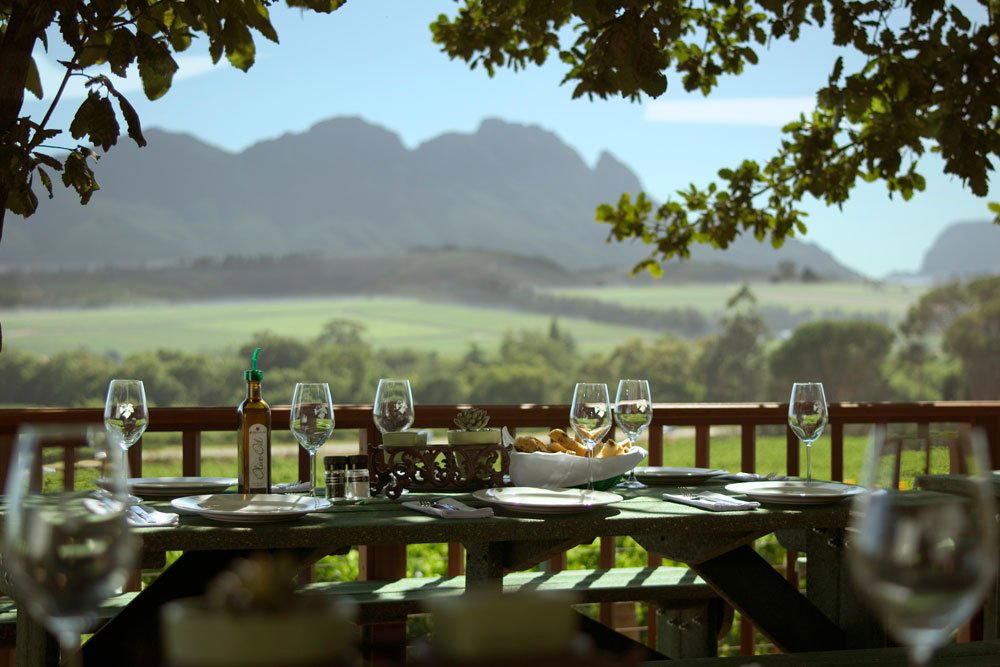
Koelenhof and the Stellenbosch Wine Route's Western Flank
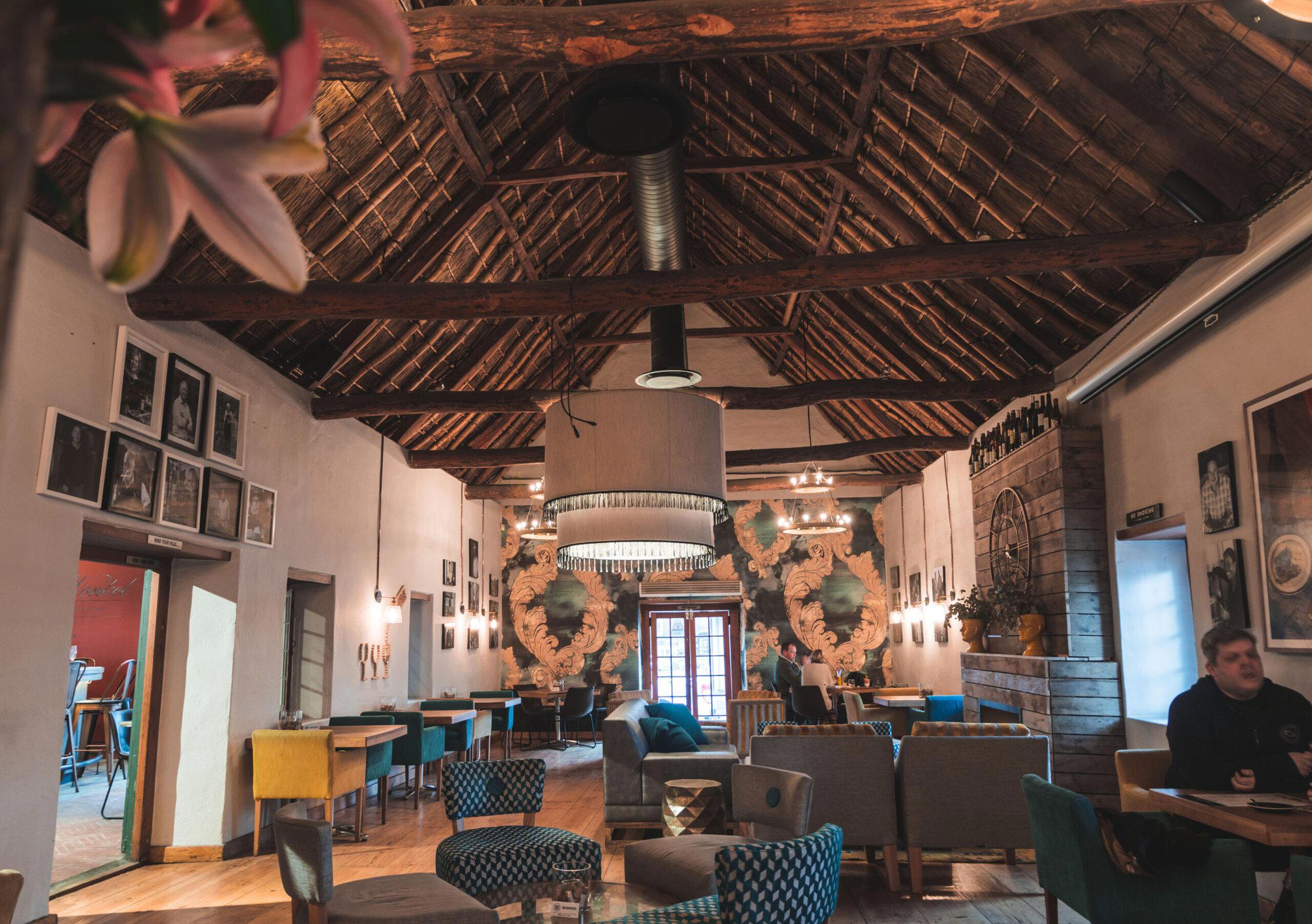
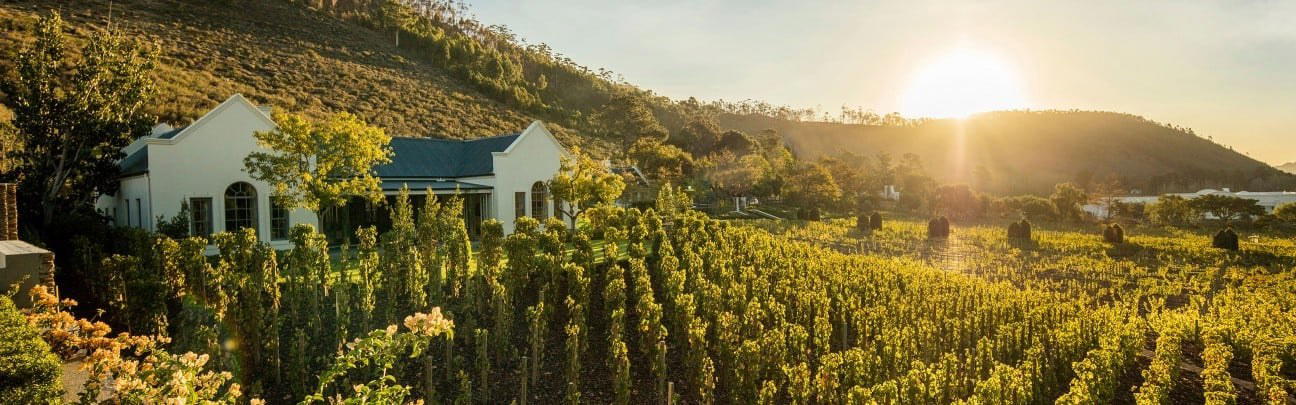
The R304 between Stellenbosch and Kraaifontein runs through some of the Cape Winelands' least theatrical countryside. There are no mountain amphitheatres here, no dramatic fynbos ridgelines framing the cellar door. What you get instead is working farmland: vine rows pressed close to the road, modest signage, a landscape shaped by function rather than spectacle. Beyerskloof sits on this stretch, in Koelenhof, and that setting tells you something meaningful about what to expect inside. It is the Winelands as agricultural fact.
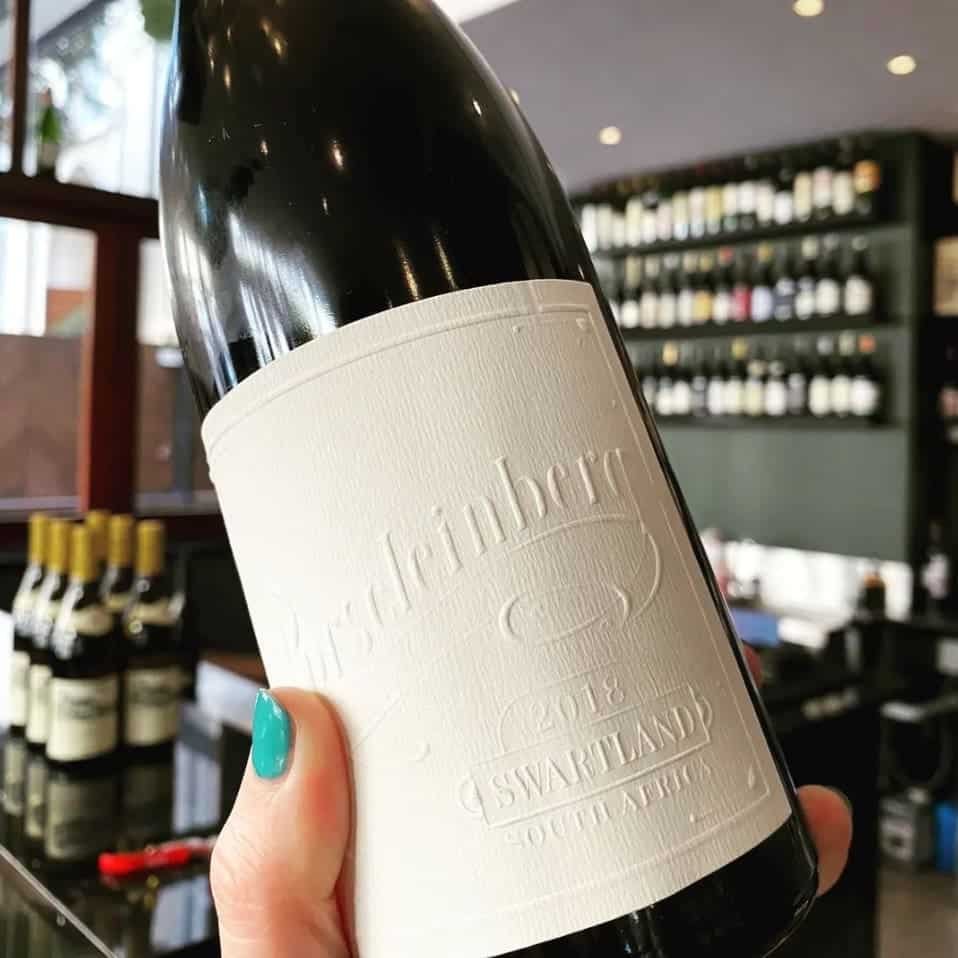
That physical context matters more than it might seem. Beyerskloof is a winery in Stellenbosch, and its setting on Koelenhof Street off the R304 tells you something meaningful about what to expect inside. The emphasis falls on the wine programme itself, and specifically on Pinotage, the Cape's own hybrid variety, which the estate has built its reputation around across multiple decades.
Pinotage at the Centre of the Argument
Pinotage has a complicated standing in South African wine culture. Created in 1925 as a cross between Pinot Noir and Cinsault, it spent decades producing wines that critics found coarse, smoky, or simply uninspiring. The variety's rehabilitation over the past twenty years has been real but uneven: some producers have demonstrated that Pinotage can carry genuine depth and structure, while others still treat it as a volume grape.
The Pearl system applies structured evaluation criteria, and a Prestige designation at two stars is a substantive credential in the regional context. For visitors who want to understand what thoughtful Pinotage production looks like without spending at the upper end of the Stellenbosch price curve, that positioning is practically useful.
Across Stellenbosch, the variety's most serious producers tend to favour lower yields and careful oak management. Compared with neighbours such as Spier Wine Farm, which operates across a broad portfolio including entry-level Pinotage, or Asara Wine Estate with its Bordeaux-leaning focus, Beyerskloof's identity is more tightly defined. The commitment to a single variety as a centrepiece creates a more focused tasting logic.
Reading the Estate in Physical Terms
The address on Koelenhof Street, just off the R304, puts Beyerskloof roughly midway between central Stellenbosch and the Bottelary Hills, a subregion known for its clay-rich soils and cooler afternoon temperatures than the valley floor. That soil profile and mesoclimate have long been considered well-suited to Pinotage, which tends to benefit from the slower, cooler ripening conditions that moderate its tendency toward over-ripe, jammy character.
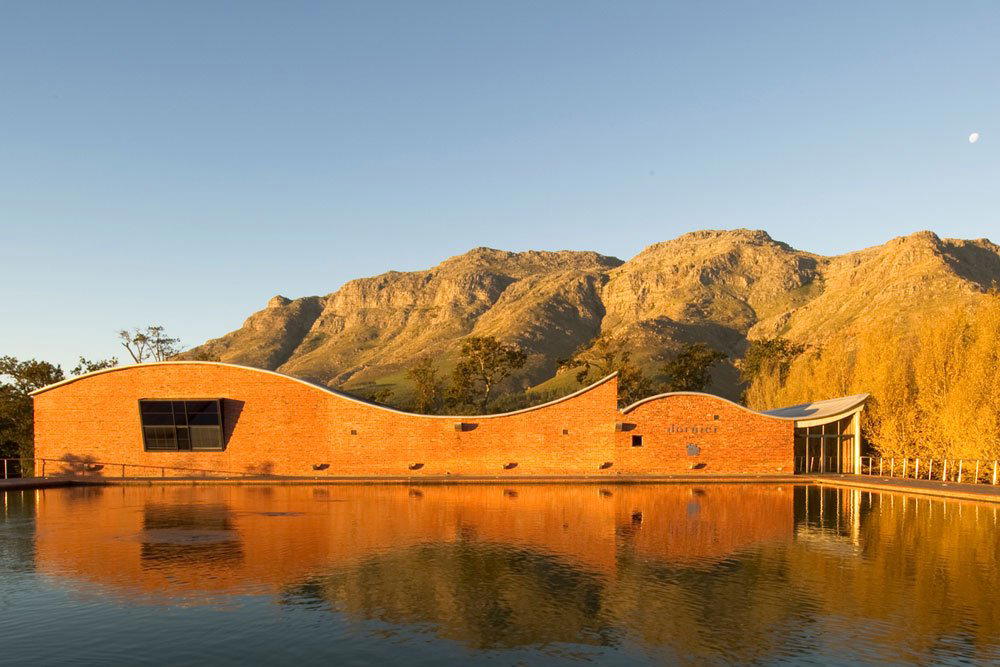
The farm sits at a lower elevation than the mountainside estates that cluster south and east of Stellenbosch town. Visitors arriving from the R304 enter a working agricultural environment rather than a curated garden experience. Estates like Neethlingshof Estate, with its oak-lined avenue and Cape Dutch manor, or Vergelegen Wine Estate in Somerset West, with its UNESCO-recognised garden, occupy a heritage-tourism tier that Beyerskloof does not compete in. What Beyerskloof offers instead is the unmediated version of Cape wine farming, where the vine rows and the cellar are the experience.
Where Beyerskloof Sits in a Broader Regional Picture
Stellenbosch's wine route is large enough that visitors planning a day or multi-day circuit need to make deliberate choices about which tier of experience they are after. The region's estates broadly divide into four types: large hospitality-led properties with restaurants, hotels, and full activity programmes; prestige single-varietal or small-production houses with limited public access; mid-scale farms with tasting rooms and moderate visitor infrastructure; and value-tier producers oriented toward high-volume trade.
Beyerskloof fits the third category, with an identity that leans toward the second. That middle position is where most serious wine visitors spend the majority of their time, and where the region's actual diversity of style becomes most legible.
Babylonstoren in Franschhoek and Creation Wines in Hermanus each represent estates where the visitor experience has been built as deliberately as the wine programme. Graham Beck Wines in Robertson operates at scale with a different regional identity. Val de Vie Estate in Paarl combines wine with a lifestyle property concept. Beyerskloof's proposition is narrower than any of those, and that focus is, for the right visitor, exactly the point.
Outside the Cape, Constantia Glen in Cape Town offers a useful contrast: an urban-adjacent wine estate where the mountainside setting and Bordeaux-blend focus create a fundamentally different encounter with South African wine. Oude Molen Distillery in Grabouw and Aberlour in Aberlour sit in entirely separate production categories and serve as a reminder that distilled spirits and wine tourism occupy parallel but distinct tracks in the regional experience economy.
Planning a Visit
Beyerskloof sits on Koelenhof Street off the R304, a road that runs easily between Stellenbosch town and the N1. The location makes it a practical stop on a western wine route loop that could also include Spier or estates in the Bottelary Hills corridor. Booking ahead is recommended for tastings. Beyerskloof sits in a price tier of 2.
A Lean Comparison
Comparable venues nearby, for context on price, style, and recognition.
| Venue | Cuisine | Price | Notes |
|---|---|---|---|
| BeyerskloofThis venue — the venue you are viewing | Koelenhof, Pinotage, Cabernet Sauvignon | $$ | Not listed |
| Villiera Wines | Koelenhof, Chardonnay, Pinot Noir | $$ | Not listed |
| Glenelly Estate | Idas Valley, Cabernet Sauvignon, Merlot | $$$ | Not listed |
| Alto Wine Estate | Not listed | $$$ | Helderberg, Cabernet Sauvignon, Cabernet Franc |
| Oldenburg Vineyards | Winery | Not listed | Not listed |
| Meerlust Wine Estate | Stellenbosch, Cabernet Sauvignon, Merlot | $$$ | Not listed |
Recognition history
Dated appearances from independent guides and award organizations, with the underlying list record or original source where available.
Falstaff Winery - Listed
Falstaff
Continue exploring
More in Stellenbosch
Wineries in Stellenbosch
Browse all →
Bars in Stellenbosch
Browse all →
Restaurants in Stellenbosch
Browse all →
At a Glance
- Rustic
- Scenic
- Relaxed
- Group Outing
- Wine Education
- Terrace
- Panoramic View
- Sustainable
- Vineyard
- Mountain
- Stellenbosch
- Pinotage
- Cabernet Sauvignon
- Merlot
- Cinsaut
- Still Red
- Classic Tasting
- Reserve Tasting
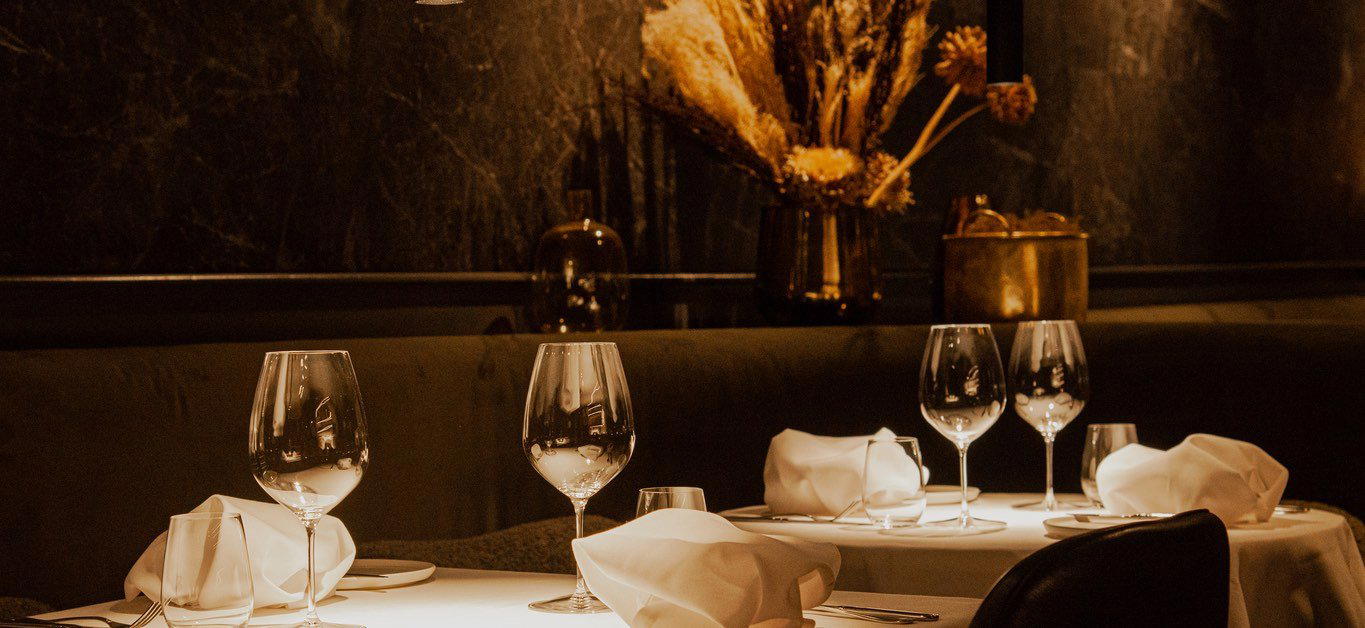
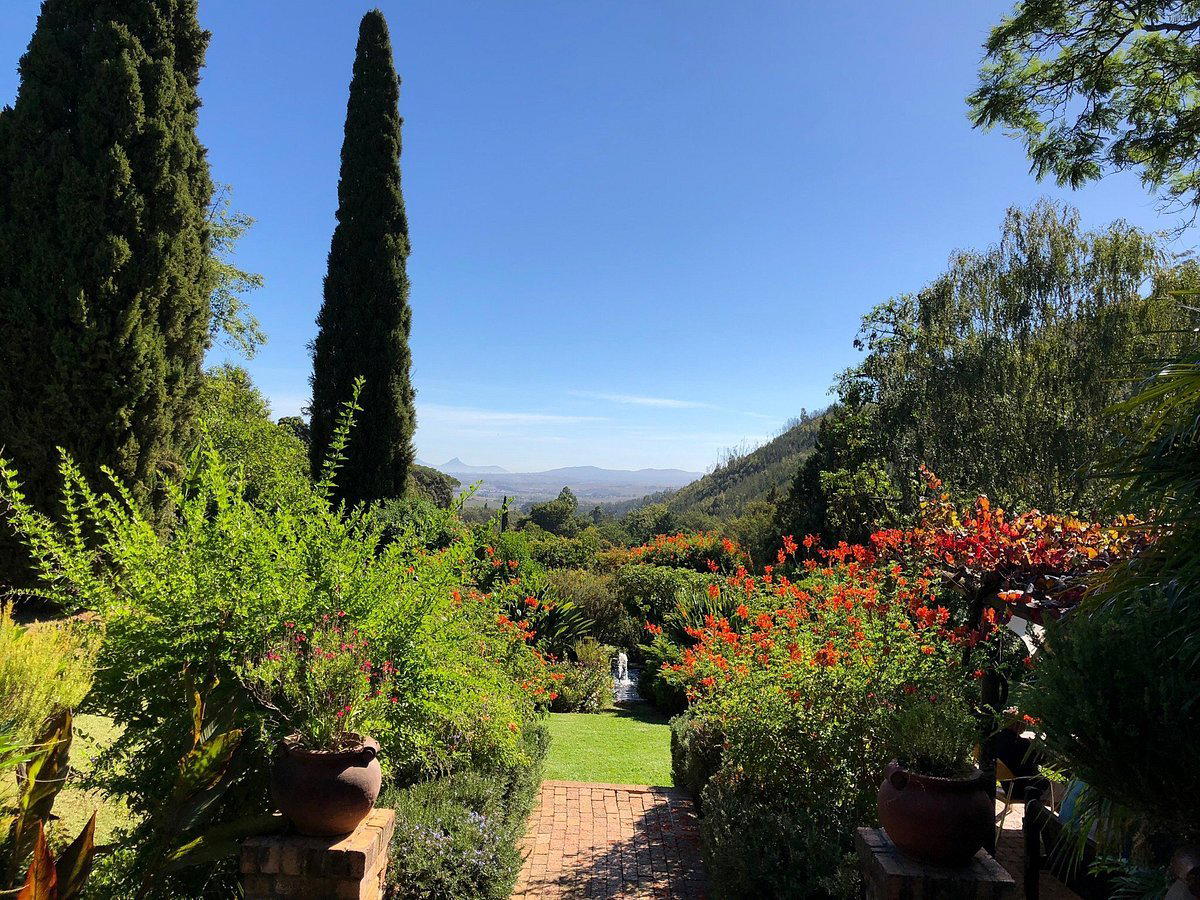
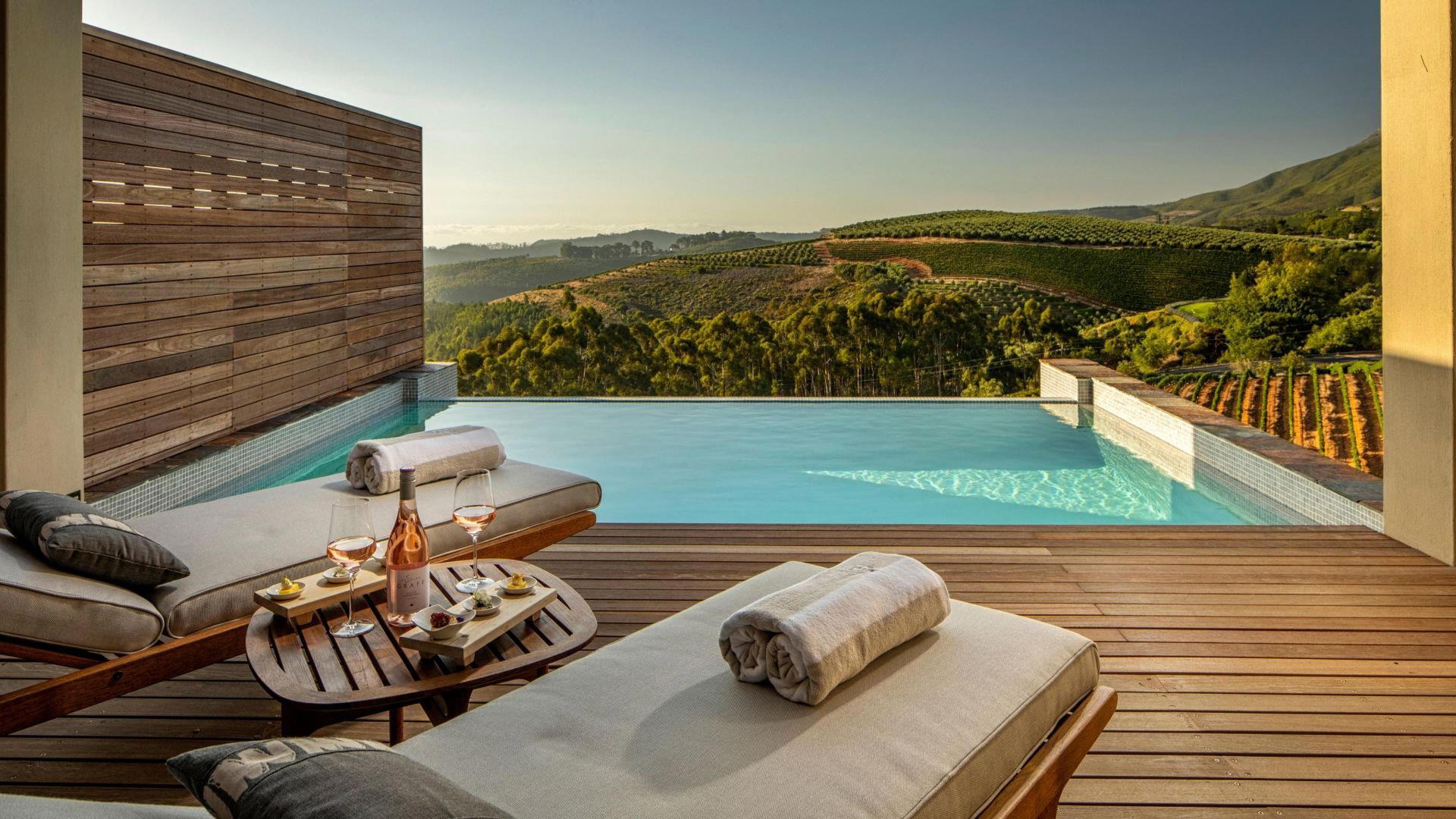
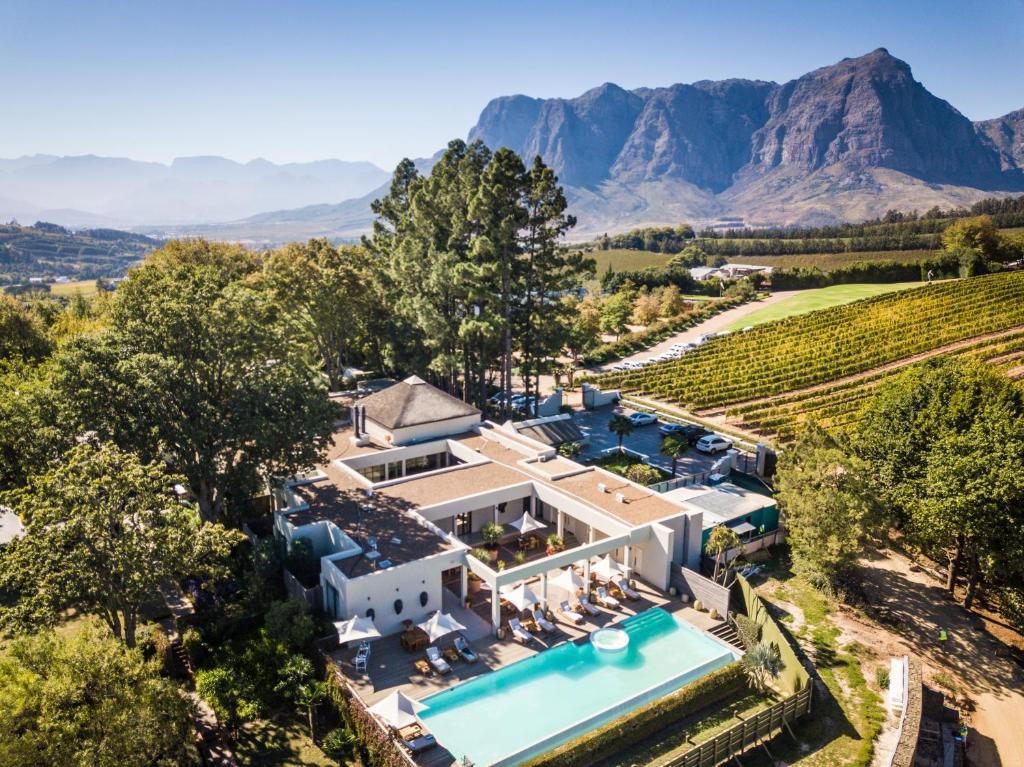
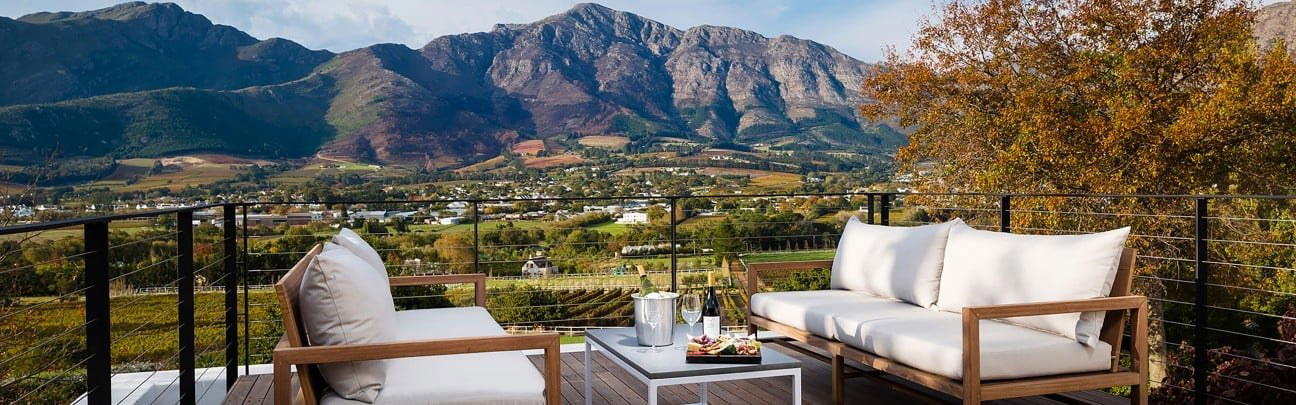
Relaxed atmosphere in a dedicated tasting room with dramatic views of vineyards and mountains, praised for its serene and welcoming vibe.