Blaauwklippen Wine Estate
Blaauwklippen Wine Estate sits on the R44 corridor south of Stellenbosch, where the Helderberg foothills shape a vine-growing environment that rewards patient, land-attentive viticulture. It is a working estate visit with direct access to award-recognised wines.

Pearl is the En Primeur Club membership app — saves, bookings, and concierge access live there. Same editors, same standards.
- Address
- Strand Rd, R44, Stellenbosch, 7600
- Phone
- +27 21 880 0133
- Website
- blaauwklippen.com
- Directions
- Get directions
The R44 Corridor and What It Produces
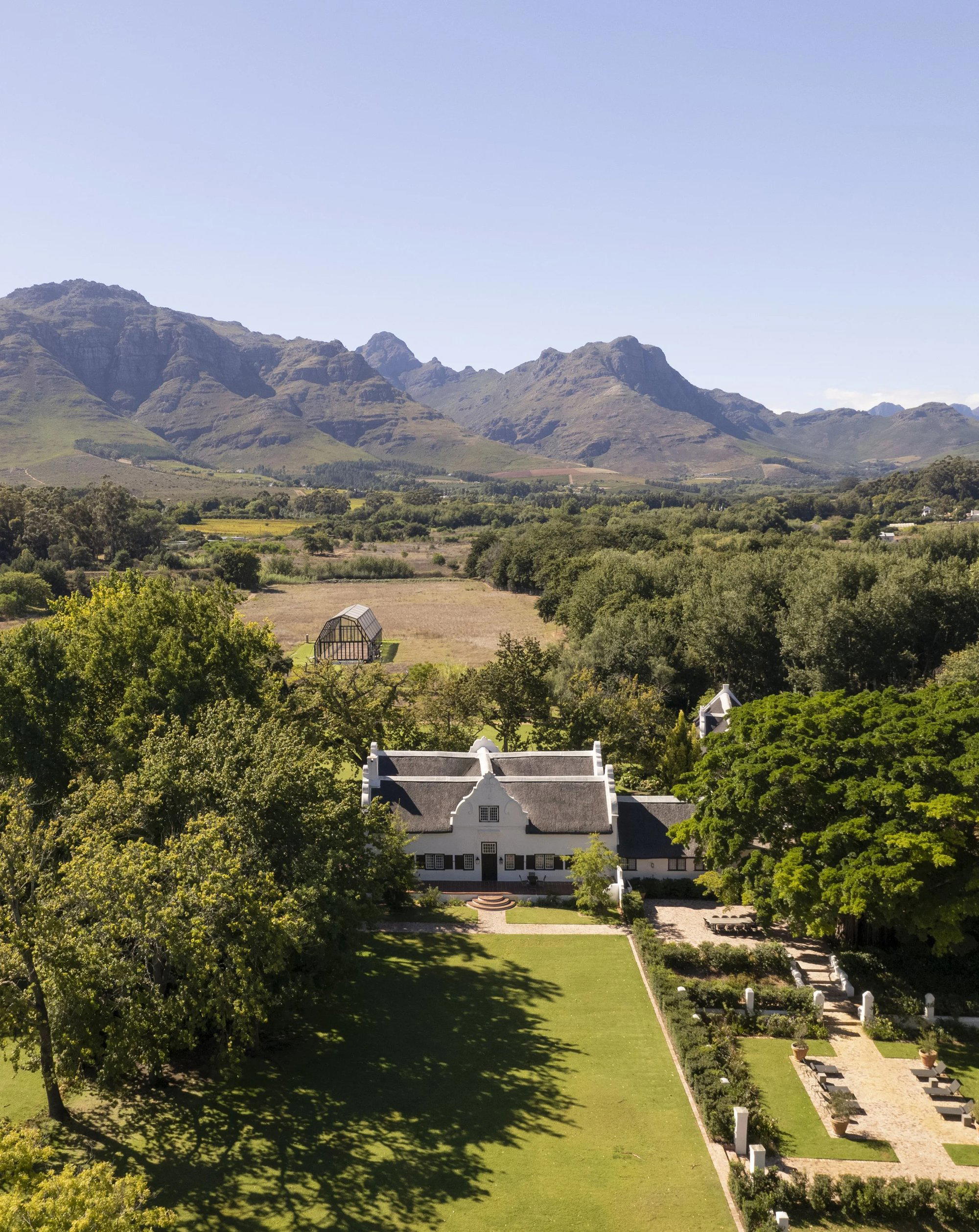
The road south from Stellenbosch toward Somerset West passes a sequence of estates whose character is defined less by marketing than by the specific slope and soil beneath their vines. Blaauwklippen Wine Estate sits on this stretch of the R44, at an address — Strand Road — that places it in one of the Cape Winelands' more productive growing corridors. The Helderberg mountain range to the east moderates afternoon temperatures and channels cool air off False Bay, conditions that slow ripening and, in the leading vintages, concentrate flavour without inflating alcohol. This is not incidental geography. It is the foundational argument for why the estate's wines, including those that collected two Silver medals and a Bronze at Decanter 2025, read the way they do: structured, with enough freshness to age.
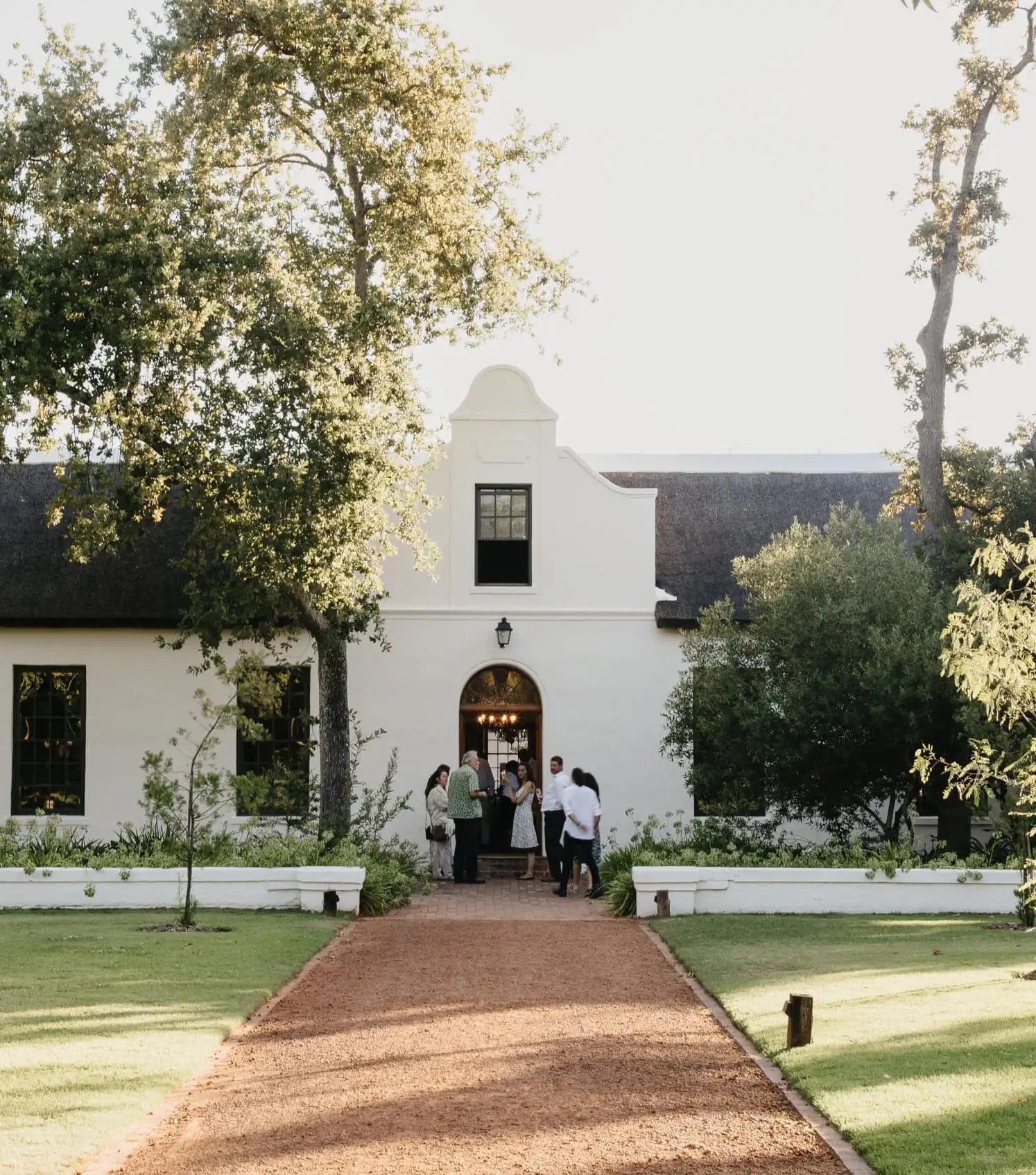
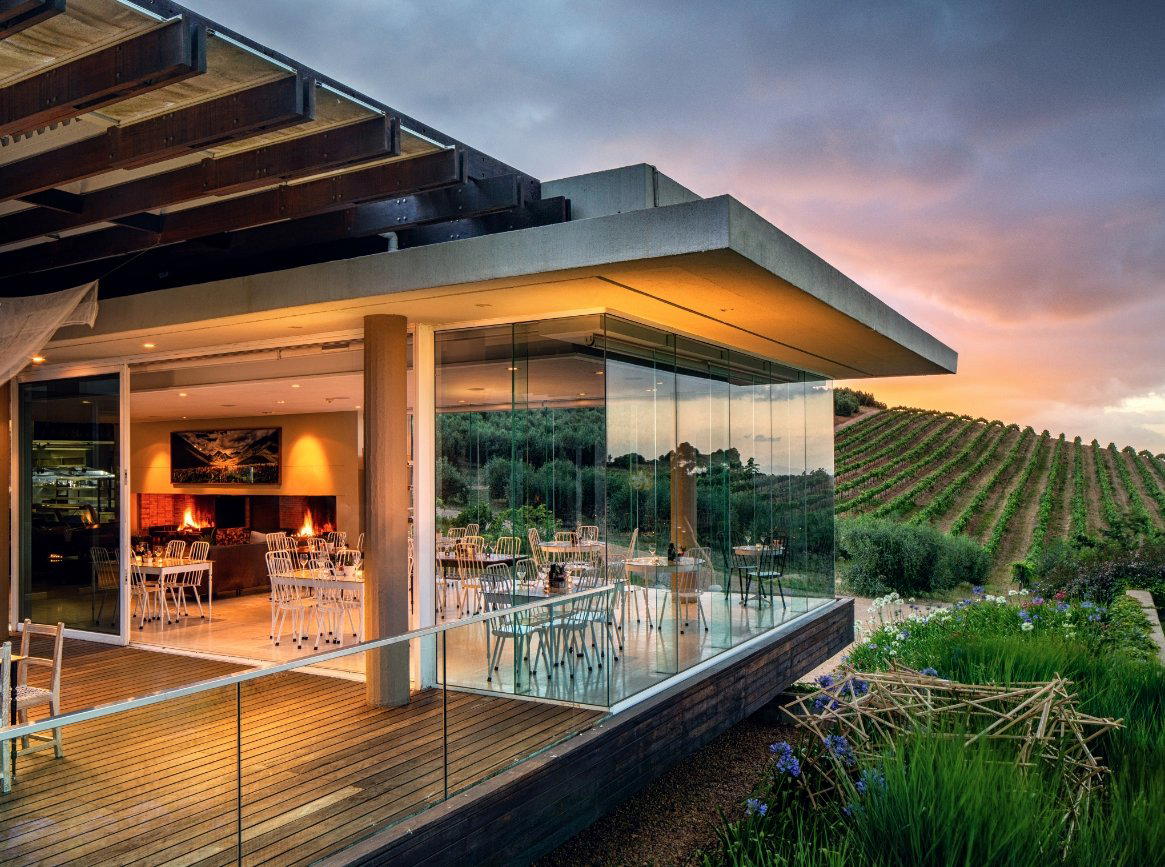
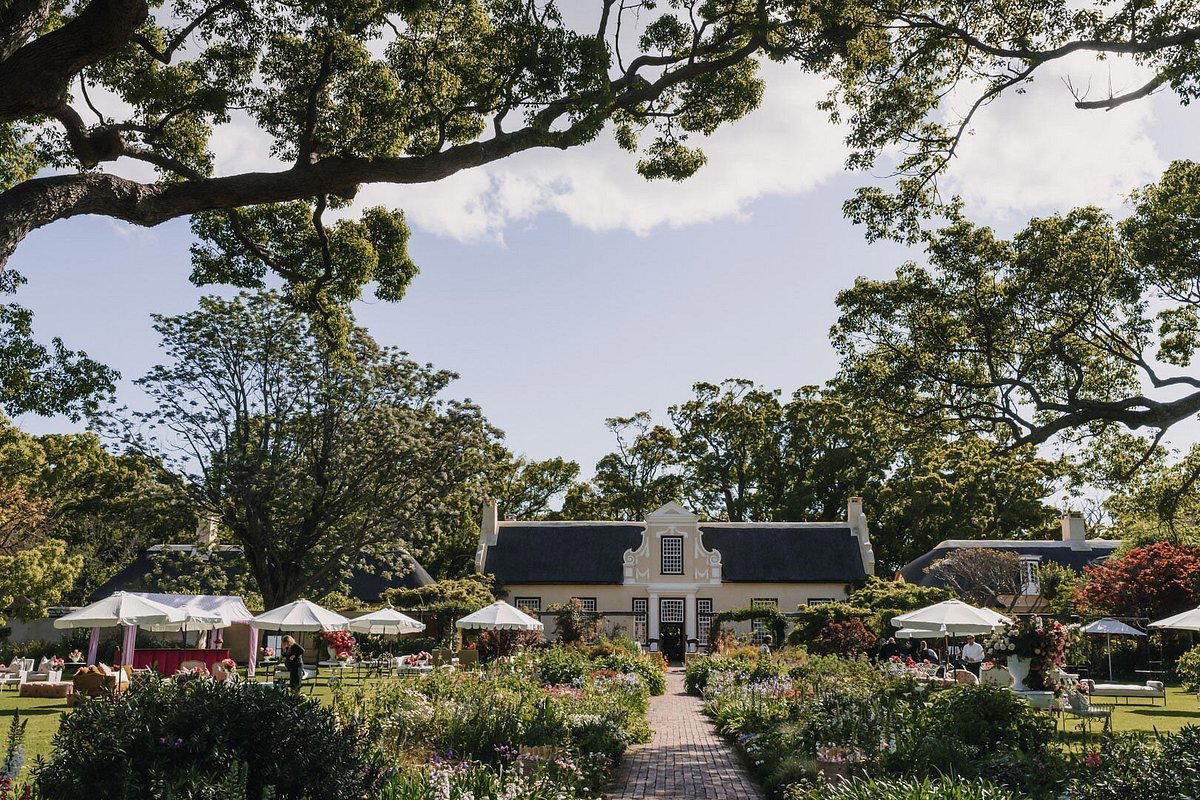
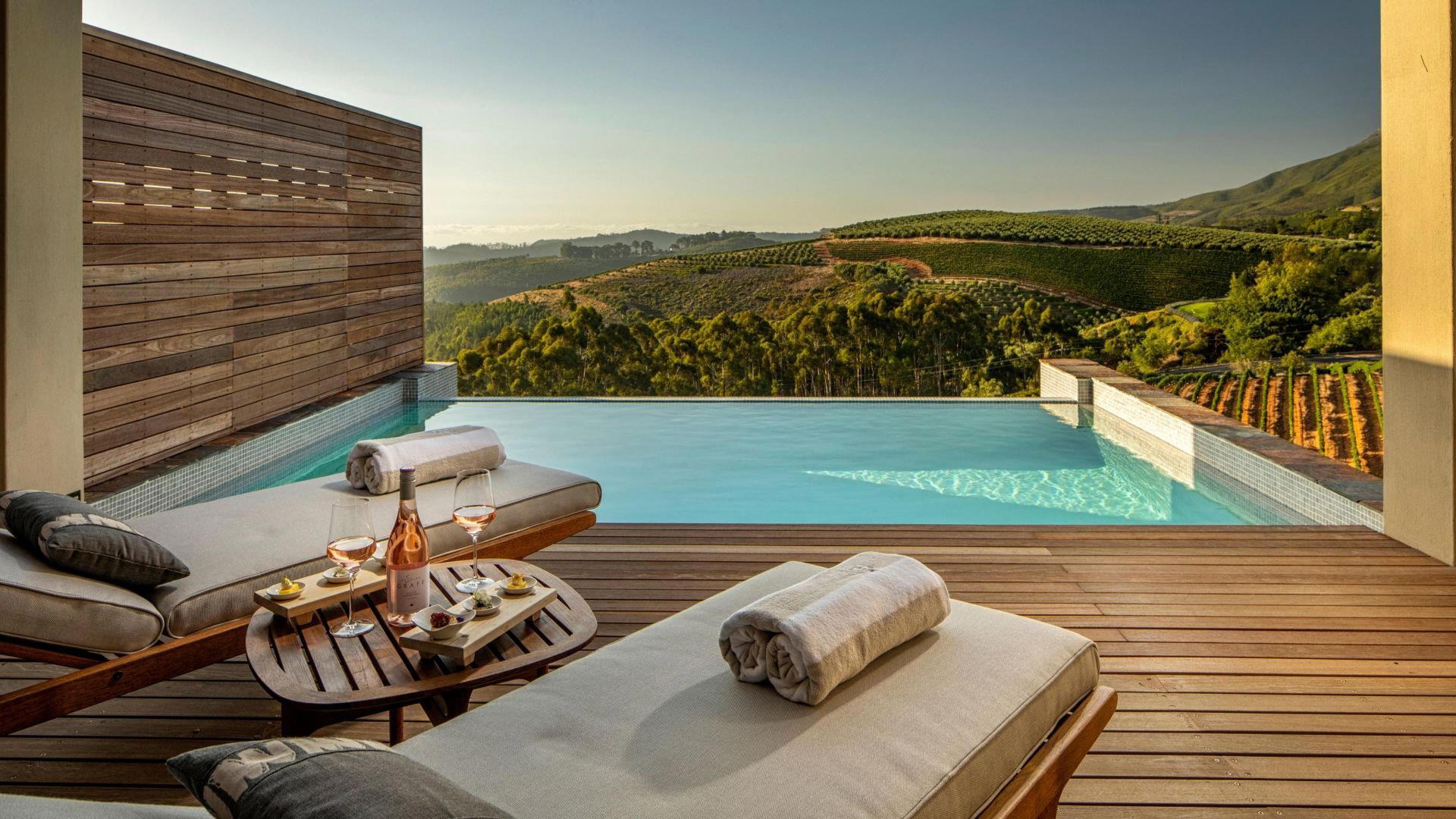
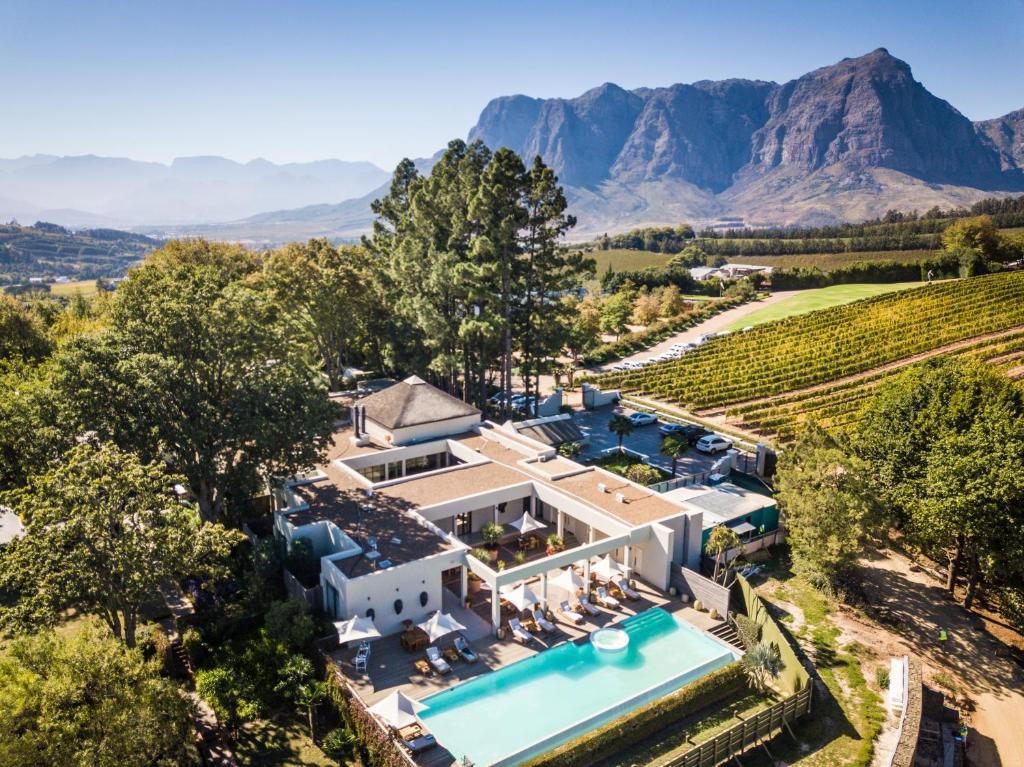
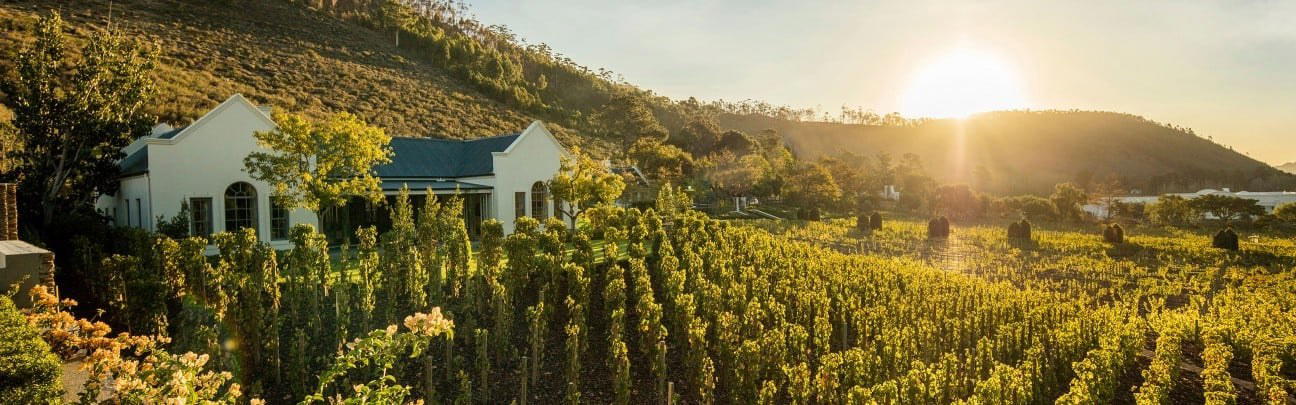
The approach to the estate along the R44 gives you a clear sense of the terrain before you reach the cellar door. Vine rows trace the contours of the land rather than running in the geometric lines of heavily engineered sites. Old oak trees frame the arrival. The built environment is Cape Dutch in reference, practical in execution, the kind of property that has accumulated architectural layers across decades of continuous operation rather than being constructed as a destination experience in one coordinated gesture. For a visitor arriving from the Stellenbosch town centre, the drive takes under ten minutes and the shift in atmosphere is immediate.
Sustainability as Viticulture Strategy, Not Marketing Position
Across Stellenbosch, the relationship between farming practice and wine quality has become a more explicit part of the conversation in recent years. Estates that previously marketed primarily on terroir or winemaker credentials have started foregrounding how they farm: cover crop programmes, reduced synthetic inputs, water stewardship in a region that faces genuine scarcity pressures. This is not a fashion. The Cape's extreme fire seasons, erratic rainfall, and the cumulative stress on old vine material have made responsible land management a competitive and survival question, not a branding exercise.
Blaauwklippen's position within this conversation is anchored in the estate's scale and its approach to the property as an integrated whole. Working farms of this type, where viticulture, guest experience, and long-term land stewardship operate on the same footprint, tend to make different decisions about inputs and soil health than purely commercial operations optimised for volume. Yields kept in check, canopy management that prioritises grape health over quantity, and the kind of long-view thinking about vine age that only makes sense if you intend to farm the same land across generations, these are the structural conditions behind the medals, even where specific winemaking data is not publicly detailed.
Compared to neighbours like Spier Wine Farm, which has formalised its sustainability commitments into third-party certified programmes, or Neethlingshof Estate with its biodiversity corridor work, Blaauwklippen operates in the same farming tradition without the same volume of public documentation. What the 2025 Decanter results provide is a quality signal: three awarded wines in a single competition review is a meaningful result for an estate of this size, and Silver at Decanter carries weight in the international competitive tier.
The Awards Conversation in Context
Decanter's annual competition is the largest wine competition by entry volume globally, with panels drawn from international trade and critical communities. A Silver medal does not indicate the wine is in the leading percentile of all entries, but it does confirm that a wine performed above a credible technical threshold under blind conditions across multiple judges. Two Silvers and a Bronze from a single estate in a single year is a result that positions Blaauwklippen firmly in the awarded-but-accessible tier of Stellenbosch producers: above the large commercial labels whose price-point medals crowd the Bronze categories, and operating in a different register than the single-vineyard prestige bottles from estates like Delaire Graff Estate or Tokara Winery at the upper end of the Stellenbosch hierarchy.
Pearl assessments cover estates across the Cape Winelands in a format that rewards consistency and hospitality integration alongside wine quality. A 2 Star Prestige result suggests performance that is reliable and above average within its category, which for a working estate on a major tourist corridor is a commercially important signal as much as a critical one.
For comparison across the wider Cape Winelands, estates like Vergelegen Wine Estate in Somerset West or Babylonstoren in Franschhoek have built substantial international recognition partly through consistent competition performance and partly through integrated estate experience. Blaauwklippen draws from the same tradition of the holistic Cape estate, where the visit and the wine are inseparable parts of the same proposition.
What to Taste and How to Plan
The Stellenbosch R44 corridor rewards a structured day rather than a single-estate visit. Blaauwklippen pairs logically with Asara Wine Estate further south, or with the more expansive programming at Spier Wine Farm to the north, for visitors building a half-day itinerary along the route. The estate's location on a primary road means it is accessible without navigating farm tracks, which makes it a practical anchor point for a Winelands day trip from Cape Town, the drive from the city via the N2 and R44 runs through Somerset West and takes under an hour in light traffic.
The full context for Stellenbosch's wine and dining scene, including estates across the Helderberg and Simonsberg sub-regions, is covered in our full Stellenbosch restaurants and estates guide. For visitors extending their Cape Winelands itinerary, Creation Wines in Hermanus and Val de Vie Estate in Paarl offer different regional expressions worth including. Those interested in the Cape's breadth of production beyond wine should also note Oude Molen Distillery in Grabouw, which sits in a related farming tradition east of Stellenbosch.
Outside South Africa, the awards-calibre mid-tier that Blaauwklippen occupies has parallels in estates like Graham Beck Wines in Robertson and, further afield, in the careful allocation-model producers represented by Constantia Glen in Cape Town. For international visitors calibrating the Cape against European or American reference points, Accendo Cellars in St. Helena and Aberlour in Aberlour represent the kind of pedigree-anchored production that shares a quality-over-volume philosophy, even across very different regions and categories.
Planning Your Visit
Blaauwklippen Wine Estate is located at Strand Road, R44, Stellenbosch, 7600. The estate sits on the main arterial route connecting Stellenbosch to Somerset West and is signed from the road. The leading visiting window for the Stellenbosch region is generally February through May, when harvest energy is still present, cellar staff are most engaged with recent vintages, and the summer crowds that peak in December and January have thinned. Current booking details, tasting room hours, and any event programming are best confirmed directly via the estate's official channels, as these change seasonally and the most reliable information will always sit with the venue itself.
Recognition, Side-by-Side
Comparable venues nearby, for context on price, style, and recognition.
| Venue | Cuisine | Awards | Notes |
|---|---|---|---|
| Blaauwklippen Wine EstateThis venue — the venue you are viewing | Zinfandel, Malbec | Not listed | Not listed |
| Spier Wine Farm | Cabernet Sauvignon, Chardonnay | Falstaff Winery - Listed | Stellenbosch |
| Thelema Mountain Vineyards | Cabernet Sauvignon, Merlot | Falstaff Winery - Listed | Simonsberg |
| Delheim Wine Estate | Pinotage, Cabernet Sauvignon | Falstaff Winery - Listed | Simonsberg |
Continue exploring
More in Stellenbosch
Wineries in Stellenbosch
Browse all →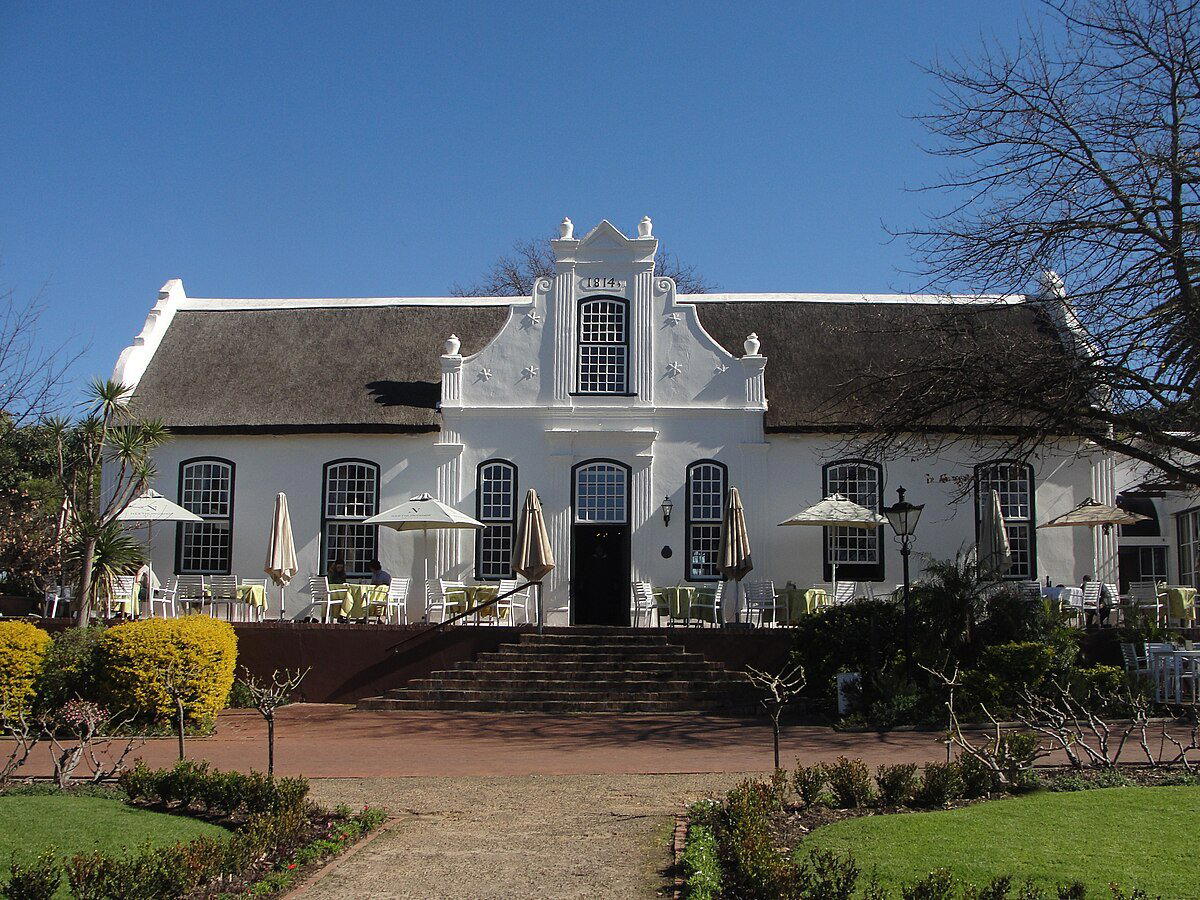
Bars in Stellenbosch
Browse all →
Restaurants in Stellenbosch
Browse all →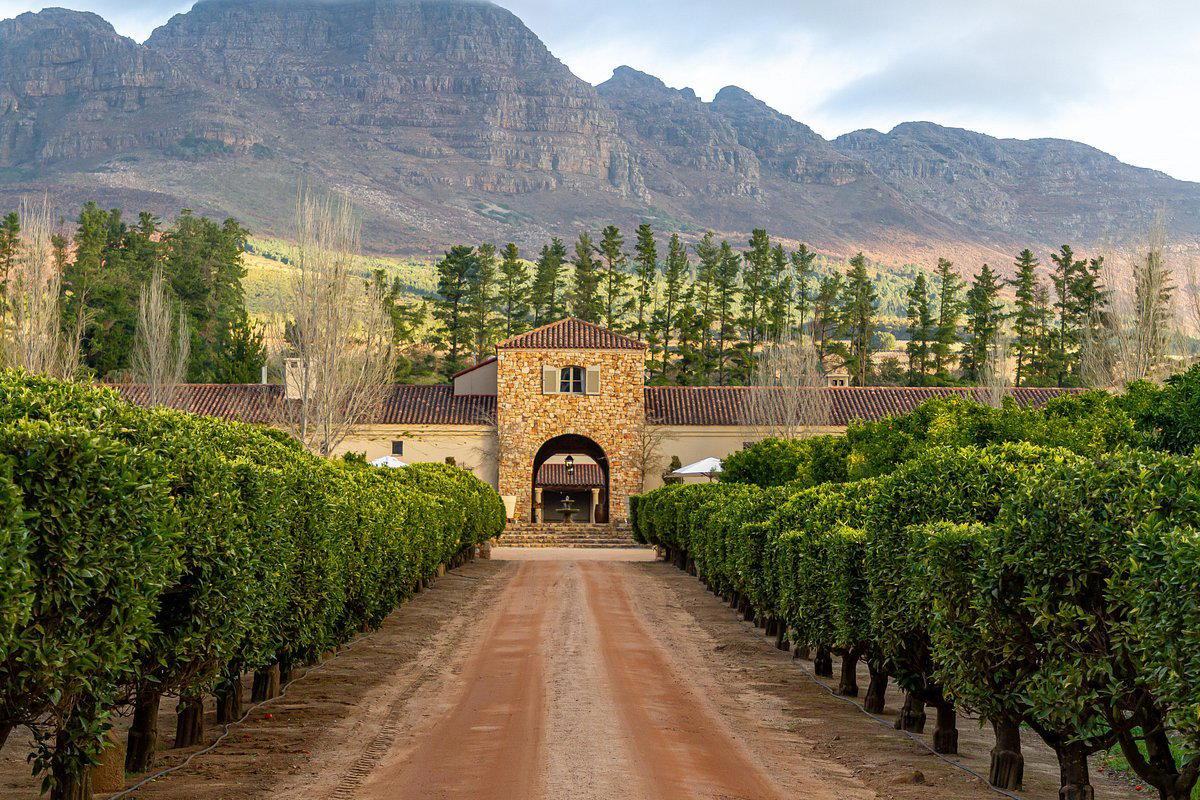
Details
- Historic
- Rustic
- Scenic
- Elegant
- Wine Education
- Special Occasion
- Group Outing
- Vineyard Tour
- Estate Grounds
- Historic Building
- Sustainable
- Mountain
- Vineyard
- Zinfandel
- Malbec
- Cabernet Sauvignon
- Merlot
- Shiraz
- Chenin Blanc
- Sauvignon Blanc
- Chardonnay
- Still Red
- Still White
- Sparkling
- Tasting Room
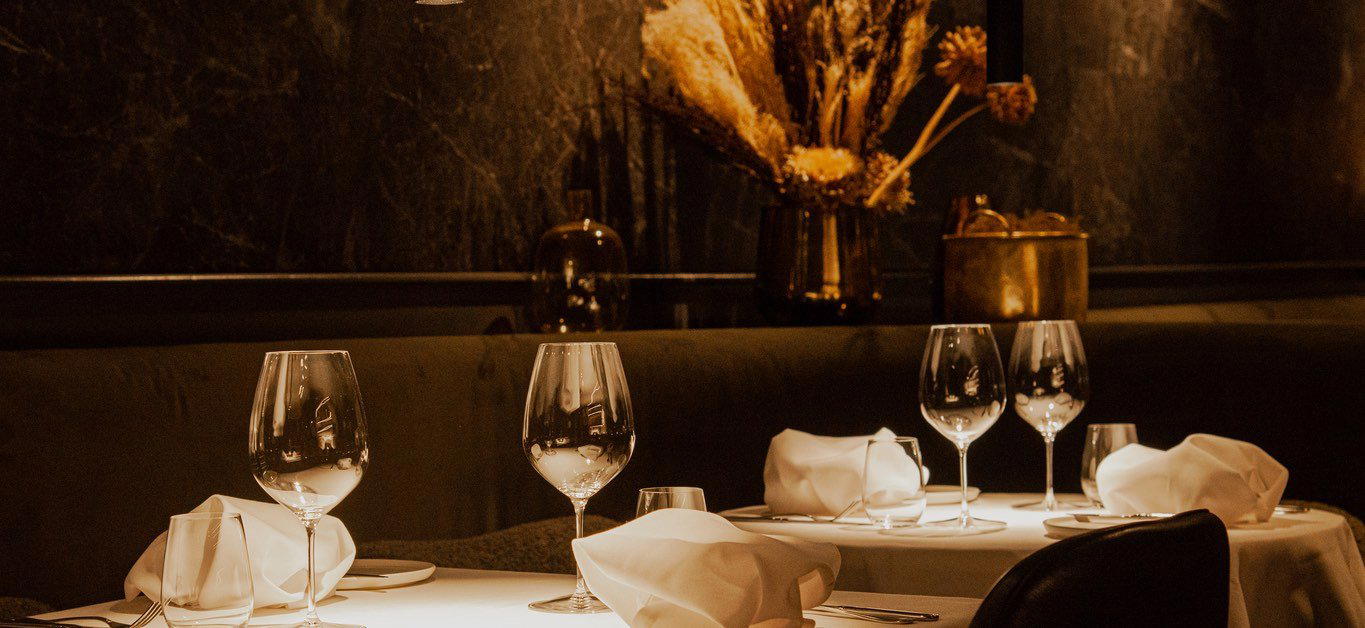
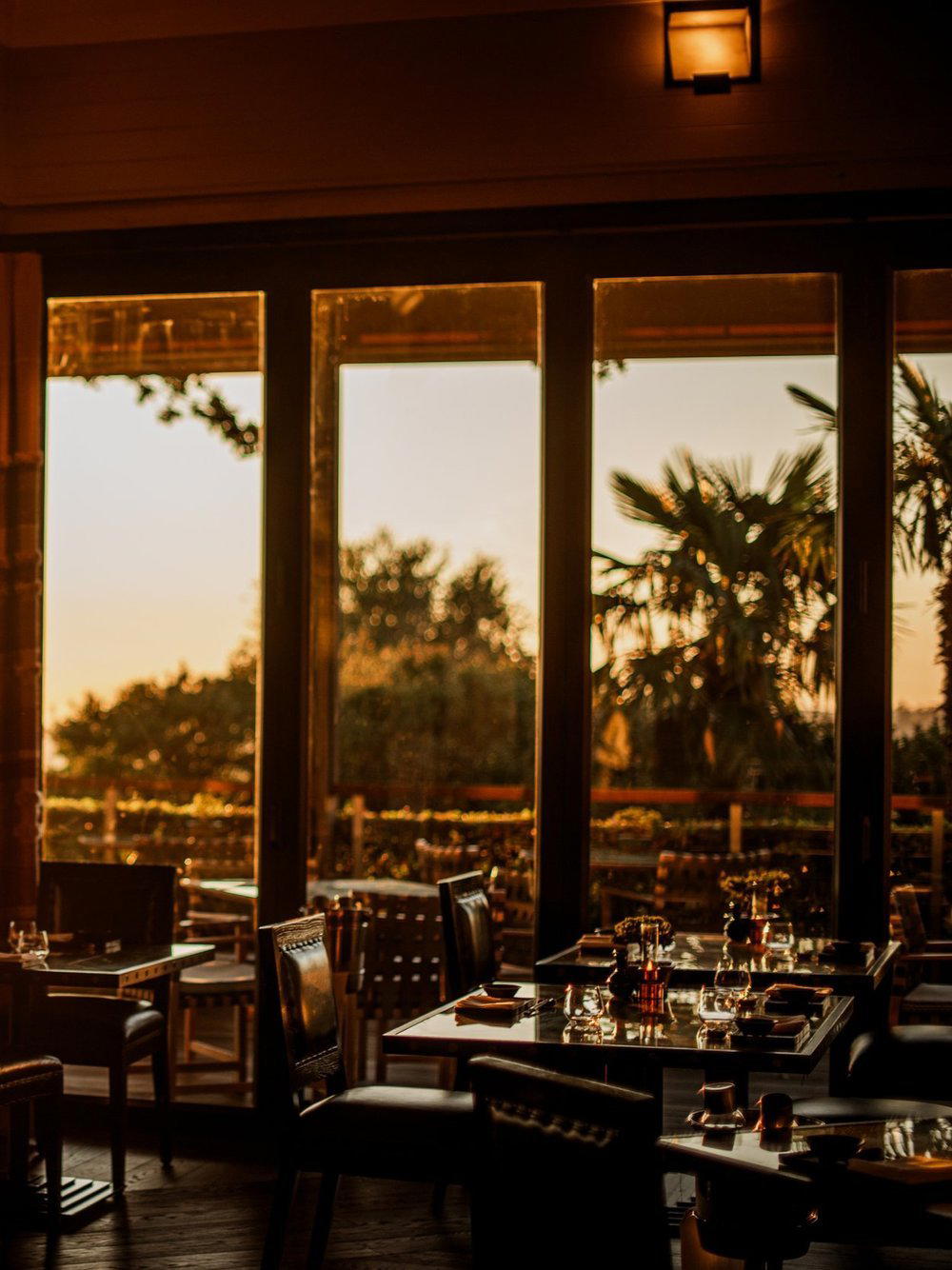
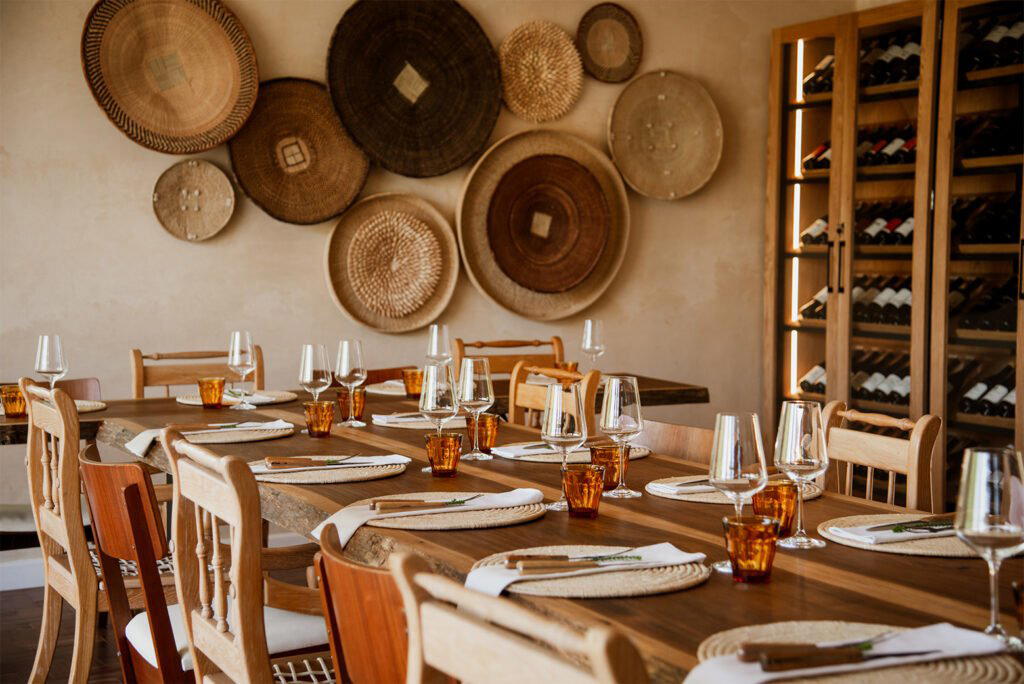
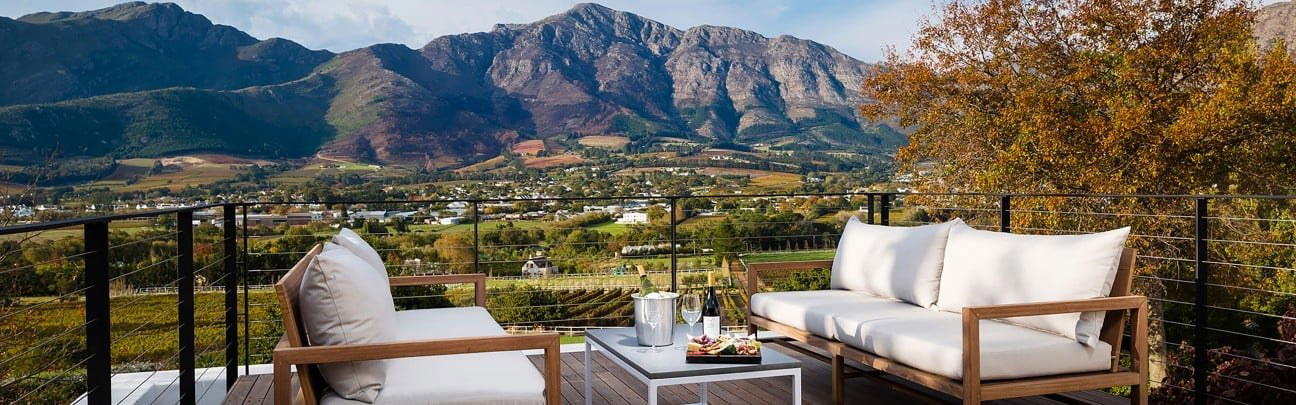
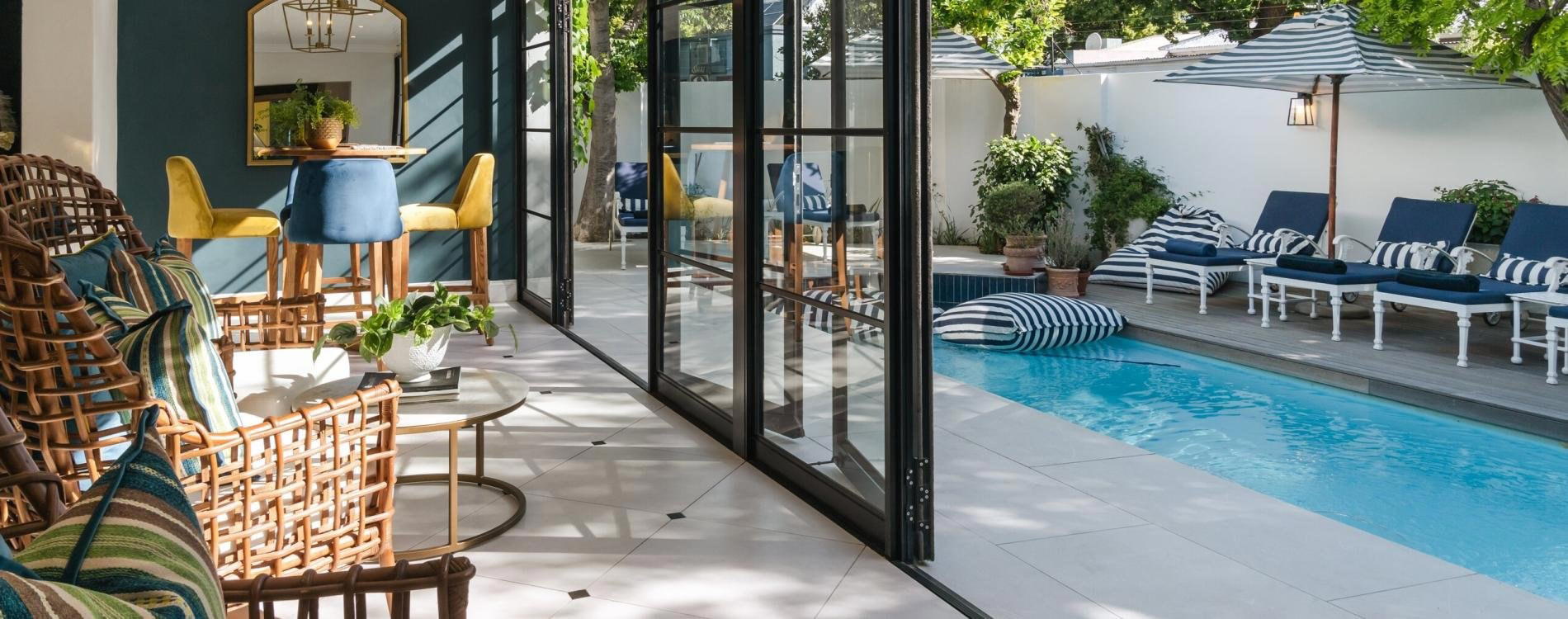
Historic and elegant atmosphere blending centuries-old heritage with modern winemaking innovation amid scenic vineyard and mountain views.