Banfi

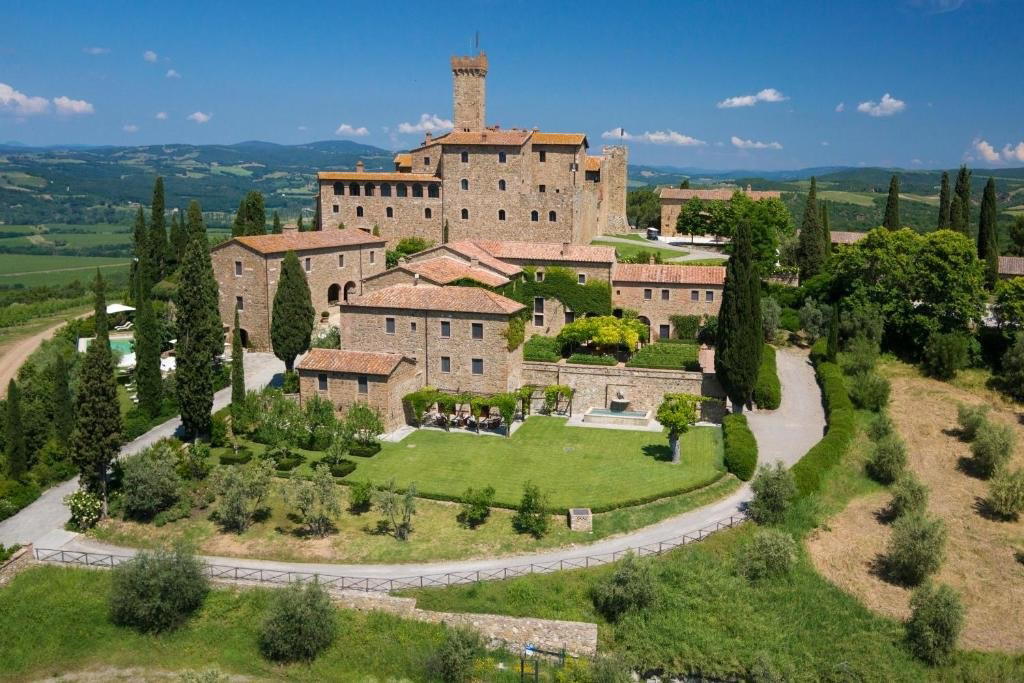
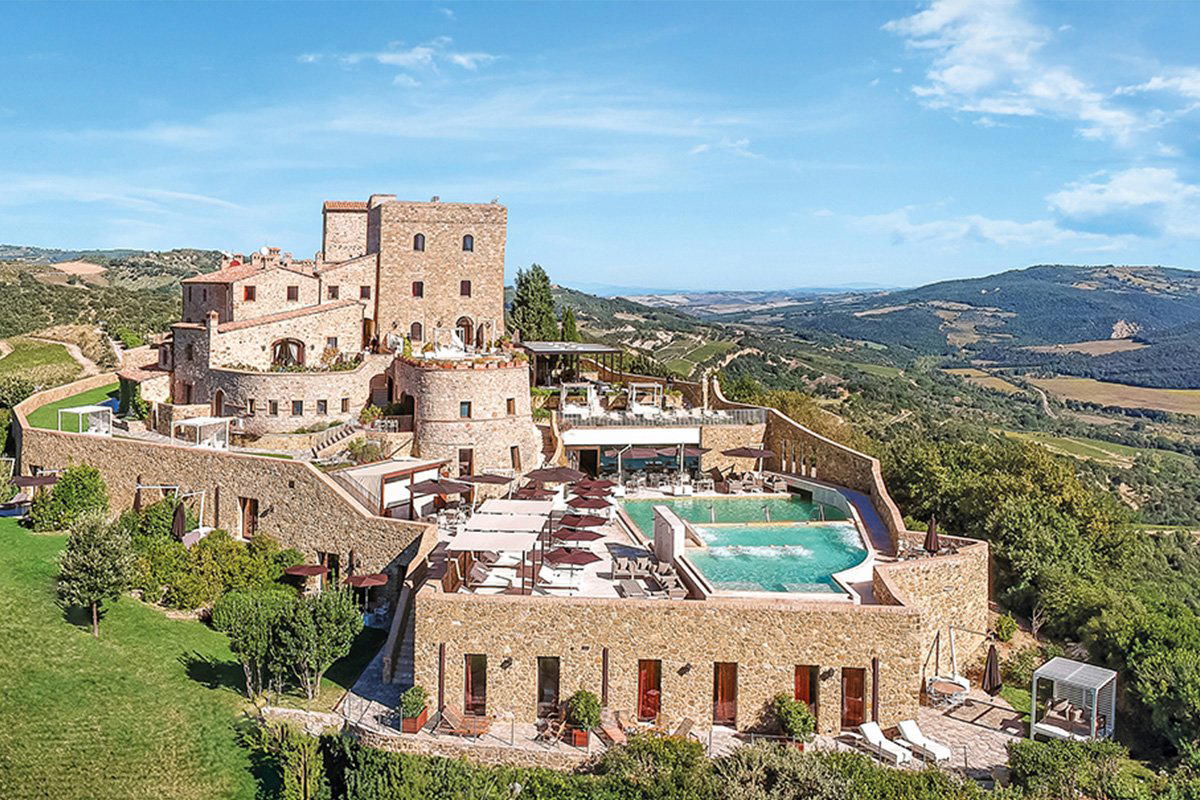
Banfi gives Montalcino’s wine-estate experience a grand scale: a castle setting, vineyard views, historic stone architecture, and a production identity built around Brunello di Montalcino. Its significance comes from the meeting of heritage and technical ambition, with a large Sangiovese program, hospitality on the estate, and a polished Tuscan atmosphere suited to a slower visit rather than a quick tasting stop.

Pearl is the En Primeur Club membership app — saves, bookings, and concierge access live there. Same editors, same standards.
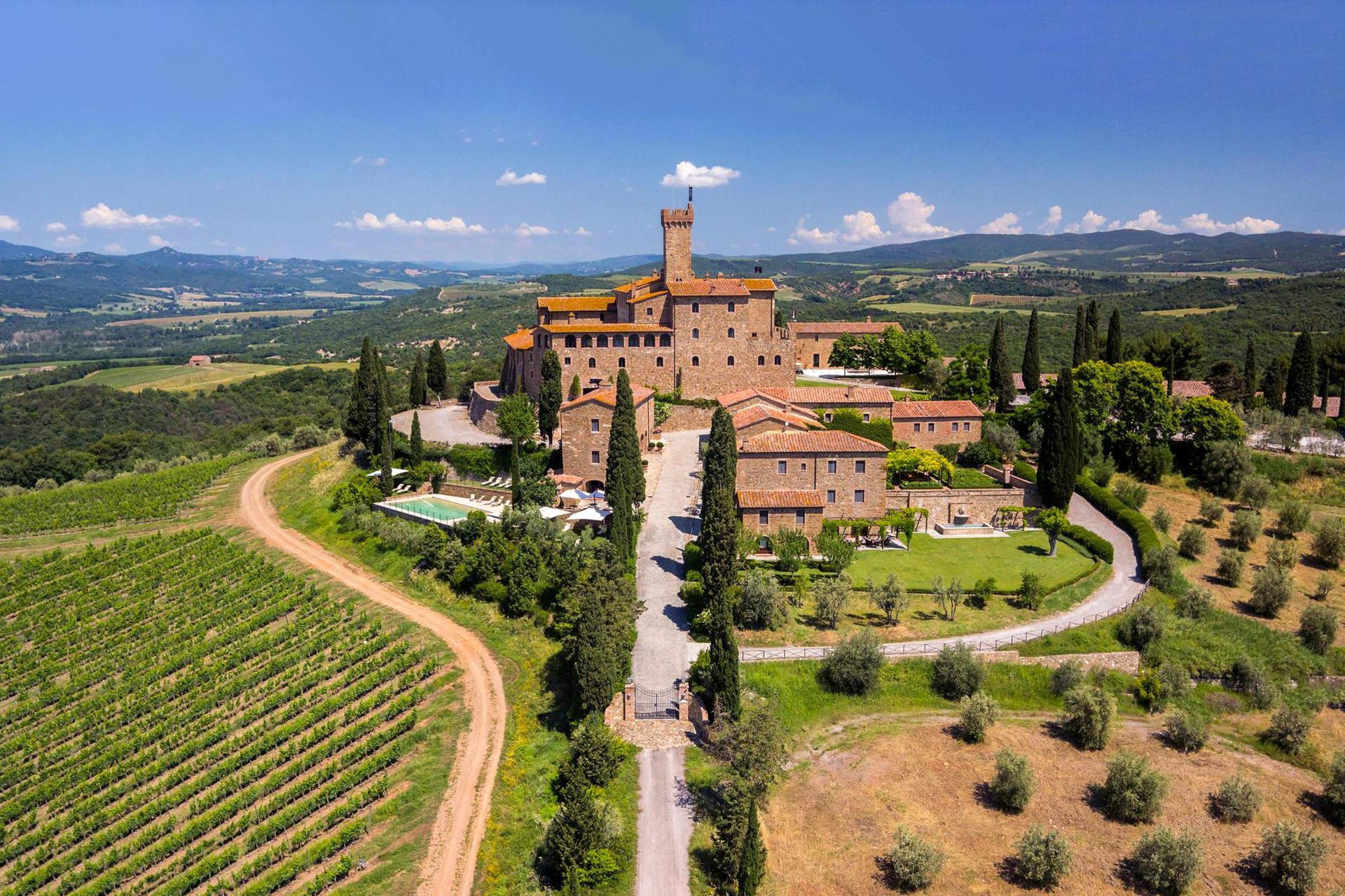
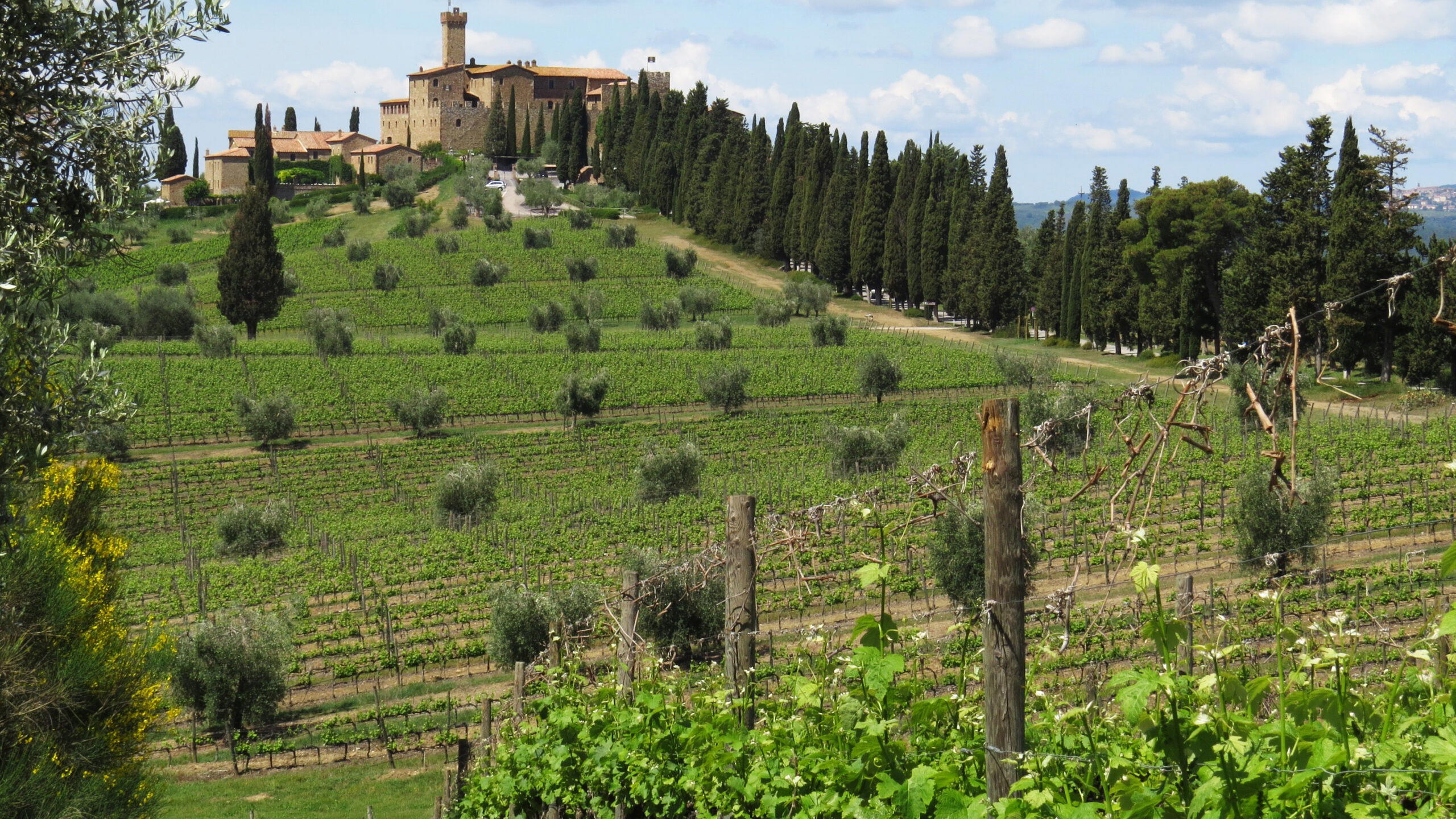
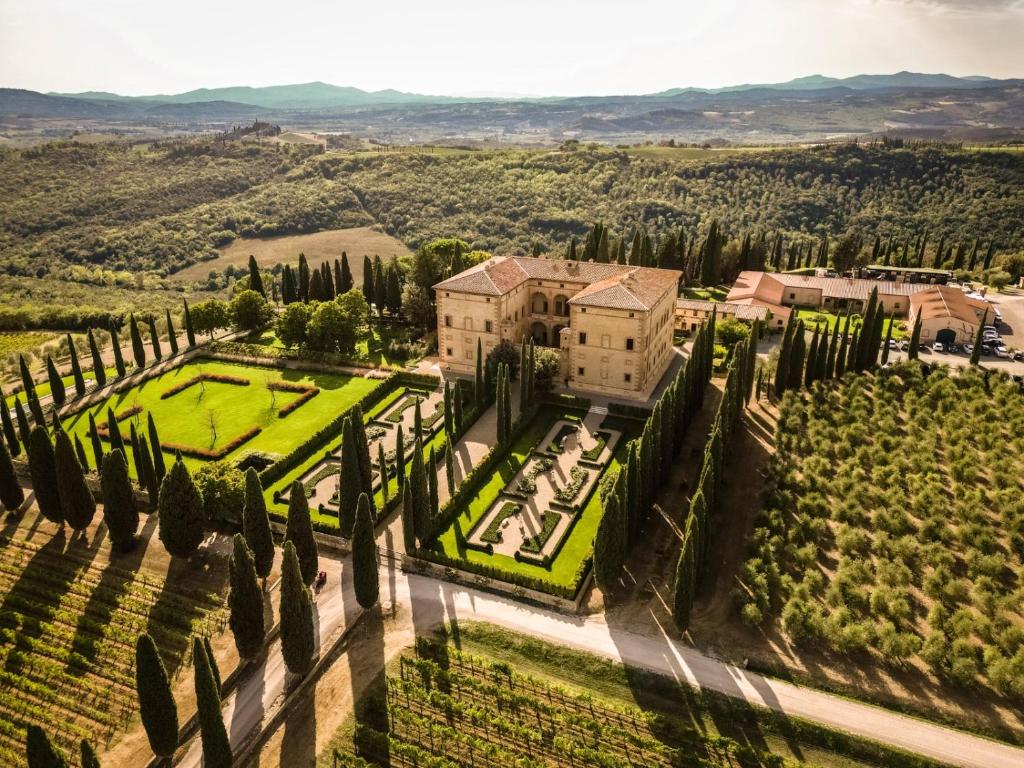
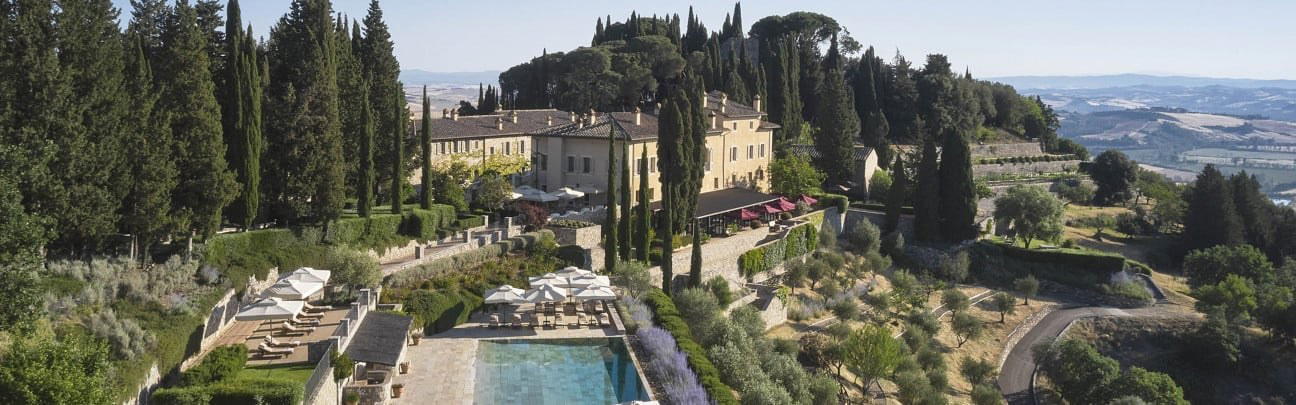
Approaching a Tuscan castle estate changes the rhythm of a wine visit. Stone architecture, vineyard lines, and the quiet formality of Montalcino make the setting feel less like a cellar appointment and more like a study in how Brunello has become both agricultural product and luxury language. Banfi belongs to that category of Tuscan estates where the bottle, the landscape, and the hospitality model are designed to be read together.
Montalcino’s international reputation rests on Sangiovese, but the region is not uniform. Small family cellars, agriturismo estates, restaurant-linked producers, and castle properties all interpret the same DOCG frame with different degrees of scale and polish. Banfi sits at the large-estate end of that spectrum: 2,870 hectares in total, about 950 hectares under vine, and a share of production often described at roughly 12 percent of DOCG Brunello di Montalcino. That size matters. It gives the estate control over fruit sourcing and allows a broader hospitality program than a tasting room alone can support.
A castle estate where Brunello is presented at full hospitality scale
The castle context is not decorative background. The site is tied to the Castello di Poggio alle Mura, first recorded in official documents in 1318, and later restored after wartime damage and mid-century decline. The modern wine estate dates to 1978, when Italian-American brothers John and Harry Mariani built a producer identity around Montalcino rather than only wine importation. That history gives the place a layered character: medieval fortification, American commercial reach, and Tuscan agricultural production occupying the same frame.
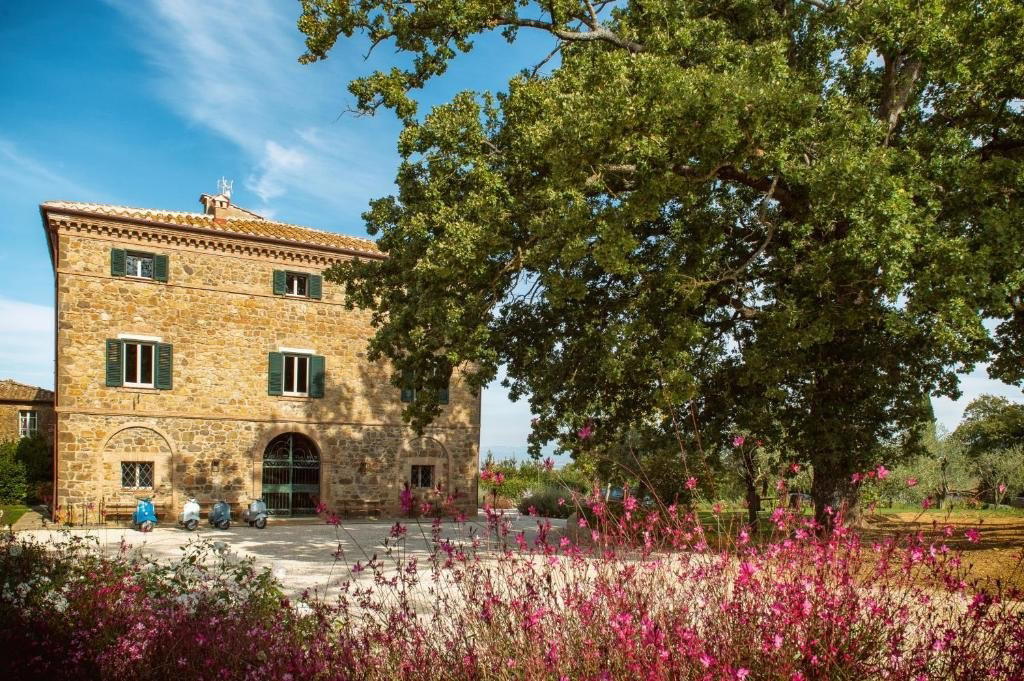
The estate’s atmosphere is classic rather than rustic. The mood is quiet, romantic, and scenic, with the kind of stone-and-vineyard setting that suits travellers who want the architecture of Tuscany to matter as much as the glass. This is not the informal end of Montalcino tasting culture. It is a polished estate experience, and the smart casual dress code fits the tone.
For readers mapping a wider stay, the surrounding city rewards a mixed itinerary rather than a single-property day. Winery-led visits can be balanced with the broader dining and lodging scene through Our full Montalcino restaurants guide and Our full Montalcino hotels guide. After dark, Montalcino remains quieter than Florence or Siena, but Our full Montalcino bars guide helps separate proper wine-bar culture from generic aperitivo stops.
The winemaking argument is scale disciplined by Sangiovese
Brunello is a demanding tradition because its prestige depends on patience and constraint: 100 percent Sangiovese, long ageing, and a regional identity that punishes both thinness and excess. Banfi’s modern importance comes from using large-estate resources to pursue consistency without making the wines feel detached from Montalcino’s core grape. The estate’s work is built around Sangiovese, with Brunello di Montalcino DOCG at the centre and Rosso di Montalcino offering the younger, earlier-drinking expression of the same grape family.
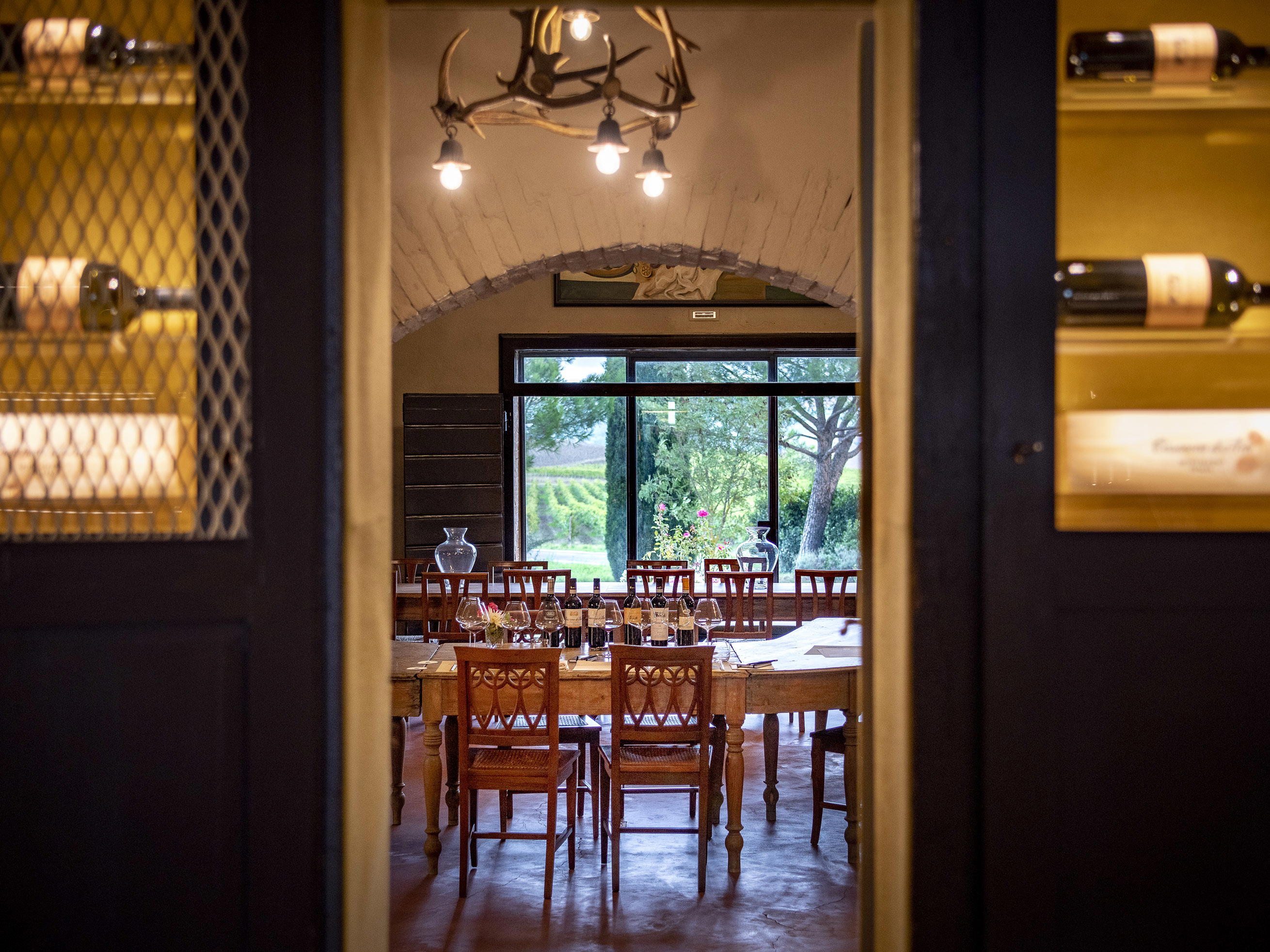
The technical side is part of the story. The Horizon cellar, completed in 2007, uses 24 truncated conical oak-and-steel vats, each with a capacity of 177 hectolitres. That detail explains the estate’s philosophy more clearly than a slogan would: stainless steel brings temperature control, while oak supports controlled oxygen exchange. In a region where tradition can become stagecraft, this is a pragmatic model of modern Brunello production.
Ageing remains central. Brunello di Montalcino DOCG requires five years before release, including a minimum of two years in oak, and the Riserva category extends that timeline. The estate’s use of both traditional large oak and French oak places it inside a broader Montalcino debate about structure, polish, and ageing potential. The question is not whether modernity belongs in Brunello. It already does. The better question is whether technology clarifies Sangiovese or smooths away its edge.
That is where the winemaking lens matters. Matteo Bagnoli is associated with the estate’s contemporary production, and the relevant point is less biography than method: the wines are framed through structure, controlled ripeness, and a technical cellar built to manage fruit from a vast holding. In a small cellar, variation can be part of the charm. At this scale, discipline becomes the argument.
How to place it within a Montalcino wine itinerary
A serious Montalcino itinerary should show contrast. Banfi gives the grand-estate version: castle hospitality, broad vineyard control, and an interpretation of Brunello shaped by technical resources. Smaller producers and different cellar formats add the counterpoint. Use Our full Montalcino wineries guide to build that spread, then compare the rhythm of visits across names such as Aglieta Roberto, Agostina Pieri, Agricola Poggio Rubino, Aisna, and Altesino.
The wider estate includes more than wine production. A Bottle and Glass Museum and a Balsameria extend the visit into material culture and pantry tradition, which is useful in Montalcino because wine tourism can otherwise flatten into repeated cellar tours. Banfi is strongest when treated as a half-day estate experience: architecture, vineyard context, Brunello, and the hospitality ecosystem in one controlled setting.
For travellers building a broader Italy-and-Europe wine map, Montalcino also sits within a larger conversation about regional identity and estate formats. The comparison is not about ranking producers; it is about seeing how place changes the grammar of a visit. A Tuscan castle estate reads differently from 3GP SRL in Treviso, 47 Anno Domini in Trebaseleghe, A Mano Wine in Noci, »der Steiner« Hans Steiner in Podersdorf am See, or & Handwein in Mannheim. The useful exercise is to notice what scale, architecture, grape law, and hospitality expectations do to the experience of tasting.
The editorial verdict is simple: this is the Montalcino choice for travellers who want Brunello presented through estate ambition rather than cellar intimacy. It is polished, scenic, and rooted in the prestige mechanics of Sangiovese. Pair it with smaller appointments, a proper meal, and one cultural slot from Our full Montalcino experiences guide, and the region becomes clearer: not a single wine style, but a set of competing answers to what Tuscan seriousness should look like in 2026.
Recognition history
Dated appearances from independent guides and award organizations, with the underlying list record or original source where available.
Falstaff Winery - 3 Stars
Falstaff
Continue exploring
More in Montalcino
Wineries in Montalcino
Browse all →
Bars in Montalcino
Browse all →
Restaurants in Montalcino
Browse all →
At a Glance
- Scenic
- Elegant
- Romantic
- Quiet
- Classic
- Sophisticated
- Romantic Getaway
- Celebration
- Wine Education
- Special Occasion
- Group Outing
- Vineyard Tour
- Historic Building
- Design Destination
- Private Tasting
- Estate Grounds
- Sustainable
- Vineyard
- Garden
- Mountain
- Brunello Di Montalcino
- Sangiovese
- Still Red
- Still White
- Sparkling
- Still Red
- Still White
- Sparkling
- Guided Tasting
- Food Pairing Tasting
A classic Tuscan castle estate setting with romantic, quiet, and scenic atmosphere among vineyards and historic stone architecture.