
This listing is retired after a June 2026 status audit found the place inactive at its stored address.
- Address
- C. de la Estafeta, 24, 31001 Pamplona, Navarra, Spain
- Phone
- +34 848 46 33 50
- Website
- zuritabarraymantel.es
- Directions
- Get directions
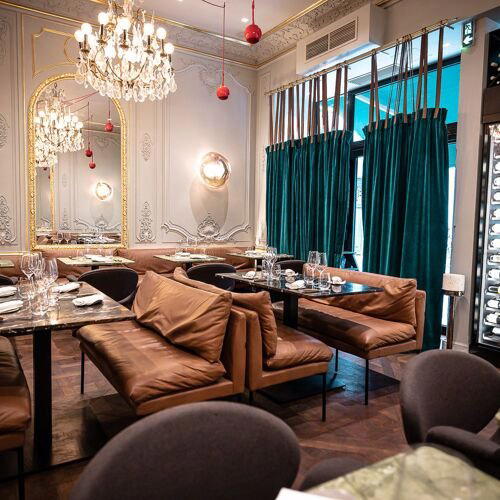
Calle Estafeta, Before the Crowds Arrive
Calle de la Estafeta is among the more photographed streets in northern Spain. During San Fermín, it becomes a corridor of noise and spectacle. The rest of the year, it operates as Pamplona's commercial spine, pinxtos bars and shopfronts shouldering each other along a narrow medieval lane that connects the old city's northern and southern quarters. It is not, by reputation, the address you expect to find a kitchen with croquettes nominated among the world's leading at Madrid Fusión 2024. Yet Zurita, Barra y Mantel occupies number 24, and its placement on this street is part of the point: this is Navarrese cooking at street level, without ceremony.
The Logic of the Counter
Spanish bar culture has long maintained a parallel dining tradition to the formal dining room, but the two tiers rarely offer identical value. Zurita's arrangement breaks that convention. The counter and the dining room carry the same menu, the same format choices, and the same kitchen output. That structural decision places the venue in a distinct position within Pamplona's mid-range scene, where €€ pricing typically signals a shorter à la carte or a simplified format. Here, the counter is not a waiting area or a pintxos station, it functions as a full seat.
The kitchen operates under Leandro Gil, a Tudela-born chef whose professional formation is rooted in the Ribera de Navarra tradition, a region where market gardening has shaped local cooking for centuries. Tudela sits at the agricultural heart of Navarra, and the vegetable-forward instinct in the cooking reflects that geography rather than any imported minimalist trend. Fish and meat appear across the à la carte, but the produce from Navarra's huerta, the irrigated plain that produces cardoons, white asparagus, artichokes, and piquillo peppers of considerable local reputation, provides the structural argument of the menu.
How a Meal Here Tends to Move
The menu structure offers two routes beyond the à la carte: a "Clásicos" menu that draws from the established canon of Navarrese cooking, and the "De Mercado" menu, which follows seasonal supply and changes with what arrives from the market. The contrast between the two formats gives the table a clear choice about what kind of meal it wants. The Clásicos option anchors the experience in recognisable regional references, the kind of cooking that has defined northern Spanish tables for generations without needing reinterpretation. The De Mercado route is where the kitchen's more current instincts tend to show, with the menu shifting as the season dictates.
Any account of how a meal progresses here has to reckon with the croquettes early. These were nominated at Madrid Fusión 2024 as among the world's leading, a recognition that carries weight in Spanish gastronomy, where the croqueta de jamón is treated as a technical benchmark and a cultural touchstone simultaneously. Madrid Fusión draws entries from kitchens across the Iberian Peninsula and beyond, and a nomination at that level places Zurita's version in a credible comparable set regardless of price tier. Whether you arrive at the counter or take a table in the dining room, ordering them is the rational starting point.
From there, the vegetable-forward character of the à la carte tends to guide the mid-sections of the meal. Navarra's white asparagus season runs from late March through May, and during that window the regional obsession with the crop, harvested before it breaks the soil surface, blanched and served with vinaigrette or mayonnaise in particularly direct preparations, becomes the natural centrepiece of a market menu. Outside that window, the kitchen draws on the broader huerta calendar. Fish and meat dishes provide the structural counterweight across the à la carte, completing a format that moves through vegetables and lighter preparations toward more substantial closes.
Within Pamplona's wider dining structure, Zurita occupies a middle tier that is more active than it might appear from the outside. The city carries two high-end restaurants with sustained critical recognition: Rodero at €€€ offers modern Spanish cooking with a strong tasting menu program, and Europa at €€€€ represents the city's most ambitious contemporary format. At the other end of the spectrum, Bar Gorriti operates in the tapas bar register that defines Pamplona's street-level social culture. Zurita's price point and Michelin Plate recognition position it as a serious option for those who want a structured meal without moving into the tasting-menu price bracket. The Alhambra covers traditional cuisine at a similar level, giving the mid-range a pair of credible anchors. For a fuller picture of where Zurita sits among the city's options, our full Pamplona restaurants guide maps the whole field.
Northern Spain's fine dining circuit extends well beyond Pamplona, and for those building a wider itinerary: Arzak in San Sebastián, Azurmendi in Larrabetzu, and El Celler de Can Roca in Girona define the upper tier of regional Spanish cooking. Elsewhere in Spain, DiverXO in Madrid, Quique Dacosta in Dénia, and Aponiente in El Puerto de Santa María offer useful calibration points across different price tiers and styles. Within the regional European category more broadly, Adler Stuben in Hinterzarten and Cibû in Leça da Palmeira show how the format operates in other European contexts. Kabo offers another contemporary angle on Pamplona's dining scene worth considering alongside Zurita.
Planning the Visit
The restaurant is located at Calle de la Estafeta, 24, in the centre of Pamplona's old city, within walking distance of the Plaza del Castillo.4 across 76 reviews, a modestly sized sample but consistent with a kitchen that has maintained Michelin Plate recognition into 2025. The €€ price range makes this one of the more accessible structured meals in the city. Booking in advance is advisable, particularly during San Fermín (the first two weeks of July), when the entire Estafeta corridor operates at maximum capacity and reservations across Pamplona's better kitchens fill weeks ahead. Outside the festival period, the dual counter and dining room format creates more flexibility.
At-a-Glance Comparison
Comparable venues nearby, for context on price, style, and recognition.
| Venue | Cuisine | Price | Awards | Notes |
|---|---|---|---|---|
| Zurita, Barra y MantelThis venue — the venue you are viewing | Contemporary Navarran | $$$ | Michelin Plate | Not listed |
| Alhambra | Contemporary Navarrese | $$$ | Michelin Plate | Pamplona center |
| Bar Gorriti | Traditional Spanish Tapas | $ | Not listed | Old Town |
| Enekorri Restaurante | Modern Spanish Basque | $$$ | Not listed | city center |
| La Ideal Mar | Spanish Seafood & Rice | $$$ | Michelin Plate | Plaza Salesianos |
| Gaucho | Award-Winning Pintxos Bar | $$ | Michelin Plate | Old Town |
Recognition history
Dated appearances from independent guides and award organizations, with the underlying list record or original source where available.
Michelin Plate
Michelin
Michelin Plate
Michelin
Continue exploring
More in Pamplona
Restaurants in Pamplona
Browse all →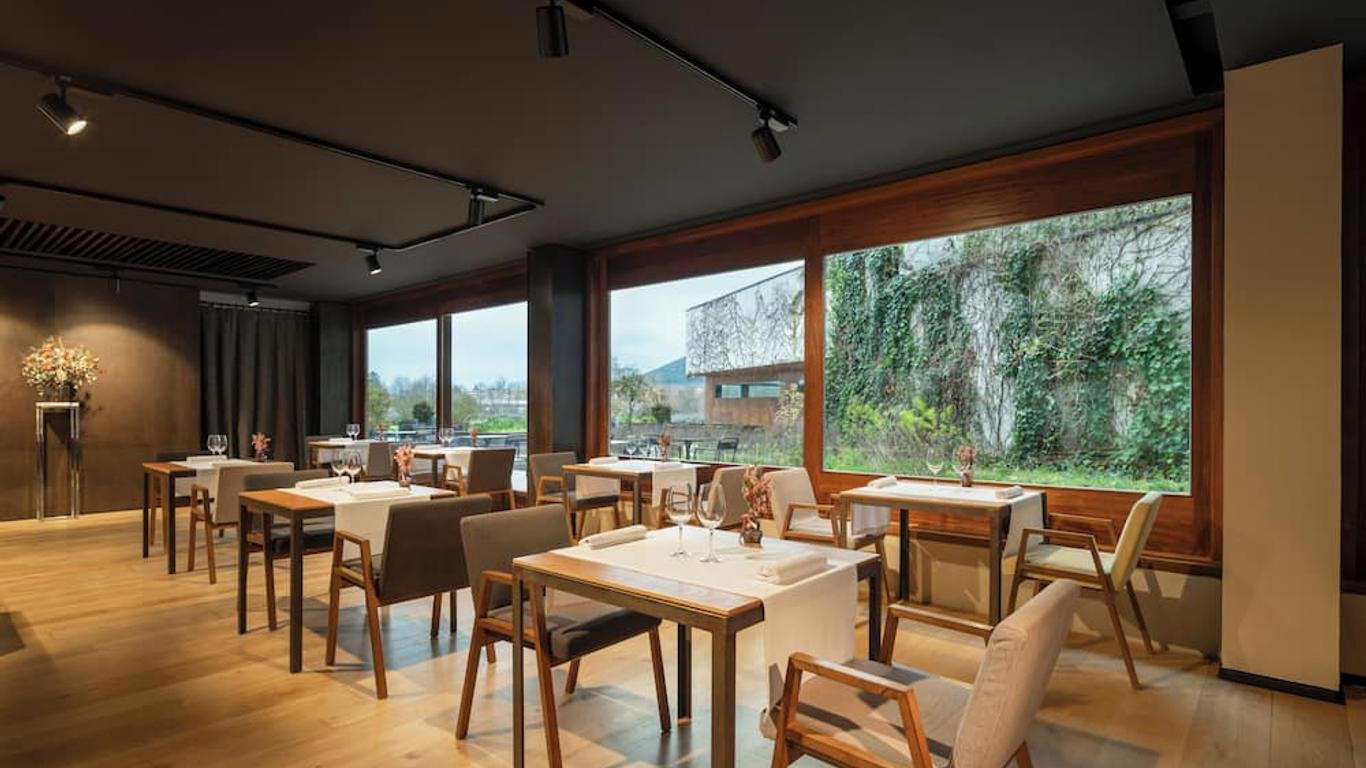
Bars in Pamplona
Browse all →
Hotels in Pamplona
Browse all →
Wineries in Pamplona
Browse all →
At a Glance
- Elegant
- Sophisticated
- Quiet
- Intimate
- Date Night
- Business Dinner
- Group Dining
- Special Occasion
- Hotel Restaurant
- Private Dining
- Local Sourcing