Adler Stuben

Adler Stuben holds a Michelin Plate in both 2024 and 2025, placing it among the recognised dining rooms of the Black Forest region. Grounded in Regional European cooking and priced at the accessible mid-range, it offers a grounded alternative to the area's starred heavyweights.
Pearl is the En Primeur Club membership app — saves, bookings, and concierge access live there. Same editors, same standards.
- Address
- Adlerpl. 3, 79856 Hinterzarten, Germany
- Phone
- +49 7652 1270
- Website
- parkhoteladler.de
- Directions
- Get directions
 Saves & bookings on Pearl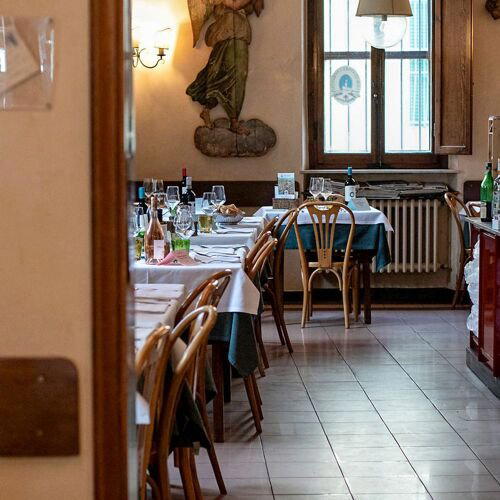
Where the Black Forest Kitchen Finds Its Footing
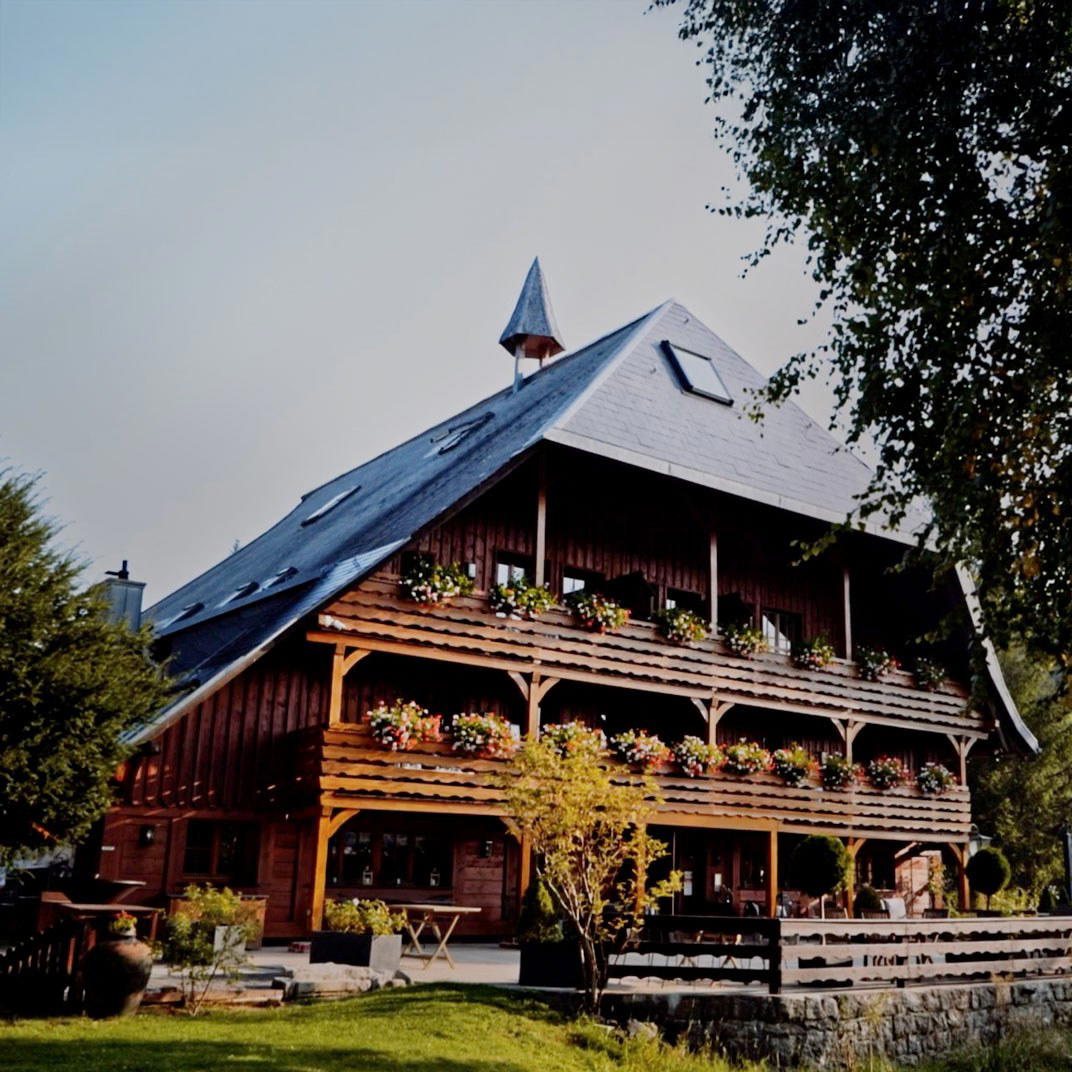
Hinterzarten sits at roughly 900 metres in the southern Black Forest, a village that has long attracted visitors with its combination of open farmland, dense fir forest, and a microclimate that stays cooler than the Rhine plain below even in August. The dining scene here reflects that geography directly. In a region where agricultural traditions run deep, cattle grazing on upland meadows, river trout from cold streams, game from managed forest estates, the better kitchens orient themselves around what the land produces rather than what can be freighted in. Adler Stuben, positioned on the central Adlerplatz, sits within that tradition. The Stuben format itself is a regional archetype: a room that prioritises warmth and familiarity over spectacle, where the architecture of panelled wood and low ceilings does as much work as the food in conveying where you are.
Regional European Cooking and Why Provenance Matters Here
The designation "Regional European" carries specific weight in a place like Hinterzarten. It is not a hedge or a catchall; it is a statement about sourcing logic. The Black Forest's food tradition is built on ingredients that emerge from altitude and cold-season farming: cured pork products tied to the Schwarzwälder name, wild mushrooms from forest floors, venison and wild boar from estates that have been managed across generations, and dairy products shaped by pastures that remain frost-covered well into spring. A kitchen that aligns with that tradition is making a sourcing commitment as much as a culinary one.
This matters comparatively. At the higher end of the German dining hierarchy, kitchens like Schwarzwaldstube in Baiersbronn operate at the three-Michelin-star level with French-influenced technique applied to regional produce. Further afield, Aqua in Wolfsburg and JAN in Munich work in more internationally inflected idioms. Adler Stuben operates at a different register entirely, the mid-market (€€) bracket where the sourcing conversation is less about luxury ingredients and more about whether the kitchen is genuinely connected to local supply chains. Adler Stuben has no Michelin star, but its 2024 and 2025 Michelin Plate recognition signals a solid standard of cooking without the tasting-menu infrastructure of the starred tier.
What the Michelin Plate Tells You
Michelin's Plate designation, introduced systematically across the guide's European editions, marks restaurants where inspectors found cooking that is good by absolute standards, not merely adequate for the price. It sits below the Bib Gourmand (which also requires value) and below the star tier, but it distinguishes a restaurant from the anonymous mass of listed establishments. Two consecutive Plate awards, 2024 and 2025, indicate consistency rather than a single strong meal. In a village dining room at the €€ price point, that consistency across inspections is the more meaningful data point.
For context, ES:SENZ in Grassau, Schanz in Piesport, and Waldhotel Sonnora in Dreis represent the upper end of the German regional dining spectrum, with star awards and price brackets that reflect their ambition. Vendôme in Bergisch Gladbach and Restaurant Haerlin in Hamburg operate in a creative European idiom that requires a different kind of investment from the diner. The restaurant is the counterpoint: a recognised kitchen that asks for neither a special-occasion budget nor advance planning of the kind that CODA Dessert Dining in Berlin or Victor's Fine Dining by Christian Bau in Perl demand.
Hinterzarten's Dining Scene in Perspective
The village's size means the dining options are concentrated rather than sprawling. Alemannenhof, with its focus on seasonal cuisine, occupies a related niche in the local market. Between these kitchens and the broader regional tradition, visitors are looking at a dining culture that is more about depth within a narrow ingredient vocabulary than about cosmopolitan range. That is not a limitation; it is the point. The Black Forest's culinary identity has always been defined by specificity, and the restaurants that honour that identity tend to feel more coherent than those that chase a wider brief.
Regional European cooking at this price tier also has international parallels worth noting. Cibû in Leça da Palmeira and Gostilna Mahorčič in Rodik represent similar commitments to place-rooted European cooking at accessible price points, each drawing on their own geographic and agricultural contexts in ways that mirror what the better Black Forest kitchens are doing.
Planning a Visit
The restaurant is located at Adlerpl. 3, 79856 Hinterzarten, in the village centre. At about $65 per person, it sits in a moderate price tier suited to a casual dinner or lunch. Reservations are recommended.
At-a-Glance Comparison
Comparable venues nearby, for context on price, style, and recognition.
| Venue | Cuisine | Price | Awards | Notes |
|---|---|---|---|---|
| Adler StubenThis venue — the venue you are viewing | Regional Baden & International Fine Dining | $$$ | Michelin Plate | Not listed |
| Alemannenhof | Modern Crossover German with Regional Specialties | $$$$ | Michelin Plate | Hinterzarten |
| Berghotel Wiedener Eck | Regional German Country Cooking | $$$ | Michelin Plate | Wieden |
| Johanniter-Kreuz | Classic German Regional Cuisine | $$$ | Michelin Plate | Überlingen-Andelshofen |
| Landgasthaus zum Kreuz | Modern Regional German | $$$ | Michelin Plate | Biberach |
| Stüble | Traditional Black Forest German | $$$ | Michelin Plate | Freudenstadt |
Recognition history
Dated appearances from independent guides and award organizations, with the underlying list record or original source where available.
Michelin Plate
Michelin · 2026 Michelin Plate
Michelin Plate
Michelin
Michelin Plate
Michelin
Continue exploring
More in Hinterzarten
Restaurants in Hinterzarten
Browse all →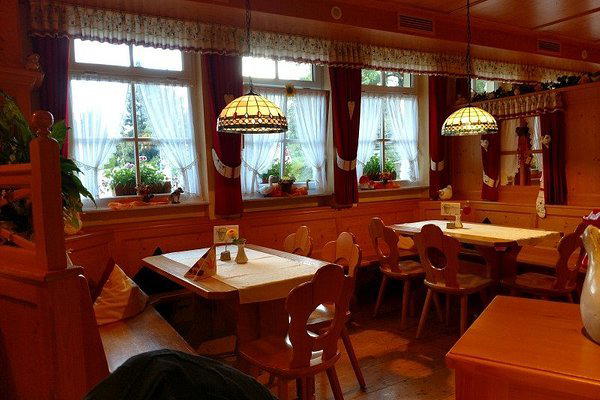
Bars in Hinterzarten
Browse all →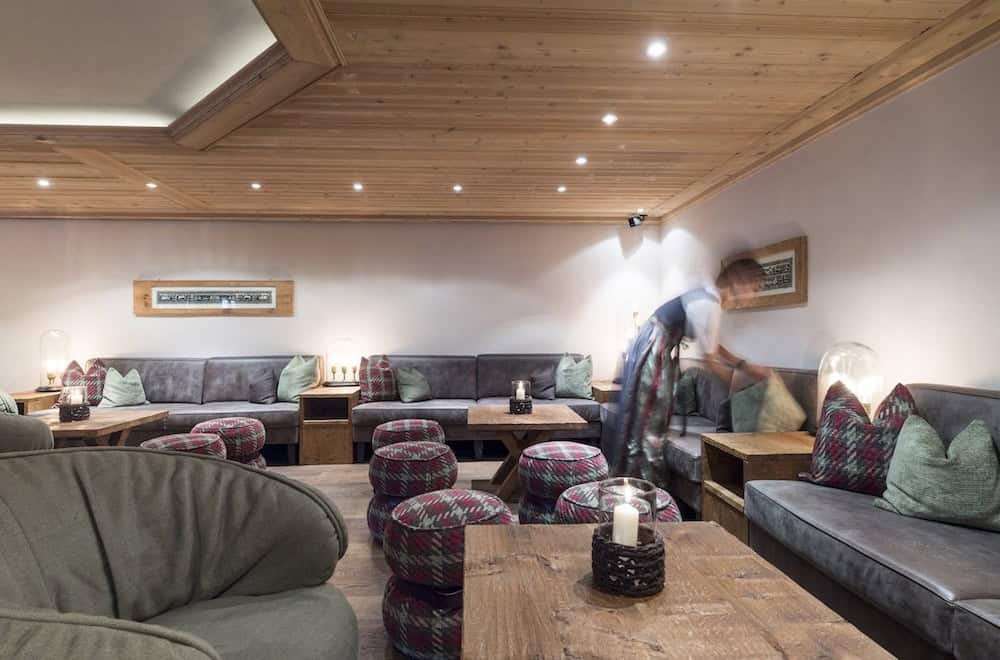
Hotels in Hinterzarten
Browse all →

At a Glance
- Romantic
- Classic
- Cozy
- Elegant
- Rustic
- Intimate
- Date Night
- Special Occasion
- Celebration
- Family
- Historic Building
- Garden
- Private Dining
- Terrace
- Hotel Restaurant
- Extensive Wine List
- Sommelier Led
- Local Sourcing
- Garden
Current opening hours
- Monday
- 6–9 PM
- Tuesday
- 6–9 PM
- Wednesday
- 6–9 PM
- Thursday
- 6–9 PM
- Friday
- 6–9 PM
- Saturday
- 6–9 PM
- Sunday
- 6–9 PM
Hours can change for holidays and private events. Last verified .
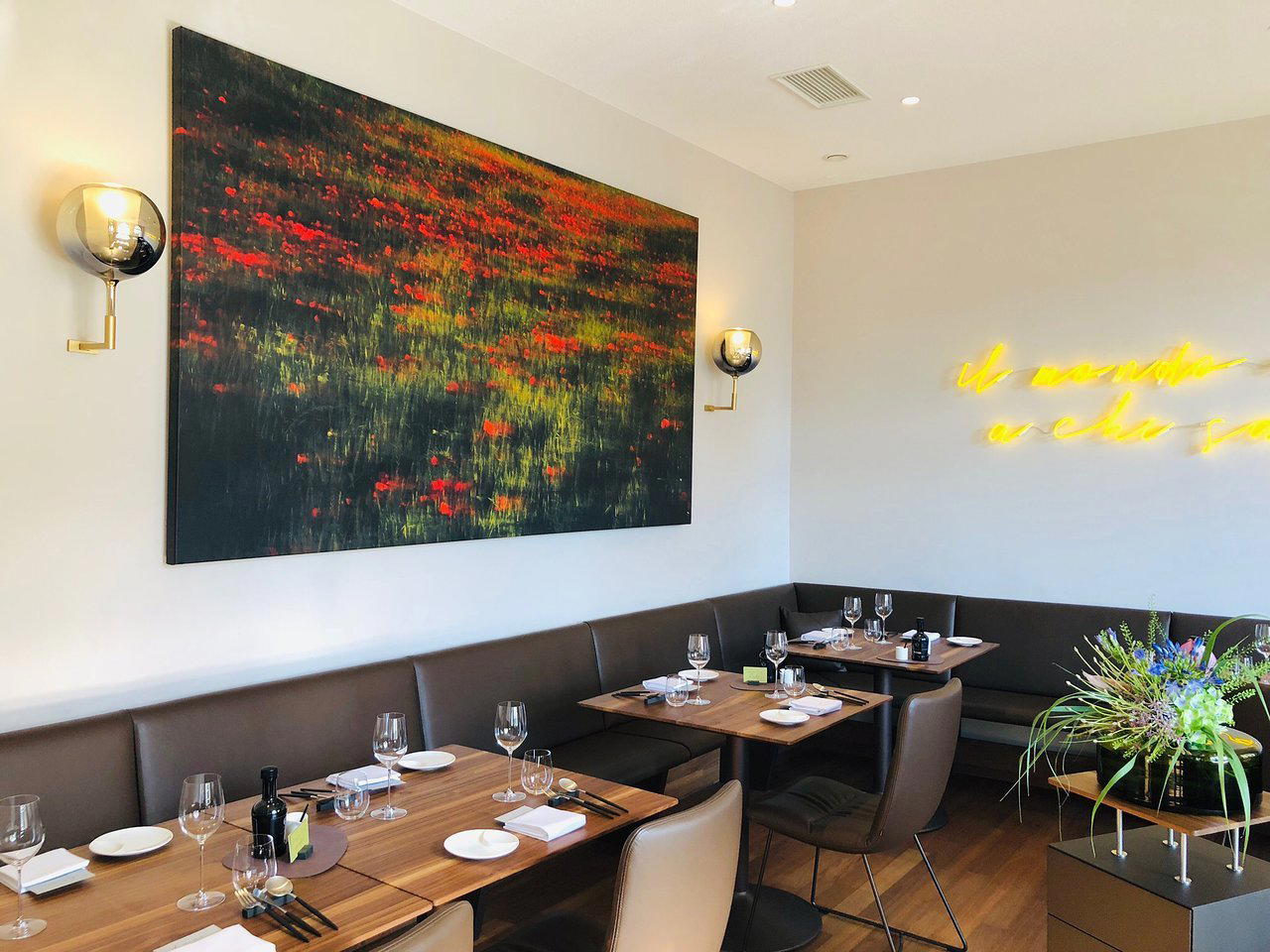
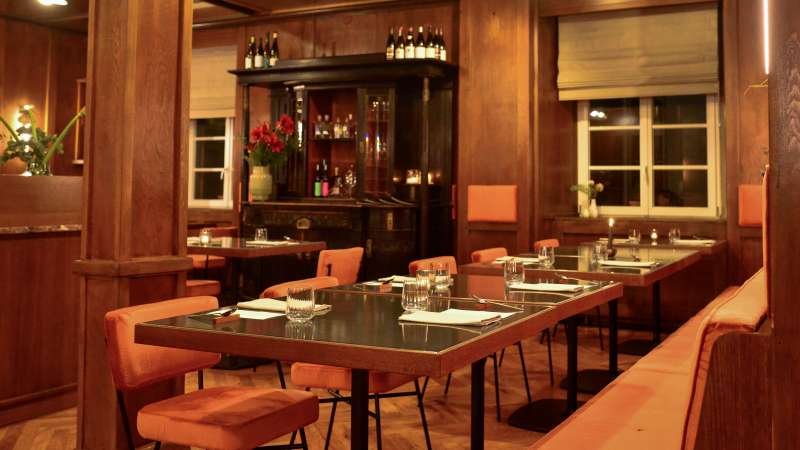
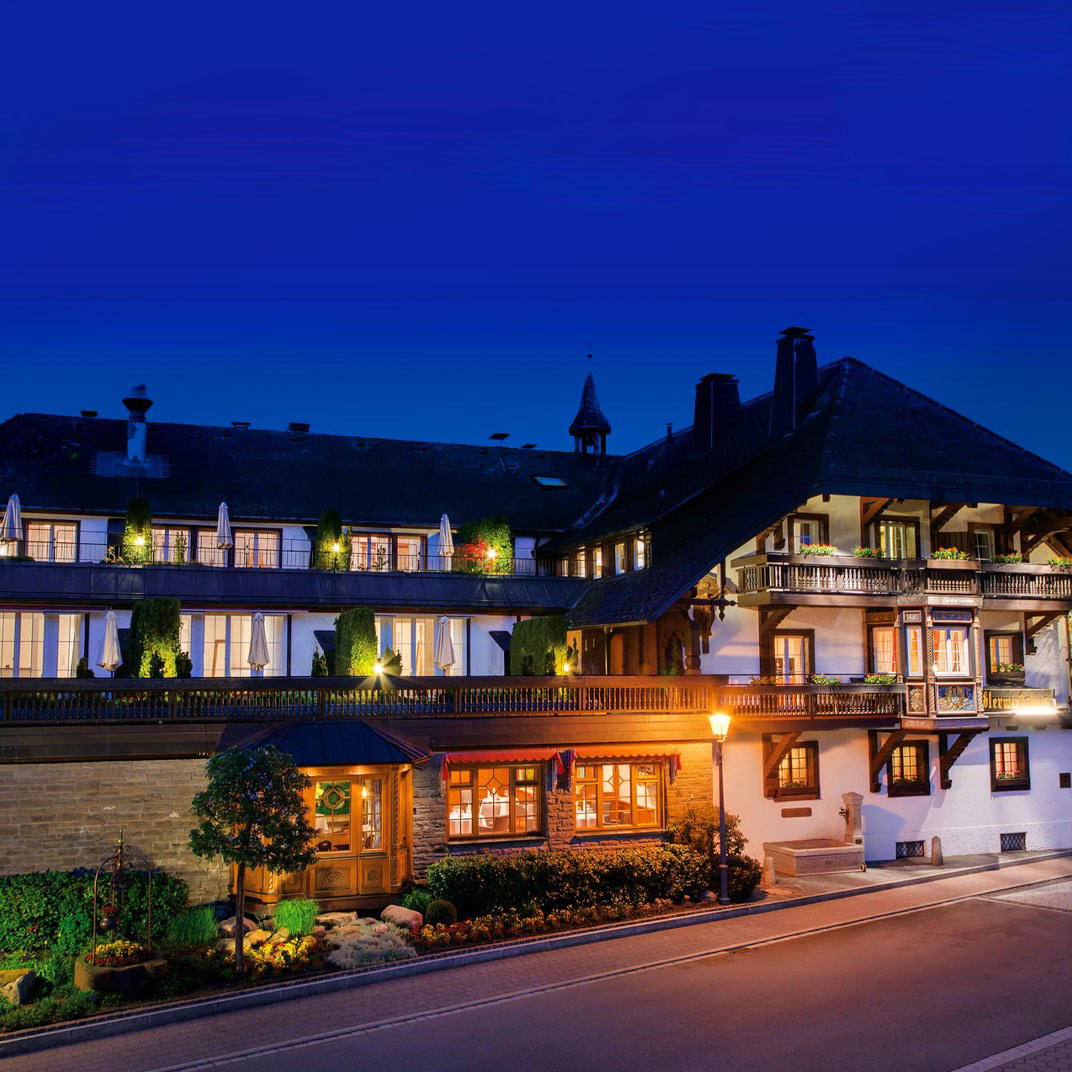
Charming and atmospheric with old wood paneling, low ceilings in the traditional Stube, and chic Bergkristall dining area; soft background music with live music available in the Leo Lounge Bar.