FUHU
FUHU occupies a prominent position on the Las Vegas Strip at 3000 S Las Vegas Blvd, placing it inside among the more competitive dining corridors in the United States. The Strip's restaurant tier has hardened into distinct competitive brackets, and FUHU's address signals serious intent. Readers planning a Las Vegas dining itinerary should treat it as a key reference point alongside the city's broader portfolio of ambitious restaurant formats.
Pearl is the En Primeur Club membership app — saves, bookings, and concierge access live there. Same editors, same standards.
- Address
- 3000 S Las Vegas Blvd, Las Vegas, NV 89109
- Phone
- +17026767740
- Website
- zoukgrouplv.com
- Directions
- Get directions
 Saves & bookings on Pearl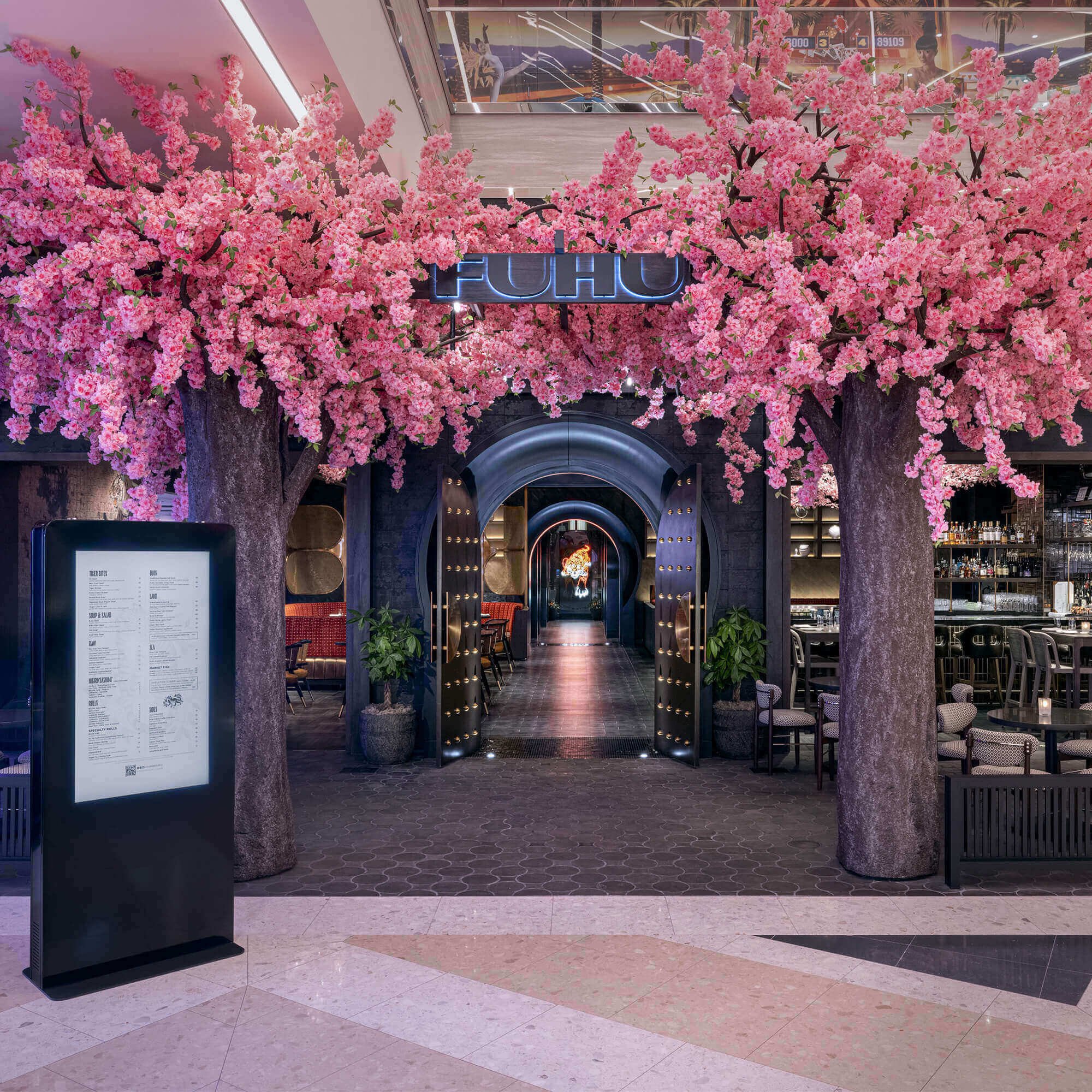
What the Strip Demands of a Restaurant in 2024
FUHU is a restaurant at 3000 S Las Vegas Blvd in Las Vegas, serving Contemporary Asian Fusion with Sushi & Steak at a price tier of 4. The Strip's dining corridor at and around 3000 S Las Vegas Blvd is where that pressure is most acute. Venues here price and perform against a comparable set that includes particularly-visited restaurant addresses in the country, and the margin for a generic experience is effectively zero. FUHU enters that environment at among the more trafficked addresses on the boulevard.
Las Vegas's premium dining tier has bifurcated: on one side sit the high-volume, brand-name celebrity formats that run on sheer foot traffic; on the other, a smaller cohort of concept-led restaurants that compete on specificity, menu architecture, and kitchen discipline. The latter group is harder to build and harder to sustain, but it is also where interesting dining decisions are being made. Understanding which bracket FUHU occupies, and how its menu architecture signals that positioning, is the first order of business for any reader planning around it.
Reading the Menu as an Argument
A restaurant's menu is never just a list of dishes. It is a statement of competitive positioning, an argument about what the kitchen believes it does better than the room next door, and a set of signals about who the diner is supposed to be. On the Las Vegas Strip, where menus are often designed to serve thousands of covers a week across multiple service windows, the architecture of a menu, its internal logic, its balance between accessibility and ambition, is one of the clearest diagnostics available to a reader making a booking decision.
Pan-Asian formats in particular have developed a distinctive menu grammar in American fine-dining cities. Rather than committing to a single national tradition, they typically build around a set of shared techniques, wok discipline, acid balance, textural contrast across courses, that allow the kitchen to move between Chinese, Japanese, Southeast Asian, and Korean registers within a single sitting. This structural flexibility is both the format's strength and its challenge: executed well, it produces a menu that feels coherent rather than fragmented; executed poorly, it reads as a compilation rather than a cuisine. The Strip's version of this format has evolved considerably since the early 2000s, when pan-Asian dining in Las Vegas was largely synonymous with high-volume dim sum and fusion novelty. The current generation of pan-Asian programs, including the comparable set FUHU competes within, operates with considerably more technical seriousness. Comparable kitchens in other American cities demonstrate how Asian-influenced fine dining has matured into a technically demanding tier.
On the Strip itself, FUHU's immediate competitive set includes venues like Kabuto and Yui Edomae Sushi, both of which operate within a more narrowly defined Japanese tradition. Pan-Asian formats like FUHU's position against that kind of specialist competition by offering a broader palette of reference points, which either reads as range or as diffusion depending on how tightly the kitchen controls its transitions. The Strip also hosts Latin and Italian formats, Craftsteak and Sinatra among them, that compete for the same premium dining dollar by leaning into single-cuisine authority. The strategic bet a pan-Asian menu makes is that breadth, when disciplined, is its own form of authority.
Positioning Inside the Strip's Restaurant Tier
3000 S Las Vegas Blvd places FUHU at a point on the boulevard where hotel-integrated dining is the dominant model. That integration matters structurally: hotel restaurant programs on the Strip typically benefit from guaranteed foot traffic, but they also face pressure to satisfy a wide demographic spread across breakfast, lunch, and dinner service. The restaurants that have built the strongest reputations inside that model are the ones that have maintained a clear kitchen identity across all service windows rather than defaulting to a catch-all menu.
Programs like The French Laundry in Napa, Smyth in Chicago, and Single Thread Farm in Healdsburg have built reputations on the opposite model: low covers, high specificity, and a menu architecture that leaves little to chance. Las Vegas operates differently by design, the volume requirements are higher, the demographic is broader, and the dining decision is often made on shorter lead time. But the kitchens that have earned sustained recognition here, from Le Bernardin's New York City anchor to Addison in San Diego as a regional comparator, have done so by imposing rigorous menu discipline regardless of volume. That discipline, the clarity of what a restaurant is actually about, is what separates a credentialed Strip program from a competent one.
What a Serious Dining Visit Requires
Pan-Asian dining on the Strip at FUHU's address level rewards a specific kind of diner preparation. The format's strength lies in the breadth of its menu reference points, which means the leading visits are structured around range rather than repetition, moving across the menu's registers rather than anchoring on a single familiar category. The comparable formats that have drawn sustained critical attention in American cities, from Lazy Bear in San Francisco to Blue Hill at Stone Barns in Tarrytown and Emeril's in New Orleans, have each built their reputations on giving diners a structured path through the kitchen's range rather than leaving the ordering logic to chance. On the Strip, where the dining window is often compressed around show schedules and hotel check-ins, building that structure into the visit in advance is how the experience actually lands. The principle scales down to any format where range is the point.
Know Before You Go
- Address: 3000 S Las Vegas Blvd, Las Vegas, NV 89109
- Cuisine: Pan-Asian (specific format: see current menu on-site)
- Timing: Pre-show dining windows (6 to 7pm) book earliest; later seatings typically have more availability
- Practical note: Phone and online booking details should be confirmed directly with the venue or through your hotel concierge
Comparable Venues
Comparable venues nearby, for context on price, style, and recognition.
| Venue | Cuisine | Price | Notes |
|---|---|---|---|
| FUHUThis venue — the venue you are viewing | Contemporary Asian Fusion with Sushi & Steak | $$$$ | Not listed |
| Scarpetta | Modern Italian | $$$$ | The Strip |
| Le Club | French Fine Dining | $$$$ | The Asian District |
| Partage | Modern French Fine Dining | $$$$ | The Asian District |
| THE Steak House | Classic Steakhouse | $$$$ | Northern Strip |
| Zuma | Modern Japanese Izakaya | $$$$ | The Strip |
Continue exploring
More in Las Vegas
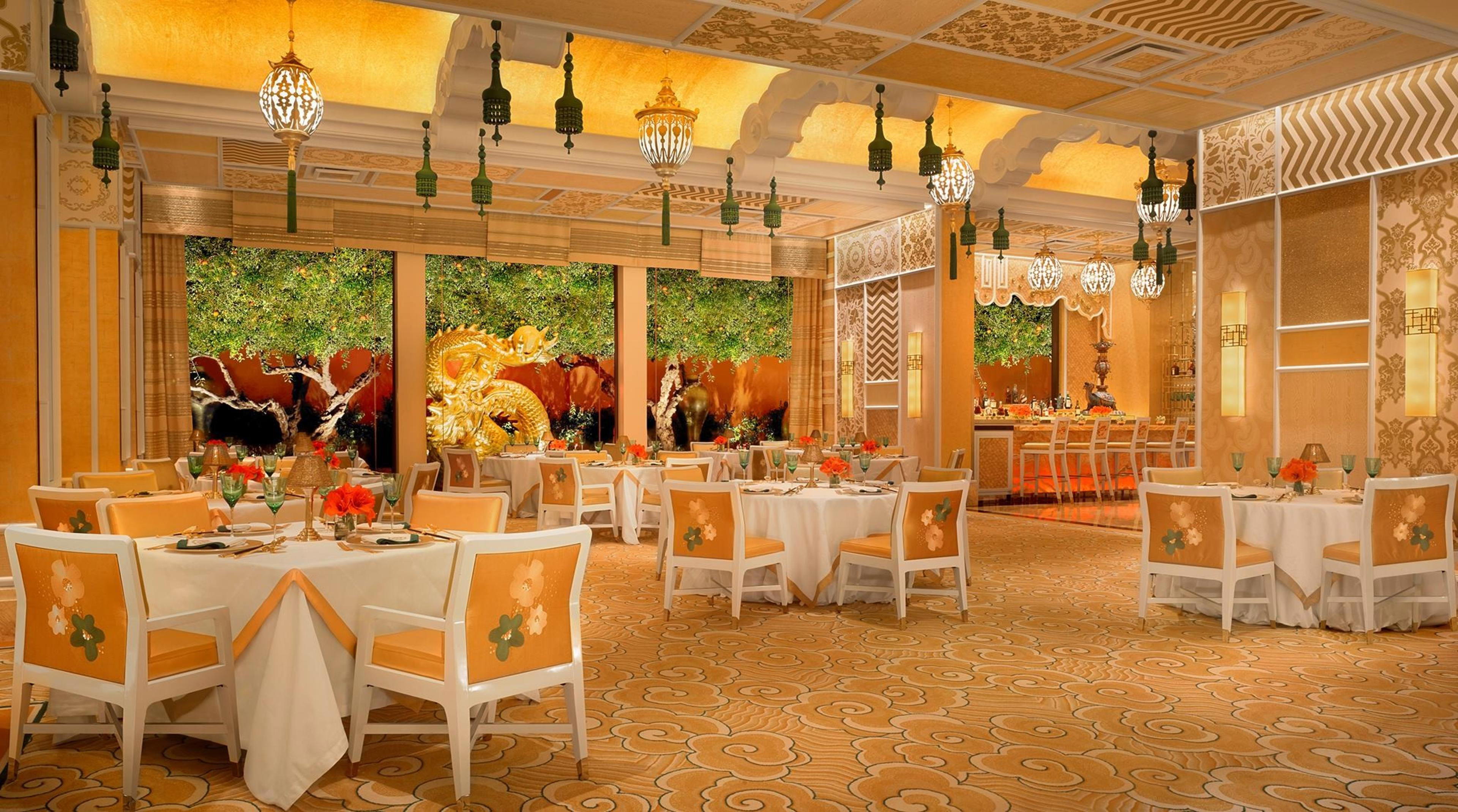
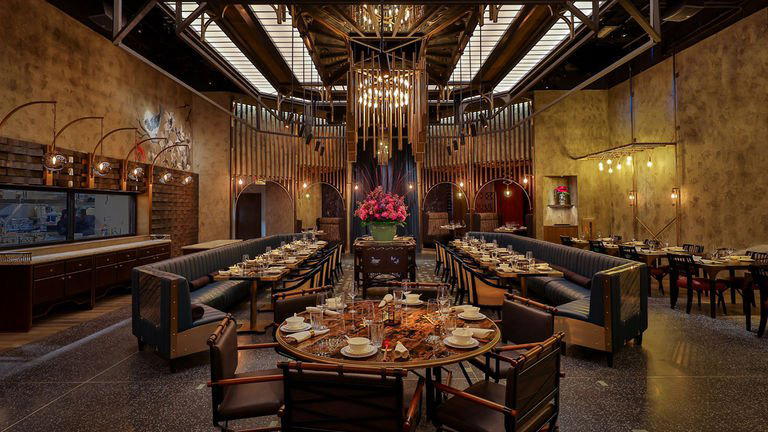
Restaurants in Las Vegas
Browse all →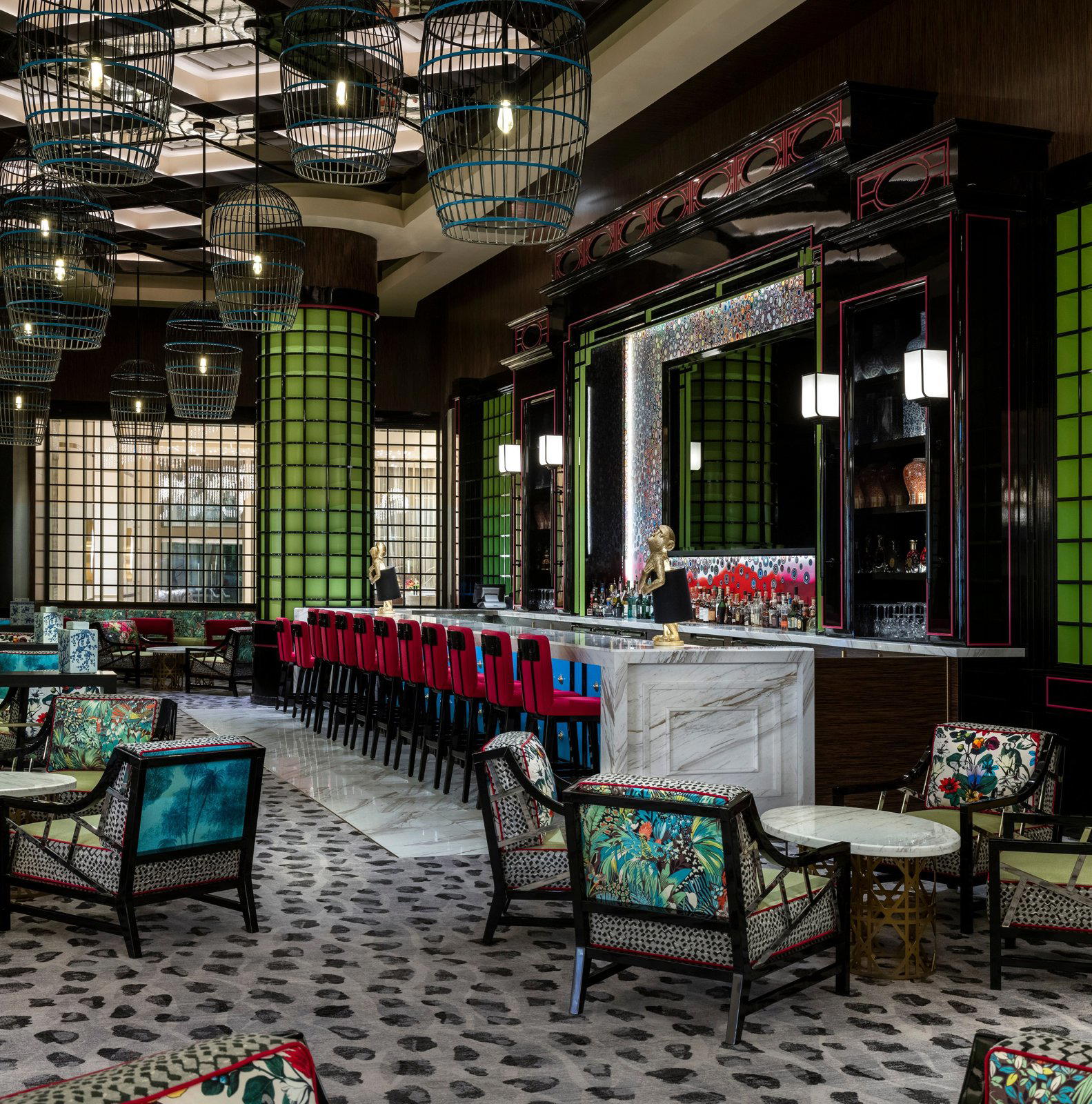
Bars in Las Vegas
Browse all →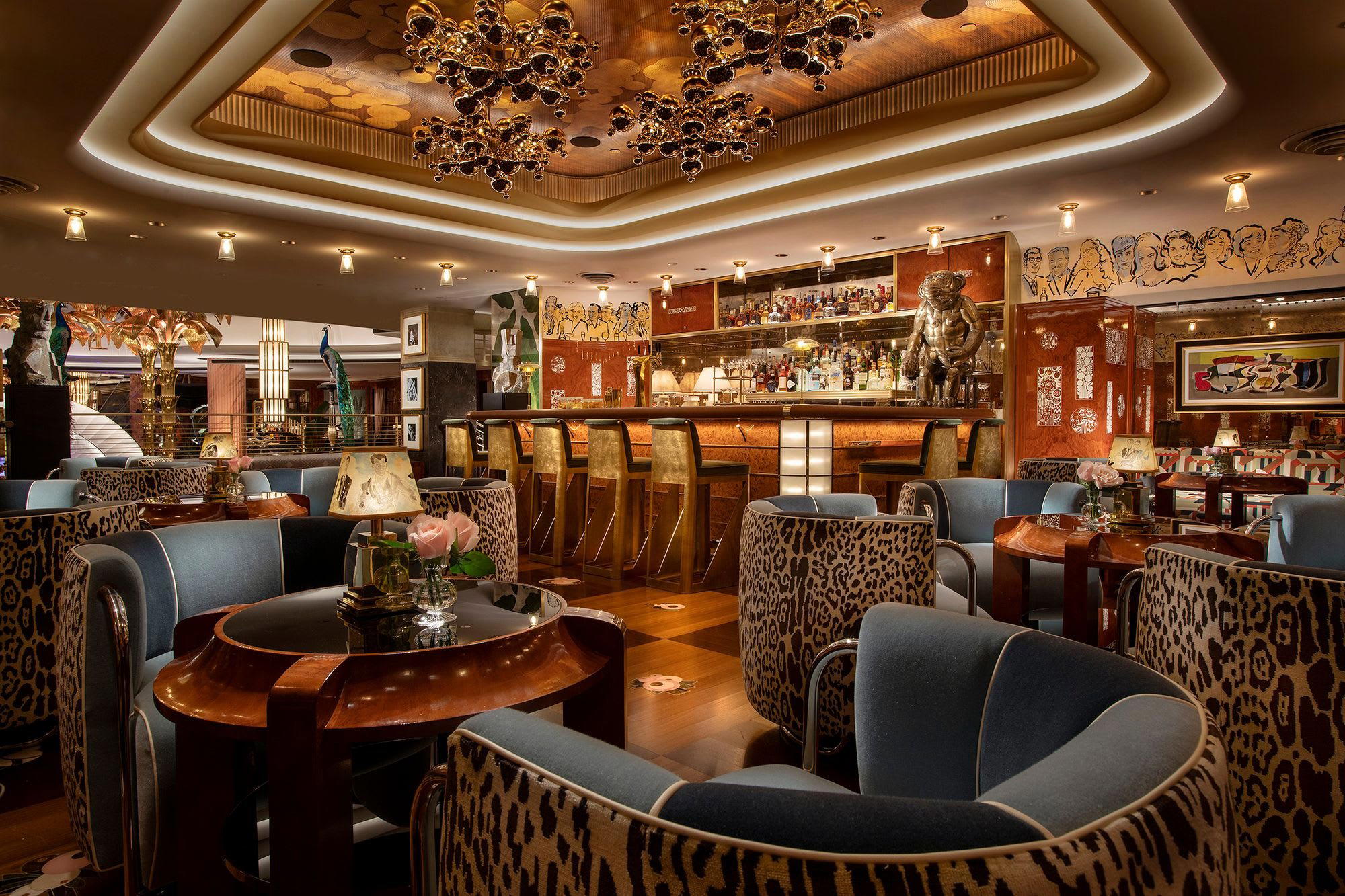
At a Glance
- Lively
- Trendy
- Energetic
- Sophisticated
- Ornate
- Date Night
- Special Occasion
- Group Dining
- Hotel Restaurant
- Open Kitchen
- Craft Cocktails
- Sake Program
Current opening hours
- Monday
- Closed
- Tuesday
- 5–10 PM
- Wednesday
- 5–10 PM
- Thursday
- 5–10 PM
- Friday
- 5–10 PM
- Saturday
- 5–10 PM
- Sunday
- Closed
Hours can change for holidays and private events. Last verified .
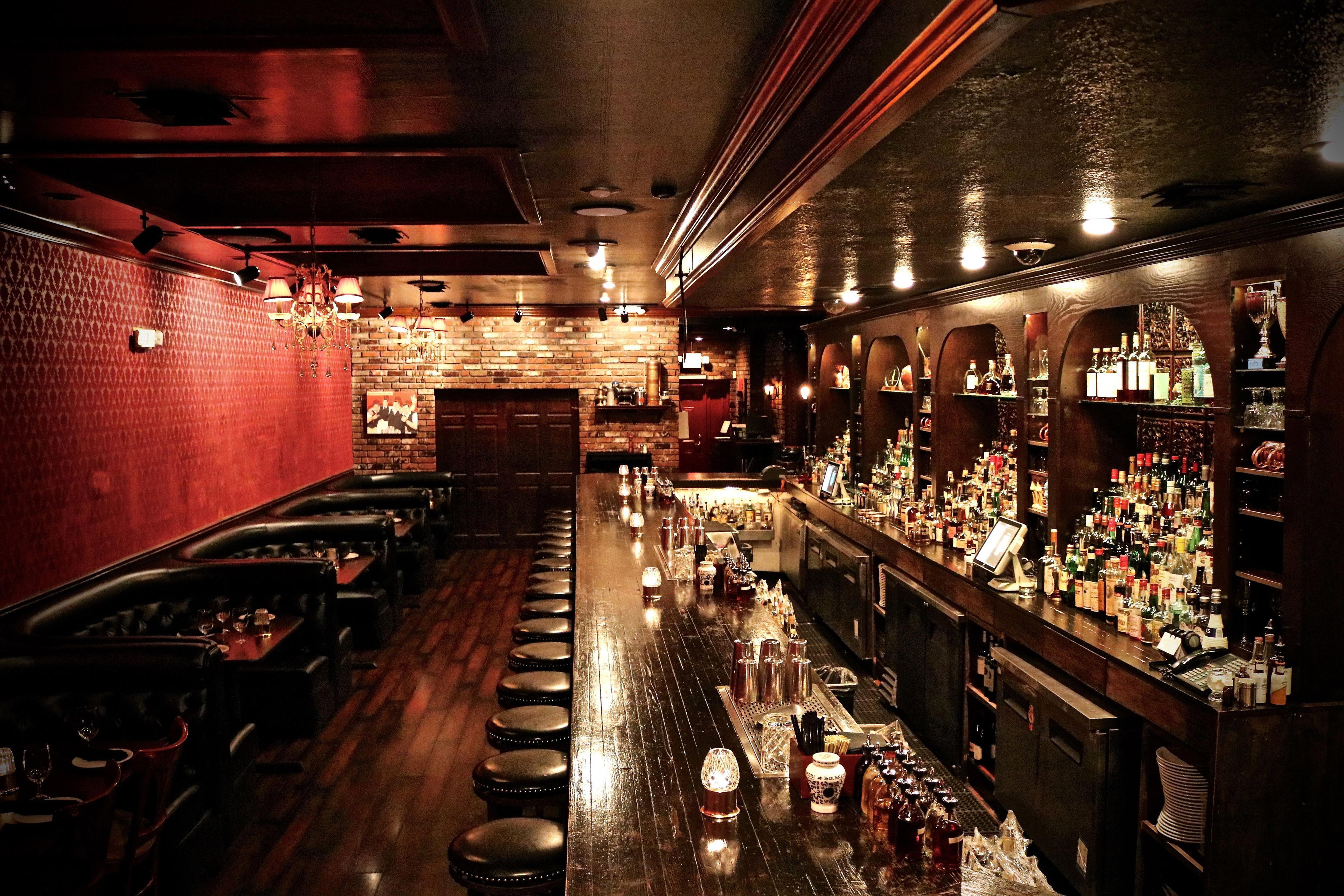
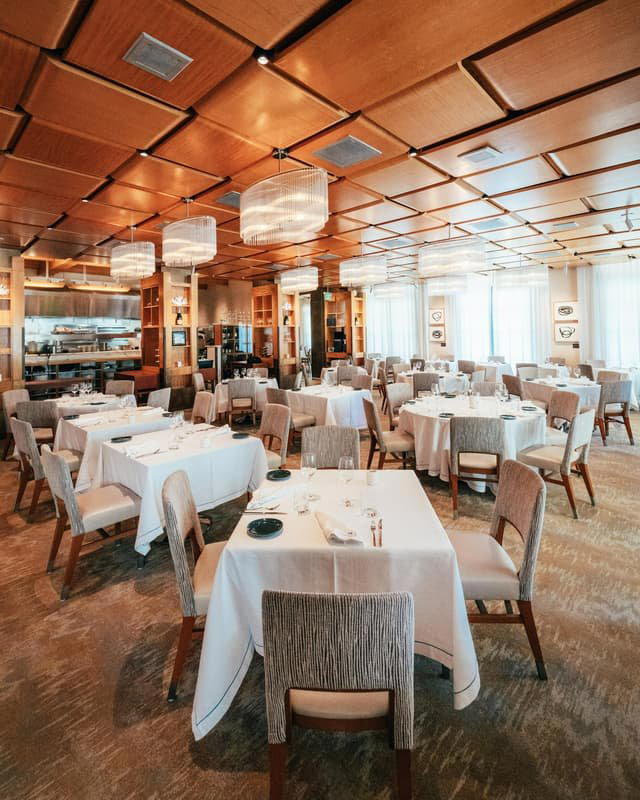
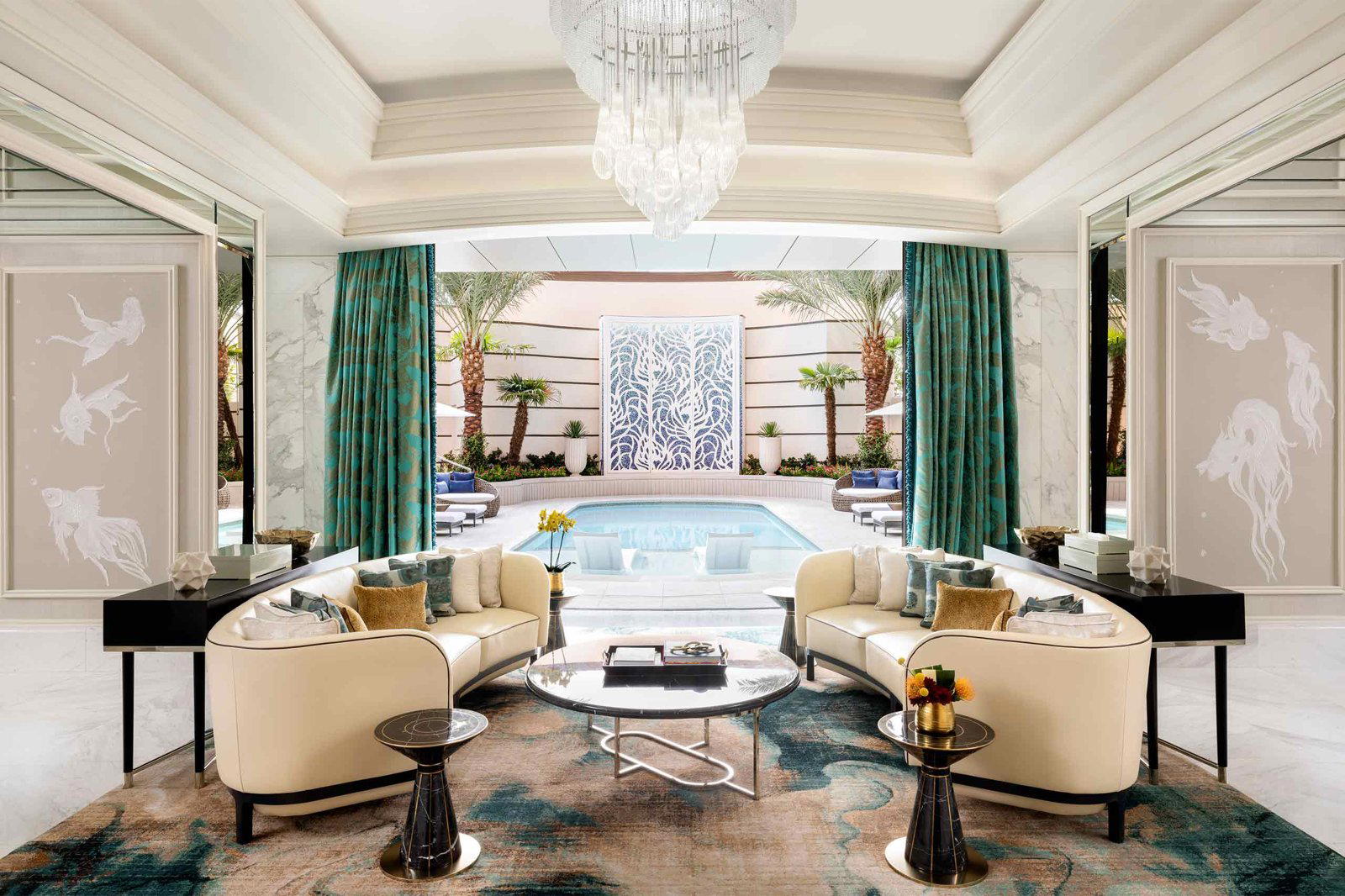
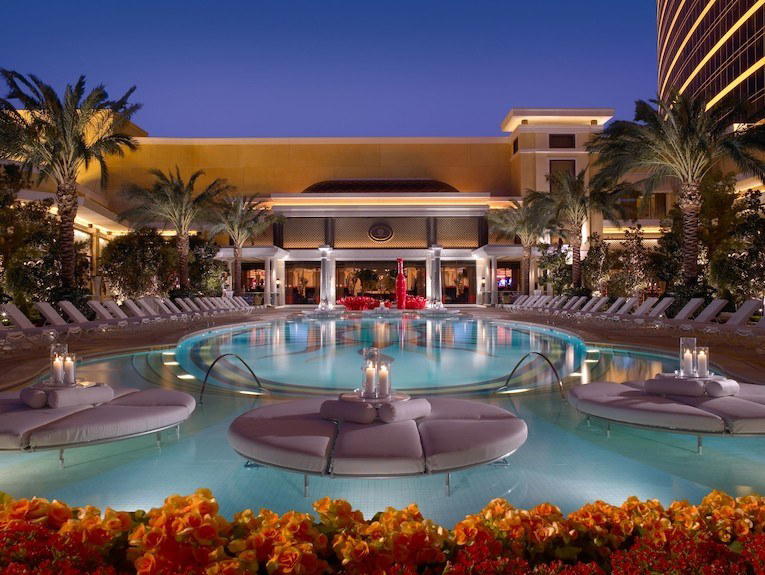
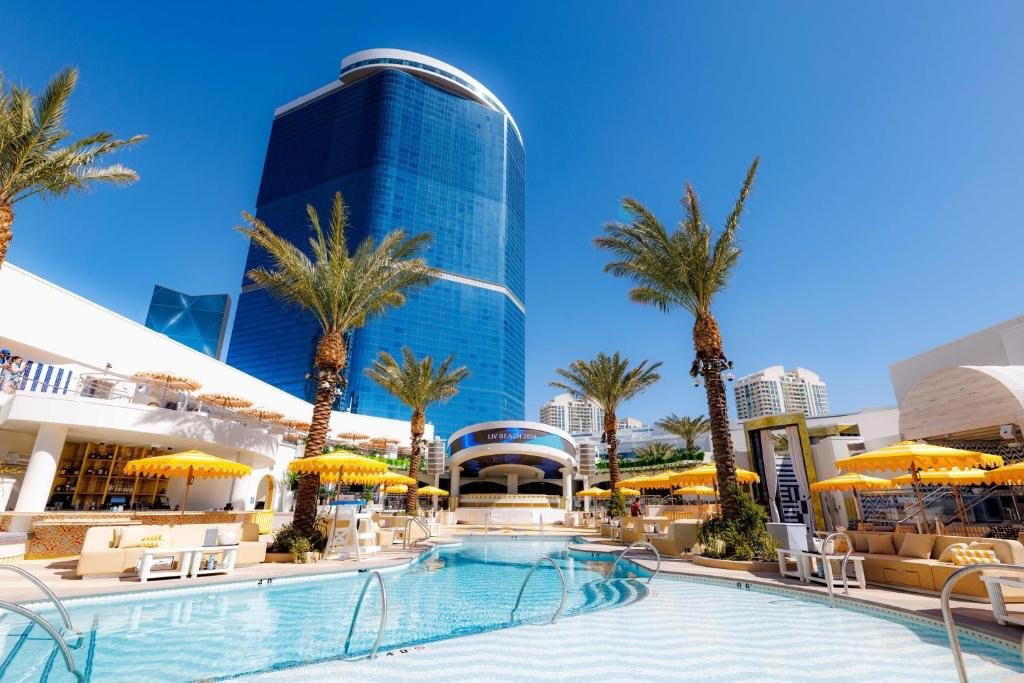
Lively and multi-dimensional with retro touches, modern Chinese details, lush indoor-outdoor garden, and high-energy soundtrack from DJ booths.