Tuk Tuk
On Leimenstrasse in central Basel, Tuk Tuk occupies a different register from the city's French-leaning fine dining circuit. The name signals South or Southeast Asian reference points, and the address places it squarely in the heart of a city more accustomed to Michelin-starred classic French. For diners looking beyond Basel's established haute cuisine tier, it represents a deliberate change of direction.
Pearl is the En Primeur Club membership app — saves, bookings, and concierge access live there. Same editors, same standards.
- Address
- Leimenstrasse 41, 4051 Basel, Switzerland
- Phone
- +41615542056
- Website
- tuktuk-thaikitchen.ch
- Directions
- Get directions
 Saves & bookings on Pearl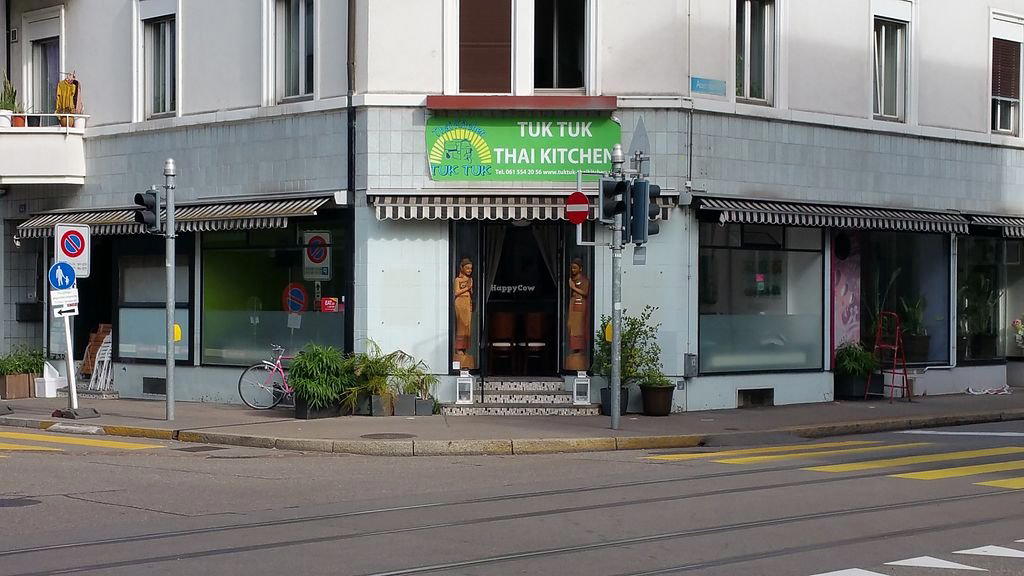
Where Basel's Dining Map Gets Complicated
Tuk Tuk is a Thai restaurant in Basel, Switzerland, with. Cheval Blanc by Peter Knogl and Stucki - Tanja Grandits define the upper tier, while places like roots push the city's fine dining toward vegetable-forward modernism. What this map leaves underserved, historically, is the category of kitchens drawing on South or Southeast Asian technique, a gap that venues operating under names like Tuk Tuk have moved to fill.
At Leimenstrasse 41, in the 4051 postal district that places it close to Basel's central core, Tuk Tuk sits at a remove from both the luxury hotel dining room and the corner Swiss Beizli. That positioning is significant. European cities with established fine dining hierarchies have increasingly made room for a middle register: informal in atmosphere, technically serious in the kitchen, and drawing on culinary traditions far outside the French or Italian canon that still dominates white-tablecloth dining across Switzerland.
The Technique Question in Asian-Inflected Kitchens
The editorial angle that matters most when assessing any kitchen working with Southeast or South Asian reference points in a European city is the local-meets-imported problem. Swiss produce is formidable: the dairy, the river fish, the cold-climate vegetables and herbs that regional farmers have refined over centuries. The question is how a kitchen reconciles those ingredients with techniques and flavor profiles designed for tropical climates, different protein traditions, and spice systems that have no native counterpart in Central Europe.
This tension is not distinctive to Basel. Across Switzerland's dining scene, from IGNIV Zürich by Andreas Caminada in Zurich to Colonnade in Lucerne, kitchens are increasingly negotiating between regional identity and global method. The more interesting outcomes tend to occur when the kitchen treats local produce not as a compromise but as a distinct ingredient set that requires its own adaptation of imported technique, rather than simply transplanting a dish from Bangkok or Mumbai wholesale into a Swiss dining room.
Across Europe, the kitchens that have built lasting reputations in this space tend to share certain characteristics: sourcing discipline, a willingness to let the spice architecture breathe without overwhelming every plate, and an understanding that the informal register of street food does not exempt the kitchen from precision. The comparison is instructive. Atomix in New York City operates at the opposite end of the formality spectrum, but its Korean-rooted tasting menu made its reputation by treating the local-global ingredient question with rigorous seriousness. Le Bernardin in New York City built its entire identity around a single product category, fish, handled with French technique applied to global sourcing. The principle scales down: the clearest kitchens commit to a point of view and execute it with discipline.
Basel's Broader Dining Context
For a city of its size, Basel punches considerably above its weight in formal dining. The presence of Art Basel each June draws an international clientele with high expectations and broad reference points, which has historically pushed the city's restaurant offer upward. But that gravitational pull also means that casual or mid-register venues can get lost in coverage dominated by tasting-menu destinations. 1777 and Ackermannshof occupy different positions in this mid-range, and the restaurant belongs to the same general tier: places where the meal costs less than a Michelin-starred dinner but where the kitchen operates with a clear identity rather than generalist ambition.
Switzerland's fine dining circuit extends well beyond Basel. Hotel de Ville Crissier in Crissier, Schloss Schauenstein in Fürstenau, and Memories in Bad Ragaz represent the country's high-end benchmark. Further afield, 7132 Silver in Vals, focus ATELIER in Vitznau, Einstein Gourmet in Sankt Gallen, and Da Vittorio - St. Moritz in St. Moritz and L'Atelier Robuchon in Geneva round out a national dining scene that remains heavily weighted toward European tradition. Against that backdrop, a kitchen working with Asian cooking systems represents a structural divergence, not just a stylistic one.
Know Before You Go
Address: Leimenstrasse 41, 4051 Basel, Switzerland
Phone: Not listed
Website: Not listed
Hours: Mon: 11:30 AM-2 PM, 5:30-10 PM; Tue: 11:30 AM-2 PM, 5:30-10 PM; Wed: 11:30 AM-2 PM, 5:30-10 PM; Thu: 11:30 AM-2 PM, 5:30-10 PM; Fri: 11:30 AM-2 PM, 5:30-10:30 PM; Sat: 5:30-10:30 PM; Sun: 5:30-10 PM
Price range: About $25 per person
Booking: Recommended
Category Peers
Comparable venues nearby, for context on price, style, and recognition.
| Venue | Cuisine | Price | Notes |
|---|---|---|---|
| Tuk TukThis venue — the venue you are viewing | Authentic Thai Kitchen | $$ | Not listed |
| Kornhaus «Thai Food | Authentic Thai | $$ | Aeschen |
| Ramazzotti | Italian Pizza & Pasta | $$ | Messe |
| Artigiano Café | Authentic Neapolitan Pizza | $$ | Aeschen |
| Wasabi | Authentic Japanese Sushi & Bento | $$ | Aeschen |
| Da Gianni | Authentic Italian Trattoria & Pizzeria | $$ | Messe |
At a Glance
- Cozy
- Casual
- Casual Hangout
- Group Dining
Current opening hours
- Monday
- 11:30 AM–2 PM, 5:30–10 PM
- Tuesday
- 11:30 AM–2 PM, 5:30–10 PM
- Wednesday
- 11:30 AM–2 PM, 5:30–10 PM
- Thursday
- 11:30 AM–2 PM, 5:30–10 PM
- Friday
- 11:30 AM–2 PM, 5:30–10:30 PM
- Saturday
- 5:30–10:30 PM
- Sunday
- 5:30–10 PM
Hours can change for holidays and private events. Last verified .
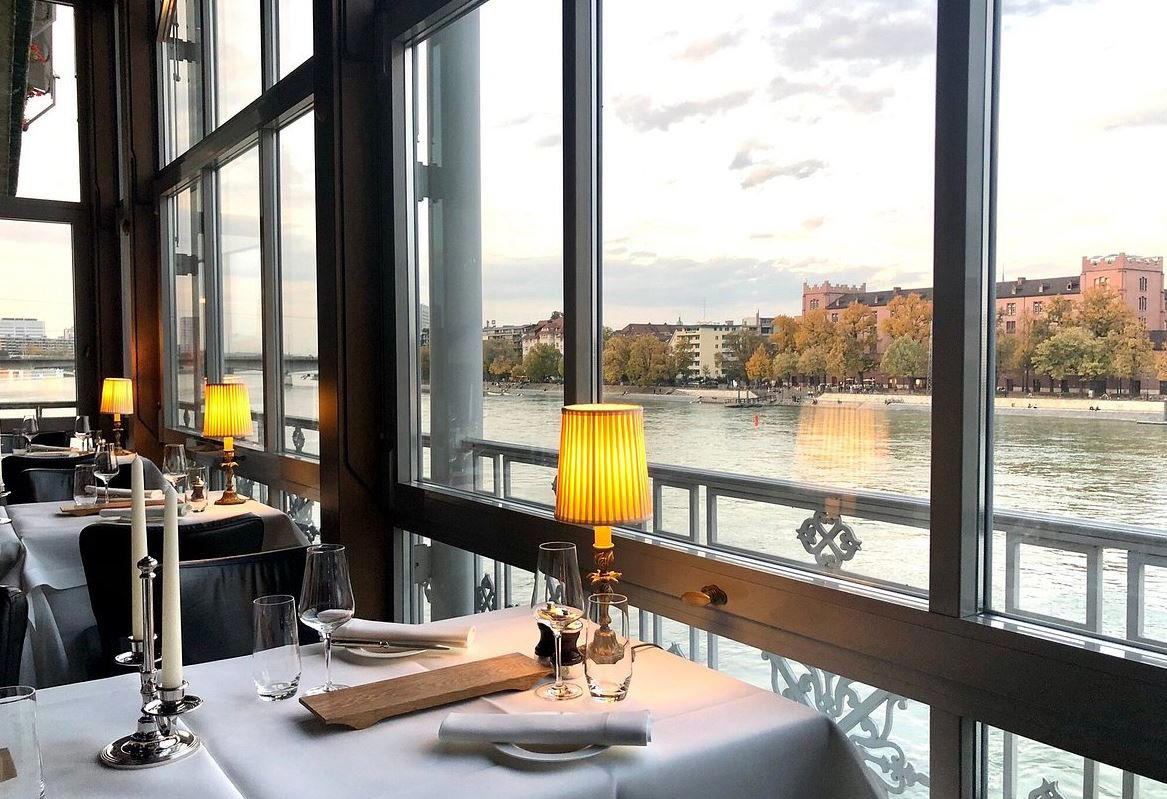
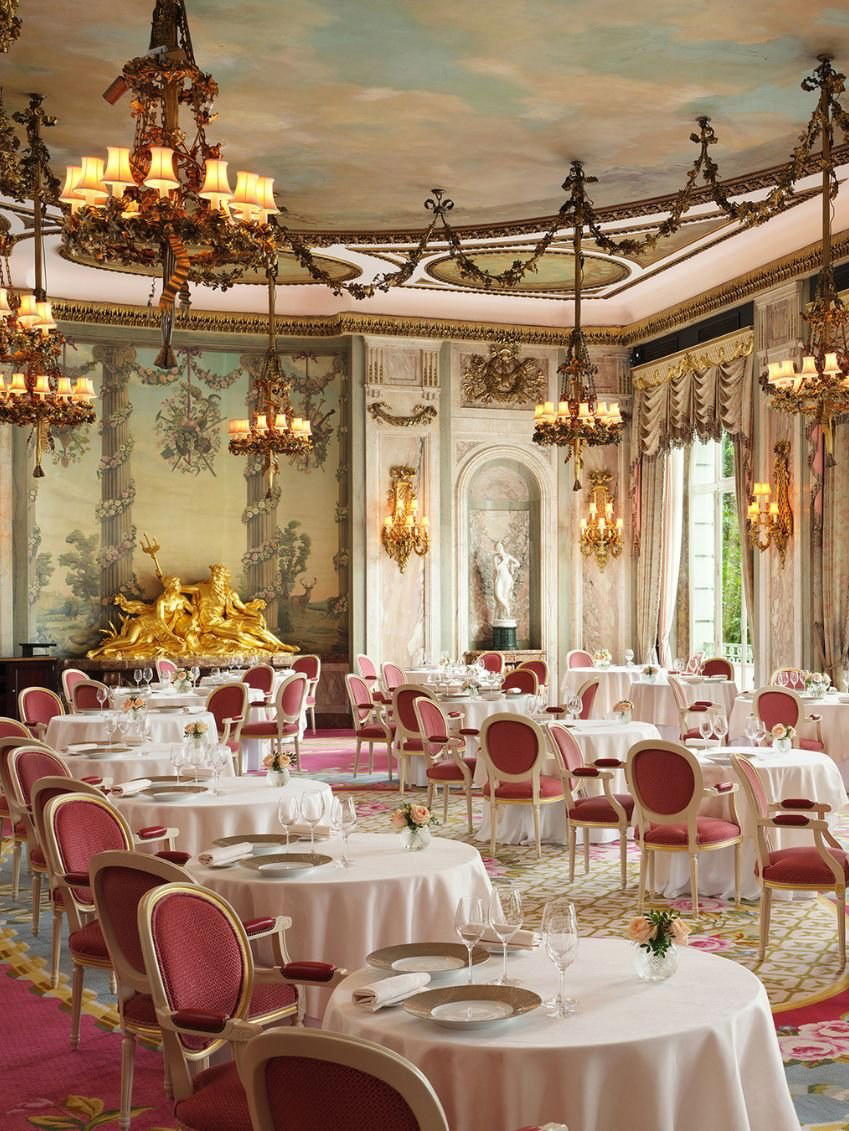
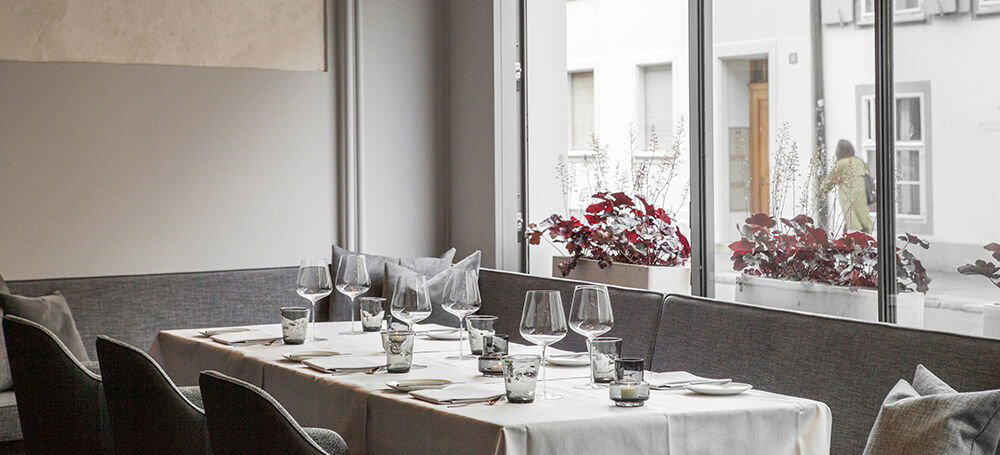
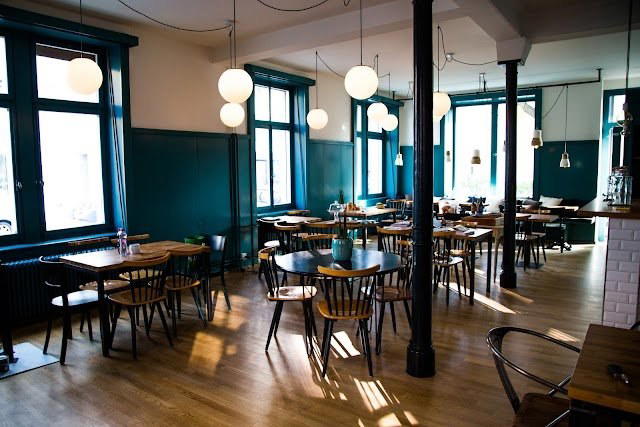
Relaxed and casual with attentive service.