Op Oost
Our verdict
Op Oost sits on the eastern edge of Oosterend, the quietly preserved village at the heart of Texel island, where proximity to the North Sea, salt marshes, and agricultural polders shapes what ends up on the plate. The address places it within a tight community of producers rather than a restaurant district, and that physical rootedness is the defining context for any meal here.

Pearl is the En Primeur Club membership app, where members save venues, book tables and use the concierge.
The menu
What to order
- Texel Wadden Oyster with salty herbs
- Nut pâté
An Island Address Where Sourcing Is Geography
Texel is a small island off the North Holland coast, reachable by ferry from Den Helder in under twenty minutes, and its food culture is shaped almost entirely by what the land and sea immediately surrounding it can provide. The polders produce lamb that grazes on salt-rich grasses close to the Wadden Sea. The North Sea delivers fish through local fishing operations. Dairy farms on the island supply cheese and milk that never travel far before use. Oosterend sits at the interior of this island, its church spire the orientation point for a village that has changed very little in its physical structure over generations. Op Oost, addressed at Oost 76, is placed inside this context rather than apart from it.
Across the Netherlands, a growing number of restaurants have built their identity around hyper-local sourcing, but island kitchens operate under a different logic than mainland counterparts. On Texel, local sourcing is less a philosophical choice and more a structural condition. The ferry crossing creates a natural barrier to the broad supply chains that mainland restaurants rely on, which means that what grows or is caught on or around the island becomes the practical foundation of any kitchen operating here. That constraint, in practice, tends to produce food with a specific legibility: the ingredients read clearly because there are fewer of them and they arrive at shorter intervals between land and plate.
The Physical Setting at Oosterend
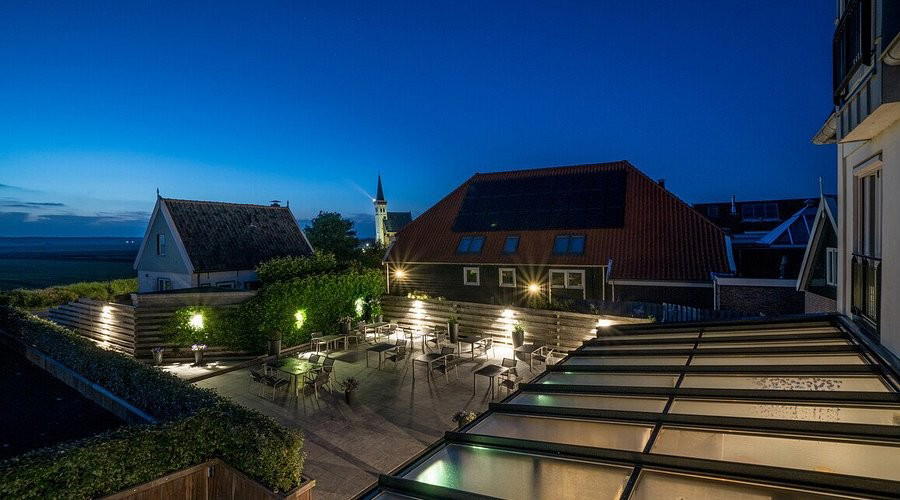
Oosterend is the oldest village on Texel, its core of historic farms and low white-painted buildings compressed into a layout that predates modern road planning. Approaching the address on foot or by bicycle, the surrounding agricultural landscape is immediate: flat fields, hedgerow breaks, and the particular quality of light that Dutch coastal islands share, where the horizon sits low and the sky takes up most of the visual field. The interior of a venue in this setting tends to anchor itself against that openness rather than compete with it, and the residential scale of Oosterend's architecture means that dining rooms here generally occupy converted farm buildings or village properties rather than purpose-built restaurant spaces.
For visitors coming from Amsterdam, the journey to Texel is a deliberate commitment rather than a short taxi ride. The train to Den Helder connects at Amsterdam Centraal, with the ferry crossing adding a further twenty minutes, and Oosterend lies in the island's centre. That travel time filters the audience. The people who arrive at a table in this village have already chosen to be somewhere unhurried, and that self-selection shapes the pace of a meal before it begins.
Texel Lamb, Wadden Shrimp, and the Sourcing Logic of Island Kitchens
The ingredient that defines Texel's culinary reputation most clearly is its lamb. Texel sheep are a recognised breed, and the lambs raised on the salt-marsh grasses near the Wadden Sea develop a mineral character in the meat that is detectable and specific. This is not a generic claim about terroir but a documented regional product with a traceable production geography. Restaurants and producers on the island have built consistent trade around it, and it appears on menus across the island with the same frequency that moules-frites appear along the Belgian coast, not as a special but as a structural element of the food identity here.
Wadden shrimp, harvested from the tidal flats between the Dutch coast and the Frisian islands, represent a second category of ingredient with clear geographical specificity. The fishery is slow and small-scale by industrial standards, and the product has carried a protected designation in the broader North Sea context. Island kitchens on Texel sit close to this supply in a way that no mainland restaurant can replicate by distance alone. That proximity matters less as marketing and more as freshness interval: the time between catch and kitchen is compressed in a way that changes the texture and salinity of the product at the table.
For a broader picture of how Dutch kitchens across price tiers approach the tension between local sourcing and modern technique, the comparison set is instructive. De Nieuwe Winkel in Nijmegen holds Michelin recognition for its organic and plant-forward approach; De Librije in Zwolle and 't Nonnetje in Harderwijk both operate at the top of the Dutch formal dining tier. At the coastal end of the country's dining geography, Inter Scaldes in Kruiningen and De Bokkedoorns in Overveen demonstrate how proximity to the sea has shaped distinct regional cooking vocabularies in Zeeland and North Holland respectively. For visitors who want a closer counterpart within the Texel context specifically, Kook Atelier op Oost, also based in Oosterend and operating at the €€€€ tier with an organic positioning, provides the most direct comparison on the island.
How Op Oost Fits the Wider Dutch Dining Conversation
The Dutch restaurant scene has developed a credible fine-dining tier that now registers internationally, with restaurants like Ciel Bleu in Amsterdam, Aan de Poel in Amstelveen, and FG in Rotterdam operating alongside internationally referenced peers such as Le Bernardin in New York and Atomix in the conversation about serious tasting-menu formats. Further across the country, De Lindehof in Nuenen, De Lindenhof in Giethoorn, Tribeca in Heeze, De Treeswijkhoeve in Waalre, Brut172 in Reijmerstok, and De Groene Lantaarn in Staphorst represent a geographic spread of serious kitchens operating outside the major cities. Oosterend fits into this dispersed map of destination dining, where the journey itself is part of the proposition. See our full Oosterend restaurants guide for broader context on what the village offers.
Planning a Visit
Texel is accessible by ferry year-round from Den Helder, with crossings running frequently enough that a day trip from Amsterdam is feasible, though the island rewards an overnight stay in a way that a rushed return journey does not. The ferry terminal at 't Horntje sits on the southern tip of the island, and Oosterend is reached by local bus or bicycle from there. Cycling is the practical mode for most island movement, and rental options are available near the ferry terminal. The Wadden Sea season runs from spring through autumn, with summer months drawing the highest visitor numbers to the island; those planning around the quieter shoulder months of April, May, or October will find the village closer to its working character than to its tourist peak.
Frequently asked questions
Does Op Oost work for a family meal?
Op Oost sits in Oosterend, Texel's oldest village, in a setting shaped by historic farm buildings and a compact, unhurried pace. That context tends to suit groups who want a proper sit-down meal rather than a quick service stop. For families with younger children, it is worth contacting the venue directly to confirm format and timing before visiting.
Is Op Oost formal or casual?
Oosterend has a working-village character, low white-painted buildings, agricultural roots, no urban polish, and Op Oost's address at Oost 76 places it squarely inside that grain. The atmosphere reads as relaxed rather than ceremonial, though the kitchen's focus on Texel's recognised produce suggests a considered approach to the meal rather than a casual snack stop.
Is Op Oost worth the ferry trip from the Dutch mainland for dinner?
The ferry crossing from Den Helder to Texel takes under twenty minutes and runs year-round, making Op Oost in Oosterend reachable as a day trip from Amsterdam or a stopper en route to the island's interior. The case for the crossing rests on ingredients, Texel lamb and Wadden shrimp, that are tied to this specific geography and rarely appear with the same provenance on the mainland. Whether the meal justifies the logistics depends on how much the sourcing context matters to you.
What's the best thing to order at Op Oost?
Texel lamb is the ingredient most associated with this island: the breed is officially recognised, and the lambs graze on salt-marsh grass that gives the meat a distinct mineral character documented across Dutch culinary writing. Wadden shrimp, harvested from the tidal flats surrounding Texel, are a second regional staple worth seeking out. Specific current dishes should be confirmed with the venue, as menus shift with season and supply.
How It Stacks Up
Comparable venues nearby, for context on price, style, and recognition.
| Venue | Cuisine | Price | Awards | Notes |
|---|---|---|---|---|
| Op OostThis venue (the venue you are viewing) | Nordic & Botanical Fine Dining | $150–200 | Not listed | Not listed |
| Kook Atelier op Oost | Nordic & Botanical Dutch Fine Dining | $100–150 | Michelin Plate · We're Smart World Top 100 #76 | Oosterend |
| Restaurant RJ | Modern Dutch Fine Dining with Wagyu | $50–100 | Star Wine List · World's Best Wine Lists Awards WBWL 2-Star | De Cocksdorp |
| AEST | Modern Local Terschelling Fine Dining | $50–100 | Michelin Plate | Hoorn |
| Dèsa | Authentic Indonesian Rijsttafel | $20–30 | Not listed | Sarphatiparkbuurt |
| QuiDine | Modern Dutch Fine Dining | $50–100 | Michelin Plate | Binnenstad |
Continue exploring
More in Oosterend
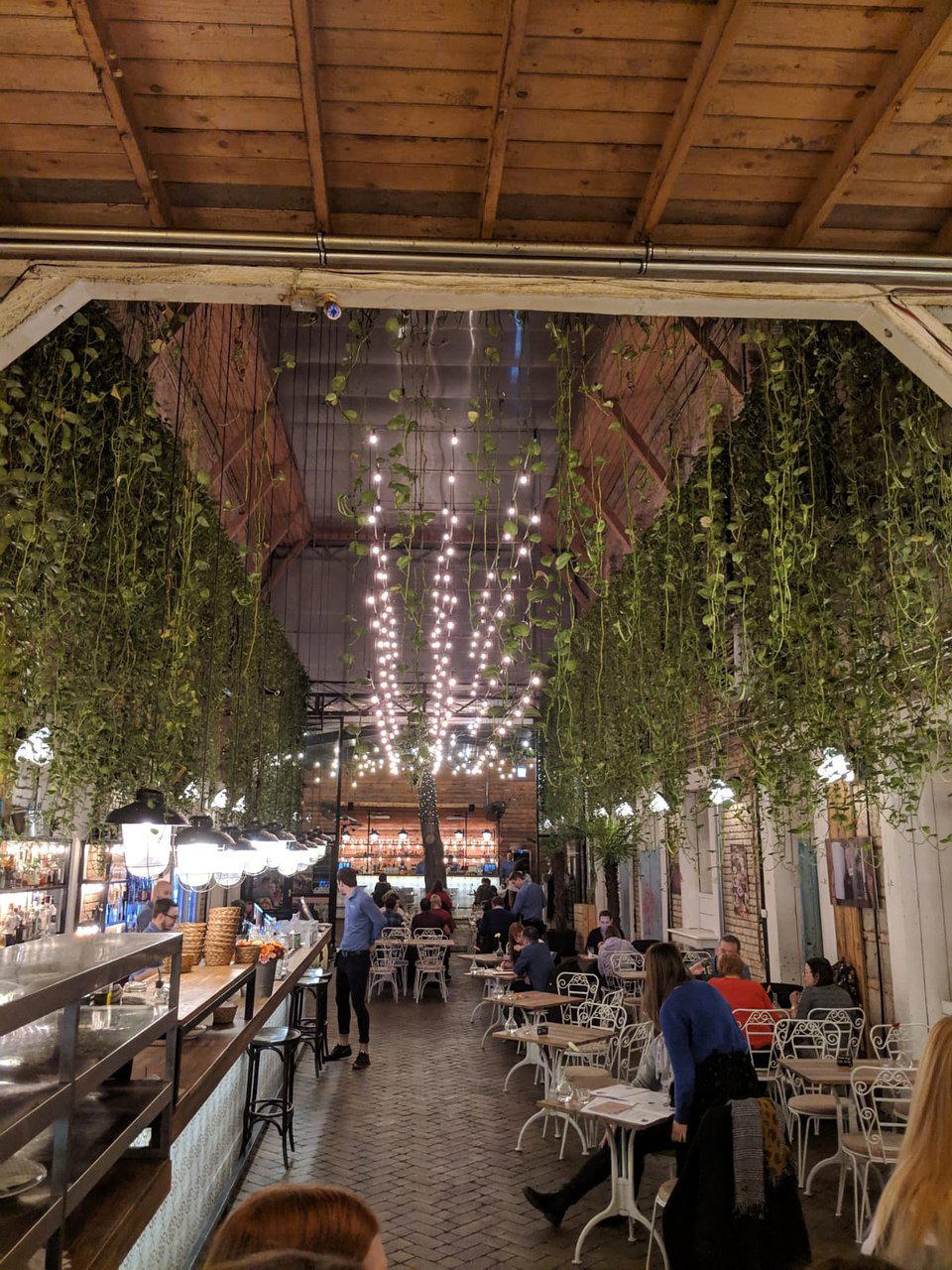
Restaurants in Oosterend
All restaurants in Oosterend →
Hotels in Oosterend
All hotels in Oosterend →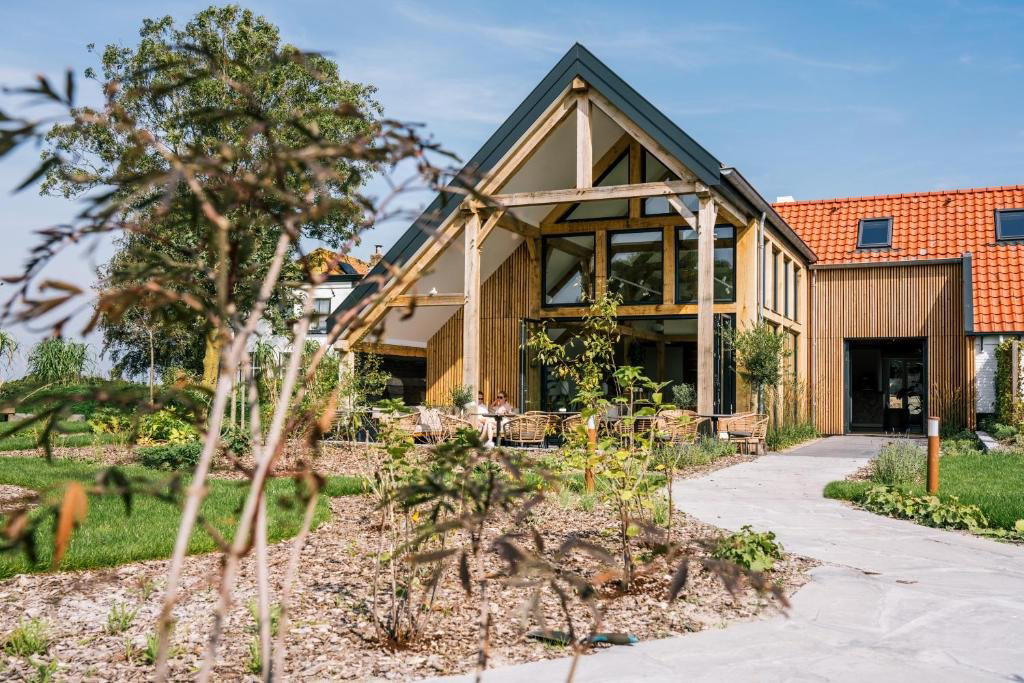
Details
- Cozy
- Elegant
- Rustic
- Intimate
- Sophisticated
- Special Occasion
- Date Night
- Historic Building
- Farm To Table
- Local Sourcing
- Sustainable Seafood
- Tasting Menu
- Vegetarian Friendly
- Vegan Options
- Gluten Free Options
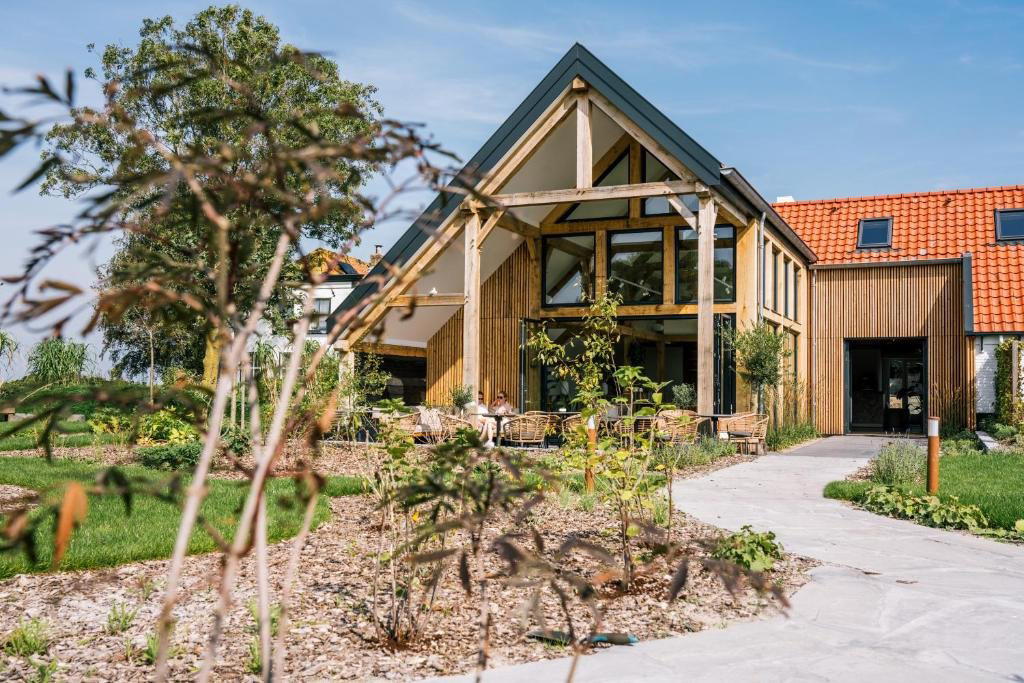
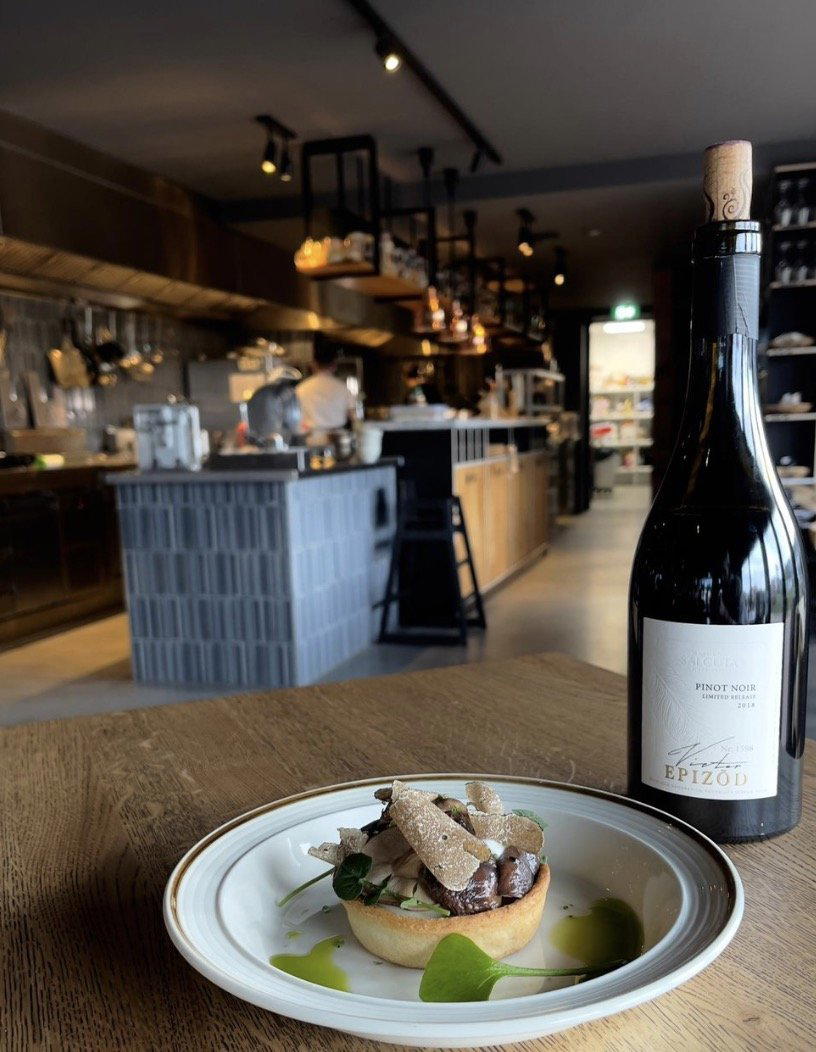
Nordic-inspired design in a tastefully converted 18th-century farmhouse with large windows connecting diners to the outdoors, creating a serene and nature-immersed atmosphere.