Our verdict
Zlata ladjica sits on Jurčičev trg in the heart of Ljubljana's old town, steps from the Ljubljanica river and the city's densest concentration of traditional dining. The address places it squarely in the square that anchors the old town's southern edge, where the rhythm of lunch trade differs sharply from the longer, unhurried evenings that define the neighbourhood after dark. For visitors working through Ljubljana's restaurant scene, it represents one of the city's more historically rooted addresses.

Pearl is the En Primeur Club membership app, where members save venues, book tables and use the concierge.

The menu
What to order
- Venison loin
- Red trout fillet
- Celeriac steak
A Square That Sets the Terms
Jurčičev trg is one of those Ljubljana addresses that does not require much explanation to locals. The square sits at the southern boundary of the old town, close enough to the Ljubljanica that you catch the light off the water in the late afternoon and far enough from the Triple Bridge bustle that the pace of the tables outside settles into something more deliberate. In a city where the leading dining decisions are often geographic ones, this location places Zlata ladjica inside a cluster of addresses that have been feeding Ljubljana through multiple political and culinary eras.
The old town's dining character has shifted considerably over the past decade. A tier of modern Slovenian kitchens, typified by addresses like Restavracija Strelec working from the castle above, now competes for the same evening spend as the more traditionally framed establishments that held the neighbourhood before. Zlata ladjica belongs to the older cohort of Ljubljana dining, a house that predates the current wave of tasting-menu ambition and positions itself in the register of the city's gostilna tradition rather than against it.
Lunch and Dinner as Two Different Proposals
The lunch-versus-dinner divide is more consequential in Ljubljana's old town than in many comparable European capitals. Midday trade here is driven by a combination of civil servants from the nearby administrative district, university faculty, and a consistent flow of visitors who have been on their feet since the morning market on Vodnikov trg. The appetite at noon is practical: a set plate, a glass of local wine, a table that turns within the hour. Evening service operates on a different logic entirely. The square quiets of foot traffic, the light changes, and the expectation at the table shifts from efficiency to duration.
For a venue on Jurčičev trg, that contrast matters. Lunch here is the more democratic of the two services, the one where the room reflects the full social range of the city rather than a narrower slice of it. Dinner is when Ljubljana's old town asserts a more self-conscious character, and the choice of where to sit becomes a more considered one. Visitors who arrive expecting the same proposition at both services often read the room incorrectly. The smarter approach is to decide first what kind of meal you are after, then match the hour to the intention.
This is true across the neighbourhood. At the more regionally focused end of the market, places like Altrokè lean into a lunch identity that suits the square's daytime energy. At the other end, evening-oriented kitchens with longer menus and more deliberate pacing represent a different commitment of time and budget. Zlata ladjica sits between those poles, readable as both depending on the hour and the table's expectations.
The Gostilna Frame and What It Implies
Slovenia's dining culture operates through a loose hierarchy that visitors from outside the region sometimes misread. The gostilna designation, roughly translatable as inn or tavern, sits below the fine dining tier but well above the purely functional. At its finest, a Slovenian gostilna is the vehicle through which regional identity reaches the table most legibly: stews built around local beans, preparations that reflect proximity to both the Adriatic and the Alpine interior, wine lists that treat the Vipava Valley and Brda as the natural reference points rather than import selections.
The address at Jurčičev trg 1 carries the implied weight of that tradition. Ljubljana's old town has not been immune to the pressures that have genericised central European tourism dining elsewhere, but the square has retained more of its pre-tourist character than the areas immediately adjacent to the Triple Bridge. That is partly a function of position and partly a function of the clientele, which skews more local at lunch and remains more mixed than the purely visitor-facing addresses north of the river.
For context on how Slovenia's dining tradition extends well beyond Ljubljana's city limits, the country's most celebrated kitchens are dispersed across the regions: Hiša Franko in Kobarid represents the Soča Valley approach to ingredient sourcing, while Gostilna Pri Lojzetu in Vipava works squarely within the winemaking culture of the west. Closer to the capital, Hiša Linhart in Radovljica and Pavus in Lasko show how regional specificity can anchor a dining identity outside the urban centre. Zlata ladjica's significance is of a different kind: it is a city address, shaped by the rhythms of a capital rather than the singular focus of a destination restaurant.
Where It Sits in Ljubljana's Current Scene
Ljubljana's restaurant conversation in 2024 and 2025 has been shaped by a generation of kitchens that learned from Slovenia's Michelin-recognised houses and applied those lessons at more accessible price points. AFTR sits in the modern cuisine bracket at a mid-range price point. Allegria and Abi Falafel represent the more casual end of a dining scene that has diversified considerably. Against that backdrop, a historically rooted address on Jurčičev trg occupies a different register: it is not making the same argument about innovation that the newer kitchens are, and it does not need to.
The comparison that matters most for a visitor calibrating expectations is not against Ljubljana's most ambitious kitchens, which operate in a tier defined by tasting menus and Michelin recognition, but against the city's mid-range traditional dining category. In that peer group, location is a differentiator. Jurčičev trg carries the kind of address legitimacy that does not need further amplification. Our full Ljubljana restaurants guide maps the city's dining by neighbourhood and category, which is the most reliable way to situate any single address within the wider choice set.
Planning Your Visit
Jurčičev trg is walkable from both the main bus and train stations in under twenty minutes, or a short taxi from either. The square is part of the pedestrianised old town core, which means arrival on foot from the riverside promenade is the most natural approach. Lunch service in Ljubljana's old town typically runs from around noon to three, with evening service beginning later than northern European visitors expect, often from seven onwards. The square's outdoor seating becomes the primary draw in the warmer months, when the evening light across the old town's roofline justifies arriving early enough to claim a table outside.
For those using Ljubljana as a base for wider Slovenian dining, the country's regional restaurant scene rewards planning. Milka in Kranjska Gora, Dam in Nova Gorica, Hiša Denk in Zgornja Kungota, Grič in Šentjošt nad Horjulom, Gostilna Mlinar in Idrija, and Gostišče Karavla 297 in Trzic each represent a distinct regional identity worth building a day trip around. Ljubljana itself, however, remains the most coherent starting point for understanding how Slovenian dining culture works across its different registers.
Frequently asked questions
What do regulars order at Zlata ladjica?
Do I need a reservation for Zlata ladjica?
Is Zlata ladjica a good choice for experiencing traditional Slovenian cuisine in Ljubljana's historic centre?
Quick Comparison
Comparable venues nearby, for context on price, style, and recognition.
| Venue | Cuisine | Price | Awards | Notes |
|---|---|---|---|---|
| Zlata ladjicaThis venue (the venue you are viewing) | Modern Slovenian Fine Dining | $50–100 | Not listed | Not listed |
| Špajza Restaurant | Mediterranean Slovenian Fine Dining | $50–100 | Not listed | Ljubljana Old Town |
| Restavracija diVino | Modern Mediterranean & Italian | $30–50 | Not listed | BTC City |
| Altrokè | Mediterranean Istrian Fine Dining | $50–100 | Michelin Plate | Old Town (Stari trg) |
| Restavracija Harfa | Modern Mediterranean Slovenian | $30–50 | Not listed | Vič |
| Valvas'or | Modern Slovenian-Mediterranean | $30–50 | Not listed | Stari trg |
Continue exploring
More in Ljubljana
Restaurants in Ljubljana
All restaurants in Ljubljana →


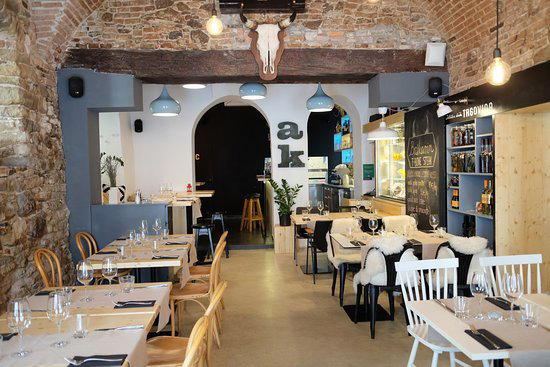
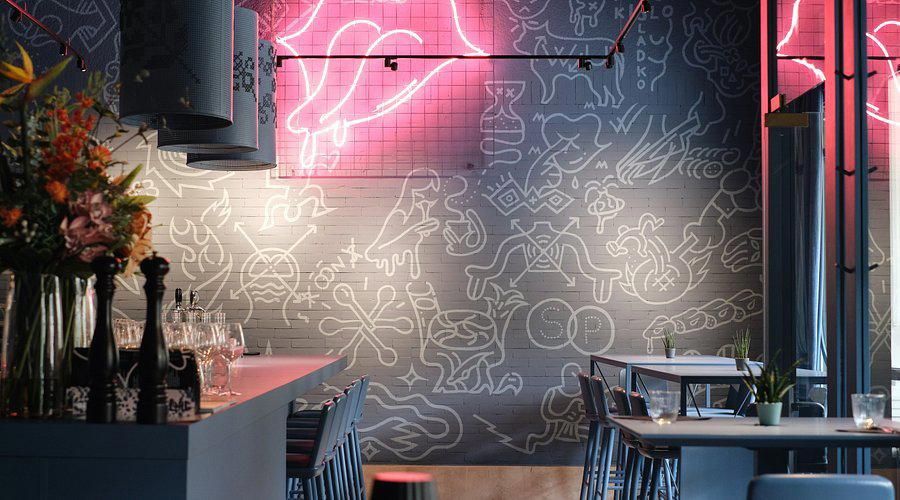
Bars in Ljubljana
All bars in Ljubljana →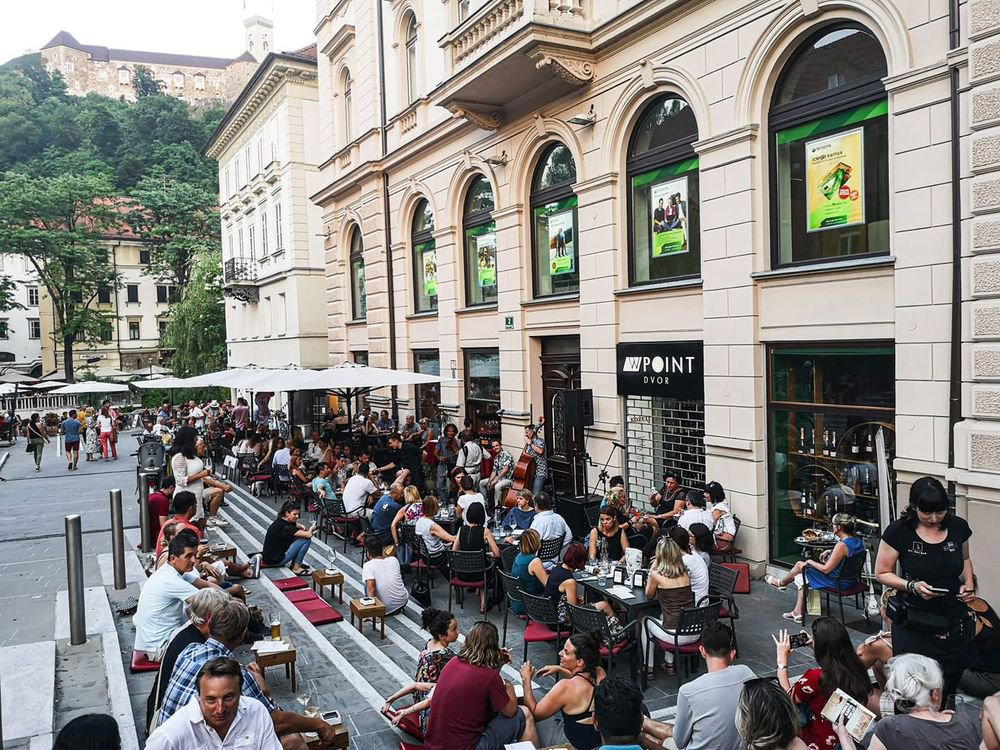
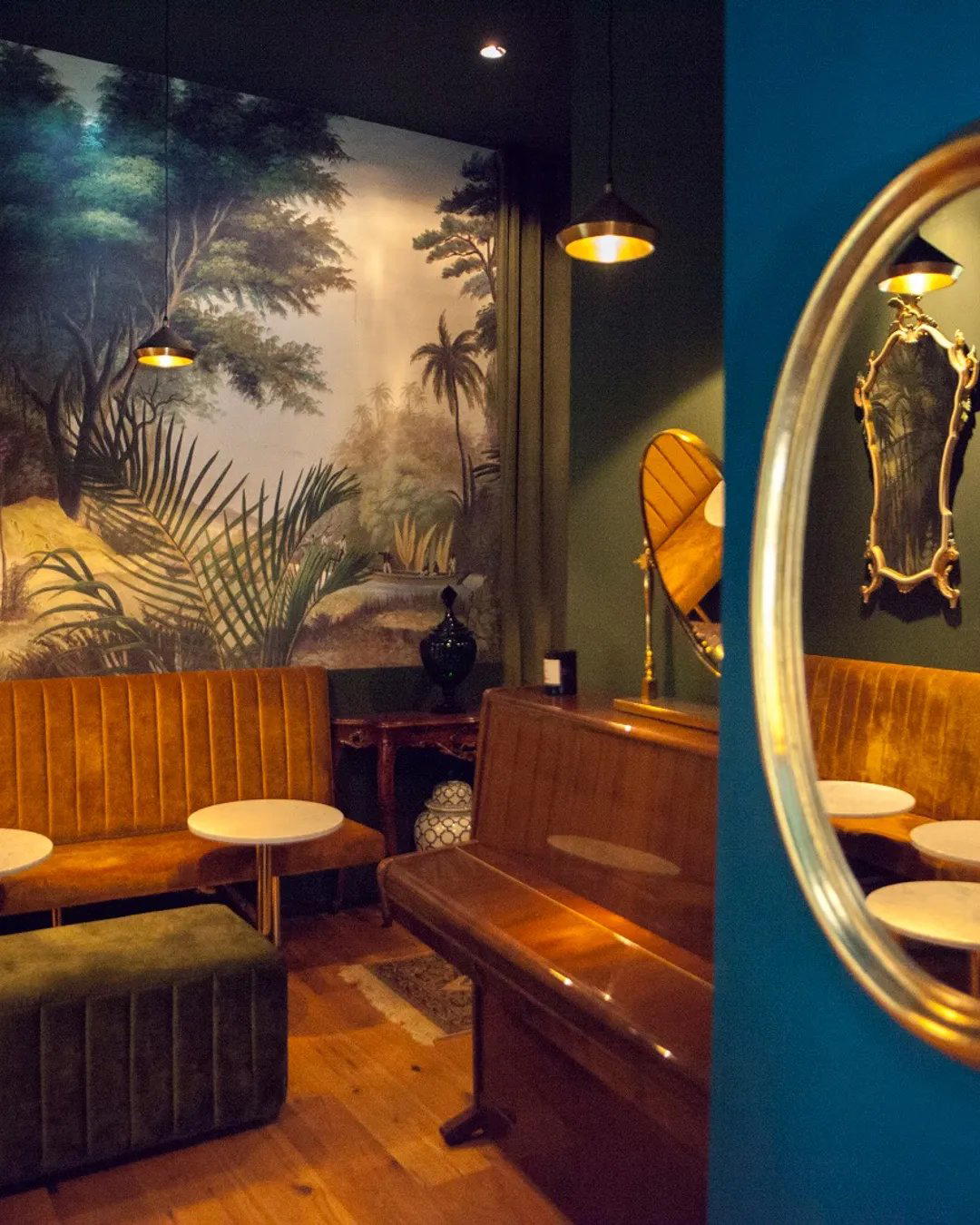
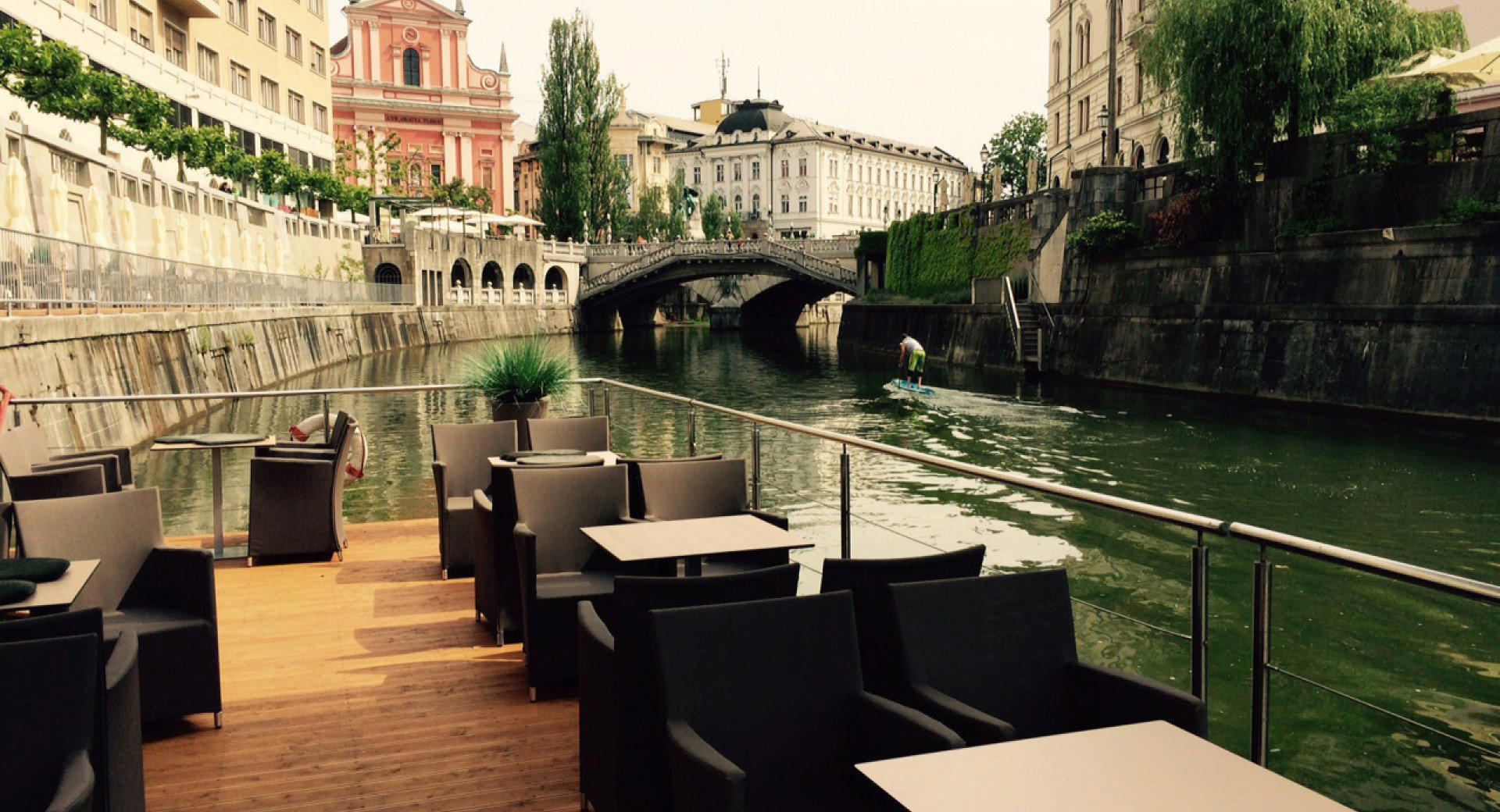
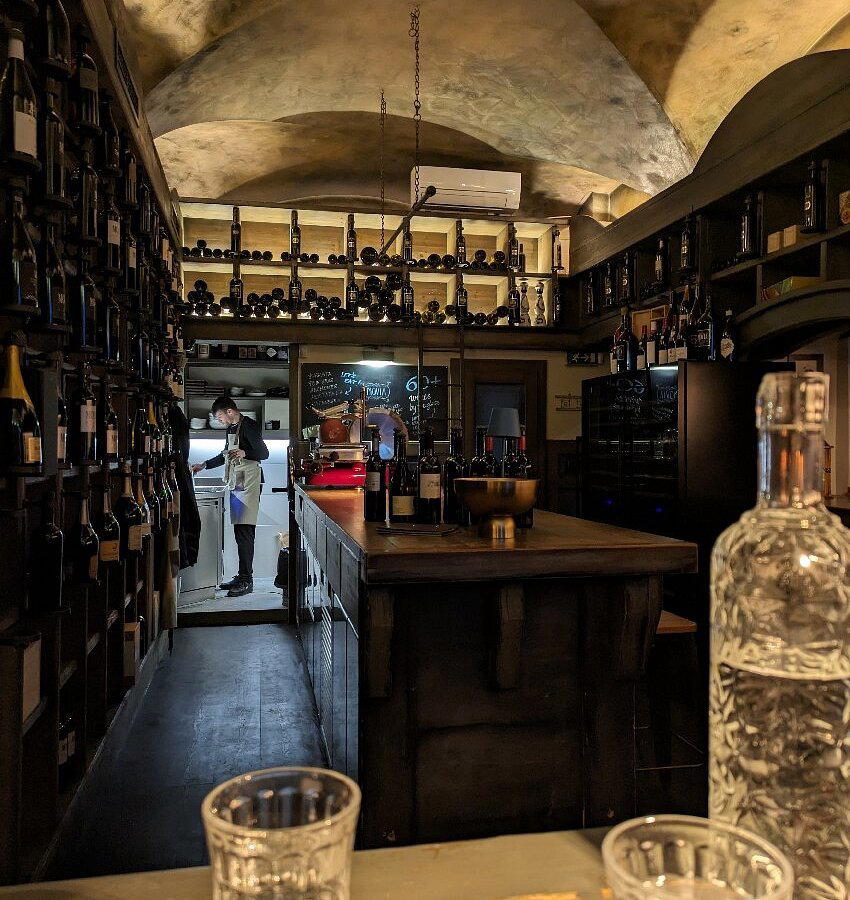
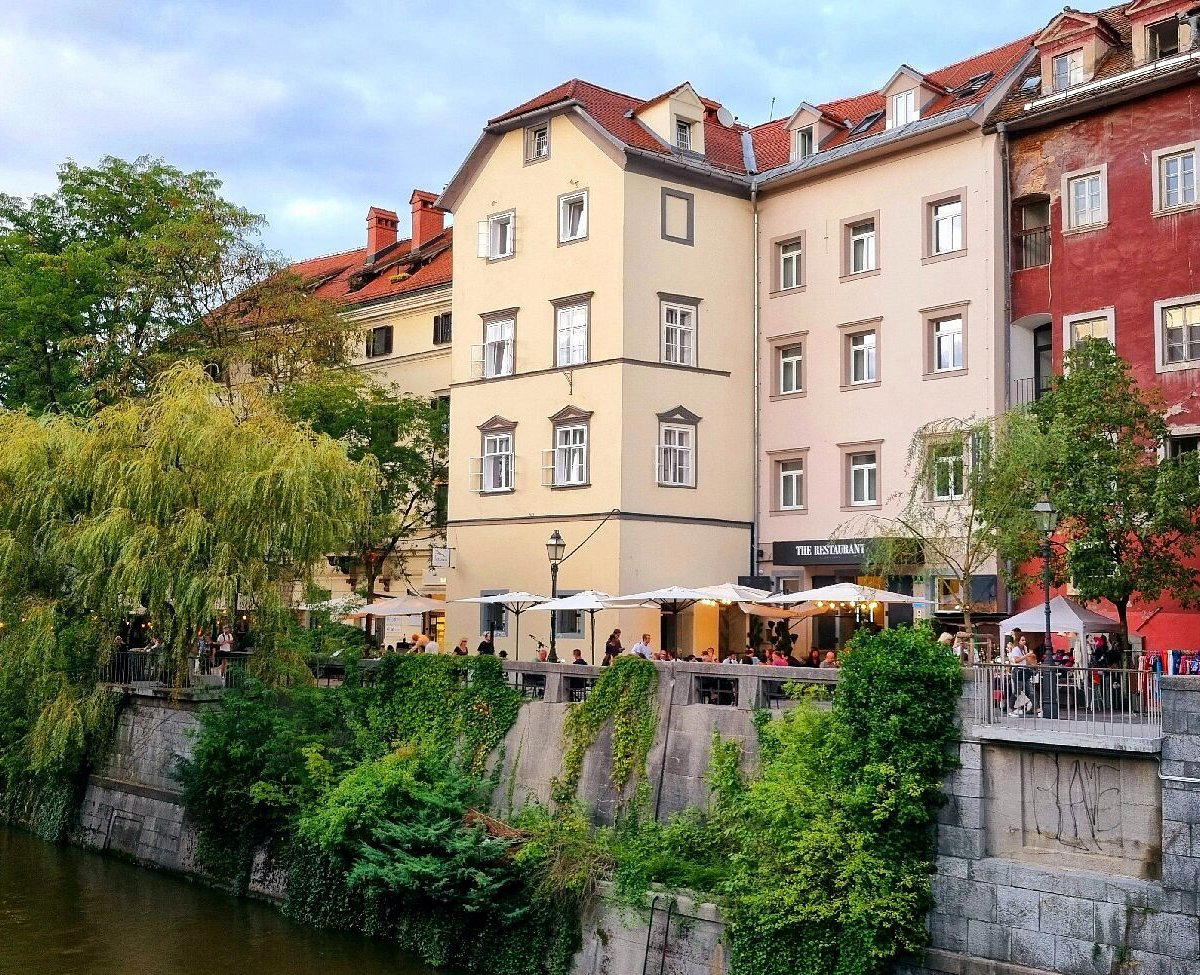
Hotels in Ljubljana
All hotels in Ljubljana →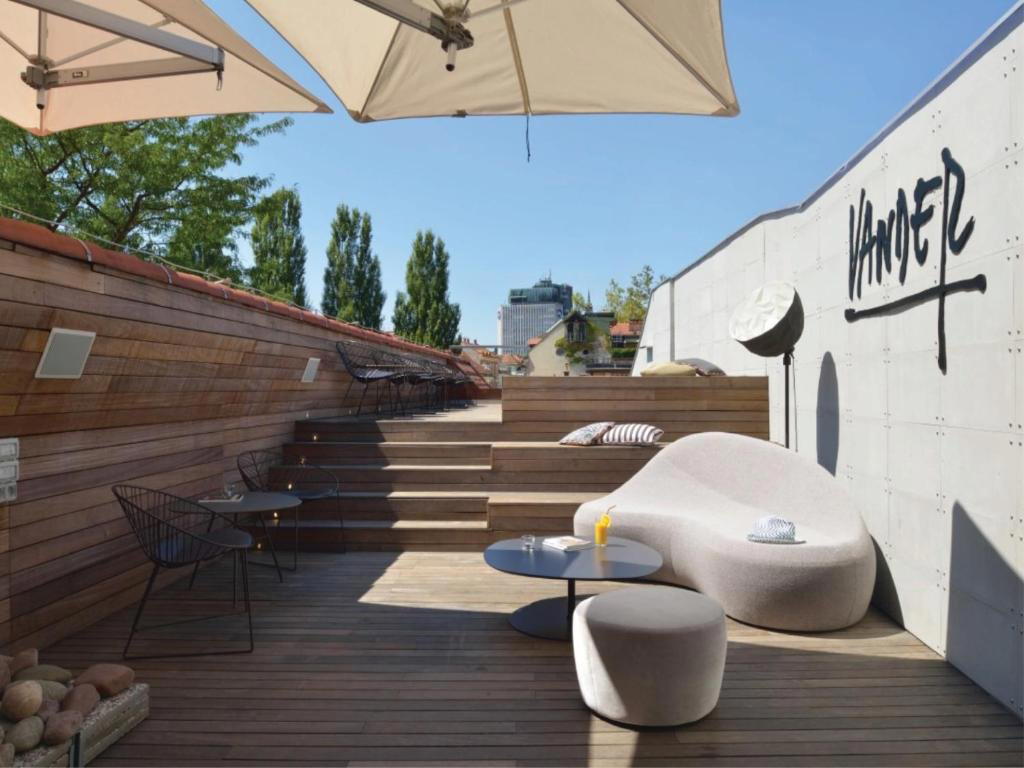
Wineries in Ljubljana
Browse all →
Details
- Intimate
- Elegant
- Cozy
- Romantic
- Historic
- Date Night
- Special Occasion
- Celebration
- Waterfront
- Historic Building
- Open Kitchen
- Terrace
- Extensive Wine List
- Beer Program
- Local Sourcing
- Organic
- Waterfront
- Street Scene
- A La Carte
- Tasting Menu
- Slovenian Wines
- Craft Beers
- Vegetarian Friendly
- Vegan Options
Current opening hours
- Monday
- 9 AM–10 PM
- Tuesday
- 9 AM–10 PM
- Wednesday
- 9 AM–10 PM
- Thursday
- 9 AM–10 PM
- Friday
- 9 AM–10 PM
- Saturday
- 9 AM–10 PM
- Sunday
- 9 AM–10 PM
Hours can change for holidays and private events. Hours as of .
Intimate and refined atmosphere beneath historic arches, cozy cellar with large street-side windows, calm and sophisticated.