On Stari trg, one of Ljubljana's oldest streets, Valvas'or sits within the layered history of the city's left-bank Old Town. The restaurant draws on Slovenia's culinary traditions at a moment when the country's dining scene has moved well beyond its Central European neighbours in international recognition. A considered address for those tracing Ljubljana's place in the wider Slovenian food story.
Pearl is the En Primeur Club membership app — saves, bookings, and concierge access live there. Same editors, same standards.
- Address
- Stari trg 7, 1000 Ljubljana, Slovenia
- Phone
- +38614250455
- Website
- valvasor.net
- Directions
- Get directions
 Saves & bookings on Pearl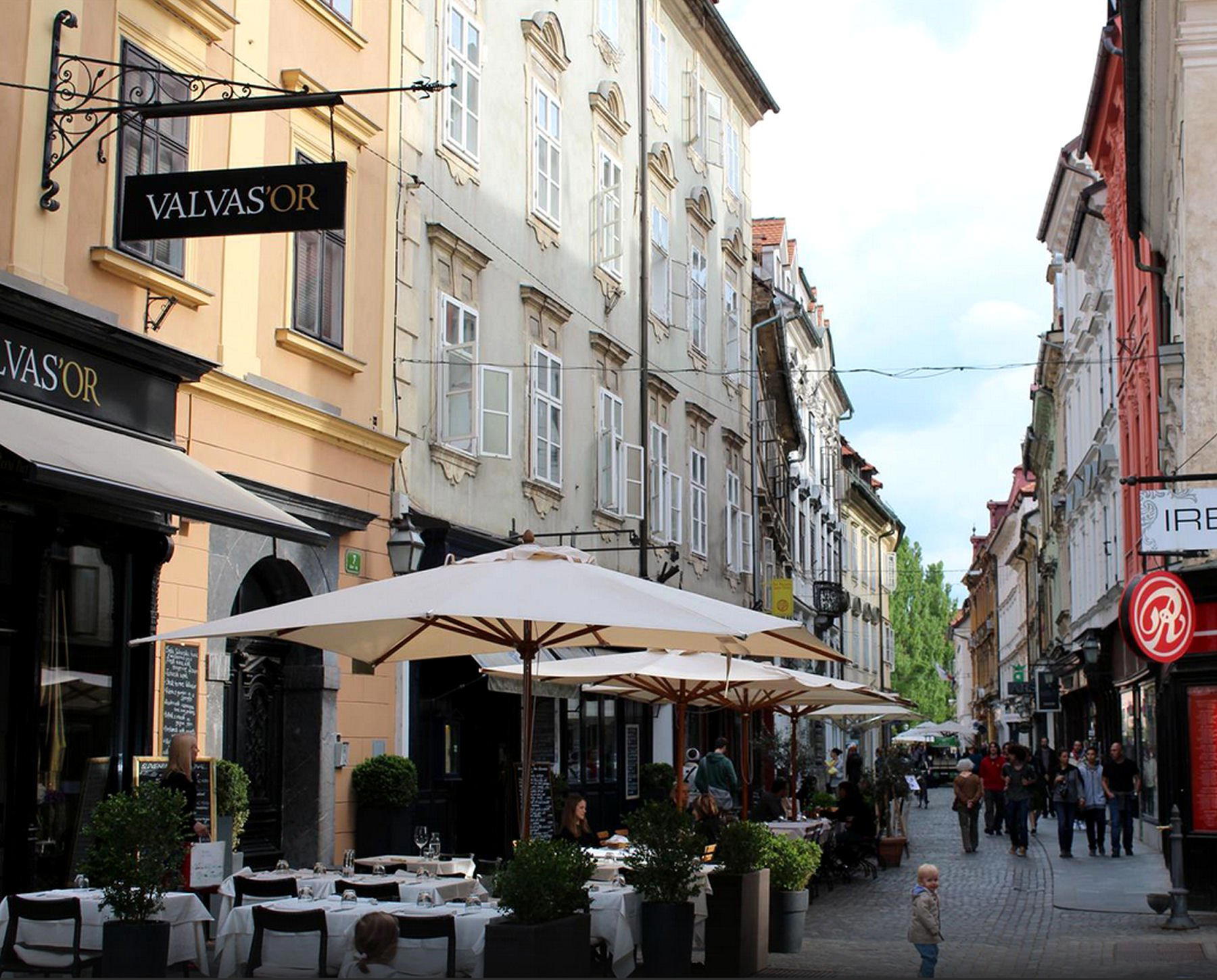
Stari trg and the Weight of the Address
Ljubljana's Old Town divides, roughly, into two characters. Mestni trg and the castle hill carry the civic monuments; Stari trg, running south from the Triple Bridge along the left bank of the Ljubljanica, carries the quieter, older grain of the city. The street's stone facades and ground-floor premises have housed merchants, wine sellers, and eating houses across several centuries. Valvas'or occupies number seven on that street, at Stari trg 7 in Ljubljana, a placement that situates it immediately within one of Central Europe's more intact medieval urban sequences. The name itself references Johann Weikhard von Valvasor, the seventeenth-century polymath who documented the lands of Carniola, the historical territory that encompasses modern Slovenia, in exhaustive detail. That choice of reference is not decorative: it positions the restaurant within a longer argument about Slovenian identity and the value of what the region produces.
Slovenia's Dining Moment and Where Ljubljana Fits
Slovenia has a strong fine-dining profile in European terms. The country holds multiple Michelin stars concentrated outside the capital, at addresses such as Hiša Franko in Kobarid, Hiša Denk in Zgornja Kungota, Gostilna Pri Lojzetu in Vipava, and Hiša Linhart in Radovljica, a distribution that reflects how thoroughly the country's leading cooking is rooted in its agricultural regions rather than its capital. Ljubljana's restaurant scene, by contrast, is more eclectic: it ranges from fast, affordable addresses like Abi Falafel and Altrokè at the accessible end through to modern-technique restaurants like AFTR and the castle-set Restavracija Strelec. Within that spread, Old Town restaurants anchored to Slovenian culinary tradition occupy a specific niche: they are not competing with the technical ambition of the Michelin-starred rural houses, nor with the casual energy of the riverfront, but with the distinct proposition of place-rooted cooking in a historic setting.
That niche has become more contested as Ljubljana's visitor profile has shifted. The city now receives a more internationally experienced traveller than it did a decade ago, and that raises comparative expectations. The pressure on Old Town addresses is therefore to offer something that cannot be replicated elsewhere, which in practice means Slovenian specificity: the country's wine regions, its foraging traditions, its dairy, its cured meats, and the particular intersection of Alpine, Mediterranean, and Pannonian influences that define Carniolian cooking.
The Cultural Weight of Carniolian Cooking
The historical territory of Carniola, corresponding broadly to central Slovenia, produced one of Central Europe's more defined regional cuisines long before that fact received international attention. Its cooking reflects the geography: short growing seasons at altitude, proximity to the Adriatic trade routes that brought olive oil and salt fish inland, and a pastoral economy that centred on dairy and pork. The Slovenian gostilna tradition, the inn-based eating house serving local produce to travellers and locals alike, is the institutional form through which this cooking survived industrialisation and the standardising pressures of Yugoslav-era food culture. Post-independence, that tradition became a site of conscious recovery and reinvention, with a younger generation of cooks returning to regional ingredients and techniques as a form of cultural argument as much as culinary preference.
Valvas'or's location on Stari trg places it in direct conversation with that tradition. The street was part of the commercial fabric of Carniolan Ljubljana for centuries; eating here carries a referential weight that a restaurant in a newer district of the city simply cannot claim. Whether a given kitchen chooses to honour that weight through technique, sourcing, or menu composition is the question that defines the better addresses in this part of town. For regional comparison, the pattern repeats across Slovenia: Gostilna Mlinar in Idrija, Pavus in Lasko, Milka in Kranjska Gora, Gostišče Karavla 297 in Trzic, Dam in Nova Gorica, and Grič in Šentjošt nad Horjulom all demonstrate how a regional culinary identity can be expressed at different price points and with different degrees of technical elaboration. Valvas'or sits within that national conversation from the capital end.
Old Town Context and the Physical Experience
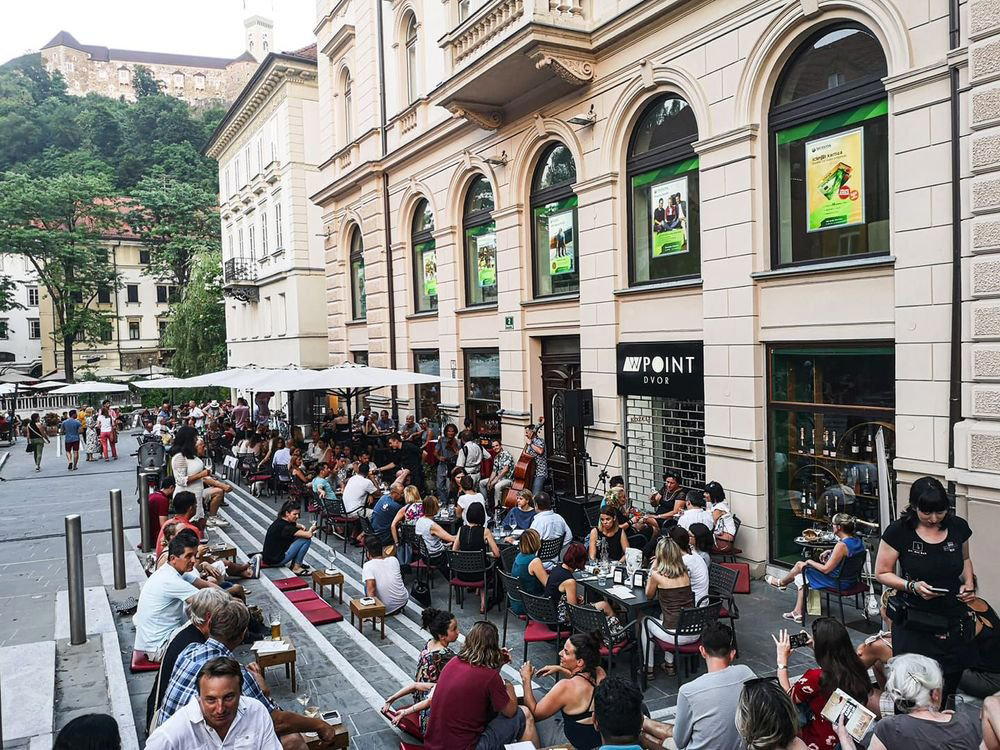
Arriving at Stari trg 7, the immediate context is stone, low ceilings, and the compressed scale of a pre-modern street. This part of Ljubljana has not been sanitised for tourism in the way that comparable old-town districts in neighbouring capitals sometimes have been. The buildings retain their proportions and the street retains its gradient. Inside, Old Town restaurants of this type tend toward interior languages that reflect the architecture: warm materials, the presence of wood and brick, a scale that does not seat large parties comfortably but rewards smaller groups. The physical setting does much of the editorial work, establishing that what follows on the plate belongs to a specific place.
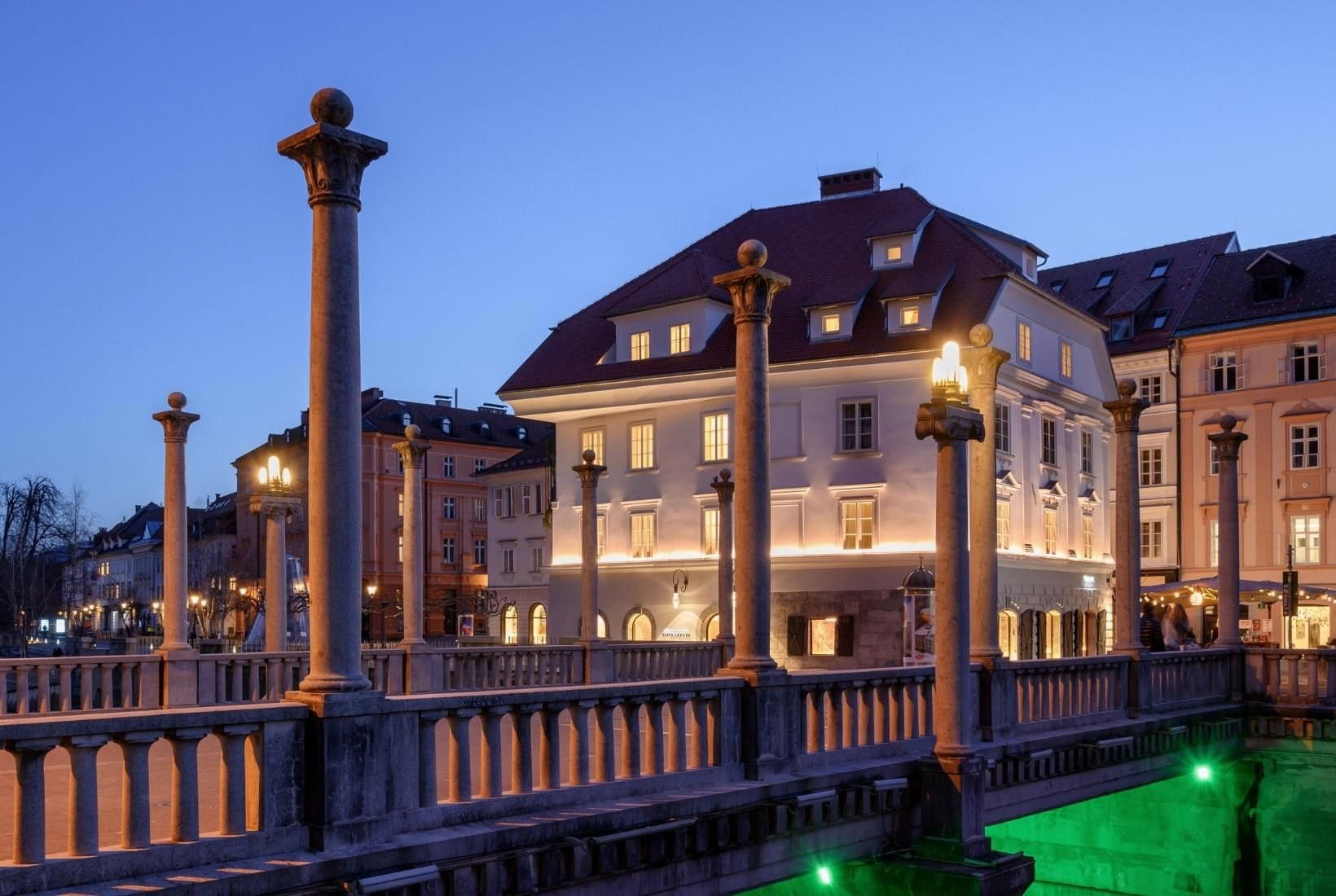
Ljubljana's Old Town in general rewards arriving on foot from the riverfront, crossing one of the bridges and moving south along the left bank. The approach makes the transition from the city's Austro-Hungarian civic face to its older, more compressed medieval core legible as a physical experience. Timing matters: the street is quieter in the morning and early afternoon, more animated as the evening draws the restaurant trade.
Planning a Visit
The address is Stari trg 7, in the Old Town on the left bank of the Ljubljanica. The street is pedestrianised and reached most directly from the Triple Bridge on foot. Confirm opening hours and reservation requirements directly with the venue before visiting; the restaurant is open Monday through Saturday from 12 to 10 PM and closed Sunday. Booking ahead for dinner is recommended.
A Pricing-First Comparison
Comparable venues nearby, for context on price, style, and recognition.
| Venue | Cuisine | Price | Notes |
|---|---|---|---|
| Valvas'orThis venue — the venue you are viewing | Not listed | $$$ | Not listed |
| Ošterija Pr'Noni | Vič, Modern Slovenian-Mediterranean | $$ | Not listed |
| Robin restaurant | Not listed | $$ | western edge, Modern Grill & Mediterranean |
| Maru | Upper Šiška, Japanese Ramen | $$$ | Not listed |
| JB Restaurant | Not listed | $$$ | Downtown Ljubljana, Modern Slovenian Fine Dining |
| Restavracija Harfa | Vič, Modern Mediterranean Slovenian | $$$ | Not listed |
Continue exploring
More in Ljubljana
Restaurants in Ljubljana
Browse all →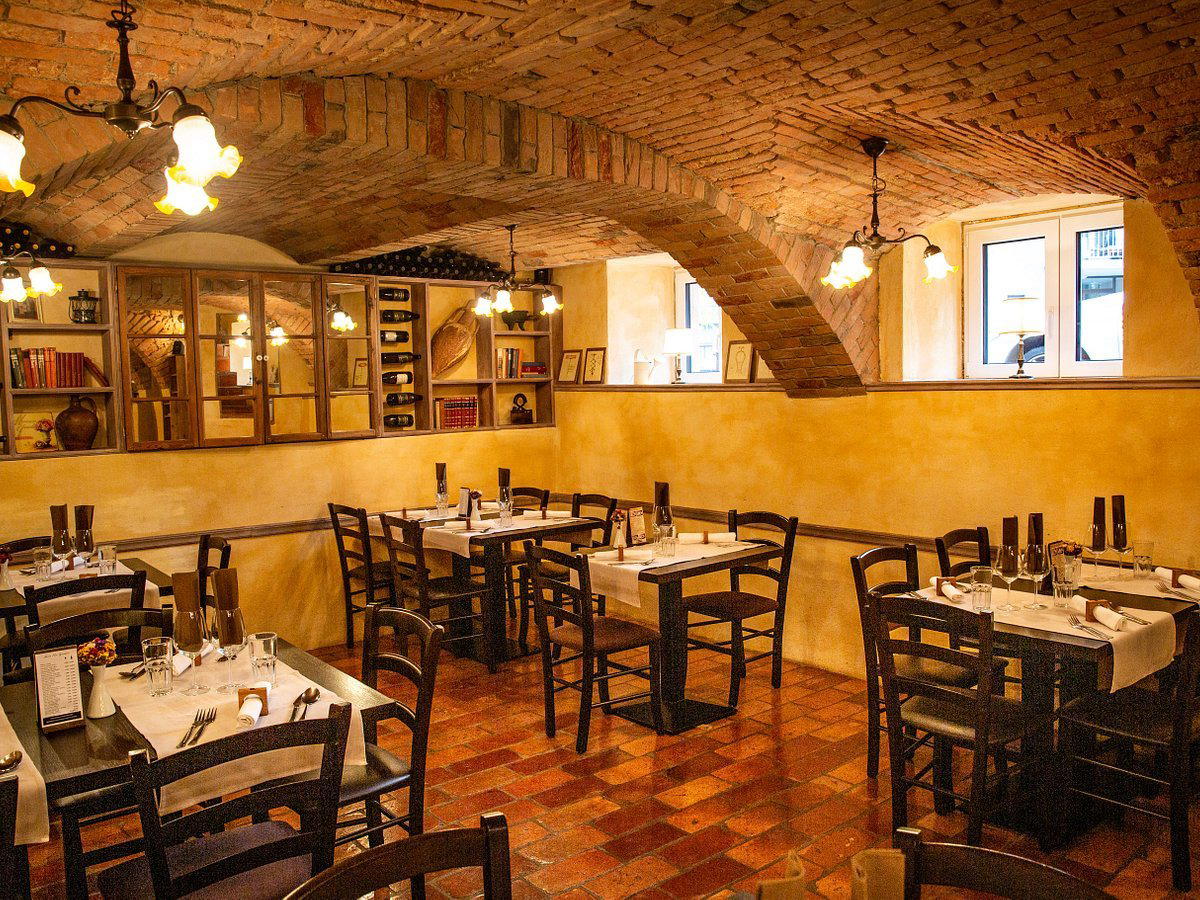
Bars in Ljubljana
Browse all →
Hotels in Ljubljana
Browse all →
Wineries in Ljubljana
Browse all →
At a Glance
- Elegant
- Sophisticated
- Cozy
- Modern
- Date Night
- Special Occasion
- Business Dinner
- Historic Building
- Local Sourcing
- Street Scene
Current opening hours
- Monday
- 12–10 PM
- Tuesday
- 12–10 PM
- Wednesday
- 12–10 PM
- Thursday
- 12–10 PM
- Friday
- 12–10 PM
- Saturday
- 12–10 PM
- Sunday
- Closed
Hours can change for holidays and private events. Last verified .
Elegant decor combining old townhouse architecture with modern elements, warm atmosphere under gold chandeliers, suitable for intimate dinners.