Zizou
Situated on Daly Street in Los Angeles's Lincoln Heights neighbourhood, Zizou occupies a corner of the city's dining scene that sits apart from the Michelin-decorated corridors of Hollywood and Beverly Hills. The address alone signals an editorial posture: this is a restaurant staking its identity on neighbourhood rather than prestige zip code, a positioning that carries its own meaning in a city increasingly interested in where authenticity lives.
Pearl is the En Primeur Club membership app — saves, bookings, and concierge access live there. Same editors, same standards.
- Address
- 2425 Daly St, Los Angeles, CA 90031
- Phone
- +13235762026
- Website
- opentable.com
- Directions
- Get directions
 Saves & bookings on Pearl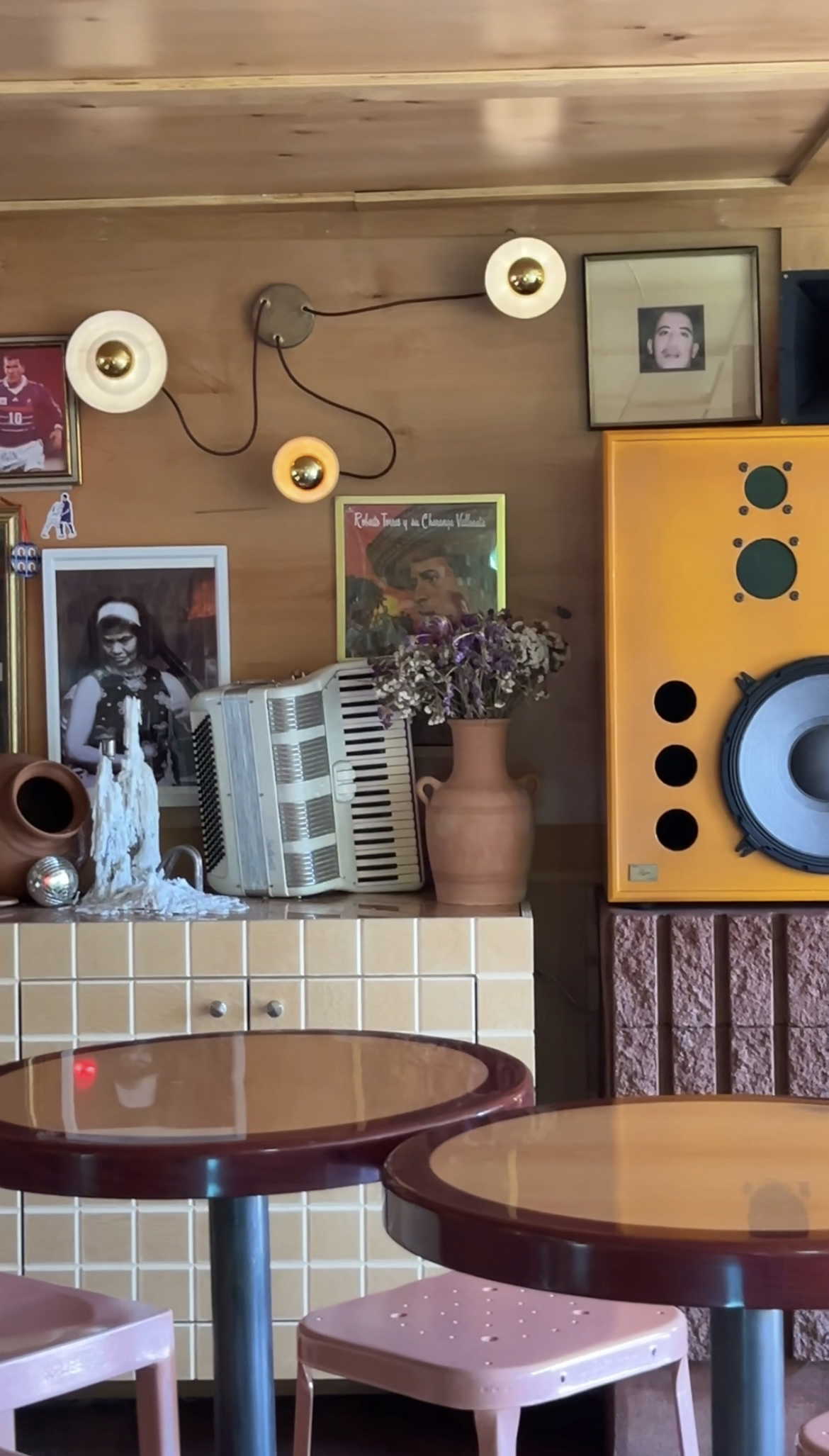
A Street Address as an Editorial Statement
Los Angeles has spent the better part of the last decade redistributing its dining ambition. The city's most talked-about openings no longer default to West Hollywood or the Westside; they surface in Glassell Park, Frogtown, and Lincoln Heights, neighbourhoods where lower rents allow tighter, more considered formats to take shape without the volume pressure of a high-rent flagship. Zizou, at 2425 Daly Street in Lincoln Heights, arrives in that context. Its address is not incidental. In a city where location still carries enormous sociological weight, the choice to open east of the 110 rather than west of La Brea is itself a positioning decision.
That neighbourhood pattern has precedent. The restaurants currently drawing the most critical attention in Los Angeles — Kato (New Taiwanese, Asian) in its current form, Hayato (Japanese) in the Arts District — both chose their spaces deliberately, and both built menus that reflected the specificity of their format rather than the expectations of their neighbourhood. Zizou enters that tradition.
What the Menu Architecture Reveals
In cities like New York, a restaurant's menu structure tends to announce its competitive ambitions clearly. At Le Bernardin in New York City, for instance, the tasting format signals a specific tier of intention, one that prices and paces the evening to match. At Alinea in Chicago or Somni (Molecular) here in Los Angeles, the structure is the point: highly controlled, sequenced, and conceptually coherent. How a restaurant builds its menu, whether it offers freedom or imposes a path, tells you what kind of contract it is proposing with the diner.
Zizou's menu architecture, to the extent it can be assessed through the public record available, has not been formally documented through awards listings or tasting notes in the venue database. That absence from the formal tier of recognition does not place it outside a meaningful category; it places it in the growing tier of Los Angeles restaurants whose reputations circulate through neighbourhood word-of-mouth and repeat custom rather than through press cycles. That model has its own logic, and in a city where restaurant media has historically over-indexed on access and spectacle, it represents a coherent alternative posture.
The comparison set that makes sense here is not Providence (Contemporary Seafood) or Osteria Mozza (Italian), both of which carry substantial press and award histories. It is closer to the tier of Lincoln Heights and adjacent neighbourhood restaurants that operate on tighter margins, shorter menus, and deeper local loyalty. That tier rewards a different kind of reader: one who is less interested in validation credentials and more interested in the quality signal that comes from a restaurant earning its crowd week after week without institutional support.
How Lincoln Heights Shapes the Dining Register
Lincoln Heights sits northeast of Downtown Los Angeles, separated from the Arts District by the LA River and from Highland Park by the 110. It is one of the city's oldest incorporated neighbourhoods, with a demographic history that predates most of the restaurants now drawing attention in adjacent areas. That history matters because it sets a cultural baseline for what a restaurant in this neighbourhood is expected to do: serve its community, price accessibly, and earn its place through daily consistency rather than opening-week coverage.
Across the country, the most interesting cases of neighbourhood-embedded dining tend to share structural features: focused menus, tight seat counts, and a regulars-to-newcomers ratio that stays heavily weighted toward the former. Lazy Bear in San Francisco and Blue Hill at Stone Barns in Tarrytown occupy the formal, destination end of that model. Zizou's position on Daly Street suggests a more locally rooted version, one where the neighbourhood is the primary constituency rather than the backdrop for a destination dining experience.
That distinction carries practical weight. Restaurants that serve their immediate neighbourhood tend to calibrate their menu differently than those built for destination traffic. Portion logic, flavour register, and even service pace often reflect who is actually walking through the door rather than who the press release imagined. For a first-time visitor arriving from outside Lincoln Heights, that means experiencing a room shaped by regulars, which tends to produce a more honest version of what the kitchen is capable of than a room calibrated for critics.
Placing Zizou in the Wider Los Angeles Conversation
Los Angeles currently hosts one of the most varied high-end dining scenes in the United States. At the formal apex, restaurants like Addison in San Diego to the south and The French Laundry in Napa to the north define what sustained institutional recognition looks like on the West Coast. Within the city itself, the range runs from the multi-course precision of Hayato to the looser, more convivial formats of neighbourhood restaurants across East LA. See our full Los Angeles restaurants guide for the wider map of how that range breaks down by neighbourhood and format.
Internationally, the neighbourhood-embedded restaurant model has produced some of the most critically interesting work of the past decade. 8 1/2 Otto e Mezzo Bombana (Hong Kong) in Hong Kong represents the other end of the prestige spectrum, where institutional recognition and destination traffic define the model. Bacchanalia in Atlanta and The Inn at Little Washington in Washington show how long-running neighbourhood commitments can eventually accumulate significant critical weight without abandoning their original community posture. Emeril's in New Orleans and Atomix in New York City illustrate two different ways that ambition and neighbourhood identity can coexist across a long run. Single Thread Farm in Healdsburg sits in a category of its own, where the menu's relationship to land and season becomes the primary editorial frame.
Zizou has not yet accumulated that kind of documented record, which means the honest assessment is that it sits in the earlier, less-legible phase of what might become a more fully articulated restaurant identity. That phase is not a deficit; it is simply a different relationship with time.
Know Before You Go
- Address: 2425 Daly St, Los Angeles, CA 90031
- Neighbourhood: Lincoln Heights, northeast of Downtown LA
- Awards: No formal awards or ratings on record at time of publication
- Price range: Not documented in public record; budget accordingly for a neighbourhood-tier restaurant in East LA
- Getting there: Lincoln Heights is most easily accessed by car from the 110 freeway; street parking on Daly Street and surrounding blocks
How Zizou Los Angeles compares with similar nearby venues.
| Venue | Cuisine | Price |
|---|---|---|
| Carnes Asadas Pancho Lopez | Mexican | $ |
| Pacific Electric | food-hall / service windows (hosts Badmaash window) | Not listed |
| majordōmo | New American - Korean, Asian | $$$ |
Continue exploring
More in Los Angeles
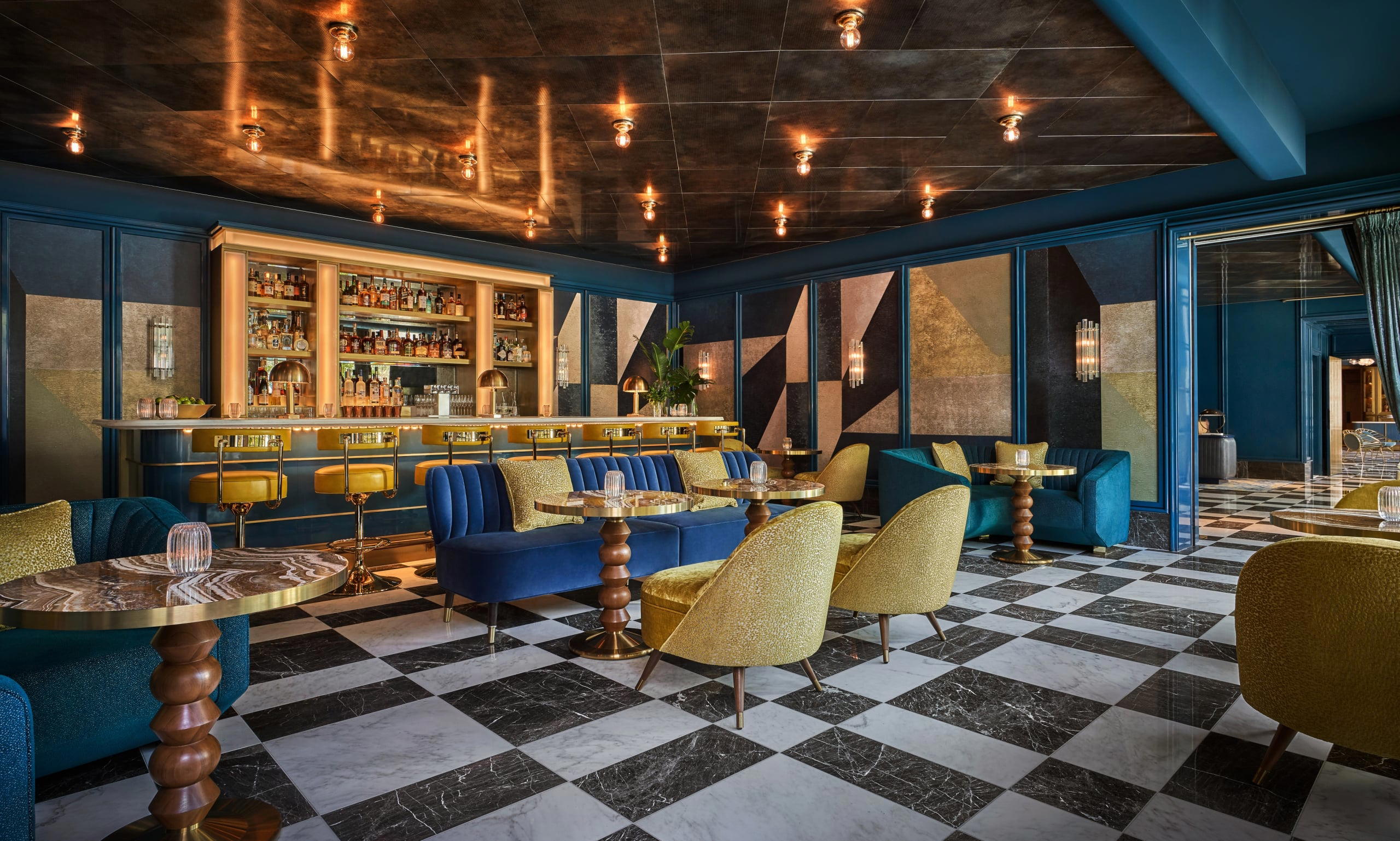
Restaurants in Los Angeles
Browse all →
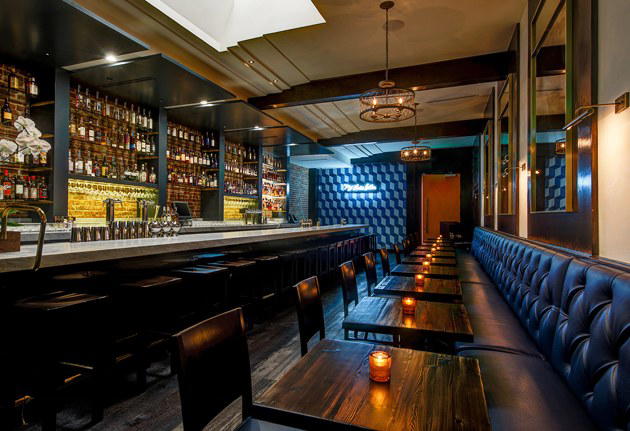
Bars in Los Angeles
Browse all →
Hotels in Los Angeles
Browse all →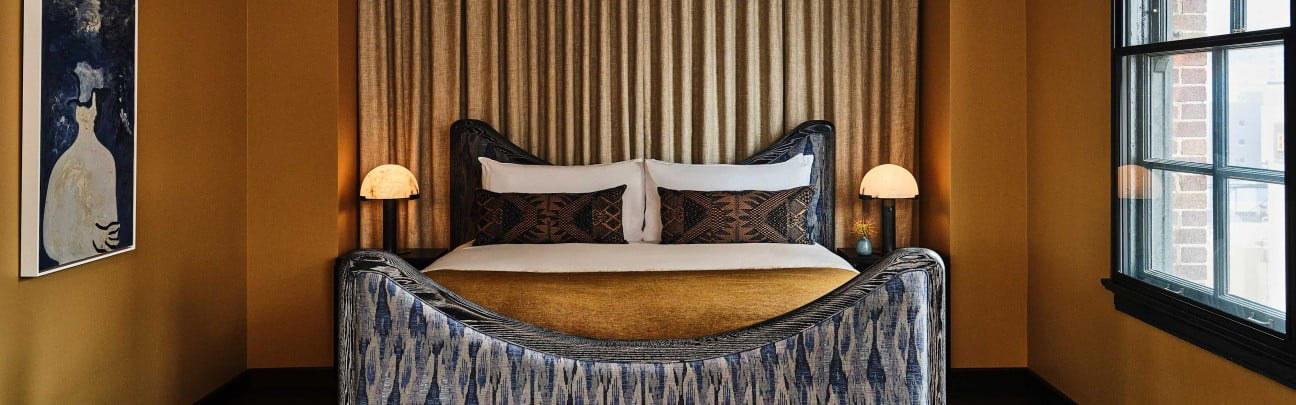
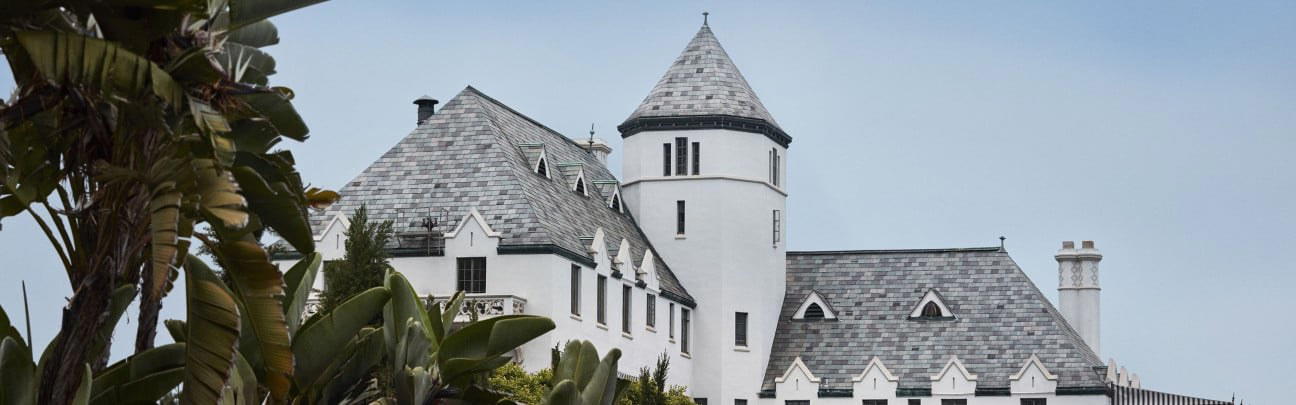
Wineries in Los Angeles
Browse all →
At a Glance
- Trendy
- Elegant
- Modern
- Intimate
- Date Night
- Casual Hangout
- Garden
- Open Kitchen
- Natural Wine
- Garden
Current opening hours
- Monday
- Closed
- Tuesday
- Closed
- Wednesday
- 5–11 PM
- Thursday
- 5–11 PM
- Friday
- 5 PM–12 AM
- Saturday
- 5 PM–12 AM
- Sunday
- 5–11 PM
Hours can change for holidays and private events. Last verified .
Lush garden with thumping funk music, lively and stylish contemporary setting with excellent sound system.
Know Before You Go
- Getting there
- 2425 Daly St, Los Angeles, CA 90031