La Boucherie

Wine Spectator Best of Award of Excellence
Our verdict
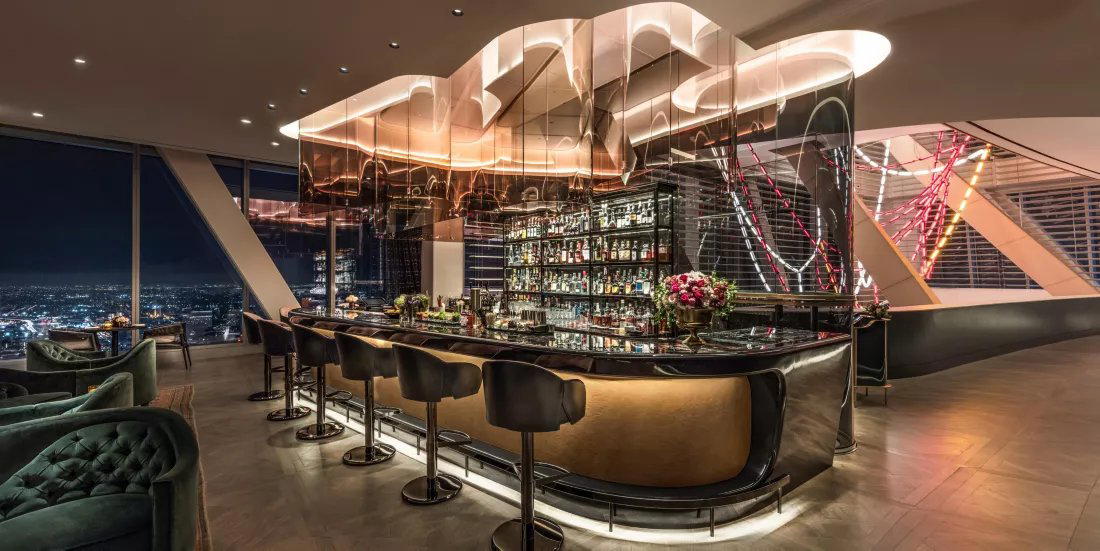
Positioned on the 71st floor of a Wilshire Boulevard tower, La Boucherie occupies a tier of Los Angeles dining where altitude and ambition operate together. The restaurant draws on the intersection of classical French butchery tradition and the ingredient-forward sensibility that defines Southern California's best produce culture. For the city's premium dining circuit, it represents a specific argument about what a steakhouse-adjacent format can accomplish at elevation.

Pearl is the En Primeur Club membership app, where members save venues, book tables and use the concierge.
The menu
What to order
- Chateaubriand Steak for Two
- Lobster Thermidor
- Duck a l'Orange
Seventy-One Floors Up, and the City Shifts Beneath You
There is a particular kind of Los Angeles restaurant that uses verticality as editorial statement. At 900 Wilshire Boulevard, on the 71st floor, La Boucherie occupies a vantage point that reframes the city below: the grid of downtown, the basin stretching toward the coast, the San Gabriel range on clear days. The physical approach, rising through one of the tallest residential towers on the West Coast, sets an expectation before a single plate arrives. That expectation is not simply about views. It is about whether a kitchen can match the drama of its setting with something equally considered on the plate.
In Los Angeles, that question matters more than in most cities. The premium dining tier here has become genuinely competitive in ways it was not a decade ago. Counters, tasting menus, and ingredient-driven formats have proliferated across neighborhoods from Silver Lake to Beverly Hills, with restaurants like Kato, whose New Taiwanese approach redefined what a $$$$ format could say about Asian culinary tradition, and Hayato, operating a kaiseki counter that benchmarks against Kyoto rather than Los Angeles, raising the collective floor.
French Tradition, California Raw Material
The boucherie concept has deep roots in French culinary culture, where the butcher's shop functions as a food institution rather than a transactional stop. In that tradition, the relationship between the butcher and the farmer, the selection of breed and feed and aging method, is the intellectual center of the meal. What Los Angeles adds to that framework is something French terroir cannot replicate: the proximity to some of the most diverse agricultural production in North America. The Central Valley, the Santa Ynez ranches, the small-scale pastured operations in the hills north of the city, these are the raw material inputs that a kitchen in this building has access to in ways that a comparable address in Paris or Lyon does not.
This intersection of imported method and local product is where the most interesting work happens in contemporary American fine dining. You see it at Single Thread Farm in Healdsburg, where Japanese kaiseki discipline organizes California's seasonal bounty into a tightly sequenced experience. You see it at Blue Hill at Stone Barns in Tarrytown, where agricultural philosophy drives a kitchen that uses French technique as a secondary language. The question La Boucherie poses is whether the same productive tension, classical European method meeting California's ingredient culture, can work within a format anchored to meat, aging, and the discipline of the cut.
That is a harder argument to make than it appears. The steakhouse-adjacent format in American fine dining has a credibility problem at the high end: too often, premium pricing is doing the work that premium cooking should do. The strongest counterexamples, places like The French Laundry in Napa and Addison in San Diego, succeed because technique is visibly present in every course, not just in the headline protein. The boucherie tradition, at its most rigorous, demands the same, that the preparation, the aging, the temperature control, and the accompaniments all reflect a disciplined point of view rather than a premium ingredient left to carry itself.
Where La Boucherie Sits in the Los Angeles Dining Map
Downtown Los Angeles has not historically been the city's culinary center of gravity. That weight has sat in neighborhoods further west and north. But the Wilshire corridor has been developing a hospitality identity tied to the tower residential and hotel projects that have reshaped downtown's skyline over the past decade. A restaurant positioned at this address is speaking to a specific diner: someone already invested in the vertical life of downtown, a hotel guest at the adjacent Four Seasons or Nomad, or a visitor to Los Angeles who wants the city's ambient drama packaged into a single evening.
Beyond the city, the broader American fine dining comparison set includes Le Bernardin in New York City, Alinea in Chicago, and Lazy Bear in San Francisco, each of which has made a clear argument about what it is, and holds that position consistently. That clarity of identity is what separates durable fine dining from expensive novelty.
La Boucherie's specific position, French butchery tradition, sky-high setting, California sourcing opportunity, is a coherent argument. Whether the kitchen executes consistently against that argument is the relevant question for anyone considering a booking. The address alone does not answer it. See our full Los Angeles restaurants guide for how La Boucherie fits alongside the city's broader dining options, and compare it to peers like Providence, which has built a two-Michelin-star seafood program at the other end of the formality spectrum. For international context, 8 1/2 Otto e Mezzo Bombana in Hong Kong demonstrates how classical European fine dining can hold its identity in a non-European city, a relevant precedent for a restaurant making a French argument in Los Angeles.
Planning a Visit
La Boucherie is located at 900 Wilshire Blvd, 71st floor, Los Angeles, CA 90017, placing it in the heart of downtown's Wilshire corridor. Given the building's residential tower context and the refined format, reservations are strongly advisable rather than an expectation of walk-in availability. Comparable restaurants in this tier and setting typically operate on advance booking windows of two to four weeks for standard dates, with weekend demand running longer. Visitors arriving from outside Los Angeles should factor in downtown's traffic patterns: the location is accessible via the Metro B Line (Red Line) at Pershing Square or Civic Center stations, which avoids the parking complexity that defines driving in this part of the city. For American comparison dining on the same trip, Bacchanalia in Atlanta, Emeril's in New Orleans, and The Inn at Little Washington in Washington each represent the same premium tier in their respective cities, and provide useful calibration for what $$$$ dining should deliver at this level.
Frequently asked questions
How do I find La Boucherie?
La Boucherie is located at 900 Wilshire Blvd fl 71, Los Angeles, CA 90017, Los Angeles.
Is La Boucherie a good option for a business dinner in downtown Los Angeles?
For a downtown Los Angeles business dinner, La Boucherie's address at 900 Wilshire Blvd on the 71st floor positions it well within the Wilshire corridor, close to the financial and civic core of DTLA. The French boucherie format lends a formal register that suits professional occasions. Confirming current hours and reservation availability ahead of time is recommended, as operational details are not widely published.
What's the must-try dish at La Boucherie?
Given the French tradition behind the format, beef preparations are the structural core of the experience. Confirming current offerings directly with the restaurant before visiting is advisable.
Do they take walk-ins at La Boucherie?
La Boucherie sits on the 71st floor of 900 Wilshire Blvd in downtown Los Angeles, a building that typically requires advance coordination for access. Walk-in availability has not been confirmed publicly. Contacting the restaurant directly before arrival is the practical approach.
What is La Boucherie known for?
La Boucherie is known for its position on the 71st floor of 900 Wilshire Boulevard, placing it among the highest dining rooms in downtown Los Angeles. The boucherie concept it draws from is rooted in French culinary tradition, where the butcher's craft anchors the menu rather than acting as a secondary element. That combination of elevation and French butcher-focused cooking sets it apart from most of DTLA's restaurant offerings.
City Peers
Comparable venues nearby, for context on price, style, and recognition.
| Venue | Cuisine | Price | Awards | Notes |
|---|---|---|---|---|
| La BoucherieThis venue (the venue you are viewing) | French-Inspired Steakhouse | $100–150 | Wine Spectator Best of Award of Excellence | Not listed |
| MUSE Santa Monica | Modern French Fine Dining | $100–150 | Not listed | Rustic Canyon |
| Noma LA | Avant-Garde Fine Dining | $500+ | Not listed | Silver Lake |
| Cafe Stella | Classic French Bistro | Not listed | Not listed | Sunset Junction |
| Petrossian Paris Boutique & Café | French Caviar Boutique Café | Not listed | Not listed | West Hollywood |
| L'APPART by AIR FOOD | French Bistro | Not listed | Not listed | Gallery Row |
Recognition history
Dated appearances from independent guides and award organizations, with the underlying list record or original source where available.
Wine Spectator Best of Award of Excellence
Wine Spectator
Continue exploring
More in Los Angeles
Restaurants in Los Angeles
All restaurants in Los Angeles →
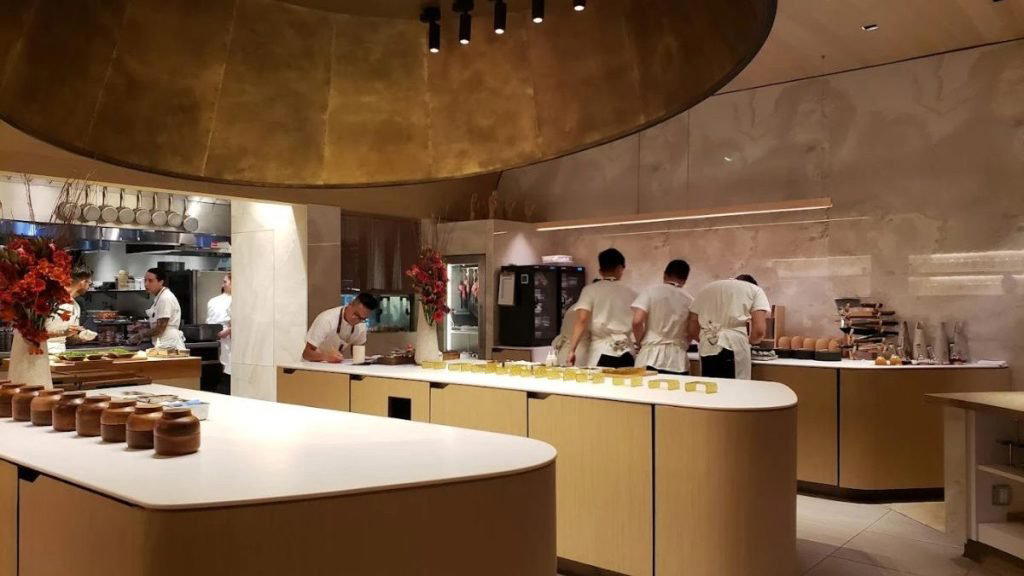
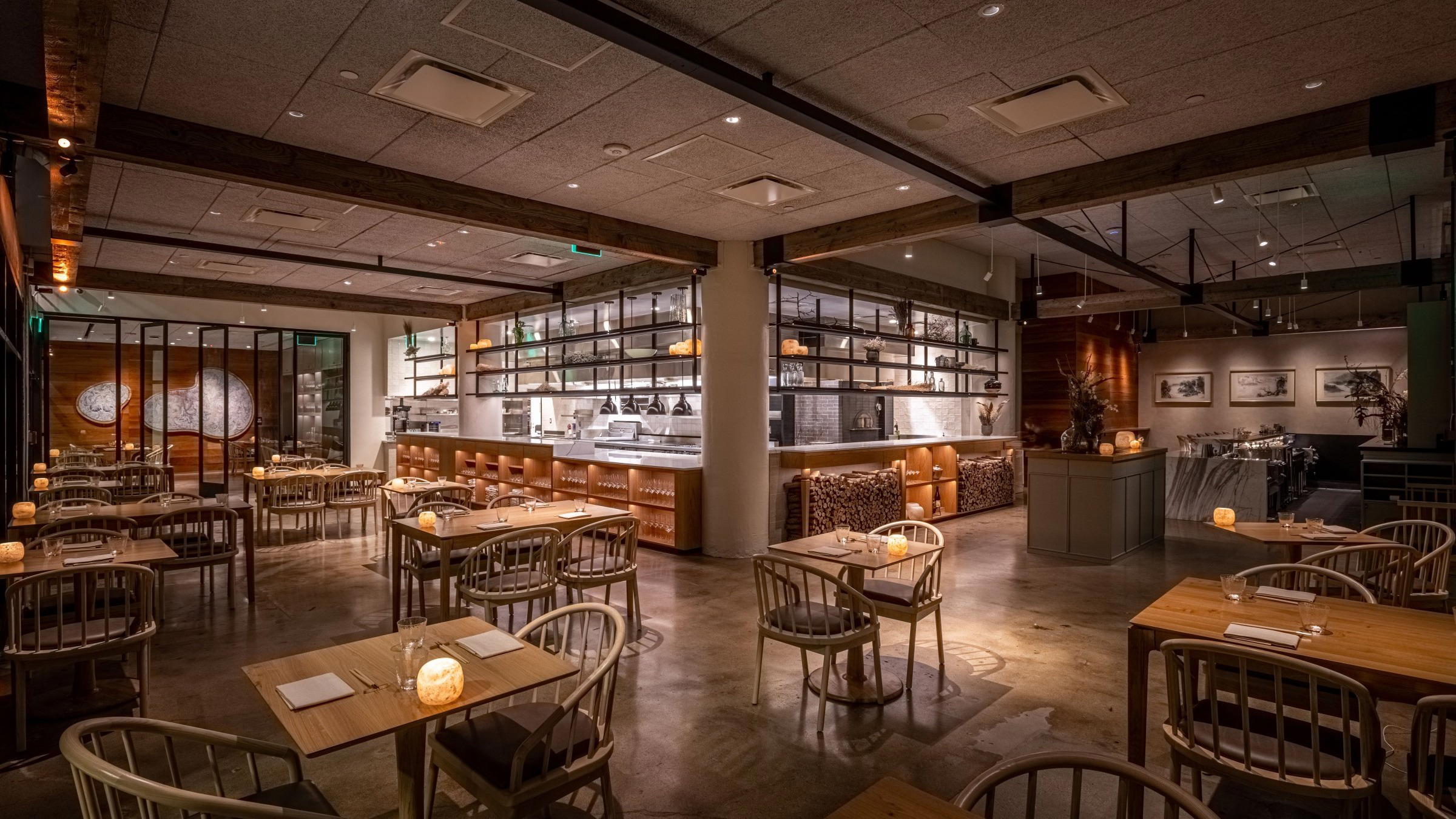
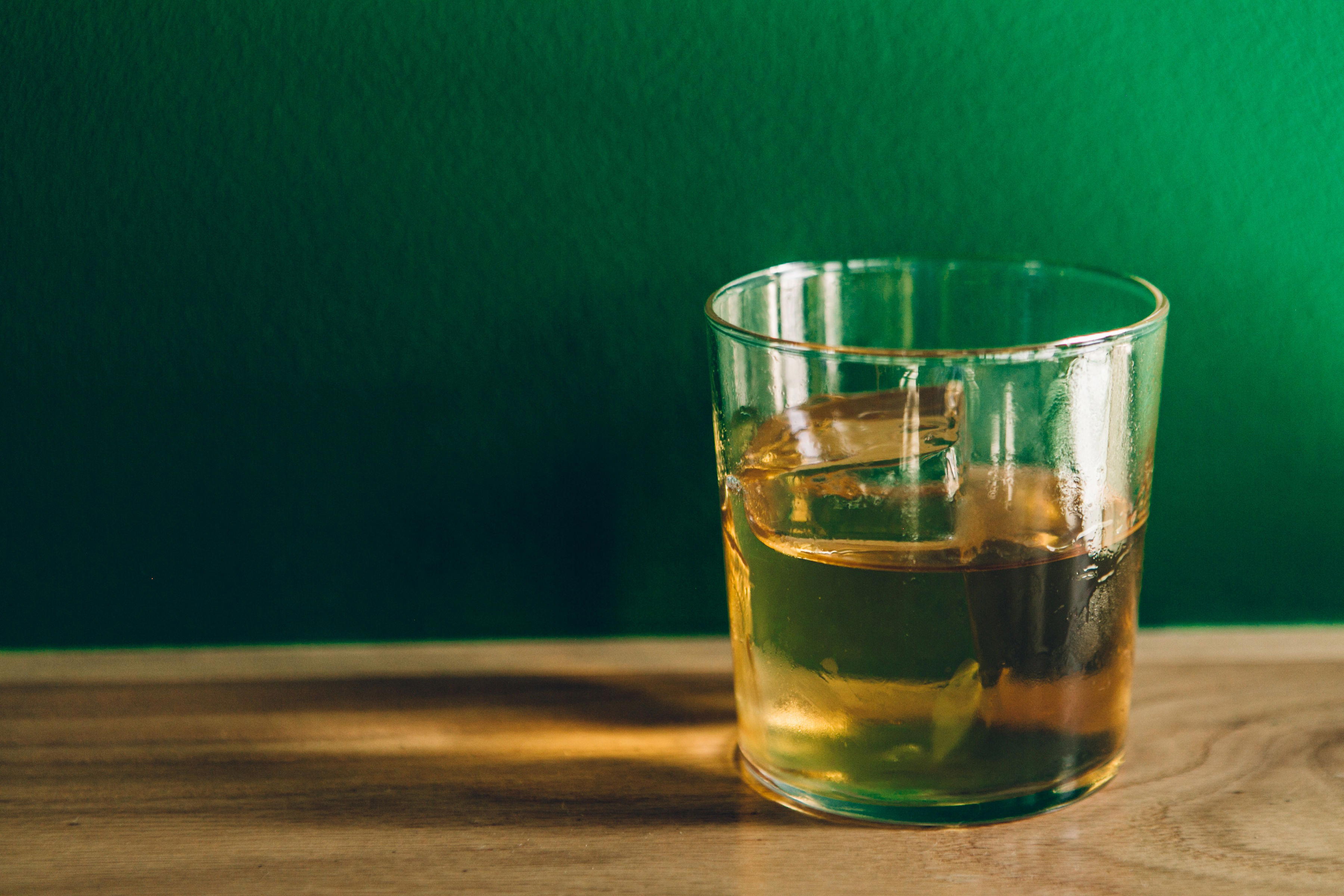
Bars in Los Angeles
All bars in Los Angeles →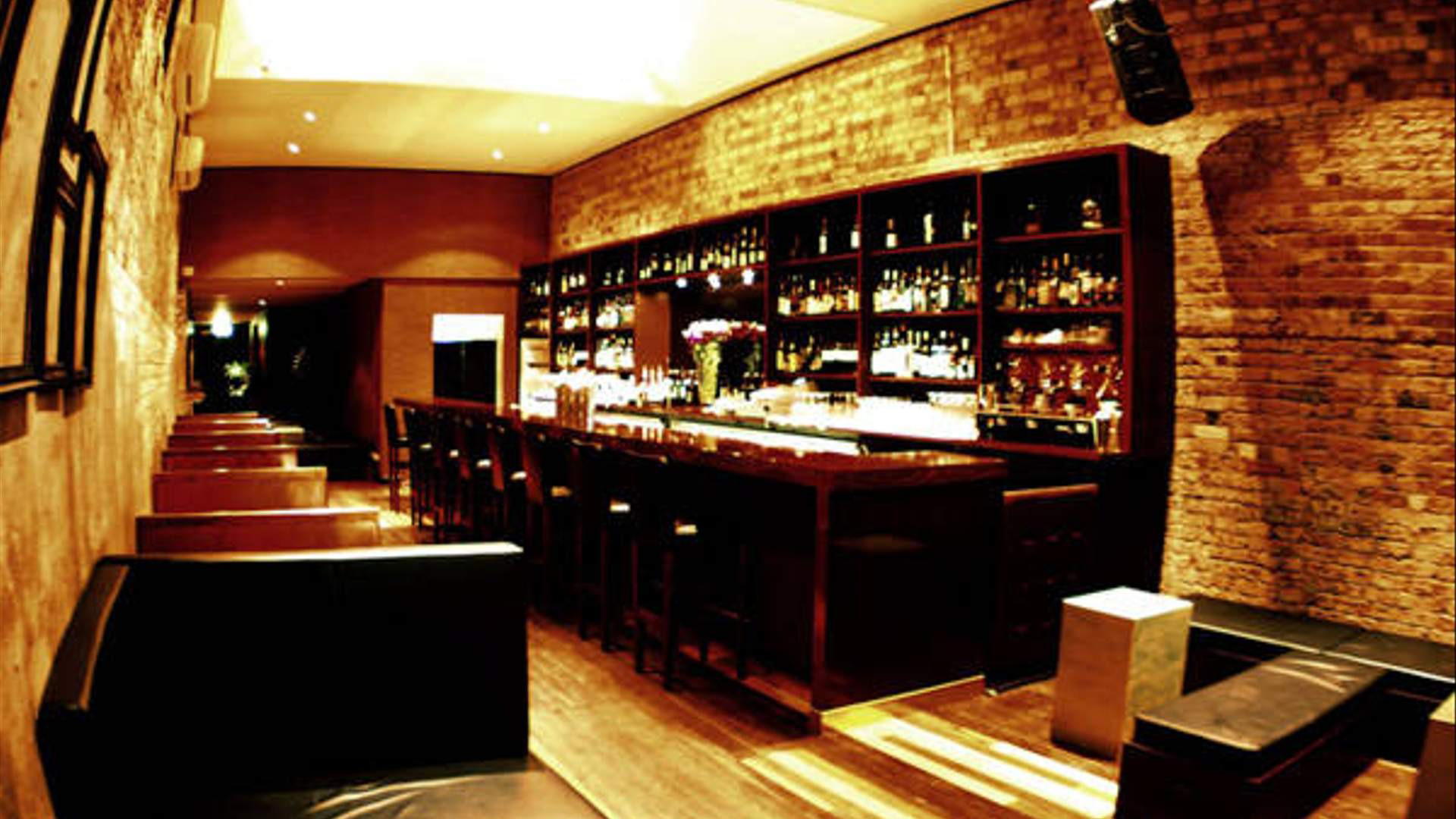
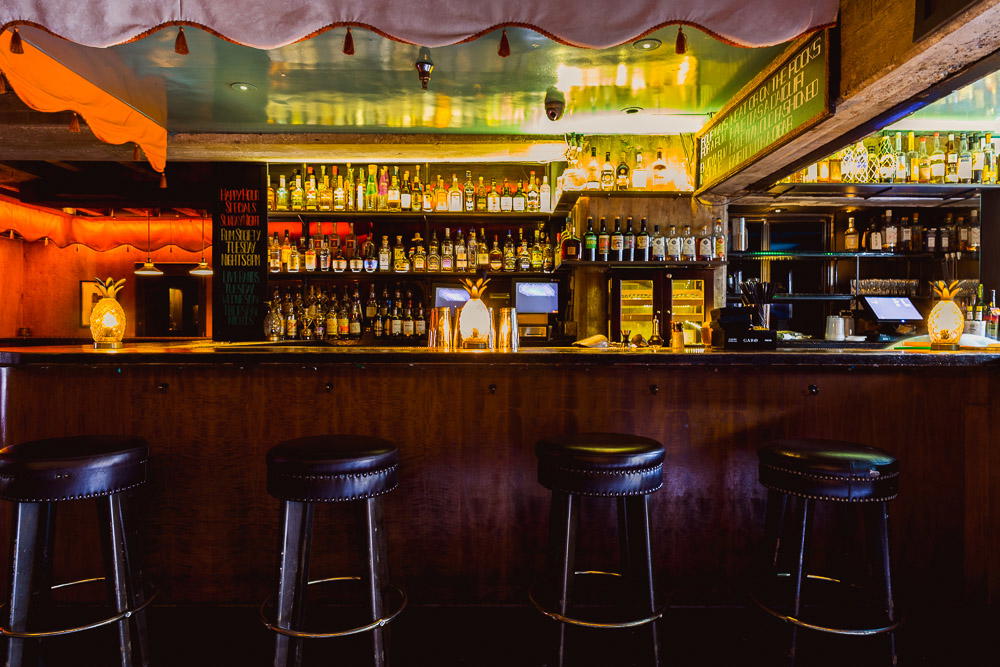
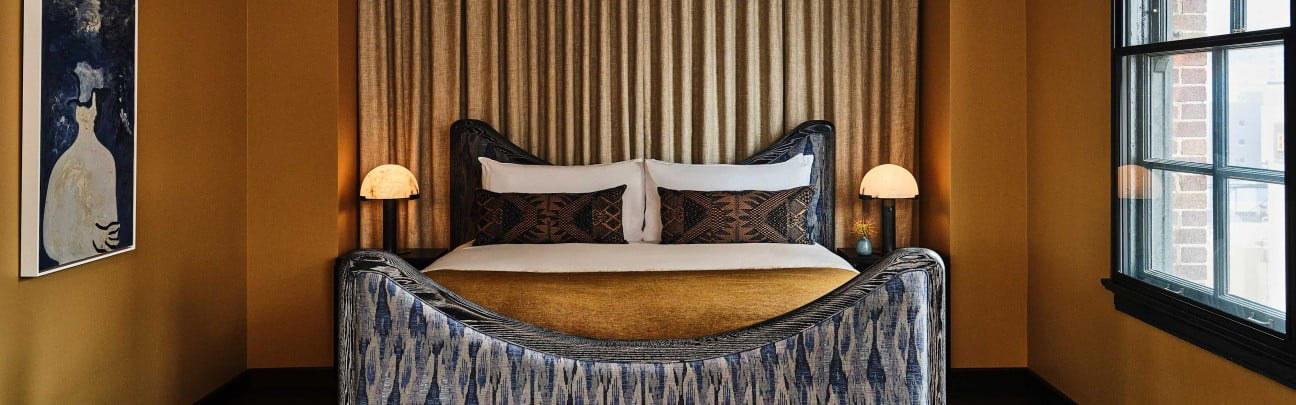
Hotels in Los Angeles
All hotels in Los Angeles →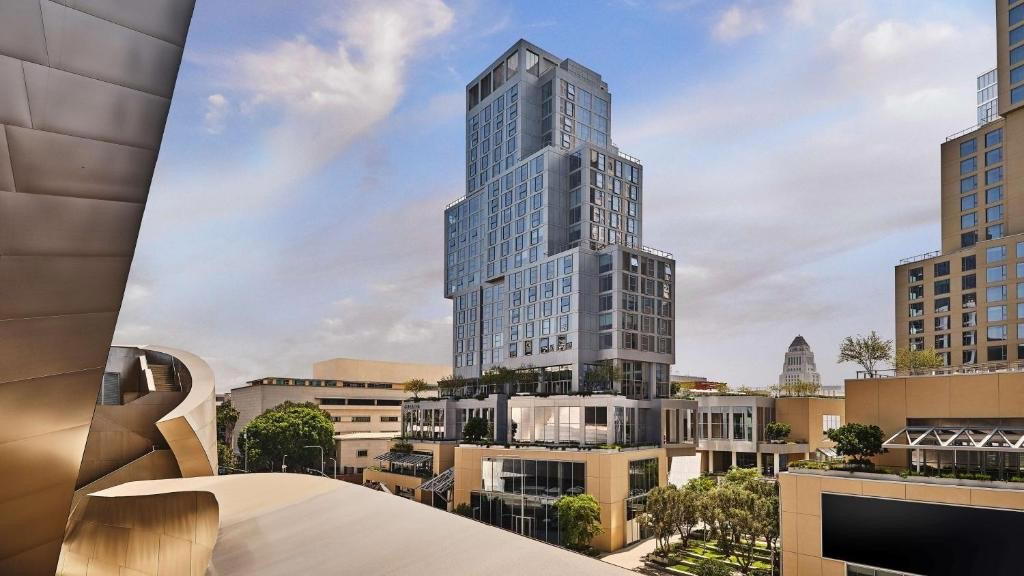
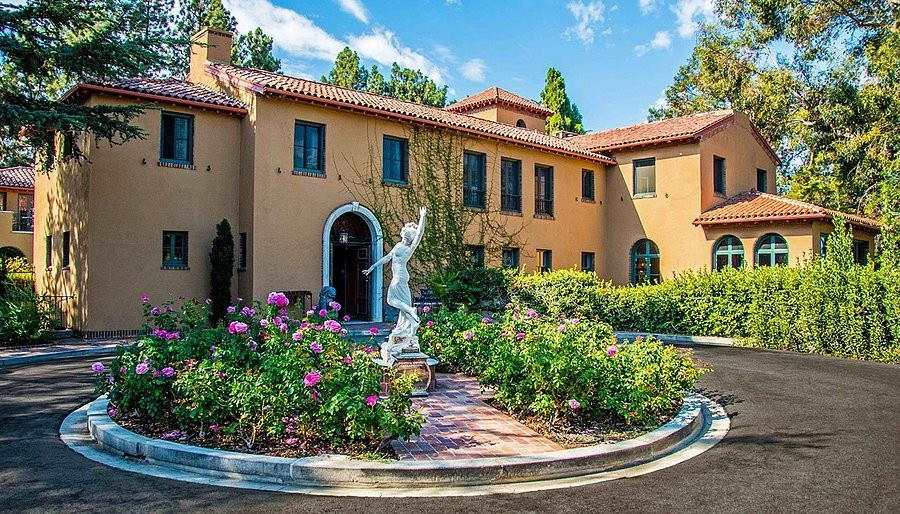
Wineries in Los Angeles
All wineries in Los Angeles →
La Boucherie
The wine
La Boucherie holds the Wine Spectator Best of Award of Excellence, which Wine Spectator gives to lists of usually 350 or more selections.
- Wine program
- Deep wine list
- Wine Spectator
- Wine Spectator Best of Award of Excellence
- Extensive wine list
- Craft cocktails
Details
- Elegant
- Sophisticated
- Romantic
- Scenic
- Date Night
- Special Occasion
- Celebration
- Business Dinner
- Panoramic View
- Private Dining
- Hotel Restaurant
- Chefs Counter
- Extensive Wine List
- Craft Cocktails
- Local Sourcing
- Skyline
Current opening hours
- Monday
- 7–10:30 AM
- Tuesday
- Closed
- Wednesday
- 7–10:30 AM, 5:30–9:30 PM
- Thursday
- 7–10:30 AM, 5:30–9:30 PM
- Friday
- 7–10:30 AM, 5:30–10 PM
- Saturday
- 7–11:30 AM, 5:30–10 PM
- Sunday
- 7–11:30 AM
Hours can change for holidays and private events. Hours as of .
Elegant ambiance with pulse-quickening city views, discreet hidden booths, and an intimate setting enhanced by soft lighting and sophisticated decor.