


Michelin Plate · We're Smart World 2 Radishes
Our verdict
The setting on Lange Gasthuisstraat places it in the heart of the city's established dining corridor, where it competes in the same top-tier price bracket as Antwerp's most serious tables.

Pearl is the En Primeur Club membership app, where members save venues, book tables and use the concierge.
The menu
What to order
- Spinach and ricotta cannelloni with Eastern Scheldt lobster
- Carpaccio of gambero rosso with bloody orange and pistachio
- Seafood orecchiette
- Mussels from Zeeland with lovage and pecorino
Italian Rigour in a Flemish City
Antwerp's premium dining scene has always been eclectic, a port city where Flemish classical kitchens sit alongside Japanese precision counters and contemporary French rooms. What it has rarely had is a serious, technique-led Italian address at the top of the price tier. That gap is what Le Pristine, on Lange Gasthuisstraat, fills. Operating under the broader creative orbit of chef Sergio Herman, it approaches Italian cooking not as comfort-food nostalgia but as a discipline: sourcing, seasonality, and the structural intelligence that Italian regional cuisine contains when a kitchen takes it seriously.
The Italian model, at its most considered, places vegetables at the centre of the plate rather than at the periphery. This is not a modern affectation, it is how the cuisine functioned for centuries before meat-heavy restaurant conventions overrode it. At Le Pristine, that older logic is the editorial line of the kitchen. Opinionated About Dining's reviewer noted that vegetables are used liberally and to their leading advantage here, an observation that places the kitchen in a specific Italian tradition rather than in the generalised category of 'plant-forward' restaurants that have proliferated across European fine dining since 2018.
Where Le Pristine Sits in Antwerp's Top Tier
In Antwerp's premium bracket, Le Pristine occupies the same price tier as Zilte, Hertog Jan at Botanic, and 't Fornuis, all €€€€ addresses with distinct culinary identities. What separates Le Pristine within that cohort is its refusal to compete on Flemish terms. While the other addresses work from regional Flemish or French frameworks, this kitchen operates from Italian source logic. The distinction matters: Italian technique reads differently from French in its relationship to produce, to acidity, to the role of fat. A kitchen trained in that tradition handles ingredients with different priorities, and those differences are detectable on the plate.
For comparison at the lower price point, Bistrot du Nord serves traditional French at €€€, and DIM Dining occupies the Japanese end of the €€€€ tier. Le Pristine is neither of these things, and that specificity is part of what justifies its position in the city's dining conversation.
The Sustainability Argument in Italian Cooking
Italian cuisine has a structural advantage in discussions about responsible sourcing and environmental cost that is sometimes overlooked in a European restaurant culture dominated by French-inflected fine dining. The cucina povera tradition, literally 'poor kitchen', was built around using everything: offal, secondary cuts, vegetable trimmings, dried pulses, preserved ingredients. Waste reduction was not a philosophy grafted onto the cuisine; it was the economic and cultural condition under which much of it developed. When a contemporary kitchen draws from that tradition with genuine technical fluency, it has access to a repertoire that is already oriented toward whole-product cooking.
Le Pristine's emphasis on vegetables is consistent with this inheritance. Across Italy, the seasonal vegetable market has always driven the menu in ways that protein-led cuisines resist. A kitchen serious about Italian cooking is therefore already positioned to engage with low-waste, high-seasonality sourcing in ways that don't require a separate sustainability programme, it is embedded in the cuisine's logic. Whether that logic is fully realised in practice at any given kitchen is a question of execution, but the framework exists in a way that it does not, for instance, in classical French haute cuisine, where the structural hierarchy of the plate has historically placed animal protein above plant matter in ways that have taken considerable cultural effort to revise.
The OAD reviewer's specific observation about vegetable use at Le Pristine suggests this is not window dressing. It is the thing the kitchen is actually doing, and doing with enough conviction to be noticed by a publication that ranks across several hundred European addresses. In 2025, Le Pristine sits at position 377 on the OAD European list; in 2024, it was ranked 355 on the same list, having been recommended as a leading new European opening in 2023. That trajectory indicates a kitchen building consistency rather than coasting on an opening-year spike.
Awards, Recognition, and What They Signal
OAD rankings are peer-weighted, drawing votes from a network of frequent, experienced diners across Europe rather than from a single anonymous inspector. The methodology produces different results from Michelin: it privileges the dining-out community's consensus rather than a single organisation's standards. Being ranked in both systems, with improving Michelin consistency and a stable OAD position, suggests Le Pristine sits in the cohort of Antwerp addresses that serious travellers and European food circuits are tracking, not just a local destination.
For broader Belgian context, the country's fine dining field includes addresses at different price tiers and culinary registers: Hof van Cleve in Kruishoutem, Boury in Roeselare, Willem Hiele in Oudenburg, and Bartholomeus in Heist at the coast. Le Pristine does not operate in the same register as any of these, all work from Flemish, French, or North Sea frameworks. Its closest Italian-format peers are in other cities: Andrea Aprea in Milan and Harry's Piccolo in Trieste represent how that genre is practiced in its home country, and the comparison is instructive for understanding where a Belgian kitchen working in the Italian idiom positions itself culturally.
Five hundred and six reviews represents meaningful accumulation over multiple years of operation, and a 4.5 average within that sample suggests the kitchen is delivering reliably enough to sustain high scores across a broad range of diners, not just enthusiasts. Occasional underperformance at restaurants in this tier typically drags the average below 4.3; holding 4.5 indicates the exception rather than the rule.
Planning a Visit
Le Pristine operates Tuesday through Saturday with evening service running from 6:30 to 8:30 pm throughout the week. Thursday, Friday, and Saturday add a lunch service from noon to 1:30 pm. The kitchen is closed Sunday and Monday. The address is Lange Gasthuisstraat 13, in central Antwerp, a street that runs through one of the older parts of the city's dining corridor. For travellers building a broader Antwerp itinerary, EP Club's full Antwerp restaurants guide covers the range of the city's serious tables, while the Antwerp hotels guide, bars guide, wineries guide, and experiences guide cover the rest of the city's offer. Those combining Antwerp with a Brussels stop can cross-reference Bozar Restaurant in Brussels and d'Eugénie à Emilie for contrasting registers in the wider Belgian field.
Frequently asked questions
How much does it cost to eat at Le Pristine?
Pricing at Le Pristine is listed as €€€€.
Who runs the kitchen at Le Pristine?
The chef associated with Le Pristine is Sergio Herman.
Category Peers
| Venue | Cuisine | Price | Awards |
|---|---|---|---|
| Le PristineThis venue (the venue you are viewing) | Contemporary Italian with Zeeland Seafood | $100–150 | Michelin Plate · We're Smart World 2 Radishes |
| Hertog Jan at Botanic | Modern Japanese Omakase Fine Dining | Not listed | 2 Michelin Stars · La Liste Top Restaurants |
| 't Fornuis | Classic French-Belgian Fine Dining | $100–150 | 1 Michelin Star |
| Bistrot du Nord | Classic French Bistro | $100–150 | 1 Michelin Star |
| DIM Dining | Modern Asian Fine Dining | Not listed | 1 Michelin Star · Wine Spectator Best of Award of Excellence |
| Dôme | Modern French Fine Dining | $100–150 | Michelin Plate · Star Wine List |
Recognition history
Dated appearances from independent guides and award organizations, with the underlying list record or original source where available.
Michelin Plate
Michelin
Opinionated About Dining Top Restaurants in Europe Recommended
Opinionated About Dining
We're Smart World 2 Radishes
We're Smart World
Full recognition history (6 entries)
Opinionated About Dining Top Restaurants in Europe Ranked #377
Opinionated About Dining
Opinionated About Dining Top Restaurants in Europe Ranked #355
Opinionated About Dining
Opinionated About Dining Top New Restaurants in Europe Recommended
Opinionated About Dining
Continue exploring
More in Antwerp
More from Chef Sergio Herman
Browse all →
Restaurants in Antwerp
All restaurants in Antwerp →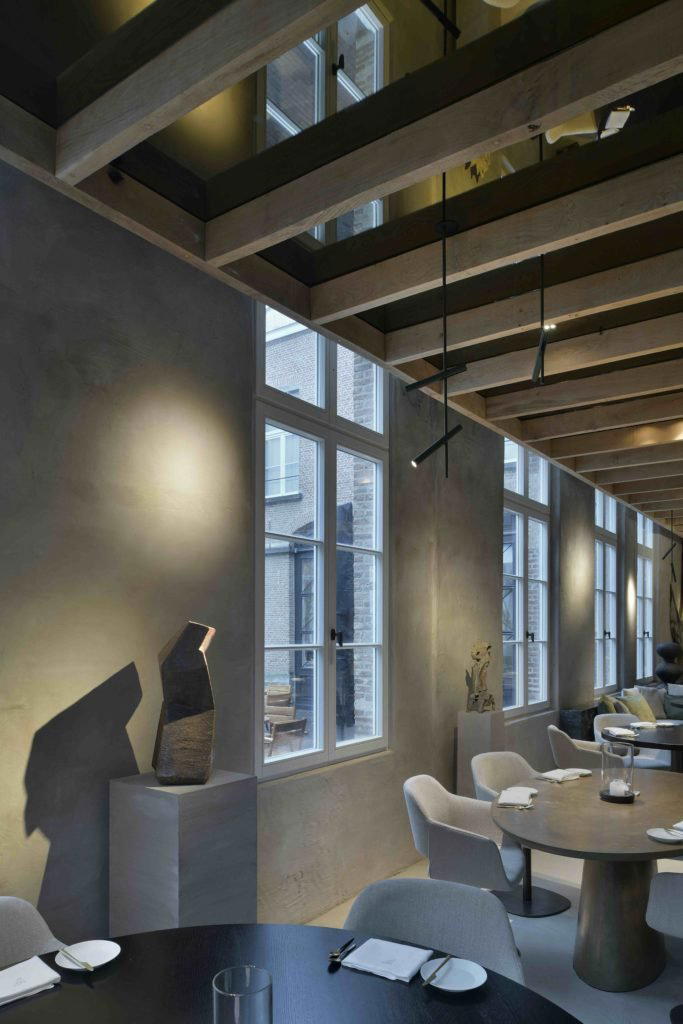
Details
- Modern
- Elegant
- Trendy
- Sophisticated
- Intimate
- Date Night
- Special Occasion
- Celebration
- Open Kitchen
- Courtyard
- Design Destination
- Chefs Counter
- Extensive Wine List
- Natural Wine
- Craft Cocktails
- Local Sourcing
- Sustainable Seafood
- Tasting Menu
- A La Carte
- Prix Fixe
- Natural Wine
- Craft Cocktails
- Sake
- Vegetarian Friendly
- Pescatarian Friendly
Current opening hours
- Monday
- Closed
- Tuesday
- Closed
- Wednesday
- 12–10 PM
- Thursday
- 12–10 PM
- Friday
- 12–10 PM
- Saturday
- 12–10 PM
- Sunday
- Closed
Hours can change for holidays and private events. Hours as of .
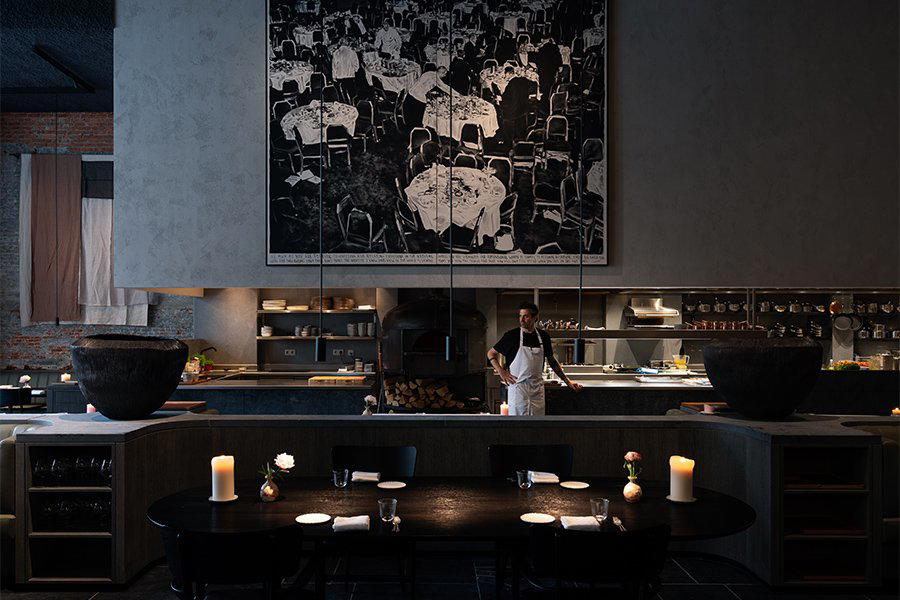
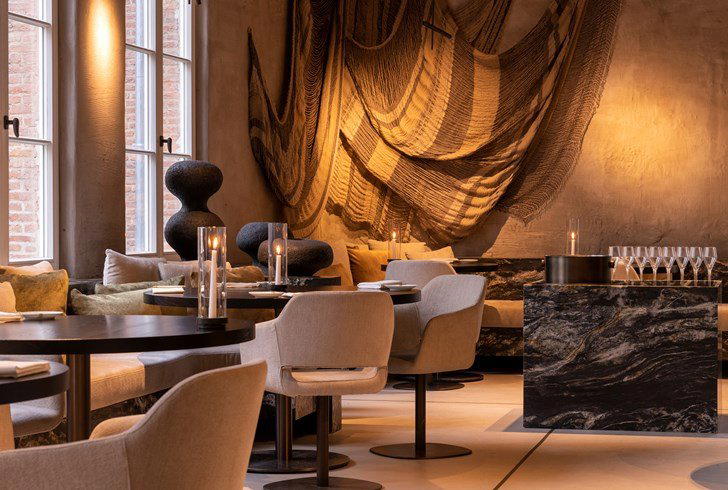
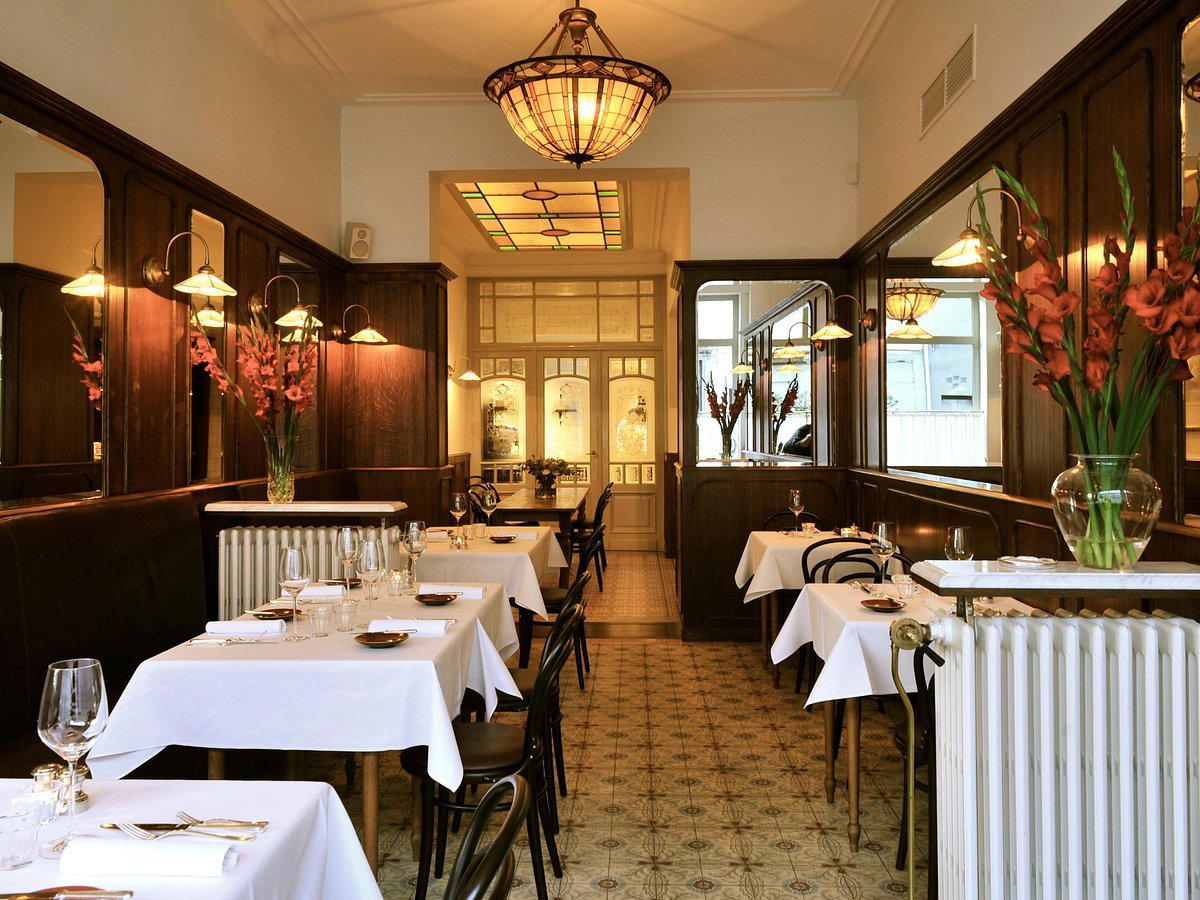
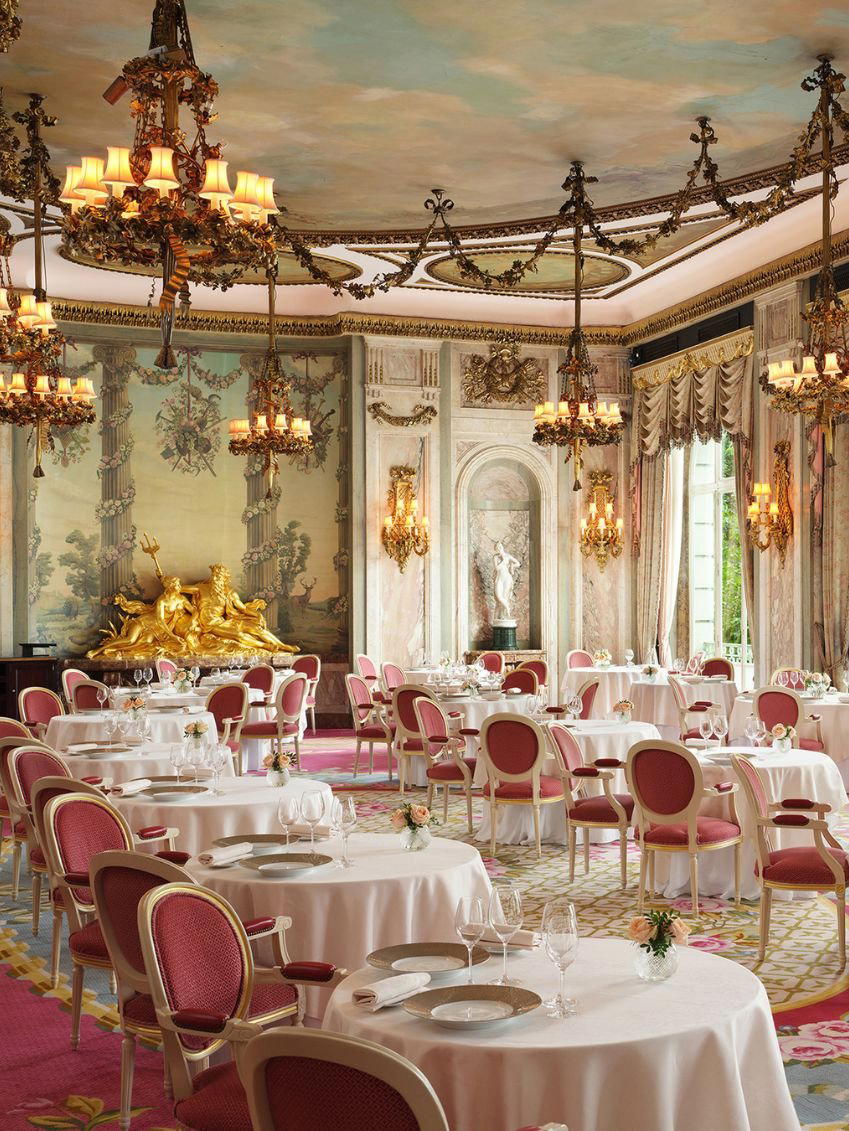
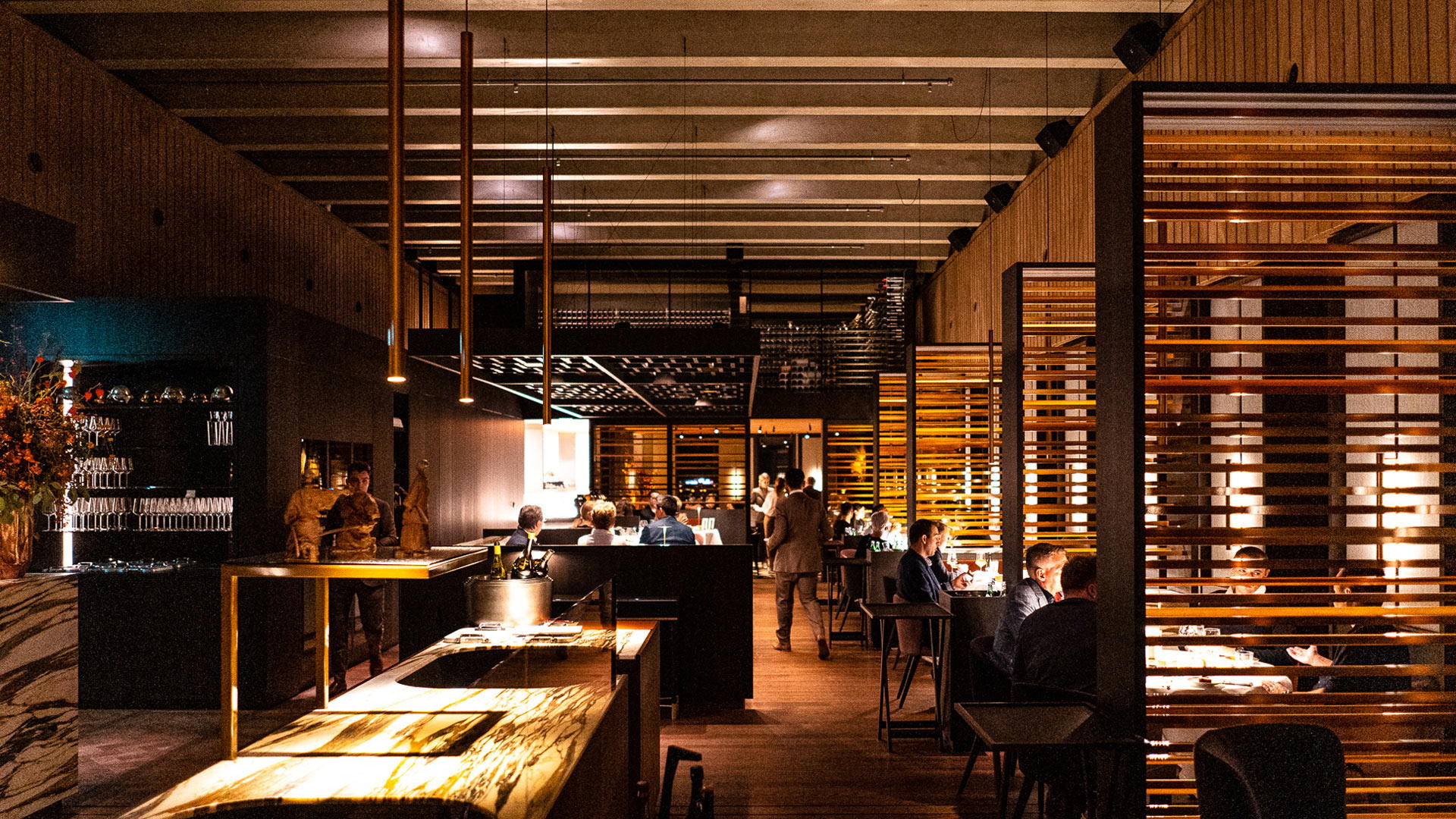
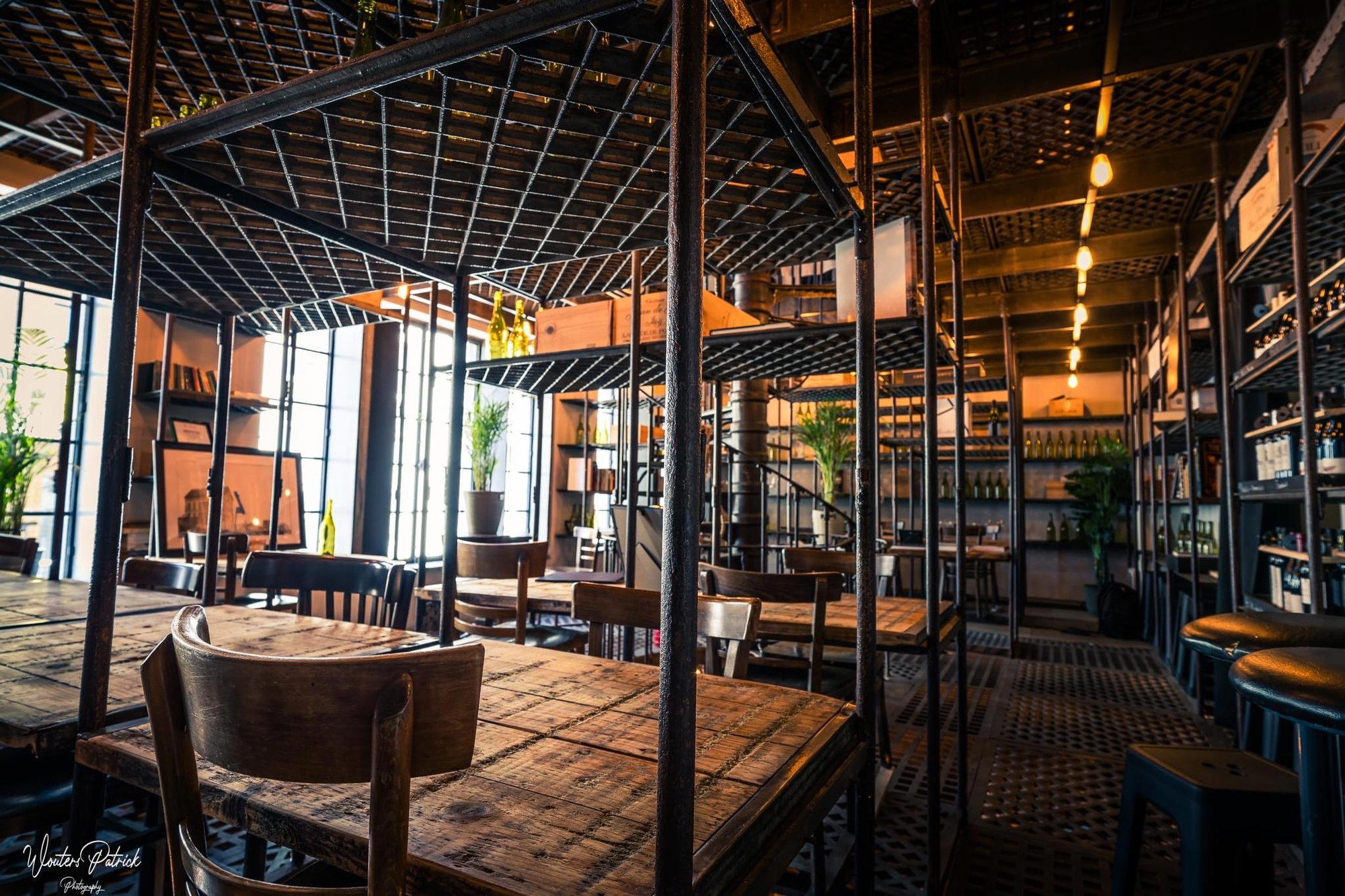
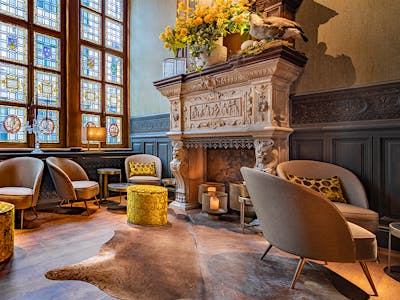
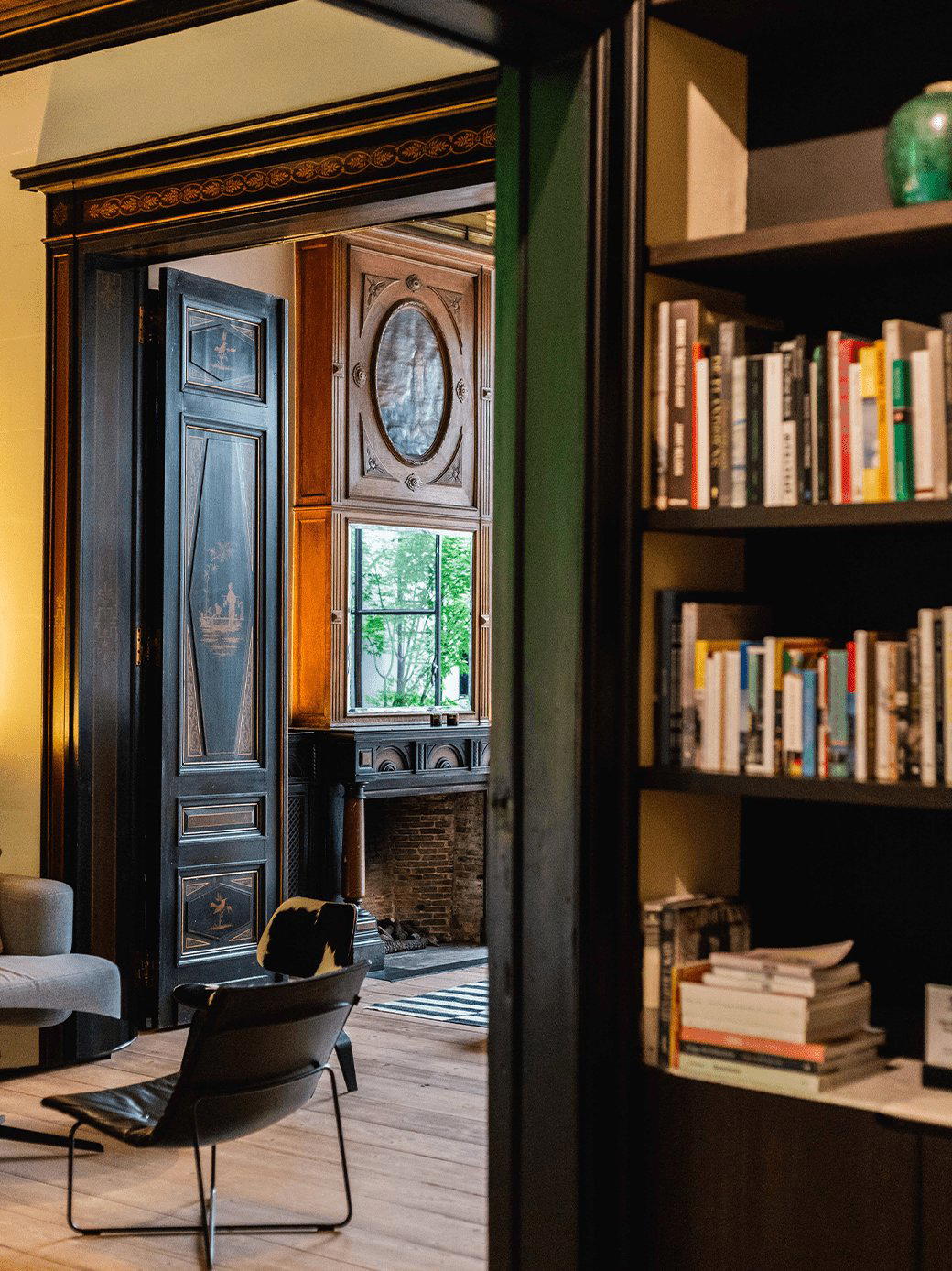
Upmarket neo-industrial-loft with high ceilings, polished service, and modish interior mixing designer and vintage details inspired by Flemish old masters; open kitchen allows diners to observe chefs at work.