






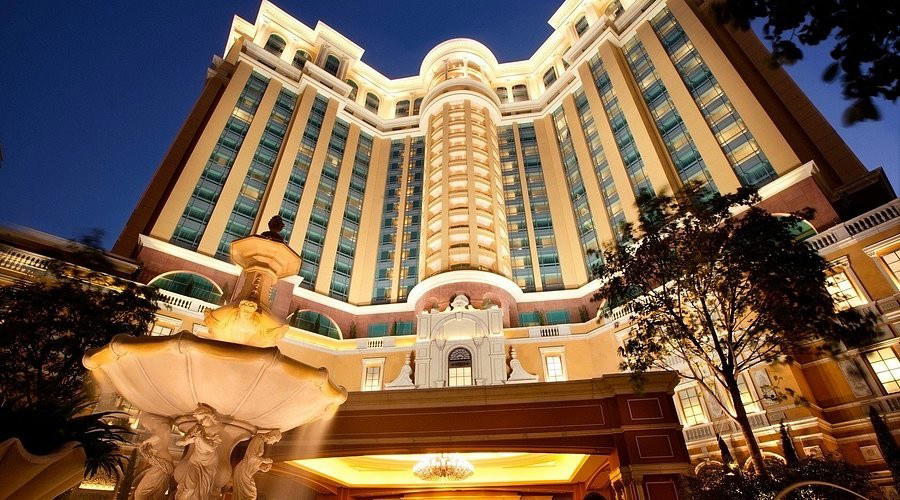
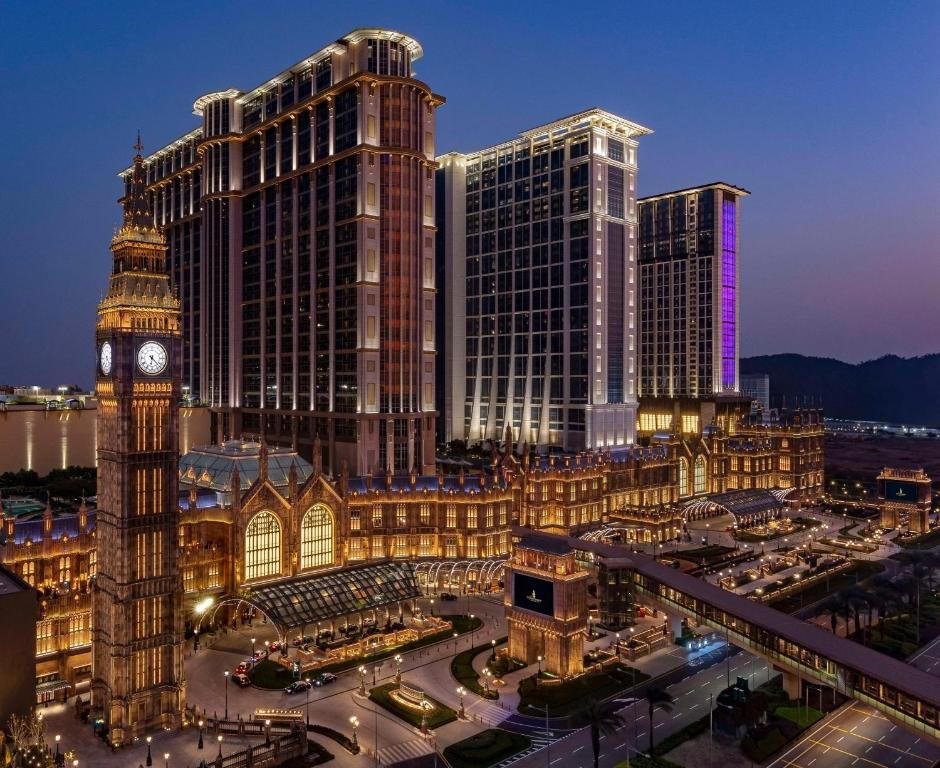
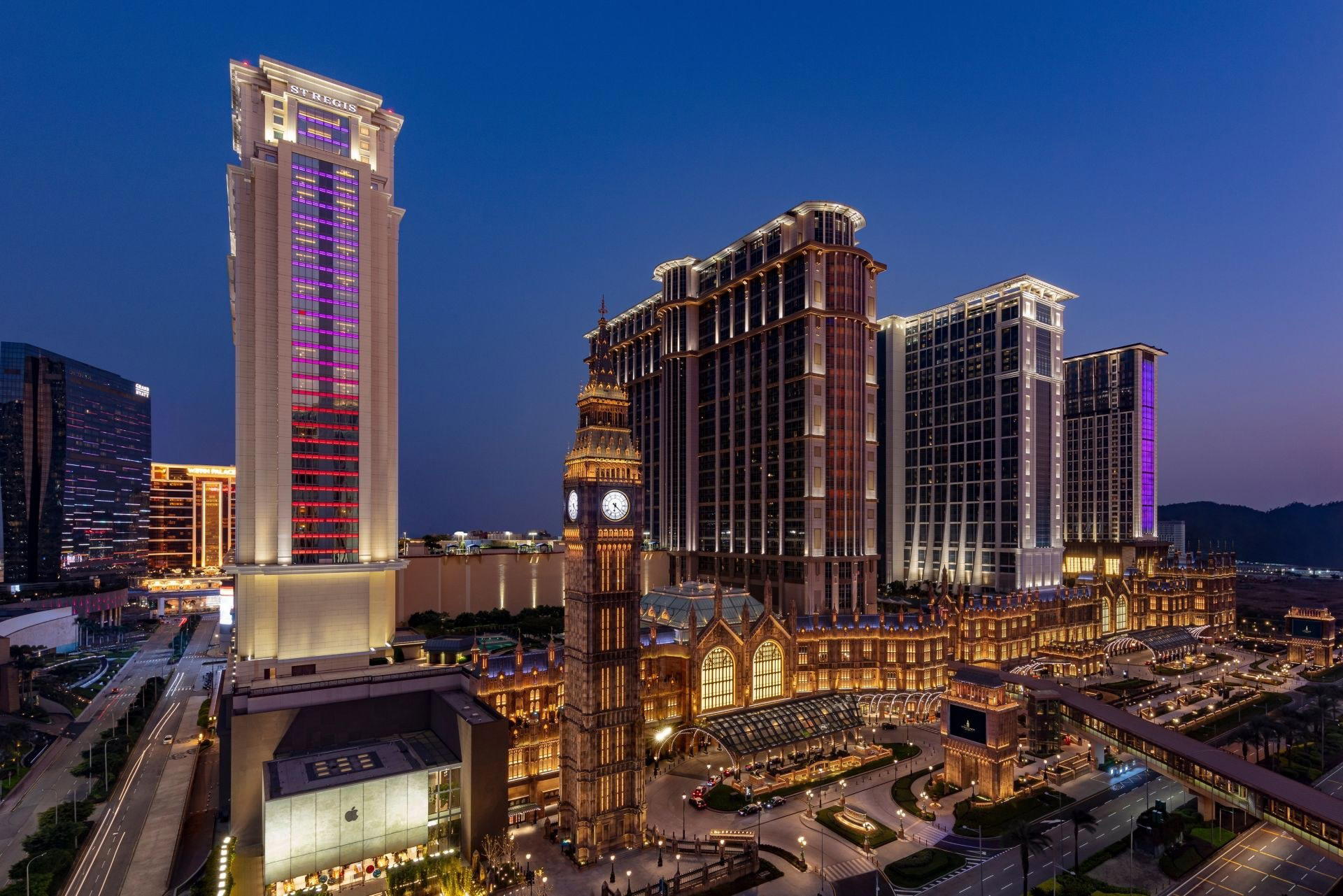
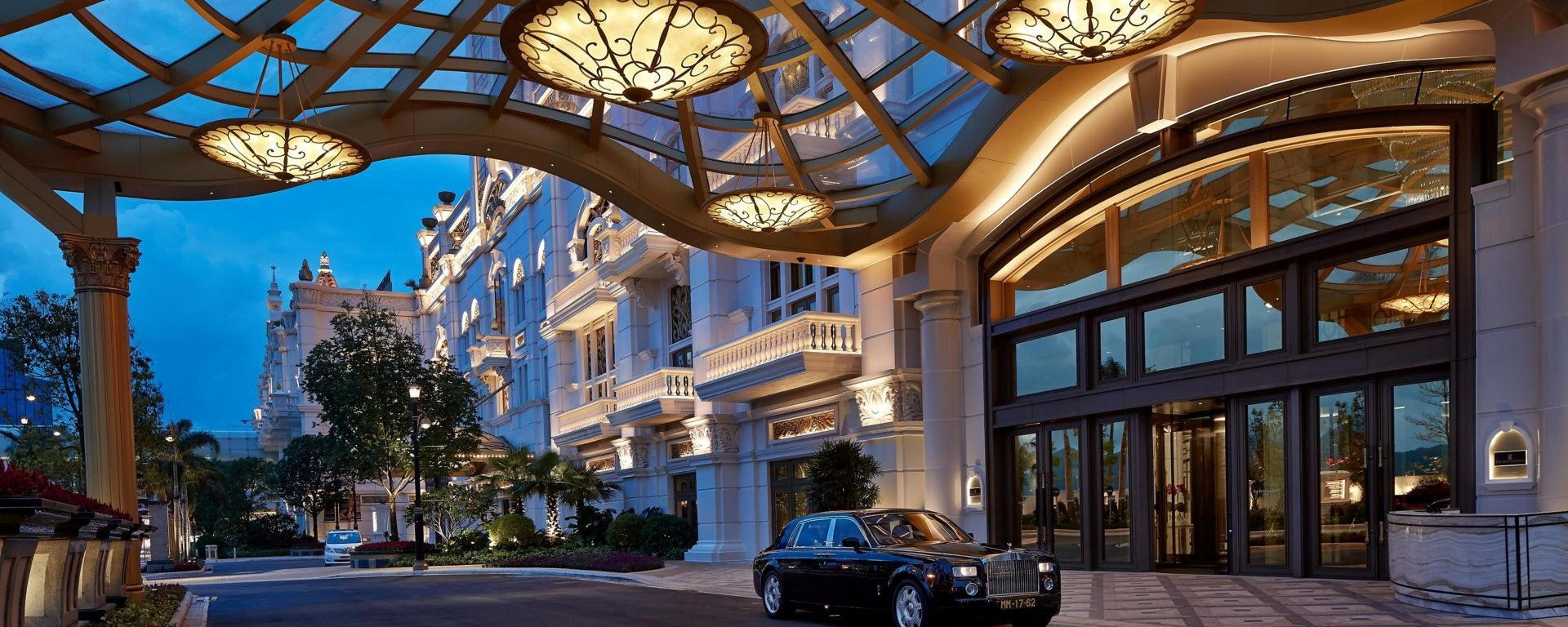
Inside the Four Seasons Hotel Macao on the Cotai Strip, Zi Yat Heen holds a Michelin star and Black Pearl Diamond recognition for Cantonese cooking that prizes ingredient quality over heavy seasoning. The wine list runs to 580 selections across 3,000 bottles, but the tea programme deserves equal attention, a fitting partner to cuisine rooted in the subtler registers of the Pearl River Delta tradition.
Pearl is the En Primeur Club membership app — saves, bookings, and concierge access live there. Same editors, same standards.
- Address
- Estrada da Baia de Nossa Senhora da Esperanca, Macao
- Phone
- +853 2881 8818
- Website
- ziyatheen.com
- Directions
- Get directions
 Saves & bookings on Pearl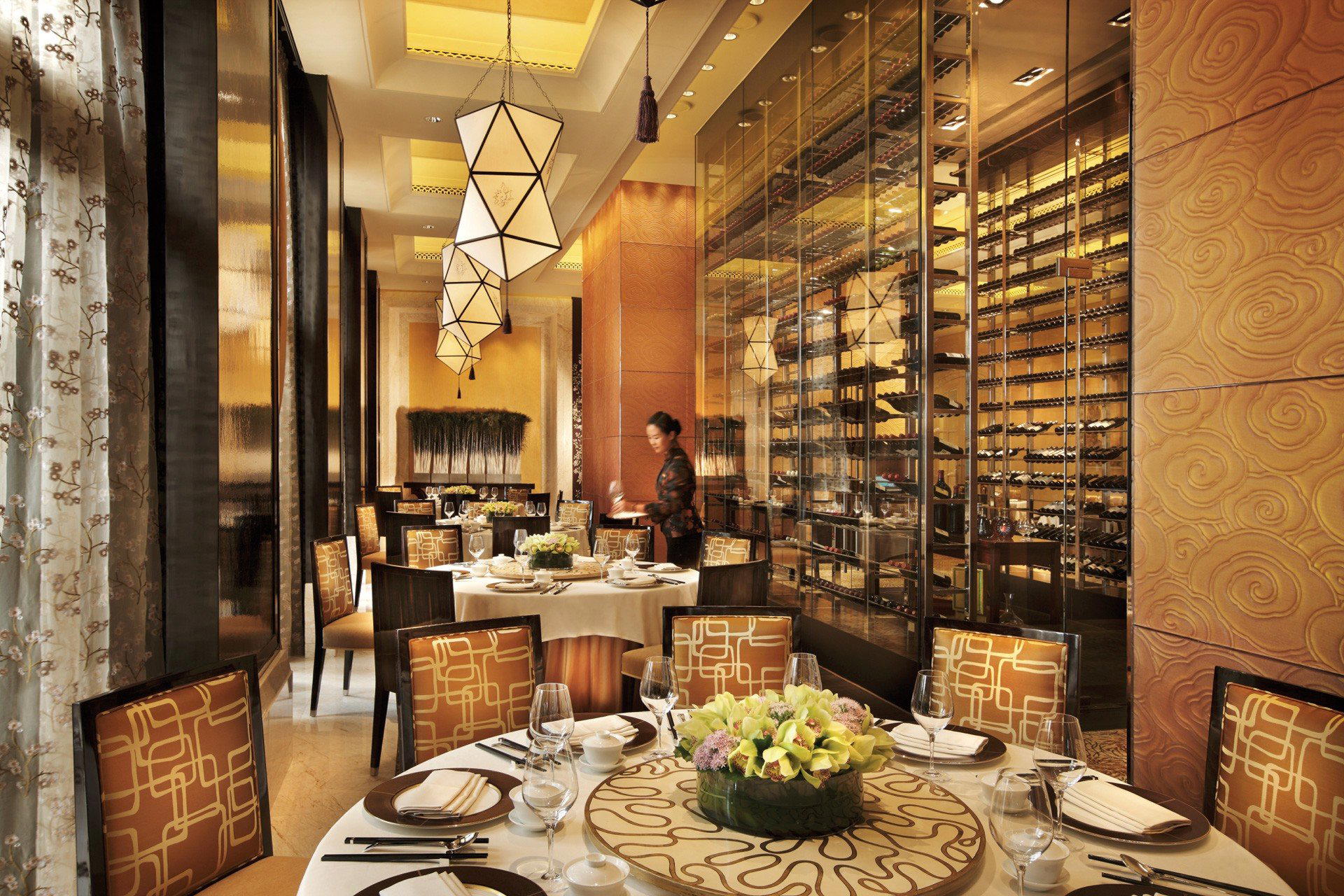
Gold, Ivory, and the Logic of Restraint
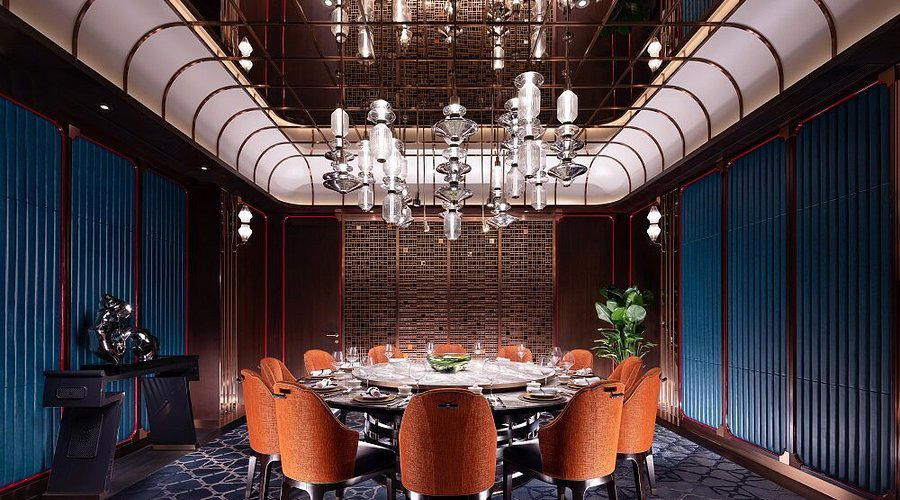
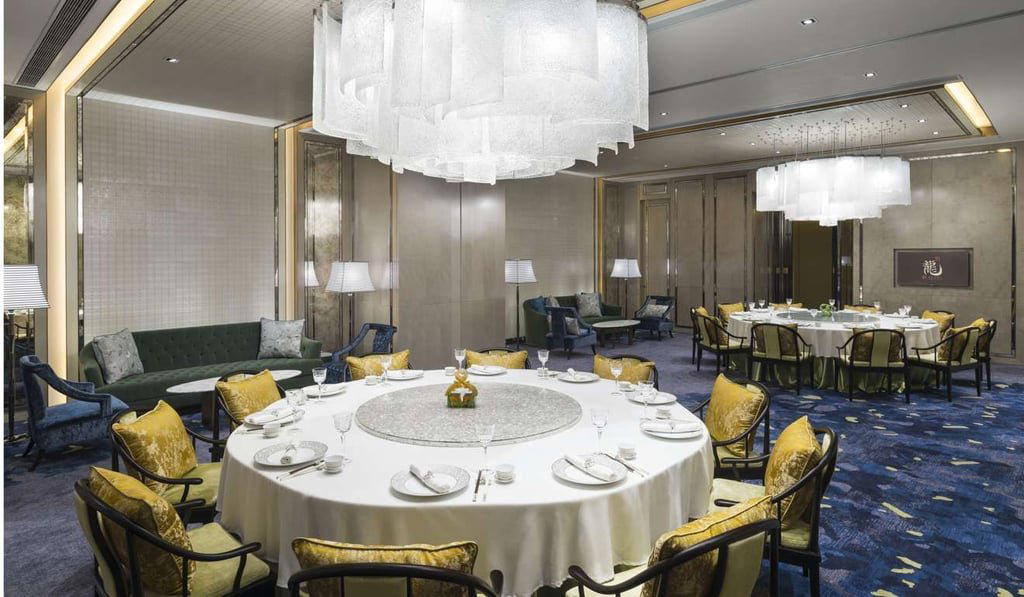
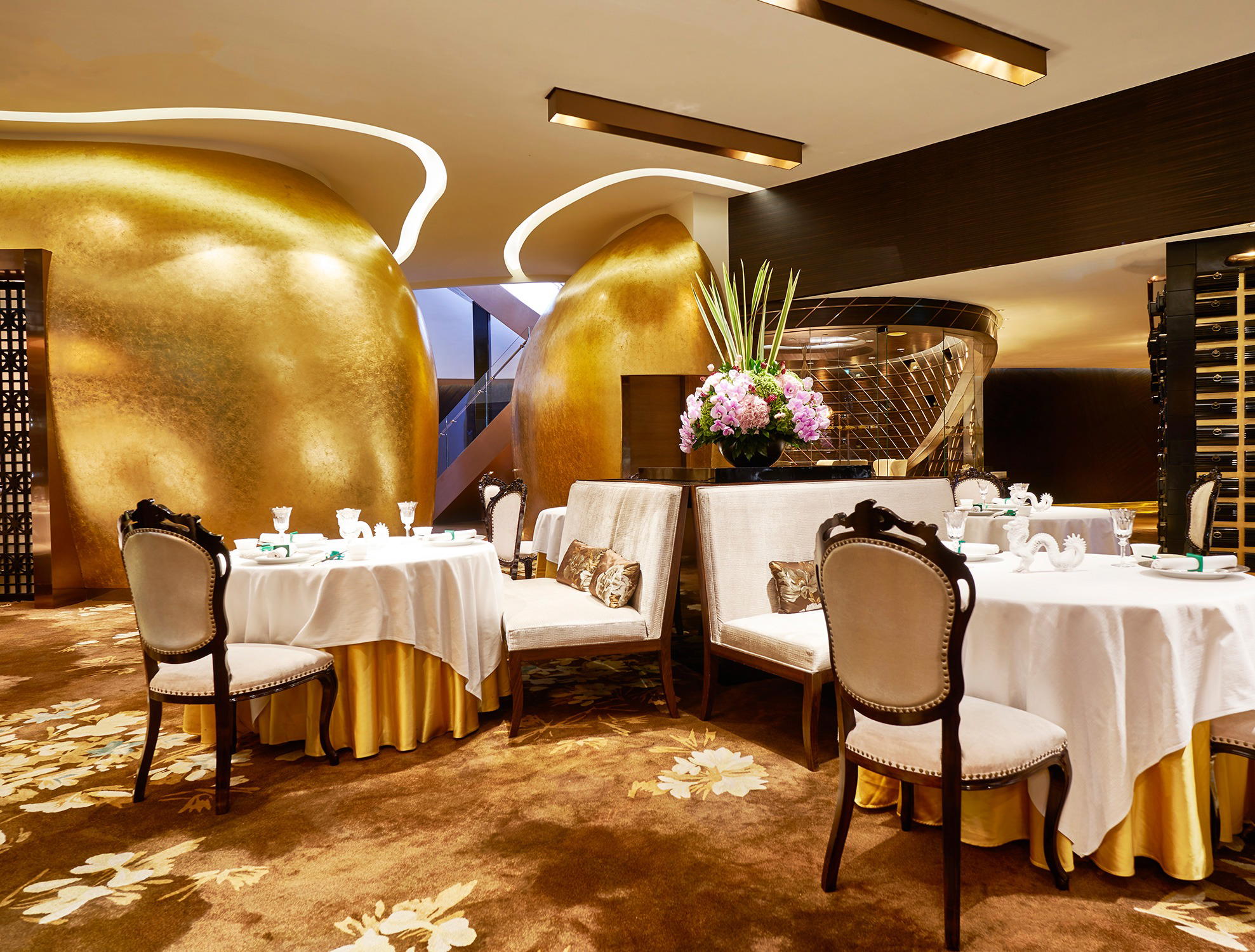
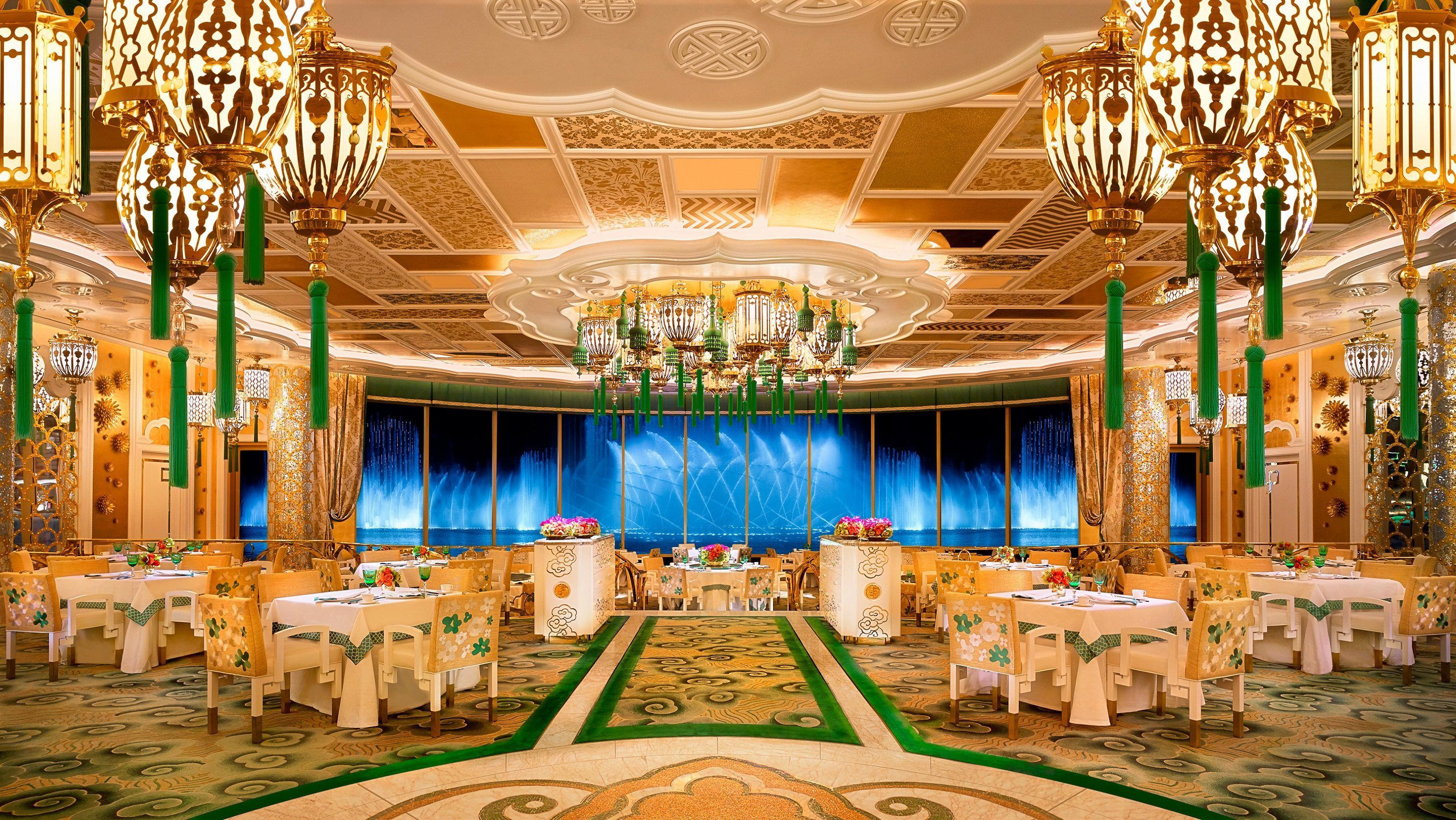
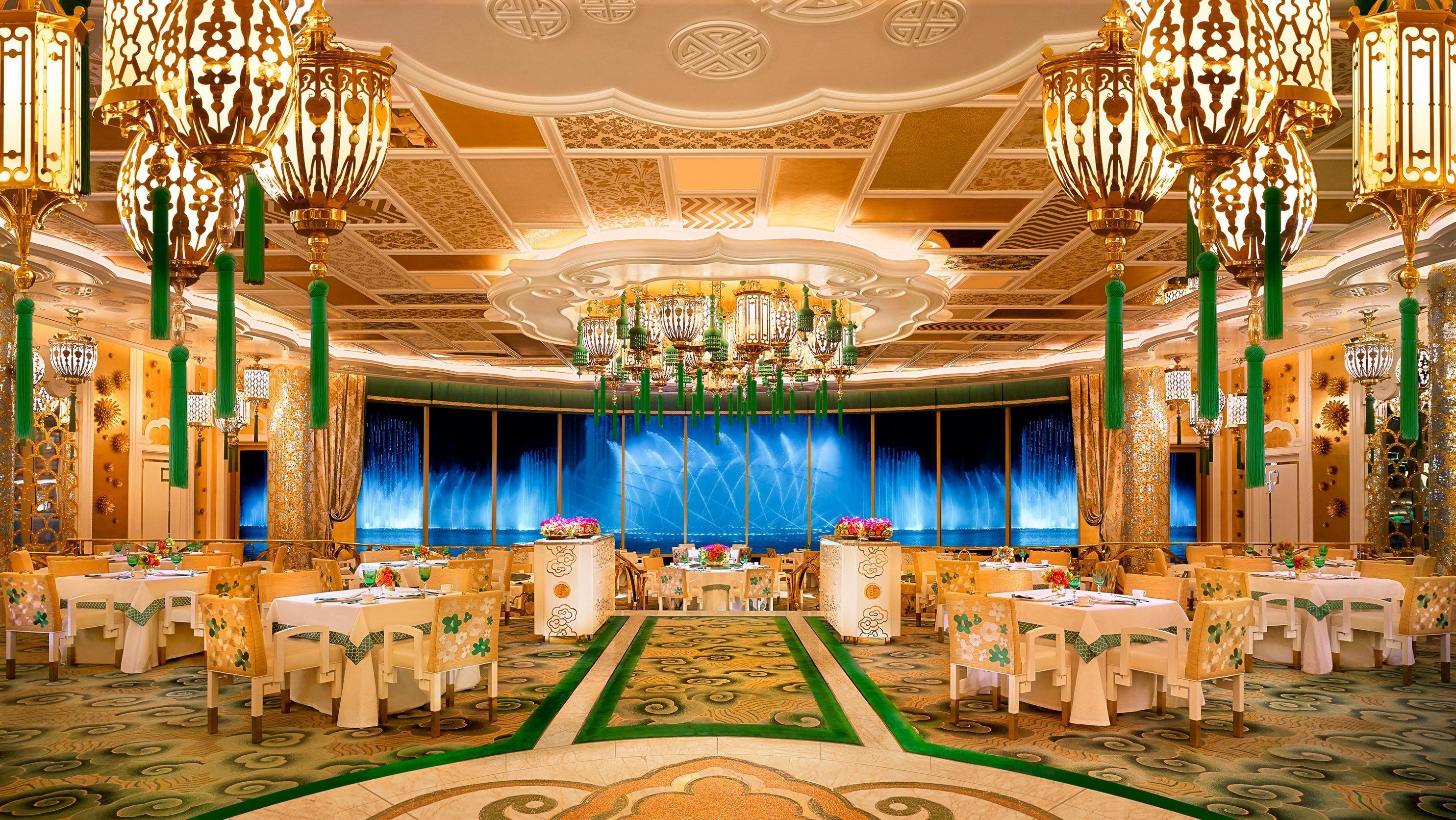
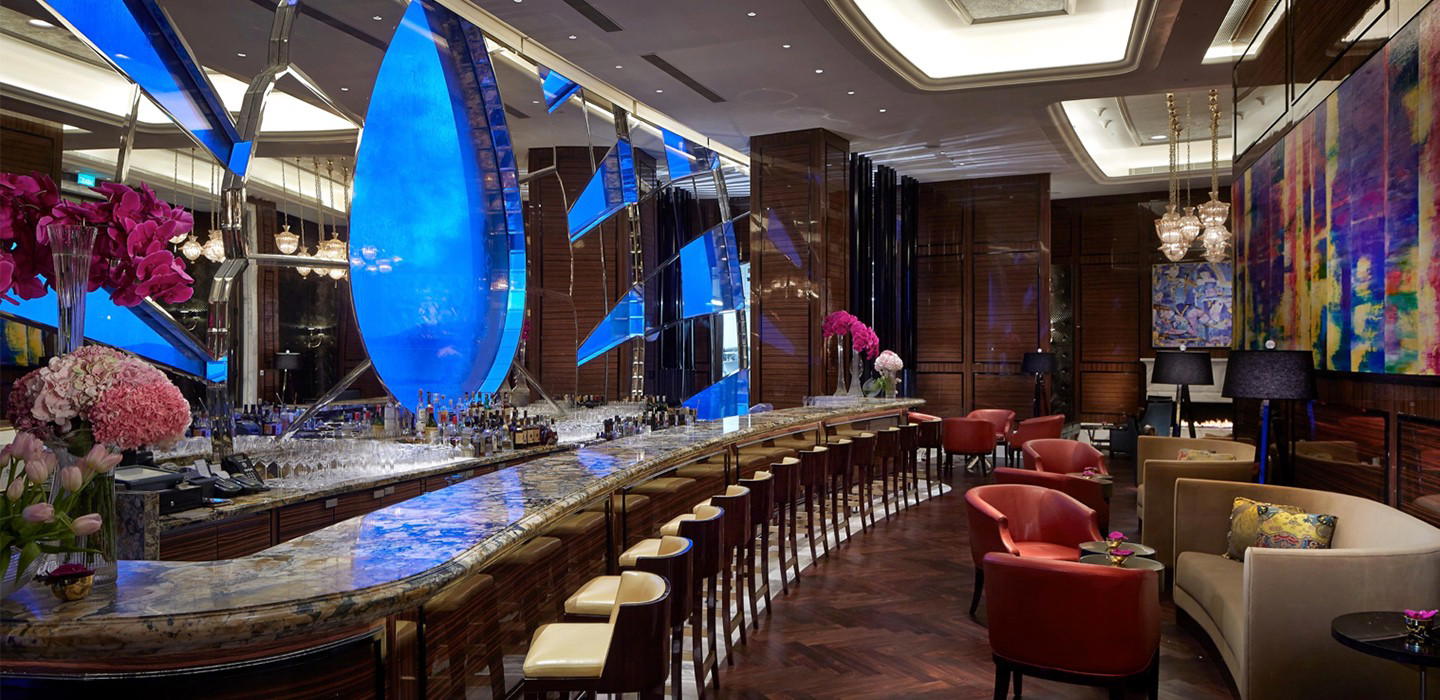
Macau's dining rooms tend to announce themselves loudly. The city's casino-resort model rewards spectacle, and most hotel restaurants on the Cotai Strip have absorbed that lesson into their design DNA. Zi Yat Heen is a Michelin-starred Cantonese restaurant in Macau, where the dining room is done in shades of gold and ivory, with deeply polished wood trim contrasting against pale panelled walls painted with Chinese landscape scenes. Lanterns cast warm light across tables set with white linens and silver-tipped chopsticks. The glass-clad wine cellar occupies the room's centre, visible from most seats. The effect is formal without being stiff, and the restraint in the décor turns out to be a signal about the cooking.
That tension between Macau's larger-than-life hospitality culture and a kitchen committed to measured technique is worth naming early, because it shapes everything that follows at this table. Zi Yat Heen earns its recognition, a Michelin star, precisely because it holds a different line.
The Tea Programme as a Framework for the Meal
Fine Cantonese dining has always had a more sophisticated relationship with tea than most Western diners expect. The tradition runs deeper than a pot of chrysanthemum served as a digestif. In serious Cantonese kitchens, the tea selection functions as a parallel menu: different varieties suit different moments in the meal, and a knowledgeable tea order can track the progression of flavours as closely as a wine pairing. At Zi Yat Heen, the menu of fine teas is presented as a genuine alternative to wine, not a lesser option for non-drinkers, but a considered choice for those who want to track the food's subtler registers without the interference of tannin or alcohol.
That framing matters given the kitchen's philosophy. Chef Charles Cheung's approach centres on reduced seasoning, allowing first-rate ingredients to carry a dish rather than burying them in sauce or spice. Delicate soups and carefully sourced seafood are particularly suited to this approach, and pairing them with tea rather than wine can sharpen the experience considerably. A light oolong, for instance, works with the kitchen's cleaner preparations in ways that even a well-chosen Burgundy might complicate. The tea menu is listed alongside the wine programme, and the front-of-house team, which includes sommeliers Kaleb Paw and Sergiu Ng under General Manager Vikram Reddy, is equipped to advise on both tracks.
This dual-programme approach places Zi Yat Heen in a specific position among Macau's Cantonese fine-dining options. Peer restaurants on the Cotai Strip, including Wing Lei and Pearl Dragon, operate with serious beverage programmes, but the explicit elevation of tea to parity with wine as a meal companion is a sharper editorial statement about what kind of dining experience the kitchen is trying to produce.
The Menu: Cantonese Classics and Selective Departures
The food at the restaurant is Cantonese in its orientation, with the kitchen's depth expressed through barbecue, seafood, soup, and traditional prestige products rather than fusion experimentation. Dim sum at Sunday lunch, which runs from 11:30 AM to 3:00 PM, features steamed shrimp dumplings and barbecued pork buns served from carts. The à la carte menu extends into territory that signals the kitchen's formal ambitions: bird's nest, abalone, and roasted Peking duck appear alongside a crispy crab claw with shrimp mousse and a coffee-sauced lamb chop that represents one of the kitchen's more deliberate departures from the Cantonese playbook.
Signature dishes are marked on the menu with an icon, which functions as useful navigation in a list that the inspector's notes describe as copious. For those working through the menu for the first time, the seasonal specialties offer another entry point. Tasting menus are available for larger occasions. The dessert selection includes chilled mango pudding and bird's nest with rock sugar, both consistent with the kitchen's emphasis on restrained technique applied to premium ingredients.
The Peking duck warrants a brief note: it appears on a Cantonese menu as an acknowledged departure, not a contradiction. Macau's dining culture sits at a confluence of Cantonese, Portuguese, and increasingly pan-Chinese influences, and a kitchen capable of sourcing and preparing Peking duck to the standard expected here is making a statement about range. Jade Dragon and Lai Heen represent other entry points in Macau's formal Chinese dining tier, while Chef Tam's Seasons operates at the city's most experimental end of the same spectrum.
The Wine List in Context
The wine programme at the restaurant is not incidental. The cellar holds 3,000 bottles across 580 selections, with strength concentrated in Bordeaux, Burgundy, France broadly, Portugal, Australia, and Italy. The list is priced at $$$, meaning many bottles exceed $100, and the corkage fee sits at $63 for those who bring their own. For a hotel restaurant inside a casino resort, the list's depth signals genuine investment in the beverage programme, not a default corporate wine card.
Interaction between a serious wine list and a serious tea programme is, at this level, relatively rare in Macau's fine-dining rooms. Both tracks are available to the same table on the same evening, and the kitchen's reduced-seasoning approach creates food that responds well to both. For those who want to compare, Cantonese fine-dining houses across the region that place similar emphasis on this balance include Forum in Hong Kong and, in a different register, Le Palais in Taipei. For the broader China context, Imperial Treasure Fine Chinese Cuisine in Guangzhou and Dai Yuet Heen in Nanjing offer useful regional comparisons, while Xin Rong Ji in Beijing, 102 House in Shanghai, Ru Yuan in Hangzhou, and Xin Rong Ji in Chengdu illustrate how premium Chinese dining is differentiating across the mainland.
Planning a Visit
The restaurant operates at the Four Seasons Hotel Macao on the Cotai Strip, open every day for both lunch and dinner. Weekday and Saturday lunch runs from noon to 2:30 PM; Sunday lunch extends from 11:30 AM to 3:00 PM, which is the window for the dim sum cart service. Dinner runs from 6:00 PM to 10:30 PM seven days a week. The dress code is smart casual, and men are advised against shorts, sleeveless shirts, or open shoes. Reservations are strongly advised for either session.
For those building a broader Macau itinerary, the full guides to Macau restaurants, Macau hotels, Macau bars, Macau wineries, and Macau experiences provide broader orientation across the city's hospitality options.
What to Order at Zi Yat Heen
What's the leading thing to order at Zi Yat Heen?
The kitchen's signature dishes are flagged directly on the menu, and that list is worth prioritising on a first visit. The crispy crab claw with shrimp mousse and the trademark crispy chicken appear consistently in inspector notes as expressions of the kitchen's core technique. For the full arc of a Cantonese fine-dining meal, a combination of barbecue items, a seafood preparation, one of the traditional prestige ingredients (abalone or bird's nest), and the dessert sampler covers the kitchen's range. At Sunday lunch, the dim sum cart service is one direct way to assess the kitchen's precision at the foundational level. The Michelin star confirms that the awards are attached to the cooking rather than the hotel address alone. Chef Anthony Ho's approach to seasoning means the tea programme is not an afterthought here: ordering from the fine tea menu alongside food-forward dishes will sharpen the experience in ways that repay the attention.
Peers You’d Cross-Shop
Comparable venues nearby, for context on price, style, and recognition.
| Venue | Cuisine | Price | Notes |
|---|---|---|---|
| Zi Yat HeenThis venue — the venue you are viewing | Cantonese Cuisine | $$$ | Not listed |
| Aji | Asian Bistronomy (Nikkei Fusion) | $$$$ | Cotai |
| Five Foot Road | Modern Sichuan Fine Dining | $$$$ | Cotai |
| Sushi Kinetsu | Edomae Omakase Sushi | $$$$ | Cotai |
| Sushi Kissho by Miyakawa | Edomae-Style Omakase | $$$$ | Cotai |
| Ying | Cantonese | $$$ | Macau |
Recognition history
Dated appearances from independent guides and award organizations, with the underlying list record or original source where available.
Black Pearl 1 Diamond
Black Pearl
Forbes 5-Star
Forbes
La Liste Top Restaurants
La Liste
Michelin 1 Star
Michelin
Opinionated About Dining Top Restaurants in Asia Recommended
Opinionated About Dining
SCMP 100 Top Tables Restaurants
SCMP 100 Top Tables
Wine Spectator Best of Award of Excellence
Wine Spectator
Black Pearl 1 Diamond
Black Pearl
Forbes 5-Star
Forbes
La Liste Top Restaurants
La Liste
Michelin 1 Star
Michelin
Opinionated About Dining Top Restaurants in Asia Ranked #260
Opinionated About Dining
Wine Spectator Best of Award of Excellence
Wine Spectator
Michelin 1 Star
Michelin
Opinionated About Dining Top Restaurants in Asia Ranked #226
Opinionated About Dining
Opinionated About Dining Top Restaurants in Asia Highly Recommended
Opinionated About Dining
At a Glance
- Elegant
- Sophisticated
- Classic
- Intimate
- Date Night
- Business Dinner
- Celebration
- Special Occasion
- Wine Cellar
- Private Dining
- Hotel Restaurant
- Extensive Wine List
- Sommelier Led
Current opening hours
- Monday
- 12–2:30 PM, 6–10:30 PM
- Tuesday
- 12–2:30 PM, 6–10:30 PM
- Wednesday
- 12–2:30 PM, 6–10:30 PM
- Thursday
- 12–2:30 PM, 6–10:30 PM
- Friday
- 12–2:30 PM, 6–10:30 PM
- Saturday
- 12–2:30 PM, 6–10:30 PM
- Sunday
- 11:30 AM–3 PM, 6–10:30 PM
Hours can change for holidays and private events. Last verified .
Elegant and intimate fine-dining atmosphere with a polished, upscale feel.