



1 Michelin Star · La Liste Top Restaurants · Forbes 5-Star
Our verdict
Pearl Dragon holds a Michelin star and a La Liste score of 91 points (2025) at Studio City Macau, placing it among the territory's more decorated Cantonese addresses. Chef Otto Wong Wai Ho works within a format that pairs refined Cantonese cooking with a wine list of 6,000 bottles and a tea programme spanning over 50 premium selections, including aged pu'er. Lunch dim sum and à la carte dinners run seven days a week.

Pearl is the En Primeur Club membership app — saves, bookings, and concierge access live there. Same editors, same standards.
- Address
- Shop 2111, 1 Estr. Flor de Lótus, Macao
- Phone
- +853 8865 6560
- Hours
- Daily 12–2:30 PM, 6–10 PM
- Website
- studiocity-macau.com
- Directions
- Get directions
- Booking
- Book on the venue's website
The menu
What to order
- Siu mai with abalone
- Lychee wood barbecue
- Stir-fried Brittany lobster
Cantonese Dining in Cotai: Where Technique Meets Contemporary Format
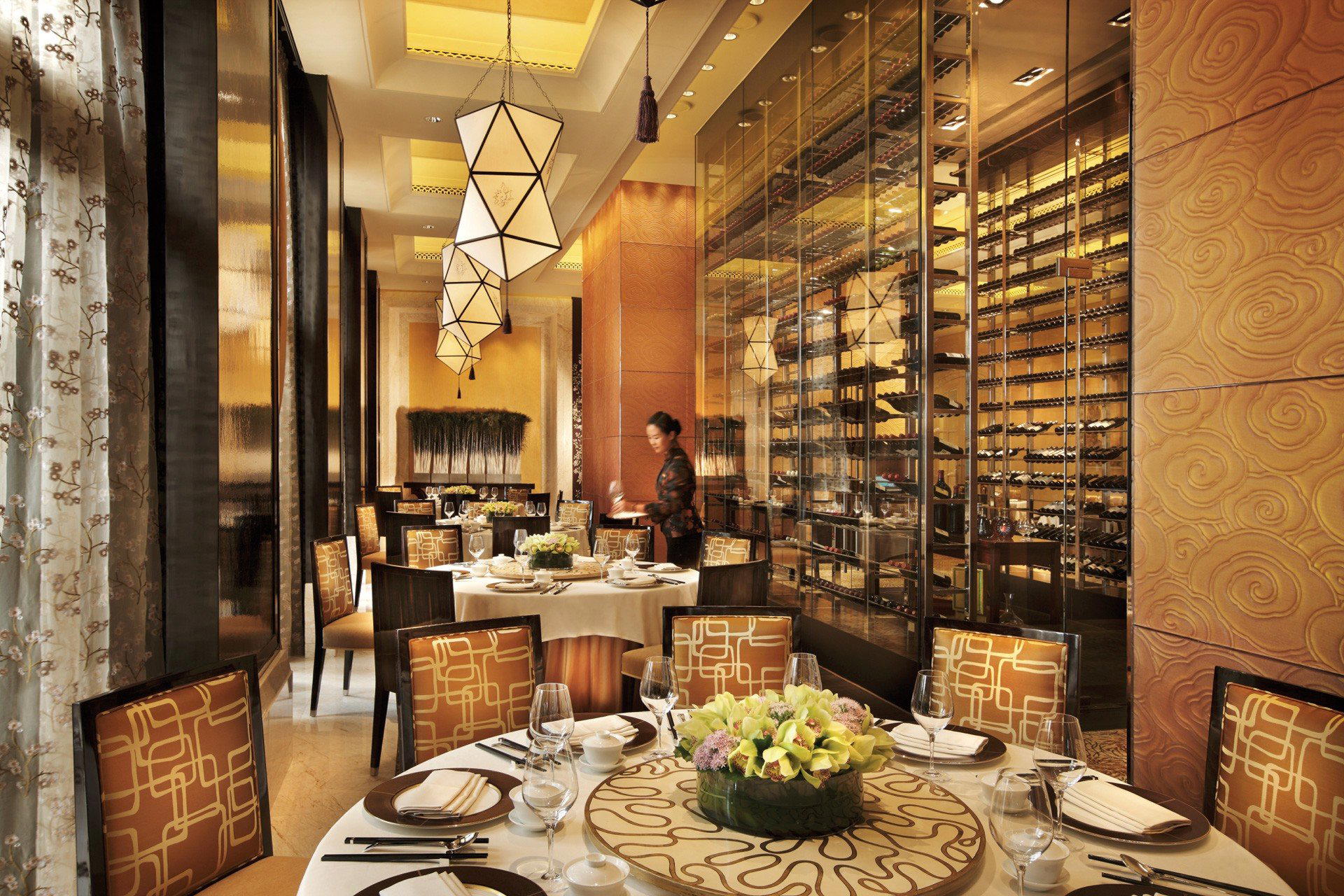
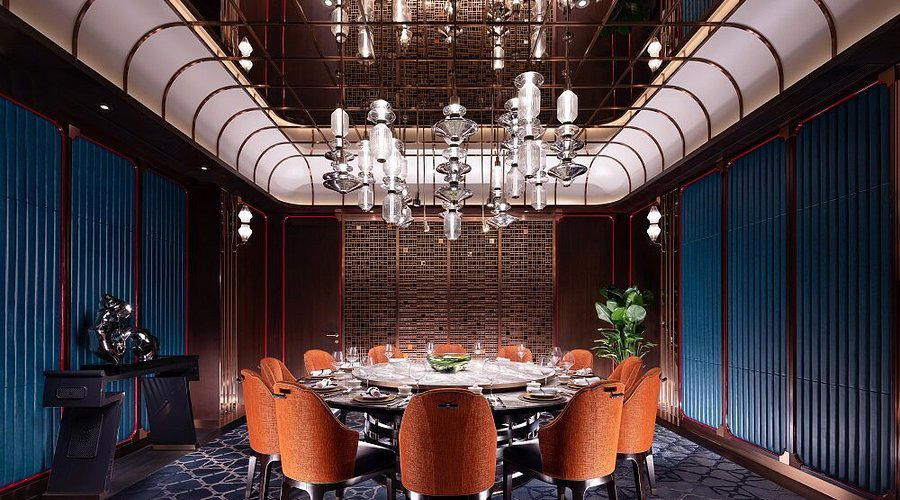
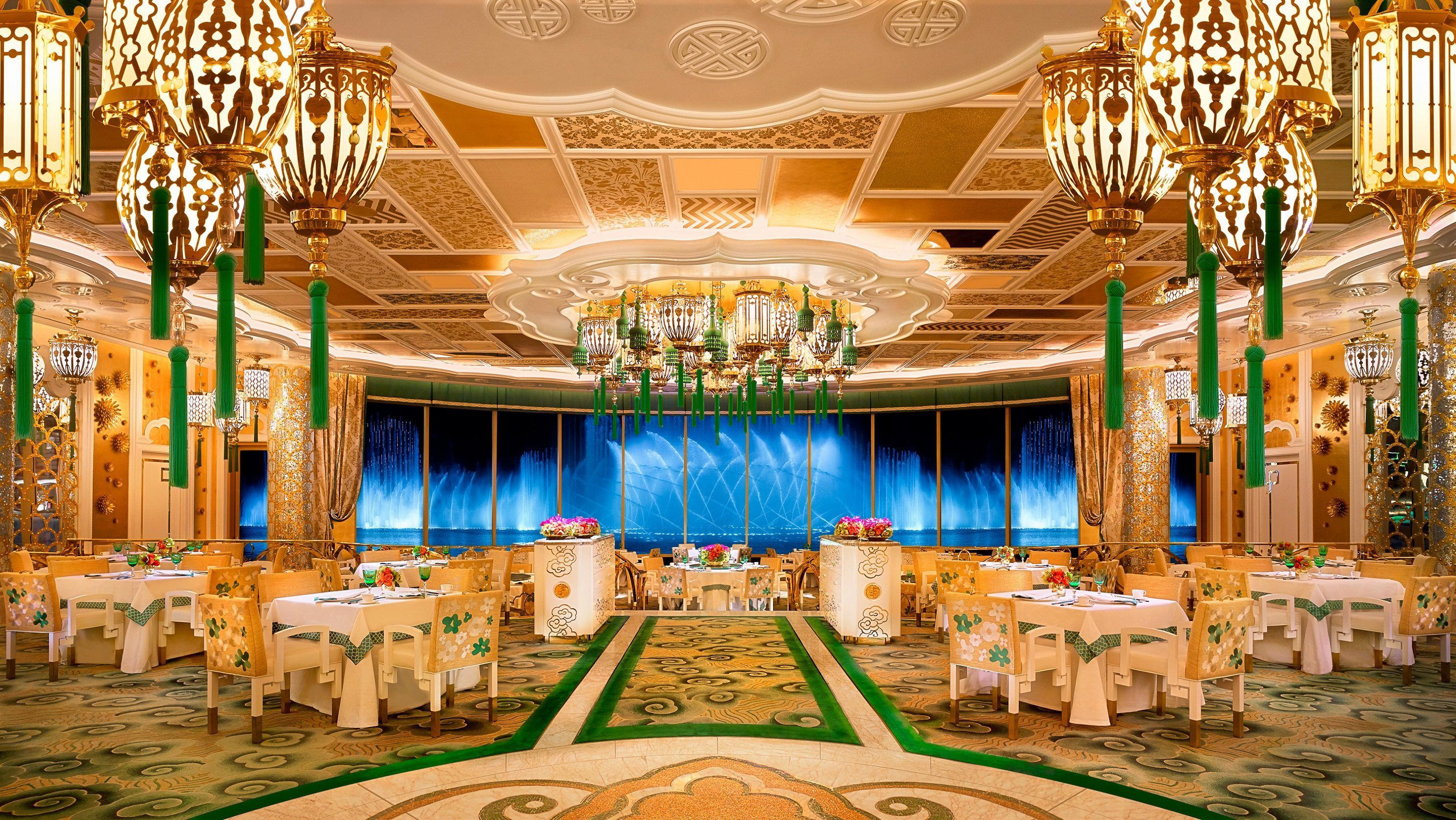
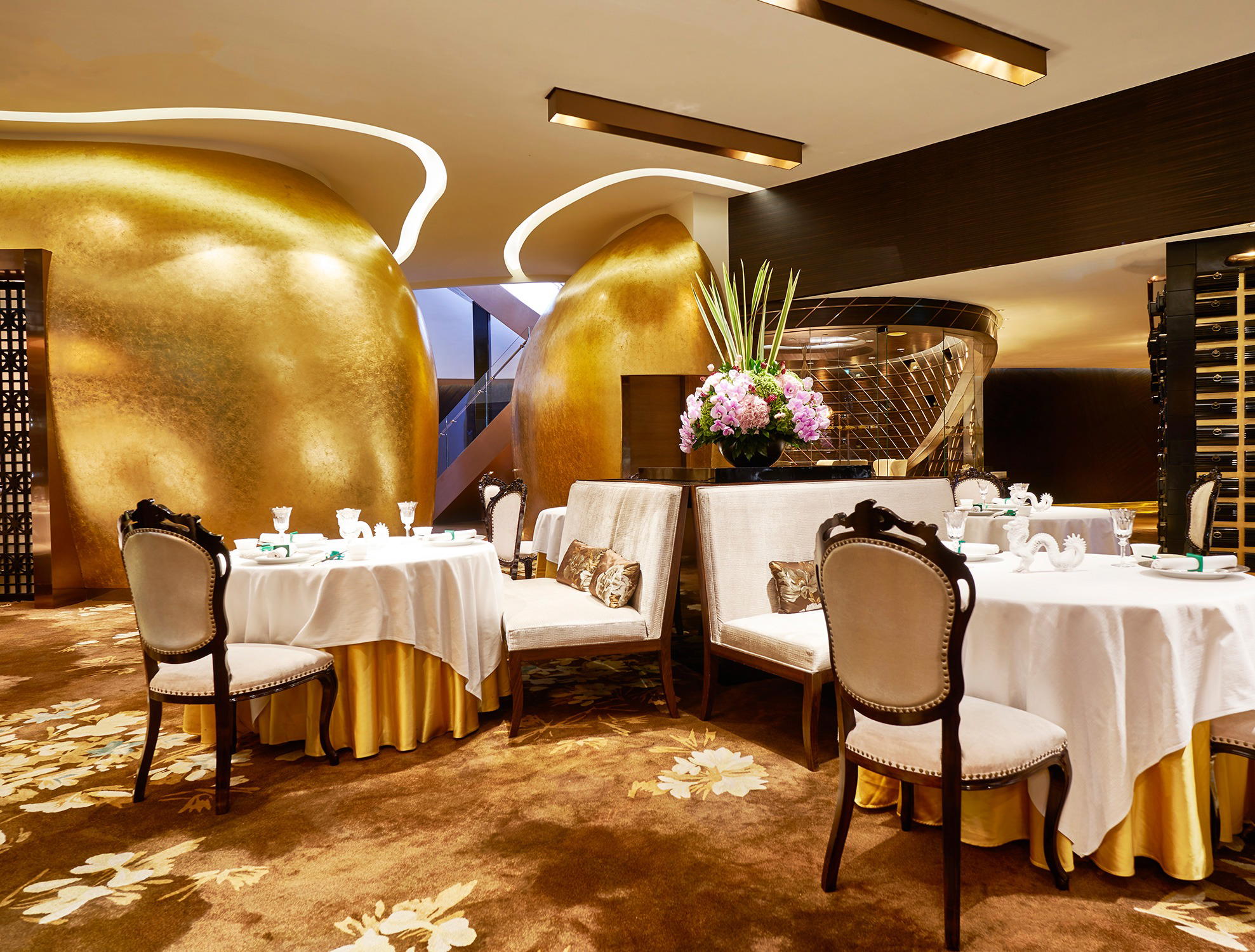
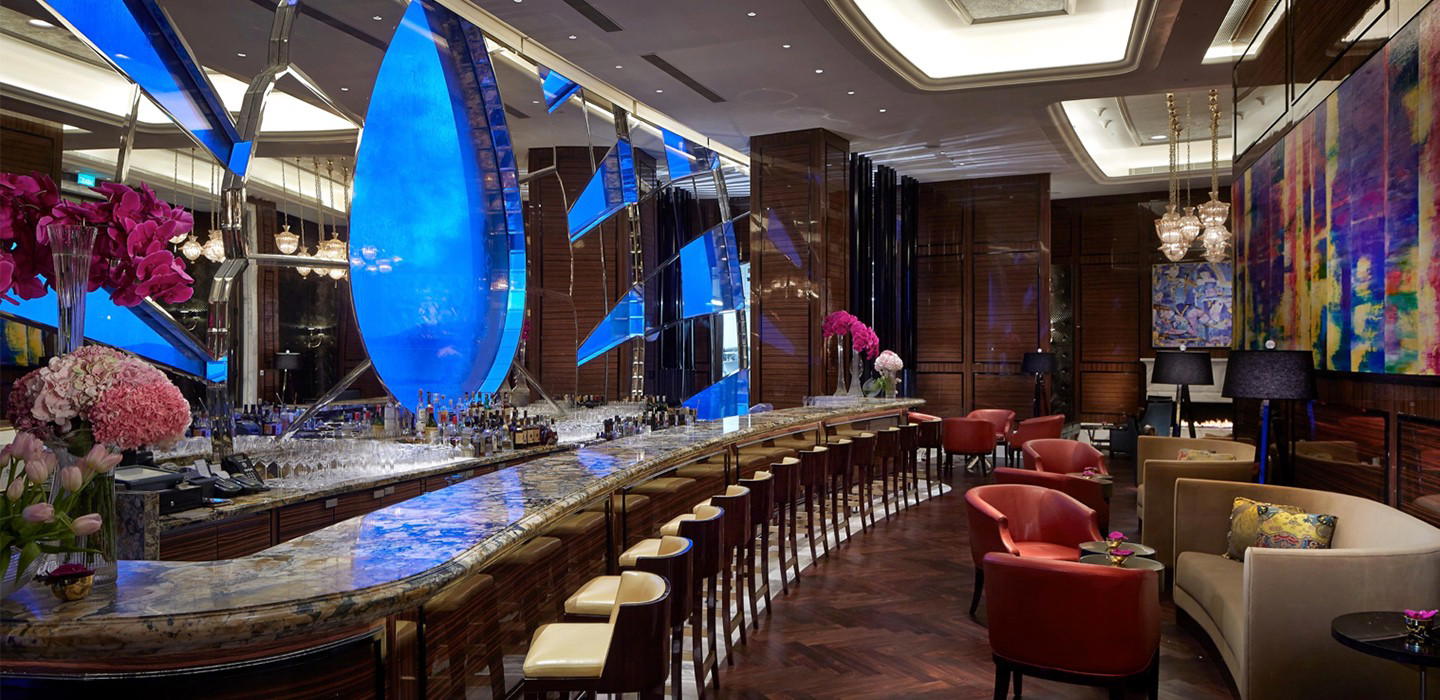
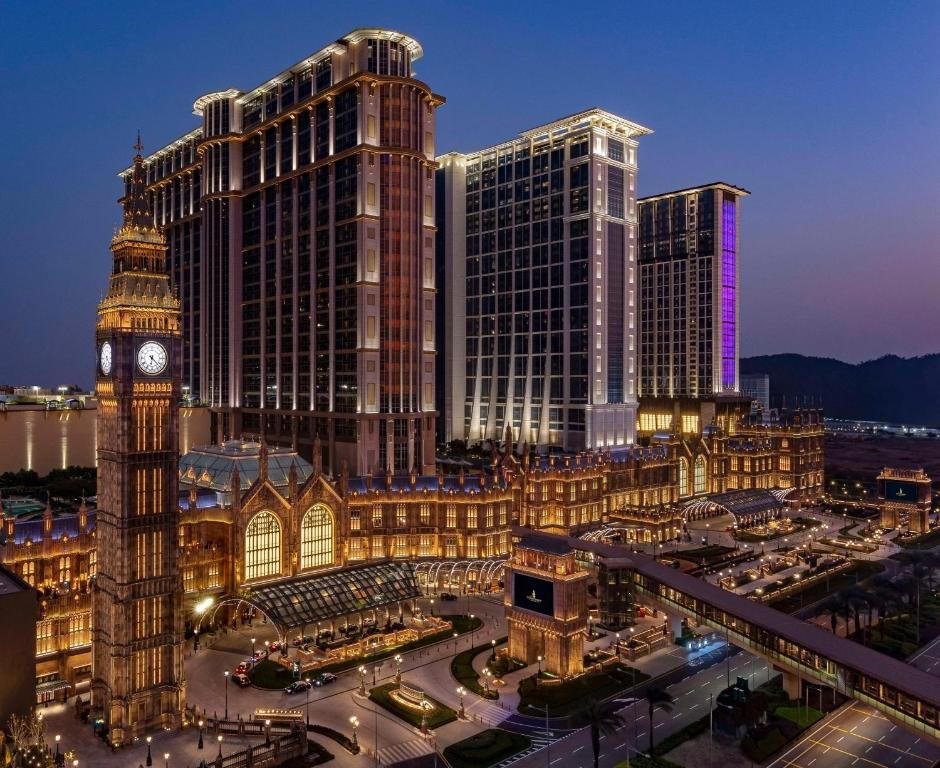
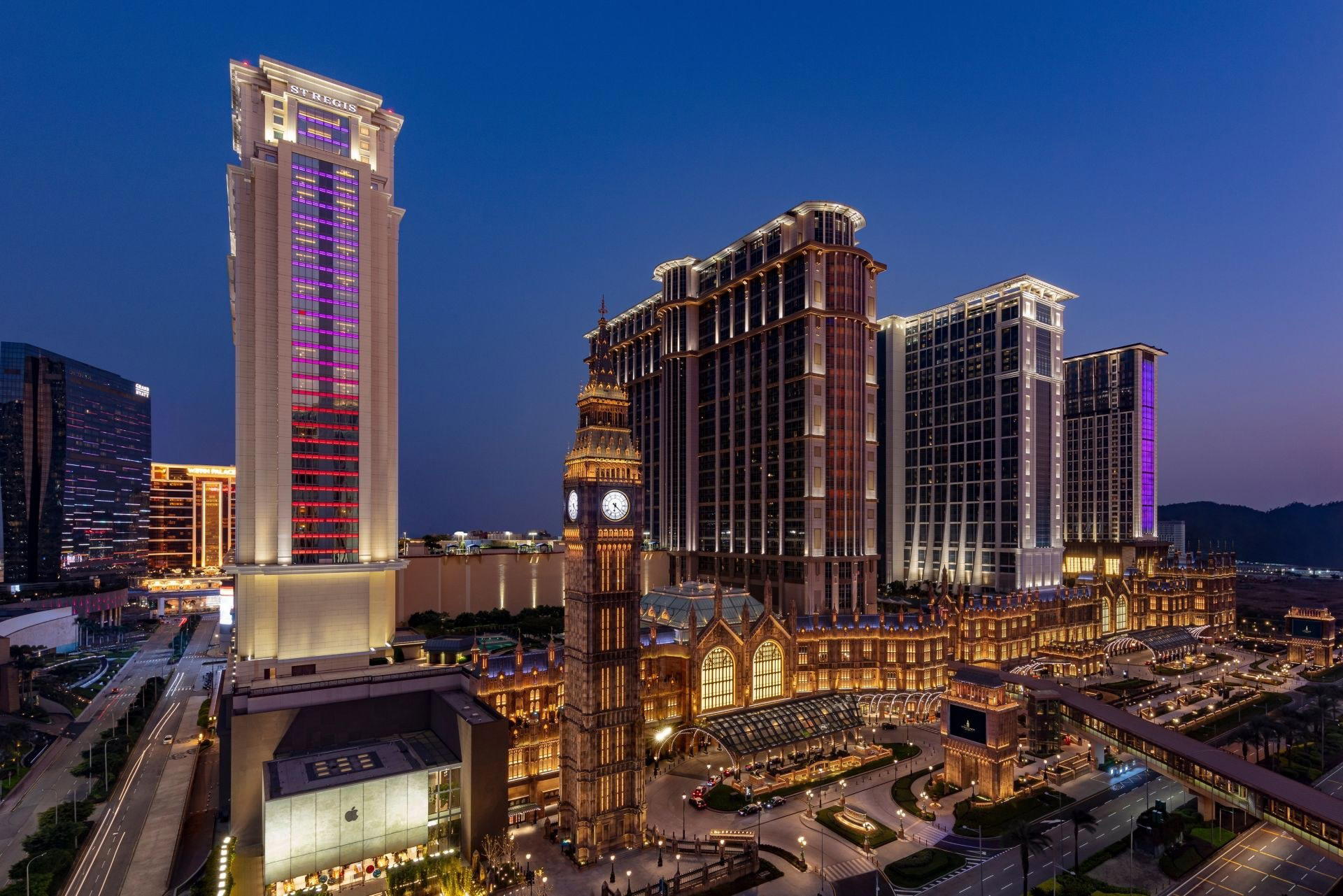
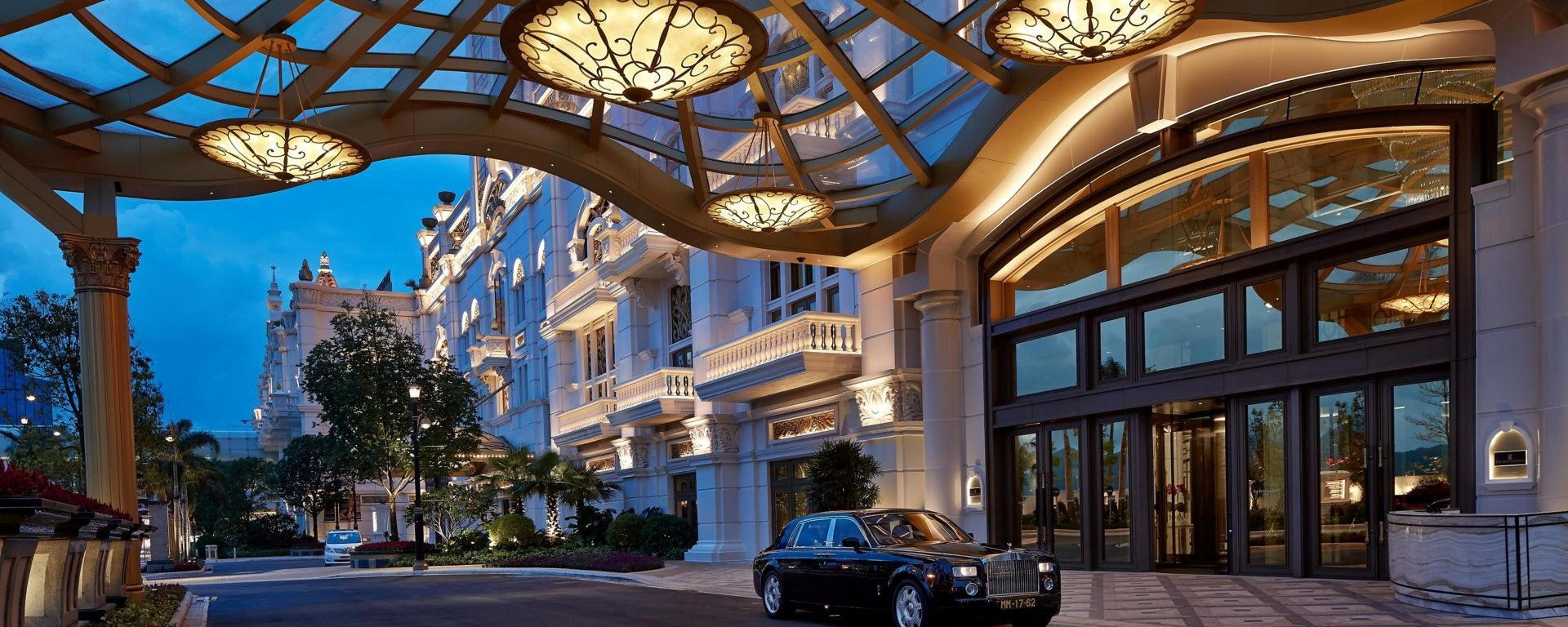
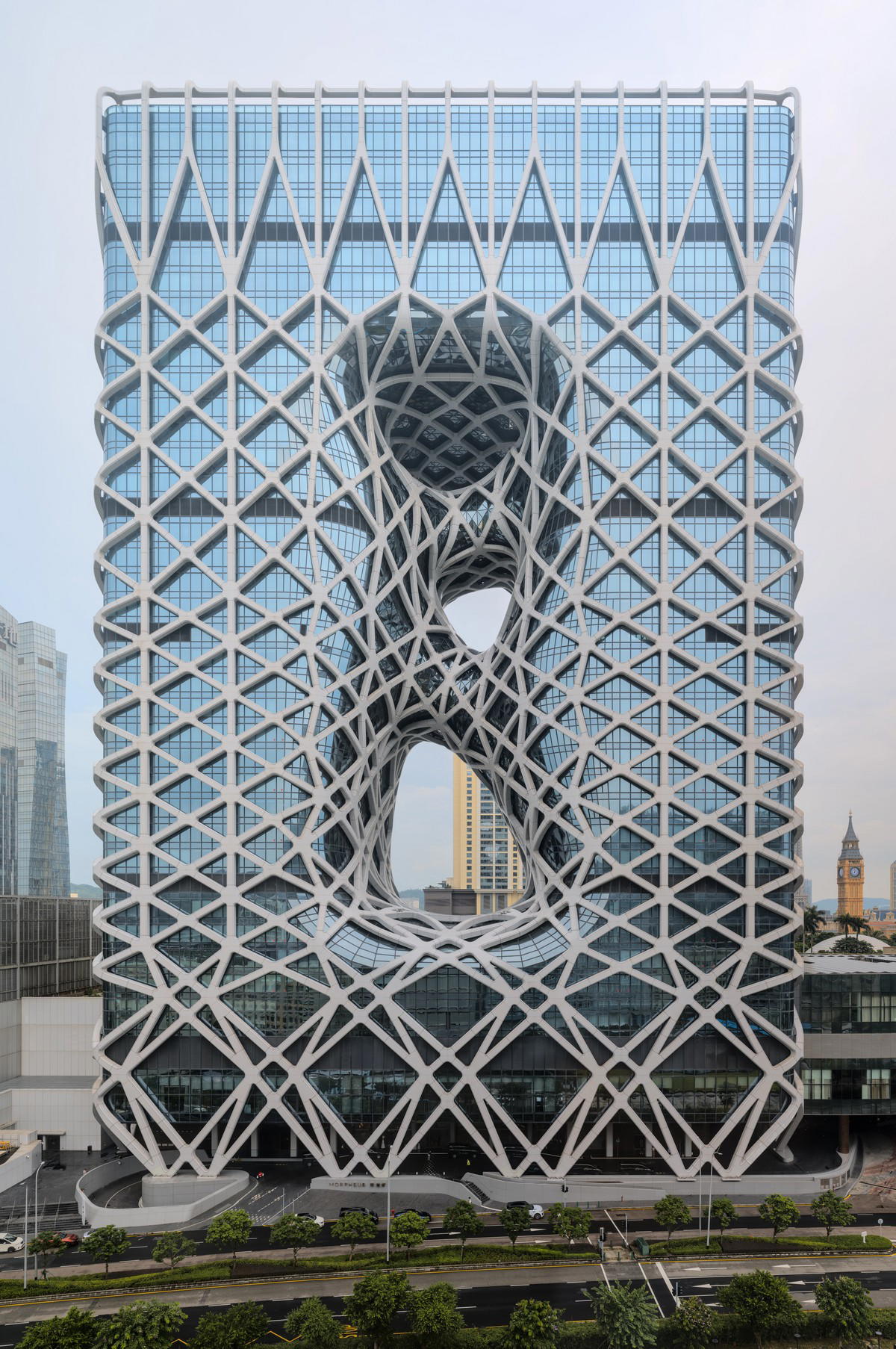
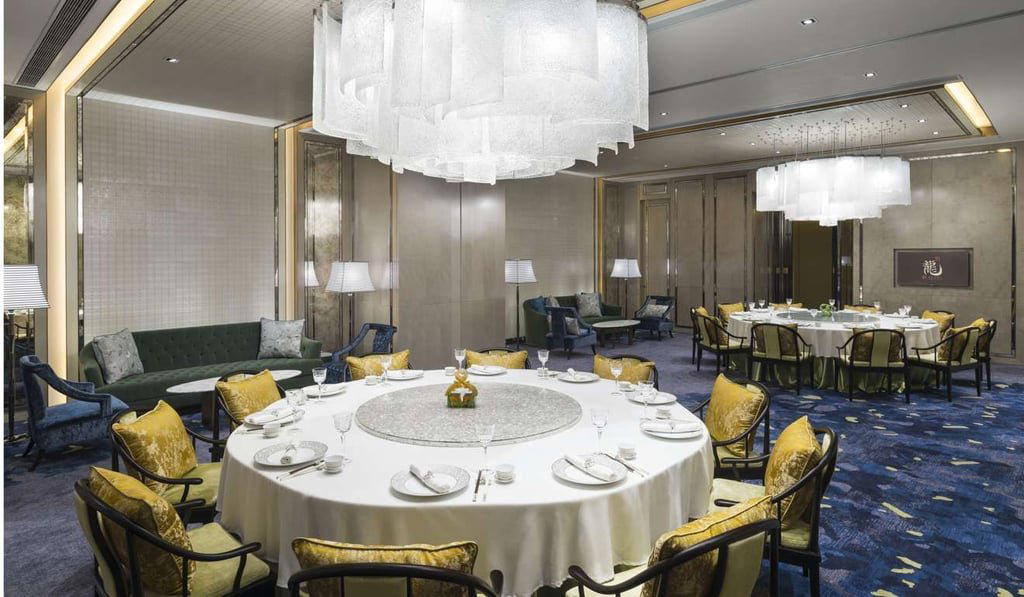
Studio City Macau opened in late 2015 as one of Cotai's more theatrically conceived integrated resort projects, and the second-floor placement of Pearl Dragon within that complex tells you something about how seriously the property treats its dining programme. The room signals intention before a single dish arrives: the design registers as formal without feeling stiff, and the orientation toward elegance over spectacle places it in a different register from the louder dining rooms elsewhere on the Strip. For the Cantonese dining category in Macau specifically, that tonal distinction matters. The territory now has enough Michelin-starred Cantonese addresses that atmosphere alone no longer differentiates; what separates the better rooms is how consistently the kitchen's ambitions are matched by format and service depth.
Pearl Dragon holds a Michelin star as of 2024 and scored 91 points on La Liste's Leading Restaurants ranking in 2025, dropping slightly to 89 points in the 2026 edition. Within the broader field of premium Cantonese restaurants in Macau, those credentials place it in a peer group that includes Jade Dragon, Wing Lei, and Lai Heen, all of which operate at the intersection of classical technique and integrated-resort presentation. Ying, another Cantonese option at the same price tier, rounds out a competitive set in which the distinction between venues comes down to kitchen emphasis rather than category definition. See our full Macau restaurants guide for a broader view of how this tier sits within the territory's dining scene.
The Kitchen's Approach: Classical Base, Contemporary Frame
Modern Cantonese cooking in the premium tier increasingly works through a recognisable formula: preserve the technique and ingredient logic of the classical canon while adjusting presentation and service format to meet international fine-dining conventions. Pearl Dragon operates squarely within that approach. The kitchen, under Chef Otto Wong Wai Ho, applies French-influenced structural elements, including an amuse-bouche opening and petit fours at close, to a menu built around Cantonese fundamentals. That borrowing is not decorative. It signals a deliberate attempt to frame Cantonese cooking within a global fine-dining grammar without displacing the cuisine's own logic.
Lychee wood barbecue is cited as a signature technique, and it anchors the menu's connection to traditional Cantonese method. The wood imparts a distinctly different aromatic profile from the standard charcoal or gas-assisted roasting found at more casual Cantonese addresses, and its presence on a formal tasting menu represents a considered nod to heritage rather than novelty. Elsewhere, the à la carte dinner menu works across a wider register: stir-fried Brittany lobster with mushroom and lily bulbs, traditional sweet and sour pork, Mongolian lamb chops, and wok-fried scallops each demonstrate range across both regional influence and classical technique. The suckling pig is noted for being lighter in texture than the version found at most roast meat specialists, which is consistent with the kitchen's apparent interest in refinement over heaviness.
The menu also accommodates the more adventurous end of Cantonese practice: abalone marinated in Chinese wine, deep-fried duck tongue, and jellyfish head with black fungus are available for diners who want to move past the standard format. These dishes reflect a genuine engagement with the full breadth of Cantonese culinary tradition rather than an edited, tourist-facing version of it. Desserts follow the classical Cantonese model, with traditional sweet soups including almond with dumplings and red bean.
For a comparative look at how other premium Chinese kitchens are applying similar tension between classical roots and contemporary presentation, Xin Rong Ji in Beijing, 102 House in Shanghai, and Ru Yuan in Hangzhou offer useful reference points across different regional traditions. Xin Rong Ji in Chengdu and Imperial Treasure Fine Chinese Cuisine in Guangzhou extend that comparison further into Sichuan and Cantonese territory respectively.
Dim Sum at Lunch: The Other Half of the Programme
In the broader Cantonese dining tradition, a restaurant's dim sum programme is often a more honest indicator of kitchen skill than the dinner menu. Dim sum demands precise technique at scale, and the classics, shrimp dumplings, barbecued pork, crispy turnip puffs, deep-fried taro dumplings, offer almost no room to disguise inconsistency. Pearl Dragon's lunch service runs daily from noon to 2:30 PM and covers these staples alongside what the kitchen describes as more decadent preparations. The tone at lunch shifts toward approachability without abandoning the room's standards, and the format gives diners who cannot commit to a full dinner a meaningful way into the kitchen's capabilities.
Across Greater China's Cantonese fine-dining circuit, dim sum lunch has been experiencing a modest reassessment. Addresses like Dai Yuet Heen in Nanjing have demonstrated that the format travels beyond its Guangdong and Hong Kong origins, while established Cantonese institutions in those cities, such as Forum in Hong Kong and Le Palais in Taipei, continue to set reference points for the premium tier. Pearl Dragon's position within this conversation is shaped partly by geography: Macau draws a mix of Hong Kong day visitors and international resort guests, and a credible dim sum programme serves both audiences.
The Drinks Programme: Wine, Tea, and Everything Between
A 6,000-bottle wine inventory with around 400 selections available by the list represents a substantial commitment for a Cantonese restaurant. The cellar's strengths, Bordeaux, Burgundy, Champagne, France broadly, Portugal, and Italy, skew European and classical, which aligns with how Macau's international resort clientele tends to approach wine. The list carries many bottles above the $100 mark, and the corkage fee runs at $50 for guests bringing their own. Sommelier Vic Wang manages the programme, which means wine pairings with Chinese food are handled by someone whose role exists specifically to make that conversation work rather than as an afterthought.
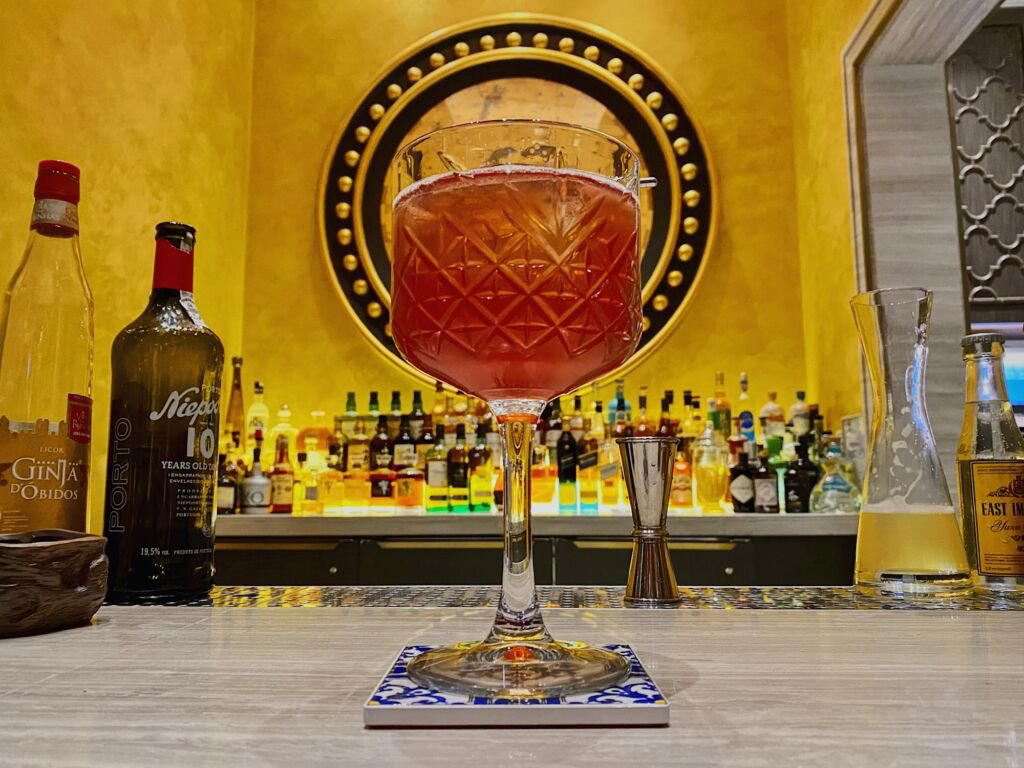
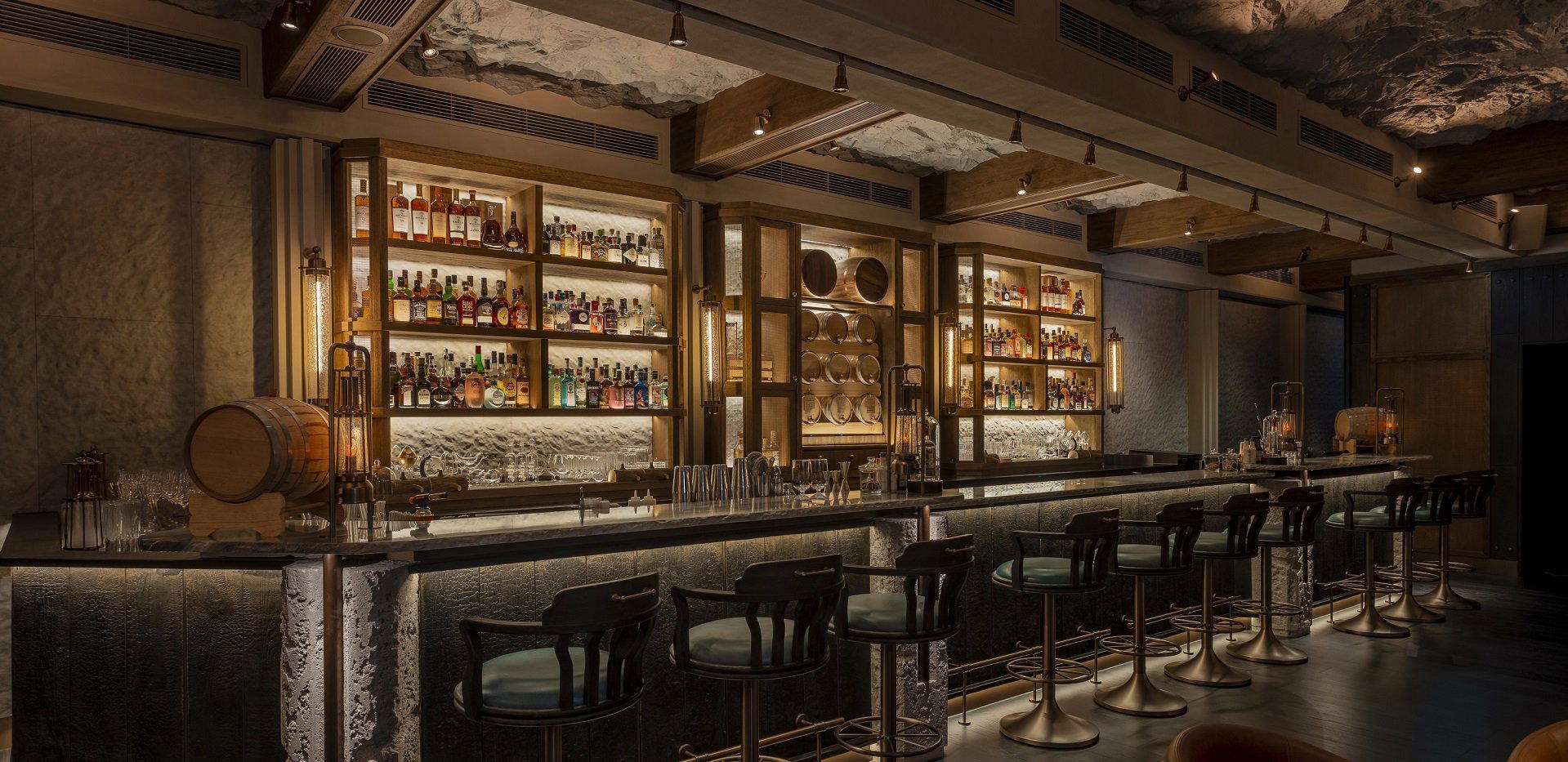
The tea programme operates with equal seriousness. Over 50 premium teas are available, and the selection includes aged pu'er teas with more than 30 years of maturation. Aged pu'er at that level represents a significant category within Chinese beverage culture: the oxidation and microbial activity that develops over decades produces a smooth, earthy complexity that has no real equivalent in the Western wine tradition, and having a dedicated tea sommelier to contextualise those selections gives the programme genuine depth. The cocktail list, which includes both classic formats and Chinese-inspired flavours, completes a drinks offering that covers more categories at greater depth than most restaurants at this price point bother to manage.
Planning Your Visit
Pearl Dragon sits on the second floor of Studio City Macau at Shop 2111, 1 Estrada Flor de Lótus, Cotai. The restaurant operates both lunch, noon to 2:30 PM, and dinner, 6 PM to 10 PM, seven days a week. Dress standards apply: smart-casual is the baseline, with open shoes and short-sleeved shirts discouraged for men at dinner and shorts declined outright for evening service. Women are expected to match the room's formality. Reservations are not required but are recommended given the restaurant's consistent demand. The two-course meal pricing sits in the $40–$65 range for cuisine, with the wine programme adding substantially to the total bill depending on selections.
For those planning a wider trip, our full Macau hotels guide covers accommodation across the Cotai Strip and the historic peninsula, while our full Macau bars guide maps the territory's drinking scene. Our full Macau wineries guide and our full Macau experiences guide round out the picture for longer stays. Pearl Dragon's parent company is Melco Resorts and Entertainment, which operates several dining concepts across its properties; the restaurant's general manager is James Wong.
Frequently asked questions
What's the address for Pearl Dragon?
Pearl Dragon is located at Shop 2111, 1 Estr. Flor de Lótus, Macao, Macau.
What are the operating hours at Pearl Dragon?
Hours at Pearl Dragon: Monday 12 PM-2:30 PM 6 PM-10 PM Tuesday 12 PM-2:30 PM 6 PM-10 PM Wednesday 12 PM-2:30 PM 6 PM-10 PM Thursday 12 PM-2:30 PM 6 PM-10 PM Friday 12 PM-2:30 PM 6 PM-10 PM Saturday 12 PM-2:30 PM 6 PM-10 PM Sunday 12 PM-2:30 PM 6 PM-10 PM.
Is Pearl Dragon award-winning?
Pearl Dragon has received recognition including: Located within the glittery Studio City Macau, Pearl Dragon elevates contemporary Cantonese cuisine with its elegant offerings by acclaimed chef Otto Wong Wai Ho. Pearl Dragon is one of the signature dining experiences within Studio City, wh….
What should I order at Pearl Dragon?
The lychee wood barbecue is the kitchen's signature technique and worth anchoring your order around. At lunch, the dim sum programme covers shrimp dumplings, barbecued pork, crispy turnip puffs, and deep-fried taro dumplings. At dinner, the roasted suckling pig and wok-fried scallops are noted highlights, alongside more adventurous options such as abalone marinated in Chinese wine and jellyfish head with black fungus. The restaurant's tea sommelier can guide pairings from a list of over 50 teas, including aged pu'er selections.
Is Pearl Dragon focused on a specific cuisine style?
Is Pearl Dragon expensive?
Pricing at Pearl Dragon is listed as $$$.
Compact Comparison
| Venue | Cuisine | Price | Awards | Notes |
|---|---|---|---|---|
| Pearl DragonThis venue — the venue you are viewing | Refined Cantonese | $150–200 | 1 Michelin Star · La Liste Top Restaurants | Not listed |
| Aji | Asian Bistronomy (Nikkei Fusion) | $50–100 | 1 Michelin Star · Wine Spectator Best of Award of Excellence | Nikkei, Innovative |
| Ying | Modern Cantonese Fine Dining | Not listed | 1 Michelin Star · La Liste Top Restaurants | Cantonese |
| Five Foot Road | Modern Sichuan Fine Dining | Not listed | 1 Michelin Star · La Liste Top Restaurants | Sichuan |
| Robuchon au Dôme | Contemporary French Fine Dining | $150–200 | 3 Michelin Stars · La Liste Top Restaurants | French Contemporary |
| Feng Wei Ju | Refined Hunan & Sichuan Chinese | Not listed | 2 Michelin Stars · La Liste Top Restaurants | Hunan-Sichuan, Hunanese |
Recognition history
Dated appearances from independent guides and award organizations, with the underlying list record or original source where available.
Michelin 1 Star
Michelin
La Liste Top Restaurants
La Liste
Forbes 5-Star
Forbes
Opinionated About Dining Top Restaurants in Asia Recommended
Opinionated About Dining
SCMP 100 Top Tables Restaurants
SCMP 100 Top Tables
Full recognition history (11 entries)
Wine Spectator Best of Award of Excellence
Wine Spectator
Forbes 5-Star
Forbes
La Liste Top Restaurants
La Liste
Michelin 1 Star
Michelin
Wine Spectator Best of Award of Excellence
Wine Spectator
Michelin 1 Star
Michelin