ZAPATA occupies a address on Wilderich-Lang-Straße in Munich's western residential belt, operating at some remove from the Michelin-dense cluster of the city centre. Munich's dining scene has expanded well beyond its historic luxury core, and venues in quieter neighbourhoods increasingly define the city's more considered dining culture. ZAPATA sits within that broader shift, drawing guests who seek out addresses rather than stumbling upon them.
Pearl is the En Primeur Club membership app — saves, bookings, and concierge access live there. Same editors, same standards.
- Address
- Wilderich-Lang-Straße 4, 80634 München, Germany
- Phone
- +4949891665822
- Website
- zapata-mex.de
- Directions
- Get directions
 Saves & bookings on Pearl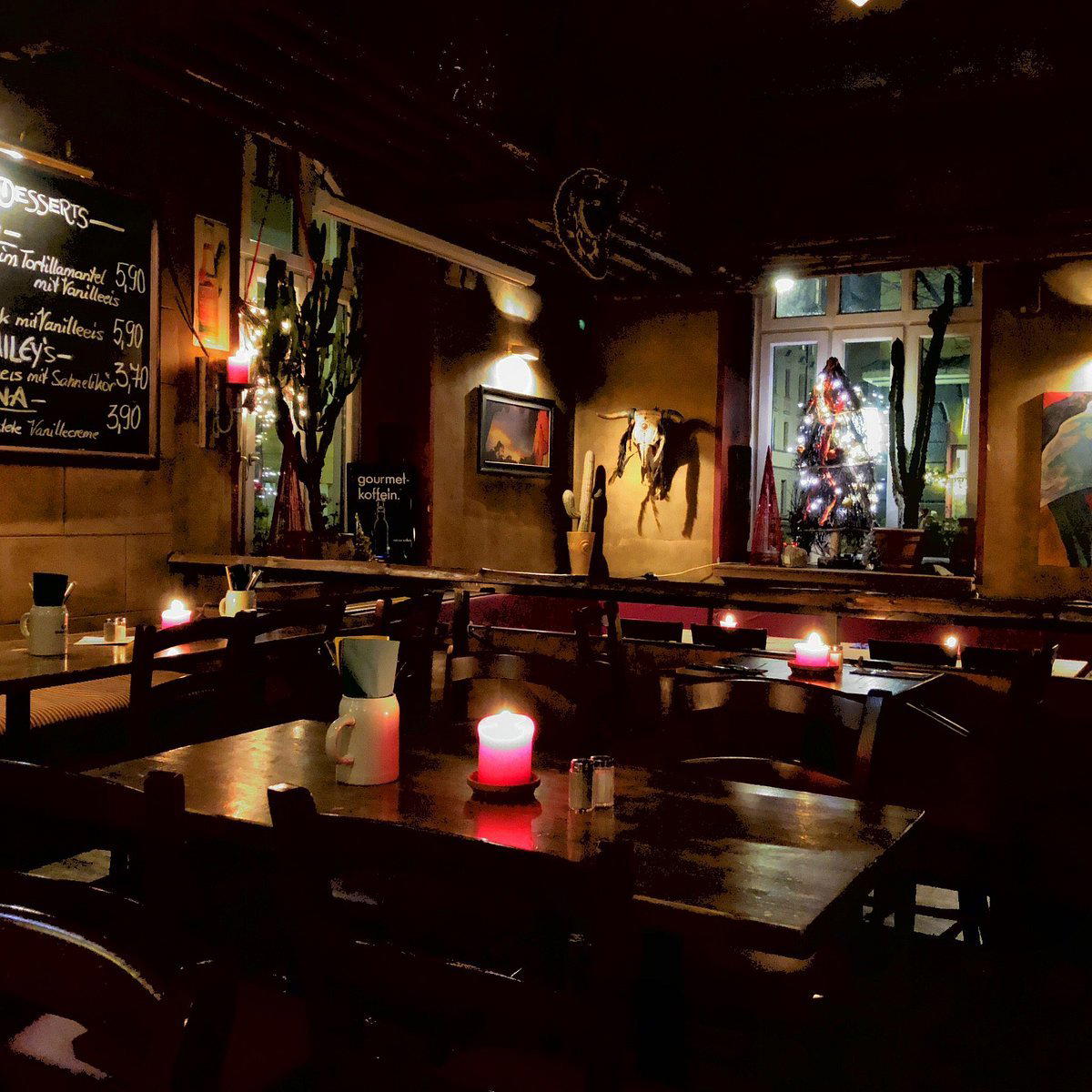
Munich's Westend Drift: How the City's Dining Geography Has Shifted
For much of the past two decades, Munich's serious dining was legible from a relatively small map: the grand hotel rooms, the long-established houses near the English Garden, the tasting-menu counters clustered around the city's commercial core. That geography has been loosening. Addresses in the Neuhausen-Nymphenburg district and the Westend have gradually absorbed a category of restaurant that prizes neighbourhood depth over central visibility, venues that reward the guest willing to consult a map rather than follow a hotel concierge's standard shortlist. ZAPATA is a casual Authentic Mexican restaurant at Wilderich-Lang-Straße 4 in München, with a recommended reservation policy and an average price of about $25 per person.
The broader pattern is worth understanding before you arrive. Munich's restaurant culture has historically been bifurcated between the grand and the gemütlich, either white-tablecloth formality or the beer-garden communal table. The middle tier, the kind of serious neighbourhood address that other European cities normalised decades ago, arrived later in Munich and is still consolidating. Venues operating outside the obvious Michelin-tracked corridors carry a different kind of institutional logic: they build regulars rather than tourists, they depend on word-of-mouth, and they often change more freely than establishments with heritage reputations to protect. ZAPATA operates outside that particular constellation.
Reading an Address Without a Paper Trail
When a venue's public data footprint is thin, that absence itself carries information. It is not, in Munich, a reliable sign of dormancy. The city has a stratum of addresses that resist digitisation either by intent or by the simple inertia of owner-operated businesses that have never needed a reservations platform to fill tables. Some of Germany's most interesting dining happens in rooms that wouldn't register on a standard web audit.
The Neuhausen-Nymphenburg district, which encompasses this address, is predominantly residential and commercially quiet compared to Schwabing or Maxvorstadt. Restaurants here tend toward the local and the habitual. That context shapes expectation in a useful way: you are not arriving at an address optimised for first impressions on visiting journalists. You are arriving at something that has evolved in relation to a specific neighbourhood and its returning guests.
This pattern has analogues across German fine dining's less-publicised geography. Bagatelle in Trier and Schanz in Piesport both operate in cities that don't appear on the reflex itinerary, yet both carry serious credentials. The logic is the same: dining in secondary or residential contexts demands more from the guest but often returns a less mediated experience.
The Evolution Frame: What Changes When a Venue Stops Advertising Itself
The editorial lens, framing a venue through evolution and reinvention, is particularly apt for addresses like ZAPATA's, where what's absent from the public record is as telling as what's present. Restaurants in Munich's western districts that survive over multiple years without consistent digital documentation tend to have gone through at least one phase of self-redefinition. Early-stage addresses chase footfall and broad appeal; addresses that settle into a neighbourhood and stop broadcasting have usually found their specific gravity.
That trajectory is common across German cities. CODA Dessert Dining in Berlin represents one end of the evolution arc, a concept that started unconventionally and refined itself into Michelin recognition. At the decorated extreme, Victor's Fine Dining by Christian Bau in Perl and Aqua in Wolfsburg have achieved institutional permanence through consistency over decades. ZAPATA's current position suggests something earlier or quieter in that lifecycle, a venue that has earned its regular guests.
Within Munich specifically, the contrast with the city's most legible creative addresses is instructive. JAN, Alois at Dallmayr, and Tohru in der Schreiberei all operate with full digital infrastructure, confirmed tasting formats, and press-maintained award records. Venues like ZAPATA compete on a different axis, proximity and familiarity.
Germany's Broader Table: Placing Munich in the National Dining Argument
Germany's serious dining has never been as centralised as France's or as recently disrupted as the UK's. The decorated addresses are distributed across secondary cities, Schwarzwaldstube in Baiersbronn, Waldhotel Sonnora in Dreis, Vendôme in Bergisch Gladbach, ES:SENZ in Grassau, and even Hamburg's Restaurant Haerlin sits at the northern end of a national spread that refuses obvious hierarchy. Munich participates in this pattern: the city has significant Michelin density but not dominance, and interesting parts of its dining culture increasingly exist outside the decorated rooms.
For the reader thinking comparatively beyond Germany, the same dynamic appears in New York's outer-borough shift. Le Bernardin and Atomix represent the city's most visible, most-documented tier, but the addresses that shape how New York actually eats day-to-day are almost never the ones with the fullest press files. Munich's Wilderich-Lang-Straße, however it registers to an algorithm, is part of the same structural story.
City Peers
Comparable venues nearby, for context on price, style, and recognition.
| Venue | Cuisine | Price | Notes |
|---|---|---|---|
| ZAPATAThis venue — the venue you are viewing | Authentic Mexican | $$ | Not listed |
| El Chapo Neuhausen | Tex-Mex Bar & Grill | $$ | Neuhausen |
| CONDESA | Authentic Mexican Street Food | $$ | Schwabing |
| Vi Vadi cucina italiana | Classic Italian Trattoria with Sicilian influences | $$ | Neuhausen |
| TUTU Kitchen | Levantine Mezze & Fish & Chips Fusion | $$ | Neuhausen |
| Padme Hum | Vegan Asian Fusion Sushi | $$ | Theresienwiese |
At a Glance
- Lively
- Cozy
- Rustic
- Energetic
- Group Dining
- Casual Hangout
- After Work
- Late Night
- Terrace
- Craft Cocktails
- Beer Program
Current opening hours
- Monday
- 4 PM–1 AM
- Tuesday
- 4 PM–1 AM
- Wednesday
- 4 PM–1 AM
- Thursday
- 4 PM–1 AM
- Friday
- 4 PM–1 AM
- Saturday
- 4 PM–1 AM
- Sunday
- 4 PM–1 AM
Hours can change for holidays and private events. Last verified .
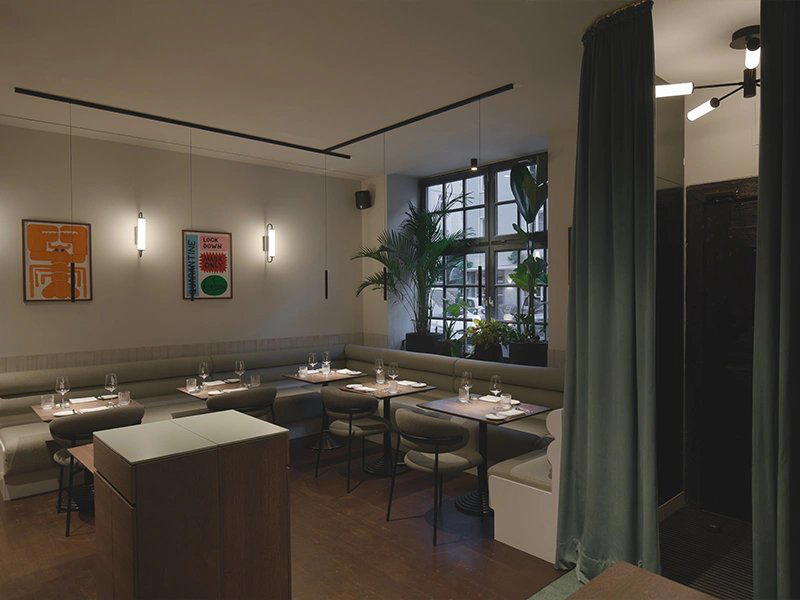
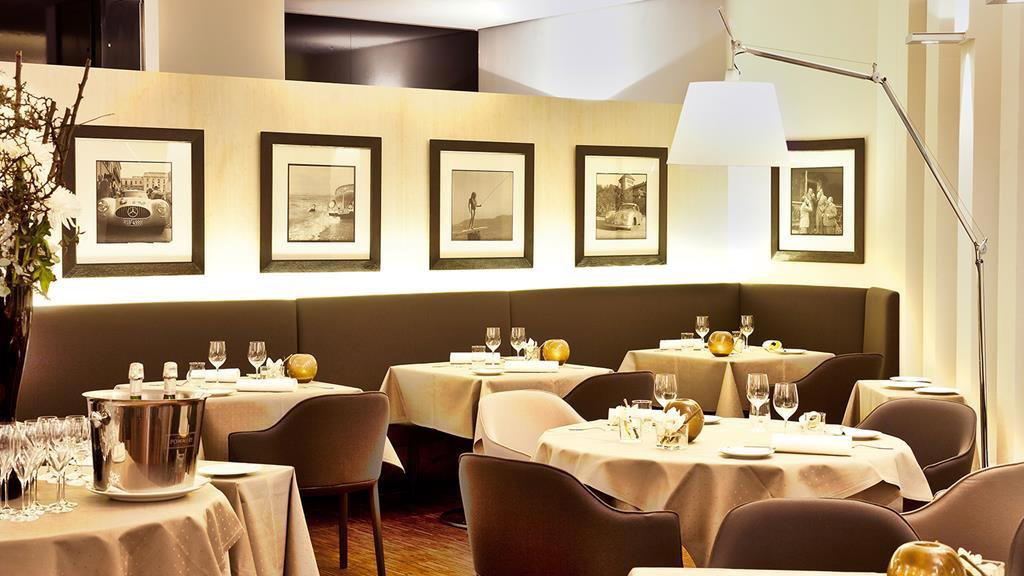
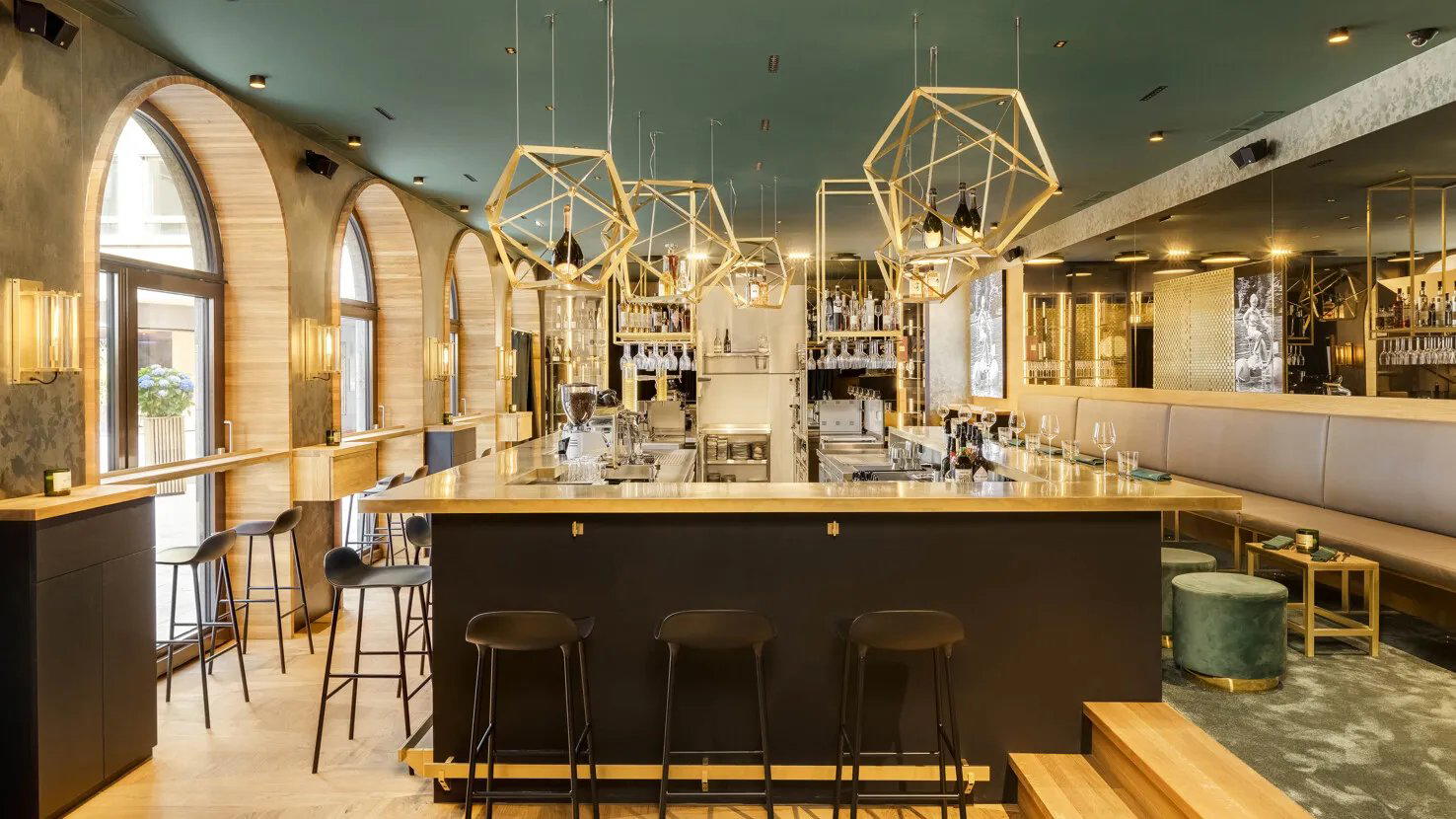
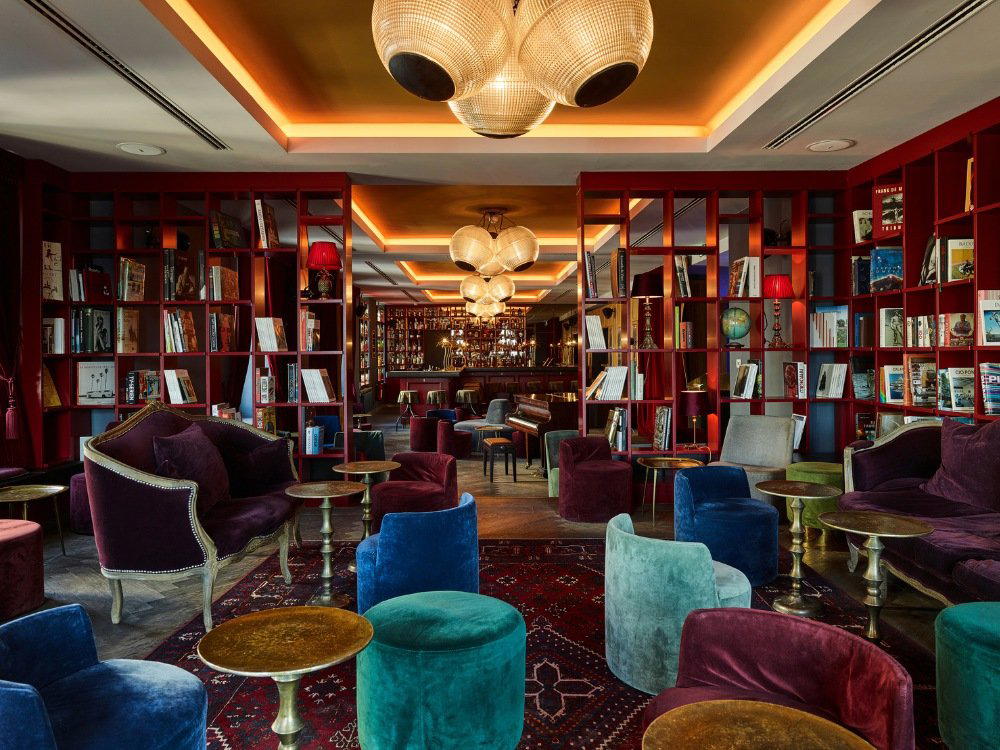
Festive and casual with colorful artwork, spacious layout, and a lively atmosphere ideal for group gatherings; can be noisy near the kitchen.