Our verdict
On Wexford Street, one of Dublin 2's busiest restaurant corridors, Zakura Noodle & Sushi Restaurant occupies a spot in the city's growing Asian dining tier, pairing sushi and noodle formats under one roof. The address places it within walking distance of the South Georgian Core, making it a practical option for the neighbourhood's lunch and dinner trade.

Pearl is the En Primeur Club membership app — saves, bookings, and concierge access live there. Same editors, same standards.
- Address
- 13 Wexford St, Dublin 2, D02 EW95, Ireland
- Phone
- +353 1 555 8000
- Hours
- Mon–Wed 12–10 PMThu–Sat 12–11 PMSun 12–10 PM
- Website
- wexford.zakura.ie
- Directions
- Get directions
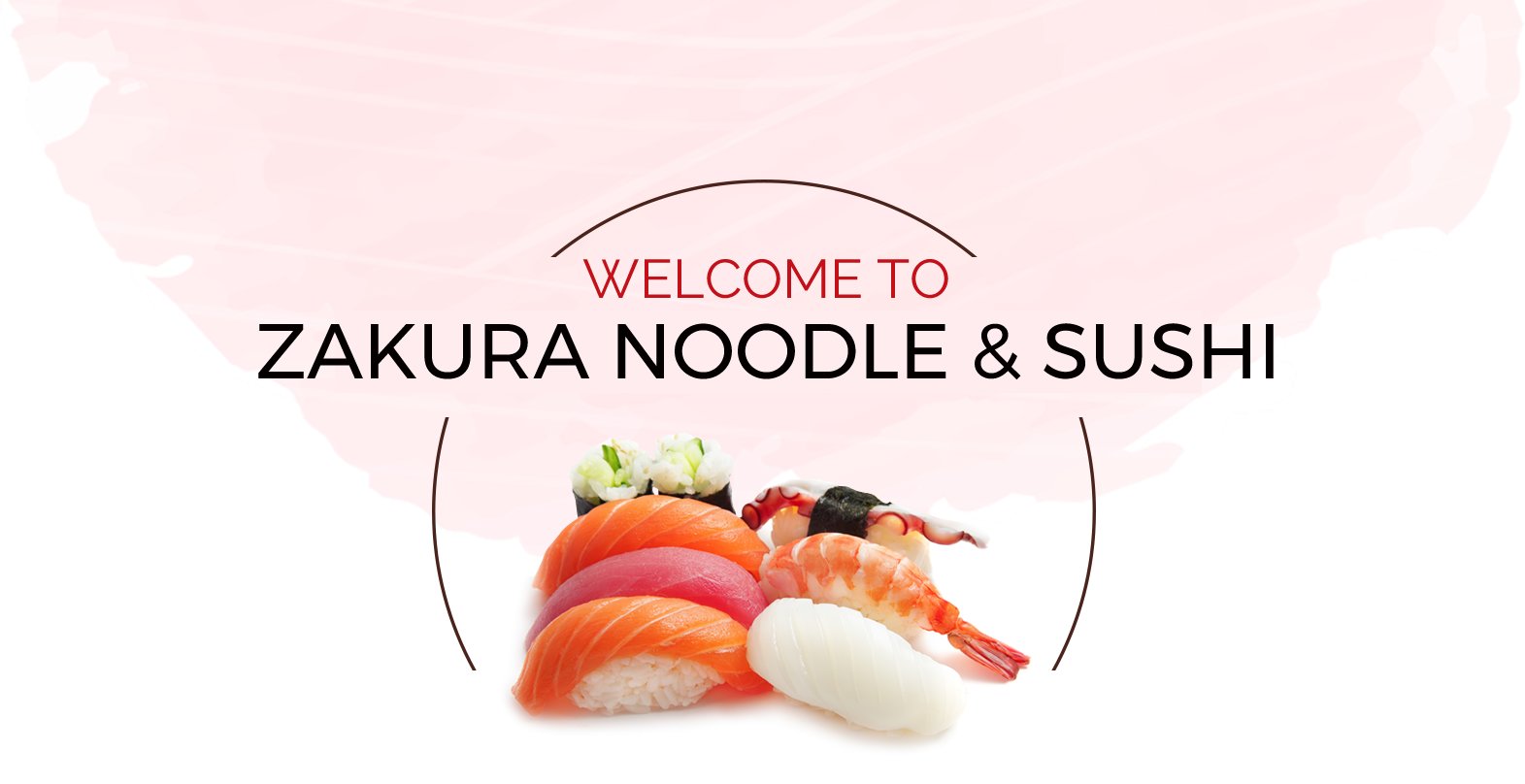
The menu
What to order
- Spicy salmon rolls
- Gyoza
- Ramen
- Bento box
Wexford Street and the Shifting Appetite for Japanese Food in Dublin
Wexford Street sits in the lower arc of Dublin 2, a corridor that has cycled through several dining identities over the past two decades. Where the street once leaned heavily on late-night bars and fast food, it has gradually absorbed the kind of mid-market restaurant offer that follows residential density and a younger, internationally minded demographic. Japanese food has been part of that shift. Dublin's appetite for ramen, udon, and sushi has grown steadily, tracking a broader European pattern in which Japanese formats, once reserved for city-centre expense-account dining, have filtered into the everyday restaurant tier. Zakura Noodle & Sushi Restaurant sits at that intersection, combining noodle and sushi formats at a Wexford Street address that keeps it accessible to both the lunch crowd and the pre-theatre dinner trade flowing toward the nearby cultural venues.
Two Formats, One Room: How Noodle and Sushi Houses Have Merged
For much of the 2000s, Dublin's Japanese restaurant scene split along fairly clear lines. Sushi bars, often counter-led and focused on raw preparation, occupied one niche. Ramen and noodle houses, built around hot broth and longer cook times, occupied another. The two formats required different kitchen equipment, different ingredient sourcing, and different service rhythms. The pairing of the two under a single roof represents a pragmatic response to the economics of mid-sized restaurant spaces in European capitals, where covering broader menu ground helps manage the volatility of weekday versus weekend demand. Zakura's dual format places it in a category that has become increasingly common in Dublin, London, and Amsterdam alike, where operators have recognised that the average diner is more likely to crave flexibility across a meal than to commit to a single Japanese register.
This model has drawbacks as well as advantages. A kitchen that does both well enough to hold repeat custom is more demanding to run than one with a narrower focus. In cities where specialist ramen counters and dedicated omakase seats have become available, the combined format tends to compete on accessibility and value rather than depth. Dublin's Japanese dining range now spans from high-cost, single-discipline operators to the broad-menu model that Zakura represents. For context, the city's most formal dining addresses, such as Patrick Guilbaud and Chapter One by Mickael Viljanen, operate in a completely different register, anchored by tasting menus and Michelin recognition. Zakura sits further down the price and formality scale, at the accessible end of a market that has expanded considerably in range.
The Evolution of Dublin's Asian Dining Tier
To understand where Zakura fits today, it helps to look at what Dublin's Asian dining scene looked like a decade ago. The mid-tier, which now covers Korean, Thai, Vietnamese, and Japanese formats with some consistency, was considerably thinner. Many of the city's Japanese restaurants were Chinese-owned operations offering a broad pan-Asian menu with sushi as a secondary line. The arrival of dedicated Japanese operations, some with Japanese ownership or staff trained in Japanese technique, moved the category toward greater credibility. That credibility shift is what allows a noodle and sushi house in 2024 to carry different expectations than its 2010 equivalent. Diners coming to Wexford Street for this style of food have, on the whole, eaten Japanese food in Tokyo, London, or New York, and they carry reference points that did not exist in the Irish market a generation ago.
The broader Dublin dining scene has developed significantly, with addresses like Bastible, Glovers Alley, and D'Olier Street anchoring the modern Irish and European fine-dining end of the market. The expansion of that upper tier has, in turn, raised the general level of expectation across all price points. A mid-market Japanese restaurant in Dublin today is benchmarked against a more informed customer base than it would have been even five years ago.
The Wexford Street Location: Practicalities and Trade Patterns
Wexford Street functions as a connector between Camden Street to the south and the South William Street and Grafton Street axis to the north. Foot traffic is consistent across the week, with lunch trade driven by the dense office and retail population of Dublin 2 and evening trade drawn from the residential streets nearby as well as spillover from the venue cluster around the Workman's Club and Whelan's. This trade pattern suits a restaurant that offers both noodle and sushi formats. Noodles serve fast, making them practical for a 45-minute lunch window; sushi can anchor a longer evening sitting. The address is reachable on foot from St. Stephen's Green in under ten minutes, and Harcourt Street Luas stop is within a short walk, which removes parking as a friction point for most visitors.
For those building a broader trip around the Irish dining scene, the country's restaurant offer extends well beyond Dublin's city centre. Liath in Blackrock, Aniar in Galway, Campagne in Kilkenny, and The Oak Room in Adare each represent distinct regional approaches to Irish ingredients and cooking traditions. Closer to Dublin, The Morrison Room in Maynooth anchors the county's formal dining offer. Further afield, dede in Baltimore, Bastion in Kinsale, Homestead Cottage in Doolin, Chestnut in Ballydehob, and Terre in Castlemartyr demonstrate how Ireland's dining geography has spread into the southwest. Our full Dublin restaurants guide maps the city's current offer in more detail.
For international reference points in the noodle and sushi category, the contrast with high-end Japanese formats is instructive. Operations like Le Bernardin in New York City operate in an entirely different register of precision and investment, while formats like Lazy Bear in San Francisco show how a commitment to a defined culinary point of view can carry a restaurant into a separate competitive tier altogether. Zakura occupies a different space, one defined by accessibility rather than singular ambition, which is a legitimate position in any city's dining ecosystem.
Planning Your Visit
Zakura Noodle & Sushi Restaurant is located at 13 Wexford Street, Dublin 2. Current hours, booking policy, and pricing were not available at the time of writing. Given the address sits on one of Dublin's busier casual dining streets, and given the compact nature of many Wexford Street restaurant interiors, arriving early in the evening or during off-peak lunch hours is a reasonable precaution during busy periods, particularly on weekends.
Frequently asked questions
How do I find Zakura Noodle & Sushi Restaurant?
Zakura Noodle & Sushi Restaurant is located at 13 Wexford St, Dublin 2, D02 EW95, Ireland, Dublin.
How does Zakura Noodle & Sushi fit into Dublin's wider Japanese restaurant scene?
Dublin's Japanese dining offer has grown considerably, ranging from pan-Asian operations that carry sushi as a secondary line to dedicated ramen houses and counter-led sushi bars. Zakura occupies a specific position on Wexford Street, Dublin 2, by combining both noodle and sushi formats under one roof at the mid-market level, a format more common in London and European capitals than it was in Dublin a decade ago. That positioning makes it a practical option for groups whose members want different things from a Japanese menu.
What do regulars order at Zakura Noodle & Sushi Restaurant?
Zakura runs a dual-format menu covering both noodle dishes and sushi, placing it in a combined Japanese category that has become increasingly common across European mid-market dining. That structure means the kitchen is set up to handle both raw preparation and hot noodle service, giving regulars a wider decision point than a sushi-only counter would. The address at 13 Wexford Street, Dublin 2 puts it in a neighbourhood that draws both local workers at lunch and evening diners moving between Camden Street and the Grafton Street corridor.
Should I book Zakura Noodle & Sushi Restaurant in advance?
Wexford Street restaurants in the mid-market tier tend to fill on Friday and Saturday evenings, when foot traffic from both the residential streets to the south and the Grafton Street axis to the north converges on the corridor. Calling ahead or checking online before a weekend visit is the practical move.
What's the defining dish or idea at Zakura Noodle & Sushi Restaurant?
The structural idea at Zakura is the combination of two distinct Japanese formats — noodles and sushi — within a single mid-market room on Wexford Street, Dublin 2. That format sits in contrast to more specialised operations that commit exclusively to ramen or omakase-style sushi counters. For diners who want range rather than depth, the dual-format approach answers the question without requiring a second restaurant.
Reputation First
| Venue | Cuisine | Price | Awards | Notes |
|---|---|---|---|---|
| Zakura Noodle & Sushi RestaurantThis venue — the venue you are viewing | Japanese Noodle & Sushi | $20–30 | Not listed | Not listed |
| Patrick Guilbaud | Modern French Fine Dining | $150–200 | 2 Michelin Stars · La Liste Top Restaurants | Irish - French, Modern French |
| Bastible | Modern Irish | $100–150 | 1 Michelin Star · The Sunday Times Ireland’s 100 Best Restaurants | Modern Cuisine |
| Host | Modern Italian | $50–100 | Michelin Plate | Nordic, Modern Cuisine |
| mae | Modern Irish Fine Dining | $50–100 | Michelin Plate · The Sunday Times Ireland’s 100 Best Restaurants | Southern, Modern Cuisine |
| Matsukawa | Authentic Edomae Omakase | $100–150 | Michelin Plate · La Liste Top Restaurants | Kaiseki, Japanese |
Continue exploring
More in Dublin
Restaurants in Dublin
Browse all →
Bars in Dublin
Browse all →
Hotels in Dublin
Browse all →
Wineries in Dublin
Browse all →
Details
- Cozy
- Intimate
- Family
- Casual Hangout
- Group Dining
- Sake Program
- A La Carte
- Sake Program
- Vegetarian Friendly
- Vegan Options
- Gluten Free Options
Current opening hours
- Monday
- 12–10 PM
- Tuesday
- 12–10 PM
- Wednesday
- 12–10 PM
- Thursday
- 12–11 PM
- Friday
- 12–11 PM
- Saturday
- 12–11 PM
- Sunday
- 12–10 PM
Hours can change for holidays and private events. Last verified .
Cozy and intimate with a welcoming family atmosphere in a small space.