Our verdict
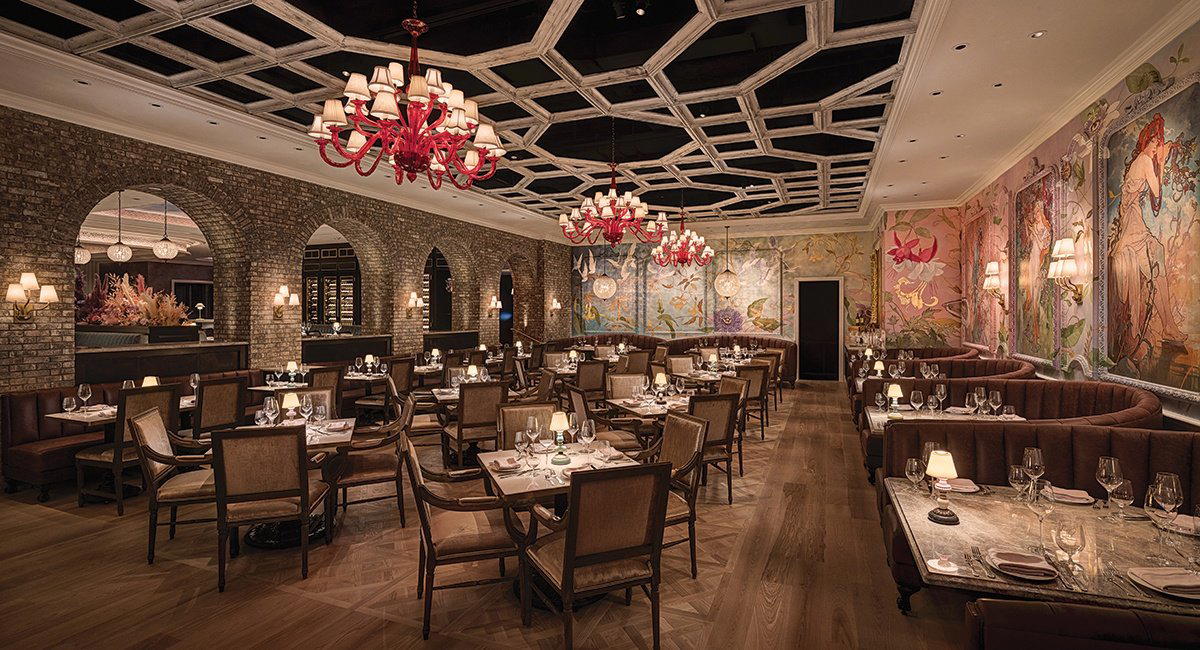
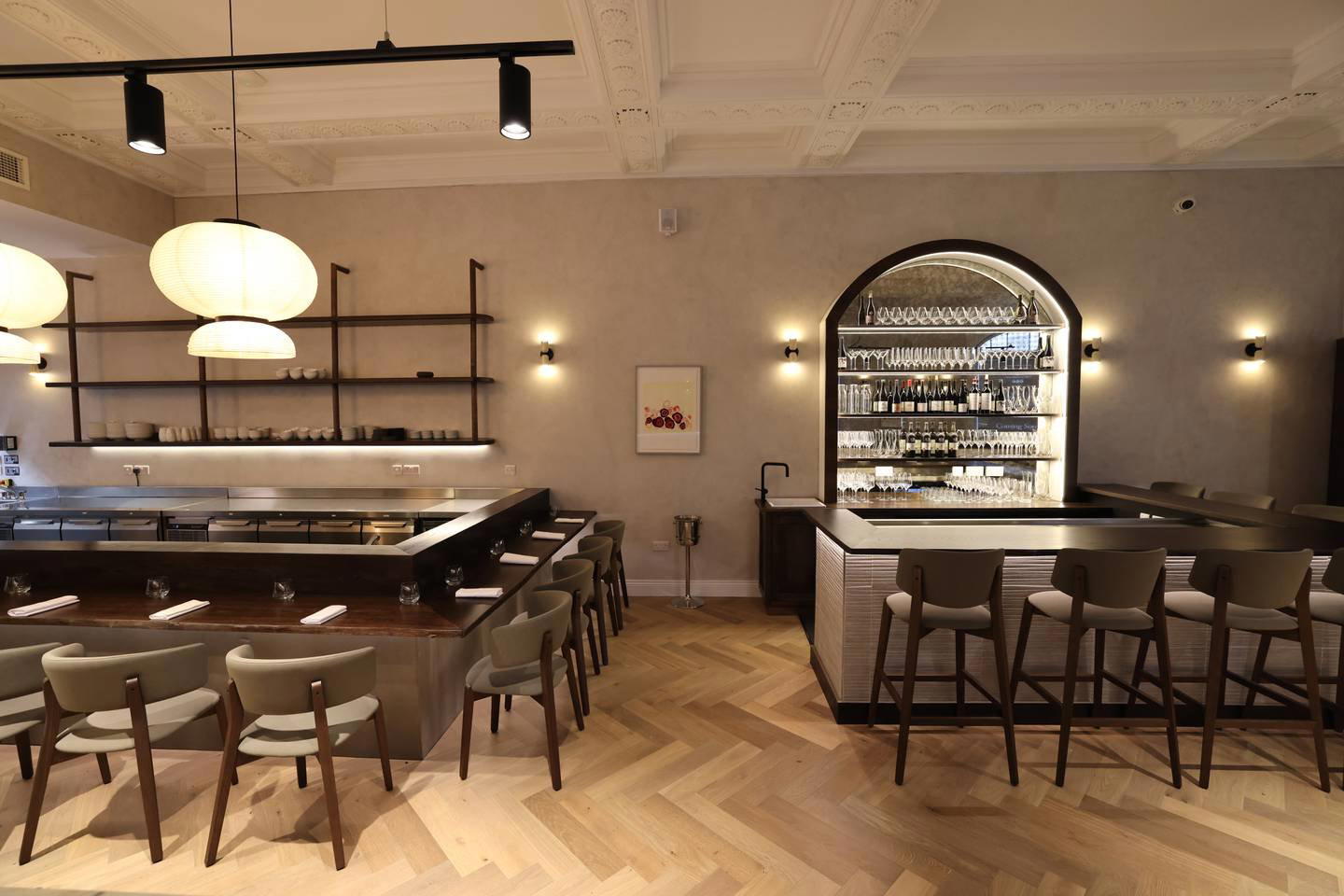
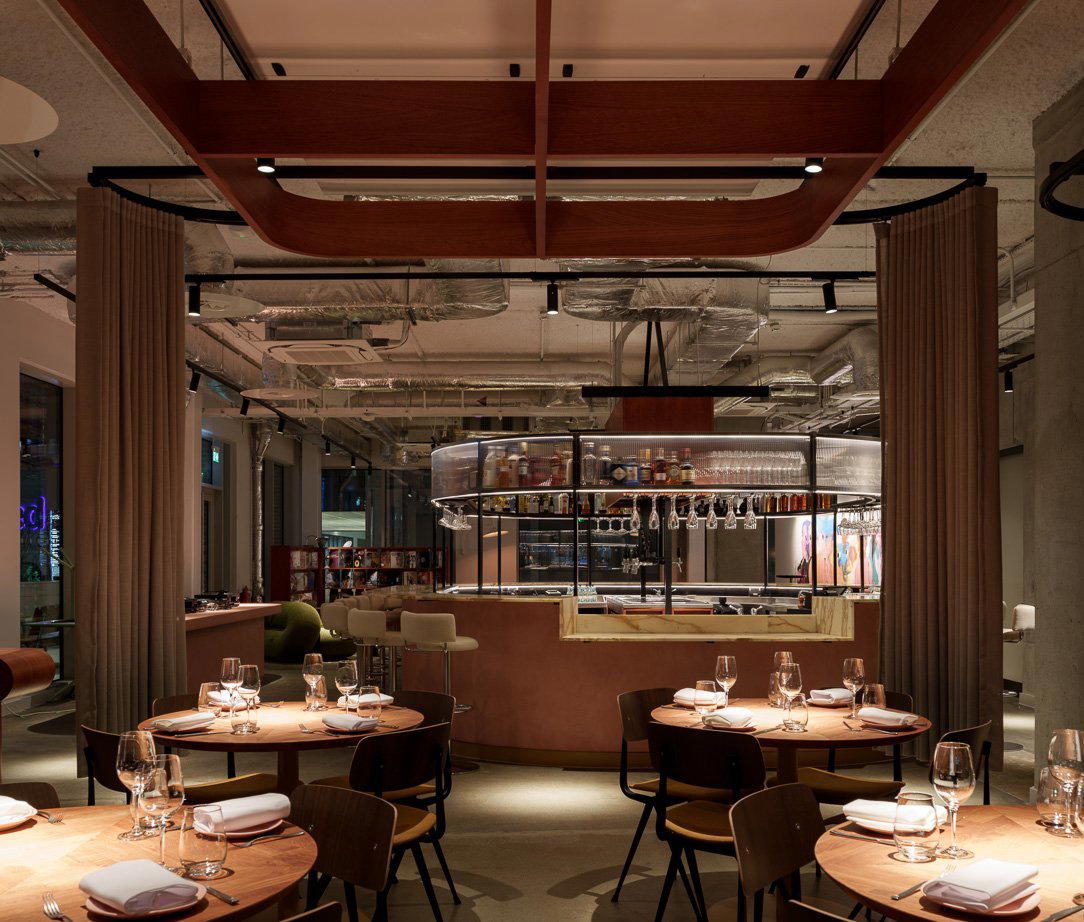
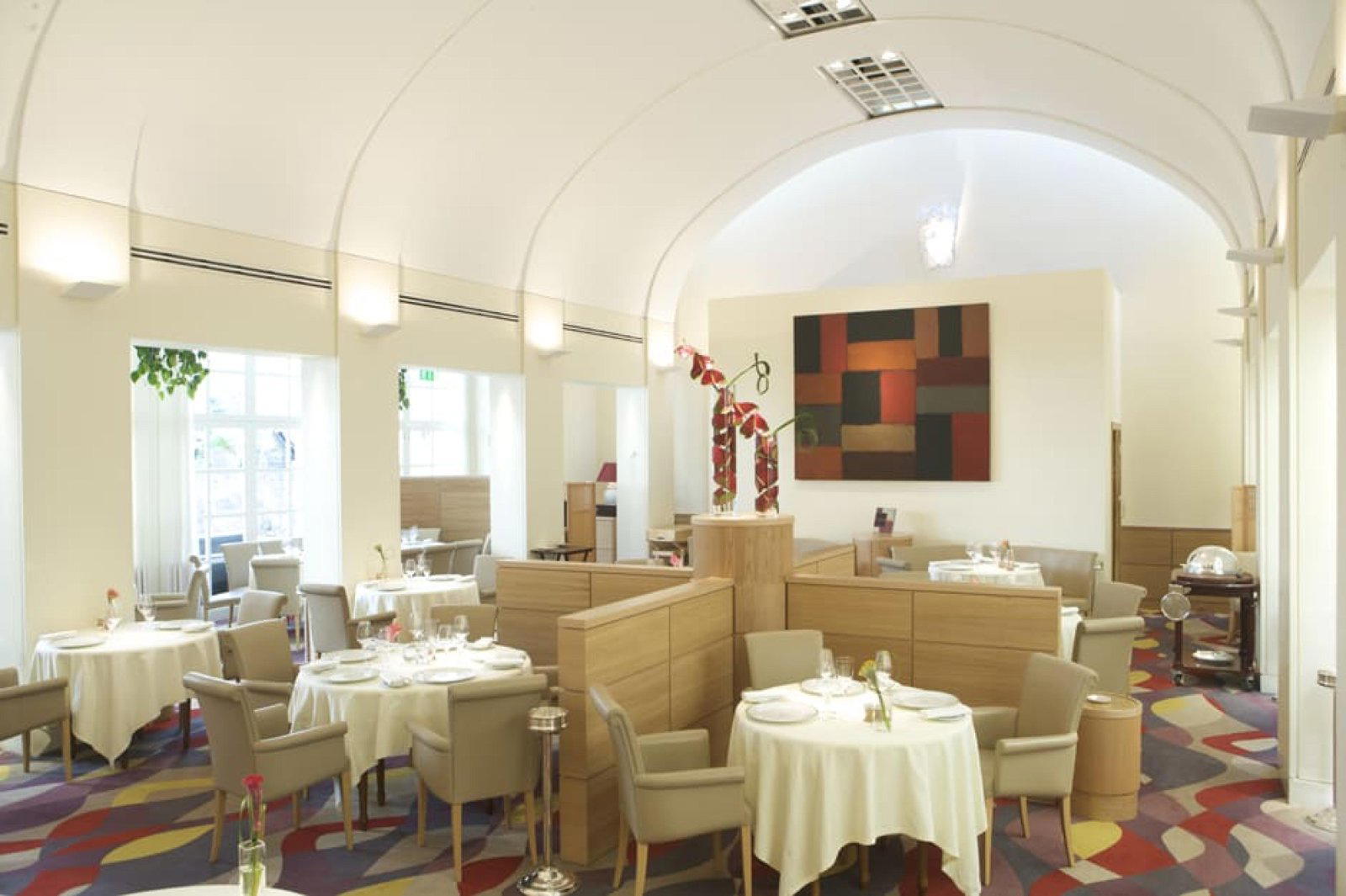
Ichiwa Sushi & Izakaya sits on North Wall Quay, where the Docklands' converted warehouse blocks have drawn a wave of restaurants that read less like neighbourhood standbys and more like considered dining destinations. The kitchen spans sushi and izakaya formats, placing it in a growing Dublin cohort that treats Japanese cooking as something more than a quick-service proposition.

Pearl is the En Primeur Club membership app — saves, bookings, and concierge access live there. Same editors, same standards.
- Address
- 2 N Wall Quay, North Wall, Dublin, Ireland
- Phone
- +35316360602
- Hours
- Mon–Tue 11 AM–9:30 PMWed–Sat 11 AM–10:30 PMSun 11 AM–9:30 PM
- Website
- ichiwaifsc.ie
- Directions
- Get directions
- Booking
- Book on OpenTable
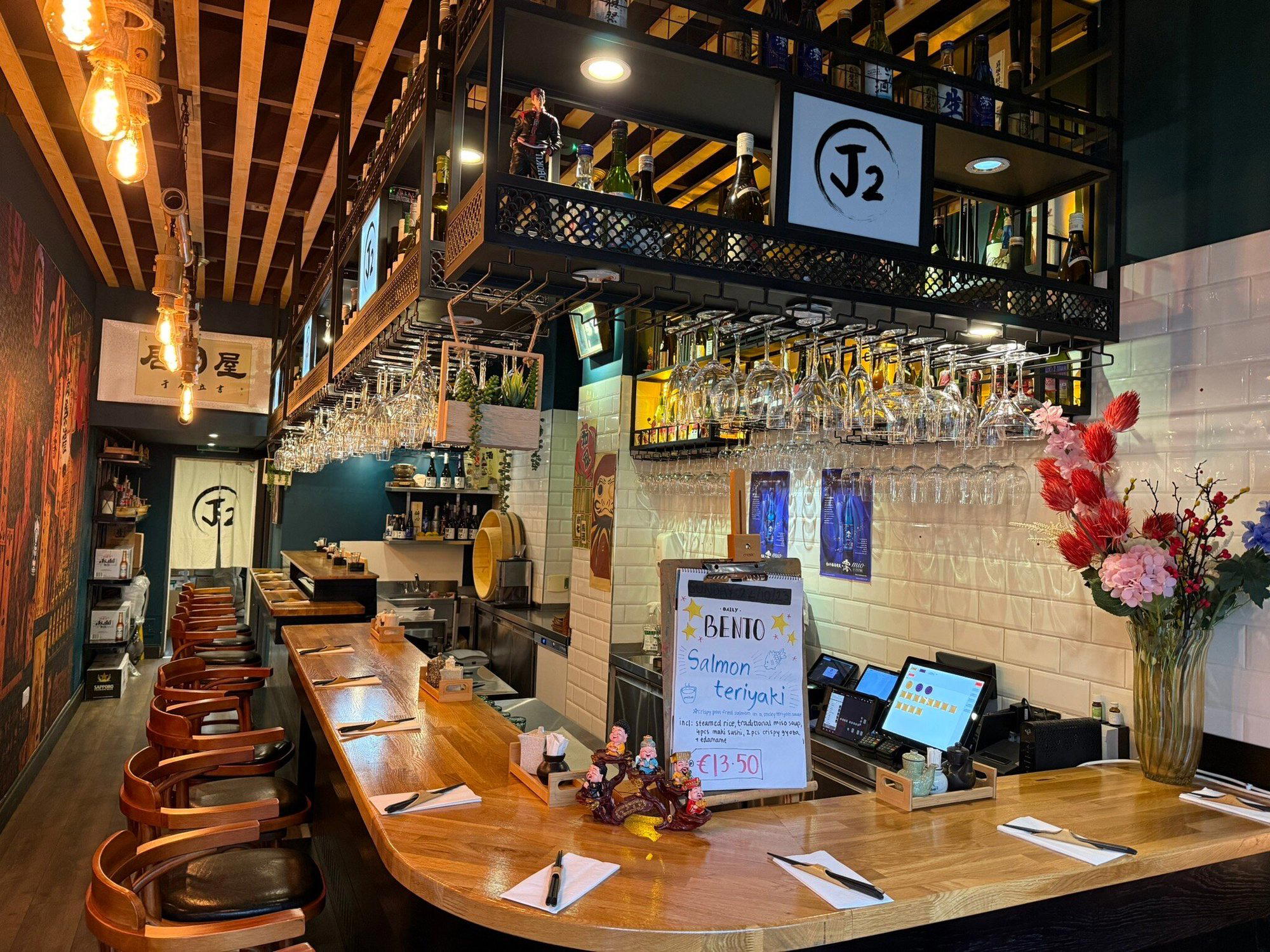
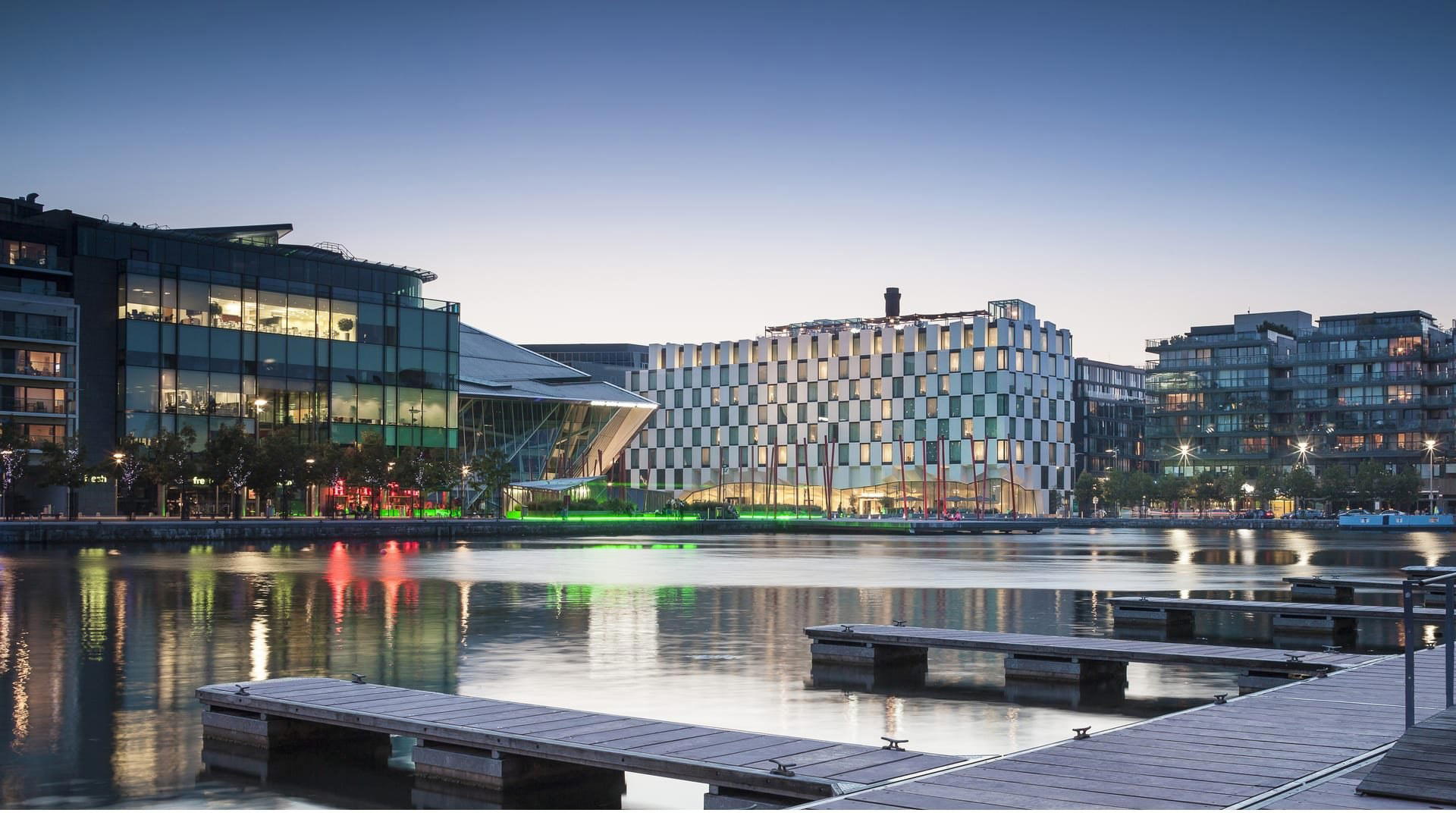
The stretch of North Wall Quay that runs along the Liffey's northern bank has changed faster than almost any other part of Dublin over the past decade. Where bonded warehouses and freight yards once defined the skyline, a dense cluster of apartment buildings, corporate campuses, and ground-floor restaurants now fills the waterfront. Ichiwa Sushi & Izakaya occupies a position in that newer grain, on a quay that looks south across the river toward the Convention Centre's curved glass facade. The physical setting matters to understanding what kind of restaurant this is: a Docklands address in Dublin increasingly signals a dining room designed for an international, weekday-lunch, after-work, and weekend-destination crowd rather than a purely local neighbourhood clientele.
Japanese Dining in Dublin: Where Ichiwa Sits
Dublin's Japanese restaurant scene has broadened considerably since the early 2000s, when the city's options were largely limited to a handful of budget conveyor-belt operations and one or two mid-market sushi bars. Today the city supports a more stratified offer: quick-service poke and bento counters at one end, a small number of higher-commitment kaiseki and omakase formats at the other, and a middle tier of sushi-izakaya hybrids that combine composed nigiri and rolls with the broader sharing-plate logic of an izakaya. Ichiwa operates in that middle tier, a format that has proved durable in cities from London to Sydney because it allows a table to calibrate its own spend and pacing without committing to a fixed-price tasting structure.
The izakaya component is worth taking seriously as a category. In Japan, the izakaya functions as a working pub with food, the kind of place where the kitchen's job is to produce small plates that make drinking more pleasurable and conversation easier. When the format travels, it almost always gets refined upward, with more attention to plating and provenance than the original would ever require. Dublin's version of this upgrade follows the same pattern seen in cities like New York, where restaurants such as Atomix have demonstrated the appetite for serious Korean and Japanese cooking among diners willing to move past a narrow set of expectations. The hybrid sushi-izakaya position gives Ichiwa access to a wider demographic than a pure omakase counter would, and it anchors the menu in a format that reads as approachable without being dismissive of craft.
The Wine Question at a Japanese Restaurant in Dublin
Pairing wine with sushi and izakaya food is a genuine editorial subject, not a marketing afterthought. The challenge for any Japanese restaurant operating outside Japan is that sake imports to Ireland remain limited in both range and consistency, and the customer base outside dedicated sake drinkers tends to arrive with wine as the default beverage expectation. Japanese restaurants that have built serious beverage programs in European cities have solved this in different ways: some lean into Champagne and Chablis as the default sushi pairing, following the acidity-on-acidity logic that works well with lean fish and seasoned rice; others build small, precise sake lists that double as a form of wine education; a few go further and treat natural wine and orange wine as a legitimate bridge between Japanese umami and European wine culture.
For context on how European cities with strong restaurant scenes handle this, it is worth noting that Dublin's fine-dining tier has developed beverage programs of genuine depth. Patrick Guilbaud maintains one of the city's most extensive cellar collections, while Chapter One by Mickael Viljanen has invested in a wine program that reflects the ambitions of the kitchen. At the casual-to-mid end, restaurants like Bastible have demonstrated that thoughtful curation matters even without a floor-to-ceiling cellar. The standard has risen across the city, which means that a Japanese restaurant opening on North Wall Quay now competes in a context where the beverage expectation from the Dublin dining public is higher than it was even five years ago. Whether Ichiwa's list reflects that shift is a question leading answered at the table, given the limits of publicly available data.
The Docklands Dining Context
Understanding Ichiwa means understanding the Docklands as a dining district. The area does not have the residential density or the footfall patterns of a South William Street or a Ranelagh village, which means restaurants in the Docklands tend to rely more heavily on the weekday office lunch and corporate dinner trade, supplemented by a destination-dinner crowd that will cross the city for a specific kitchen. This is a more volatile commercial base than a well-trafficked neighbourhood strip, and it shapes the kind of menu and format that makes sense: accessible enough for a client dinner, interesting enough for a food-motivated diner to make the trip from Rathmines or Ranelagh.
Dublin's broader restaurant geography rewards some comparison. The city's most discussed kitchens are spread across a wide arc: Glovers Alley and D'Olier Street anchor the city centre, while the Irish restaurant scene extends well beyond the capital to places like Liath in Blackrock, Aniar in Galway, and dede in Baltimore. Within that map, a Docklands Japanese restaurant occupies a specific niche: it serves a part of the city that has the spending power and the international dining reference points to sustain ambitious cooking, but which is still building the restaurant culture to match.
For those tracking Ireland's broader restaurant development, the country's Michelin-starred tier now includes kitchens in smaller towns, such as Bastion in Kinsale, Campagne in Kilkenny, Chestnut in Ballydehob, Homestead Cottage in Doolin, House in Ardmore, Lady Helen in Thomastown, and Terre in Castlemartyr. That geographic spread reflects a national dining culture that has moved significantly in the past fifteen years. For comparison on what high-commitment Japanese formats can look like at their most developed, the reference point remains restaurants like Le Bernardin in New York City, where precision seafood cooking has set a global benchmark for the category. See our full Dublin restaurants guide for a broader map of where the city's dining energy is currently concentrated.
Know Before You Go
Address: 2 N Wall Quay, North Wall, Dublin, Ireland
Getting There: North Wall Quay is a short walk from the Samuel Beckett Bridge and accessible by Dublin Bus routes serving the North Quays. The Docklands DART station is within walking distance for those arriving by rail.
Booking: Contact details not publicly listed at time of publication. Check current booking platforms for availability.
Price Range: Not confirmed at time of publication; the sushi-izakaya format in Dublin typically spans a mid-to-upper-mid range depending on ordering pattern.
Frequently asked questions
Is Ichiwa Sushi & Izakaya okay with children?
Ichiwa sits on North Wall Quay in Dublin's Docklands, a district that skews toward corporate lunches and after-work dining rather than family traffic. The izakaya format — typically built around sharing plates and a relaxed pace — is not inherently unsuitable for older children, though the neighbourhood setting and dining style tend to attract an adult crowd. Contacting the venue directly before bringing young children is advisable.
Is Ichiwa Sushi & Izakaya formal or casual?
The izakaya side of the concept signals a deliberately informal register — izakaya dining in Japan is the equivalent of a neighbourhood gastropub, centred on shared plates and drinks rather than ceremony. On that basis, Ichiwa on North Wall Quay reads as a casual-to-relaxed venue rather than a formal dining room. No dress code is documented for this Dublin address.
How does Ichiwa's location on North Wall Quay compare to other Japanese restaurants in Dublin?
Most of Dublin's Japanese dining options have historically concentrated in the city centre and southside, making Ichiwa's address at 2 North Wall Quay one of the few Japanese venues operating in the Docklands proper. The area's rapid commercial development over the past decade has brought a working population that supports lunch and early-evening trade, giving a sushi-izakaya format in this location a distinct catchment compared to competitors in Temple Bar or the south inner city.
What do regulars order at Ichiwa Sushi & Izakaya?
In a combined sushi-izakaya operation, the split between counter sushi and sharing izakaya plates typically drives repeat visits, with regulars often anchoring their order around the kitchen's strongest raw fish selections. Checking the current menu directly with Ichiwa at 2 North Wall Quay will give the most accurate picture.
What part of town is Ichiwa Sushi & Izakaya in?
Ichiwa Sushi & Izakaya is located at î2 N Wall Quay, North Wall, Dublin, Ireland, Dublin.
Do they take walk-ins at Ichiwa Sushi & Izakaya?
The Docklands dining district tends toward higher weekday demand from the surrounding office population, which can affect walk-in availability, particularly at peak evening slots. Reaching out to the venue in advance is the more reliable approach.
What's the defining dish or idea at Ichiwa Sushi & Izakaya?
The dual concept is the defining structural idea: running a sushi counter and an izakaya under one roof positions Ichiwa differently from Dublin's Japanese restaurants that commit to a single format. Izakaya dining is built around grazing and sociability, while sushi demands precision and restraint — operating both simultaneously reflects a deliberate editorial statement about how Japanese food culture sits in the Docklands context.
Cuisine and Credentials
Comparable venues nearby, for context on price, style, and recognition.
| Venue | Cuisine | Price | Notes |
|---|---|---|---|
| Ichiwa Sushi & IzakayaThis venue — the venue you are viewing | Japanese Sushi & Izakaya | $20–30 | Not listed |
| Zakura Noodle & Sushi Restaurant | Japanese Noodle & Sushi | $20–30 | Royal Exchange B |
| Yamamori North City | Authentic Japanese Sushi & Izakaya | $30–50 | North City |
| 3fe Gertrude | Contemporary Irish Brunch & Specialty Coffee | $30–50 | South Dock |
| 3fe Grand Canal Street | Specialty Coffee Cafe | $10–20 | South Dock |
| Mackenzie's | Modern American | $20–30 | South Dock |