Our verdict
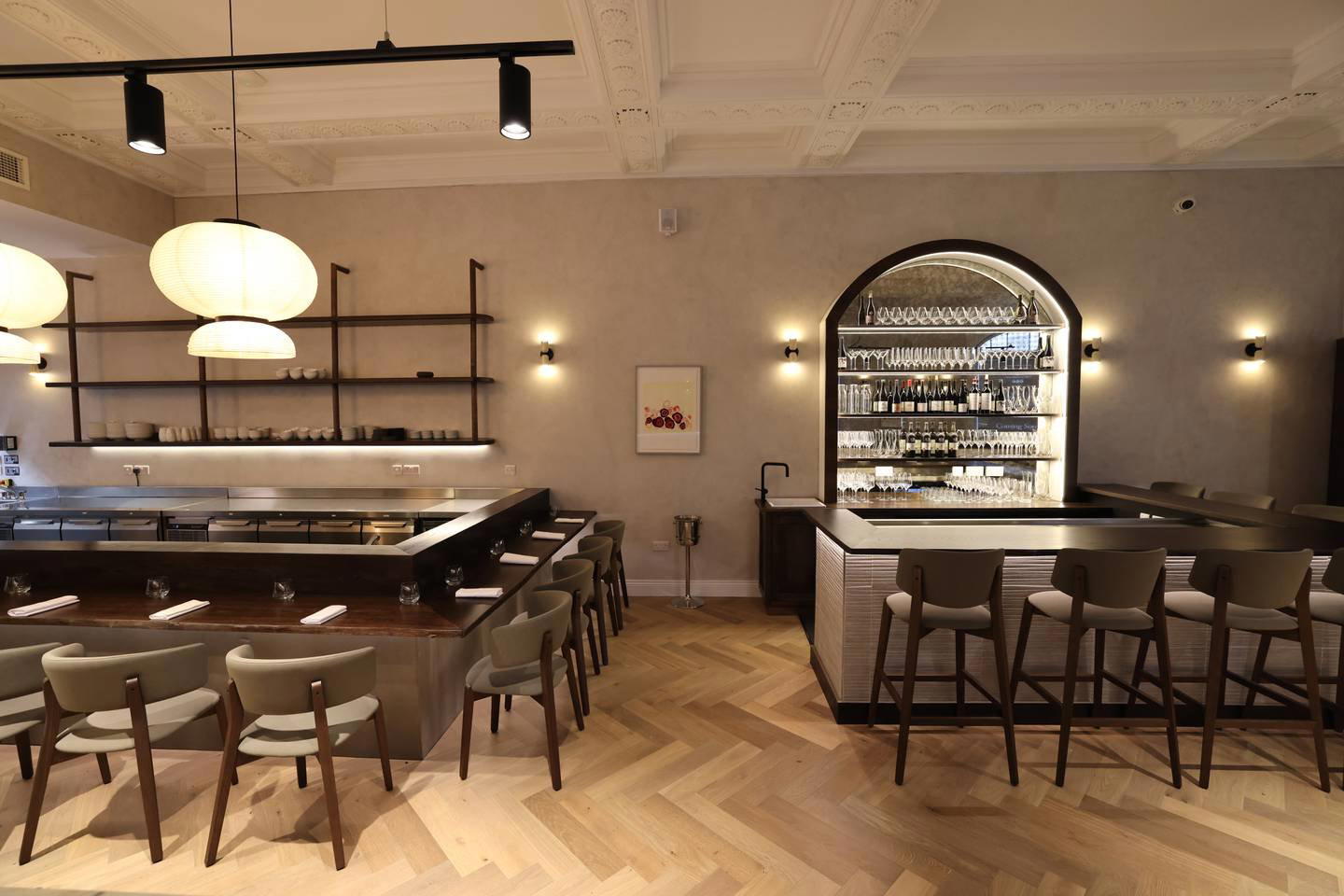
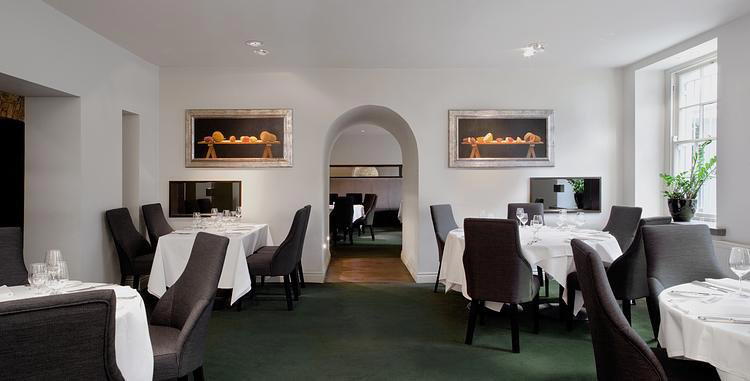
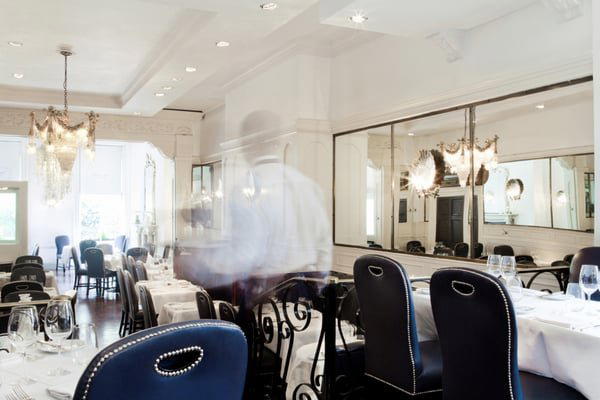
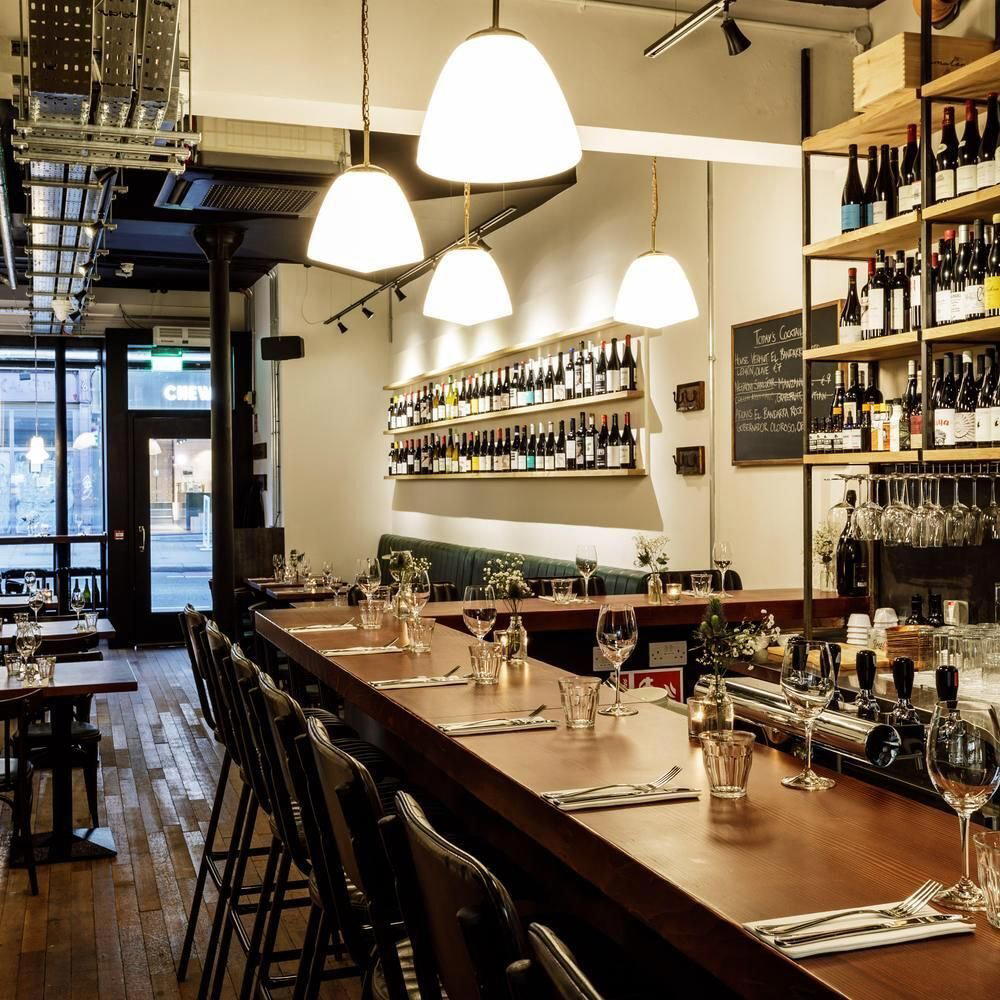
An izakaya-style address on Eden Quay that brings Japanese small-plate drinking culture to the north side of the Liffey. Kyodai sits in a Dublin restaurant scene increasingly comfortable with format imports from Tokyo and Seoul, offering a more casual counterpoint to the city's formal dining rooms. It is worth tracking for those who want Japanese pub-house energy without committing to an omakase price bracket.

Pearl is the En Primeur Club membership app — saves, bookings, and concierge access live there. Same editors, same standards.
- Address
- 10 Eden Quay, North City, Dublin, D01 V6F4, Ireland
- Phone
- +35315563788
- Hours
- Mon–Wed 12–10 PMThu–Sat 12–11 PMSun 12–10 PM
- Website
- kyodai.ie
- Directions
- Get directions
- Booking
- Book on OpenTable
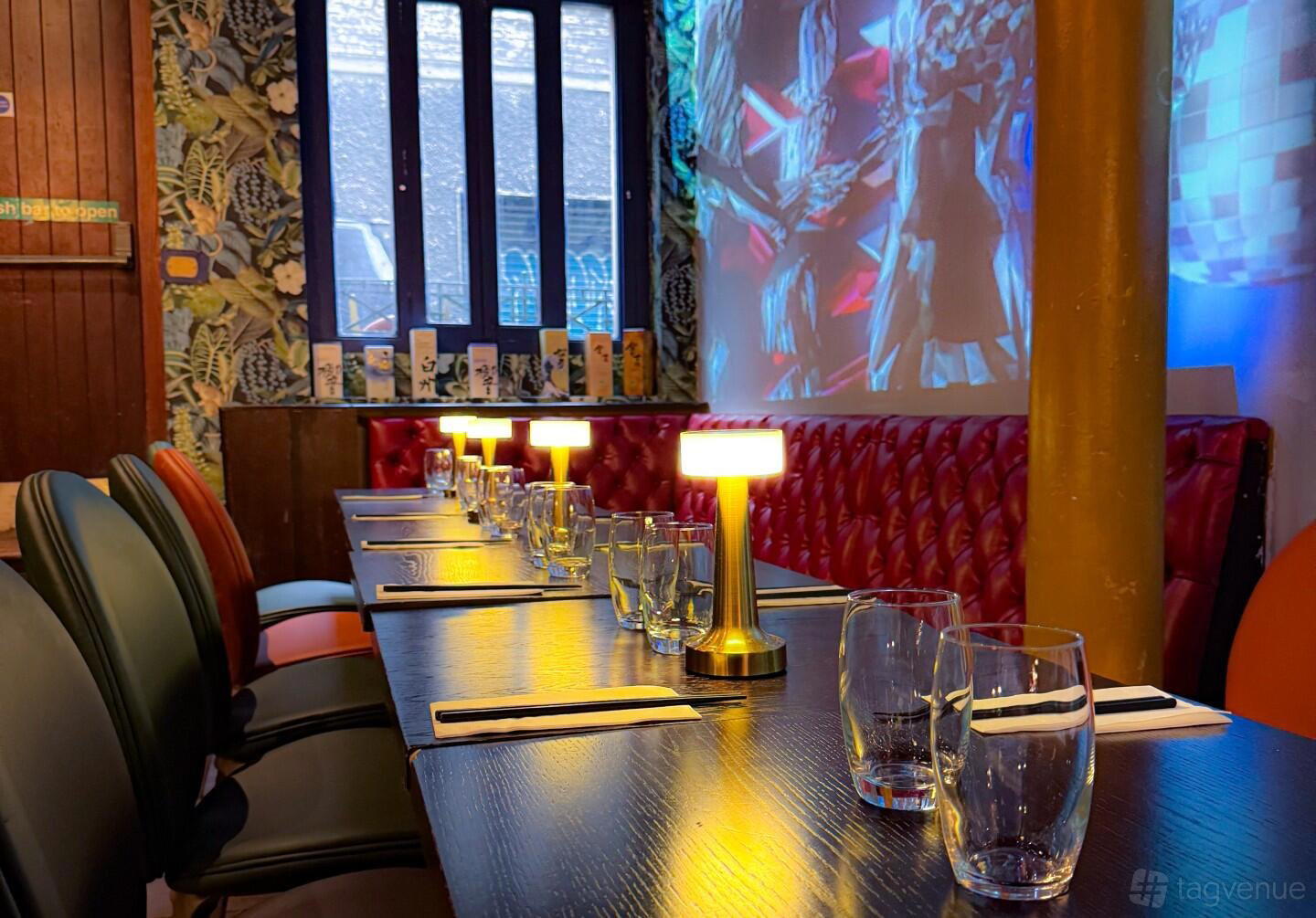
Eden Quay and the Izakaya Import
Dublin's north quays have long played second fiddle to the Georgian dining rooms of Merrion Street and the polished rooms south of the river. That gap has been narrowing for several years, and Kyodai Izakaya on Eden Quay is part of the evidence. It occupies a stretch of the Liffey's north bank where the city feels less curated than Kildare Street but more genuinely urban than the outer villages, a setting that happens to suit the izakaya format rather well. In Tokyo and Osaka, the izakaya exists precisely in that register: not fine dining, not fast food, but a shared-table, order-as-you-go structure designed to keep people at the table with drinks in hand and small plates arriving in rounds.
That format has taken root in a handful of European cities faster than others. London's Soho and Hackney absorbed it early; Copenhagen followed with a generation of Japanese-informed small-plate rooms; Dublin arrived later but is now building its own cohort of venues that borrow from the izakaya playbook without simply replicating Japanese gastropubs. Kyodai sits in that cohort, and its address on the north quay places it in a neighbourhood that suits the format's informality.
The Format and What It Asks of the Room
Izakaya service only works when the floor and kitchen operate as a single readable system. The format is not a tasting menu and not à la carte in the conventional Western sense: dishes come when they are ready, the pace is set partly by the kitchen and partly by the table's drinking rhythm, and the front-of-house team carries a navigational role that is more demanding than it looks. Getting that right requires a front-of-house that reads tables quickly and a kitchen that communicates timing outward rather than inward.
That collaboration between floor and kitchen is where the editorial angle on Kyodai becomes interesting. Dublin has a growing number of restaurants where the front-of-house programme is as considered as the cooking itself. Chapter One by Mickael Viljanen and Patrick Guilbaud represent the formal end of that investment, where floor teams are trained to the same depth as the kitchen brigade. The izakaya context asks for something different: speed, fluency, and the ability to make sequential small-plate ordering feel unhurried rather than rushed. Whether the team at Kyodai consistently achieves that balance is the question that separates a good izakaya from a merely functional one.
Where Kyodai Sits in Dublin's Japanese Moment
Dublin is not yet Tokyo, but the city's appetite for Japanese-rooted formats has moved well beyond ramen shops and supermarket sushi. The past five years have produced a more differentiated Japanese dining tier: omakase counters at the serious end, izakayas and casual donburi spots in the mid-range, and a handful of hybrid rooms borrowing selectively from Japanese technique. Kyodai belongs to the izakaya category within that structure, which places it in a different competitive set from the kaiseki-influenced seriousness of somewhere like Atomix in New York City or the classical French-Japanese precision of Le Bernardin.
The more relevant comparison for Kyodai is the broader Irish casual-dining tier that has been quietly maturing. Bastible in Portobello and Glovers Alley in the city centre represent the modern Irish end of ambitious-but-accessible, while D'Olier Street sits a short walk from Eden Quay and occupies a similarly informal register. Kyodai's proposition is to hold a distinct identity within that company: Japanese pub-house structure rather than Modern Irish, small plates rather than composed mains, and a drinks programme that should, in a well-run izakaya, anchor the experience as much as the food does.
The Drinks Programme as Structural Element
In Japan, the izakaya's food and drink relationship is inverted relative to European fine dining. Drinks are not selected to accompany food; food is selected to accompany drinks. That inversion changes what a sommelier or drinks lead actually does. At Kyodai, the drinks programme, whether built around Japanese whisky, sake, shochu, or a hybrid of those and Western spirits, should be designed to drive the ordering sequence rather than follow it. That is a specific kind of floor intelligence, closer to bar programming than classical wine service, and it is one of the harder things to calibrate in a European context where guests arrive expecting to choose food first.
For context on how serious small-plate drinking culture can look in an Irish setting, Liath in Blackrock and Aniar in Galway both demonstrate that Irish rooms can build genuinely considered drinks narratives alongside ambitious cooking. Kyodai is working from a different format tradition, but the underlying demand is the same: the person managing the drinks needs to be as fluent in the evening's rhythm as the kitchen team.
Context Beyond Dublin
Tracking izakaya-format restaurants in Ireland as a category reveals that the format is still thinly spread outside the capital. Much of the country's ambitious cooking remains in the Modern Irish register, from dede in Baltimore and Chestnut in Ballydehob in West Cork to Terre in Castlemartyr, Bastion in Kinsale, Campagne in Kilkenny, Homestead Cottage in Doolin, House in Ardmore, and Lady Helen in Thomastown. Against that broader Irish picture, a Japanese small-plate room on Dublin's north quay is a format outlier, which is part of what makes it worth paying attention to. Format diversity within a city's dining ecology is generally a sign of maturation rather than trend-chasing.
Planning a Visit
Kyodai Izakaya is located at 10 Eden Quay, on the north bank of the Liffey in central Dublin, within walking distance of the city's main transport hubs. The izakaya format works well when you arrive without rigid time pressure: the ordering rhythm is iterative rather than linear, and the experience compresses badly if you are tracking a curtain time. For the widest range of the menu's small plates, arriving earlier in the evening and building the meal across two or three rounds of dishes will serve you better than a single large order. For broader Irish dining context across formats and price tiers, the same guide covers the city's full range from neighbourhood rooms to Michelin-decorated addresses.
Frequently asked questions
What's Kyodai Izakaya's location?
Kyodai Izakaya is located at î10 Eden Quay, North City, Dublin, D01 V6F4, Ireland, Dublin.
Is Kyodai Izakaya suitable for a group dining out in Dublin city centre?
The izakaya format at Kyodai is structurally well-suited to groups: shared plates, a drinks-led ordering rhythm, and a menu designed to be revisited across an evening rather than concluded in a single round. The Eden Quay address in Dublin D01 places it within easy reach of the city's main transport links, making coordination straightforward for parties coming from different parts of the city. For larger groups, confirming availability directly with the venue before arrival is advisable.
What's the best thing to order at Kyodai Izakaya?
Izakaya menus are built around grazing rather than a single centrepiece dish, so ordering broadly across the menu gives you the most accurate read of the kitchen. At Kyodai on Eden Quay, the format favours small plates designed to accompany drinks, meaning the drinks programme and the food function as one system rather than separately. Arrive with a group if you can — the format rewards the table that orders widely and often.
How far ahead should I plan for Kyodai Izakaya?
Kyodai Izakaya sits on Eden Quay in central Dublin, close to the city's main transport hubs, which puts it in reach of both pre-theatre and late-evening crowds. Dublin's appetite for Japanese-format restaurants has grown sharply in recent years, meaning demand at addresses like this tends to outpace expectations.
How It Stacks Up
Comparable venues nearby, for context on price, style, and recognition.
| Venue | Cuisine | Price | Notes |
|---|---|---|---|
| Kyodai IzakayaThis venue — the venue you are viewing | Japanese Izakaya | $20–30 | Not listed |
| Yamamori Sushi | Authentic Japanese Sushi & Izakaya | $30–50 | North City |
| Musashi Noodle & Sushi Bar | Japanese Noodles & Sushi | $20–30 | North City |
| Rotana City | Authentic Lebanese | $20–30 | Rotunda B |
| Diwali Restaurant Camden Street | Authentic Indian and Nepalese | $20–30 | Royal Exchange B |
| 3fe Five Points | Modern Café Brunch | $10–20 | Rathmines West F |