ZAFFRAN UK
Zaffran UK occupies a James Street address in London's Marylebone, placing it within one of the capital's most competitive dining corridors. The restaurant draws on the subcontinent's long tradition of spice-led cooking, operating at a price point and postcode that put it in direct conversation with the neighbourhood's established European and modern British dining rooms.
Pearl is the En Primeur Club membership app — saves, bookings, and concierge access live there. Same editors, same standards.
- Address
- 27 James St, London W1U 1DX, United Kingdom
- Phone
- +447741092478
- Website
- zaffranuk.co.uk
- Directions
- Get directions
 Saves & bookings on Pearl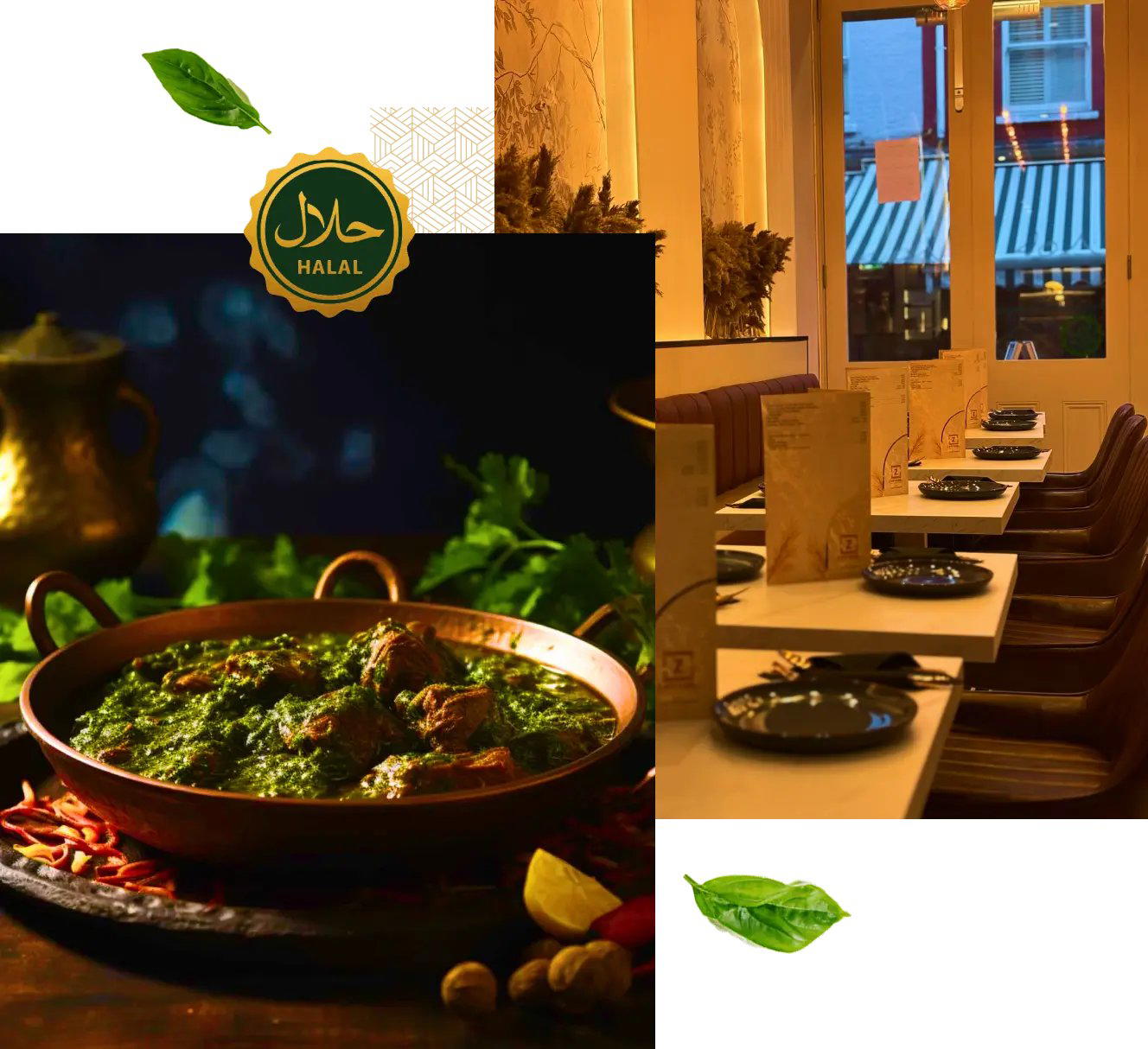
Marylebone's Indian Dining Scene and Where Zaffran Sits Within It
London's relationship with Indian cooking is longer and more complex than the city often acknowledges. From the Bangladeshi-owned curry houses of Brick Lane to the tasting-menu ambitions of Opheem in Birmingham, the category has fractured into distinct tiers over the past two decades. In Marylebone specifically, that evolution has produced a cluster of restaurants that compete less on price than on precision: tightly sourced ingredients, regional specificity over generic 'Indian' branding, and wine lists that are taken seriously rather than treated as an afterthought.
Zaffran UK, at 27 James Street, W1U, sits within that Marylebone corridor. James Street runs parallel to the eastern edge of the Wallace Collection and feeds directly into the Oxford Street retail belt, which makes it an address that captures both the neighbourhood's residential calm and its daytime commercial traffic. The competitive context on this stretch is worth understanding: a short radius includes dining rooms across Modern British, French, and European formats, operating at the ££££ tier, among them Sketch, The Lecture Room and Library and Dinner by Heston Blumenthal. Zaffran's positioning within that comparable set depends less on format parity and more on the argument that spice-led cooking, handled with the same sourcing rigour, deserves the same dining-room weight.
The Wine Question at Indian Restaurants: A Longer Conversation
The pairing of wine with subcontinental cooking remains one of the more contested conversations in London dining. The standard industry objection, that tannins clash with heat, that oak overwhelms spice, has been used for years to justify thin, uninspired wine lists at otherwise serious Indian restaurants. That logic has been losing ground. A growing cohort of operators, particularly at the higher end of the market, has started building cellars that engage with the actual challenge rather than retreating from it.
The approach that tends to work leans toward aromatic whites: Alsatian Gewurztraminer, German Riesling, and Viognier-based wines from the Northern Rhône carry enough perfume and residual structure to hold their own against complex spice profiles without being overwhelmed. On the red side, lower-tannin options from the Loire (Cabernet Franc) and lighter Pinot Noir expressions have found advocates among sommeliers working in this category. What distinguishes a serious list from a perfunctory one is whether the curation reflects those pairing realities or simply mirrors the standard European fine-dining cellar without adjustment.
For context, the sommelier programs at venues like CORE by Clare Smyth and Restaurant Gordon Ramsay treat wine service as a primary editorial statement, with cellar depth and pairing specificity built into the dining proposition from the ground up. Whether Zaffran's list operates with that level of intentionality is a question worth asking at the point of reservation. The address and competitive context suggest a dining room that should be engaging with it.
Indian Cooking in London's Current Fine-Dining Moment
The broader context for a restaurant like Zaffran is a London fine-dining scene that has spent the last decade reassessing which cuisines belong at the high table. The city's Michelin recognition of Indian-origin cooking has been slower than its recognition of European formats, but the gap has been narrowing. Restaurants built around regional Indian specificity, rather than a generic pan-subcontinental approach, have attracted the critical attention that earlier Indian fine dining often struggled to secure.
That shift has parallels in other cities. In New York, Atomix demonstrated that Korean-origin fine dining could hold the same critical and commercial position as particularly ambitious European formats in the same city. The structural argument is similar: when cooking rooted in non-European traditions is treated with the same sourcing discipline, service rigour, and beverage program depth as the dominant fine-dining modes, it competes on equal terms. The question for any London Indian restaurant at the Marylebone price point is whether it is making that argument convincingly.
For a comparative frame outside London, the UK's fine-dining geography includes venues like Le Manoir aux Quat'Saisons in Oxford, L'Enclume in Cartmel, and Moor Hall in Aughton, all of which have built their identities around ingredient provenance and technical precision. That standard has raised reader expectations across the board, including for Indian cooking at comparable price points.
The Neighbourhood and Practical Context
Marylebone's dining density makes it one of the more competitive postcodes in central London. The W1U address places Zaffran within walking distance of Bond Street and Baker Street Underground stations, which makes access direct from most of central London. The James Street location is quieter than the Oxford Street frontage a few hundred metres south, which gives the immediate streetscape a more considered feel than the retail chaos of the main drag.
The broader EP Club London guide covers the full range of the capital's dining options across every price tier and format. Readers planning a London trip with multiple dining commitments should cross-reference the full London restaurants guide for neighbourhood-level detail. Comparable experiences at different format and geography points include The Ledbury in Notting Hill, Waterside Inn in Bray, Gidleigh Park in Chagford, Hand and Flowers in Marlow, hide and fox in Saltwood, Midsummer House in Cambridge, and Restaurant Andrew Fairlie in Auchterarder. For transatlantic comparisons, Le Bernardin in New York City sets a reference point for how European-origin fine dining built its critical authority over decades through consistent sourcing and service discipline.
Know Before You Go
- Address: 27 James Street, London W1U 1DX
- Nearest Tube: Bond Street (Central, Jubilee) or Baker Street (Bakerloo, Circle, Jubilee, Metropolitan)
- Booking: Contact the restaurant directly; reservation advisable for evening service given the neighbourhood's dining demand
- Price tier: Marylebone positioning implies mid-to-upper range; confirm current pricing when booking
- Wine: Ask specifically about pairing options for spice-led dishes; aromatic whites and lighter reds tend to perform leading in this context
Peers You’d Cross-Shop
Comparable venues nearby, for context on price, style, and recognition.
| Venue | Cuisine | Price | Notes |
|---|---|---|---|
| ZAFFRAN UKThis venue — the venue you are viewing | Authentic Halal Indian | $$ | Not listed |
| Indian Moment | Authentic Indian Curry House | $$ | Battersea |
| Grand Cholan | Authentic South Indian Tamil Cuisine | $$ | Cubitt Town |
| Swagat | Traditional Indian Curry House | $$ | Richmond |
| Dishoom Shoreditch | Bombay Comfort Food | $$ | Shoreditch |
| Red Koyla | Authentic North Indian Cuisine | $$ | Teddington |
Continue exploring
More in London
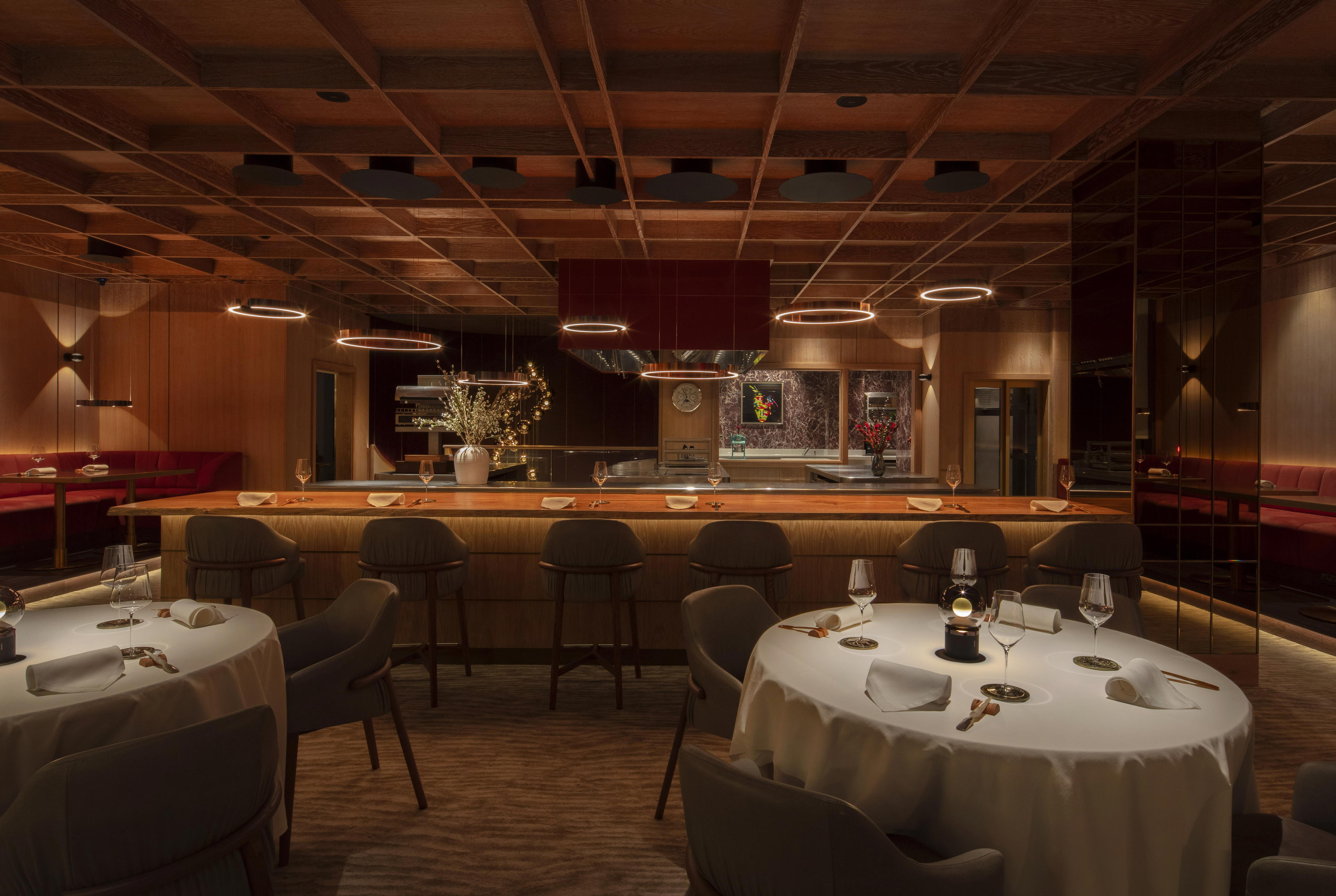
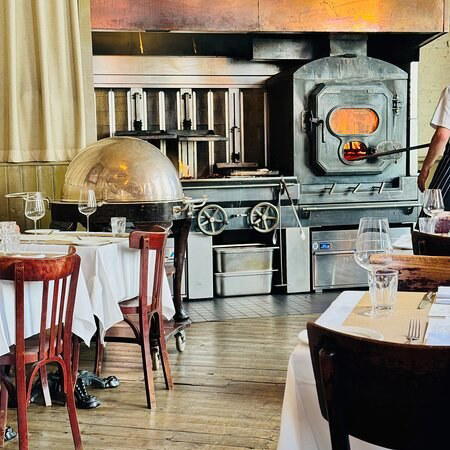
Restaurants in London
Browse all →
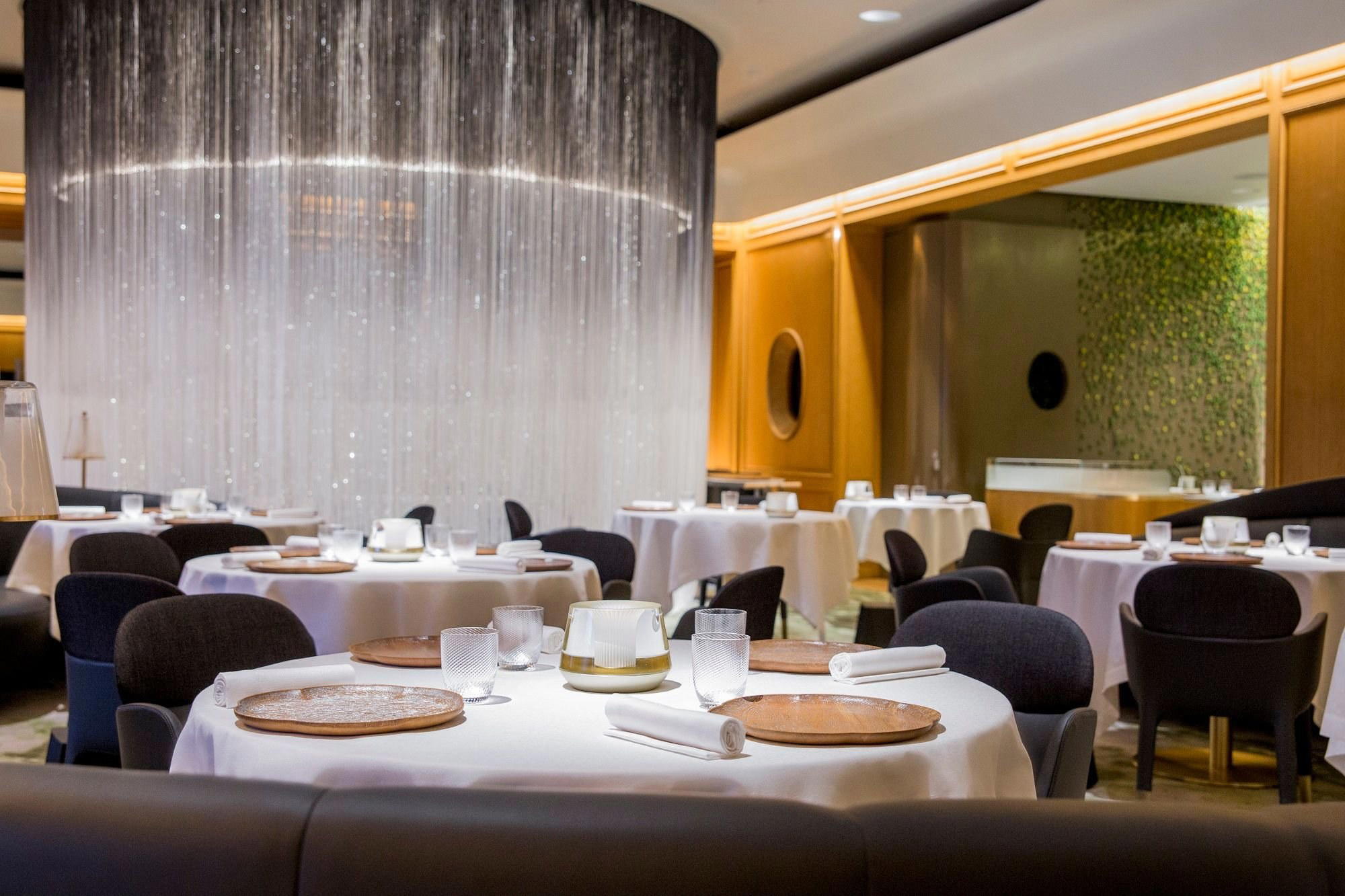
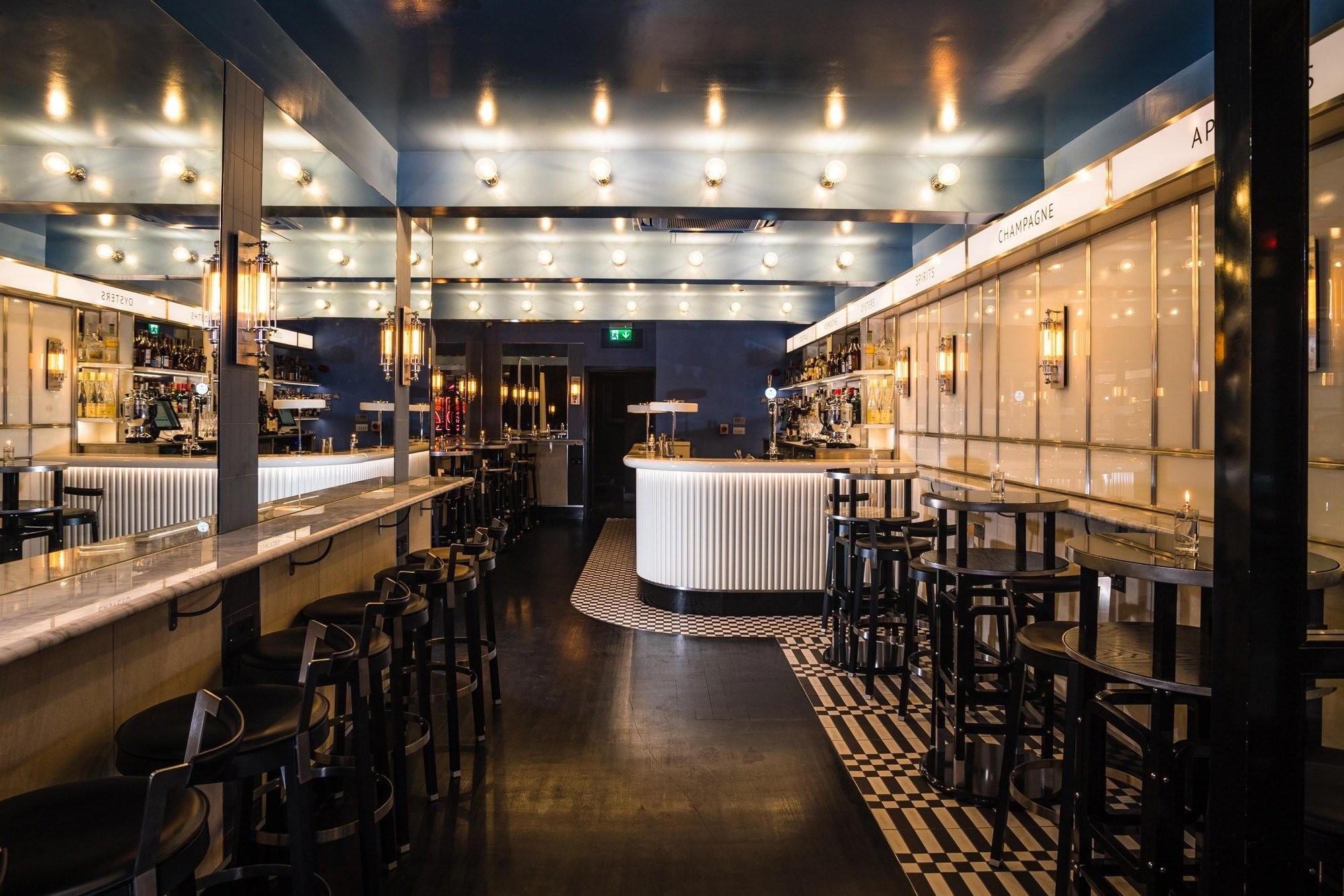
Bars in London
Browse all →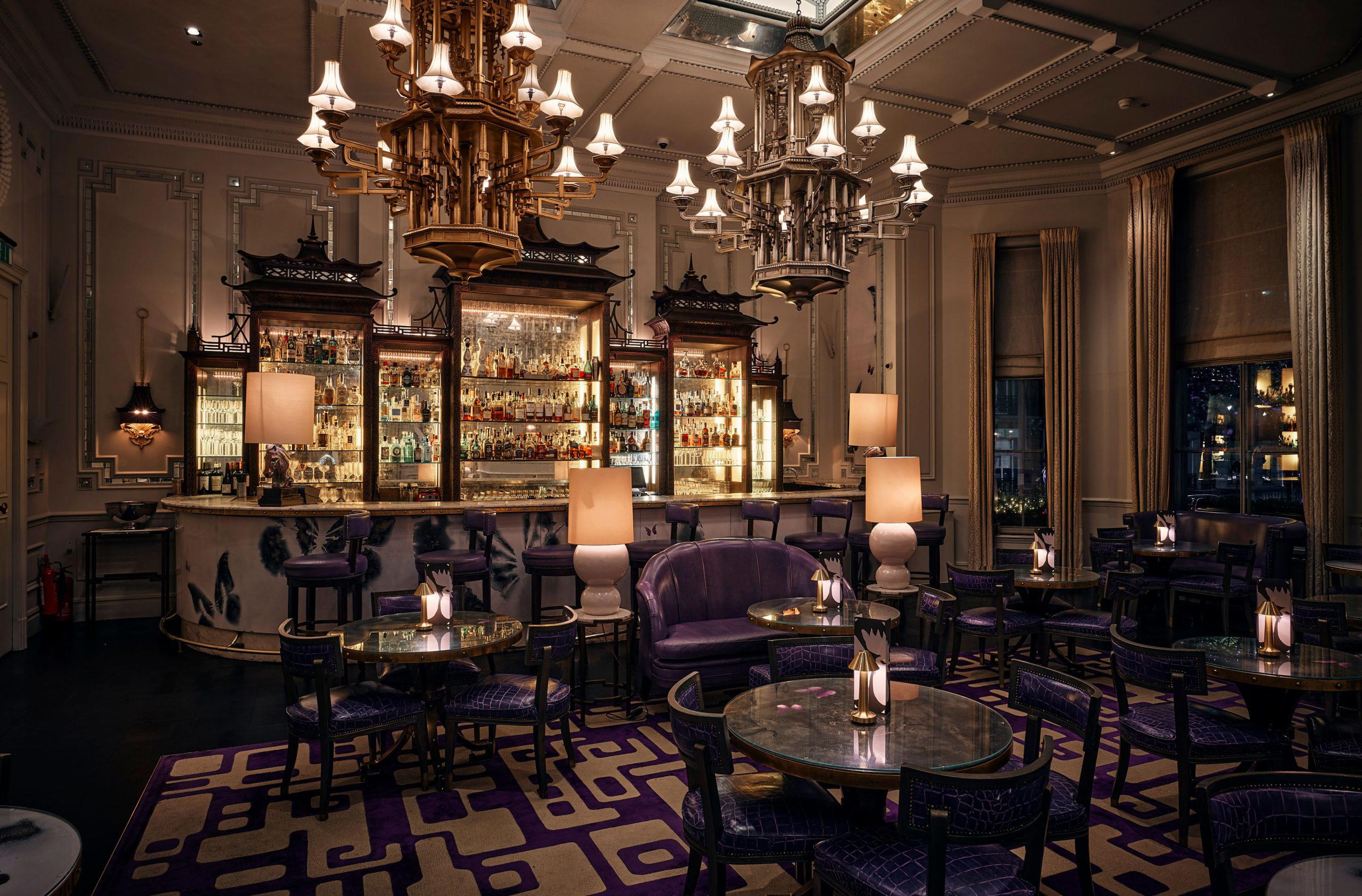
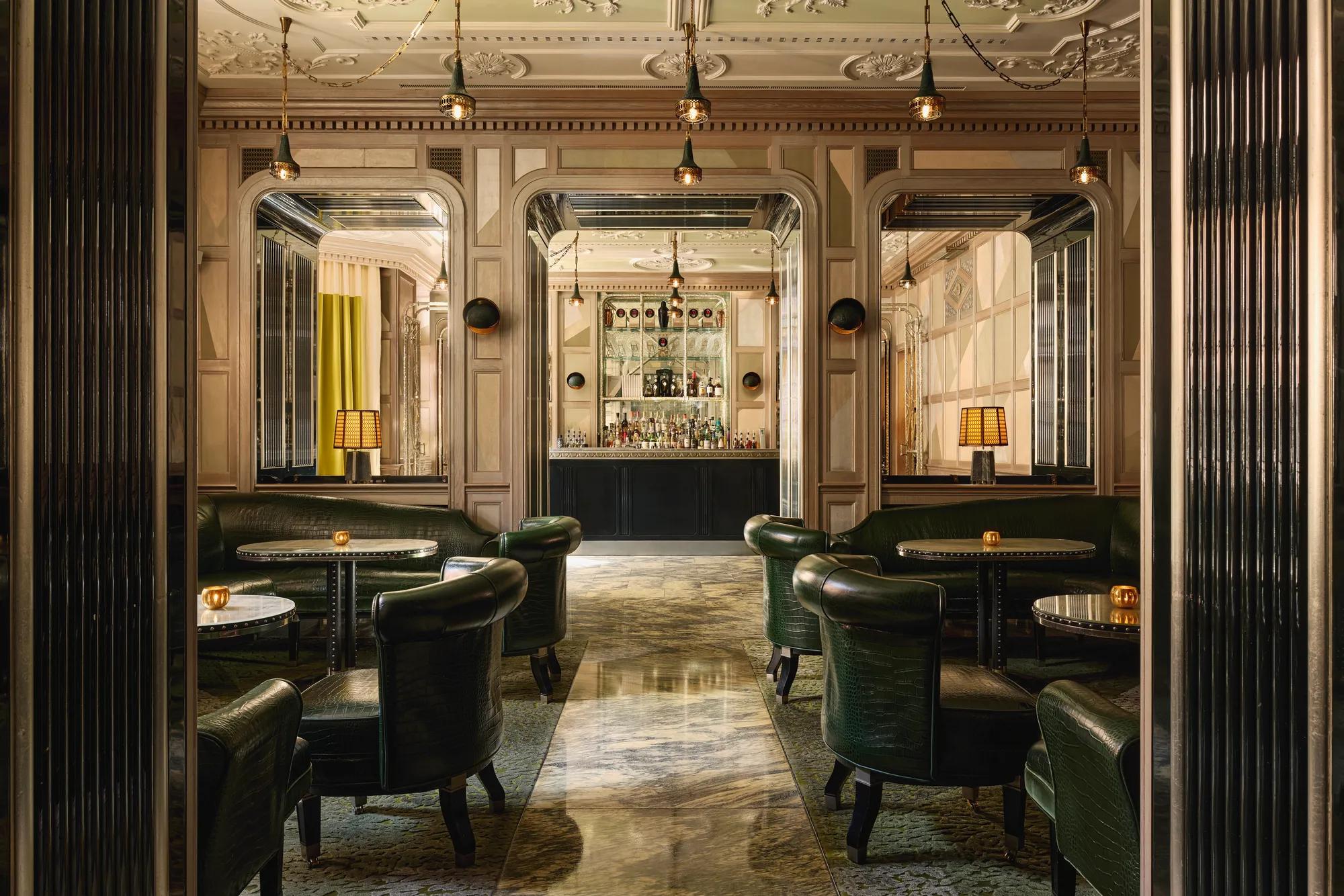
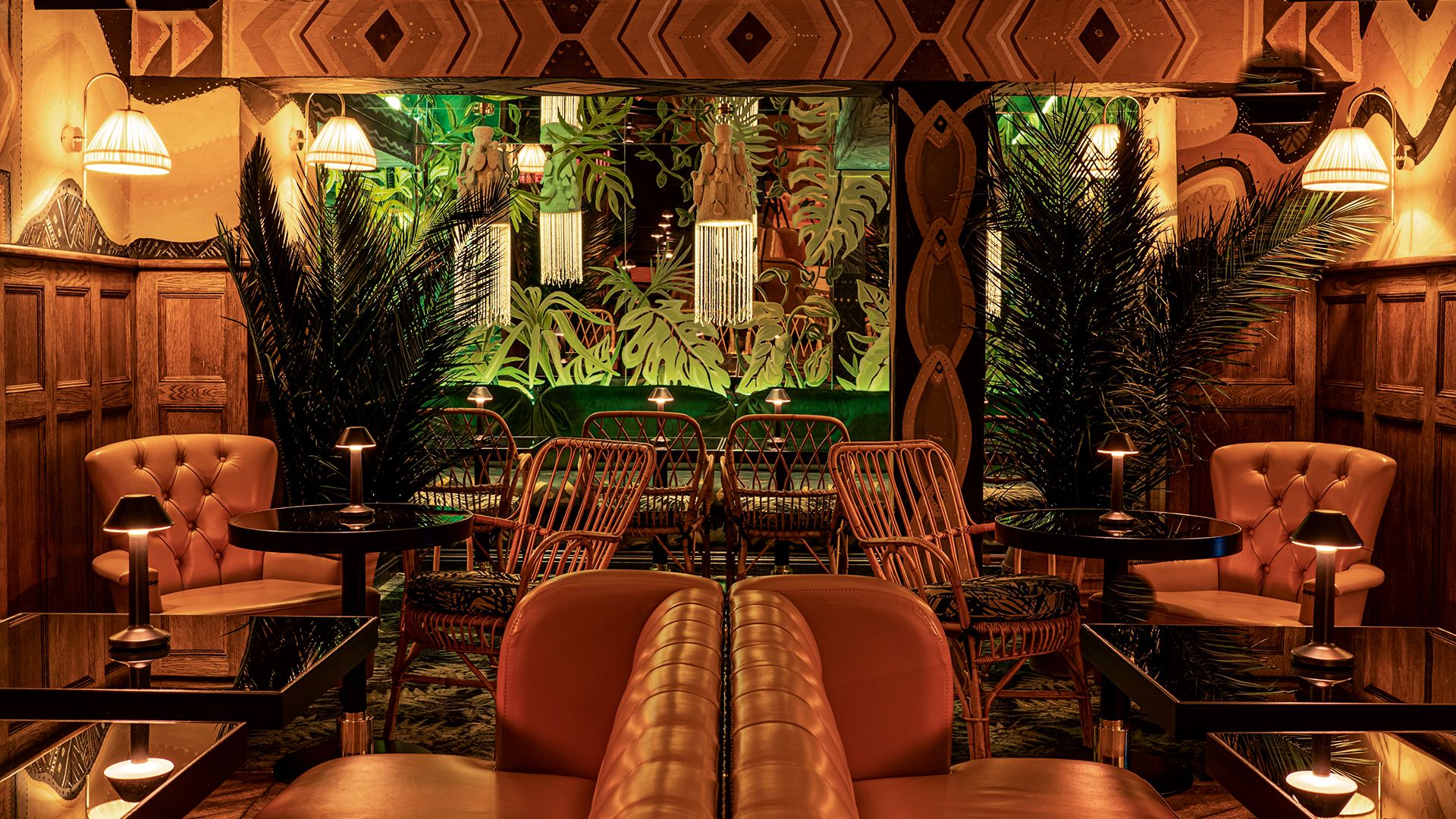
Hotels in London
Browse all →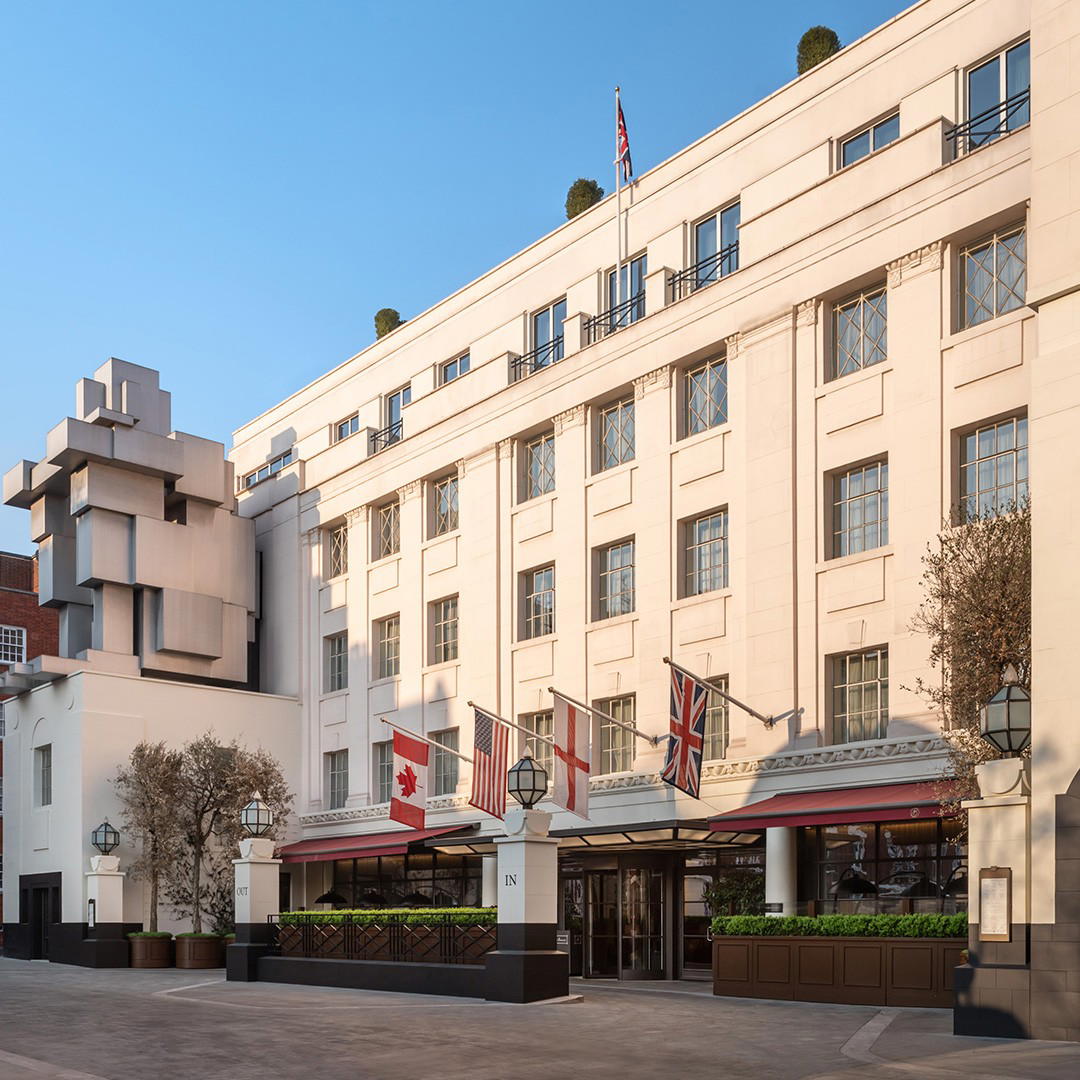


At a Glance
- Cozy
- Elegant
- Date Night
- Family
- Business Dinner
- Standalone
Current opening hours
- Monday
- 12–11 PM
- Tuesday
- 12–11 PM
- Wednesday
- 12–11 PM
- Thursday
- 12–11 PM
- Friday
- 12–11 PM
- Saturday
- 12–11 PM
- Sunday
- 12–11 PM
Hours can change for holidays and private events. Last verified .
Welcoming and elegant space with cozy seating for intimate dining.