Hélène Darroze at The Connaught








Three Michelin stars and a 95-point La Liste score place Hélène Darroze at The Connaught among London's most credentialed fine dining rooms. The seasonal tasting menu draws on French technique, global spicing, and produce sourced from the British Isles, set inside a quietly transformed Mayfair dining room that has shed its gentlemen's club gravity without losing its sense of occasion.
Pearl is the En Primeur Club membership app — saves, bookings, and concierge access live there. Same editors, same standards.
- Address
- The Connaught, Carlos Pl, London W1K 2AL, United Kingdom
- Phone
- +44 20 3147 7200
- Website
- maybourne.com
- Directions
- Get directions
 Saves & bookings on Pearl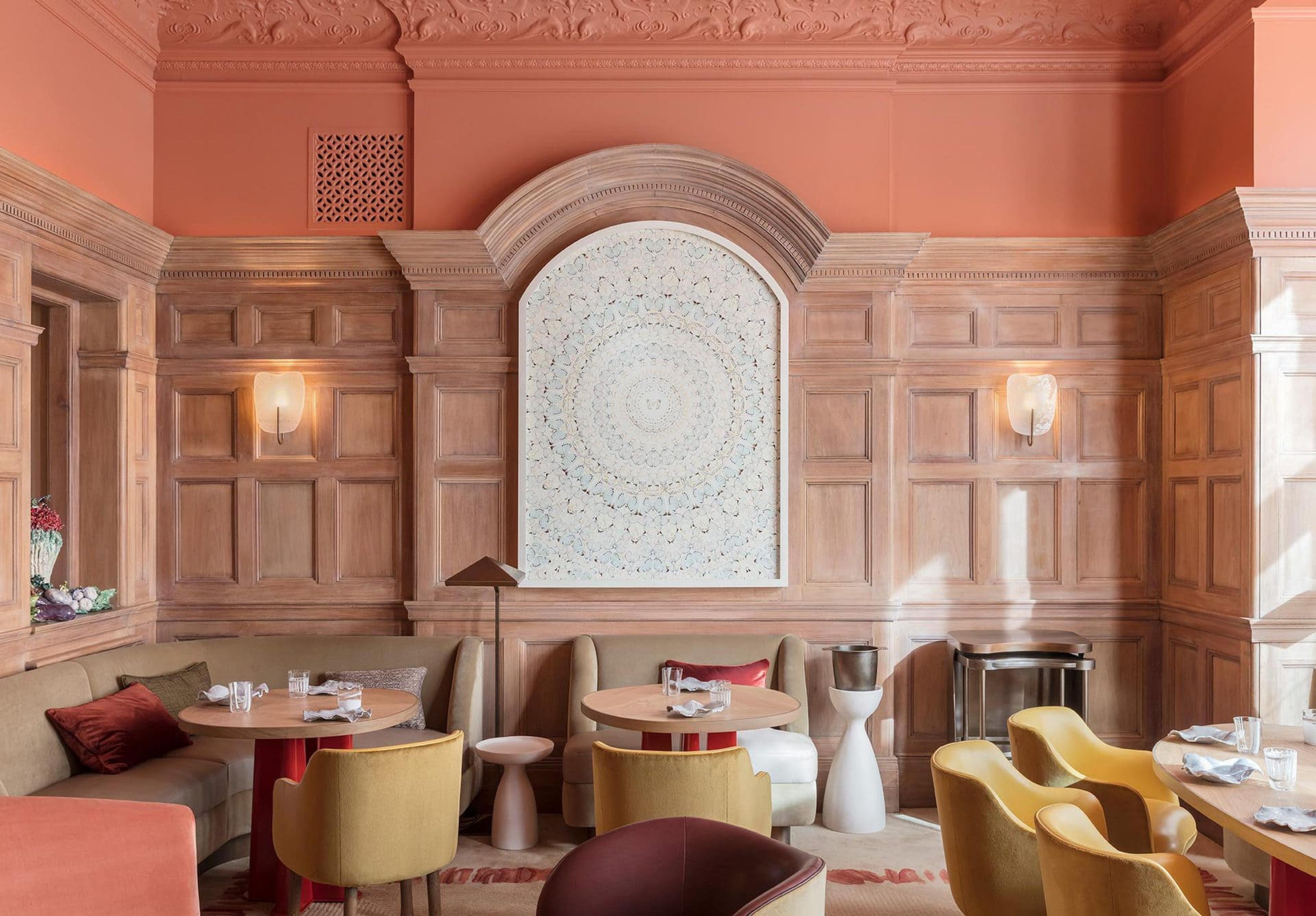
A Mayfair Dining Room Remade
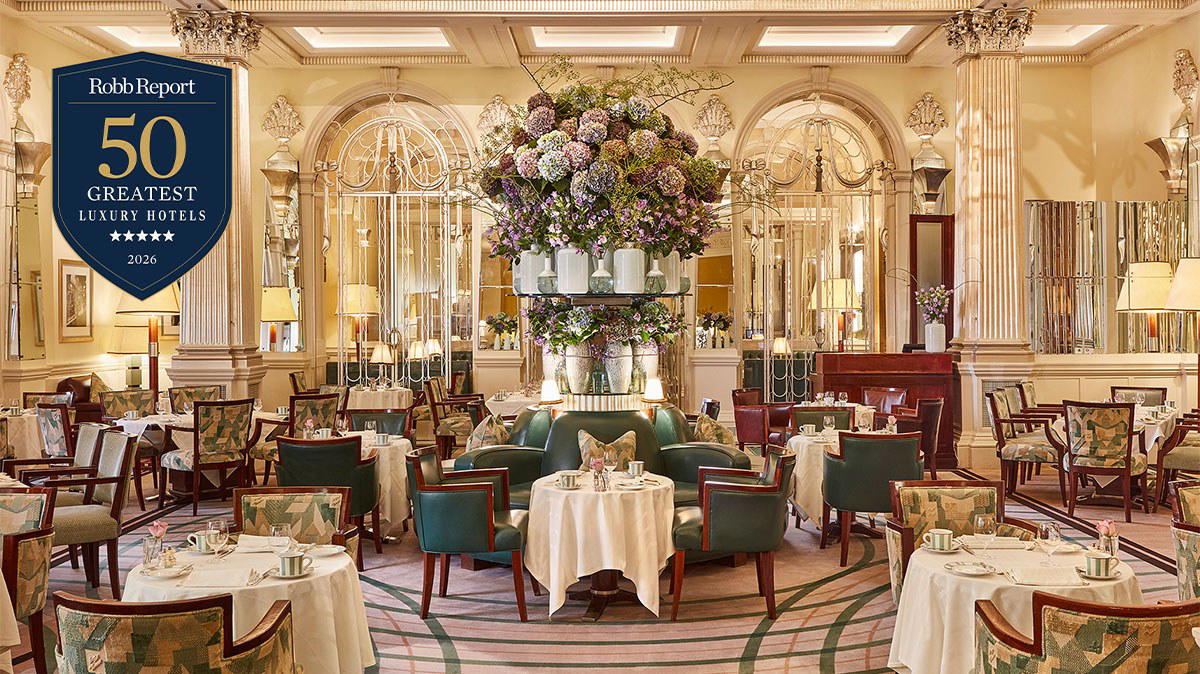
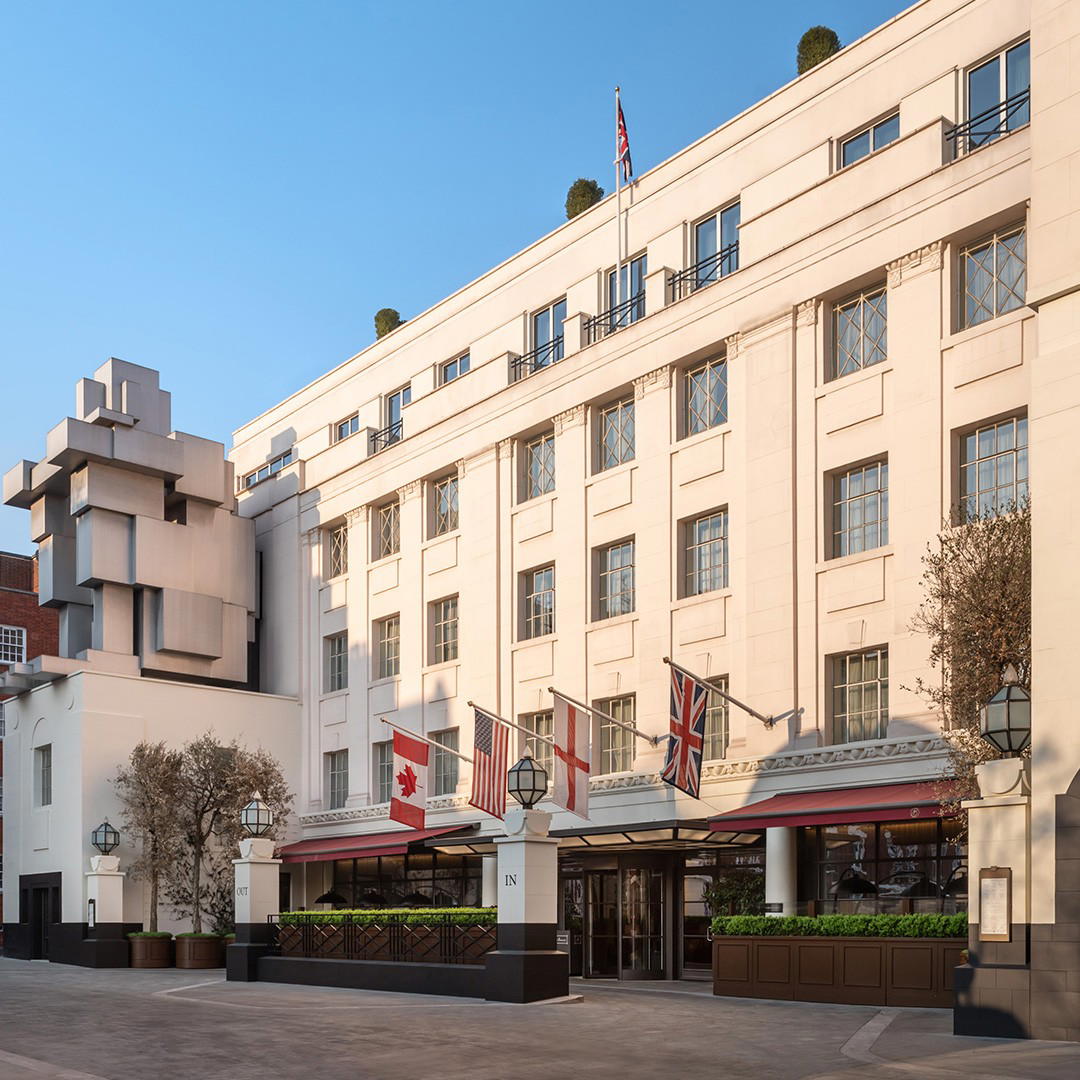
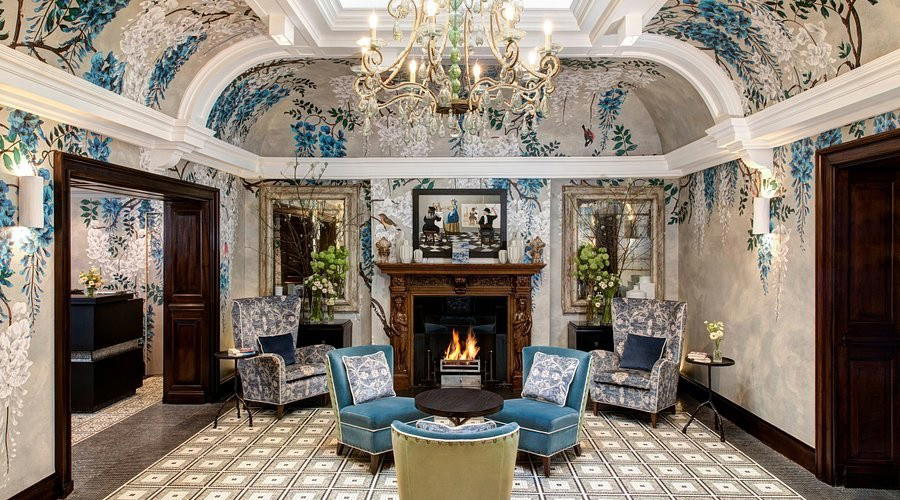
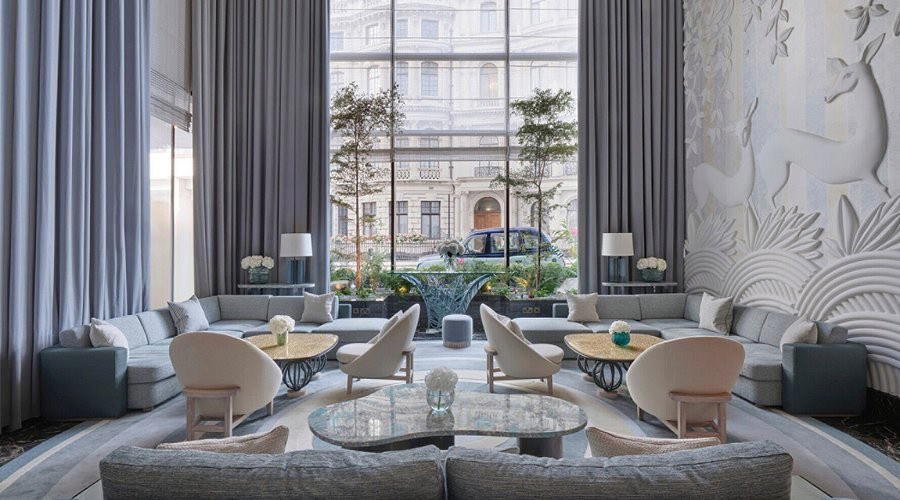
Carlos Place has long served as a kind of geographic anchor for Mayfair's hotel dining tradition. The Connaught sits there with the assured posture of an institution that has never needed to advertise itself, and the dining room carrying Hélène Darroze's name occupies that same register. Hélène Darroze at The Connaught is a three-Michelin-star restaurant in London’s Mayfair, with formal service and an essential reservation policy. A 2019 refurbishment replaced the heavier, more masculine atmosphere of an earlier era with tan leather banquettes, pastel tones, and subdued lighting that read more as intimate than grand. The wood panelling remains, but the room no longer asks you to sit up straight. Instead, it creates a considered tension between the formality that a three-Michelin-star kitchen demands and the warmth that sustains a meal across three or four hours.
The front-of-house operation reflects the calibre of the kitchen. Multiple staff members move through the room with the kind of coordinated precision that feels purposeful rather than choreographed. At this price point and reputation level, the service is itself part of the argument for the meal.
The Logic of the Menu Structure
London's three-Michelin-star tier now operates almost exclusively through fixed tasting formats, and Hélène Darroze at The Connaught is no exception. What distinguishes its structure is a measured degree of flexibility within the constraint. Diners can select the number of courses from a sliding scale, and at certain stages, paired options allow a degree of genuine choice rather than the token alternatives that some tasting menus offer. Where a supplement applies to one option, it is stated clearly enough not to feel like a trap.
This architecture matters because it shapes how the meal reads. A tasting menu is not simply a sequence of dishes; it is an argument made over time, and the quality of that argument depends on pacing, contrast, and whether each course earns its position in the sequence. The kitchen here builds menus around seasonal produce sourced primarily from the British Isles, then layers flavour references drawn from further afield. Isle of Mull lobster arriving with tandoori spices is the clearest illustration of how that tension operates: the sourcing is resolutely local, while the spicing acknowledges a broader frame of culinary reference. Neither element overwhelms the other.
Produce, Technique, and the Seasonal Frame
Grand hotel dining in London has had a complicated decade. The rise of independently owned, chef-driven rooms in Notting Hill, Bermondsey, and Clerkenwell shifted critical attention away from the hotel corridor, and some major hotel restaurants responded with menus that felt safer, designed to avoid offence rather than generate interest. The Connaught's dining room has moved in a different direction. The kitchen operates with technical ambition that does not seem calibrated around the comfort of hotel guests who might have wandered in.
The 'Taste of Autumn' menu that critics have assessed in recent years offers a useful map of how the kitchen thinks. Paimpol coco beans and smoked eel, seasoned with Nepalese timut pepper and served in a clam consommé, opens with a structural clarity that signals the register of what follows. Pasta cups holding ceps, snail, guanciale, and roasted cobnuts demonstrate the ability to work within a familiar Italian grammar while keeping the flavour logic distinctly French. A dish lid lifted tableside releases the scent of burnt hay, setting up a foaming sauce for lobster tail accompanied by a sweet-and-sour gel and tarragon purée. These are dishes that require explanation not because they are obscure, but because the detail is meaningful.
The main courses in this format have tended to anchor around well-sourced meat: Rhug lamb dressed in ras el hanout with apricot and spelt brings the same cross-cultural spice logic applied earlier in the menu to a more substantial cut. The dessert sequence, which often moves through a pre-dessert of fruit and flower elements before arriving at the signature baba, provides genuine resolution rather than the afterthought that dessert can become in menus that have spent their energy earlier.
The Baba and the Armagnac Question
Baba au rhum is a French patisserie staple, but the version served here operates as something more specific. The signature dessert is soaked in vintage Armagnac selected from a collection managed by Hélène Darroze's brother Marc, with raspberries and peppered crème fraîche as accompaniments. The choice of Armagnac rather than rum is a regional statement as much as a flavour one: Armagnac is older and less internationally marketed than Cognac, and the family association grounds the dessert in a particular culinary geography. It also creates the kind of table theatre that a closing course at this level should provide, with the selection of spirit becoming part of the meal's final movement.
Wine flights are available at multiple price tiers, described internally as ascending from ground level to considerably above it, which is one of the more honest characterisations of how fine dining wine pairings are actually structured.
Where It Sits in London's Three-Star Set
London currently has a concentrated cluster of three-Michelin-star restaurants, and each occupies a distinct position within it. CORE by Clare Smyth and The Ledbury operate with a strong British produce identity, while Restaurant Gordon Ramsay maintains a classical French framework. Sketch, The Lecture Room and Library pitches its experience partly on the drama of its environment, and Dinner by Heston Blumenthal organises itself around a historical British ingredient conceit. Hélène Darroze at The Connaught occupies the French technique with global ingredient reference space, combined with the material weight of a grand hotel setting that has been made to feel less formal than it once was.
Within the broader British fine dining context, the conversation extends outside London to rooms like The Fat Duck in Bray, L'Enclume in Cartmel, Moor Hall in Aughton, Gidleigh Park in Chagford, Hand and Flowers in Marlow, and Le Manoir aux Quat' Saisons in Great Milton. The Connaught room competes at the summit of that set, with the three-star credential to match the company.
For French reference points at comparable standing, Le Cinq at the Four Seasons George V in Paris and Guy Savoy in Paris operate within a similar hotel dining framework, which makes Hélène Darroze at The Connaught a natural reference point for anyone moving between London and Paris at the summit end of French fine dining.
Planning the Visit
The restaurant operates Tuesday through Saturday, with lunch service running from noon to 2 pm and dinner from 6:30 to 9 pm. It is closed on Sundays and Mondays. At the ££££ price point, with a reservation policy described as essential, advance booking is advisable. The address is The Connaught, Carlos Place, London W1K 2AL, in Mayfair, within walking distance of Bond Street station.
Side-by-Side Snapshot
Comparable venues nearby, for context on price, style, and recognition.
| Venue | Cuisine | Price | Awards | Notes |
|---|---|---|---|---|
| Hélène Darroze at The Connaught | Three Michelin-Star Modern French Fine Dining | $$$$ | Michelin 3 Star | Mayfair |
| Alain Ducasse at The Dorchester | Contemporary French Haute Cuisine | $$$$ | Michelin 3 Star | Mayfair |
| River Café | Rustic Italian | $$$$ | Michelin 1 Star | Hammersmith Broadway |
| St John | Traditional British Nose-to-Tail | $$$ | Michelin 1 Star | Farringdon |
| KOL | Modern Mexican Fine Dining | $$$$ | Michelin 1 Star | Marble Arch |
| The Ritz Restaurant | Classical French Fine Dining | $$$$ | Michelin 2 Star | St. James's |
Recognition history
Dated appearances from independent guides and award organizations, with the underlying list record or original source where available.
AA Rosettes 5 Rosettes
AA Rosettes
Falstaff Restaurant - 98 Falstaff Points
Falstaff
La Liste Top Restaurants
La Liste
Michelin 3 Stars
Michelin
Opinionated About Dining Classical in Europe Ranked #69
Opinionated About Dining
Star Wine List
Star Wine List
La Liste Top Restaurants
La Liste
Michelin 3 Stars
Michelin
Opinionated About Dining Classical in Europe Ranked #62
Opinionated About Dining
The Best Chef Three Knives
The Best Chef
The Good Food Guide GFG Exceptional
The Good Food Guide
Michelin 3 Stars
Michelin
Opinionated About Dining Classical in Europe Ranked #69
Opinionated About Dining
Opinionated About Dining Classical in Europe Ranked #70
Opinionated About Dining
World's Best Wine Lists Awards WBWL 3-Star
World's Best Wine Lists Awards
Continue exploring
More in London
Restaurants in London
Browse all →
Bars in London
Browse all →
Hotels in London
Browse all →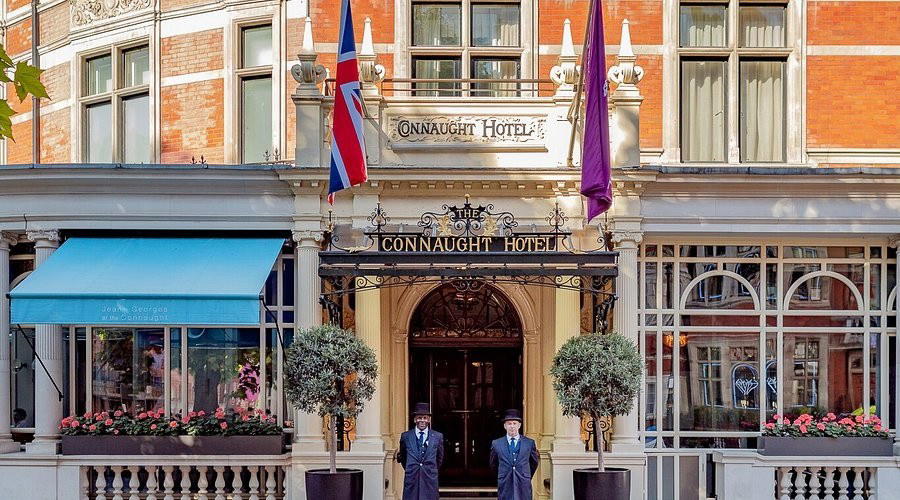



At a Glance
- Elegant
- Sophisticated
- Intimate
- Modern
- Classic
- Special Occasion
- Date Night
- Business Dinner
- Celebration
- Private Dining
- Chefs Counter
- Hotel Restaurant
- Wine Cellar
- Extensive Wine List
- Sommelier Led
- Local Sourcing
Current opening hours
- Monday
- Closed
- Tuesday
- 12–2 p.m., 6:30–9 p.m.
- Wednesday
- 12–2 p.m., 6:30–9 p.m.
- Thursday
- 12–2 p.m., 6:30–9 p.m.
- Friday
- 12–2 p.m., 6:30–9 p.m.
- Saturday
- 12–2 p.m., 6:30–9 p.m.
- Sunday
- Closed
Hours can change for holidays and private events. Last verified .
Warm and intimate dining room with soft furnishings, pastel colours, coral walls, large bay windows, stylish custom furnishings, and a cosy yet elegant atmosphere.