
Yum cha Haru no Sora brings Sapporo into Japan’s serious Chinese dining conversation through a compact yum cha and Chinese rice porridge format rather than the city’s more familiar ramen-and-curry shorthand. Recognition in Tabelog’s Chinese EAST “Tabelog 100” selections for 2023, 2024, and 2026 gives it a clear credential in a category where Hokkaido has fewer nationally visible names.
Pearl is the En Primeur Club membership app — saves, bookings, and concierge access live there. Same editors, same standards.
- Address
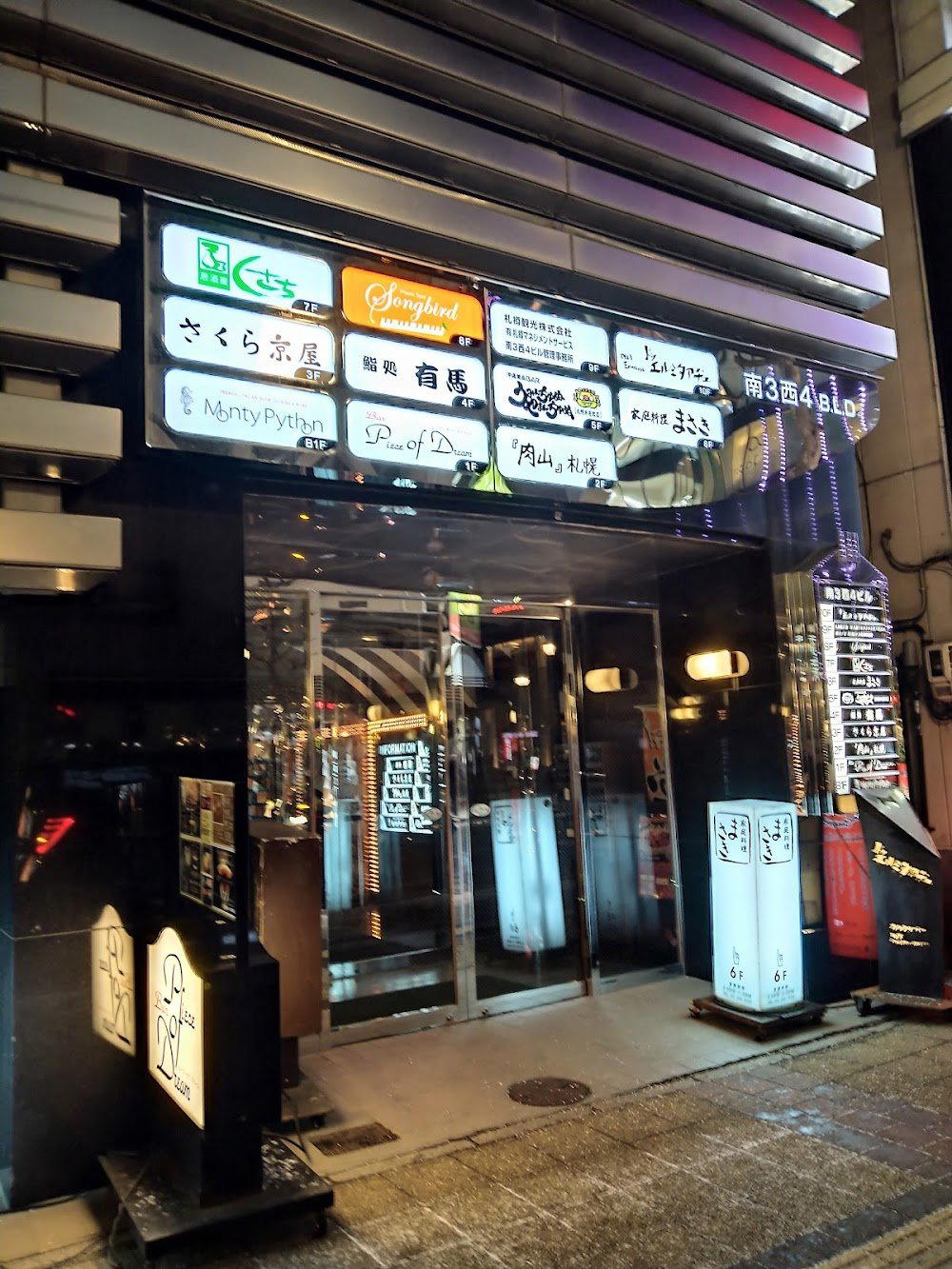
- Japan, 〒060-0042 Hokkaido, Sapporo, Chuo Ward, Odorinishi, 6 Chome−10-11 北都ビル B1F
- Phone
- +81 11-200-0586
- Website
- tabelog.com
 Saves & bookings on Pearl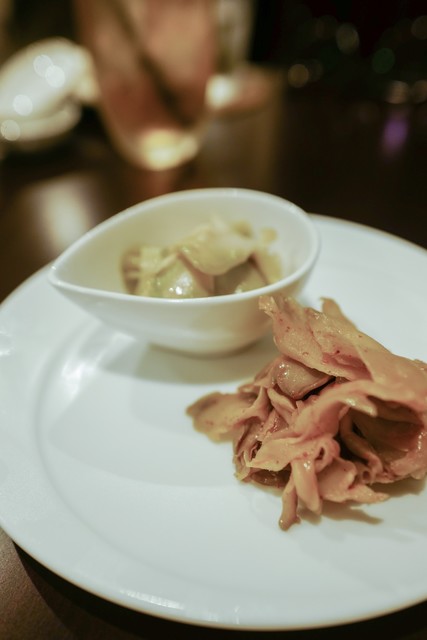
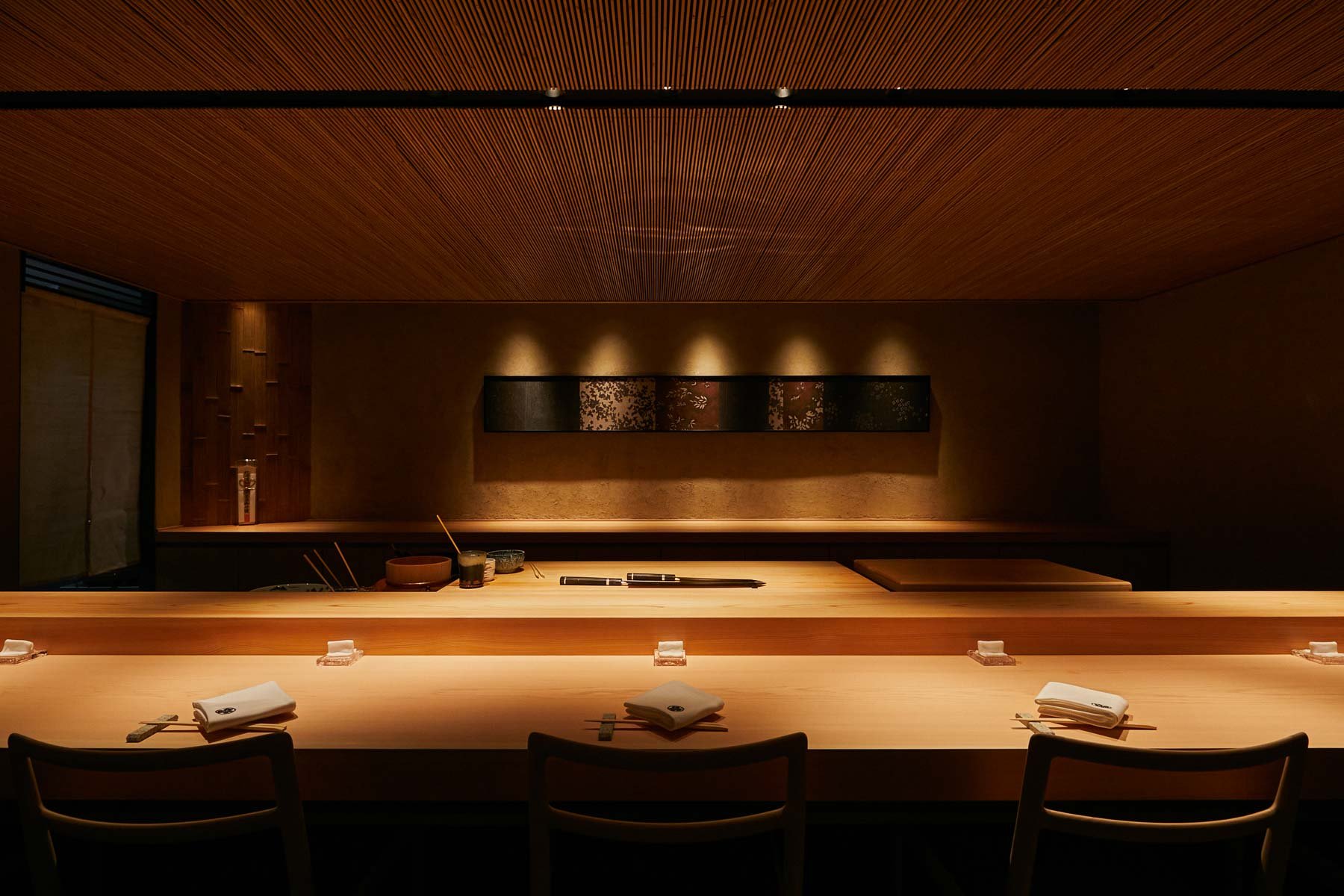
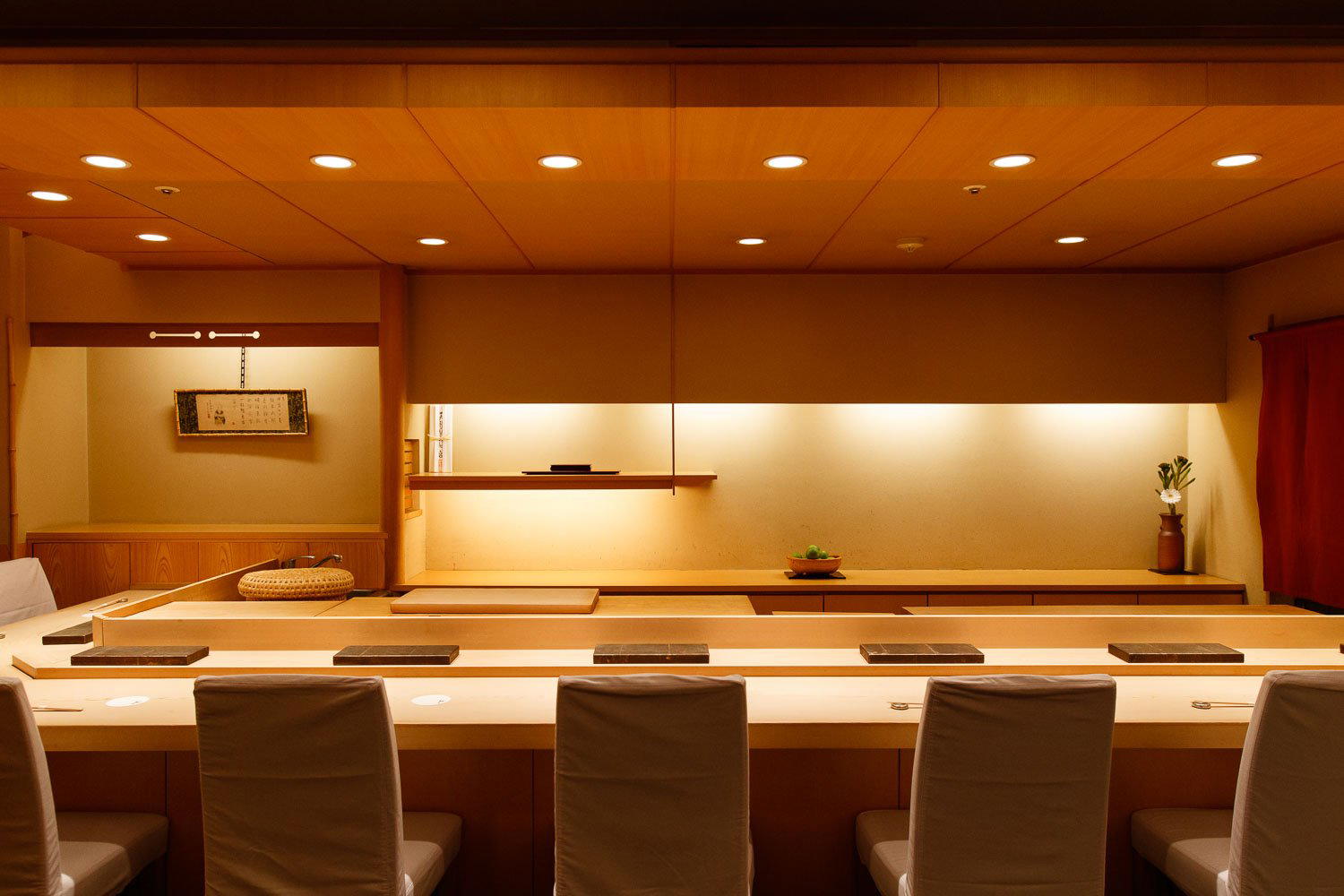
Below street level in Odorinishi, the meal begins with a shift in scale: Sapporo’s broad winter avenues and office blocks give way to a tighter basement dining room, where yum cha answers a different urban appetite. In Hong Kong and Cantonese communities, yum cha means tea, steam, small plates, and daytime social eating. In Japan, it often becomes more compact and controlled, less banquet hall than focused counterpoint to the staples that dominate a city’s dining identity.
That context matters in Sapporo. The city is often read through miso ramen, soup curry, crab, lamb, and dairy, with Chinese cooking folded into everyday noodles or hotel dining rather than treated as a destination category. Yum cha Haru no Sora sits in the narrower lane: dim sum, yum cha, Chinese rice porridge, and Chinese cooking at a scale that makes the meal feel deliberate rather than incidental. Its selection for Tabelog’s Chinese EAST “Tabelog 100” in 2023, 2024, and 2026 gives it a measurable place in eastern Japan’s Chinese dining field, beyond Sapporo’s neighborhood rotation.
Why yum cha reads differently in Sapporo
Yum cha is not simply dumplings. The tradition is built around pacing, repetition, and small decisions: tea before food, steamed and fried items alternating with softer starches, and rice porridge as a reset rather than an afterthought. In a northern Japanese city known for hearty, cold-weather eating, that structure has quiet appeal. It gives the meal a lighter architecture without making it casual by default.
The stronger Sapporo comparison is not with Cantonese dining rooms in Tokyo or Yokohama, but with the city’s own everyday-food hierarchy. Ramenya Kirita Seimen and Ramen Senju sit in a leaner ramen price tier, while ZORA and Kuroiwa Curry Hanten speak to the curry culture that has become one of Sapporo’s defining local signatures. Yum cha Haru no Sora occupies another register: approachable, but more ceremonially organized around sharing, tea-house logic, and the technical demands of small-format Chinese cooking.
That distinction helps travelers who already understand Sapporo as a city of specialization. A ramen shop makes its case through broth and noodle texture; a curry room through spice structure and rice; a yum cha address must hold attention across multiple small preparations and a meal that depends on cadence. The Tabelog 100 recognition signals that this is not merely a convenient Chinese option near Odori, but part of a small group of eastern Japan Chinese restaurants attracting sustained attention from Japanese diners.
A compact Chinese meal in a city of big signatures
The appeal here is not luxury theater. It is how a modest-format Chinese meal can reframe Sapporo’s center. Odori often serves as a connector between shopping, offices, parks, and transit, yet rewards diners who look below obvious street-level choices. A basement location suits the genre: less spectacle, more concentration, and a room focused on the sequence of small plates rather than one dramatic main course.
Chinese rice porridge is an important clue. In Cantonese food culture, congee can be breakfast, comfort food, or a stabilizing element inside a broader meal. In Japan, where rice, broth, and seasonal restraint already carry deep cultural weight, porridge gives Chinese cooking an immediately legible form without flattening it into Japanese cuisine. Paired with dim sum, it suggests a meal built for texture and pacing rather than excess.
The price positioning also matters as context, not a promise of extravagance. Lunch sits in a lower bracket than dinner, making the restaurant unusually relevant for travelers who want a serious Chinese meal without committing a full evening. Dinner moves into a more deliberate bracket, closer to a planned meal than an incidental stop. The split mirrors a broader Japanese pattern: lunch can be the intelligent entry point for restaurants whose evening service carries more weight.
There is no need to force chef mythology onto the place. The public signals are stronger on format and recognition than personality, which is not a weakness in this category. Dim sum and yum cha are collective traditions shaped by technique, timing, and the relationship between small dishes. The more useful question is whether the restaurant broadens how a visitor reads Sapporo. On the evidence available, it does.
How to place it inside a Sapporo itinerary
This fits the traveler using Odori as a base and looking beyond the city’s usual shorthand. Pair it with a broader reading of local dining through Our full Sapporo restaurants guide, then compare the city’s specialist lanes: spice at Ajanta Sohonke and Ajanta Indo Curry Ten, modern curry at [Curry Senmon Ten] Maruyama Kyoju., and Sichuan-leaning heat at 175°DENO Tantanmen Sapporo kitaguchi ten. For a longer Hokkaido food map, Aigues Vives shows how far the region’s serious eating extends beyond central Sapporo.
Planning is simple: treat it as a focused stop rather than an all-night anchor, and build the day around Odori, Nishi Hatchome, and central Sapporo. Travelers sorting the full trip can cross-reference Our full Sapporo hotels guide, Our full Sapporo bars guide, Our full Sapporo wineries guide, and Our full Sapporo experiences guide. For Japan-wide contrast, note how regional dining identities shift from -Grilled beef Sukiyaki- KAMAKURA TANUKIAN 鎌倉 たぬき庵 in Kamakura to. 鮪と炭火焼き うお炭 秋葉原店 in Tokyo.cafe in Osaka.know in Kumamoto, (Shoku) Vietnam in Kawasaki, and [ki:] in Kyoto. For overseas Japanese-adjacent formats, Jōdo Saké Bar in Los Angeles and Onigiri Time in Pasadena are useful counterpoints: Sapporo’s strength is not export gloss, but specific small rooms doing narrow things well.
The editorial case for Yum cha Haru no Sora is clear: it expands the Sapporo table without pretending to replace the city’s defining staples. For visitors who have already planned ramen, curry, and seafood, this is the Chinese meal that adds cultural range to the itinerary and carries enough recognition to justify the detour.
Pricing, Compared
Comparable options at the same price tier.
| Venue | Cuisine | Price | Notes |
|---|---|---|---|
| Yum cha Haru no SoraThis venue — the venue you are viewing | Chūō, Dim sum and Chinese congee | $$ | Not listed |
| Curry Kibun | Kiyota, Dining | Not listed | Not listed |
| Yakiniku Restaurant Totori | Chūō, Yakiniku & Korean Barbecue | $$ | Not listed |
| The Bar Nano Femto | Chūō, Cocktail Bar | $$ | Not listed |
| sapporo soup curry dip | Kita, Sapporo Soup Curry | $$ | Not listed |
| Univers S. | Not listed | $$ | Nishi, Retro Showa-style Western (yoshoku) restaurant |
Recognition history
Dated appearances from independent guides and award organizations, with the underlying list record or original source where available.
Tabelog 100 #93 · No. 93
Tabelog · Tabelog 100 - Chinese cuisine - EAST - 2026




At a Glance
- Cozy
- Intimate
- Solo
- Casual Hangout
- After Work
- Group Dining
- Standalone
- Private Dining
Current opening hours
- Monday
- 11 AM–2:15 PM
- Tuesday
- 11 AM–2:15 PM
- Wednesday
- Closed
- Thursday
- 11 AM–2:15 PM
- Friday
- 11 AM–2:15 PM
- Saturday
- 11 AM–2:15 PM
- Sunday
- Closed
Hours can change for holidays and private events. Last verified .