Yukkuri Wine Shokudo Gocchaponto

Ichinomiya’s Italian dining scene is small, but Yukkuri Wine Shokudo Gocchaponto gives it a serious, ingredient-led address: an eight-seat, fish-focused counter with a wine program and repeat selection for Tabelog Italian EAST 100 in 2021, 2023, and 2025. It suits diners who care less about metropolitan gloss and more about a compact room where sourcing, pacing, and restraint carry the meal.
Pearl is the En Primeur Club membership app — saves, bookings, and concierge access live there. Same editors, same standards.
- Address
- 2 Chome-15-6 Morimoto, Ichinomiya, Aichi 491-0831, Japan
- Phone
- +81 90-7312-1488
- Website
- gcpt.exblog.jp
 Saves & bookings on Pearl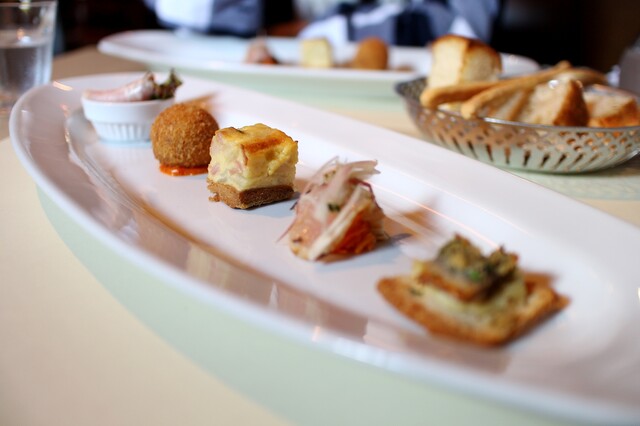
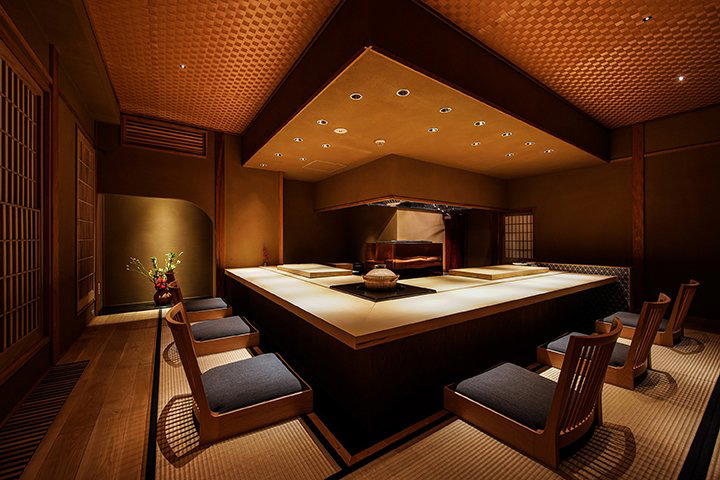
The approach to serious dining in Ichinomiya is quieter than in Nagoya: fewer hotel lobbies, fewer spectacle rooms, more reliance on small counters and regulars who know what they are looking for. Yukkuri Wine Shokudo Gocchaponto belongs to that smaller category. The room runs on an eight-seat scale, which changes the terms of the meal before the first plate arrives: cooking, wine, conversation, and timing all sit within a narrow radius.
That intimacy matters because the restaurant’s Italian identity is not built around generic trattoria comfort. Its public markers point toward fish and wine, a combination that makes sense in Japan’s Italian cooking culture, where seafood often does more work than meat and where acidity, salinity, and texture can define the meal as much as richness. In a city better known to visitors as a practical base in Aichi rather than a dining destination, this is the kind of address that rewards a narrower brief: ingredient-led Italian, small capacity, and a wine-first reading of the table.
Fish-led Italian in a city better known for small specialist rooms
Japanese Italian cooking has never been a simple import of regional Italy. Outside the major capitals, its stronger examples often come from translation rather than imitation: local fish, Japanese seasonality, and a wine list used to pull the meal toward Europe without erasing where it is being cooked. Gocchaponto’s stated focus on fish places it inside that tradition. The point is not fusion as theatre; it is the practical reality that seafood gives a small Italian room in Aichi a sharper identity than another parade of familiar pasta-and-meat cues.
The Tabelog Italian EAST 100 selections in 2021, 2023, and 2025 give that position external weight. Tabelog’s Hyakumeiten lists are not Michelin stars, and they should not be read as if they were. They do, however, function as a useful signal in Japan’s dining ecosystem: repeated selection places a restaurant among category specialists rather than general neighbourhood options. For Ichinomiya, that matters. The city’s stronger food map is scattered across formats, from ramen at Mugi no Michi Sugure and Chuka Soba Hanamaru to more formal Japanese cooking at Kappou Tenkai. Italian at this level is a thinner lane.
That thinner lane is also why comparisons need care. In Ichinomiya, price and format split the field quickly: noodle counters such as Raamen to Tenshin Graphmi serve a different decision entirely, while places like Restaurant HONJIN belong to a broader local dining conversation rather than the same fish-and-wine Italian niche. For a fuller read on the city’s range, Our full Ichinomiya restaurants guide is more useful than treating one meal as representative of the whole city.
The wine signal is part of the cooking, not an accessory
Wine-led restaurants in Japan can fall into two camps: bottle lists that simply decorate an expensive meal, and kitchens that cook with wine in mind. The details here point to the latter. A fish-forward Italian restaurant with a stated emphasis on wine needs brightness, restraint, and pacing; heavy sauces and overworked luxury ingredients would flatten the point. The appeal is in a meal that lets wine frame seafood rather than forcing pairings to rescue the food.
The eight-seat count strengthens that reading. Small rooms cannot hide behind scale. They make service rhythm and ingredient choices more visible, and they expose the difference between a restaurant built for occasion spending and one built around a disciplined point of view. Gocchaponto’s long operating history, dating to 1999, adds another credential. In Japan, endurance in a small specialist category often says more than a rush of short-term attention, especially outside the metropolitan dining press cycle.
There is also a useful lesson here for travellers moving through Aichi. Nagoya absorbs much of the region’s dining attention, but satellite cities can hold specialist rooms that do not behave like destination restaurants in the international sense. They are local, limited, and specific. The better question is not whether Ichinomiya can compete with the capital-city circuit; it is whether a small room can justify a detour for diners already nearby. With repeated Tabelog Italian EAST recognition and a clearly defined fish-and-wine axis, this one has a sharper answer than most.
How to place it within an Ichinomiya itinerary
Ichinomiya is not a city where dining, drinking, hotels, wineries, and cultural planning fold into one polished visitor circuit. The smarter plan is modular: choose the meal first, then build the rest of the stay around transport and timing. For lodging context, Our full Ichinomiya hotels guide is the better planning layer; for after-dinner or separate-night drinking, use Our full Ichinomiya bars guide. Wine-focused travellers can also scan Our full Ichinomiya wineries guide, while cultural pacing sits in Our full Ichinomiya experiences guide.
The useful editorial stance is simple: this is not the address for diners who want a large-room celebration or a broad à la carte survey. It is better suited to people who understand the appeal of a small-capacity restaurant where fish sourcing and wine structure lead the experience. That makes it a more adult proposition than its family-friendly status might suggest, though children are accepted under the restaurant’s stated conditions.
For broader calibration, it helps to look beyond Ichinomiya without forcing false equivalence. A sukiyaki specialist such as -Grilled beef Sukiyaki- KAMAKURA TANUKIAN 鎌倉 たぬき庵 in Kamakura, a Tokyo seafood-and-charcoal address like. 鮪と炭火焼き うお炭 秋葉原店 in Tokyo, and casual specialists such as.cafe in Osaka or.know in Kumamoto show how Japan’s dining strength often sits in narrowly defined formats. The same principle applies internationally, from (Shoku) Vietnam in Kawasaki and [Curry Senmon Ten] Maruyama Kyoju. in Sapporo to Jōdo Saké Bar in Los Angeles and Onigiri Time in Pasadena: specificity is the point. In Ichinomiya, Gocchaponto’s specificity is fish, wine, and a room small enough that both have to carry the evening.
Side-by-Side Snapshot
Comparable venues by cuisine and price in the same metro.
| Venue | Cuisine | Price | Notes |
|---|---|---|---|
| Yukkuri Wine Shokudo GocchapontoThis venue — the venue you are viewing | Italian Wine Shokudo | $$$ | Not listed |
| Kappou Tenkai | Japanese Kaiseki | $$$ | Kannonji |
| Ryuen | Japanese Yakiniku | $$$ | Owari Ichinomiya |
| Chuka Soba Hanamaru | Traditional Japanese ramen | $ | .null |
| SORCIERE | Intimate French Bistro & Wine Bar Counter | $$$ | Sakae |
| Mugi no Michi Sugure | Modern tsukemen & ramen | $$ | Ichinomiya |
Recognition history
Dated appearances from independent guides and award organizations, with the underlying list record or original source where available.
Tabelog 100 #69 · No. 69
Tabelog · Tabelog 100 - Italian - EAST - 2025
Continue exploring
More in Ichinomiya
Restaurants in Ichinomiya
Browse all →
At a Glance
- Cozy
- Intimate
- Sophisticated
- Date Night
- Business Dinner
- Group Dining
- Special Occasion
- Standalone
- Natural Wine
- Sommelier Led
- Local Sourcing
Current opening hours
- Monday
- 12–2 PM, 6–11 PM
- Tuesday
- 12–2 PM, 6–11 PM
- Wednesday
- 12–2 PM, 6–11 PM
- Thursday
- 12–2 PM, 6–11 PM
- Friday
- 12–2 PM, 6–11 PM
- Saturday
- 12–2 PM, 6–11 PM
- Sunday
- 12–2 PM, 6–11 PM
Hours can change for holidays and private events. Last verified .
A small, calm, unpretentious dining room focused on a relaxed, unhurried wine-centered experience rather than a loud or flashy scene.