SORCIERE

SORCIERE puts French, bistro and wine-bar cooking into Ichinomiya’s small-format dining conversation, with Tabelog French EAST 100 selection in 2025 giving it a credential beyond neighbourhood loyalty. The appeal is less about spectacle than sourcing discipline, a compact 10-seat room and a dinner format that belongs in the city’s higher-spend tier.
Pearl is the En Primeur Club membership app — saves, bookings, and concierge access live there. Same editors, same standards.
- Address
- 2 Chome-8-13 Sakae, Ichinomiya, Aichi 491-0858, Japan
- Phone
- +81 586-82-9822
- Website
- tabelog.com
 Saves & bookings on Pearl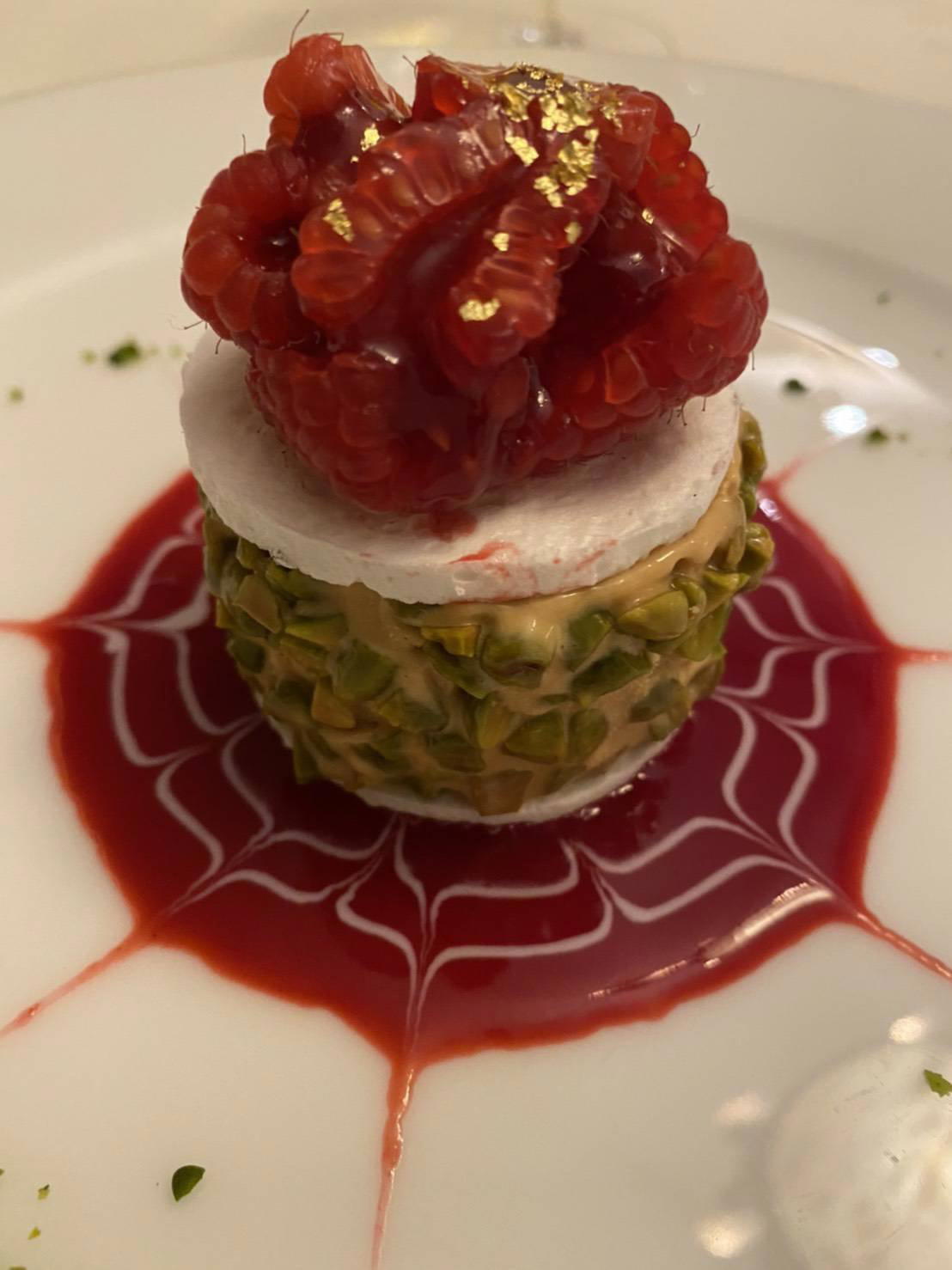
Approaching a small French room in Ichinomiya changes the expected rhythm of dinner. The city is better known to travelling diners as a local stop between Nagoya’s gravitational pull and the quieter food culture of Owari, so a 10-seat French, bistro and wine-bar address immediately feels like a different proposition: intimate, controlled and built around procurement rather than volume. In that setting, SORCIERE belongs to the category of restaurants where ingredient choice carries the argument, not theatrical plating or a chef mythology.
That matters in Aichi. The prefecture has deep agricultural and coastal access, but its restaurant identity is often flattened by proximity to Nagoya, where miso-katsu, hitsumabushi and high-density dining districts dominate the outside image. Ichinomiya’s stronger restaurants tend to work on a smaller register: a ramen counter here, a kappou room there, a wine-led table with enough local regulars to survive outside the tourist circuit. For a wider map of that scene, Our full Ichinomiya restaurants guide is the useful starting point, with nearby references such as Mugi no Michi Sugure, Kappou Tenkai, Chuka Soba Hanamaru and Restaurant HONJIN showing how broad the city’s serious dining range has become.
French cooking in Ichinomiya works when sourcing leads the room
French restaurants in regional Japan often succeed by refusing to imitate metropolitan luxury. The stronger model is narrower: a compact room, a clear wine function and a kitchen that treats Japanese ingredients through French technique without turning dinner into a themed performance. SORCIERE fits that regional-French lane. Its Tabelog French EAST 100 selection for 2025 places it among a curated eastern Japan group, and the 3.75 Tabelog score gives the recognition a measurable public-facing anchor rather than only local hearsay.
The useful comparison is not with Tokyo’s grand tasting-menu economy. Ichinomiya’s more revealing is mixed-format and price-tiered. Kappou Tenkai signals the city’s Japanese counter tradition at a lower dinner bracket, while Mugi no Michi Sugure shows how much attention a focused noodle shop can command at a different spend level. In that context, a French-bistro-wine bar with only 10 seats is not a generic European option; it is Ichinomiya’s small-room answer to ingredient-led dining, where menu confidence has to be proven course by course because the room gives nowhere to hide.
The wine-bar classification is also significant. In regional Japanese cities, wine-led dining often operates as a bridge between formal French and casual bistro culture: less ceremony than a metropolitan grande maison, more structure than a neighbourhood drinking room. That hybrid format suits sourcing-focused cooking because it lets the kitchen move with seasonal availability while keeping the experience within a recognisable French grammar. The absence of private rooms and private-use service reinforces the point: this is a shared, compact dining room rather than a corporate entertainment venue.
A 10-seat room changes the stakes
Capacity is not a decorative fact here; it shapes the meal. A 10-seat restaurant has a different burden from a larger dining room, because the pacing, wine service and kitchen decisions happen at close range. For diners used to Nagoya’s broader restaurant supply, Ichinomiya’s appeal is precisely this compression. The city rewards targeted reservations more than casual wandering, particularly for venues that sit above everyday spend and carry public recognition.
SORCIERE’s selection in the 2025 Tabelog French EAST 100 gives it a sharper signal than many regional French restaurants receive. Tabelog’s Hyakumeiten lists are not Michelin stars, and they should not be read that way. Their value is different: they mark restaurants that have accumulated enough user-side confidence and category relevance to enter a national conversation within a cuisine. For a diner deciding whether to allocate one serious dinner in Ichinomiya to French cooking rather than kappou, ramen or yakiniku, that signal has practical weight.
The broader Ichinomiya circuit is worth reading by category rather than hierarchy. Raamen to Tenshin Graphmi and Chuka Soba Hanamaru speak to the city’s noodle intelligence; kappou points toward seasonal Japanese formality; French-bistro cooking occupies a smaller but more deliberate lane. Travellers building a weekend should pair dinner planning with the city rails: Our full Ichinomiya hotels guide, Our full Ichinomiya bars guide, Our full Ichinomiya wineries guide and Our full Ichinomiya experiences guide help separate a single dinner stop from a more deliberate Owari itinerary.
How to place it within a wider Japan dining itinerary
The reason to include a regional French room on a Japan trip is not to escape Japanese food; it is to see how French technique is absorbed by local supply chains. That is the same reason serious diners compare across categories rather than chase one cuisine night after night. A route might move from Ichinomiya’s compact dining rooms to specialist Japanese formats elsewhere: -Grilled beef Sukiyaki- KAMAKURA TANUKIAN 鎌倉 たぬき庵 in Kamakura for sukiyaki. 鮪と炭火焼き うお炭 秋葉原店 in Tokyo for tuna and charcoal cooking.cafe in Osaka for café culture.know in Kumamoto for Kyushu dining, (Shoku) Vietnam in Kawasaki for Vietnamese cooking in Japan, and [Curry Senmon Ten] Maruyama Kyoju. in Sapporo for a curry-specialist counter.
For overseas readers, the comparison can stretch even further. Jōdo Saké Bar in Los Angeles and Onigiri Time in Pasadena show how Japanese formats translate abroad; SORCIERE shows the reverse pressure, French and bistro language filtered through a regional Japanese city. The stronger choice is for diners who value small capacity, wine compatibility and ingredient discipline over celebrity-chef theatre. In Ichinomiya, that is exactly where this restaurant’s relevance sits.
In Context: Similar Options
Comparable venues by cuisine and price in the same metro.
| Venue | Cuisine | Price | Notes |
|---|---|---|---|
| SORCIEREThis venue — the venue you are viewing | Intimate French Bistro & Wine Bar Counter | $$$ | Not listed |
| Restaurant HONJIN | French Teppanyaki | $$$ | Nishi Ichinomiya |
| Chuka Soba Hanamaru | Traditional Japanese ramen | $ | .null |
| Raamen to Tenshin Graphmi | Ramen and dim sum | $$ | Ichinomiya |
| Yukkuri Wine Shokudo Gocchaponto | Italian Wine Shokudo | $$$ | Ichinomiya |
| Mugi no Michi Sugure | Modern tsukemen & ramen | $$ | Ichinomiya |
Recognition history
Dated appearances from independent guides and award organizations, with the underlying list record or original source where available.
Tabelog 100 #52 · No. 52
Tabelog · Tabelog 100 - French - EAST - 2025
Continue exploring
More in Ichinomiya
Restaurants in Ichinomiya
Browse all →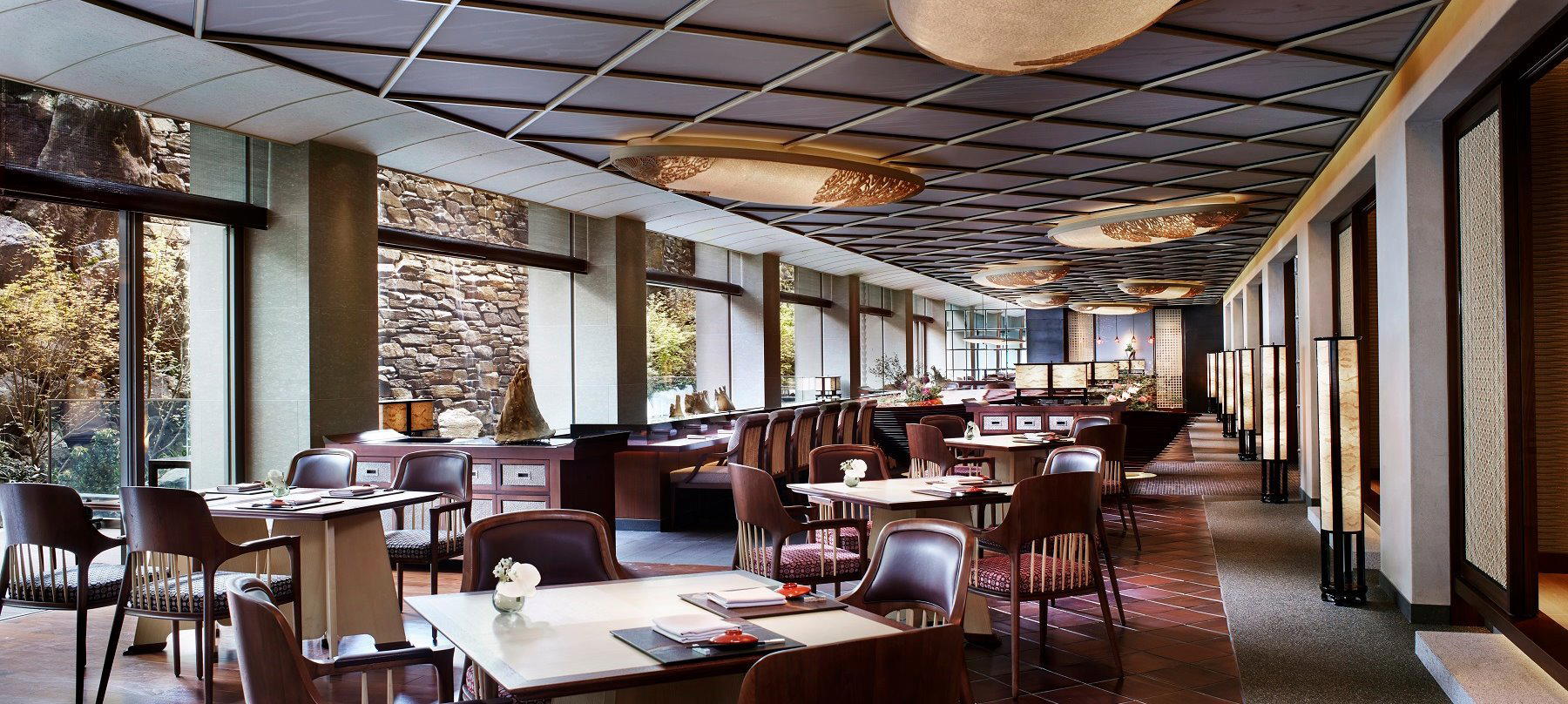
At a Glance
- Cozy
- Intimate
- Classic
- Date Night
- Special Occasion
- Solo
- Celebration
- Chefs Counter
- Open Kitchen
- Standalone
- Design Destination
- Extensive Wine List
- Local Sourcing
Current opening hours
- Monday
- 5:30–10 PM
- Tuesday
- 5:30–10 PM
- Wednesday
- 5:30–10 PM
- Thursday
- Closed
- Friday
- 5:30–10 PM
- Saturday
- 5:30–10 PM
- Sunday
- 5:30–10 PM
Hours can change for holidays and private events. Last verified .
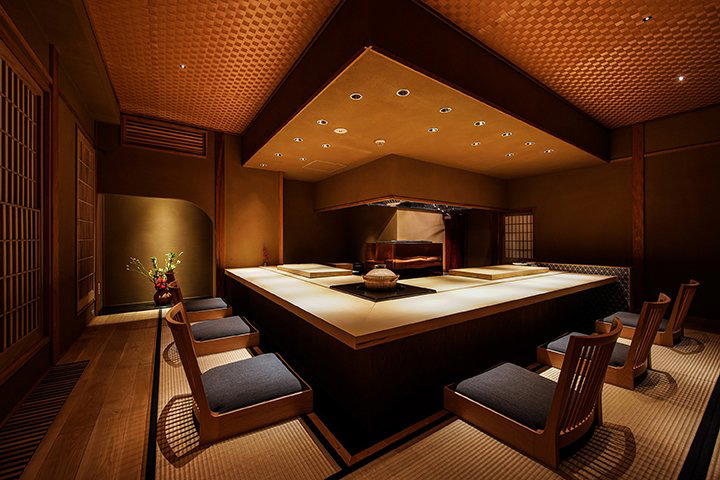
A small, cozy counter-only space with soft lighting and a warm, classical French bistro feel, suited to quiet conversations and special evenings rather than large, lively gatherings.