

Michelin Plate
Our verdict
A nine-seat kappo counter in San Francisco's Japantown, Yuji delivers a 12-course seasonal menu under chef Takayuki Hagiwara. Recognised by Michelin (Plate, 2025) and ranked #349 on Opinionated About Dining's Top Restaurants in Japan list, it occupies the same price tier as Benu and Atelier Crenn while operating on a far more intimate and ritually precise scale. Open Tuesday through Saturday from 4 pm.

Pearl is the En Primeur Club membership app, where members save venues, book tables and use the concierge.
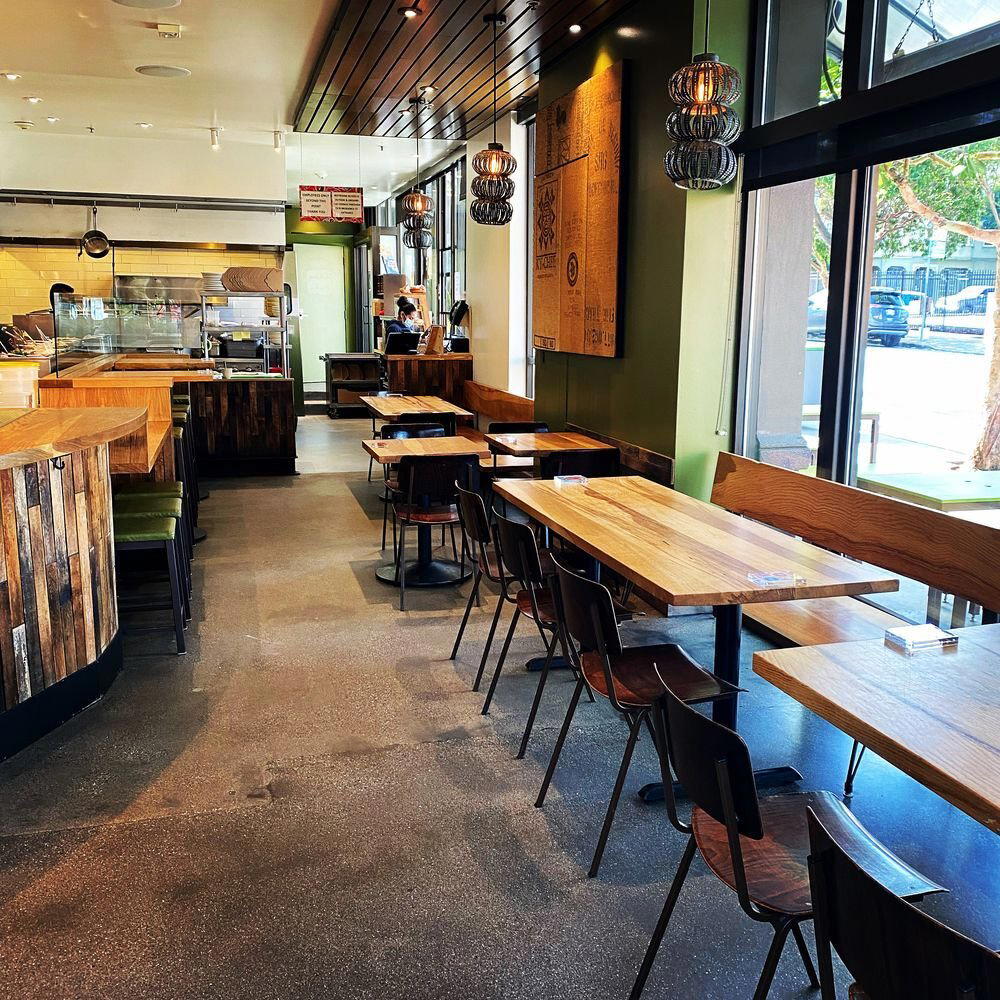
Counter Culture: The Kappo Ritual at Yuji
Japantown's dining identity has long been shaped by a tension between accessibility and depth. The neighbourhood's broad avenues and food mall corridors serve ramen, sushi, and izakaya staples to a wide daily crowd, but a smaller, more demanding category of dining operates within the same streets. Yuji belongs to that quieter tier: a nine-seat counter at 1700 Post Street that serves kappo cuisine, a format that sits between the ceremonial weight of full kaiseki and the improvised directness of omakase. The distinction matters for anyone trying to calibrate expectations before they arrive.
Kappo translates roughly as "to cut and to cook," and the format reflects that dual motion. A chef works in open view, the guest watches the meal assemble course by course, and the progression is seasonal and structured without the rigid formality that kaiseki can impose. What this produces is a counter experience where pacing and proximity are the primary design elements. San Francisco has a handful of serious Japanese tasting experiences, but few operate at this seat count with this degree of ritual precision. For comparison, the city's most recognised tasting menus, at Benu, Atelier Crenn, and Quince, seat significantly more guests and operate within European fine dining conventions. Yuji's counter format runs a different logic entirely.
The Architecture of a 12-Course Kappo Meal
The meal at Yuji runs 12 courses, progressing through a series of preparations that move between temperature, texture, and technique. The structure follows seasonal Japanese cooking conventions: lighter, more delicate dishes early in the sequence, building toward a grounding close of steamed rice, pickled vegetables, and miso soup. This closing movement, what Japanese cooking tradition calls shime, is not an afterthought but the meal's intended resolution. Arriving at that bowl of rice and pickles after an extended sequence of seafood and precision preparation is meant to feel like landing, not winding down.
The seafood progressions across the middle of the meal reflect the kappo cook's range. Different preparations appear across a single service: sashimi sliced to a precise thickness, fried fish handled to achieve a defined texture, hot and cold dishes sequenced to prevent sensory fatigue. The OAD description on record notes preparations including ultra-crunchy fried tilefish and pristinely fresh sashimi, with hairy crab potentially enriching the rice course depending on season. These are specifics that shift with sourcing and calendar rather than fixed menu constants, which is precisely the point of seasonal kappo cooking.
Meal closes with a silky matcha custard, a detail that speaks to the overall calibration of the counter: the finish is refined rather than dramatic, a quiet note that lets the preceding sequence settle. That restraint is characteristic of the format globally. Practitioners in Tokyo and Kyoto use the same logic, see RyuGin in Tokyo or Gion Sasaki in Kyoto for counterparts operating at higher recognition levels on the same culinary continuum.
What the Recognition Record Signals
Yuji holds a Michelin Plate designation for 2025, which places it in recognised territory without the starred ranking that would shift demand and pricing substantially upward. The more instructive credential is the Opinionated About Dining listing. OAD's Leading Restaurants in Japan ranking, which Yuji appeared on at #325 in 2024 and #349 in 2025, having entered at Highly Recommended in 2023, applies a crowd-sourced expert methodology that skews heavily toward food-focused travellers. Being ranked on a Japan list while operating in San Francisco signals that Yuji has traction with an audience that moves between both markets and makes comparisons against Japanese originals rather than only local peers.
That positioning places Yuji in a different competitive frame than the other $$$$ tasting menus in the city. Lazy Bear and Saison operate within progressive American and Californian traditions at comparable price tiers. The French Laundry in Napa and Single Thread Farm in Healdsburg anchor the Bay Area's broader luxury dining circuit.
The Etiquette of the Counter
Nine seats at a counter create a social contract that full dining rooms do not. Everyone at a kappo counter begins and progresses through the meal together. Arriving late doesn't delay the other guests, the meal begins at the appointed time. The OAD description on record is explicit on this point: be punctual, or the meal will begin without you. This is not a quirk of this particular counter but a structural feature of the format. The same discipline applies at serious kappo and omakase counters in Japan, where the synchronised progression of a shared meal is part of the design rather than a logistical convenience.
The counter's proximity to the chef also shifts how the meal is received. Course delivery, visible preparation, and the pace of the kitchen become part of the experience in a way that a table-service format doesn't permit. For guests accustomed to tasting menu formats at places like Le Bernardin in New York or Alinea in Chicago, the counter adjustment is significant. The theatre here is less produced and more direct.
Chef Takayuki Hagiwara leads the counter. The meal functions as a precise seasonal statement shaped by sourcing and technique, with the chef in full view throughout the service.
Planning Your Visit
Yuji operates Tuesday through Saturday, 4 to 11 pm, and is closed on Sundays and Mondays. The address is 1700 Post Street, Suite K, in the heart of San Francisco's Japantown. Price range: $$$$ (comparable to the city's other premium tasting menus). Reservations: Booking ahead is strongly advised given the nine-seat capacity, demand at this seat count means limited availability on short notice. Punctuality: Arrive on time; the counter service begins at a fixed point for all guests. Dress: No formal dress code is listed, but the format and price tier suggest smart-casual as a practical minimum.
For broader planning across the city, see our full San Francisco restaurants guide, along with coverage of hotels, bars, wineries, and experiences across San Francisco. Comparable high-effort tasting experiences outside the city include Providence in Los Angeles and Emeril's in New Orleans for those building broader US itineraries.
Frequently asked questions
Who is the chef or culinary lead at Yuji?
The chef associated with Yuji is Takayuki Hagiwara.
Where is Yuji in San Francisco?
Yuji is located at 1700 Post St k, San Francisco, CA 94115, San Francisco.
What should I eat at Yuji?
The 12-course kappo menu is the only format offered, so the question is less about ordering and more about what to anticipate. The progression moves through hot and cold preparations of seasonal seafood, including sashimi and fried tilefish, before closing on steamed rice served with pickled vegetables and miso soup. A matcha custard ends the meal. The menu reflects the season, so specific preparations shift; the Opinionated About Dining recognition across 2023, 2024, and 2025 consistently points to the seafood courses as the structural core.
What's the price range at Yuji?
Pricing at Yuji is listed as $$$$.
When is Yuji open?
Hours at Yuji: Hours: Monday 4–11 pm Tuesday 4–11 pm Wednesday 4–11 pm Thursday 4–11 pm Friday 4–11 pm Saturday 4–11 pm Sunday Closed.
A Pricing-First Comparison
A compact comparison to help you place this venue among nearby peers.
| Venue | Cuisine | Price | Awards | Notes |
|---|---|---|---|---|
| YujiThis venue (the venue you are viewing) | Modern Japanese Kappo Omakase | $200–300 | Michelin Plate | Not listed |
| Lazy Bear | Modern American Tasting Menu | Not listed | 2 Michelin Stars · World's 50 Best #25 | Progressive American, Contemporary |
| Benu | Modern Asian Fusion Fine Dining | $150–200 | 3 Michelin Stars · World's 50 Best #33 | French - Chinese, Asian |
| Atelier Crenn | Contemporary French Fine Dining | $300–500 | 3 Michelin Stars · World's 50 Best #44 | Modern French, Contemporary |
| Quince | Modern French Fine Dining | $300–500 | 3 Michelin Stars · World's 50 Best #48 | Italian, Contemporary |
| Saison | Modern French-Italian | Not listed | Michelin Plate | Progressive American, Californian |
Recognition history
Dated appearances from independent guides and award organizations, with the underlying list record or original source where available.
Michelin Plate
Michelin · 2026 Michelin Plate
Opinionated About Dining Top Restaurants in Japan Ranked #349
Opinionated About Dining
Full recognition history (6 entries)
Michelin Plate
Michelin
Michelin Plate
Michelin
Opinionated About Dining Top Restaurants in Japan Ranked #325
Opinionated About Dining
Opinionated About Dining Top Restaurants in Japan Highly Recommended
Opinionated About Dining
Continue exploring
More in San Francisco
Restaurants in San Francisco
All restaurants in San Francisco →
Bars in San Francisco
All bars in San Francisco →
Details
- Minimalist
- Elegant
- Intimate
- Serene
- Sophisticated
- Date Night
- Special Occasion
- Chefs Counter
- Sake Program
- Tasting Menu
- Counter Dining
Current opening hours
- Monday
- 5–9:30 PM
- Tuesday
- Closed
- Wednesday
- 5–9:30 PM
- Thursday
- 5–9:30 PM
- Friday
- 5–9:30 PM
- Saturday
- 5–9:30 PM
- Sunday
- 5–9:30 PM
Hours can change for holidays and private events. Hours as of .
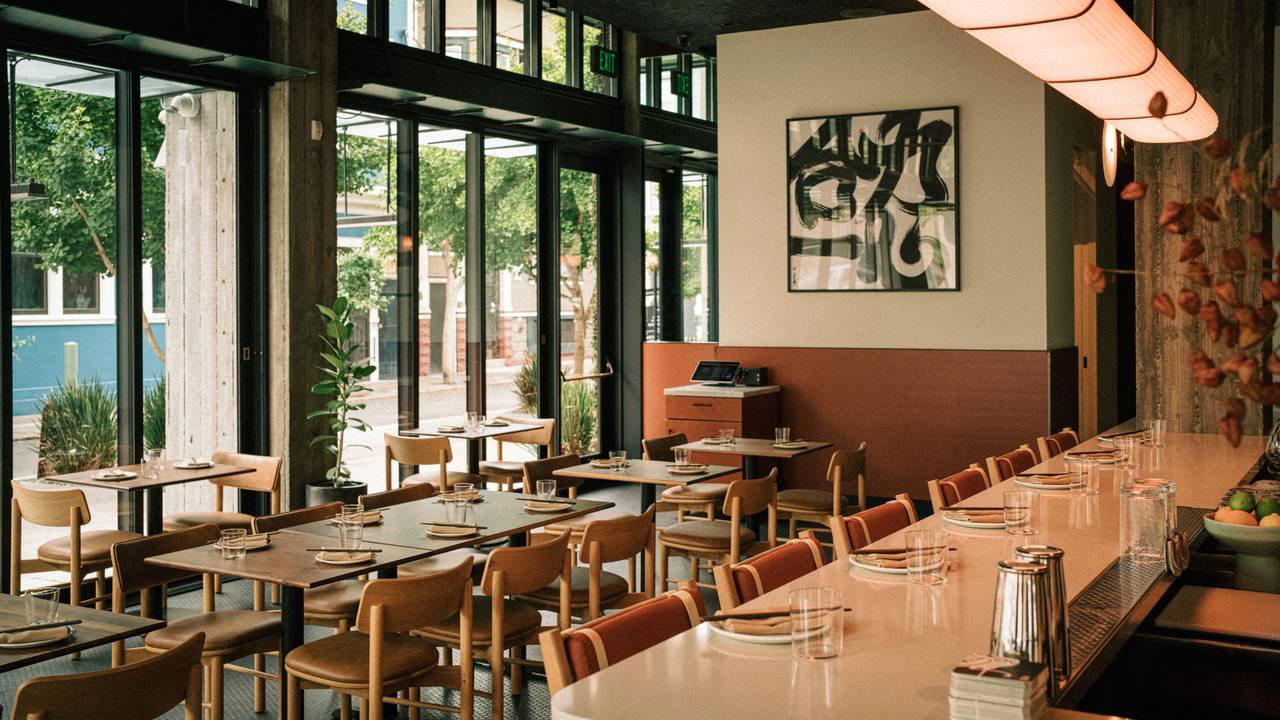
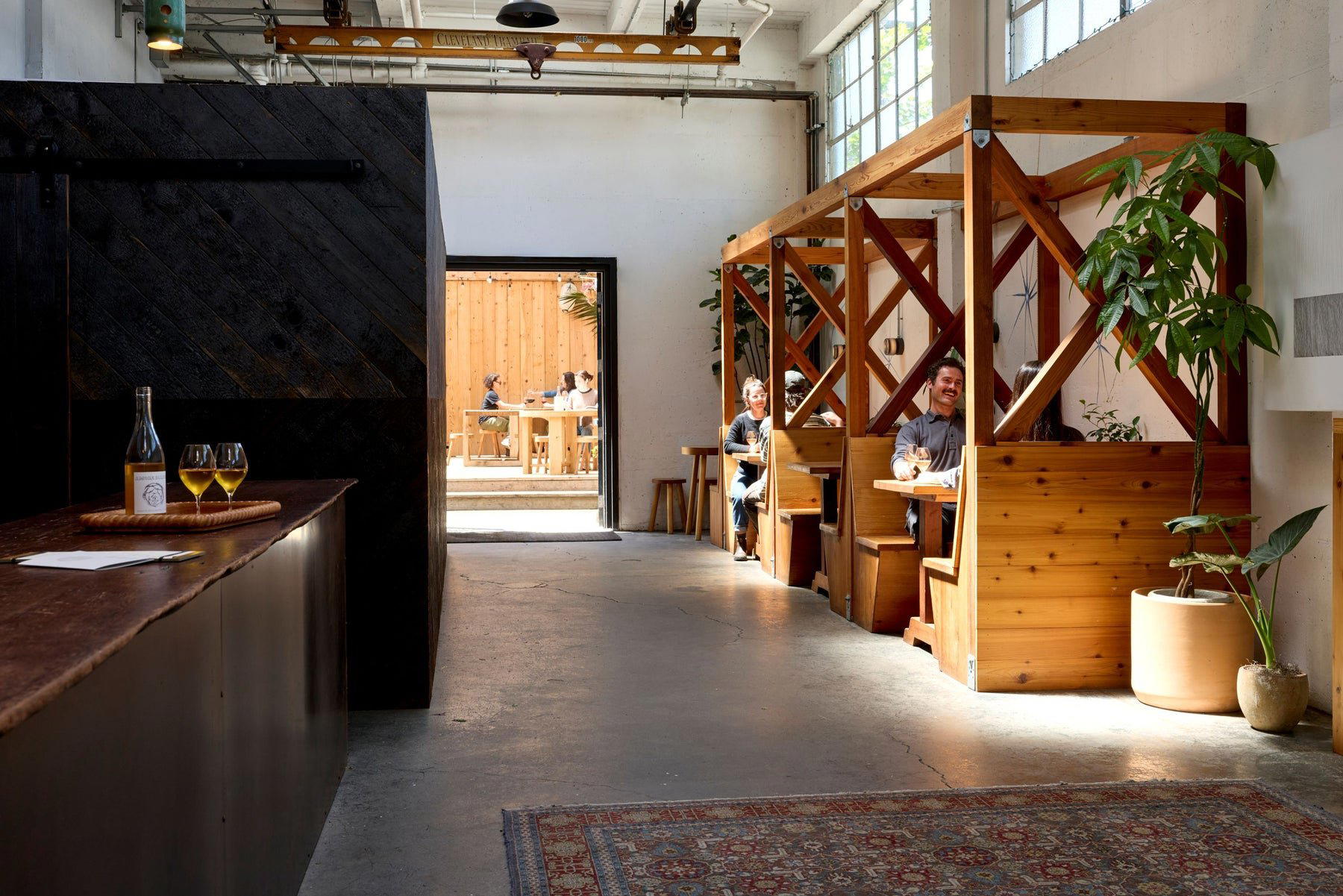
Minimalist décor with clean lines, natural materials, soft lighting, and warm wooden accents creating serene elegance.